REVIEW · TOKYO
Tokyo: Art Aquarium Museum GINZA Entry Ticket
Book on GetYourGuide →Operated by LINKTIVITY Inc. · Bookable on GetYourGuide
Goldfish, art, and Tokyo light shows. That’s the pull at Art Aquarium Museum GINZA, where the exhibits treat goldfish like living sculpture using light, music, and scent. I like how the experience feels intentional, not just a tank-and-fish layout, and it’s built for close viewing and good photos. One thing to consider: the museum is compact, so you may finish faster than you expect.
I especially love the modern take on the traditional Edo-period goldfish appreciation—same fascination, fresh presentation. Another high point is that the permanent space supports seasonal changes, so a visit isn’t automatically the same as last year. The main drawback is simple: it’s in a department store, so it’s easy to fit in, but you may want to pair it with other Ginza plans because there’s not much else structured around it.
In This Review
- Key Highlights at a Glance
- Ginza Mitsukoshi Check-In: Easy to Find and Easy to Exit
- What the Experience Feels Like: Light, Music, and Scent
- Goldfish as Modern Art: The Edo-Period Connection
- Seasonal Changes at a Permanent Venue: Why One Visit Might Not Be Enough
- Photography Rules and Real-Life Tips: How to Get Great Shots
- How Long You’ll Need: 45–60 Minutes Works Best
- Price and Value: Is $17 Reasonable for What You Get?
- Getting the Best Experience: Timing, Crowds, and What to Do Nearby
- Who Should Book This Ticket (and Who Might Skip)
- Should You Book This Art Aquarium Museum GINZA Ticket?
- FAQ
- How long does the Art Aquarium Museum GINZA experience take?
- Where is the museum located and where do I check in?
- What train exits should I use?
- Is photography allowed?
- Are tripods or strobes allowed?
- Are children free?
Key Highlights at a Glance
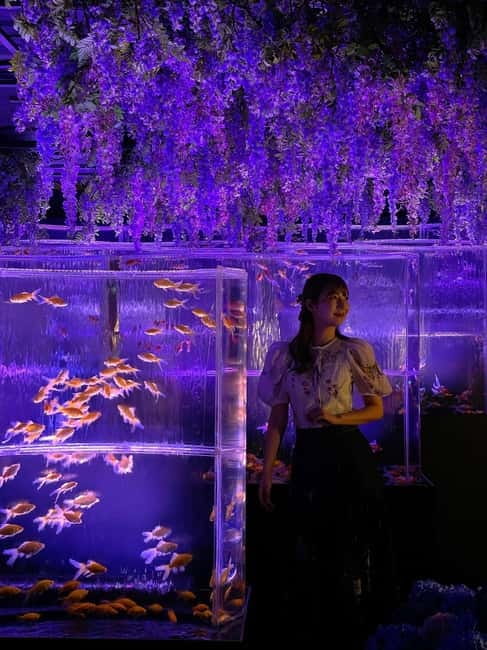
- Light, music, and scent turn goldfish viewing into a full sensory show
- Edo-style goldfish appreciation, modernized through thoughtful spatial design
- Seasonal changes keep the permanent venue feeling fresh
- Great photo opportunities with clear rules (no tripods, no strobes)
- English info on display makes the experience easier to follow
- Inside Ginza Mitsukoshi means easy transit and familiar shopping nearby
Ginza Mitsukoshi Check-In: Easy to Find and Easy to Exit
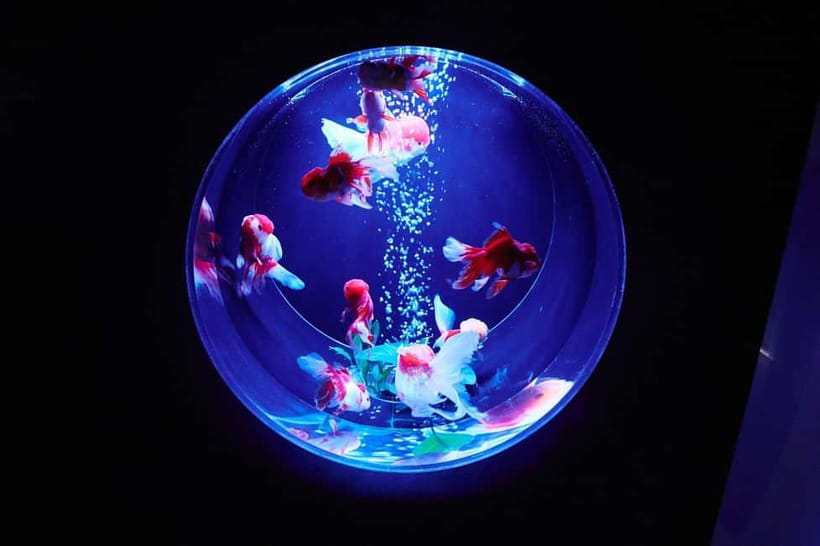
Art Aquarium Museum GINZA is located inside Ginza Mitsukoshi at 4-6-16 Ginza, Chuo-ku. Admission reception and same-day tickets are on the 9th floor of the new building, so you won’t be hunting for a tiny standalone storefront.
Access is straightforward because Ginza is packed with rail lines. If you’re using Tokyo Metro, the Ginza Line, Marunouchi Line, and Hibiya Line can get you to Exit A7 at Ginza Station. The Yurakucho Line is a quick walk from Ginza 1-chome Station (Exit 9), and you can also reach it via the underground passage from Higashi Ginza Station for a short route to Ginza Station.
Plan to arrive a bit early, because you’re booking a time slot for a timed entry experience. Once you’re inside, you’ll be able to flow through the exhibits without waiting for a tour guide to start your session.
You can also read our reviews of more tours and experiences in Tokyo

What the Experience Feels Like: Light, Music, and Scent
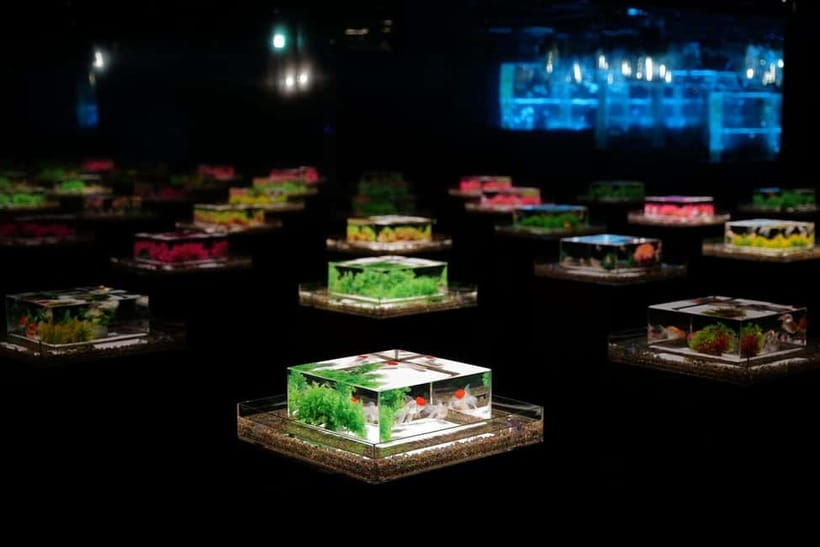
This is not a classic aquarium. The biggest difference is the way the space is staged to affect your senses while you watch the fish.
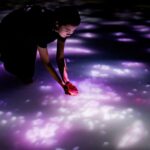
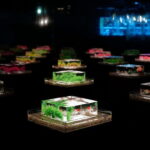
Expect light effects that change how the goldfish colors read through the glass. The background music is part of the pacing, and several visitors specifically noted how tranquil it feels, like it slows your brain down while you look closely. On top of that, there’s scent included as part of the exhibit atmosphere, and it’s one of the reasons the museum can feel more like an art installation than an animal display.
What this means for you: the “wow” moment isn’t only what you see. It’s also how long you can keep looking. The staging encourages lingering, and you’ll probably notice more detail in the fish—movement patterns, reflection, and how the displays frame each tank—than you would in a traditional layout.
Goldfish as Modern Art: The Edo-Period Connection
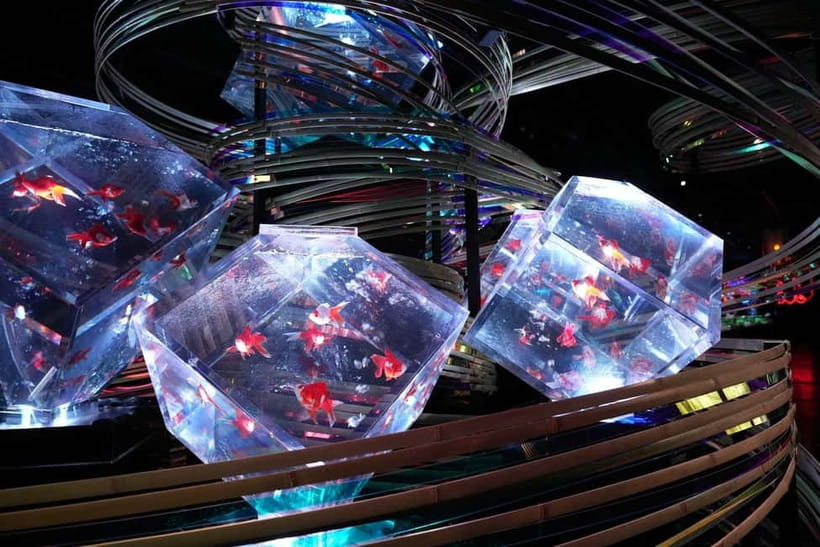
The museum reimagines the traditional Edo-period goldfish appreciation in a modern art style. That matters because it reframes goldfish from a simple pet idea into something people studied, collected, and admired with intention.
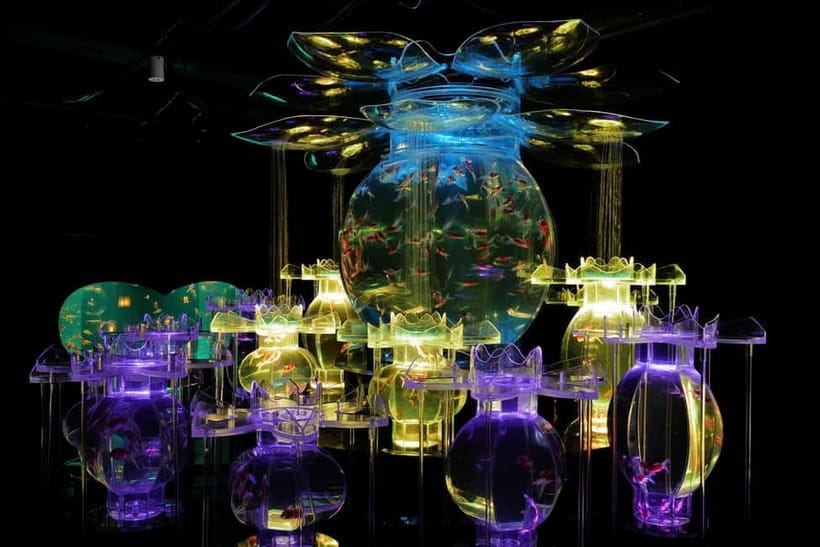
Instead of one flat row of tanks, you get unique spatial presentations—the room design helps you experience the fish as part of a broader composition. The exhibits are built around beauty: how shapes and colors appear under lighting, and how the displays create a sense of choreography as goldfish swim.
If you love design details, you’ll enjoy the way the museum turns an everyday creature into something theatrical. If you’re more into information, you’ll also be glad there’s English support on the exhibits, so you can connect what you’re seeing to what it represents.
Seasonal Changes at a Permanent Venue: Why One Visit Might Not Be Enough
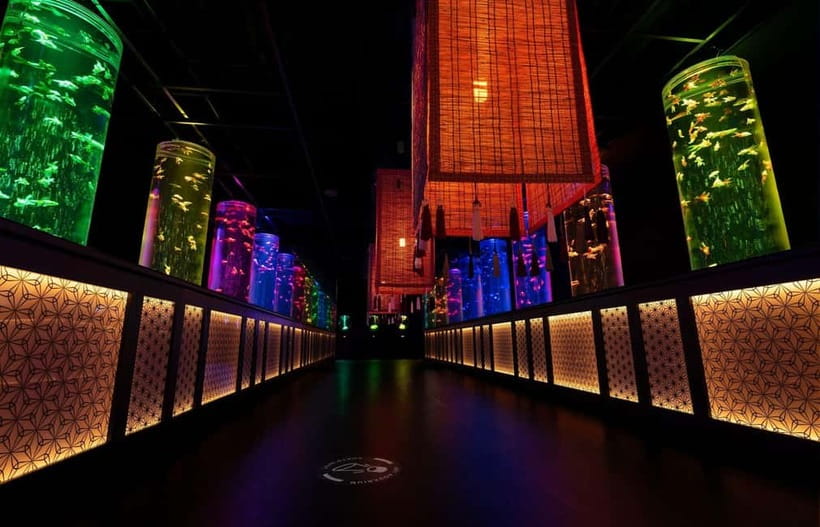
Art Aquarium Museum GINZA is a permanent setup, but it’s not stuck in one theme forever. The museum includes seasonal changes throughout the year, so parts of the experience can shift as the calendar does.
For you, this is a big deal. If you’re planning only one short trip to Tokyo, you still get a full, satisfying experience in about an hour. But if you’re returning to Japan, or you’re staying longer, the seasonal updates make the museum more like something you can revisit rather than a one-and-done stop.
The practical takeaway: if you visited at a certain time of year, don’t assume you’ll get the exact same visuals later. Even repeat visitors have noted that the art and displays can be more than half new, which is a rare win for a small ticketed museum.
Photography Rules and Real-Life Tips: How to Get Great Shots
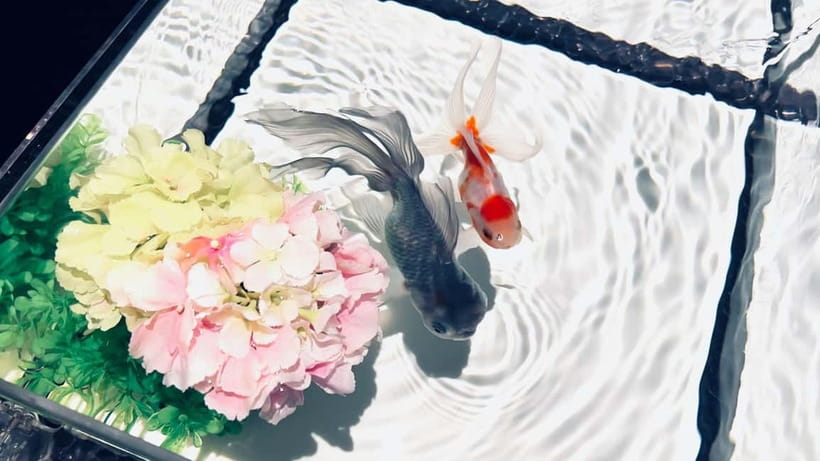
The museum is a popular spot for photography, and that’s no surprise. Goldfish under lighting effects can look incredible, and the staging gives you clean framing opportunities.
Just follow the rules:
- Tripods, monopods, and similar equipment aren’t allowed
- Strobes and any lighting equipment aren’t permitted
- Photography itself is allowed
So how do you get good photos without slowing everyone down? Keep your camera ready, use short bursts, and shoot from where you stand rather than changing positions repeatedly. If you want the best photos, choose a time slot when the space feels less crowded.
Timing matters. One visitor took midweek tickets around 10:30 am and found the museum calm enough to take photos without interrupting others. That kind of timing can turn a decent photo session into a comfortable one.
You can also read our reviews of more museum experiences in Tokyo

How Long You’ll Need: 45–60 Minutes Works Best
The estimated viewing time is about 1 hour. In practice, that range can land around 45 minutes to an hour because the museum is compact.
That’s good news for planning. You can fit it into a Ginza morning, a lunch break stretch, or as a cool-down between busy Tokyo blocks. Since you don’t need a deep explanation session to enjoy it, you can arrive, watch, photograph, read the English info, and move on without dragging the day out.
If you’re the type who likes to slow-walk and read everything, give it closer to the full hour. If you’re focused on visuals, you might complete it sooner and have time to hit nearby Ginza shops.
Price and Value: Is $17 Reasonable for What You Get?
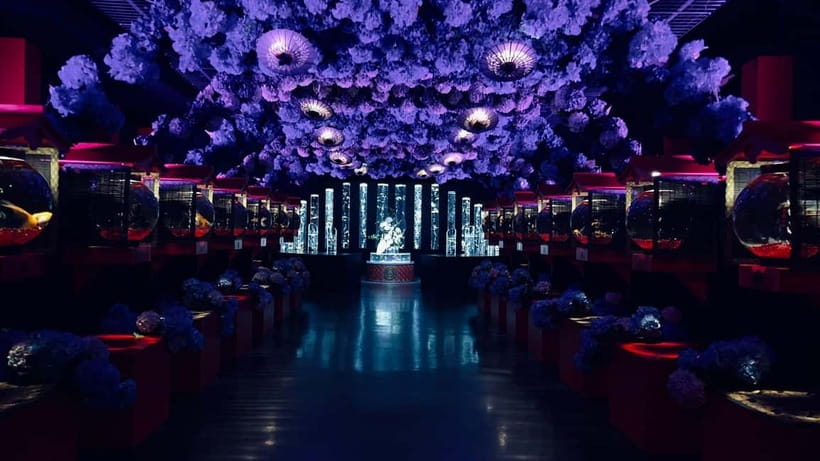
At $17 per person, the ticket is priced like an art experience, not like a huge attraction. For many people, that’s exactly the point: you get a concentrated show built around light, sound, scent, and curated viewing.
The value angle is this: you’re paying for staging and design, not just for a general ticket to see fish tanks. The Edo-period concept plus seasonal changes also helps justify repeat visits, which many small museums don’t do well.
One more value factor: it’s easy to reach inside a major transport hub and department store. That reduces friction. When a ticketed experience is also logistically easy, you lose less time and money to transit stress.
So yes, it’s not the cheapest thing you can do in Tokyo. But if you like visual art, design, and photo-friendly spaces with clear rules, the $17 feels fair for a solid hour of attention.
Getting the Best Experience: Timing, Crowds, and What to Do Nearby
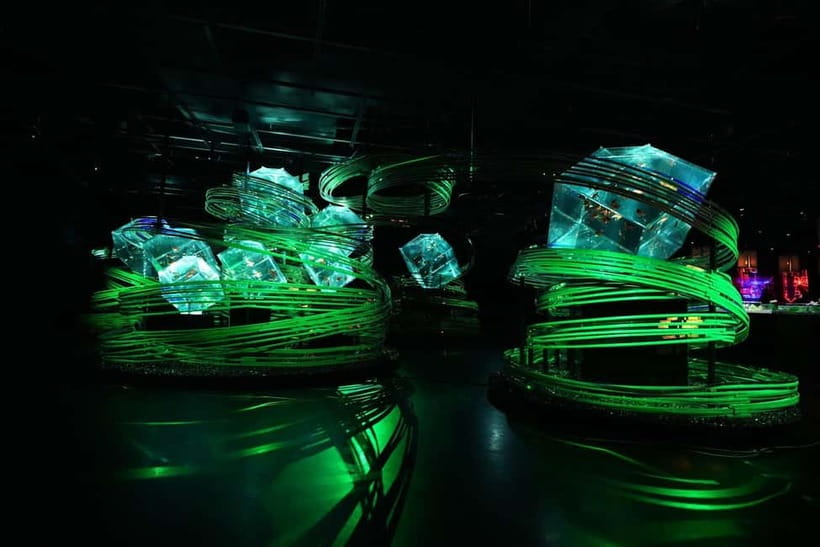
Your odds of enjoying the atmosphere go up when you pick a quieter time. If you can, try a midweek slot and aim for earlier entry. The museum can still be enjoyable at other times, but earlier tends to mean smoother photo-taking and more time to watch the fish without bumping into other people’s tripods-less setups.
Also, treat Ginza Mitsukoshi as your “buffer zone.” While the museum itself is the core activity, you’ll likely appreciate the nearby convenience: you can grab a snack afterward, pick up something small in the gift area, and keep moving.
There’s a gift store on site, and several visitors highlighted the souvenirs as a real plus. That makes the whole stop feel more complete, like you’re leaving with something themed—not just a photo on your phone.
Who Should Book This Ticket (and Who Might Skip)
Book it if you want:
- A one-hour, easy-to-plan Tokyo activity
- A different kind of aquarium experience with light and music
- Photo opportunities without needing advanced gear
- Seasonal visual changes and an Edo-inspired concept in modern form
Consider skipping if:
- You need lots of floor space and long walking time
- You prefer a traditional aquarium layout over art-staged displays
- You’re expecting a large museum with extensive exhibits beyond goldfish themes
There’s also a caution to keep in mind. One person raised concern that some fish looked mistreated. I can’t confirm details beyond what was stated, but it’s a good reminder to pay attention to how the animals appear to you and decide based on your comfort level with how the museum presents them.
Should You Book This Art Aquarium Museum GINZA Ticket?
If you like design, calm sensory experiences, and photography-friendly spaces with clear behavior rules, I think this is a smart pick. The $17 price makes sense for a short, well-staged experience in a convenient part of Tokyo, and the Edo-inspired concept plus seasonal changes give you real reasons to enjoy it beyond a quick glance.
Book it when you can choose a quieter entry time, and pair it with other Ginza plans so the compact format doesn’t feel like a tease. If your schedule is tight and you want something distinctly Tokyo and different from the usual aquarium routine, this one earns a spot.
FAQ
How long does the Art Aquarium Museum GINZA experience take?
The estimated viewing time is about 1 hour, with the museum described as fairly compact, so many people plan around 45–60 minutes.
Where is the museum located and where do I check in?
It’s inside Ginza Mitsukoshi at 4-6-16 Ginza, Chuo-ku, Tokyo. Admission reception and same-day tickets are on the 9th floor of the new building.
What train exits should I use?
Options include Tokyo Metro Ginza Line/Marunouchi Line/Hibiya Line Exit A7 at Ginza Station, Tokyo Metro Yurakucho Line a 5-minute walk from Ginza 1-chome Station Exit 9, or a short underground passage from Higashi Ginza Station toward Ginza Station.
Is photography allowed?
Yes, photography is permitted.
Are tripods or strobes allowed?
No. Tripods/monopods and similar equipment are not allowed, and strobes or lighting equipment are also not permitted.
Are children free?
Up to two children under elementary school age may enter free of charge with one adult.