REVIEW · TOKYO
Private Tour Through the Tokyo National Museum & Ukiyo-e
Book on GetYourGuide →Operated by gotcha Corporation · Bookable on GetYourGuide
Ueno packs big history into two hours. This private Tokyo National Museum & Ukiyo-e tour strings together Ueno’s temples, a Tokugawa-connected shrine, and museum galleries so it feels less like walking and more like following a story.
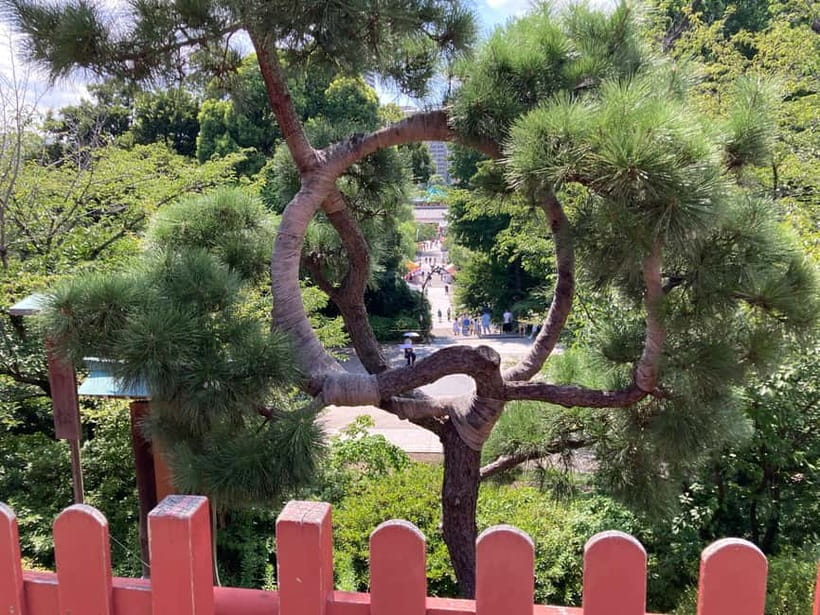
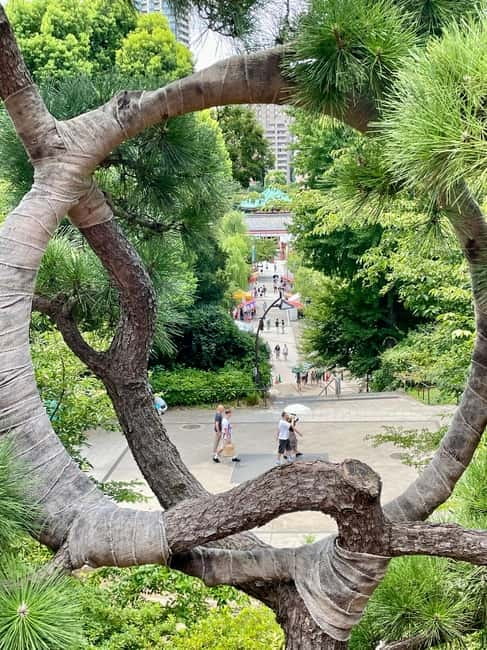
I especially like the Kiyomizu Kannon-dō photo stop, with its strong view angle from the wooden stage over Ueno Park. I also love how the museum portion connects famous objects like samurai armor and colorful ukiyo-e woodblock prints into one clean, learn-as-you-go route.
One possible drawback: 150 minutes goes fast inside the museum. If you want deep time with a single theme, you may want to plan extra time afterward on your own, or go in with two specific areas in mind.
In This Review
- Key highlights you’ll feel quickly
- Starting at a real Tokyo landmark: FamilyMart Ueno Park Branch
- Kiyomizu Kannon-dō: the quiet temple stop with the best “Ueno from above” moment
- Ueno Toshogu Shrine: Tokugawa connections without the overcomplication
- Tokyo National Museum: ukiyo-e and armor, explained in a route you can follow
- What if you want more depth?
- Guides can shape the experience (names you may hear)
- Ueno Hill, Kaneiji Temple grounds, and the Edo-to-Meiji story you can picture
- Pace and logistics: how to get the most from 150 minutes
- What to bring and what to avoid
- Value check: why $74 can make sense here
- Who should book this Tokyo National Museum & Ukiyo-e tour?
- Should you book it?
- FAQ
- Where is the meeting point?
- How long is the tour?
- Is this a private tour?
- What does the tour include?
- What are the key stops on the route?
- What should I bring?
- Are there any rules to know about?
- Is the tour suitable for wheelchair users?
Key highlights you’ll feel quickly
- English-speaking private guide who can answer questions and keep the pace comfortable
- Ueno Park viewpoints from the wooden stage area at Kiyomizu Kannon-dō
- Ueno Toshogu Shrine with historical ties to the Tokugawa shogunate
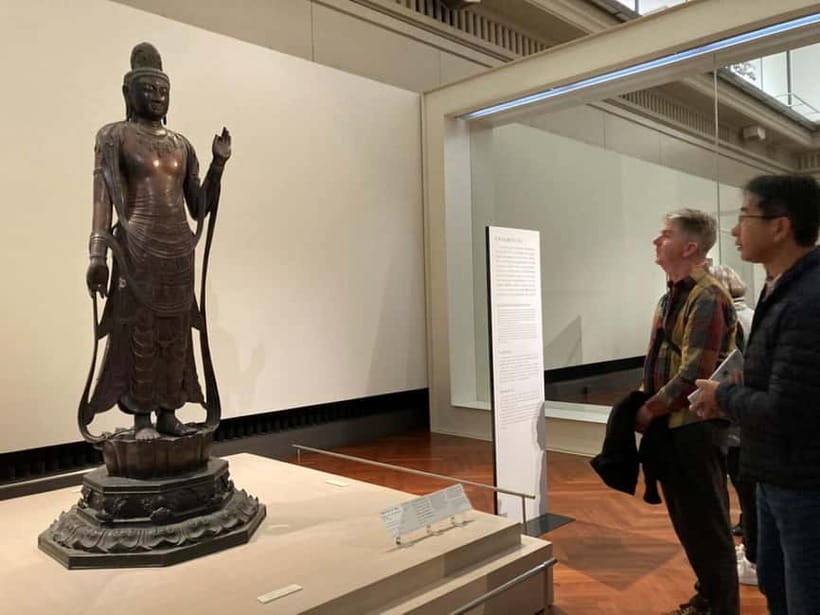
- Tokyo National Museum entry included, focused on memorable objects like ukiyo-e prints and armor
- Ueno Hill context explained through Edo to Meiji-era changes, including the Battle of Ueno
Starting at a real Tokyo landmark: FamilyMart Ueno Park Branch
Meeting at ファミリーマート 上野公園店 is simple and practical. It’s in front of the convenience store on the street, and it’s not tucked inside the park grounds. That matters because Ueno is easy to get lost in if you only have “Ueno Park” as a target.
You’ll appreciate the clarity once you’re there: the guide can spot you fast, and you can start walking without the usual early-trip stress. It’s also a good sign for a short tour length like this one. When your total time is 150 minutes, efficient starts help.
Quick tip: wear shoes you can walk in for a couple of temple-and-shrine hops. You’ll want the freedom to move at a relaxed pace, take photos, and still make it into the museum with time to enjoy it.
You can also read our reviews of more private tours in Tokyo
Kiyomizu Kannon-dō: the quiet temple stop with the best “Ueno from above” moment
The tour’s first main sight stop is Kiyomizu Kannon-dō. Expect a photo stop plus guided time, not a rushed drive-by. This is a quieter temple setting than some of the big-city shrines, and that calm is part of the appeal.
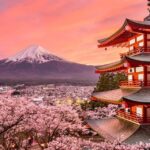
What you’re really collecting here is the viewpoint. The experience description calls out a spectacular view of Ueno Park from the wooden stage. That’s the kind of moment that makes Ueno feel like more than just a neighborhood. It gives your brain a “map view,” so later, when you’re in the museum and reading about Edo-era spaces, the geography clicks.
Also, this stop works well even if you’re not a hardcore temple person. You get a nature-adjacent break, good air, and a chance to slow down. And if you’re traveling with kids or anyone who needs a steady rhythm, temple pacing often feels more natural than museums-only tours.
One practical consideration: you’ll likely be outdoors for part of it. Bring a hat, sunscreen, and water, especially if your tour runs on a sunny day.
Ueno Toshogu Shrine: Tokugawa connections without the overcomplication
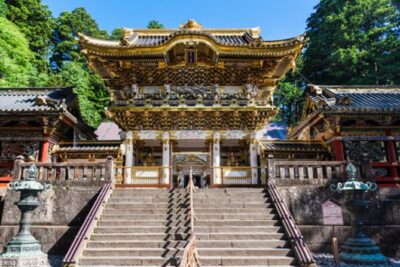
Next up is Ueno Toshogu Shrine, again with a photo stop and guided sightseeing. The big reason this stop matters is its connection to the Tokugawa shogunate. Even if you don’t know much Japanese history yet, you’ll start seeing how power, religion, and public space overlapped in Edo Japan.
What I like about including this stop is that it gives you a second lens. Museums show objects; shrines show ideas and influence that shaped how people lived. When your guide links the shrine to the wider Ueno story, it stops being random sightseeing and turns into a timeline you can remember.
And because Ueno Toshogu Shrine is tied to one of Japan’s most important political eras, this stop acts like a hinge. It helps you understand why the museum collections feel so purposeful. You’re not just looking at old stuff. You’re learning how old Japan organized meaning.
Tokyo National Museum: ukiyo-e and armor, explained in a route you can follow
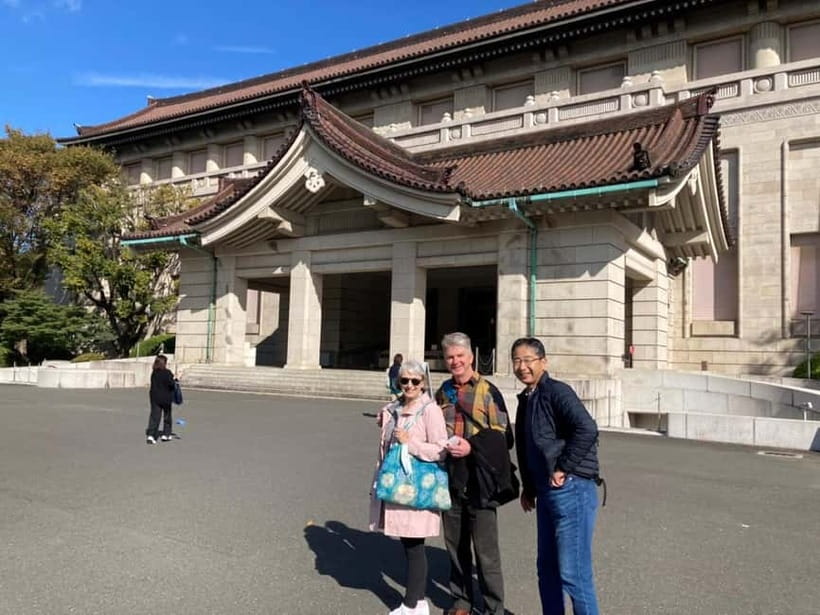
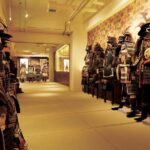
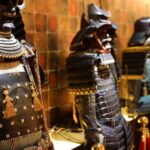
The heart of the tour is the Tokyo National Museum, with guided visit time and sightseeing. Admission is included, which is a real value boost because the museum is the kind of place where you’d otherwise pay separately.
Inside, the tour focuses on standout categories you’ll actually care about:
- Samurai armor, which instantly connects art to real life
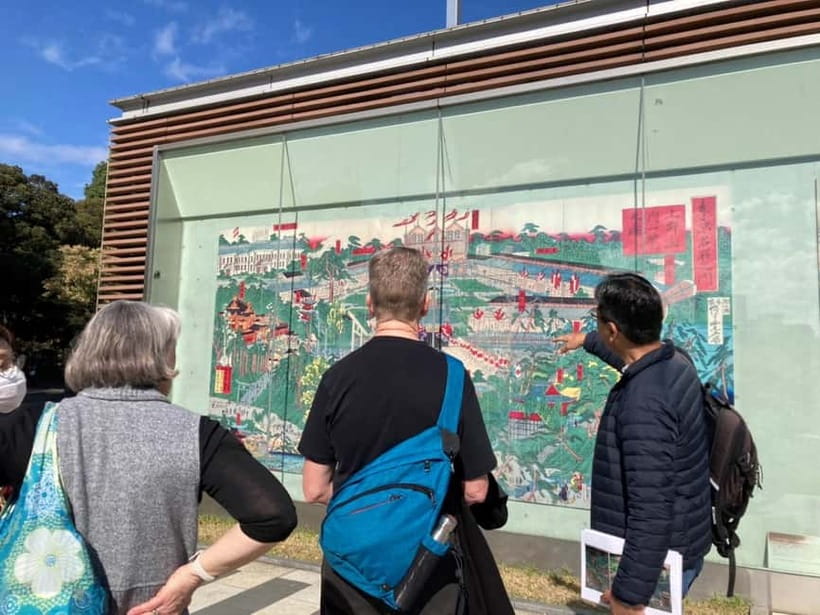
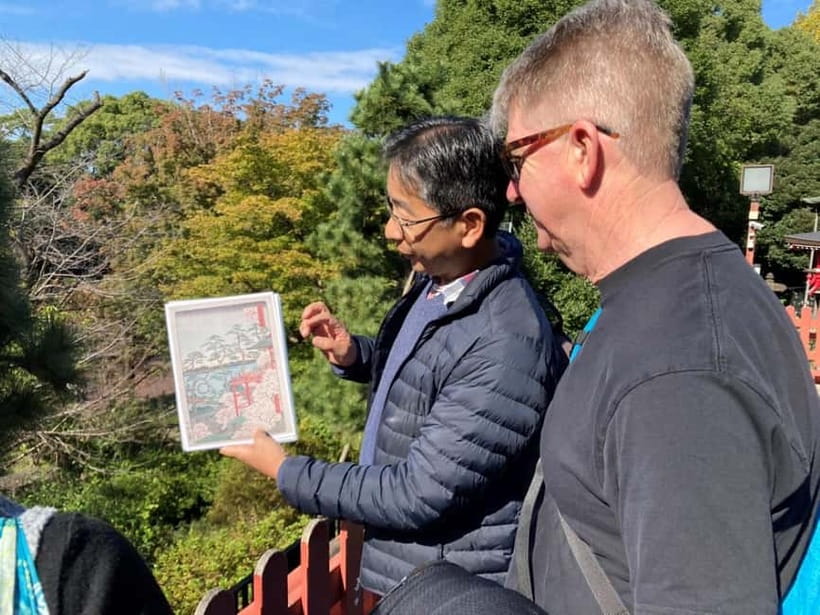
- Ukiyo-e woodblock prints, the famous colorful print tradition that shaped Japanese popular culture
Even with limited time, a good guide helps you avoid museum fatigue. Instead of wandering through galleries and hoping something clicks, you’re being pointed toward objects that make the Ueno story concrete. Think of it like having a translator for visuals: you start to notice details that you might otherwise skip.
What if you want more depth?
Here’s the honest caution. One review noted that in the museum they would have liked a more targeted path through specific objects. That tells me the tour is likely designed for a good overview, not a catalog-level tour.
The good news: another review highlighted that a guide made sure guests had enough time for two specific areas. That means you can get better results if you go in with a plan. If you care about ukiyo-e prints most, or armor most, decide in advance and let your guide know your preference when you’re in the museum.
You can also read our reviews of more museum experiences in Tokyo

Guides can shape the experience (names you may hear)
This tour is led by English guides, and reviews mention guides such as Shigeru, Yutaka Hattori, Mieko, and Masahito. Across those experiences, the common thread is clear: guides focus on explanation and comfort, and they’re willing to answer questions instead of just walking forward.
One review even mentioned a guide suggesting a tasty lunch venue, which is a small thing but genuinely useful. After museums, you’ll usually want a quick plan for food, and a guide can help you avoid the tourist-snack trap.
Ueno Hill, Kaneiji Temple grounds, and the Edo-to-Meiji story you can picture
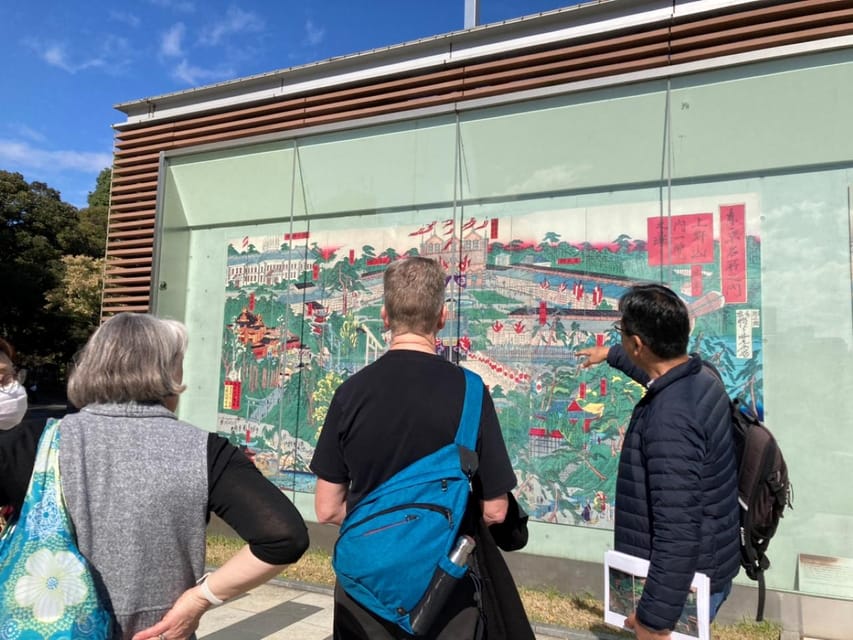
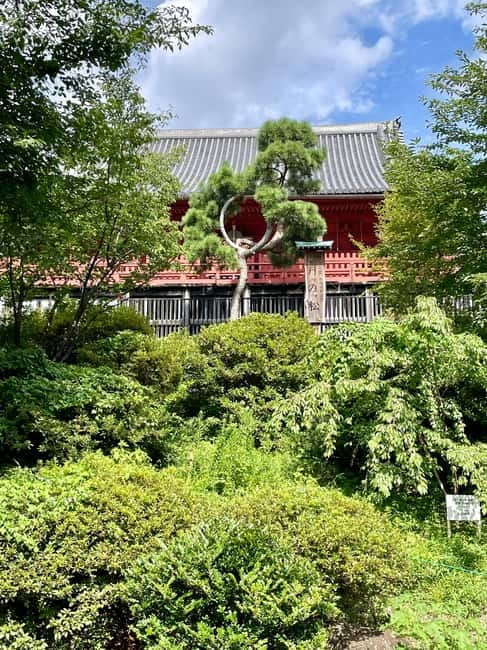
A smart part of this tour is how it frames Ueno itself. Ueno Hill wasn’t just “a park.” It was once the vast grounds of Kaneiji Temple, and in the Edo period it functioned as a popular public space.
Your guide’s job here is to help you connect that physical space to the big historical turning points. The tour description specifically mentions changes through the Meiji Restoration and the Battle of Ueno. Even if those phrases sound intimidating at first, the benefit of a guided walk is that you can hold onto the essentials:
- the area’s role as a public gathering place
- how the meaning of those grounds shifted over time
- how later events changed the way people experienced Ueno
This is the kind of context that makes museum objects stop feeling random. When you understand the landscape and the timeline, ukiyo-e prints and armor begin to feel like pieces of a larger picture.
Pace and logistics: how to get the most from 150 minutes
Let’s talk time like an adult. You have about 150 minutes total, private group. That’s enough time to:
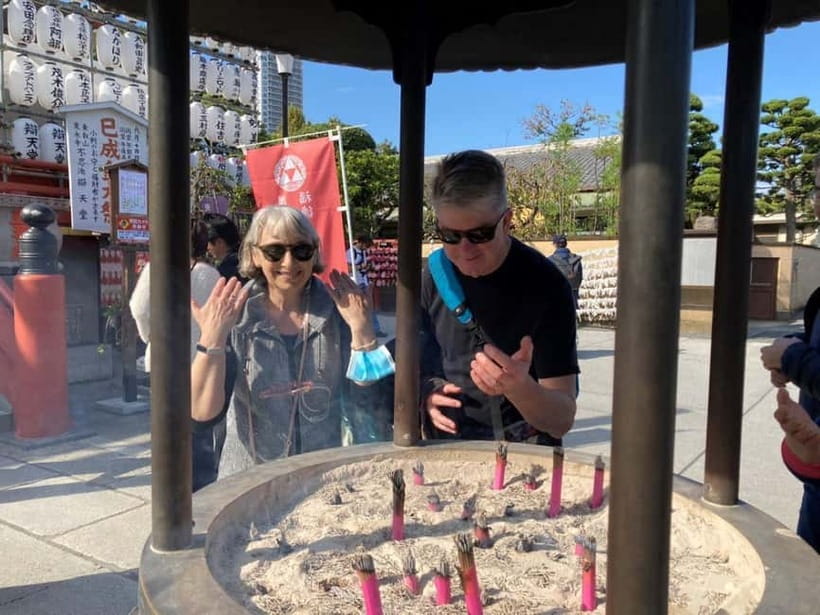
- visit two outdoor heritage stops with photo moments
- enter the museum and see key categories
- still have time for questions and an unhurried feel
But it’s not enough to see every gallery deeply. So your job is simple: treat the tour like the best path into the museum, not as the only museum you’ll ever do.
This format tends to work best if you:
- like learning through a route
- want the big name objects without full-day overwhelm
- enjoy asking questions and getting answers in plain English
It’s also worth noting that this tour likely involves walking on uneven outdoor surfaces and indoor museum floors. The activity is not suitable for people with mobility impairments or wheelchair users, so plan accordingly if accessibility is a concern for you.
What to bring and what to avoid
For a smooth experience, bring:
- comfortable shoes
- hat, sunscreen, and water
- a camera
And follow the on-site rules:
- no smoking
- no flash photography
The flash rule is especially relevant in museums. If your photos matter, bring a camera mode that works well without flash, or be ready to take more photos in outdoor stops where it’s allowed.
Value check: why $74 can make sense here
Pricing is $74 per person for a 150-minute private tour. That can sound steep if you’re comparing it to hopping on a group bus. But you should compare it to what you’re actually buying:
You’re getting:
- museum admission included
- a guided route through both outdoor heritage stops and indoor galleries
- English-language interpretation and Q&A time
- a private group format that lets the pace match your interests
In other words, you’re not just paying for facts. You’re paying for direction. In Tokyo, direction saves time, stress, and ticket-line guesswork.
The only reason this might not be great value is if you already know the museum well and you prefer total freedom. In that case, you might spend less by going solo. But if you want an organized, story-shaped experience, this price usually feels fair.
Who should book this Tokyo National Museum & Ukiyo-e tour?
I think this tour fits best if you:
- want ukiyo-e and samurai-related highlights without spending hours deciding where to go
- like history that connects to what you’re actually standing in front of
- want a guide who can tailor the visit a bit to your questions
- enjoy a short, private format over a full-day commitment
It can also be a good choice for families. One review specifically noted a guide being patient with children, which is a big deal if you want museum time that doesn’t turn into a fight.
If you’re a serious museum specialist who wants deep reading across many collections, you’ll probably still enjoy it, but you should expect to add more museum time after. The tour is built to create a strong start, not to replace a full museum day.
Should you book it?
If you’re visiting Ueno and you want a smooth, English-guided path that connects Kiyomizu Kannon-dō, Ueno Toshogu Shrine, and the Tokyo National Museum in just 150 minutes, I’d say yes—especially if you don’t want to plan every move yourself.
Book it if you want the best highlights explained clearly, and if you’re okay with the reality that museum time is limited. Skip it if you need long, theme-by-theme museum study time and you prefer going at your own pace from the first door you walk through.
If you do book, come with two museum goals in mind (for example ukiyo-e prints and armor), wear your comfiest shoes, and ask your guide questions. That’s how you turn a short tour into a visit that actually sticks.
FAQ
Where is the meeting point?
You meet in front of the FamilyMart at 上野公園店. It faces the street and is not inside Ueno Park.
How long is the tour?
The tour lasts 150 minutes.
Is this a private tour?
Yes, it’s a private group tour with a live English guide.
What does the tour include?
It includes admission to the Tokyo National Museum and access to Kiyomizu Kannon-dō.
What are the key stops on the route?
You’ll visit Kiyomizu Kannon-dō, Ueno Toshogu Shrine, and the Tokyo National Museum (where you finish).
What should I bring?
Bring comfortable shoes, a hat, a camera, sunscreen, and water.
Are there any rules to know about?
No smoking is allowed, and flash photography is not allowed.
Is the tour suitable for wheelchair users?
No. The tour is listed as not suitable for people with mobility impairments or wheelchair users.