REVIEW · TOKYO
Tokyo: Asakusa Walking Tour with Japanese Comedian
Book on GetYourGuide →Operated by Karate Comic Ryo · Bookable on GetYourGuide
Asakusa can feel like Tokyo’s greatest hits, and this tour gives it context fast. I like that you’re guided by Ryo, a local with real street-level experience, plus he layers in English standup-style humor around Japanese culture and the comedy world. You’ll still see the big sights, but you’ll also learn what they mean and why people care.
The two big wins for me are the careful explanations of Buddhist deities and the way the walk connects the dots between shrines, temples, and daily life in Asakusa. One consideration: the tone is meant to be funny, and the guide’s energy may feel more informative than showy, depending on what you want from a tour.
In This Review
- Key things to know before you go
- Why Asakusa works so well for a 90-minute walk
- Meet Ryo at Tokyo Cruise: a quick start near Asakusa Station
- Before Sensō-ji: Skytree, Asahi Beer, and a free view break
- Sumida Park and the river-side vibe that sets the tone
- Kaminarimon Gate: the photo stop that also explains what you’re seeing
- Nakamise Shopping Street: how the origin story changes your walk
- Asakusa Shrine and Sensō-ji’s neighbor relationship
- Sensō-ji and the Hon-dō finish: meaning plus the practical payoff
- Comedian humor in English: how it plays with the culture
- Price and value: what $31 buys you in the real world
- Who this tour suits best (and who might want a different pace)
- Should you book this Asakusa comedian walking tour?
- FAQ
- How long is the Asakusa walking tour
- Where do I meet the guide
- What language will the guide speak
- Will I be able to access the tour if I use a wheelchair
- Does the tour include skipping a ticket line
- Can I cancel, and can I reserve without paying right away
Key things to know before you go
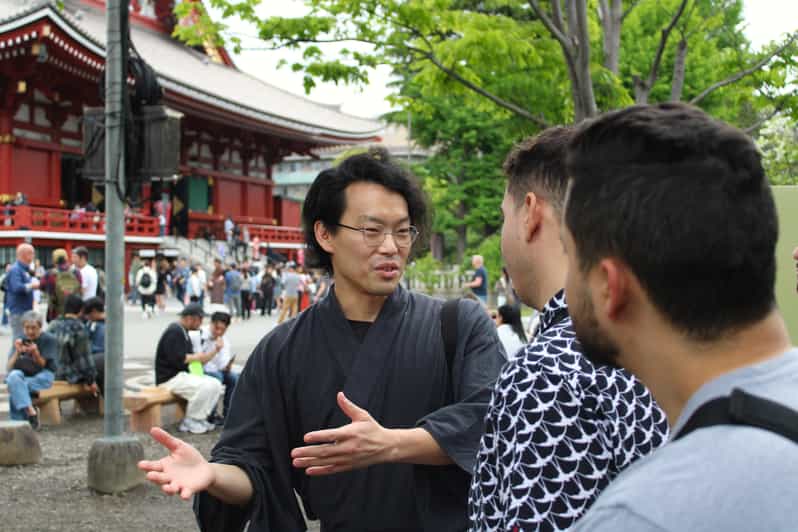
- Comedian guide in two languages (English/Japanese), so explanations land without losing the joke rhythm
- Asakusa’s shrine-temple pairing: you get the why behind Buddhism and Shinto being side-by-side
- Multiple cultural stops in 90 minutes, not just a fast pass at the main gate and grounds
- Skytree and Asahi Beer Company come up before Sensō-ji, which helps orient you
- Small group (max 8) makes it easier to ask questions and keep the pace human
- No souvenir-food detours, but you’ll get recommendations to shop after
Why Asakusa works so well for a 90-minute walk
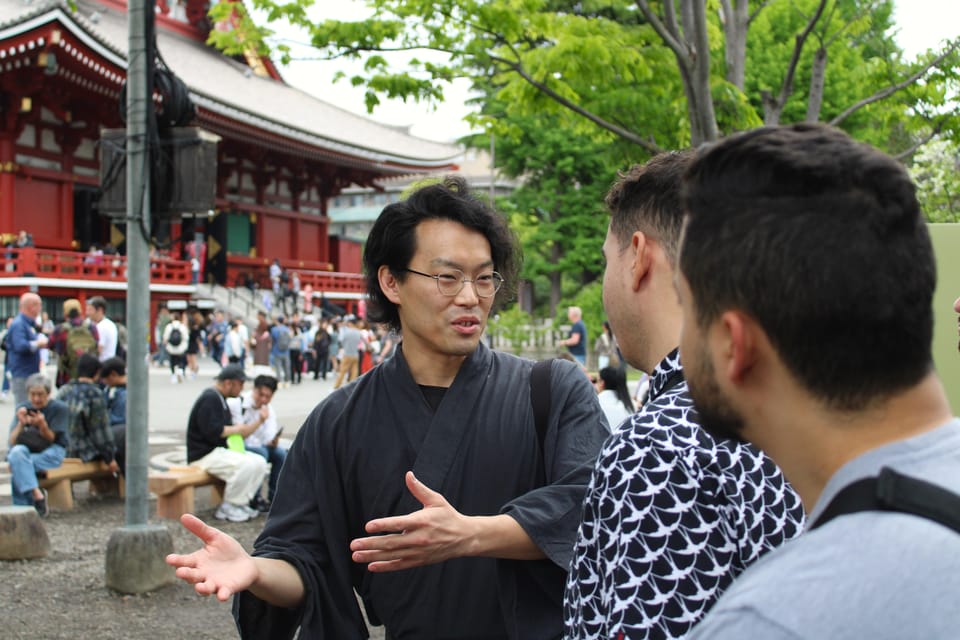
Asakusa is one of those districts where you can wander for hours and still feel like you’re missing the point. This tour is designed to prevent that. In about 90 minutes, you get a path through the area that connects the landmarks to the beliefs behind them, not just their photo angles.
I like that the pace is built around walking and looking, with short guided stops where you’re meant to absorb what you’re seeing. That matters here, because the most interesting part of Asakusa isn’t only the architecture. It’s the contrast: Buddhist temple space sitting next to a Shinto shrine, all in the same neighborhood you’ll recognize from classic Tokyo imagery.
And because it’s a small group, you’re not getting shoved along by a herd. You have a better shot at hearing details clearly and asking follow-up questions when something sparks your curiosity.
You can also read our reviews of more walking tours in Tokyo

Meet Ryo at Tokyo Cruise: a quick start near Asakusa Station
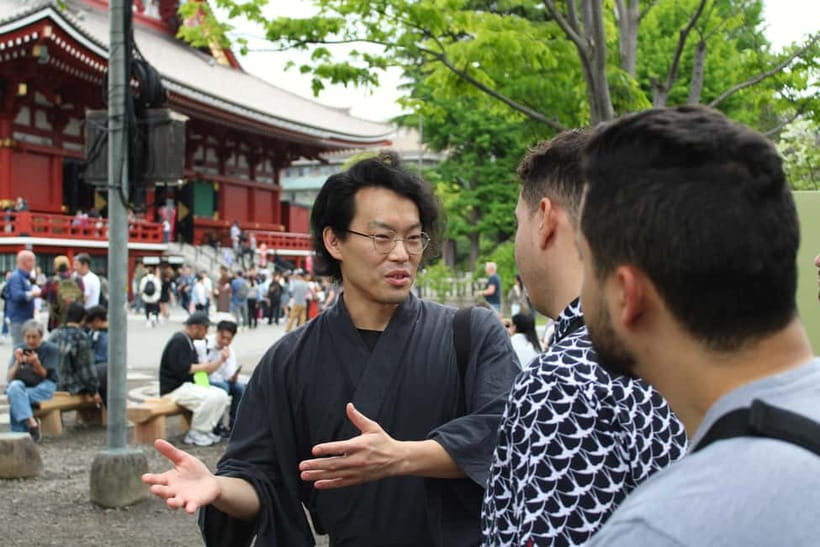
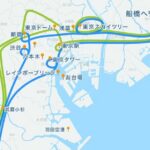
Your meeting point is Tokyo Cruise, the water-bus station in Asakusa. It’s an easy walk from Asakusa Station on the Tokyo Metro Ginza Line, about 1 or 2 minutes on foot.
This start location is more than just convenient. It nudges you into the Asakusa mindset right away: you’re beginning with the riverside area people often associate with old Tokyo travel vibes. If you arrive early, you’ll have a minute to reset before the walk begins.
One practical point: the tour starts on time. You’ll want to arrive about 5 minutes before departure, because the guide won’t wait for late arrivals. Also, plan to end with the tour and then handle your own transport afterward. The guide can’t pick you up from a hotel, and they can’t take you to the station when you finish.
Before Sensō-ji: Skytree, Asahi Beer, and a free view break
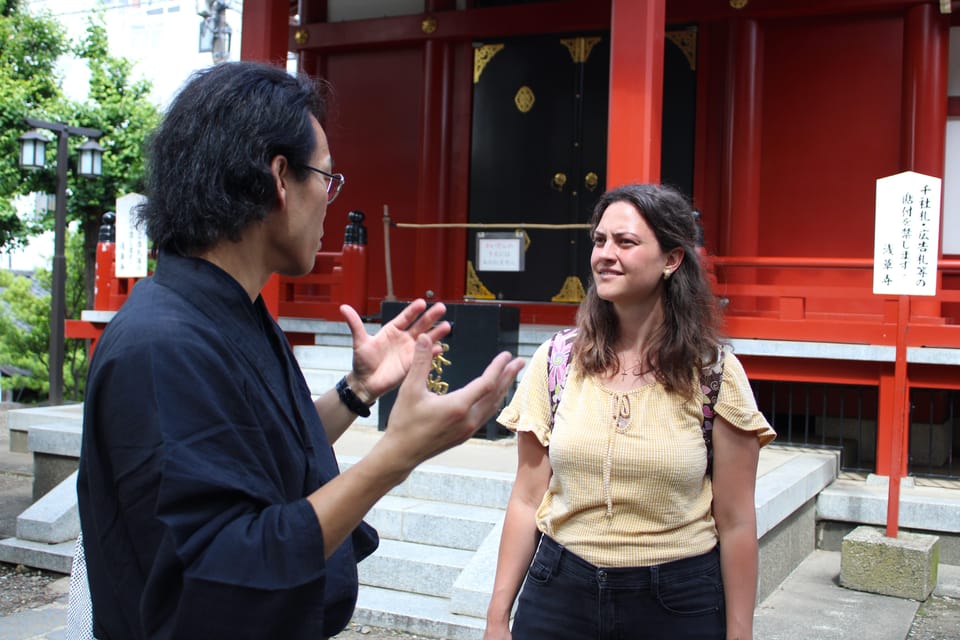
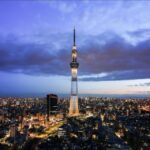
One of the smartest moves in this itinerary happens before the famous temple grounds. Before you go to Sensō-ji, Ryo shows you landmarks like Tokyo Skytree and the Asahi Beer Company. That might sound like a strange warm-up, but it actually helps you anchor the area in modern Tokyo while you’re walking through something that feels historic.
Then you get a nice view of Asakusa from the top of a nearby building, and it’s included with the tour. That kind of quick overview is handy. You understand the “shape” of the district, so the later shrine-temple details land better when you’re standing right in front of them.
If you hate the feeling of arriving at a famous place with no orientation, this pre-temple segment solves that problem. It gives you a mental map without making the schedule feel like a lecture.
Sumida Park and the river-side vibe that sets the tone
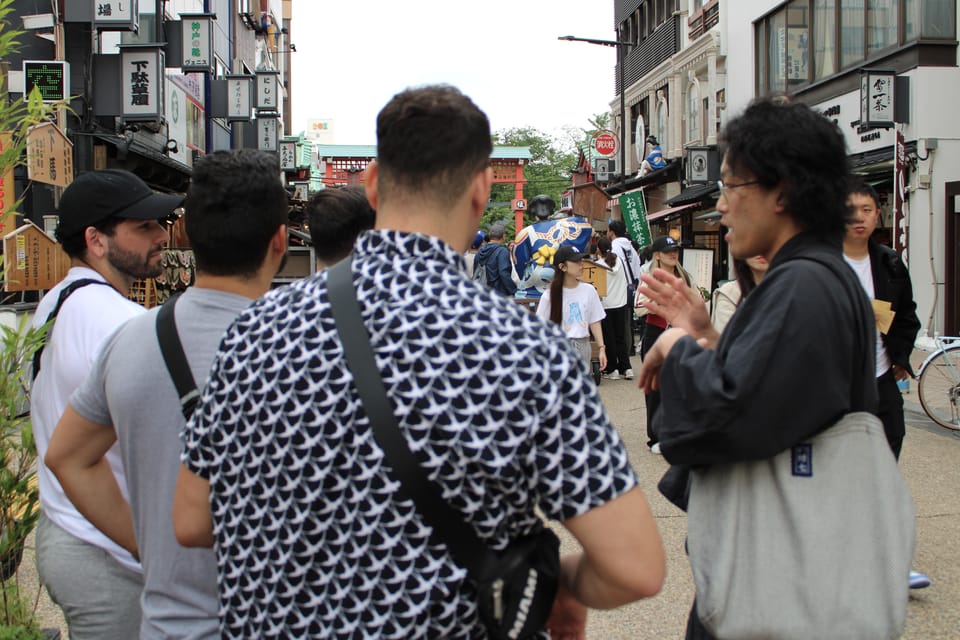
After you start, you’ll move to Sumida Park. This is a good pacing break inside the tour because it takes you from the meeting area into a more open, scenic stretch where you can settle your eyes.
Even though this is a guided walking tour, Sumida Park functions like a reset. It’s the moment when the tour stops feeling like transit and starts feeling like sightseeing with room to breathe. You’re still building context for what comes next, but you’re doing it in an easier, calmer environment.
If you’re trying to see Asakusa for the first time, this helps you avoid the common mistake of rushing from one “must-see” photo to the next. Instead, you’re gradually learning what’s important here and why it keeps pulling people back.
Kaminarimon Gate: the photo stop that also explains what you’re seeing
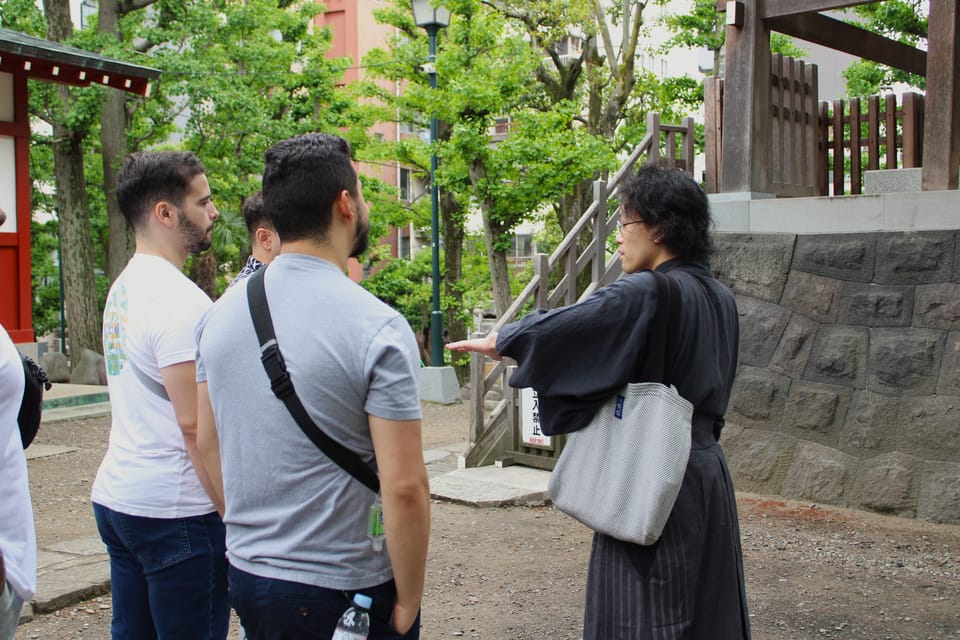
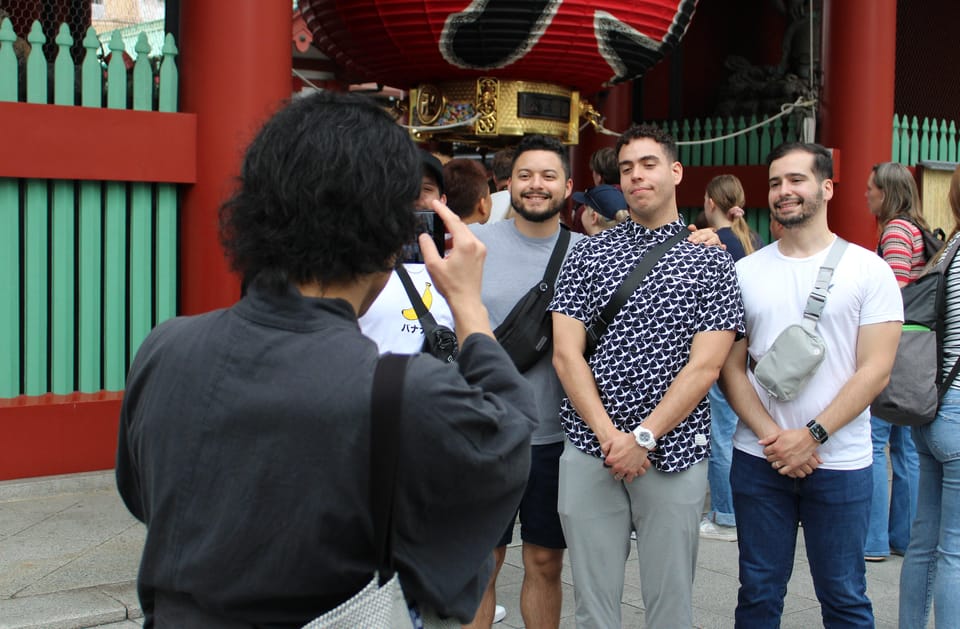
Next comes Kaminarimon, with a photo stop and guided time there. This is one of the iconic entrances to Sensō-ji, and it works well as an early anchor point.
Ryo’s approach here is helpful because it’s not only about what you’re looking at. It’s about the symbol level. Kaminarimon is treated as a key marker for Asakusa itself, including what it represents in the flow of the temple area and how people move into it.
A photo stop is great, but it’s even better when you know what the gate is tied to. That’s the difference you get on this tour: the photos become part of the story, not just a checklist item.


Nakamise Shopping Street: how the origin story changes your walk
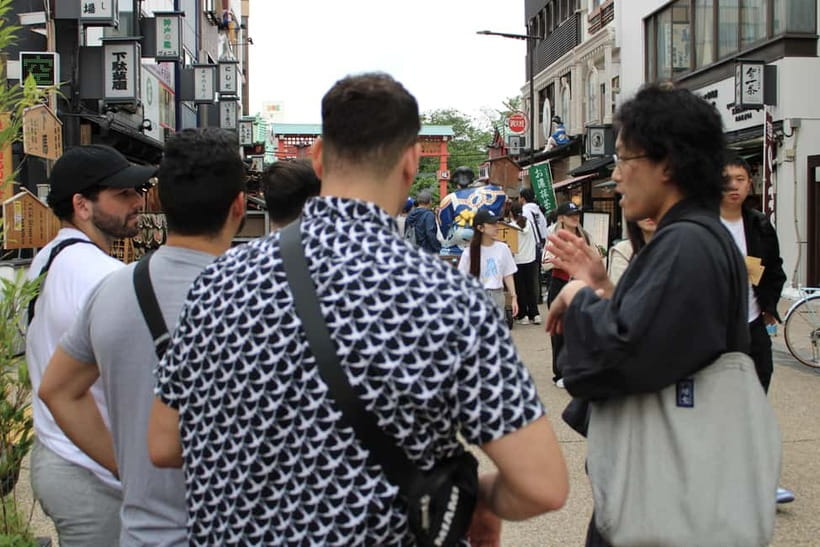
After Kaminarimon, you head to Nakamise Shopping Street. This section is famous, and you’ll likely recognize it on sight. What you won’t get as easily on your own is the guide’s narrative layer.
Ryo explains the origin of Sensō-ji while showing illustrations. That matters because Nakamise can look like a sensory wall of stalls, snacks, and souvenirs. When someone connects the street to the temple’s founding story and the people who helped it survive and grow, the whole area feels more meaningful while you walk through it.
This is also where you should be aware of the tour’s shopping approach. You won’t be stopped for food or souvenir shopping during the walk. The tour keeps its schedule tight. If you want to shop, Ryo will happily suggest where to go after the tour, but you won’t be doing a planned shopping detour as part of the 90 minutes.
So think of Nakamise here as story time in motion. You get the feeling of the street without turning the tour into a long shopping hour.
Asakusa Shrine and Sensō-ji’s neighbor relationship
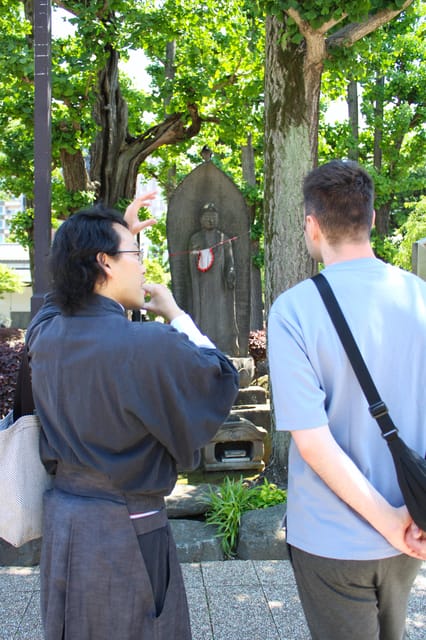
One of the most interesting parts of Asakusa is that it holds both a major Buddhist temple and a Shinto shrine next to each other. In this tour, you don’t just see that fact. You learn how Japanese religious views can coexist in the same space.
You’ll visit Asakusa Shrine and then Sensō-ji, with Ryo explaining the significance of what you’re seeing. He also points out statues of Buddhist deities and discusses their meaning, which gives you something to look for besides the biggest, most obvious landmark pieces.
If you’re the kind of traveler who likes to understand the “why” behind cultural scenes, this is a strong fit. The tour doesn’t treat the shrines and temples as scenery. It treats them as places with roles in people’s beliefs and routines.
And because you’re walking through both religious spaces as part of one route, you naturally start comparing how each place feels and what the symbols communicate.
Sensō-ji and the Hon-dō finish: meaning plus the practical payoff
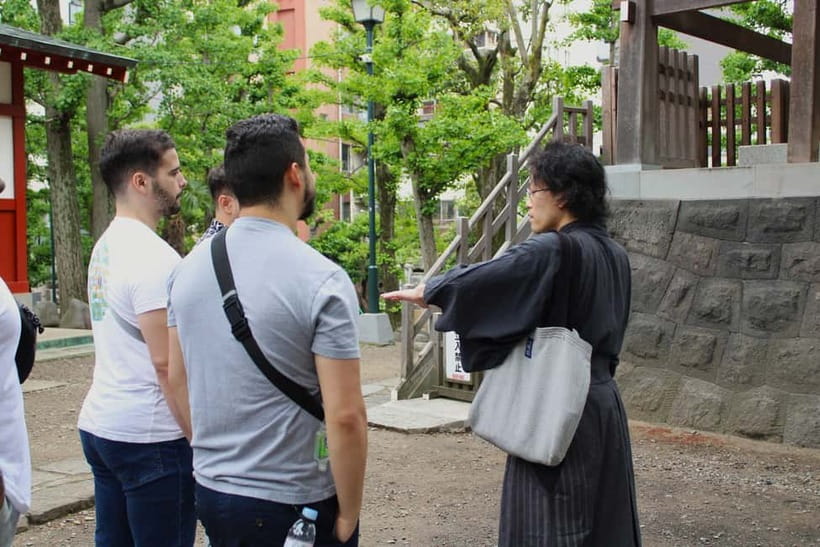
Sensō-ji is the main event, and the tour builds to it. You’ll have a guided walkthrough of the temple area, with Ryo offering context about how the site has been loved and supported across different periods.
One detail that makes this more than a basic sightseeing loop: you’ll hear about how the temple has been supported by different groups over time, from locals to generals of various eras. Ryo also uses illustrations to explain the temple’s background, so it’s easier to follow even if you don’t read Japanese.
You’ll finish at 本堂 (Hon-dō), which is the most fitting place to wrap up if you want the central temple space to feel like the endpoint, not just another stop along the way.
Also included is skipping the ticket line. That’s a real convenience in a popular temple complex, because it helps keep your schedule intact and gives you more of your 90 minutes for guided explanations.
Comedian humor in English: how it plays with the culture
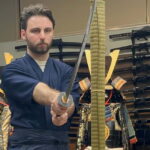
This tour is led by a guide who brings humor based on standup comedy in English. The idea isn’t to turn religious sites into a comedy stage. It’s more like using comedy as a bridge—timing, perspective, and everyday meaning—to make cultural context easier to grasp.
For many people, that’s the secret sauce. You walk into a place with rules you might not understand, and the guide helps you relax into the experience. You’re not only learning terms and symbols. You’re also learning how to look.
That said, humor can be a style choice. If you prefer tours that feel intensely serious the whole time, you might want to read your own taste here. One caution from past experiences is that some people didn’t find Ryo consistently enthusiastic in delivery, even though they appreciated the information and friendliness. In other words: you may get solid context and clear explanations, but the performance energy may vary.
Price and value: what $31 buys you in the real world
At $31 per person for 90 minutes, the value depends on what you’re trying to get out of Asakusa.
This isn’t just entry-level sightseeing. You’re paying for:
- a small-group guide limited to 8 people
- a comedian guide working in English and Japanese
- guided stops across Sumida Park, Kaminarimon, Nakamise Shopping Street, Asakusa Shrine, and Sensō-ji
- skipping the ticket line
- a focused route that doesn’t turn into a shopping-and-snacking marathon
If you’re going to Asakusa anyway, the guided context can save you time and reduce the “What am I supposed to notice?” feeling. Especially here, where Buddhist deities, Shinto space, and temple history can feel confusing if you arrive cold.
If you’re the type who wants total freedom to wander, stop for snacks constantly, or spend most of your time buying souvenirs, you may feel constrained by the tour’s schedule. But if you want a strong orientation and meaningful context in a short block, the cost lines up well with what’s included.
Who this tour suits best (and who might want a different pace)
This tour fits best if you want your first Asakusa visit to feel guided but not stiff. I think it’s ideal for:
- first-time Tokyo visitors who want a path through the major sights without missing the meaning
- travelers who like explanations tied to what they’re seeing
- people who appreciate humor as a learning tool
- anyone who would rather ask questions than figure everything out alone
It’s less ideal if you mainly want a long shopping stroll or a free-form wandering day. The tour is structured, and it doesn’t stop for food or souvenir shopping. You can absolutely shop afterward, but the tour itself stays focused on temple and shrine context.
Also, the pace is set by a fixed itinerary. If your priorities are totally different, you might feel better with a broader walking route without a strict sequence.
Should you book this Asakusa comedian walking tour?
Book it if you want a compact 90-minute route that gives you real cultural context, not just photos. Ryo’s explanations around Asakusa’s Buddhist and Shinto side-by-side setup, plus the way he points out deity statues and ties Sensō-ji to stories told with illustrations, is exactly the kind of value that makes a short tour feel worthwhile.
Skip it if your ideal tour is mostly about shopping stops, long time in one place, or a guide who always feels like a nonstop performer. This experience is more about clear context with humor sprinkled in than about turning every moment into a show.
If you’re aiming to get your bearings fast and leave feeling like you understood what you saw, this is a strong choice.
FAQ
How long is the Asakusa walking tour
The tour lasts 90 minutes.
Where do I meet the guide
Meet in front of Tokyo Cruise, the water bus station. It’s a 1 or 2 minute walk from Asakusa Station on the Tokyo Metro Ginza Line.
What language will the guide speak
The live guide speaks English and Japanese.
Will I be able to access the tour if I use a wheelchair
Yes, the tour is wheelchair accessible.
Does the tour include skipping a ticket line
Yes, it includes skipping the ticket line.
Can I cancel, and can I reserve without paying right away
You can cancel up to 24 hours in advance for a full refund. You can also reserve now and pay later, keeping your travel plans flexible.