REVIEW · HAKONE
Hakone: Traverse the Hakone Caldera and Enjoy Onsen
Book on GetYourGuide →Operated by Coconuts Hike Japan · Bookable on GetYourGuide
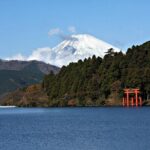
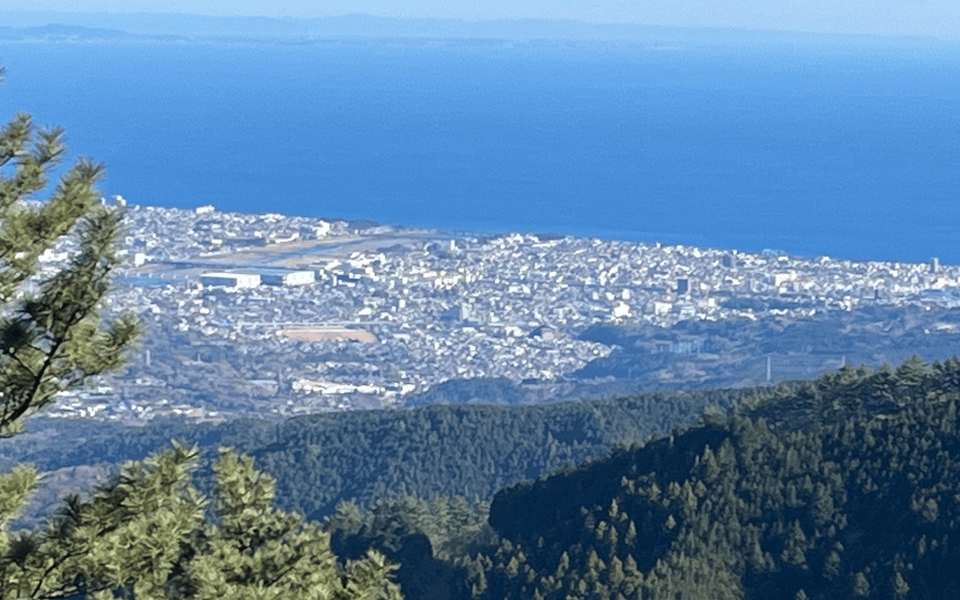
Hakone’s ridge hike turns volcano science into a walk. You start at Hakone-Yumoto and climb onto the outer rim of the caldera, where Mt Fuji views can pop in and out as clouds move. Even when Fuji hides, you still get big mountain-and-town viewpoints, plus Pacific Ocean glimpses when the weather cooperates.
I love the built-in Japanese hiking ritual: climb, eat, then soak your legs in a real natural hot spring. After the ridge traverse and lunch at a local restaurant, the tour brings you to a favorite onsen to relax tired muscles.
One consideration: this is not a casual stroll. You’re looking at 4–5 hours of hiking (about 8–9 km) with a 400 m elevation gain, and the difficulty depends on your fitness. Also, visible tattoos aren’t allowed, though there’s a way to cover them if you need help.
In This Review
- Key takeaways
- Entering The Hakone Caldera From the Ridge (Not the Tourist Tram)
- Getting Oriented at Hakone-Yumoto and the Short Ride In
- The Ascent: 90 Minutes, 400 M, and a View That Changes Fast
- The Outer Rim Traverse: Volcano Views You Can Actually Read
- The Ridge Walk Through Bamboo, Seasons, and Quiet Sounds
- Fuji Weather Reality: Panoramas Most of the Time, Then Not
- Lunch at a Local Restaurant and the Energy Reset
- Onsen After the Hike: Why This Stops Being Optional
- Tattoos, Covers, and the Onsen Reality
- Guide Akihiro Wada and the Value of a Certified Mountain Lead
- Price and Logistics: When $154 Becomes a Full Day Budget
- What to Bring for This Ridge Hike (So You Don’t Regret It)
- Who Should Book This (And Who Might Skip It)
- Should You Book the Hakone Caldera Ridge and Onsen?
- FAQ
- How long is the hike, and how far will I walk?
- Is Mt Fuji guaranteed on this tour?
- Where do I meet the guide?
- What’s included in the tour price?
- What should I bring for this hike?
- Are tattoos allowed in the onsen?
Key takeaways
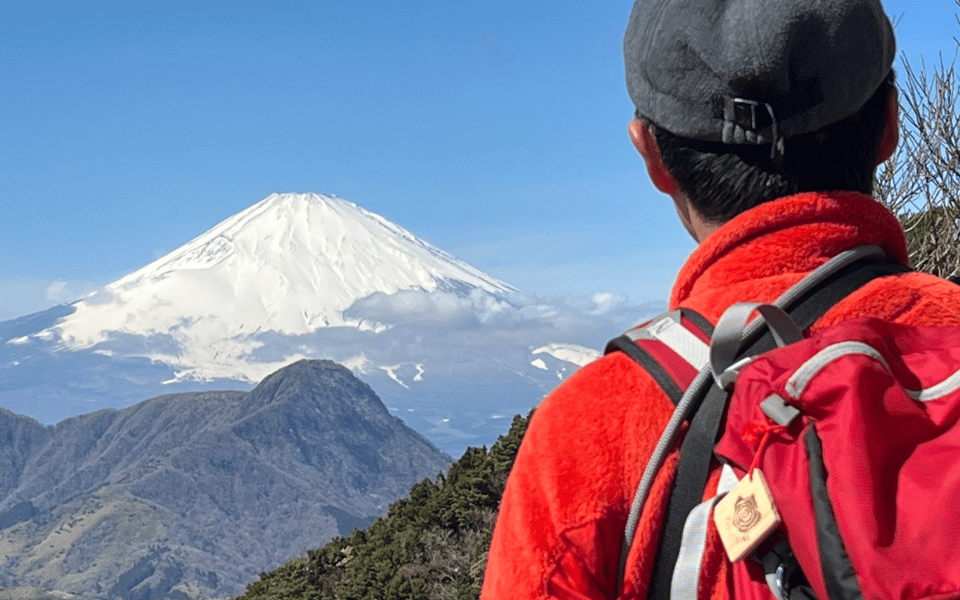
- Mt Fuji can show up multiple times along the ridge, but you’re hiking for the views even when it’s cloudy
- 4–5 hours on your feet over 8–9 km with a 400 m climb, so go prepared for a workout
- Volcanic Hakone explained on the route, including views tied to Owakudani and Sengokuhara
- Onsens are the point, not the bonus, with a soak after lunch to recover your legs
- Small group (up to 6) means more time with guide Akihiro Wada and less waiting around
- Snacks and drinks at altitude help you stay steady during the ascent
Entering The Hakone Caldera From the Ridge (Not the Tourist Tram)
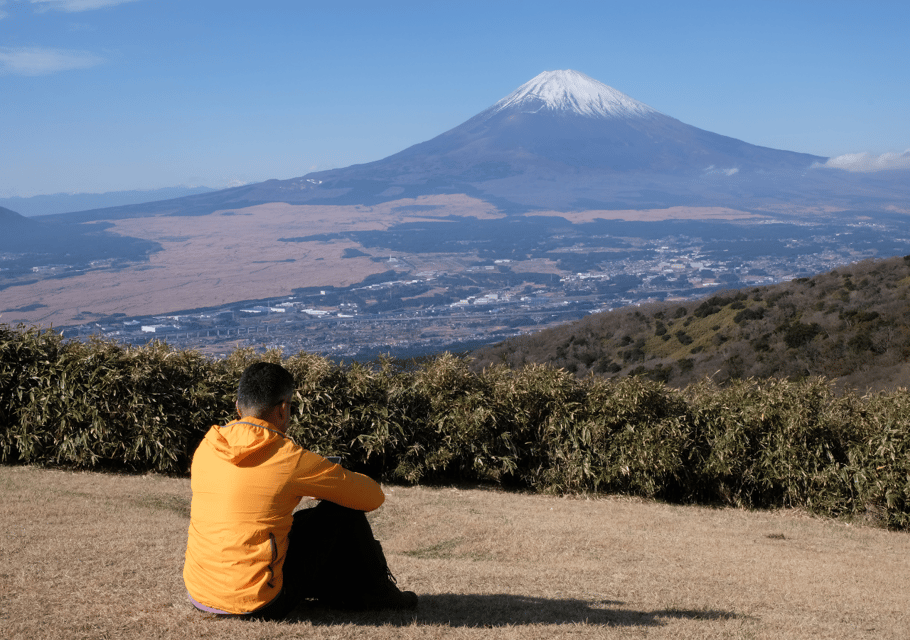
Hakone is famous for hot springs and views, but this experience focuses on the caldera rim hiking perspective. Instead of seeing volcanic Hakone only from the edges of roads and viewpoints, you move along the outer ridge and watch the terrain unfold step by step.
I like that the hike is built around real observation. As you climb, you’re not just admiring scenery; you’re also learning what’s going on with the volcanic activity that created the caldera shape. And when the skies are clear, the ridge walk gives you the kind of long, panoramic outlook that makes Hakone feel bigger than its postcards.
You can also read our reviews of more tours and experiences in Hakone

Getting Oriented at Hakone-Yumoto and the Short Ride In
You’ll meet at the ticket gate of Hakone Yumoto Station at 8:45am. That early start matters here because you want the best shot at clear visibility from the ridge, and you also want daylight and solid trail time for a 7-hour day.
After meeting, you head toward the trail area by vehicle (there’s a short ride included in the experience). One practical note: transportation to the trailhead isn’t included in the tour price, so plan on paying that separately (about 1000 JPY by bus).
If you’re already staying in Hakone the night before, the operator may be able to suggest a nearer meeting point to reduce your travel time. Also ask ahead about luggage storage or delivery options if you don’t want to carry bags on the hike.
The Ascent: 90 Minutes, 400 M, and a View That Changes Fast
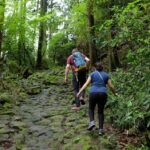
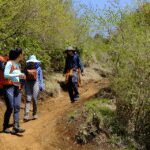
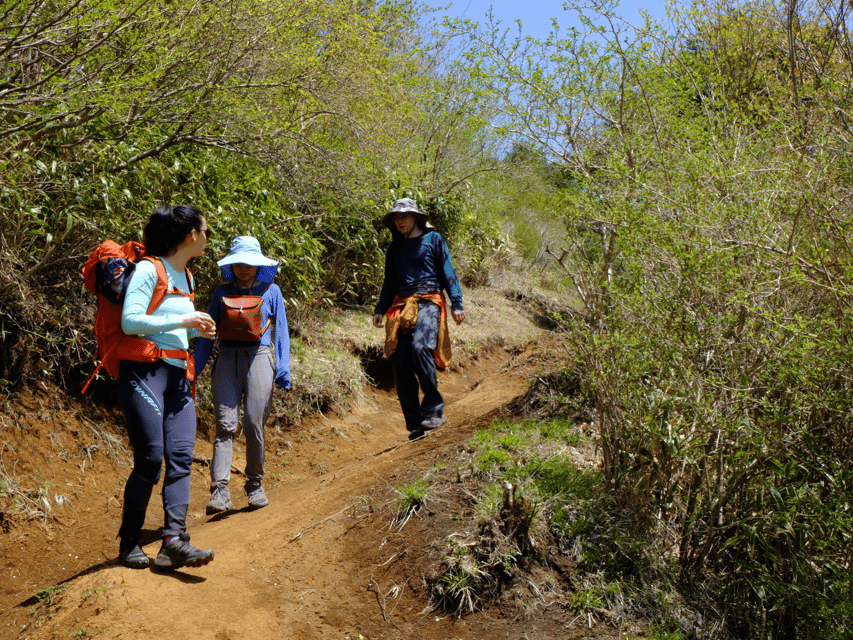
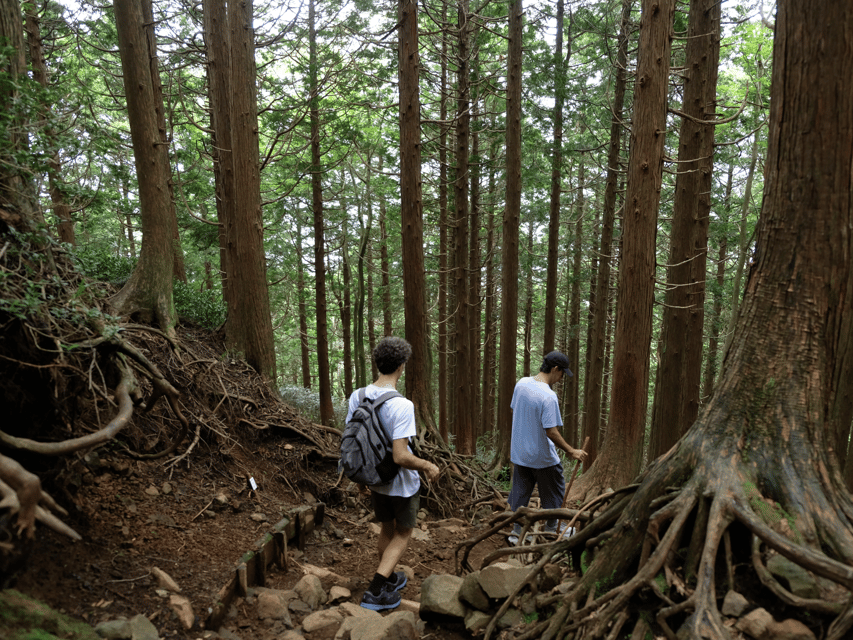
The climb to the mountain top is about 90 minutes with an elevation gain of around 400 meters. That’s the segment where pace and footwear matter most. You’ll want hiking shoes with real grip, since you’ll be moving on mountain paths rather than flat city sidewalks.
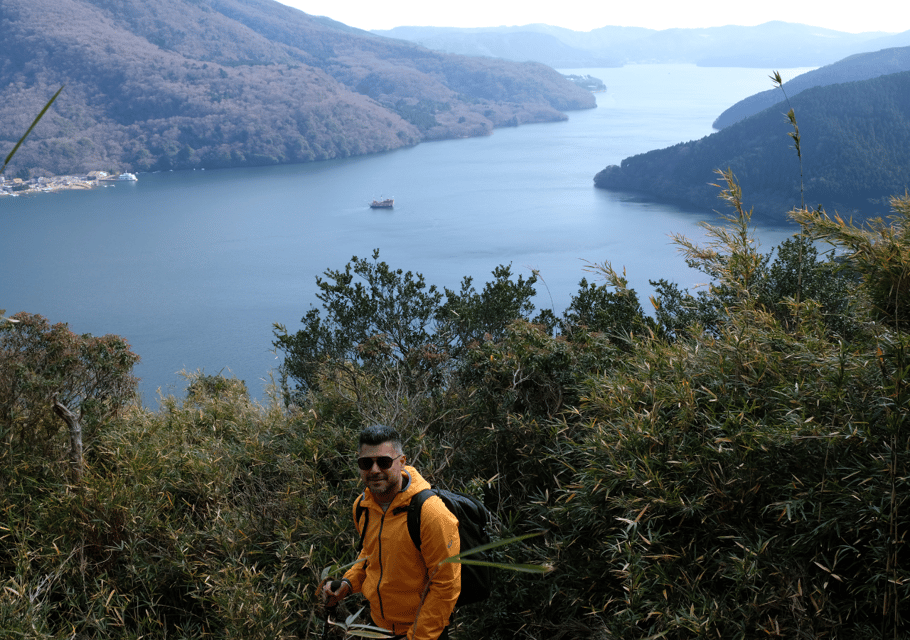
As you go up, the view tends to open in stages. The tour route is designed so you can pick up different angles on Hakone’s ridges and the sea-side horizon (when weather allows). You’ll also start seeing key areas around Hakone that connect back to the volcanic story, which makes the effort feel earned.
This is also the part where the tour gives you a little fuel: snacks and drinks are provided on top of the mountain. It’s a small detail, but it helps you avoid the late-hike slump.
The Outer Rim Traverse: Volcano Views You Can Actually Read
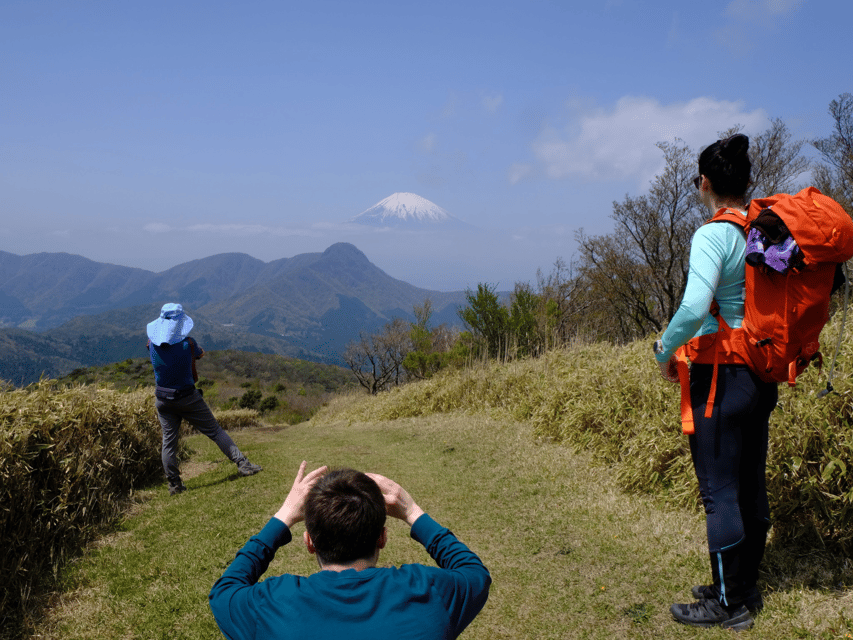
Once you’re up, the hike becomes a traverse across the outer rim of the Hakone caldera. This is the heart of the “walk the volcano” idea. You’ll be in position to understand how Hakone’s volcanic forces shape what you see—ridges, slopes, and the dramatic character of the landscape.
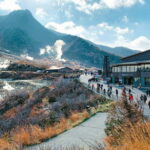
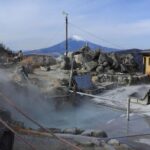
On the way, you pass through viewpoints tied to Owakudani and Sengokuhara. Even if you don’t know the geology going in, you’ll have context from your guide about what you’re looking at and why it matters. That’s the difference between taking pictures at a viewpoint and actually understanding the place.
And yes, you’re still hiking like a Japanese-style day out: steady steps, good gear, and lots of attention to the views ahead rather than rushing from stop to stop.
The Ridge Walk Through Bamboo, Seasons, and Quiet Sounds
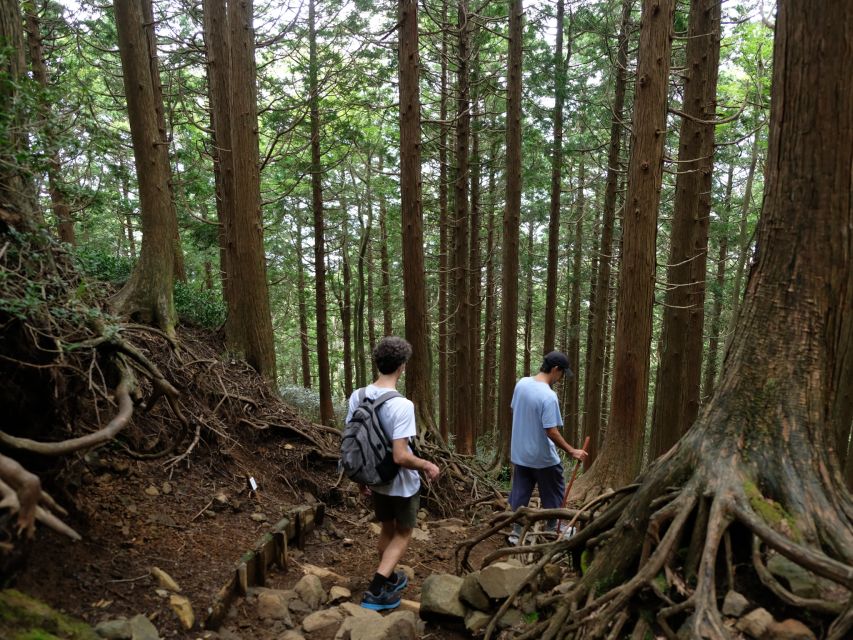
After the ascent, you’ll do about a 3-hour ridge walk. This is where you slow down mentally, because your eyes keep working: panoramic views stretching out, plus the path itself.
One of the coolest things is the seasonal range built into the hike. You’ll hike through bamboo fields where the experience shifts by season:
- In spring, you may spot sakura
- In autumn, you can see red leaves
- In deep winter, you might walk on powdered snow
Even the soundscape changes. During calmer moments, you can hear birds singing along the ridge, which makes the trail feel less like a route and more like a place.
If you’re the kind of hiker who enjoys steady effort and doesn’t need constant entertainment, this ridge section is where you’ll feel most at home.


Fuji Weather Reality: Panoramas Most of the Time, Then Not
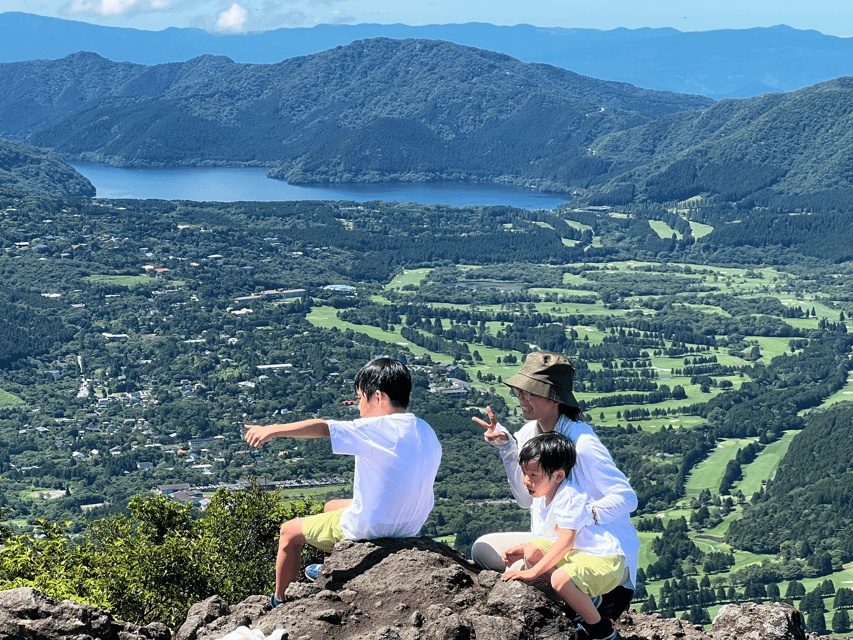
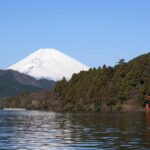
The tour is very tuned to Mt Fuji visibility. If weather is good, you can see Mt Fuji for much of the ridge walk. The key word is much—fog and cloud cover can move in fast in Hakone, and the caldera area can wrap clouds around the ridgeline.
What I like is that the hike doesn’t collapse if Fuji disappears. Even when Mt Fuji is hidden, you still get extensive views of Hakone town and the broader mountain setting. So you’re not paying for one outcome; you’re paying for a day on a ridge with multiple layers of scenery.
This also affects the onsen choice later in the day. The operator reserves the right to use a different hot spring depending on conditions and the possibility of seeing Fuji.
Lunch at a Local Restaurant and the Energy Reset
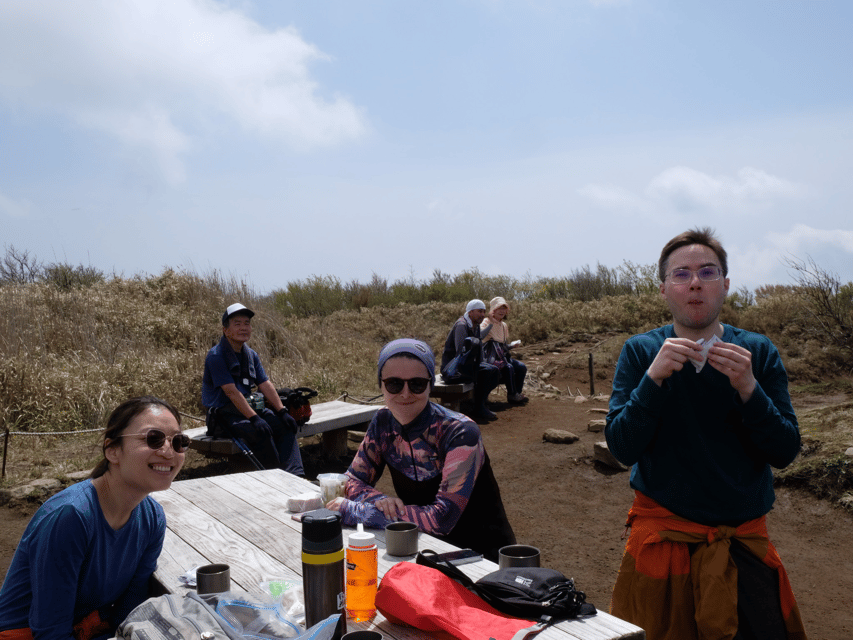
After the main ridge time, you’ll descend for about 30 minutes to reach Togendai, and then the day continues back toward Hakone-Yumoto.
Lunch is arranged at a local Japanese restaurant, and it’s the moment where the day officially shifts from “work” to “recover.” Lunch isn’t included in the tour price, but you’ll have a plan and timing rather than figuring it out on your own after a long hike.
I also appreciate the structure: you don’t just climb, sit down, and hope for the best. The tour is paced so you can refuel and then move into the onsen phase while your muscles still feel ready to relax rather than fully seized up.
Onsen After the Hike: Why This Stops Being Optional
The final reward is soaking in Hakone’s natural hot springs. This is the Japanese hiking ritual in practice. After hours on a steep ridge, a good onsen can make the day feel complete instead of merely tiring.
Onsen fees are not included (budget about 1500 JPY), but the tour arranges the visit you’ll want afterward. Since the onsen option can vary based on the day’s conditions, it’s worth letting the guide make that call instead of assuming you’ll get the same place every time.
For anyone who’s done long hikes without a plan for recovery, this part matters more than it sounds. The day ends with a clear purpose: loosen up, cool down, and get ready for your next leg of Japan travel.
Tattoos, Covers, and the Onsen Reality
Onsens are strict about visible tattoos. In this experience, visible tattoos aren’t allowed.
The tour provides helpful guidance if you need it: prior customers have been able to enter by covering tattoos with powdered sheets, which can be bought online. If you need support with how to handle this, let the operator know ahead of time so they can help you figure out what will work.
If tattoos are a concern for you, I’d treat this as a must-prepare item, not an afterthought.
Guide Akihiro Wada and the Value of a Certified Mountain Lead
The guide for this hike is Akihiro Wada, the owner and chief guide of Coconuts Hike Japan. The tour uses a nationally certified mountain guide with wilderness advanced first aid training. That safety element matters because you’re on a ridge course, not just a paved scenic route.
I also like the human side: the hike is paced for real hikers, but the guide can adapt if plans need to change. There’s a track record of flexibility in how the day runs, including adjustments if someone is dealing with an injury or if the group dynamics call for a change.
On top of that, the guide takes photos and sends them to you after the tour. It’s a nice touch because it means you can focus on the ridge while still collecting memories without constantly juggling your camera.
Price and Logistics: When $154 Becomes a Full Day Budget
The listed price is $154 per person for about 7 hours. On paper, it’s not a cheap hike. In practice, it’s better to think of what you’re buying: a small-group ridge traverse, a certified mountain guide, and built-in recovery with an arranged onsen.
Still, plan for extra costs:
- Transportation to the trailhead (about 1000 JPY by bus)
- Lunch (not included; you’ll pay at a local restaurant)
- Onsen fee (about 1500 JPY)
Because lunch and onsen have separate fees, you get good control over your budget by deciding how you want to spend. You’re also getting a guided plan so you aren’t doing late-day logistics after your legs are tired.
With a small group limited to 6 participants, you also get less crowd pressure than the big, fixed-route Hakone options.
What to Bring for This Ridge Hike (So You Don’t Regret It)
This is an active day. Pack like it’s a hike, not a sightseeing lap.
Bring:
- Hiking shoes
- Water
- Sunscreen
- Hat
- Change of clothes
I’d also keep your “change of clothes” mindset practical. You’ll be sweating on the ridge, then you’ll want comfortable clothes after the onsen experience.
And if you’re sensitive to sun or wind up high, sunscreen and a hat are not optional. Hakone’s weather can shift, and ridge sun can sneak up on you fast.
Who Should Book This (And Who Might Skip It)
This tour is a strong fit if you:
- Can handle 4–5 hours of hiking
- Enjoy views and don’t need roadside convenience
- Want an onsen payoff after real exertion
- Like understanding what you’re seeing, not just collecting photos
You might skip it if you’re:
- Not comfortable with a 400 m elevation gain
- Expect a light walk or mostly flat terrain
- Need a tattoo-friendly onsen setup without advance preparation
Also, your day depends on weather. If Mt Fuji is your single biggest goal, you can still have a great day, but the visibility changes.
Should You Book the Hakone Caldera Ridge and Onsen?
If you want Hakone in a way that feels more earned and more personal, I’d book this. The strongest selling point is the pairing: a ridge traverse with volcanic context, followed by an onsen that helps your body actually recover. That makes it feel like one complete experience instead of two unrelated activities.
Go ahead if you’re fit enough for an 8–9 km hike and you’re ready for the Fuji weather lottery. Skip or choose something easier if you’re looking for minimal effort or if tattoo rules would be a deal-breaker without extra prep.
If you’re the kind of traveler who likes mornings with a purpose and evenings that feel deserved, this is your kind of Hakone day.
FAQ
How long is the hike, and how far will I walk?
You’ll hike for about 4–5 hours, covering roughly 8–9 km. There’s an elevation gain of about 400 meters, and the full experience runs about 7 hours.
Is Mt Fuji guaranteed on this tour?
Mt Fuji is visible if the weather permits. You can often see it during the ridge walk when conditions are good, but cloud cover can hide it.
Where do I meet the guide?
You meet at Hakone-Yumoto Station, at the ticket gate, at 8:45am.
What’s included in the tour price?
The tour includes a certified mountain guide with wilderness advanced first aid training, plus snacks and drinks on top of the mountain. Lunch and onsen fees are not included.
What should I bring for this hike?
Bring sunscreen, water, a hat, hiking shoes, and a change of clothes.
Are tattoos allowed in the onsen?
Visible tattoos are not allowed. The tour indicates that tattoos may be covered with powdered sheets, and the operator can help if you let them know you need assistance.