REVIEW · TOKYO
Shibamata: Step Back into Old Japan!
Book on GetYourGuide →Operated by Wise Guides / Wise-Infinity inc. · Bookable on GetYourGuide
Shibamata slows Tokyo down. This is a 3-hour, small-group walk through old-school Tokyo vibes, with Taishakuten Temple’s wood carvings and a calm garden tea break by Yamamoto-tei. I love the quiet, lived-in feel of the neighborhood, and I love how the visit ties street food to real temple craft. One thing to keep in mind: the time is tight, so you’ll have to choose your snacks and photo spots.
The guide matters here. In past tours, English guides like Megumi and Machiko have a knack for making the details feel friendly, not lectured. Still, if you’re the type who likes to linger an hour at one place, plan to treat this as a highlights sampler rather than a slow afternoon.
In This Review
- Key points worth your time
- Shibamata: the quiet side of Tokyo you can actually feel
- Who this tour suits best
- Meeting Keisei Shibamata: start where the story begins
- Taishakuten Sandō street time and first bites
- Shibamata Taishakuten: where the woodwork earns your attention
- Tora-san Memorial Hall: living the character world
- Yamamoto-tei: green tea, garden views, and a calm reset
- What’s included (and why it’s good value)
- Price and value: why $90 can make sense here
- Small-group pace: how to enjoy it without feeling rushed
- Practical tips before you go
- Should you book this Shibamata tour?
- FAQ
- FAQ
- How long is the Shibamata tour?
- Where do I meet the group?
- Is there an English-speaking guide?
- What food can I expect during the walk?
- What’s included in the ticket price?
- Is cash required?
- Can I cancel if my plans change?
Key points worth your time
- Taishakuten Temple’s intricate wood carvings make Shibamata feel special fast
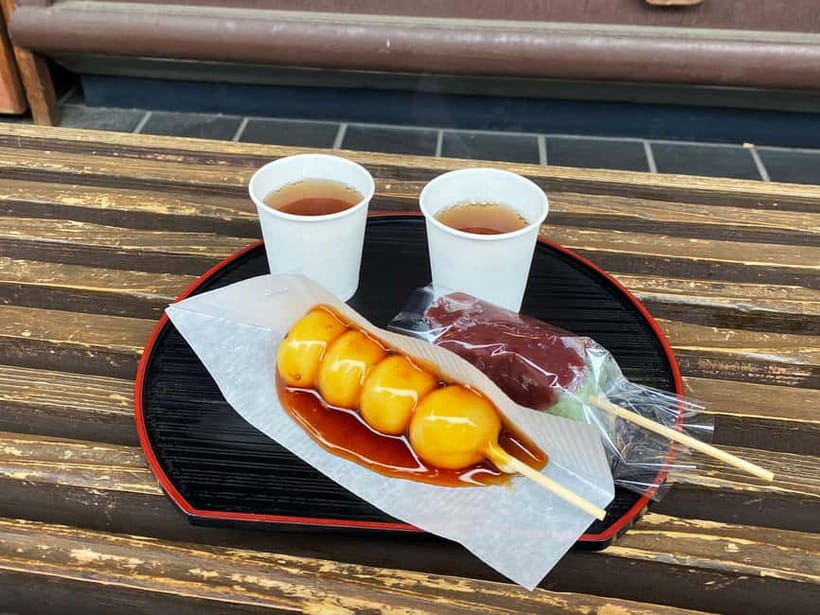
- Street-food stop on the Taishakuten Sandō for grass dumplings, mitarashi, rice crackers, and more
- Tora-san Memorial Hall brings the famous character world into everyday context
- Yamamoto-tei tea session gives you a real break in a garden setting
- Small group (up to 5) keeps the walk relaxed and easy to ask questions in English
- Cultural pacing: snacks first, then gardens and temple time, then tea
Shibamata: the quiet side of Tokyo you can actually feel
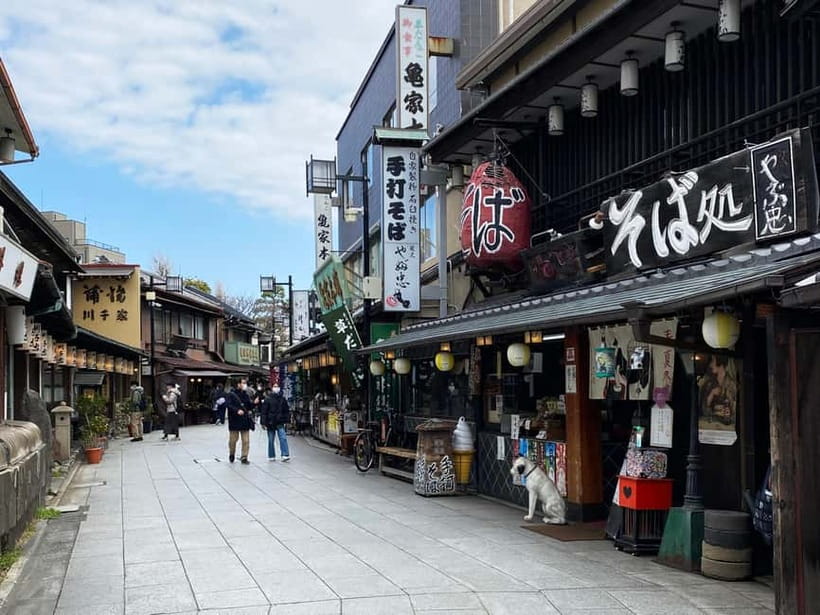
Shibamata is one of those places where Tokyo’s usual intensity drops a few notches. The district feels like it’s been doing its job for generations: temples, small streets, and everyday routines that don’t try to perform for tourists. That difference is exactly why I like this kind of tour format. In just 3 hours, you get a sense of local rhythm, not just a list of sights.
This experience is built around four anchors: a temple approach along the Sandō, the main Taishakuten grounds, Tora-san landmarks, and a gentle tea break at Yamamoto-tei. It’s a tidy flow that matters when you’re short on time. Instead of cramming seven stops into an exhausting loop, you get enough guided context to enjoy what you’re seeing—and then you get to slow down on the walk.
You’ll also be eating as you go. That’s not just a bonus. Snack breaks in Japan are often a window into how people actually live there: textures, sauces, and simple comfort foods that taste like they belong to the street. If you like food that’s more than marketing, you’ll appreciate the selection.
You can also read our reviews of more tours and experiences in Tokyo.



Who this tour suits best
This is a strong match if you:
- Want a calmer, more local-feeling Tokyo outing outside the biggest crowds
- Like temple architecture and details like wood carvings and decorative work
- Enjoy trying multiple small bites instead of one big meal
- Prefer an English guide and a group size that doesn’t feel like a herd
Meeting Keisei Shibamata: start where the story begins
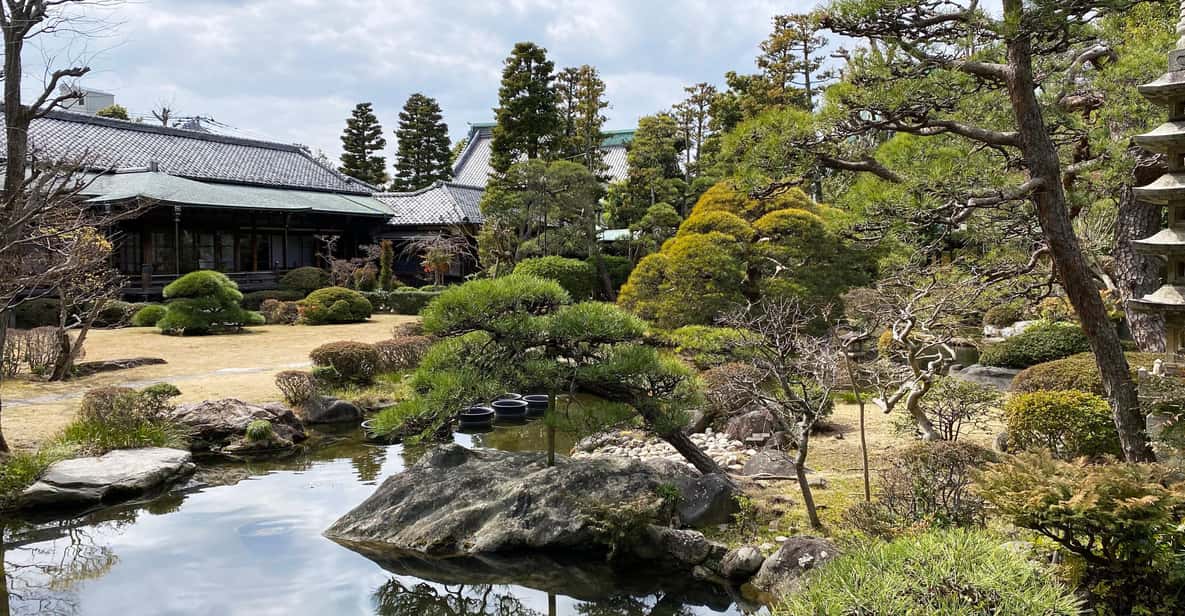
Your day starts in front of the Tora-san statue at Keisei Shibamata Station. That’s a smart choice because it gives you an immediate focal point—this isn’t a tour that begins somewhere generic and then hopes you find your way. Right nearby, you’ll also see the Futen Tora statue and the Sakura statue, which helps set the tone for the Tora-san portion later.
From that starting point, you’re not stuck on transport shuffles or awkward wayfinding. The route is designed to be walkable, and the pacing keeps you moving without rushing.
Taishakuten Sandō street time and first bites
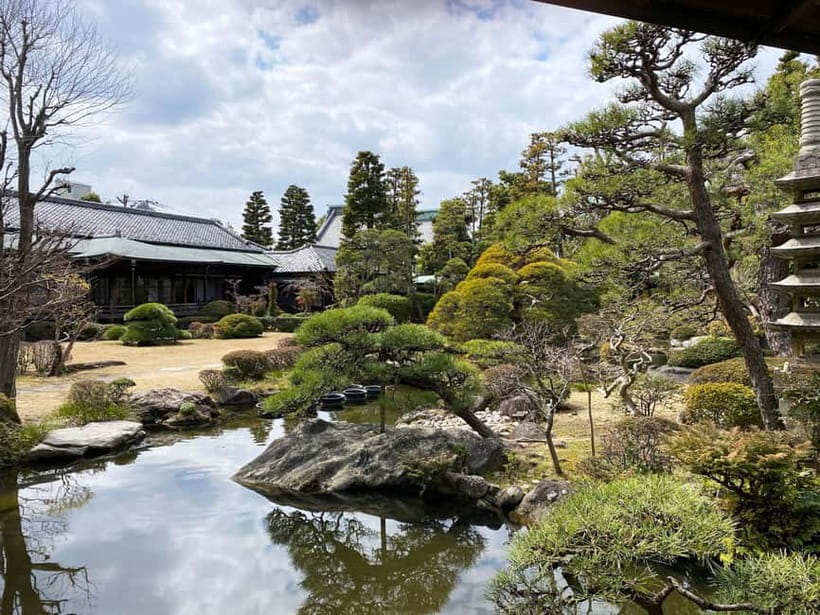
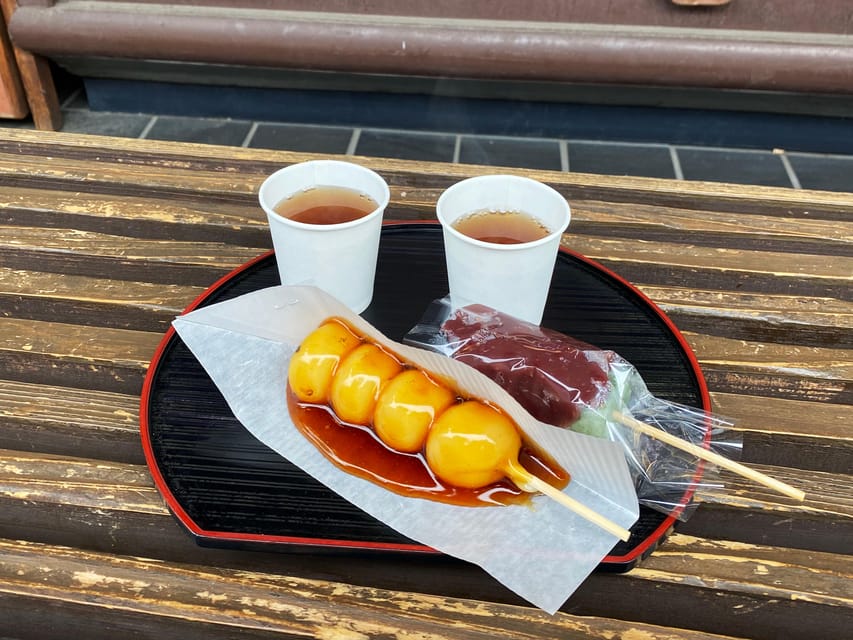
The first stretch is along the Taishakuten Sandō, a temple approach street where snacks and casual atmosphere take center stage. This is where you’ll get a guided walk plus time to sample local treats—think grass dumplings, mitarashi dumplings, rice crackers, and savory Japanese-style omelets.
Why I like this part: it trains your eyes and taste buds for what comes next. A temple visit can feel disconnected if you arrive as a spectator. But if you start with familiar local flavors, the whole experience feels more grounded. You’re stepping into an environment, not just viewing objects.
Practical note: some shops may not accept cards. Bring cash so you can actually buy what you want without last-minute stress. With street food, you’ll also want to plan for small choices—you can try multiple items, but you can’t realistically sample everything unless you’re traveling very slowly.
One more small consideration: the guided portion is time-boxed. If you fall in love with one snack stand, you’ll likely want to savor it and also accept that you’re moving on to the next stop.
Shibamata Taishakuten: where the woodwork earns your attention
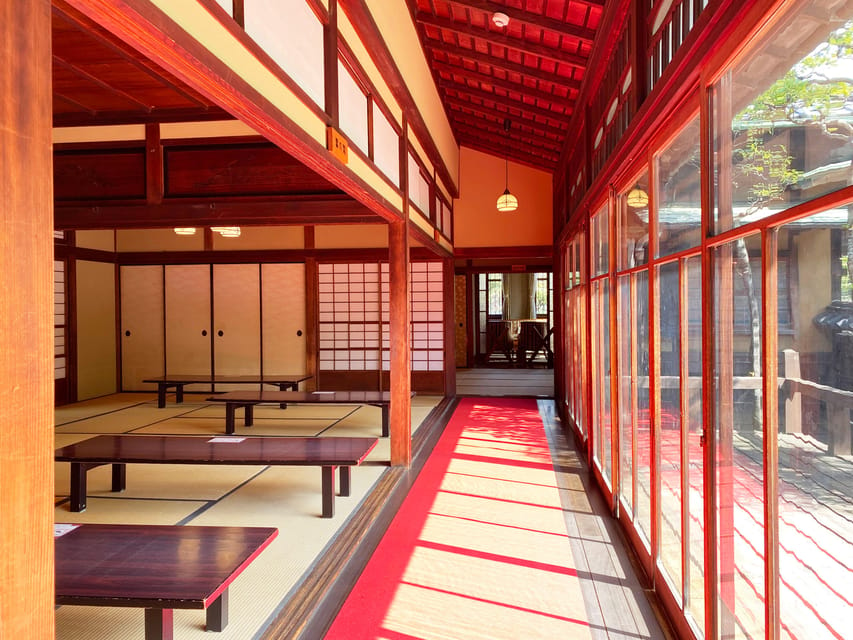
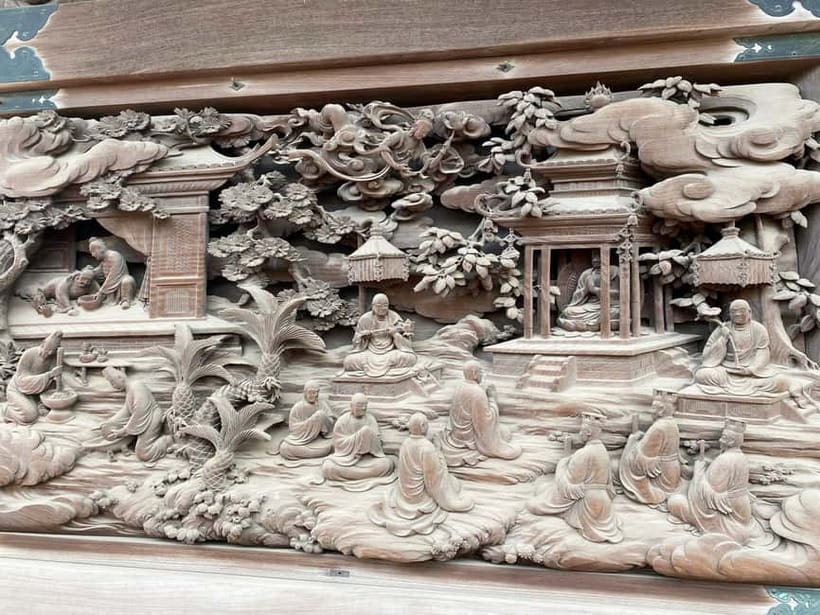
Then comes the main event: Shibamata Taishakuten, with a guided look around the grounds. The big draw is the temple’s reputation for intricate wood carvings, detailed decorations, and bright traditional coloring that highlights old-school craftsmanship.
This is the kind of architecture that rewards slowing down just a bit—even if you only have a short visit. The carvings aren’t only decorative. They make the structure feel like it was built to be read by people standing close. As you walk, you’ll notice the details more than you would from a distance.
What you get here is not just a glance at a famous temple. You get help connecting what you see to why it’s significant: how the craftsmanship shows up in the design, and how that artistry fits the overall visual feel of Taishakuten.
If you’re traveling with someone who likes history but gets bored by lectures, this is a great middle ground. The temple does the talking. The guide’s job is to point your attention the right way.





Tora-san Memorial Hall: living the character world
After the temple grounds, there’s a photo stop and then the Tora-san Museum. Even if you don’t know Tora-san ahead of time, you can still enjoy it—because the visit focuses on the setting and the way traditional life is represented.
What’s nice about this part is how it changes the pace from sacred architecture to a more story-and-life atmosphere. It’s still cultural, just less formal. You’ll likely come away seeing why Tora-san sticks in Japanese pop culture: the tone feels familiar and human, not grand and distant.
This is also a good place for photos, since you’ll be in a setting designed for looking closely. Just remember that it’s part of a 3-hour loop—so take your photos, enjoy the guided moments, and don’t try to turn it into a standalone half-day.
Yamamoto-tei: green tea, garden views, and a calm reset
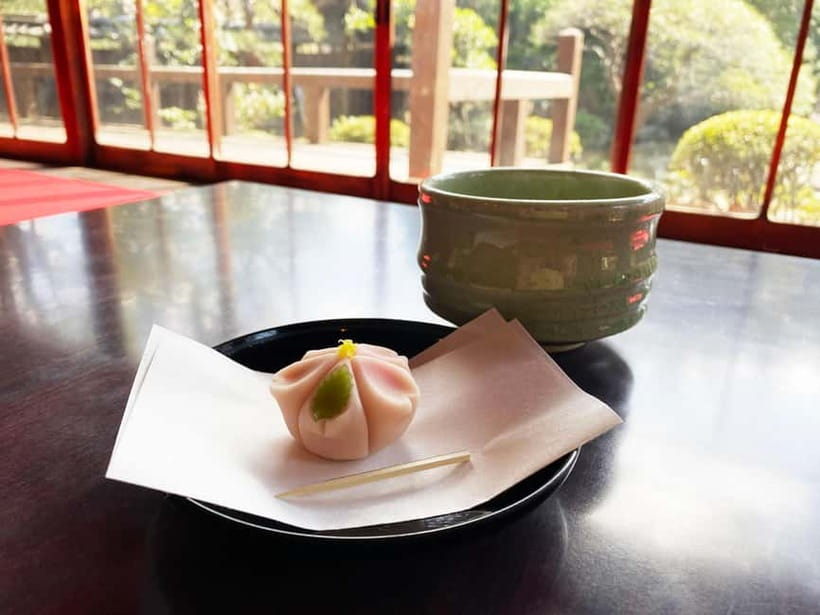
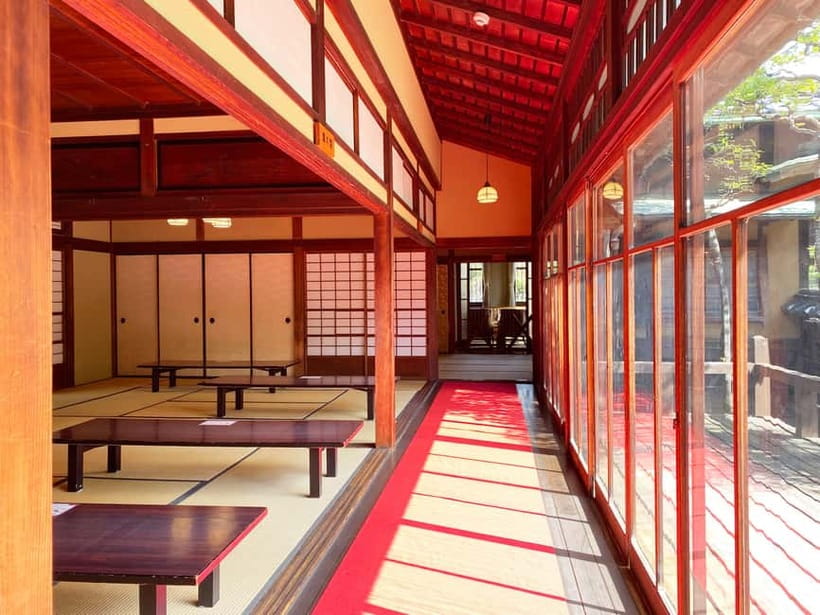
Next is Yamamoto-tei, where the tour shifts into relaxation mode. Expect a break time, plus photo opportunities and a guided tea session in a garden setting. This is where the experience earns its “rest” value.
The tea is traditional green tea, served alongside a slower rhythm in the gardens. That matters because the day includes active walking and temple viewing. A tea pause gives your brain a chance to process what you just saw—wood carvings, snack flavors, and the Tora-san cultural layer—without rushing into the next thing.
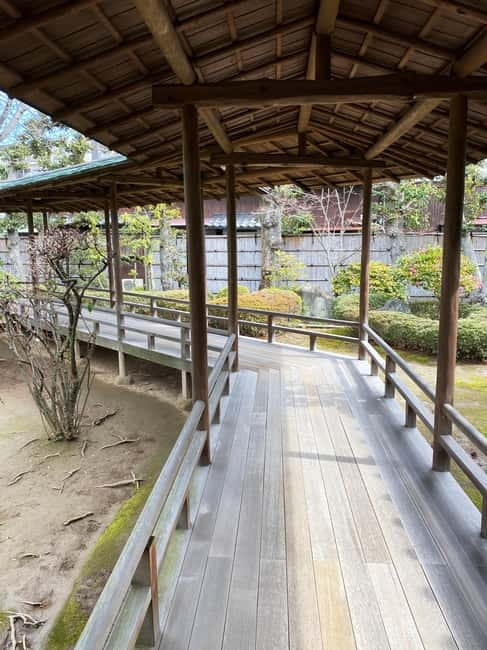
Also, the route to Yamamoto-tei includes scenic views along the way. You’ll appreciate this more if you’ve been standing up a lot. It’s a chance to look outward, breathe, and enjoy the change in atmosphere.
What’s included (and why it’s good value)
Your ticket includes access to Yamamoto-tei, along with refreshments there. It’s not just a “drop you near tea.” You’re set up to actually enjoy the garden pause as part of the planned experience.
That’s part of why the price works for many people: you’re paying for guided flow, plus entry to key places, plus the tea stop. You’re not just paying to walk around on your own.
Price and value: why $90 can make sense here
At about $90 per person for a 3-hour, small-group tour, the cost might look steep at first glance—until you break down what you’re actually getting.
You’re paying for:
- English live guiding through multiple meaningful stops
- Entry access to Tora-san Memorial Hall and the sculpture gallery & garden at Taishakuten
- Access to Yamamoto-tei and refreshments (green tea)
The value is strongest if you care about not missing details. A temple visit without context can become a blur of buildings. With a guide, you tend to notice more and enjoy more, especially around wood carving details and the cultural references at Tora-san sites.
Also, the group size is limited to 5 participants. That small scale often means less waiting, easier questions, and a calmer pace. If you’ve ever done big-city tours and felt like you were glued to a moving line, this difference is real.
One more value angle: the tour doesn’t force you into a long day. Three hours can be the perfect “taste” of a place when your Tokyo schedule is already full.
Small-group pace: how to enjoy it without feeling rushed
Because this is limited to up to 5 people, the tour feels more personal. You can ask questions, and the guide can adjust pacing based on what you’re interested in. That’s why the experience often lands well with people who want a quieter side of Tokyo rather than a sprint.
The itinerary structure also helps: street snacks early, temple focus next, museum and character context after, then tea and gardens to slow down. You’re not constantly switching between high-energy and low-energy; the flow balances out.
Still, it’s only 3 hours. If you’re the type who wants to read every plaque and linger for an extra hour, you’ll be tempted to stretch it on your own after the tour ends. In that case, take what you can, then plan optional solo time around Shibamata for a longer look.
Practical tips before you go
A few simple things will make your day smoother:
- Bring cash. Some shops may not take cards, especially for snack stops.
- Wear comfortable shoes. This is a walking-focused outing.
- Keep an eye on how you’re feeling. Participation is declined if you’re not feeling well on the day.
- If you want souvenirs, plan for that extra cost. Souvenir fees are not included.
Should you book this Shibamata tour?
If you want a calm, culturally focused Shibamata experience without committing to an all-day plan, this is an easy yes. The best parts are the combination of Taishakuten Temple’s wood carvings, the street-level food on the Sandō, and the garden tea break at Yamamoto-tei. You also get a small group and English guiding, which makes the visit feel smoother and more satisfying.
I’d think twice only if you strongly dislike structured tours or if you need long unbroken time at one single site. In that case, you might prefer to explore Shibamata on your own.
FAQ
FAQ
How long is the Shibamata tour?
The tour lasts 3 hours.
Where do I meet the group?
Meet in front of the Tora-san statue in front of Keisei Shibamata Station.
Is there an English-speaking guide?
Yes, the tour includes a live English guide.
What food can I expect during the walk?
You’ll have a chance to try local snacks such as grass dumplings, mitarashi dumplings, rice crackers, and savory Japanese-style omelets.
What’s included in the ticket price?
The fee includes entry to Tora-san Memorial Hall, access to the Sculpture Gallery & Garden at Taishakuten, and access to Yamamoto-tei, including refreshments there.
Is cash required?
It’s a good idea to bring cash, since some shops may not accept cards.
Can I cancel if my plans change?
Yes. The tour offers free cancellation up to 24 hours in advance for a full refund.