REVIEW · TOKYO
Tokyo: Mount Fuji Day Trip with Scenic & Local Stops
Book on GetYourGuide →Operated by Clover Travel Co., Ltd. · Bookable on GetYourGuide
Mount Fuji photos that actually happen. This full-day tour from Tokyo strings together six iconic Fuji stops with a bilingual guide and practical photo coaching, so you spend the day aiming at views instead of figuring out transit. I also love the mix of classic photo icons and calmer nature time, ending with a lakeside moment to feed swans at Lake Yamanaka.
Two other highlights: the guide support is real, with composition tips plus cultural context, and the day stays good value because it avoids a heavy shopping routine. The main drawback to think about is the big one with any Fuji day trip: clouds can blunt the mountain view, and the schedule may shift if weather or traffic forces it.
In This Review
- Key takeaways before you go
- Why this Fuji day trip is such strong value
- The photo strategy: six spots, and why the order matters
- Niikurayama Asama Park: your first panoramic Fuji moment
- Hikawa Clock Shop: the retro facade shot you’ll actually nail
- Oshino Hakkai: UNESCO springs, koi ponds, and a slower stroll
- Lake Kawaguchi: the mirror-reflection Fuji target
- Fuji Lawson Store: branded photos, Fuji-limited snacks
- Lake Yamanaka: swans, calm water, and a gentle ending
- Guides on the day: bilingual help and real personality
- Timing, weather, and traffic: how the day stays flexible
- What to bring, and rules that keep it smooth
- Who this tour suits best (and who should skip it)
- Should you book this Mount Fuji day trip from Tokyo?
- FAQ
- How many photo spots does the tour include?
- What language will the guide speak?
- What’s included in the price?
- Are meals included?
- Which places do you visit during the day?
- What should I bring for the day?
- Is swan feeding part of the experience?
- Are there any rules about food or smoking on the vehicle?
- Is the tour suitable for everyone?
- Can I get a refund if I cancel?
Key takeaways before you go
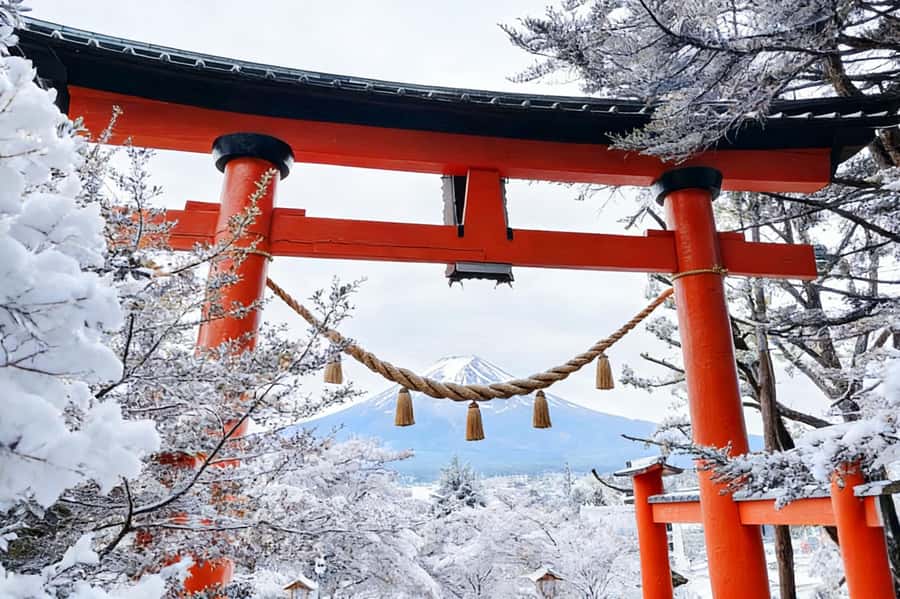
- Six Mount Fuji photo stops designed for variety, not just one viewpoint
- Bilingual English-Chinese guidance plus photography pointers, not vague sightseeing
- Asama Park and Kawaguchi are built for big, postcard-style Fuji frames
- Hikawa Clock Shop gives you the classic clocktower + Fuji shot setup
- Oshino Hakkai adds UNESCO-level springs and koi-filled pond strolling
- Swans at Lake Yamanaka make the day feel peaceful near the end
Why this Fuji day trip is such strong value
Let’s talk money first. At $44 per person, you’re not just buying a view—you’re buying round-trip Tokyo transport, a bilingual guide (English-Chinese), and even a Fuji spring mochi snack. For a day that normally involves trains, buses, and timed connections, that built-in logistics help is a big part of the value.
This tour also feels efficient without feeling chaotic. A typical total trip time runs about 10 hours, and the rhythm is built around photo stops: you arrive, you shoot, you move. That matters because Fuji days can be time-sensitive, and you don’t want your day hijacked by transit delays.
One more value point: the trip is designed to avoid the usual compulsory shopping trap. There are branded photo moments (like the Fuji Lawson Store), but the day isn’t packed with mandatory detours that eat up your sightseeing time.
You can also read our reviews of more tours and experiences in Tokyo

The photo strategy: six spots, and why the order matters
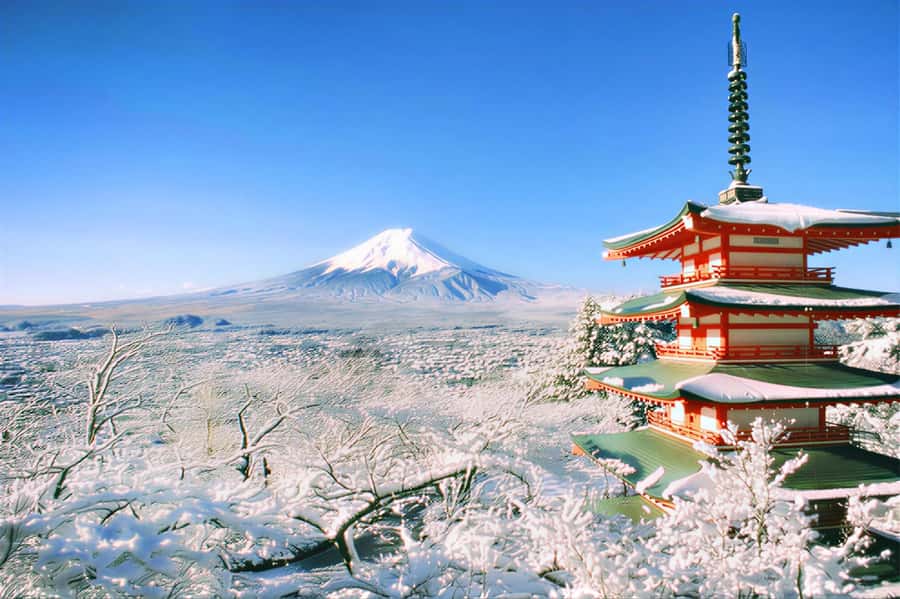
If you’ve ever tried to chase Mount Fuji on your own, you’ve probably learned a tough lesson: you can waste hours trying to guess where the mountain will look best. This tour is structured like a photo route, and the stop sequence helps you build a visual story through the day.
You’ll also get real guidance on framing. The guide doesn’t just point and smile; you get composition tips so you can turn the same view into stronger shots. In the photo-plan notes, you’re even encouraged to bring a telephoto lens for Asama Park, which tells you the day is meant for more than phone snapshots.
And yes, it’s a full day. That’s part of the bargain—your comfort comes from having a guide and driver coordinating the timing, not from having long, slow breaks at each location.
Niikurayama Asama Park: your first panoramic Fuji moment
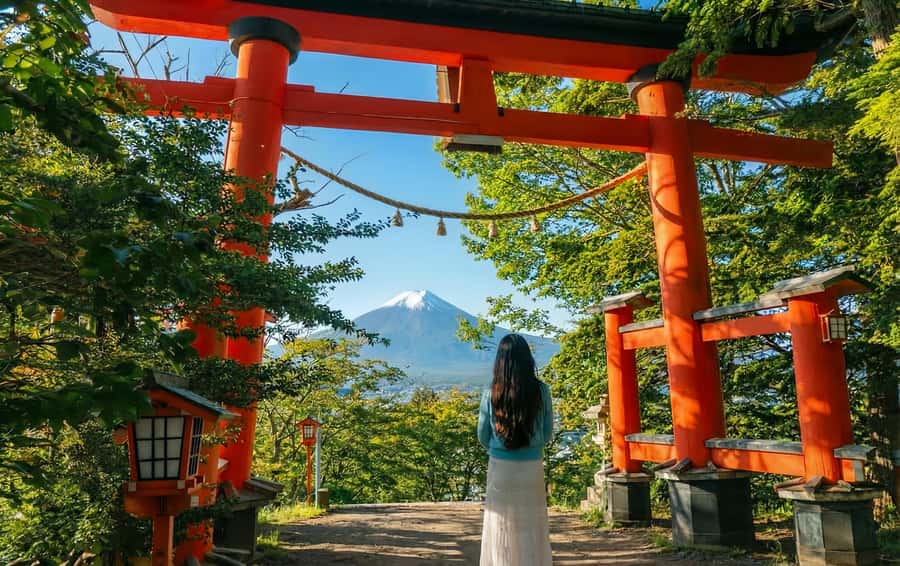
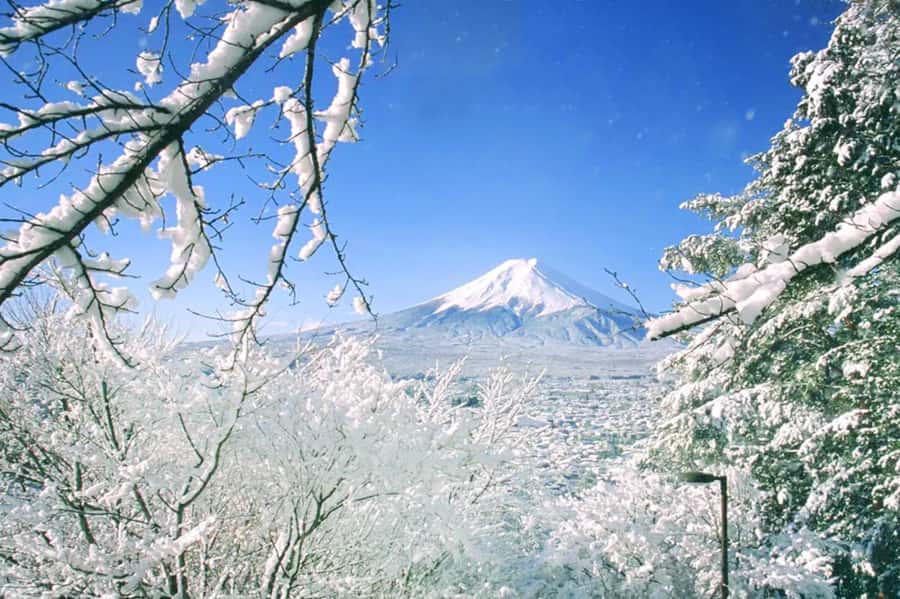
This is your big “wow” start. Niikurayama Asama Park sits on a hilltop observatory spot, and it’s all about panoramic views of snow-capped Mount Fuji when the weather cooperates. What I like about this stop is that it’s not just one angle. It gives you room to walk and reposition until you find a frame that feels postcard-clean.
The seasonal backdrop is a real part of the pitch. Think cherry blossoms in spring or autumn foliage when conditions are right. Even when Fuji hides behind clouds, you can still get a strong landscape scene, but the classic payoff is the moment Fuji peeks cleanly over the views.
Practical note: the tour’s gear guidance calls out telephoto for this stop and non-slip shoes because the paths can be uneven. If you’re bringing a camera, this is one place where zoom helps you compress Fuji into a tighter, more dramatic composition.
Hikawa Clock Shop: the retro facade shot you’ll actually nail
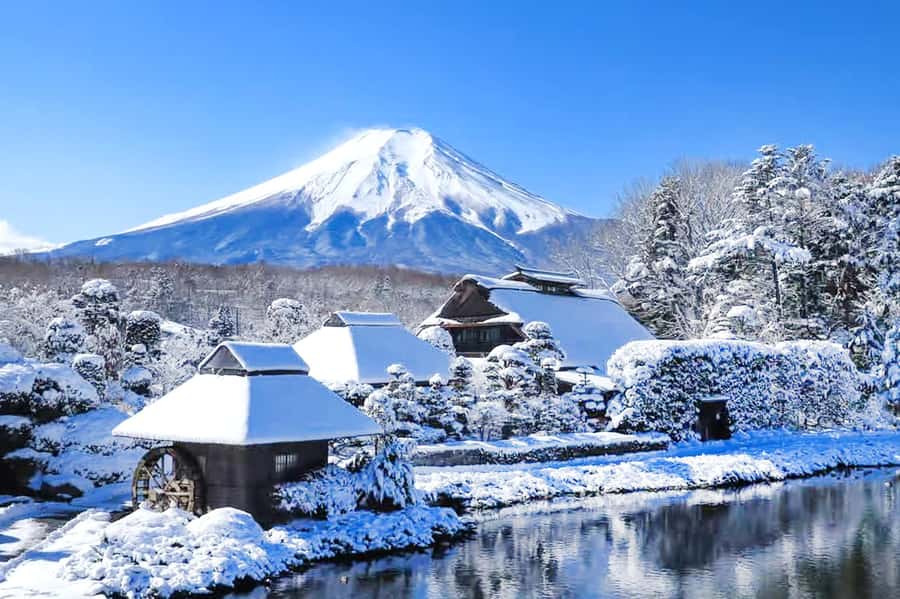
Next up is Hikawa Clock Shop, a retro streetscape that’s famous for one thing: getting that iconic clocktower + Mount Fuji frame. The best part here is the hands-on feel. You’re not left to guess where to stand. The guide helps you line up the classic shot and explains what makes it work.
This stop is also a nice break from the purely scenic viewpoints. You’re dealing with architecture and a strong “foreground subject,” which is exactly why the photos tend to look more playful and more Instagram-ready than the same plain view from a roadside pull-off.
If you’re a photographer, this is one of the stops where the guidance pays off fastest: you’ll understand how small changes in position can turn a nice photo into a memorable one.
Oshino Hakkai: UNESCO springs, koi ponds, and a slower stroll
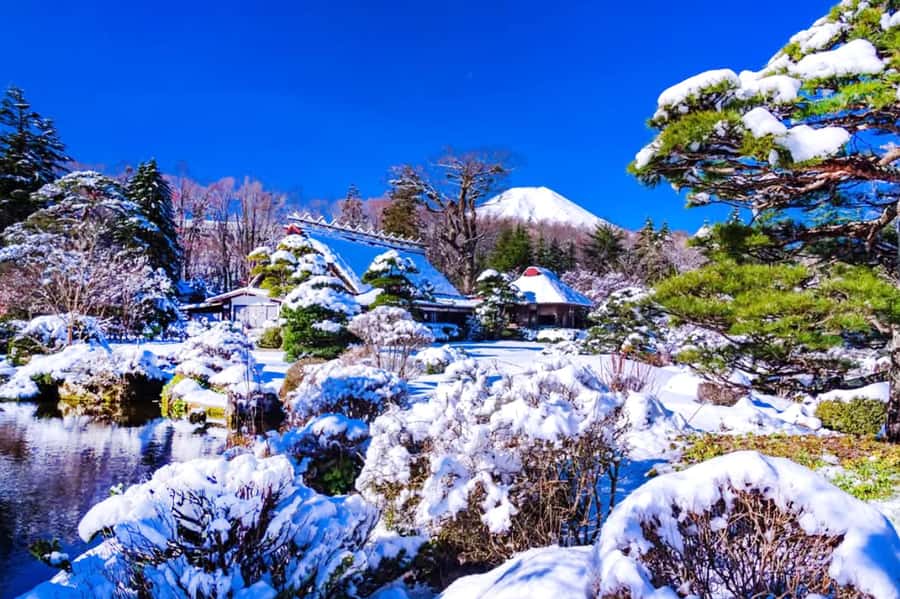
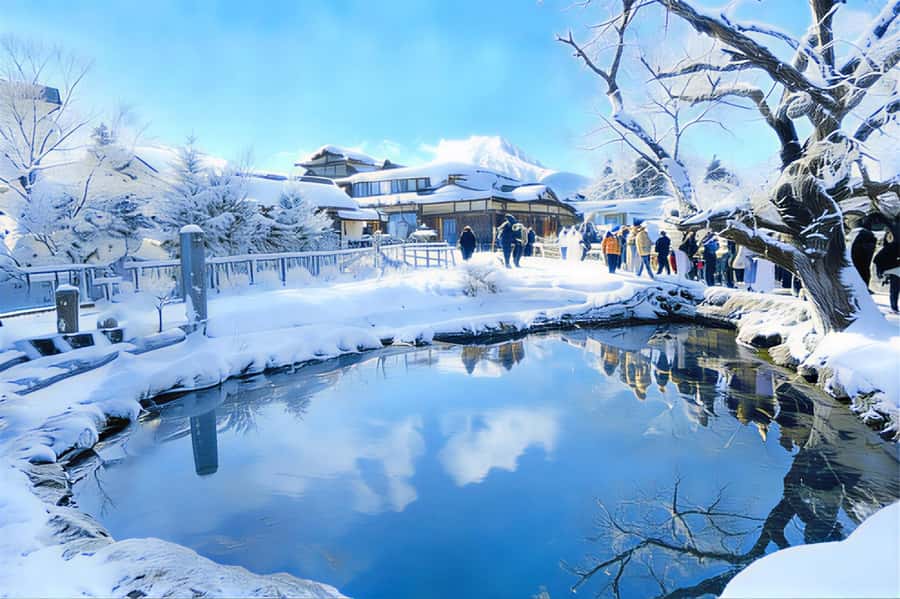
Then the day pivots into something more calm: Oshino Hakkai, listed as a UNESCO site known for its natural springs. The vibe here is a walk through a traditional village atmosphere with crystal-clear spring waters and koi-filled ponds.
This is a good “reset” stop in a full-day schedule. You’re still in Fuji country, but you’re not just racing between mountain viewpoints. You get texture: stone, water, and people strolling. For anyone who likes travel photos with a sense of place, this one delivers without needing a perfect weather window.
There’s also a practical advantage. If Fuji is muted by clouds, Oshino can still give you scenes with strong composition cues—water reflections and village paths tend to look good even when the mountain itself is shy.
Lake Kawaguchi: the mirror-reflection Fuji target
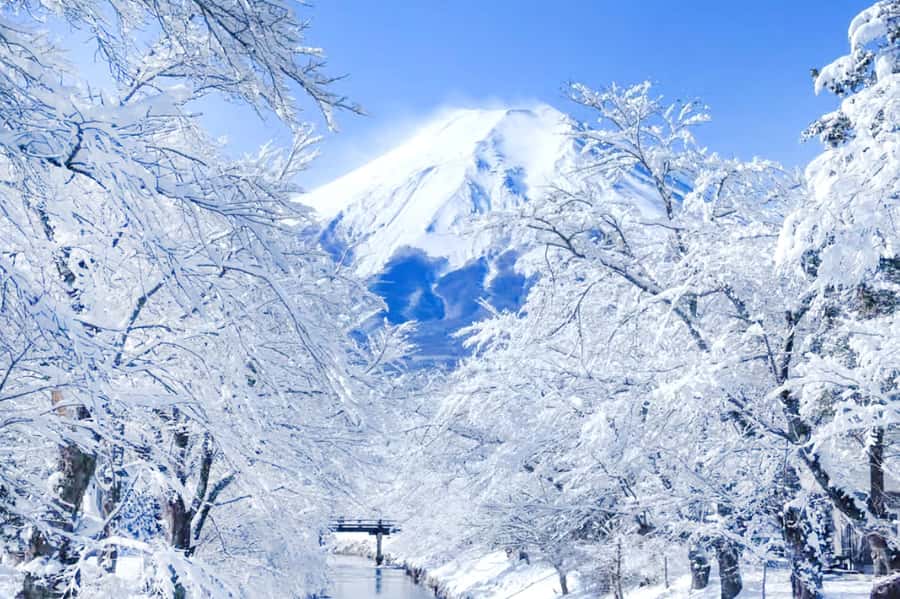
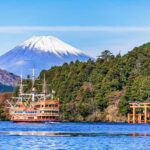
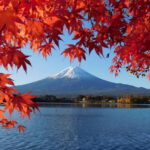
Next comes Lake Kawaguchi, commonly considered the most photogenic of Fuji’s Five Lakes. This is where you go after the dream shot: mirror-like reflections of Mount Fuji on clear days. When the day is bright and the air is calm, this is the kind of view you can aim for repeatedly by moving position slightly along the lake edge.
The tour also includes an optional for dynamic Fuji shots (seasonal). That’s the hint that some locations or activities change depending on the time of year—so you’re not always doing the same thing. Practically, that means your results can vary, but the tour is flexible about how it turns that lake setting into something more than a single photo stop.
If you’re trying to capture Fuji with reflections or a more dramatic lake foreground, put your camera time into this stop. It’s one of the few places on the route where the lake becomes a direct part of the Mount Fuji composition.
Fuji Lawson Store: branded photos, Fuji-limited snacks
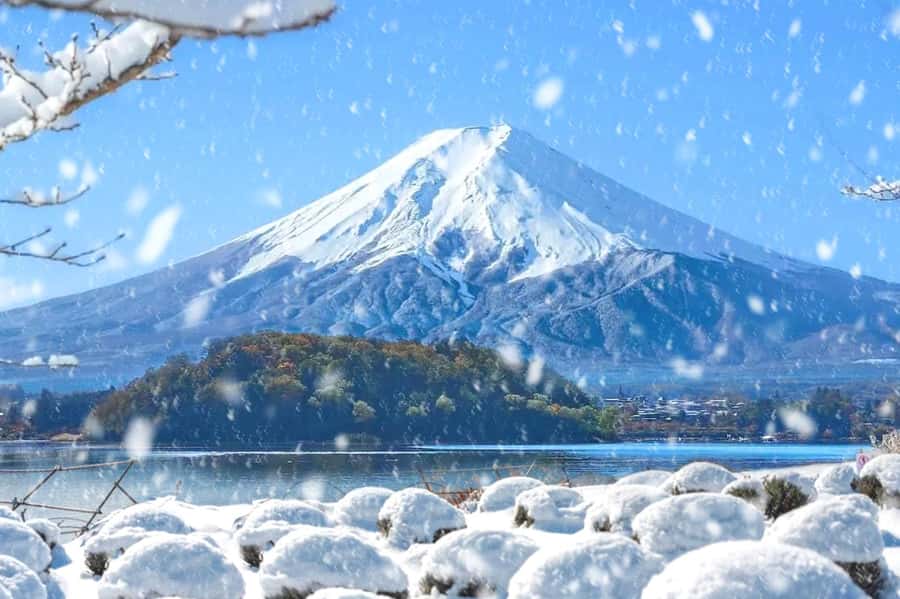
Yes, there’s a Fuji Lawson Store stop—and yes, it’s exactly what it sounds like. This is an Instagram-worthy photo setup with the distinctive blue-white logo and a Fuji backdrop. It’s a quick, fun break that fits nicely between longer scenic stretches.
What makes this stop useful is the snack angle. The guide provides a Fuji-limited snacks list, which helps you pick without wandering around hungry and guessing. The tour includes a Fuji spring mochi snack, but this is where you might add extra flavors if you want.
This is also one of the stops that shows the day’s balance. You get a branded moment, but it’s not treated like a shopping marathon. It reads more like a photo and snack intermission so you keep momentum.
Lake Yamanaka: swans, calm water, and a gentle ending
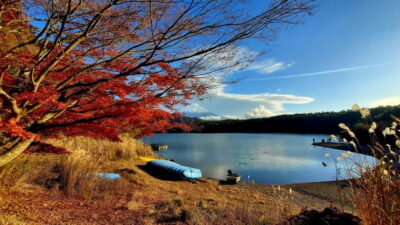
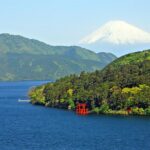
You finish with Lake Yamanaka, and the day slows down in a good way. The highlight here is a peaceful interaction: feeding swans while Mount Fuji sits in the background when visibility allows.
This is a family-friendly moment. Swan feeding is simple, visual, and fun without requiring any special skills. It also breaks up the full-day “standing at viewpoint” rhythm so the ending feels different than the earlier photo stops.
If you’re traveling with kids, this is likely one of the more memorable parts of the day. If you’re traveling solo or as a couple, it’s also a nice reminder that Fuji day trips can be more than just chasing the perfect mountain shot.
Guides on the day: bilingual help and real personality
The tour’s core human ingredient is the guide. You’re set up with a bilingual English-Chinese guide, and the guidance is built around both culture and photo technique. Names you may encounter on groups include Yulina, Agnes, Tim, Yuan, and guides like Will or WillYU—and those past group impressions emphasize friendly, attentive service plus humor.
That matters because Fuji photography is half equipment and half timing. Good guidance helps you read the scene faster—where to stand, when to take the shot, and how to avoid common framing mistakes.
One logistical note: the tour can run as small daily groups, and sometimes the driver also doubles as the guide with limited English commentary, with no commentary while driving. For international guests, services are described as multilingual rather than one fixed language system. Practically, it means you might get more explanation at stops than while you’re en route.
Timing, weather, and traffic: how the day stays flexible
Mount Fuji days don’t run on your watch. They run on weather and roads. The tour is clear that traffic and attraction changes can happen on weekends and holidays, and delays or early closures may lead to adjusted timing. Weather can also trigger facility closures, and the plan can shift to other spots.
If Fuji is cloudy, you should treat the day like a photography challenge rather than a guarantee. You’ll still visit major sites, but the mountain might not look as crisp from every angle. Some stops are easier to enjoy even when Fuji is faint, especially the spring-water and lake-village scenes.
The key is how the tour handles it. The promise is not that everything will be perfect on schedule, but that the guide adjusts so you still get a meaningful day.
What to bring, and rules that keep it smooth
Pack for walking and shooting. You’ll want comfortable shoes and specifically non-slip shoes for mountain paths. Bring your camera, and if you have one, the notes also encourage a telephoto lens for Asama Park.
You’re also advised to bring cash, which often helps for small purchases when you’re on the go (snacks, drinks, and the like). Also bring any photo accessories you use regularly; this day rewards getting the shots you planned.
Simple rules keep the vehicle experience from getting annoying: no smoking in the vehicle and no food in the vehicle. These sound obvious, but they matter when the day runs long and you’re hungry. Plan snacks accordingly outside the van.
Who this tour suits best (and who should skip it)
This is a good fit if you want Fuji highlights in one day with a guide doing the heavy lifting. It’s also a solid choice for families because swans feeding works well for all ages.
On the other hand, it’s not suitable if mobility is an issue. The tour explicitly lists that it’s not suitable for pregnant women, for people with mobility impairments, for wheelchair users, and for people over 70. That’s usually because of uneven outdoor ground, walking time, and a fairly full schedule.
If you’re someone who hates rushing and prefers long pauses, the “six photo spots” structure may feel fast. But if you’re okay with a packed day and you like maximizing daylight in Fuji country, it’s a strong match.
Should you book this Mount Fuji day trip from Tokyo?
Book it if you want value, structure, and guidance, and you’re happy to trade some flexibility for a full list of iconic stops. At $44, with round-trip transport, a bilingual guide, and included Fuji spring mochi, the numbers make sense—especially if you’d otherwise spend time planning connections on your own.
Consider skipping or switching strategies if you’re traveling with accessibility needs or if you simply can’t handle a full, moving day. Also think hard if you’re counting on guaranteed clear Fuji views—this tour can’t control clouds.
If you’re the type who likes photos with both famous backdrops and real daily-life moments, this itinerary hits that balance: observatory views, retro architecture framing, spring-water village strolling, lake reflections, branded snack-and-photo fun, and swans to close out the day.
FAQ
How many photo spots does the tour include?
The day trip includes visits to 6 iconic photo spots for Mount Fuji photography.
What language will the guide speak?
The tour provides a bilingual English-Chinese guide.
What’s included in the price?
Included: round-trip transport from Tokyo, a bilingual guide, and a Fuji spring mochi snack.
Are meals included?
No. Meals are not included.
Which places do you visit during the day?
You’ll visit Niikurayama Asama Park, Hikawa Clock Shop, Oshino Hakkai, Lake Kawaguchi, Fuji Lawson Store, and Lake Yamanaka.
What should I bring for the day?
Bring comfortable shoes, a camera, and cash. A telephoto lens is specifically suggested for Niikurayama Asama Park. Non-slip shoes are also recommended for mountain paths.
Is swan feeding part of the experience?
Yes. You’ll have the chance to feed swans at Lake Yamanaka.
Are there any rules about food or smoking on the vehicle?
Yes. Smoking in the vehicle is not allowed, and food is not allowed in the vehicle.
Is the tour suitable for everyone?
No. It is listed as not suitable for pregnant women, for people with mobility impairments, for wheelchair users, and for people over 70.
Can I get a refund if I cancel?
You can cancel up to 24 hours in advance for a full refund.