REVIEW · TOKYO
Tokyo: Mt. Fuji, Kamakura, Big Buddha, & Lake Ashi Day Trip
Book on GetYourGuide →Operated by AMIGO TOURS JAPAN GK · Bookable on GetYourGuide
Fog or clear sky, Mount Fuji still steals attention. I love that this day trip strings together Mount Fuji photo stops across Kamakura and Hakone, and that you’re guided by a true bilingual team—English/Spanish—often with a fun, human touch (I’ve seen guides like Naomi and Melody do this well). You get multiple chances to frame Fuji, not just one quick look.
The catch is weather-dependent views, and yes, it’s a long day with coach time. If you hate being on buses, you’ll want to dress comfortably and plan your pacing from the start.
In This Review
- Key highlights to know before you go
- Why This Fuji-and-Kamakura Route Works for Your Time in Tokyo
- From Ginza Out of Tokyo: Starting Early and Getting Comfortable on the Road
- Kotoku-in Great Buddha: A Fast Photo Stop That Still Feels Like Japan
- Lake Ashi Cruise (Optional) and Motohakone Views: Fuji Over Water
- Oshino Hakkai: The Fuji-Foot Water Stop That Gives Your Day Texture
- Oishi Park and Lake Kawaguchi: Turning One Viewpoint Into a Photo Set
- Mount Fuji Sightseeing: When Clouds Win (and You Still Leave Happy)
- Price and Value for Around $49: What You’re Really Buying
- What to Pack (and What to Know) for a Smooth Fuji Day
- Who This Tour Suits Best (And Who Might Feel It’s Too Much)
- Should You Book This Mt. Fuji, Kamakura, Lake Ashi, and Oshino Hakkai Day Trip?
- FAQ
- How long is the Tokyo to Mt. Fuji day trip?
- What’s included in the tour price?
- Is lunch in Oshino Hakkai included?
- Is the Lake Ashi boat cruise included?
- What languages do the guides speak?
- Will I definitely see Mount Fuji?
- Where is the meeting point and where do you get dropped off?
- Is this day trip wheelchair accessible?
Key highlights to know before you go
- Multiple Fuji angles in one day: you’re not stuck with a single viewpoint
- Great Buddha stop at Kotoku-in (13-meter bronze statue) if you choose that option
- Lake Ashi boat cruise option for Fuji reflections over the water
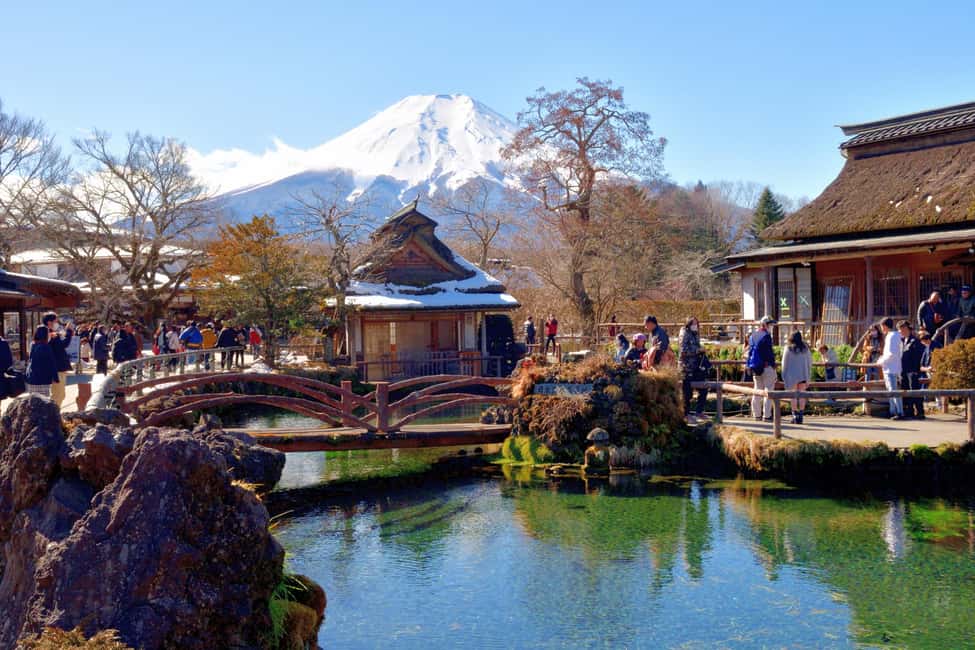
- Oshino Hakkai guided pond walk + free time at the foot of Fuji
- Bilingual English/Spanish guiding with practical info and photo tips
Why This Fuji-and-Kamakura Route Works for Your Time in Tokyo

If you’re short on time in Tokyo, this kind of day trip is a smart trade. You get out of the city early, then you spend the day moving through places that are famous for one thing: clean views of Fuji and classic Japan scenes nearby.
I also like the “hit multiple highlights” approach. You’re not only chasing a photo of the mountain. You’re also seeing Kamakura’s culture, Hakone’s lakeside mood, and the Fuji foothill water world at Oshino Hakkai. Even when Fuji hides, the day still has built-in rewards.
One more thing: the guiding style matters. A lot of people come away talking about guides like Naomi, Jorge, Fran, and Bertrand (Beru). That’s usually because the day plan moves fast, so you benefit when the guide explains what you’re seeing and how to photograph it—without making it feel like a lecture.
You can also read our reviews of more tours and experiences in Tokyo

From Ginza Out of Tokyo: Starting Early and Getting Comfortable on the Road
The day begins in central Tokyo, with starting points that can vary by option. One listed meeting area is Ginza (Marunouchi, Ginza Inz 2). Then you head out by coach.
Expect a ride of roughly 1.5 hours to the Kamakura area if your route includes Kotoku-in, and then more travel between Fuji-area stops. This isn’t a slow stroll day. It’s a “see a lot, in a lot of different places” day.
What helps: you’re usually paired with a driver who keeps the schedule moving, which matters on routes with multiple short visits. I’d still treat this as a long outing: bring warm layers, and don’t plan to arrive thinking you’ll do a late-night recovery afterward.
Kotoku-in Great Buddha: A Fast Photo Stop That Still Feels Like Japan
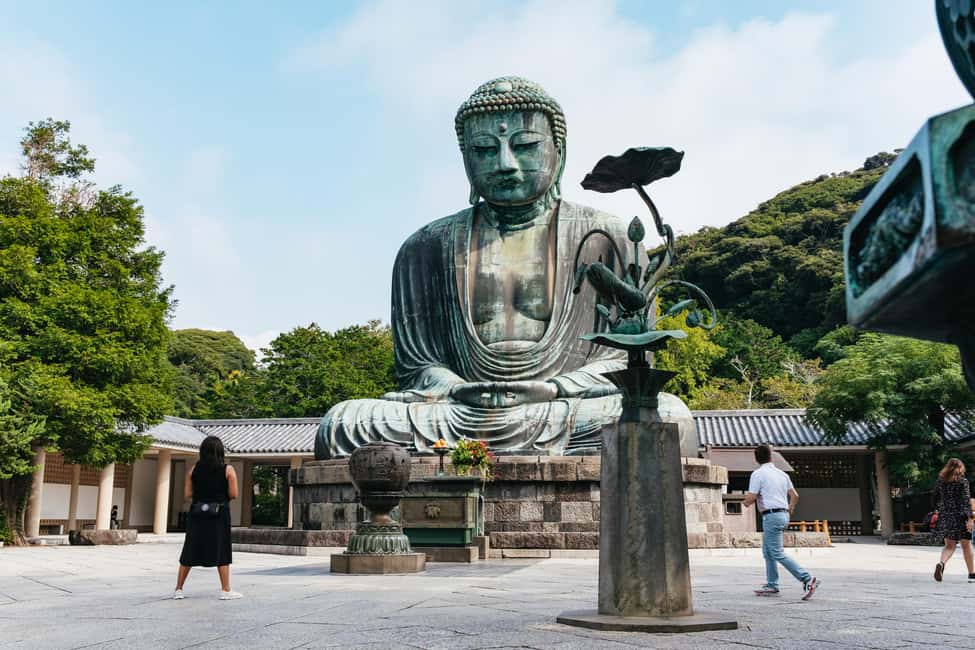
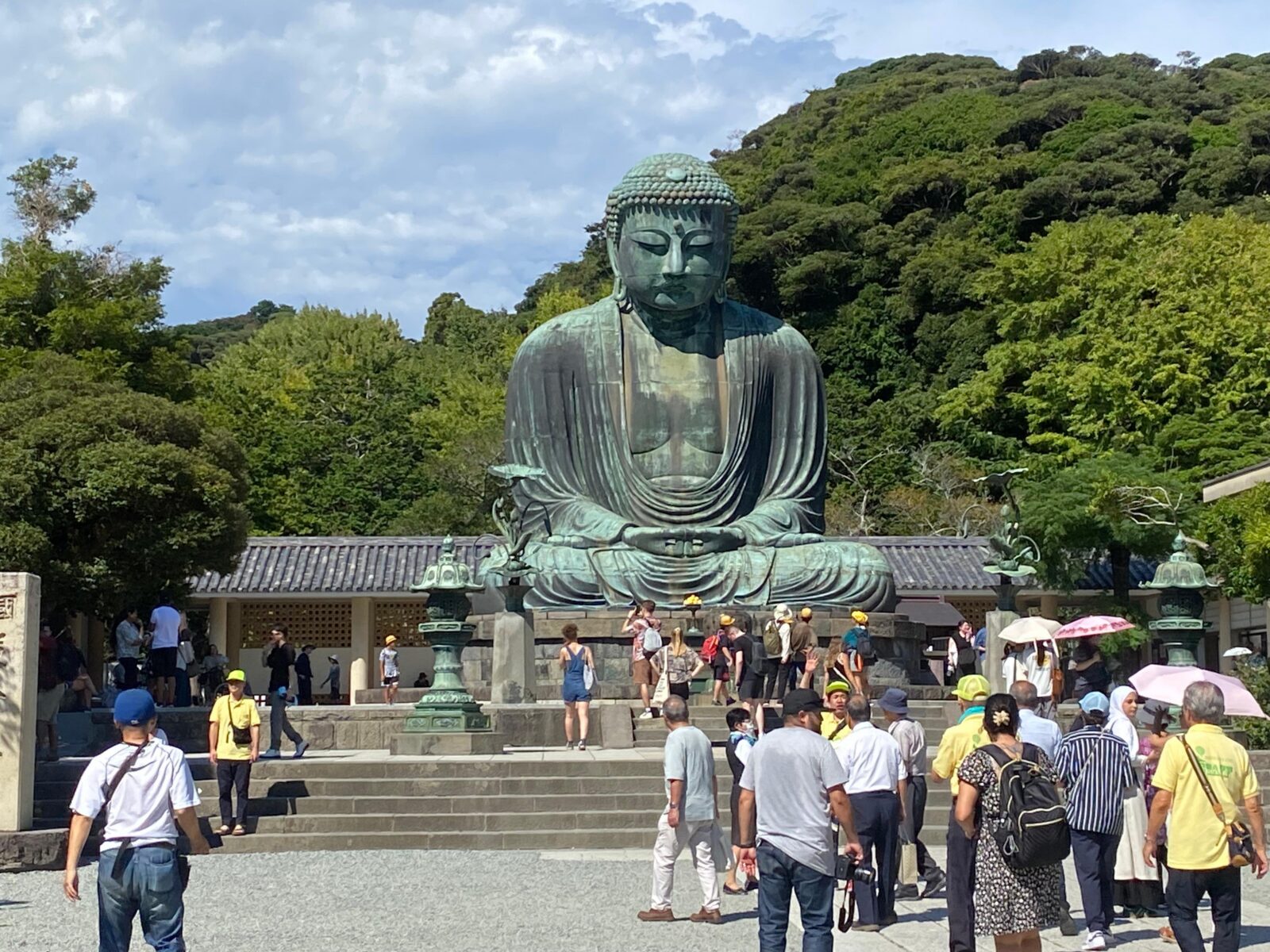
If you choose the option that includes it, your day starts with a photo stop and then a visit to Kōtoku-in, home to the Great Buddha. This is a serious statue: a 13-meter bronze figure that people recognize instantly.
You typically get about 20 minutes here. That’s short, but it’s enough time to do two things well:
- get wide and close photos from the best angles you can reach quickly
- soak up the calm, temple-style atmosphere without feeling rushed into “tour-bus mode” the whole time
Practical tip: if you want the Buddha framed with skyline or open space, arrive with your camera ready before you step into the busiest spot. A 20-minute stop is all about timing.
Also, if you’re pairing this with Lake Ashi and Fuji viewpoints later, it sets a nice rhythm. You’re switching between spiritual Japan and scenery Japan, which keeps the day from feeling one-note.
Lake Ashi Cruise (Optional) and Motohakone Views: Fuji Over Water
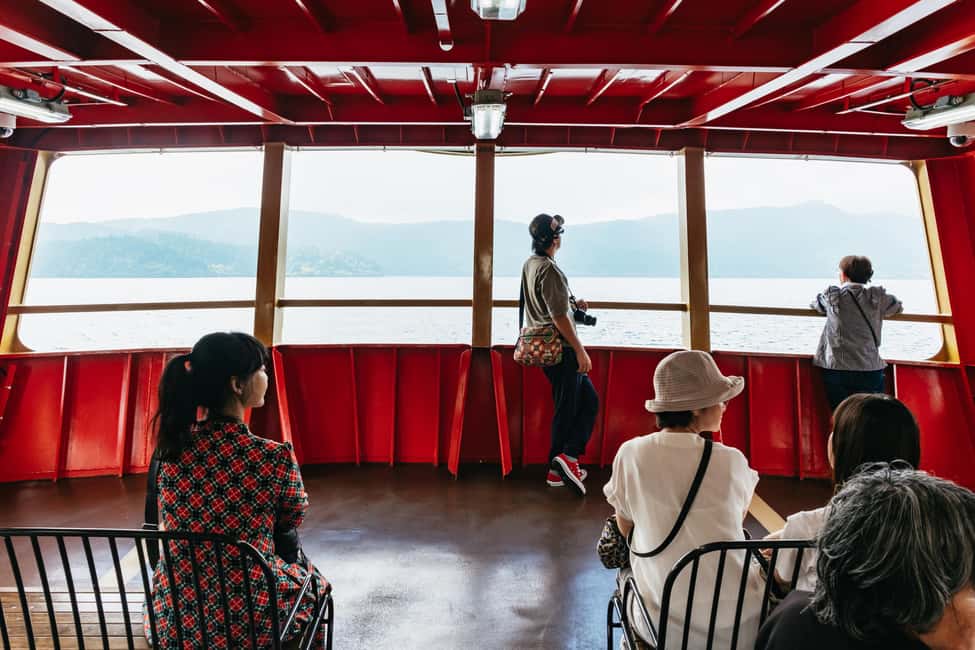
Lake Ashi is where the day can slow down in a good way—especially if you pick the boat cruise option.
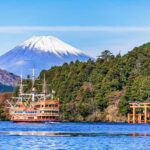
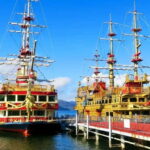
Your plan may include a Lake Ashi stop with a short boat cruise (about 10 minutes), plus sightseeing around Motohakone. Even with the brief time on the water, it changes the feel. Instead of standing and looking up, you’re moving across the scene, and Fuji tends to look different from the lake than from the roadside.
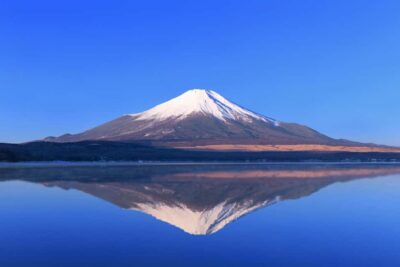
If the weather is clear, people usually love the reflections and the way the mountain shape reads from a distance. If it’s cloudy, you still get a scenic water break, plus the “Hakone vibe” that’s hard to replicate when you stay only in Tokyo.
One realistic consideration: that cruise is short. Don’t book it expecting a long ferry adventure. Think of it as a Fuji-photo bonus, not the main event.
Oshino Hakkai: The Fuji-Foot Water Stop That Gives Your Day Texture
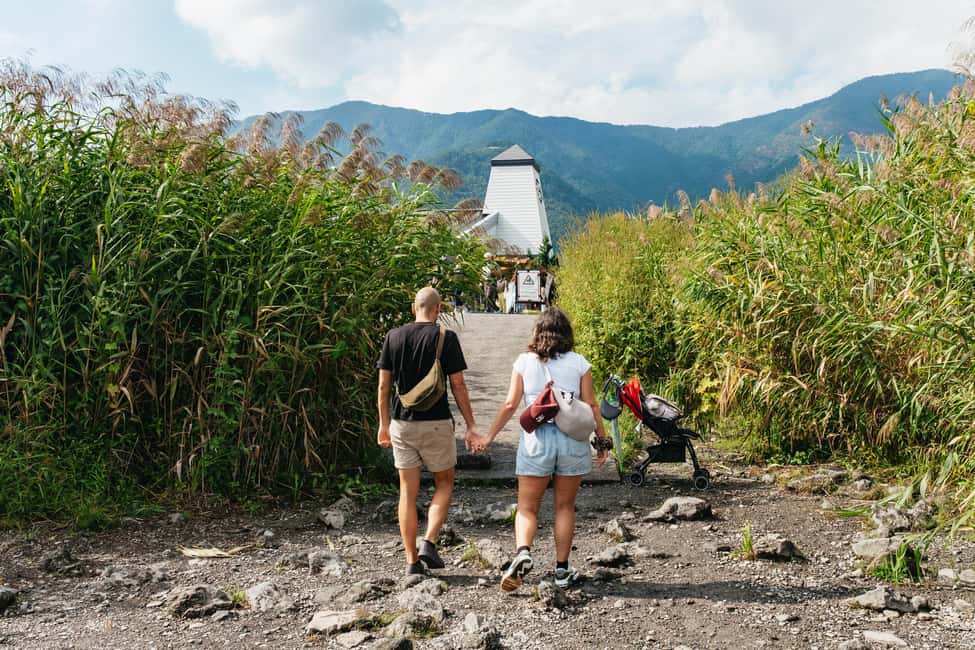
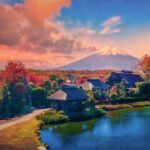
Oshino Hakkai is the kind of stop that makes the whole day feel more grounded. Instead of racing from viewpoint to viewpoint, you get to walk around the area’s crystal-clear spring ponds.
With this stop, you get a guided tour plus about 1.5 hours of free time. That structure is smart. The guide helps you understand what you’re looking at fast—then you can wander and linger where the photos look best.
Why this matters for your travel day: Fuji tours can become one long sequence of “look far away, take picture, repeat.” Oshino Hakkai breaks that pattern with water-level details—ponds, reflections, and a village-at-the-foot-of-the-mountain feeling.
Practical tip: bring sunscreen even in cooler months. You’ll be outdoors, and the sun can catch off the water and change fast.
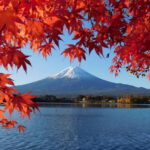
Oishi Park and Lake Kawaguchi: Turning One Viewpoint Into a Photo Set
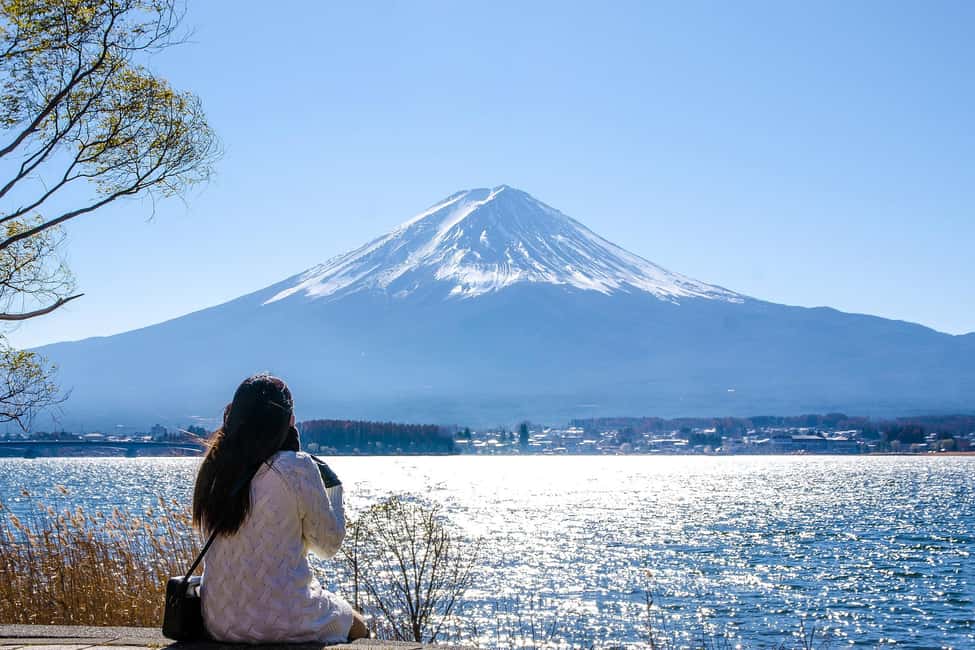
After Oshino Hakkai, the day continues toward Oishi Park and then Lake Kawaguchi, where you’ll have additional sightseeing time and finally head toward Mount Fuji viewing.
At Oishi Park, you get a guided tour of about 45 minutes. This is a useful duration: long enough to hear what makes the viewpoint work, but short enough that you still have energy for photos and a final sweep later.
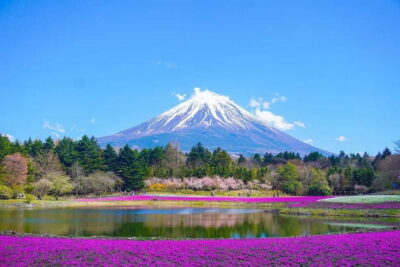
Then you reach Lake Kawaguchi for sightseeing, followed by Mount Fuji sightseeing. This is the stage where the day either delivers peak visibility—or makes you appreciate the effort.
Here’s the honest rhythm I’d plan for: you’ll see Fuji from different distances and different angles across the day. That increases your odds of getting at least one really strong shot, even if the mountain is shy in one specific location.
Mount Fuji Sightseeing: When Clouds Win (and You Still Leave Happy)
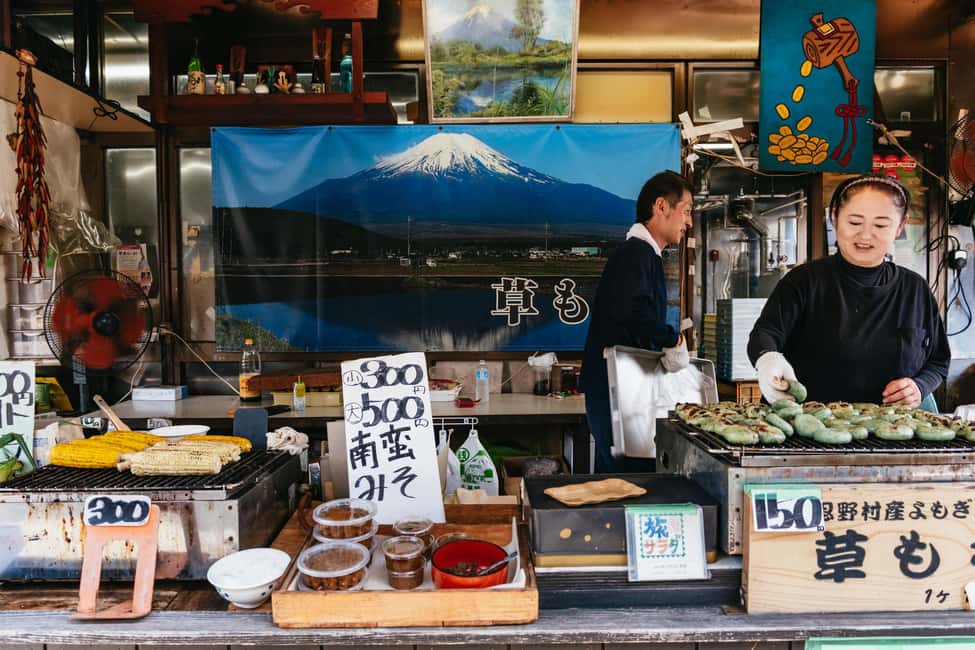
Mount Fuji’s visibility depends on weather. That’s not just a line; it affects what you can do in each stop. If the mountain is hidden, you’ll notice something quickly: the focus shifts from “capture the perfect photo” to “enjoy the scenery anyway.”
And the good news is, this day has multiple fallbacks:
- you can still enjoy lake views and pond areas
- you’ll have guided context for what you’re seeing
- you’ll get multiple time windows where the sky might open up
I’ve also seen guides handle disappointment well. People often mention guides who keep the mood up and adjust advice on the spot. If you end up with a partial view—like Fuji showing for a short window—you’ll be glad you didn’t gamble your whole day on a single viewpoint.
If your priority is one crystal-clear mountain photo only, then plan to arrive with patience. Fuji can play hard to schedule.
Price and Value for Around $49: What You’re Really Buying
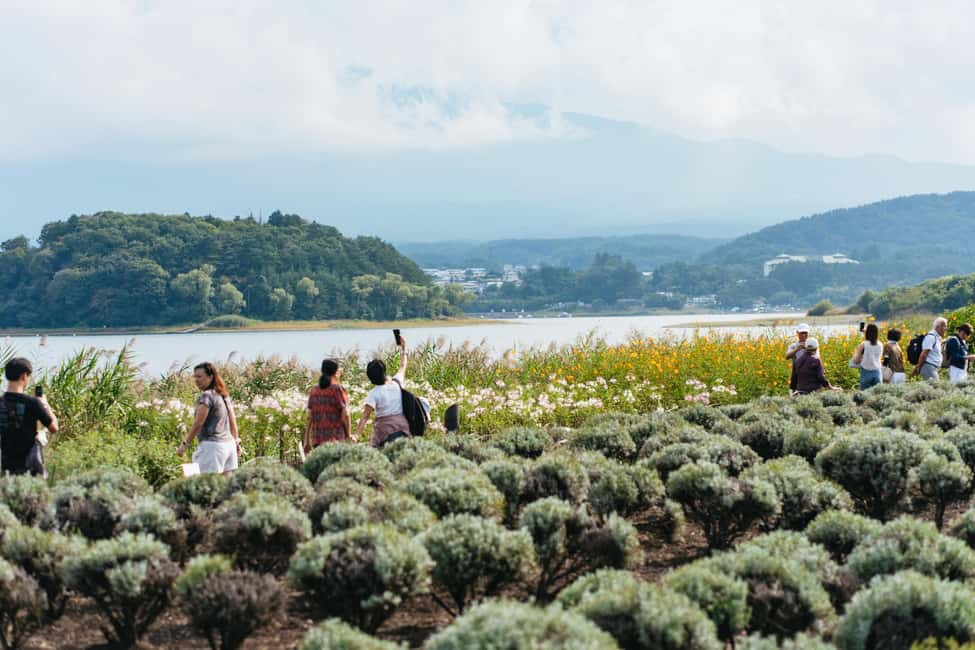
At about $49 per person, the value comes from bundling four hard-to-replicate things:
- transportation from central Tokyo to multiple regions
- bilingual English/Spanish guiding (not just a handout)
- key admission tied to certain options (like Kotoku-in)
- optional inclusions like the Lake Ashi cruise and premium lunch
The day is long, but you’re paying for speed and coverage. If you tried to assemble this yourself, you’d spend time coordinating rail/bus segments, figuring out transfers, and losing the “time saved” part that makes a day trip worth it.
A careful note: inclusions vary by option. For example:
- the Kotoku-in Great Buddha visit depends on the option you choose
- the Lake Ashi cruise is included only with the selected option
- lunch in Oshino Hakkai appears with the premium option
So the best value is when you pick the version that matches your must-dos. If you only care about Fuji and don’t want the Kamakura stop, don’t pay for the version that includes it.
Also, one small comfort reality: a few people note there may not be easy charging on the bus. Bring a power bank if you rely on your phone for photos and maps.
What to Pack (and What to Know) for a Smooth Fuji Day
You’ll be outdoors for photo stops, and you’ll be on the coach for long stretches. That means your checklist is practical, not fancy:
- comfortable shoes (you’ll walk at multiple sites)
- warm clothing (weather shifts fast)
- a hat and sunscreen
- camera ready (this is a photo-heavy day)
- cash, since some shops or spots may not accept cards
If you want the best shot chances, timing is everything. Plan to move quickly when your group arrives at photo stops. A lot of guides help with this by directing you where to stand first.
Also, Mount Fuji is weather-driven. Dress for cool wind, and keep a flexible mindset. You’re paying for the attempt, not a guarantee.
Who This Tour Suits Best (And Who Might Feel It’s Too Much)
This day trip fits best if you want:
- a structured, guided way to see Fuji area highlights from Tokyo
- multiple scenic stops without handling public-transport transfers all day
- bilingual support for history and practical photo guidance
It’s also a decent fit for mixed ages because the guiding tends to be attentive and safety-focused. People have specifically mentioned older travelers and guides adjusting with extra checking.
On the flip side, it’s not suitable for wheelchair users based on the provided info. And if you strongly dislike packed schedules or hate long bus rides, you might find it tiring.
Should You Book This Mt. Fuji, Kamakura, Lake Ashi, and Oshino Hakkai Day Trip?
I’d book it if your trip style is: see the key icons, maximize one day, and trust the guide to keep things organized. The biggest reasons to say yes are the built-in variety—Buddha, lake, ponds, and Fuji viewpoints—and the bilingual guiding that helps you understand what you’re looking at while you’re there.
I’d think twice if:
- you’re only satisfied with Mount Fuji fully visible the entire time
- you can’t handle 10–11 hours of travel and walking
- you need wheelchair accessibility
If you do book, choose the option that matches your priorities (Kotoku-in, Lake Ashi cruise, or premium lunch). That’s how you keep the value feeling right.
FAQ
How long is the Tokyo to Mt. Fuji day trip?
The duration is listed as about 10–11 hours.
What’s included in the tour price?
Included items include a bilingual English/Spanish guide, transportation from the meeting point, and specific inclusions depending on your option (such as the Lake Ashi cruise, Kotoku-in ticket, and premium lunch).
Is lunch in Oshino Hakkai included?
Lunch in Oshino Hakkai is included only if you choose the premium option.
Is the Lake Ashi boat cruise included?
The Lake Ashi cruise is included only with the selected option.
What languages do the guides speak?
Guides are listed as bilingual in English and Spanish.
Will I definitely see Mount Fuji?
No. Mount Fuji’s visibility depends on weather conditions.
Where is the meeting point and where do you get dropped off?
The meeting point may vary by option. The listed drop-off locations include Marunouchi, Ginza Inz 2.
Is this day trip wheelchair accessible?
No. It is not suitable for wheelchair users.