REVIEW · TOKYO
Tokyo: Kamakura and Yokohama Private Day Trip with Guide
Book on GetYourGuide →Operated by Tour Master · Bookable on GetYourGuide
A day trip that feels like two worlds. You’ll start in Kamakura with a towering icon and then switch gears to Yokohama’s gardens, food streets, and modern waterfront views. Two stops I especially like: the Great Buddha of Kamakura at Kōtoku-in and the Sankeien-en botanical park where you can see preserved Japanese homes.
One consideration: season matters. In colder months like December, Sankeien-en may feel less worthwhile than it does in spring or fall, so I’d match the day to your travel dates when you can. Also, because this is private, the quality of explanations and the day’s flow depend on your assigned bilingual chauffeur.
In This Review
- Key Points at a Glance
- From Your Tokyo Hotel to Kamakura’s Great Buddha
- Hase-dera and Hokokuji Bamboo: Temple Quiet on Foot
- Tsurugaoka Hachimangu: A Shrine Stop That Adds Context
- Sankeien Garden in Yokohama: Preserved Homes and Seasonal Mood
- Yokohama Chinatown and Shin-Yokohama Ramen Museum: Food Fun Without the Chaos
- Minato Mirai and the 296m Landmark Tower: Modern Waterfront Views
- Hotel Pickup, Private Pace, and Bilingual Tips: Where Value Really Lives
- Price and Logistics: Is $474 per Group Up to 6 a Smart Deal?
- Timing, Walking, and Season Checks: Make the Day Work for You
- Who This Private Trip Suits (and Who Should Skip It)
- Should You Book This Kamakura and Yokohama Private Day Trip?
- FAQ
- How long is the tour?
- What is the price for this private day trip?
- Is hotel pickup and drop-off included?
- What stops do I visit during the day?
- What languages is the guide available in?
- Are meals included in the price?
- Are entrance fees included?
- Can I cancel if my plans change?
Key Points at a Glance
Kamakura’s biggest must-see starts the day with the 13-meter-high Great Buddha at Kōtoku-in.
Sankeien-en is a time-machine stop: a botanical park built around preserved Japanese residences from different eras.
You get both old and new Yokohama through Chinatown and the Minato Mirai waterfront area.
Hotel pickup and drop-off remove friction in a 10-hour day that includes commuting.
Meals and entrance fees are extra so plan for food and tickets on top of the tour price.
From Your Tokyo Hotel to Kamakura’s Great Buddha
This is a private 10-hour day trip from Tokyo, built for convenience. Hotel pickup and drop-off in Tokyo means you spend less energy figuring out trains and transfers, and more energy looking at temples and streets.
You’ll head to Kamakura first, once a political center in medieval Japan. The morning centerpiece is Kōtoku-in, where you’ll visit the Great Buddha: a roughly 13-meter-high bronze statue that has stood since the 15th century. It’s the kind of landmark that makes the word icon feel accurate, because the scale hits you fast when you’re standing there.
Expect a bit of walking as you move between stops, and roughly an hour at Kōtoku-in. If you like getting photos without a mad scramble, arriving earlier in the day helps. Also, the tour includes water bottles, which is a small thing that still matters when you’re on your feet.
You can also read our reviews of more guided tours in Tokyo
Hase-dera and Hokokuji Bamboo: Temple Quiet on Foot
After the Great Buddha, you’ll continue through Kamakura’s temple belt. Next up is Hase-dera, with about an hour for sightseeing and walking. This is the kind of stop that works well when you want more than just a single photo: you get time to slow down, take in details, and reset your legs before the next climb or crossing.
Then comes Hokokuji Bamboo Forest, also about an hour. Even if bamboo forests aren’t your main obsession, this one is worth your attention because it gives you a different texture of Japan than the big bronze statue. The pacing here is important. When the day is run well, you feel like you’re moving steadily, not sprinting from checkmark to checkmark.
Bring comfortable shoes for this section. The tour is short on total time overall, so if your footwear is wrong, the day gets heavier than it needs to be.
Tsurugaoka Hachimangu: A Shrine Stop That Adds Context
Tsurugaoka Hachimangu is another key Kamakura visit, with about an hour set aside for sightseeing and walking. This is where the day gains a layer beyond sightseeing. You’re not only seeing pretty places—you’re also experiencing a symbol-heavy site tied to Japan’s medieval past.
Why this stop helps: it ties the earlier Great Buddha moment to a broader picture of Kamakura’s importance. Even if you only get a short version of the story from your bilingual chauffeur, the sequence makes sense—Kamakura wasn’t just scenic coastal Japan. It had real political weight, and these shrines and temples reflect that.
If you’re the type who likes to understand what you’re looking at, this is where you’ll appreciate the guide’s local insights. If you prefer to mostly wander and take photos, you’ll still have enough time to do that here without feeling boxed in.
Sankeien Garden in Yokohama: Preserved Homes and Seasonal Mood
Next you’ll transition to Yokohama and head to Sankeien Garden. This is a botanical park built around preserved Japanese homes from different eras. Think of it as a place where you can watch history with your eyes rather than just reading about it.
You’ll have about an hour for this stop. That’s a good length for Sankeien-en because it’s long enough to explore at an easy pace, but not so long that you feel trapped inside one attraction.
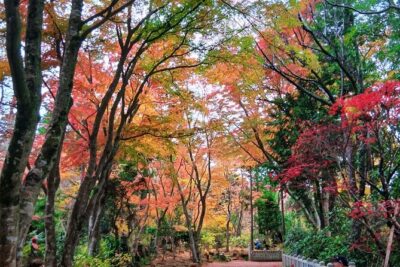
Here’s the seasonal reality check I’d plan around. One traveler specifically pointed out that Sankeien-en can be beautiful in spring or fall, but may not feel as worth it in December. I won’t promise that your experience will mirror that exact opinion, but it’s smart advice. If you’re visiting in winter and you’re picky about garden time, I’d still go—just manage expectations and focus on the preserved residences and layout rather than assuming you’ll get peak foliage.
Yokohama Chinatown and Shin-Yokohama Ramen Museum: Food Fun Without the Chaos
Yokohama’s Chinatown is next, with about 1.5 hours. The area is known for its large number of Chinese restaurants and shops, so you’ll have plenty of room to snack, browse, and poke around without feeling forced into one plan. This is the stop that turns a history-heavy day into a sensory break.
Meals aren’t included, so budget for what you want to eat. The good news is you’ll have time to choose casually, whether you’re in the mood for a quick bite or a longer sit-down meal at your own pace.
After Chinatown, you’ll visit the Shin-Yokohama Ramen Museum for about an hour. This is a practical add-on if you want one more Japan-flavored experience that’s low-pressure and easy to fit into a day schedule. Plan to spend your time moving through exhibits and checking out food-related displays rather than expecting a full meal to anchor the entire hour—your day has other highlights still waiting.
If you’re trying to keep the day fun instead of stressful, carry a little cash for small purchases and snacks. That way, you don’t have to make quick decisions while you’re hungry.
You can also read our reviews of more private tours in Tokyo
Minato Mirai and the 296m Landmark Tower: Modern Waterfront Views
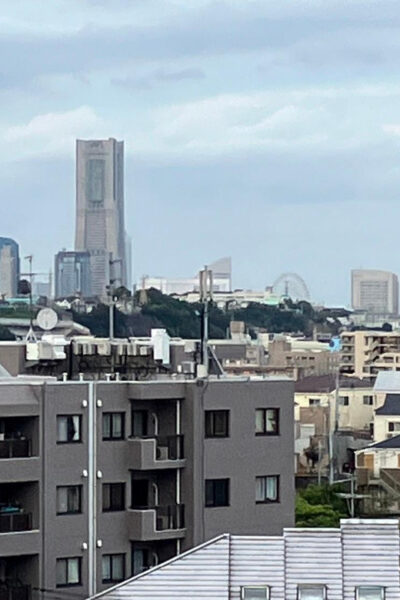
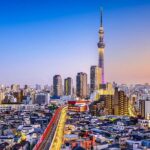
The final sightseeing stretch takes you to Minato Mirai, Yokohama’s seaside district. Here you’ll see the Landmark Tower, which rises to 296 meters. Even if you’re not an architecture person, this is a good visual finish because it contrasts sharply with Kamakura’s temple atmosphere.
The tour includes time for visiting and walking around Minato Mirai, plus a small block of free time (about 30 minutes) before you head back to Tokyo. I like this structure because it lets you do what a fixed itinerary can’t: revisit a view you liked, pick up a small souvenir, or just sit for a moment with a cold drink and watch the waterfront energy.
This portion is also a nice way to end if you’re tired. You’re still seeing something big and distinct, but you’re not sprinting between the kind of physically demanding attractions that temples sometimes can be.
Hotel Pickup, Private Pace, and Bilingual Tips: Where Value Really Lives
The price is $474 per group up to 6, and you’re paying for a private day with hotel pickup and drop-off. For many groups, that’s where the value lands: you’re not just buying transportation, you’re buying time, comfort, and a local bilingual chauffeur who can give tips and insights while you’re moving.
A few practical benefits you’ll feel immediately:
- You don’t need to organize trains for the whole day.
- You can keep the pace comfortable, because it’s not a bus full of strangers.
- You get guidance in English and Japanese, which helps if you want context rather than only landmarks.
About guide quality: bilingual chauffeurs can vary in how much they share and how smoothly they run the schedule. I’ve seen strong feedback tied to specific chauffeurs such as Kasim Ali and Qesm Ali, with praise focused on safe driving and clear explanations. At the same time, it’s worth staying aware. If you’re on a private tour, I recommend having the day’s timing handy on your phone so you can spot if something shifts.
Price and Logistics: Is $474 per Group Up to 6 a Smart Deal?
Let’s talk money with clear eyes. $474 per group can sound high if you’re traveling solo or as a couple. But it’s a group rate, so the value improves as you share it with more people (up to 6).
Two costs to remember:
- Meals are not included.
- Entrance fees are not included.
Those missing items matter. If you plan to eat a lot of meals and pay multiple attraction tickets, your total day cost rises. If you’re okay with snacks and selecting one main meal, the overall value feels more balanced.
Where this tour tends to shine in value: when you want a “greatest hits” day with minimal planning and you care about sequencing. Kamakura and Yokohama are both rewarding, but doing them efficiently from Tokyo takes coordination. This tour handles that coordination for you—so your day is mostly sightseeing time.
Timing, Walking, and Season Checks: Make the Day Work for You
This trip runs about 10 hours total, including commuting time. That’s not an all-day stroll, but it’s long enough that you should plan like you’re walking a lot. The tour emphasizes comfortable shoes, and that’s the right call.
Also bring:
- a hat
- sunscreen
- a camera
Why those are practical: Kamakura temple sightseeing and Yokohama waterfront areas can add up quickly under sun or wind. Even in mild weather, you’ll be outside enough that a little sun protection keeps you from ending the day cranky.
Season check matters too. If your dates are flexible, aim for spring or fall when gardens tend to look their best. If you’re traveling in winter, you can still enjoy Sankeien-en, but I’d focus on the preserved residences and structural beauty rather than expecting peak foliage.
Who This Private Trip Suits (and Who Should Skip It)
This tour is a good match if you want a single day that covers:
- a major Kamakura icon (the Great Buddha)
- peaceful temple atmosphere (Hase-dera and Hokokuji Bamboo Forest)
- a shrine stop for added context (Tsurugaoka Hachimangu)
- Yokohama’s mix of food streets and modern waterfront (Chinatown, Shin-Yokohama Ramen Museum, Minato Mirai)
It’s private and includes hotel pickup and drop-off in Tokyo, which also fits travelers who don’t want to juggle transit.
Who should skip it? The tour data says it’s not suitable for pregnant women and not suitable for wheelchair users. It also notes walking at multiple stops, so if mobility is limited, you’ll likely find the pace and footing tough.
Should You Book This Kamakura and Yokohama Private Day Trip?
I think this is a strong pick if you’re traveling with a group of friends or family who can share the $474 up to 6 rate. You get a well-paced mix of medieval Kamakura sights plus Yokohama’s food-and-modern vibe, with the big advantage of hotel pickup and drop-off.
Book it if:
- you want the Great Buddha and top Kamakura temple stops in one go
- you like gardens, preserved buildings, and seasonal atmosphere (or you’re visiting spring/fall)
- you want Chinatown and Minato Mirai without building the logistics yourself
- you’re okay paying extra for meals and entrance tickets
Consider another option if:
- you’re visiting in a season where Sankeien-en foliage might not be at its best and gardens are your top priority
- you’re traveling with accessibility needs (the tour explicitly states it isn’t suitable)
- you expect meals and all entrance fees to be included in the tour price
FAQ
How long is the tour?
The tour lasts about 10 hours, including commuting time.
What is the price for this private day trip?
It costs $474 per group, for up to 6 people.
Is hotel pickup and drop-off included?
Yes. Pickup and drop-off in Tokyo are included.
What stops do I visit during the day?
You’ll visit Kōtoku-in (Great Buddha), Hase-dera, Tsurugaoka Hachimangu, Hokokuji Bamboo Forest, Sankeien Garden, Yokohama Chinatown, Shin-Yokohama Ramen Museum, and Minato Mirai.
What languages is the guide available in?
The live tour guide is available in English and Japanese.
Are meals included in the price?
No. Meals are not included.
Are entrance fees included?
No. Entrance fees are not included.
Can I cancel if my plans change?
Yes. You can cancel up to 24 hours in advance for a full refund.