REVIEW · TOKYO
Tokyo: Local Foodie Adventure near Roppongi
Book on GetYourGuide →Operated by Japan Hopping · Bookable on GetYourGuide
Tokyo, but make it neighborhood. This small-group food walk through Azabujuban near Roppongi mixes comfort-food tasting with shrine-and-temple visits for good luck. I especially liked the way the guide (Ellen) turns ordinary store stops into quick lessons you can actually use, and how the snack lineup goes way beyond the standard convenience-store stuff. One thing to consider: food choices can change day to day based on shop availability, so you won’t know every exact item in advance.
You’ll meet at Azabujuban Station Exit 4, right by Oslo Coffee, and then head into streets that feel calmer than the big-city rush. The tour is built for walking—comfortable shoes help—while you sample 5 different Japanese treats (plus one alcoholic beverage) designed to fill you up without turning into a marathon meal. If you’re expecting a car-based ride tour with lots of sitting, this isn’t that.
And for the Sailor Moon fans: you’ll visit real-life spots that helped inspire the manga setting by creator Naoko Takeuchi. It’s a fun wink, but the core focus stays practical—eat first, ask questions, and learn what makes this corner of Tokyo tick.
In This Review
- Key Things I’d Put at the Top
- Finding Azabujuban: The Calm Side of Roppongi
- Shrine and Temple Stops for Good Luck (and Better Context)
- The Snack Route: 5 Treats, Built to Teach Your Taste
- Yakitori, Oden, and Pastries: What Each Bite Is Really Doing
- Shops and Gifts: Buying Without Feeling Like a Tourist
- Sailor Moon Fans: Real Places Behind the Manga Setting
- Meeting Residents and Restaurant Staff: Why This Feels More Real
- Price and Logistics: Is $71 Good Value?
- Who This Tour Is For (and Who Might Want a Different Day)
- Should You Book This Azabujuban Food Adventure?
- FAQ
- Where do I meet for the tour?
- How many food items and drinks are included?
- Does the tour include shrine and temple visits?
- What’s the walking and group size like?
- Is transportation included?
- Can I pay later, and what about refunds?
Key Things I’d Put at the Top
- Azabujuban’s “almost-a-century” shop culture, with 300+ shops that have stayed open for about 100 years
- Shrines and temples as part of the route, not a last-minute photo stop
- 5 different treats you can actually taste the differences in, from crispy taiyaki to savory oden
- A chance to shop for gifts at unique local stores you won’t find everywhere
- Sailor Moon connections to Naoko Takeuchi’s real-world inspirations
- Small group size (1–4 people), which means more back-and-forth with the guide and staff
Finding Azabujuban: The Calm Side of Roppongi
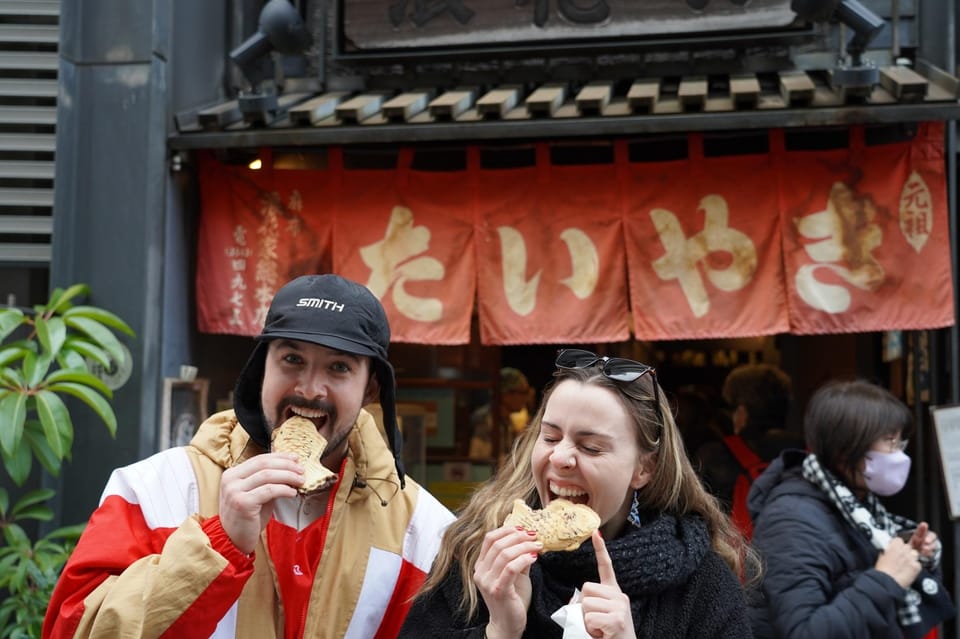
Azabujuban is close to Roppongi, but it doesn’t feel like the same Tokyo. The whole point is to get you into a neighborhood that many visitors skip—one with a long-running shop scene where people keep doing the same kinds of local business year after year. The feeling is part charm, part useful travel lesson: Tokyo isn’t just districts with landmarks. It’s also blocks with routines.
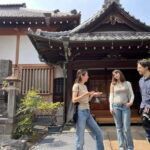
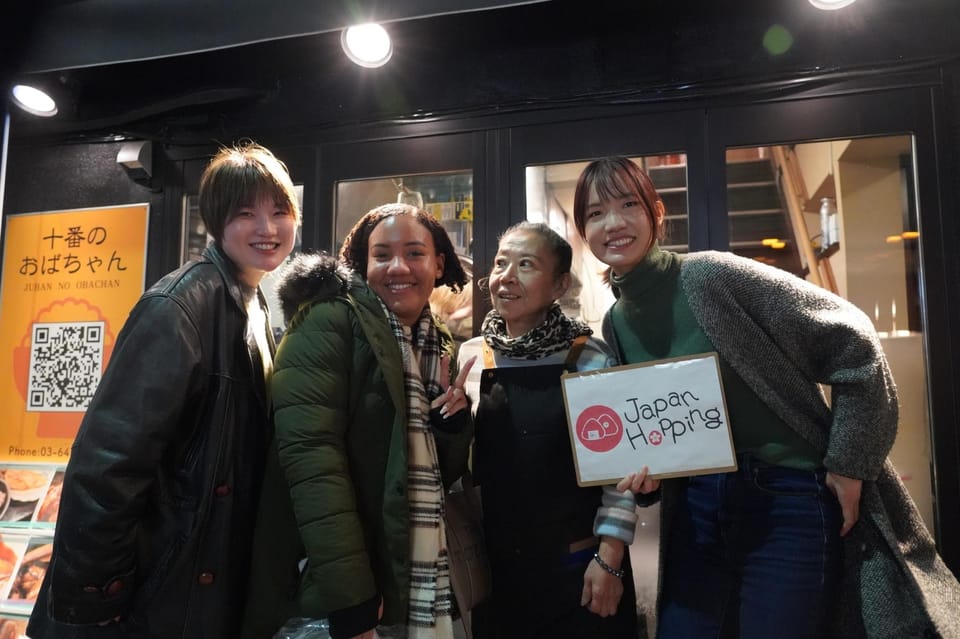
The walk starts at Azabujuban Station, Exit 4. Your guide will be waiting in front of Oslo Coffee, with the Japan Hopping Tours logo. That matters more than it sounds: when a tour meeting point is easy to find, you lose less time and stress. After that, you’ll follow the guide into side streets where the goal isn’t to rush past everything. It’s to notice. You’ll see the kind of storefronts that exist because they serve locals first, visitors second.
This is a small-group format, typically 1–4 people, so you’ll get time to ask real questions. In Tokyo, that kind of attention can change how you experience the food. Instead of eating and moving on, you start learning what you’re looking at—and why certain snacks show up in certain shops.
One more practical note: wear comfortable shoes. The tour is meant for strolling around a neighborhood, and the physical level is described as moderate. If your plan is to spend the day doing lots of stairs, your feet might get grumpy by late afternoon.
You can also read our reviews of more tours and experiences in Tokyo

Shrine and Temple Stops for Good Luck (and Better Context)
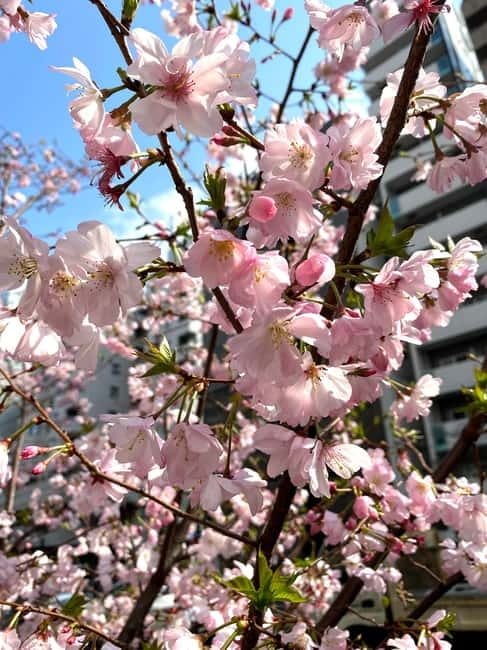
A big part of the experience is the stops at local shrines and temples. This isn’t just about checking a box for photos. In Japan, these places shape everyday life, from seasonal rituals to how people mark good fortune. When your guide ties the food stops to the neighborhood’s spiritual sites, it makes the area feel more coherent.
You’ll visit places along the route that are connected with the idea of good luck, and you’ll also get the context for why those sites matter in this specific area—not just generic “Tokyo has shrines” talk. Even if you’ve visited temples in other cities, the effect here is that it anchors the snack walk in place. The neighborhood stops being a food corridor and starts feeling like a community.
Another bonus: shrine and temple moments help you slow down. Food tours can turn into a blur if every stop is “buy, eat, go.” These pauses give you a breather and a reset for the next round of tastings.
The Snack Route: 5 Treats, Built to Teach Your Taste
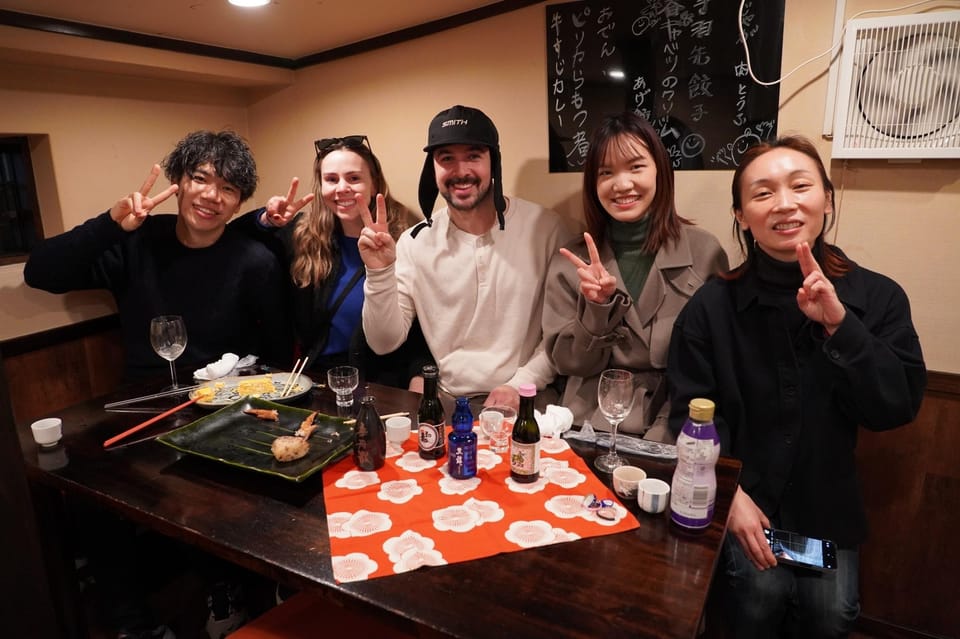
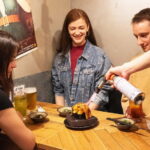
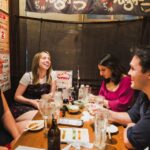
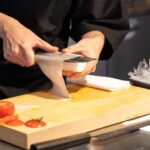
The tour centers on a simple idea: eat enough to understand a neighborhood. You’ll get 5 different Japanese treats, with the exact selection depending on the day and store availability. There’s also 1 alcoholic beverage included. (The type isn’t specified, so don’t plan around a specific drink.)
From the examples shared, your list can include favorites like:
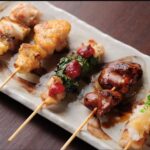
- Yakitori (grilled chicken)
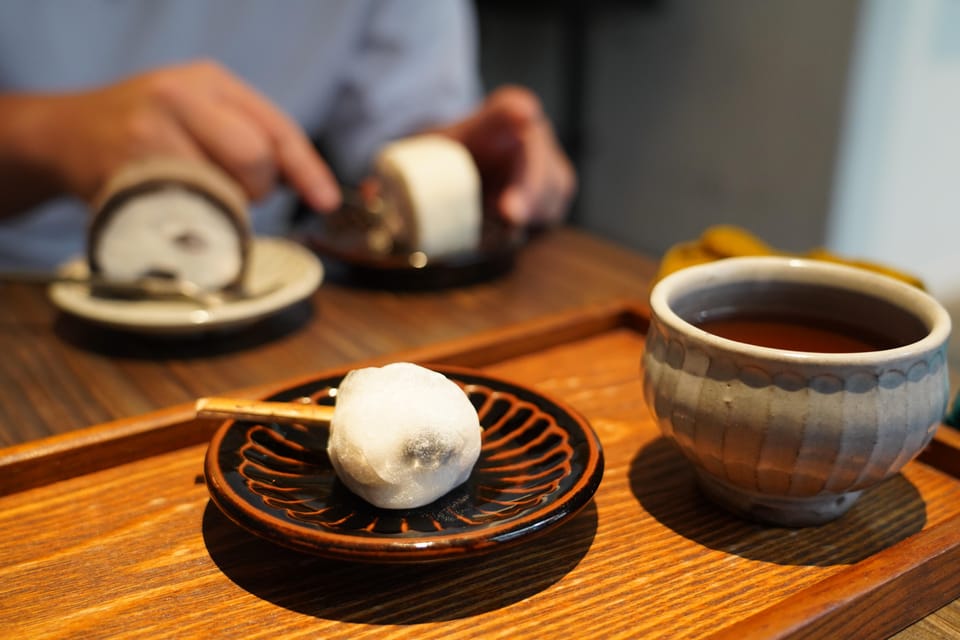
- Mame daifuku (sweet bean-filled mochi)
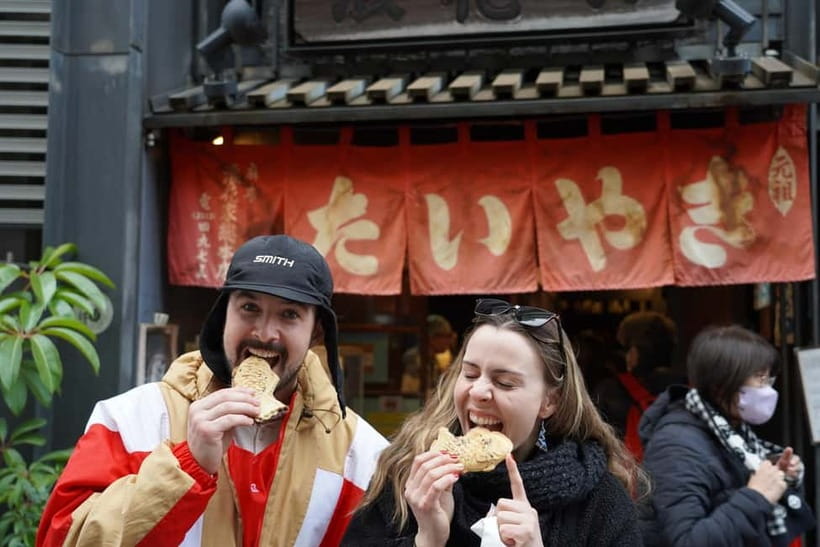
- Taiyaki (crispy fish-shaped pastry)
- Savory homemade oden
And from what’s described in the experience, you might also encounter other comfort-style foods like omelette and sushi depending on what’s available.
Here’s what I think makes this valuable: a food tour with only one category of snack can leave you with the “same flavor, different shape” feeling. This one spreads across sweet and savory, hot and cold, and grilled versus simmered. That variety helps you learn Tokyo’s texture range fast.
Also, the guide’s role is key. The point isn’t just handing you a plate. You’ll learn the history and culture of the town as you go, and the guide will connect what you’re eating to the kinds of shops and traditions that keep showing up in Azabujuban. It makes each bite more meaningful.
And yes, the food should be enough to fill you up. That matters because many tours “include snacks” that barely count as lunch. This one is designed so you can walk out satisfied, not still hungry in search of a second meal.
Yakitori, Oden, and Pastries: What Each Bite Is Really Doing
Let’s talk about how the menu choices can shape your understanding.
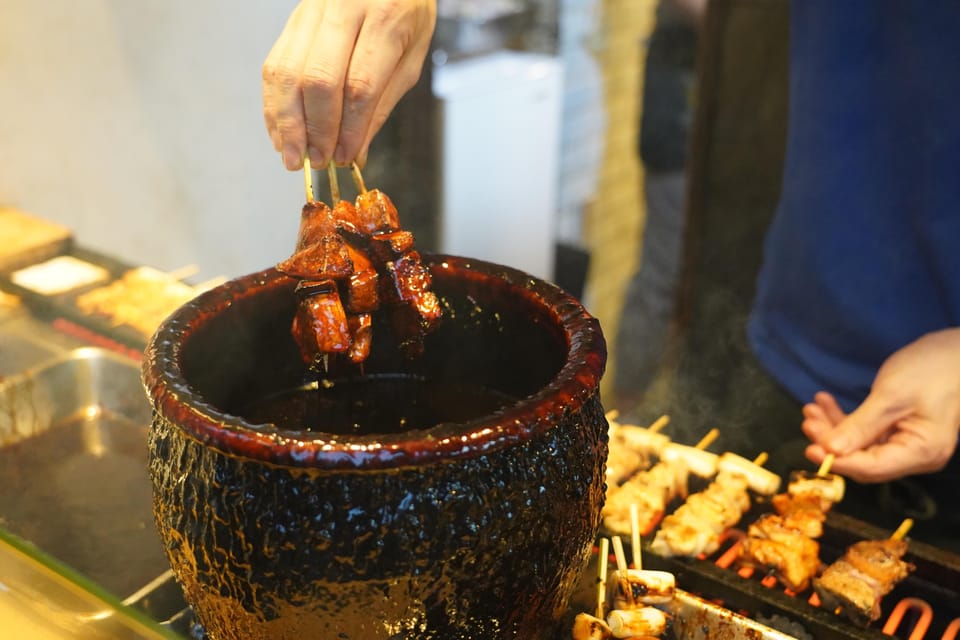
Yakitori is one of those foods that feels simple until you notice how many decisions are involved: the cut, the seasoning, the heat control, the balance between char and tenderness. When you eat it in a local setting tied to neighborhood life, it stops being just “grilled chicken on a stick” and becomes part of the everyday dinner story Tokyo tells.
Then there’s oden, which is comfort food by design. Oden is built around slow-simmered flavor, and it’s the kind of dish locals often understand through seasonality and patience. If you get a homemade oden stop, you’ll taste how the neighborhood handles warmth and umami—less about flash and more about steady flavor.
Taiyaki brings the crispy outside and soft filling contrast that makes street desserts fun. It’s also a snack that’s easy to recognize, which makes it a great “anchor” bite during a tour day—you can spot what changes from shop to shop and how the texture varies.
Mame daifuku is different: sweet, chewy, and bean-forward. It’s not just dessert. It’s a reminder that Japanese sweets often rely on ingredients and methods with long histories, not just on “sugary flavor.” When a tour includes something like this, it gives your palate a chance to switch gears and reset.
Even when the exact lineup changes, the tour’s structure keeps the taste journey coherent: you get multiple forms of umami, sweet, and comfort food, then you tie it back to place and people.
Shops and Gifts: Buying Without Feeling Like a Tourist
Food is the headline, but you also get time to shop. You’ll look for gifts at unique stores that are described as specific to Azabujuban, meaning you’re not limited to the same chain-like souvenir approach you see everywhere.
This part matters if you want your Tokyo souvenir to feel like it belongs to the neighborhood. Local stores often stock small items that reflect what residents actually buy: stationery, small household goods, and other practical treats that can be easier to gift than big, generic tourist packages.
Because the tour is small group, shopping time can also be more flexible. If you see something you like, you can ask questions without feeling like you’re holding up a huge crowd.
One caution: don’t assume shopping time equals big department-store browsing. This is neighborhood retail, which usually means you’ll find interesting items, but you may not find every type of souvenir you expect.



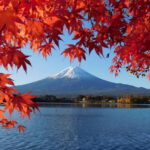
Sailor Moon Fans: Real Places Behind the Manga Setting
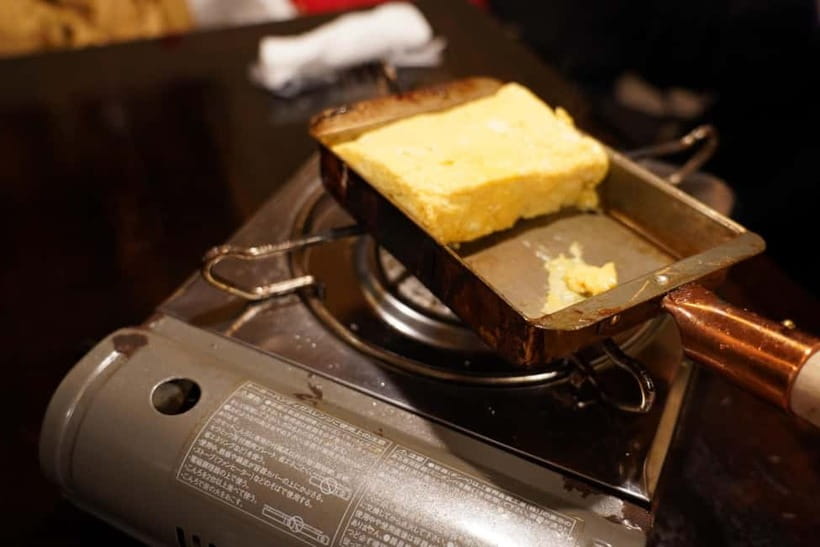
If you’re a Sailor Moon fan, this tour has a special angle. You’ll visit real-life locations that inspired the setting for manga creator Naoko Takeuchi. That’s a neat crossover between pop culture and urban geography.
The practical value here is how it helps you see Tokyo differently. Instead of viewing the neighborhood only as a food walk, you’ll recognize that creative work often grows from specific street views, building shapes, and the “feel” of real areas. You’ll likely take more photos, and you’ll probably also look longer at storefronts and streets, because now they connect to a story world.
Just keep expectations balanced: the Sailor Moon element is a highlight, not the only focus. You’re still there to eat, walk, and learn about Azabujuban.
Meeting Residents and Restaurant Staff: Why This Feels More Real
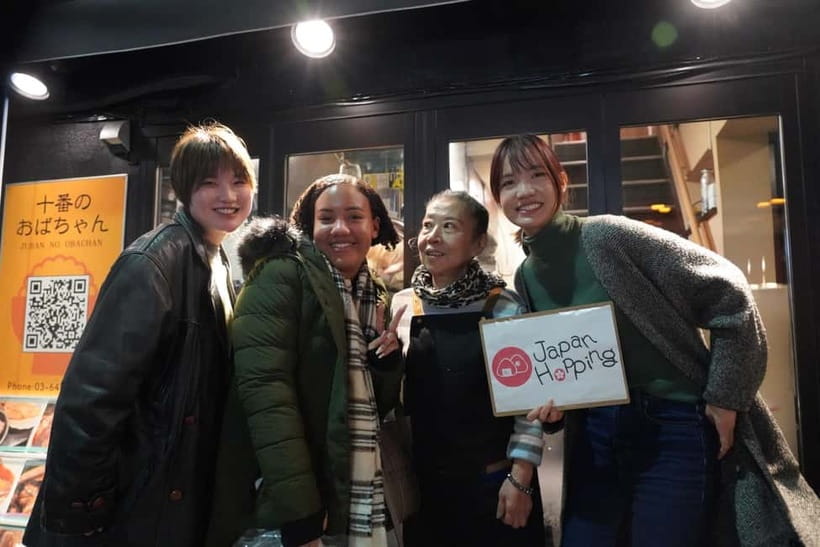
A lot of tours claim to be cultural. This one tries to do something more concrete: you meet and chat with towns local residents and staff during restaurant stops. That’s the difference between eating food and learning how the food fits into daily life.
Even brief conversations can change what you notice. You start paying attention to what locals order, how shops talk about their specialties, and what people consider normal here. That’s also why the history of the neighborhood and its respective stores lands better. It’s not a lecture; it’s connected to people doing the work.
From an enjoyment standpoint, it also breaks the monotony. You get variety not just in food, but in human interaction.
Price and Logistics: Is $71 Good Value?
$71 per person sounds straightforward, but the real value comes from what’s included. In this case, you’re getting:
- 5 different Japanese treats (selection varies)
- 1 alcoholic beverage
- A guided neighborhood walk that includes shrines and temples
- Food and shop context, plus small-group interaction
Transportation costs are not included, and you may want to budget for any extra items you choose to buy beyond what’s provided. The tour also notes that additional food and drinks aren’t included, so plan to treat the included portions as your main meal plan.
The key question for you: do you want a guided snack crawl with real local context, not just self-guided eating? If yes, $71 can feel fair because you’re not only paying for food. You’re paying for access: the route, the explanations, the stop selection, and the ability to talk with people without fumbling through language barriers.
If you’re someone who prefers totally free roaming and you already know what to eat, the cost might feel harder to justify. But if you want a guided path that helps you avoid tourist traps and find neighborhood-style foods, this price structure is built for you.
Who This Tour Is For (and Who Might Want a Different Day)
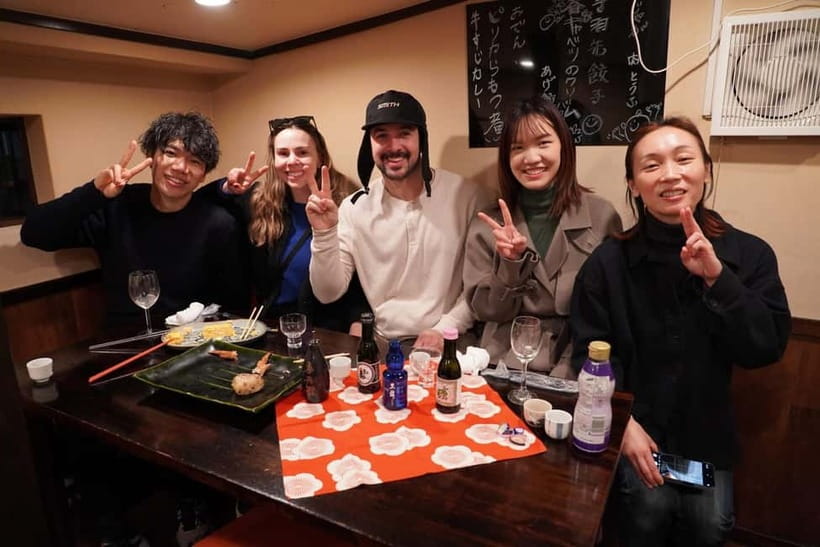
This experience fits best if you:
- Love Japanese food and want more variety than a single restaurant
- Enjoy small-group walking tours where you can ask questions
- Like culture that shows up in daily life, not just big attractions
- Are a Sailor Moon fan who enjoys connecting fiction to real streets
- Want practical shopping for gifts in a specific neighborhood
It might not fit as well if:
- You’re looking for a long sightseeing route with major monuments
- You don’t want to walk around a neighborhood (moderate fitness is required)
- You want total certainty on exact menu items (selection can change)
- You’re over 95 years (the tour isn’t suitable per the provided info)
Should You Book This Azabujuban Food Adventure?
If your idea of a great Tokyo day is good food plus real neighborhood context, I’d say this is worth booking. The highlights hit the sweet spot: shrines and temples, a 5-treat snack plan that’s designed to fill you up, and time for local gift shopping in a place many people don’t prioritize.
Book it if you want a smaller, calmer Tokyo pocket near Roppongi where the food choices tell a story. Skip it if you prefer massive, landmark-heavy sightseeing or if you hate any chance that your exact snack list might shift due to store availability.
FAQ
Where do I meet for the tour?
Meet at Azabujuban Station, Exit 4. Guides wait in front of Oslo Coffee with the Japan Hopping Tours logo.
How many food items and drinks are included?
You’ll get 5 different Japanese treats, and 1 alcoholic beverage is included. The exact food selection can change depending on the day.
Does the tour include shrine and temple visits?
Yes. The experience includes visits to local shrines and temples for good luck as part of the walking route.
What’s the walking and group size like?
It’s a small group tour, typically 1–4 people, and it involves walking around the neighborhood. You should have a moderate physical level to handle the route, and comfortable shoes are recommended.
Is transportation included?
No. Transportation costs are not included.
Can I pay later, and what about refunds?
You can reserve & pay later. Cancellation is free up to 24 hours in advance for a full refund.