REVIEW · TOKYO
Tokyo: Shibuya Food Tour (13 dishes and 4 Eateries)
Book on GetYourGuide →Operated by Traveling Tokyo · Bookable on GetYourGuide
Shibuya hits hard, even before your first bite. This 3-hour Shibuya Food Tour turns a simple evening walk into a guided sampler through Dogenzaka, Center Gai, and the area around the Shibuya Scramble Crossing. I like the way the tour blends streetscape time with real food stops, and I love that you get 13 dishes across multiple kinds of eateries. One thing to consider: it’s a lot of food in a short window, so come hungry, pace yourself, and don’t expect long sit-down times at every place.
Two parts I’m especially glad you get are the food explanations (so you’re not just guessing what you’re eating) and the built-in sightseeing at crossing level. If your goal is to understand Japanese eating customs while also seeing Shibuya on foot, this format fits well. A possible drawback is that the Shibuya Scramble moment is brief, so if you want slow wandering there, plan that on a separate outing.
In This Review
- Key takeaways at a glance
- Getting started in Shibuya: Tokyu Plaza to Kusumoto Building area
- Stop 1: that first dinner that sets the tone
- Center Gai: second food block and how Shibuya works
- The Shibuya Scramble Crossing photo stop: 10 minutes with intent
- Dogenzaka: finish strong with a last round of savory hits
- What 13 dishes and 4 eateries really means for your appetite
- The guide makes or breaks it: Hoshi, Kei, Naruto, Rio
- Drinks included: plan like an adult, not a hero
- How long it lasts and why 3 hours works
- Price and value: $77 with food, drinks, and a cultural guide
- Who this tour suits best
- Should you book the Tokyo Shibuya Food Tour?
- FAQ
- Where do I meet the guide?
- How long is the tour?
- How many dishes and eateries are included?
- What’s included in the price?
- Does the tour include the Shibuya Scramble Crossing?
- Are drinks included?
- Is the tour in English?
- Is it wheelchair accessible?
- What is the cancellation policy?
Key takeaways at a glance
- 13 dishes, 4 eateries: You’re eating your way across different styles, not just one repeat restaurant.
- Shibuya Scramble Crossing time: A short photo stop plus a walking segment helps you experience it without getting lost.
- Set meal variety: You’ll hit an izakaya-style stop, a street stall, a traditional eatery, and dessert.
- Guide-led food context: You’ll learn what to look for in each dish and how it’s typically eaten or garnished.
- Two drinks included: Alcoholic and non-alcoholic options are part of the deal.
- Solid guide energy: Names that show up in the best feedback include Hoshi, Kei, Naruto, and Rio.
Getting started in Shibuya: Tokyu Plaza to Kusumoto Building area
Meet your guide in front of the 7-Eleven at Tokyu Plaza in Shibuya. It’s an easy landmark for first-time visitors, and it matters here because Shibuya can be confusing fast if you’re trying to navigate on your own.
The tour kicks off in the Kusumoto Building area, then you start moving through the Shibuya layers that most people only glance at. This early stage is about momentum: you settle into the group flow, learn the walking rhythm, and get your bearings before you’re hit with food choices.
You can also read our reviews of more food & drink experiences in Tokyo
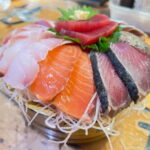

Stop 1: that first dinner that sets the tone
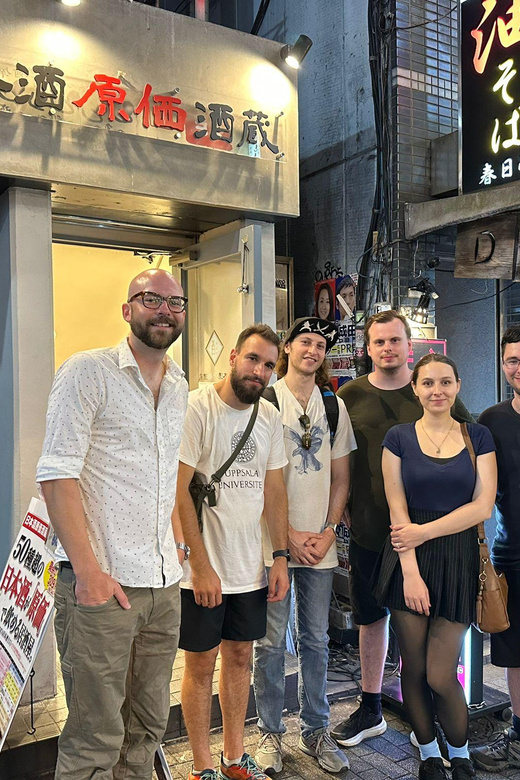
The tour’s first big food block runs about one hour in the Shibuya City area. This is where you start getting the “why” behind what you’re tasting, not just the “what.”
Because your included food covers different formats, this initial dinner time is designed to help you calibrate your palate. You may encounter classic favorites like yakitori and sushi-style bites across the tour, but the main win is that the guide explains what you’re eating and how it’s served.
If you’re new to Japanese food, this first stretch helps you ask better questions later. And if you’ve had sushi before, you still get value because the focus is on local style and what to notice.
Center Gai: second food block and how Shibuya works
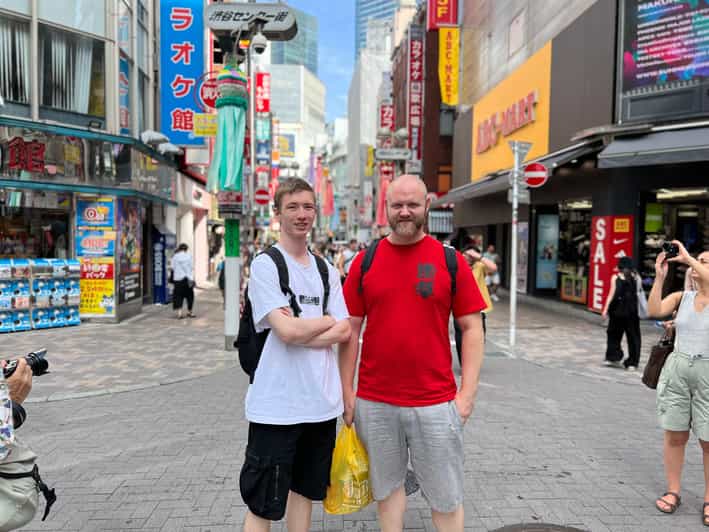
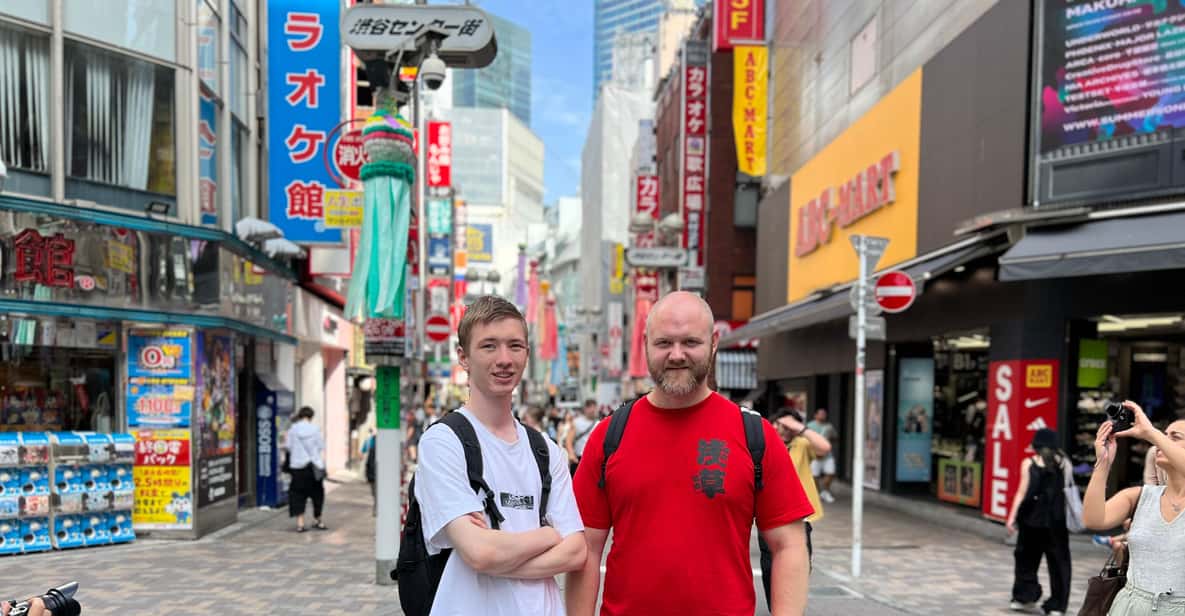
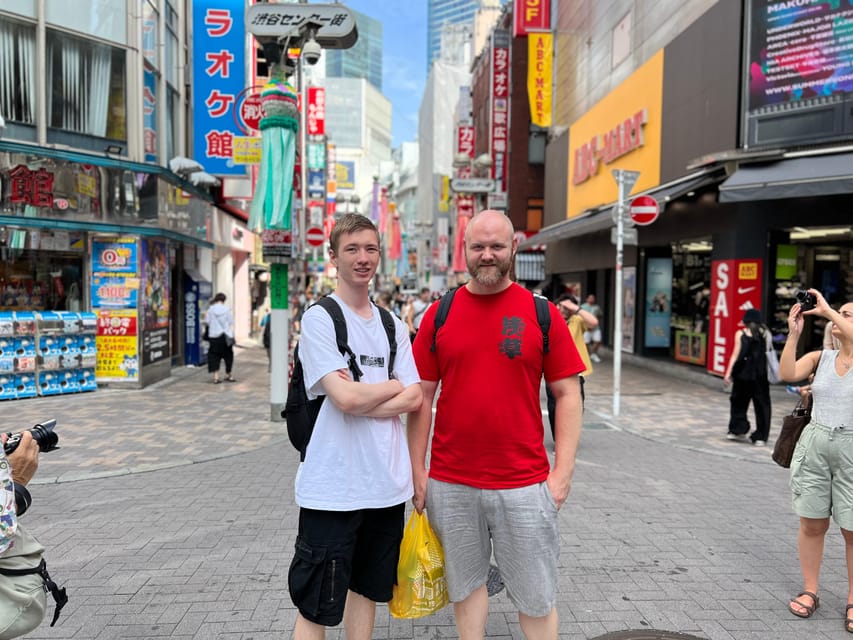
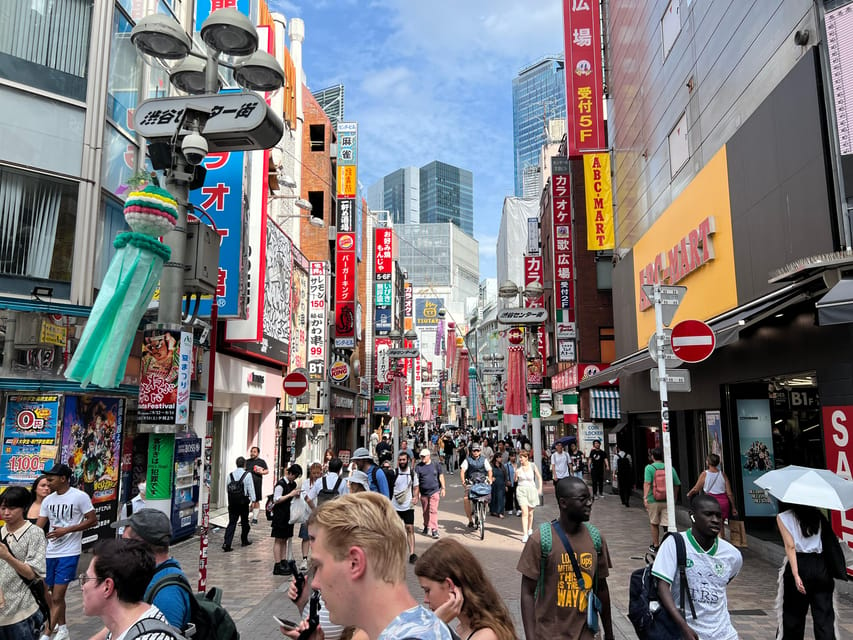
Your next dinner stretch is about one hour at Center Gai. This is where Shibuya’s personality becomes obvious: neon signage energy, dense foot traffic, and that mix of modern nightlife with older shopping corridors.
Food-wise, this stop is built to keep things moving. You’re not just sitting. You’re eating, learning, and walking enough to feel like you’re part of the neighborhood instead of passing through it.
I also like that Center Gai is a famous name, so you’re getting an anchor point on the map. Even if you’re overwhelmed by Shibuya’s layout later, you’ll remember this area as a reference point.
The Shibuya Scramble Crossing photo stop: 10 minutes with intent
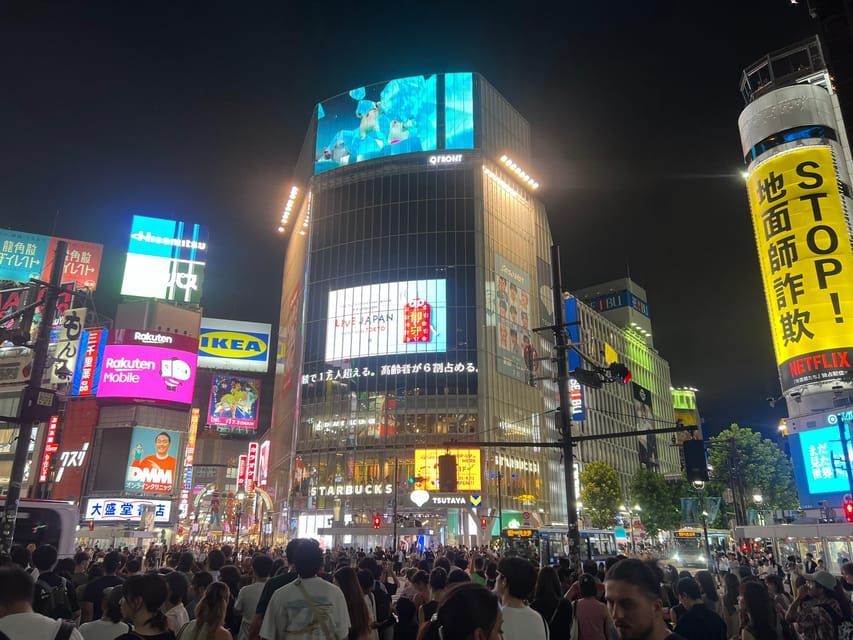
Yes, this is the iconic crossing. You’ll take a 10-minute photo stop at the scramble, plus the tour includes a walking segment through the crossing area.
Here’s the practical reality: 10 minutes disappears. So treat it like a quick mission. Aim for one or two solid photos, then stay flexible. The point isn’t to “solve” Shibuya traffic. The point is to experience what it feels like when thousands of people flow through at once.
One detail I appreciate from feedback: the crossing can feel chaotic, but it’s also somewhat organized. That’s exactly what you want to notice because it changes how you see the city once you’re back out on your own.
Dogenzaka: finish strong with a last round of savory hits
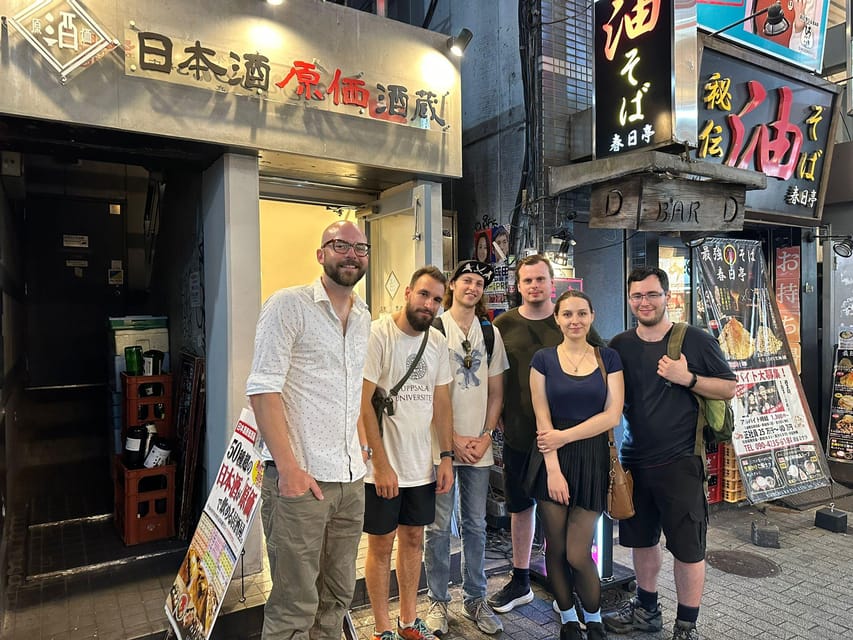
Your final dinner period is about 50 minutes in Dogenzaka, which is famous for snack-and-street-food energy. This last segment is where the tour cashes in on variety, and it’s typically the part people remember the most because you go from food stop to food stop with momentum.
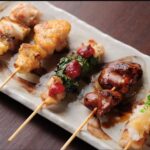
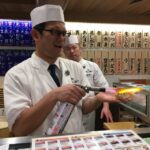
If you’re a fan of yakitori, you’re in good shape. Multiple guides in the tour’s feedback emphasize grilled skewers and smoky flavors, and one standout favorite mentioned is smoked tuna. That’s the kind of dish you won’t reliably stumble into alone, especially if you’re not sure what to look for on a menu.
Dessert is included, too. One guest noted it wasn’t their favorite, which is normal with dessert: tastes vary. If you’re very sensitive to sweetness or unfamiliar textures, just know you’ll likely get a single dessert choice as part of the package.
You can also read our reviews of more tours and experiences in Tokyo

What 13 dishes and 4 eateries really means for your appetite
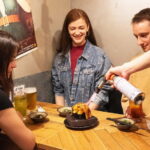
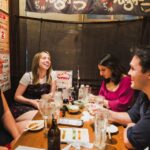
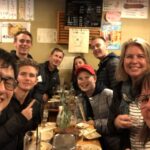
The big promise is 13 dishes across 4 eateries. That sounds like a lot because it is, and it’s the reason this tour is such good value for food lovers.
At $77 for about 3 hours, you’re effectively paying roughly $6 per dish, before factoring in a guide and two included drinks. And you’re not just eating. You’re also learning what the dish is, how it’s usually handled, and what to notice in flavor and presentation.
Also, variety matters. The included types are:
- food at 1 izakaya
- food at 1 street food stall
- food at 1 traditional eatery
- dessert
- 2 drinks (alcoholic and non-alcoholic)
That mix is exactly what you want in Tokyo. If every stop were sit-down only, it wouldn’t feel like Shibuya. If it were all street snacks, you might miss the calmer rhythm of traditional spots. This combo gives you both.
The guide makes or breaks it: Hoshi, Kei, Naruto, Rio
This tour is guide-led, and the difference shows. In the strong feedback patterns, guides didn’t just point and eat. They explained each meal, answered questions, and helped people understand customs like how food is typically eaten or garnished.
Names that came up in standout experiences include:
- Hoshi: praised for humor, clear English, and excellent dish explanations.
- Kei: noted for a friendly style and a food selection guests wouldn’t pick on their own.
- Naruto: described as welcoming, with lots of information about Shibuya and food.
- Rio: mentioned for strong cultural insights and an entertaining vibe.
If you can request a guide, this is where that might matter most. A good host turns a list of dishes into a story you can repeat later when you order those same foods yourself.
Drinks included: plan like an adult, not a hero
You get two drinks, including both alcoholic and non-alcoholic options. That’s a smart inclusion because it keeps the tour social without forcing you into alcohol.
Practical tip: if you’re planning more walking after the tour, choose the non-alcoholic option for one drink. Not because you can’t handle yourself, but because Shibuya is still Shibuya after dinner—lots of steps, lots of people, and your legs will want the same energy your brain does.
How long it lasts and why 3 hours works
The duration is 3 hours, with two 1-hour dinner blocks and one shorter finish, plus the crossing photo time. That schedule is designed for people who want maximum flavor without losing the evening.
If you’re on your first day in Tokyo, this is a great way to get your bearings while also eating your way through an area you’ll likely return to. If you’re more limited on time, the tour still feels complete because the itinerary hits both the food and the biggest Shibuya visual set piece.
Price and value: $77 with food, drinks, and a cultural guide
Let’s be honest about pricing: cheap food tours usually mean small portions and low guidance. This one costs $77, but the value comes from how it’s structured.
You’re paying for:
- an English-speaking expert guide
- multiple meals (izakaya, street stall, traditional eatery) plus dessert
- two included drinks
- guided Shibuya Scramble Crossing experience
- advice for your overall Japan stay
So you’re not just buying snacks. You’re buying direction. That matters in Tokyo because good food is everywhere, but the path to the right places is the hard part when you don’t speak the language.
Who this tour suits best
This is a strong match if:
- you want a first taste of Shibuya food culture
- you like learning what you’re eating while you eat
- you’d rather follow a route than gamble on menus
- you’re traveling solo and want a comfortable group format (one solo guest specifically mentioned feeling safe and happy in the group)
It might be less ideal if:
- you have strict dietary restrictions and can’t do the tour’s set meal choices
- you hate crowds and really struggle at major landmarks like the scramble crossing
- you want a very relaxed dining pace with long stays at each restaurant
If any of those apply, message the operator before booking. With set menus, it’s worth confirming options so you’re not stuck guessing later.
Should you book the Tokyo Shibuya Food Tour?
If your plan includes Shibuya anyway, I’d book it. This tour gives you a focused route through Dogenzaka, Center Gai, and the scramble crossing area while keeping your evening productive: you eat a lot, you learn quickly, and you leave with a better instinct for ordering on your own.
Book it especially if you want the full Tokyo experience where street energy meets real meals—without having to research every stop yourself. And if you’re picky about dessert, or you’re sensitive to alcohol, just pick your drinks wisely and be ready for the tour’s set structure.
FAQ
Where do I meet the guide?
Meet your guide in front of the 7-Eleven at Tokyu Plaza in Shibuya.
How long is the tour?
The tour lasts about 3 hours.
How many dishes and eateries are included?
You’ll sample 13 dishes across 4 eateries.
What’s included in the price?
The tour includes an expert English-speaking guide, food at 1 izakaya, 1 street food stall, 1 traditional eatery, and dessert, plus 2 drinks (alcoholic and non-alcoholic). It also includes a walking tour of Shibuya Scramble Crossing and advice for your stay in Japan.
Does the tour include the Shibuya Scramble Crossing?
Yes. There’s a walking segment through the crossing area, and you also get a photo stop there.
Are drinks included?
Yes. You’ll receive 2 drinks, with both alcoholic and non-alcoholic options.
Is the tour in English?
Yes, the tour is conducted in English.
Is it wheelchair accessible?
Yes, the tour is wheelchair accessible.
What is the cancellation policy?
You can cancel up to 24 hours in advance for a full refund.