REVIEW · TOKYO
Mt Fuji Top 5 Spots Day Tour: Arakurayama Park,Oshino Hakkai
Book on GetYourGuide →Operated by Tour Easy · Bookable on GetYourGuide
Fuji day trips are great when timing is right. This one stacks the best photo angles across Arakurayama and Oshino Hakkai, with quick detours like Hikawa Clock Shop plus classic Kawaguchiko viewpoints.
I especially love the chance to see Mount Fuji from multiple viewpoints in one day, so you’re not stuck crossing your fingers for just one perfect moment. I also like how the stops feel different—crystal-clear springs one minute, postcard streets the next—so the day never drags.
The big consideration is simple: Fuji visibility depends on weather, and delays can shorten time at later stops on busy days.
In This Review
- Key Things I’d Zoom in On
- Timing Matters: Getting Fuji Views Without the Stress
- Tokyo Pickups and the Night-Before Details You Should Not Ignore
- Arakurayama Sengen Park’s 397 Steps and the Fuji-Framed Photo Circuit
- Hikawa Clock Shop: A Quiet Street End View When Weather Cooperates
- Oshino Hakkai’s Crystal Springs: Slow Photos in an Old-Fuji Village
- Lawson at Kawaguchiko: Japan’s Most Famous Convenience-Store Fuji Shot
- Oishi Park and the Seasonal Color Wheel: Lavender, Kocho, or Sakura Timing
- The Part That Actually Makes It Easy: Guides, Photo Help, and Stress-Free Movement
- Lunch, Water, and Cash: Small Details That Prevent a Big Day Trip Headache
- When Fuji Is Perfect (and When It Isn’t)
- Who Should Book This Mt Fuji Top 5 Spots Day Tour?
- Should You Book It? My Decision Checklist
- FAQ
- Where are the meeting points?
- How long is the tour, and when will I return?
- Is lunch included?
- What languages are the guides?
- Do I need cash?
- What should I bring?
- What if Mount Fuji is cloudy?
Key Things I’d Zoom in On
- Multiple Fuji angles, one efficient route: you’ll hit major sight spots without spending your day figuring out buses.
- Arakurayama’s viewpoint climb: the 397 steps help frame Fuji in a way flatter vantage points can’t.
- Oshino Hakkai’s eight spring ponds: calm water, photogenic textures, and a slower pace.
- Hikawa Clock Shop at the end of quiet streets: great framing potential when the weather cooperates.
- A true seasonal finish: lavender in summer, fiery reds in autumn, and sometimes sakura timing in spring.
- Guide support that helps you move like a local: I’ve seen guides (like Anna Wang and Sawaki) emphasize meeting points and photo help.
Timing Matters: Getting Fuji Views Without the Stress
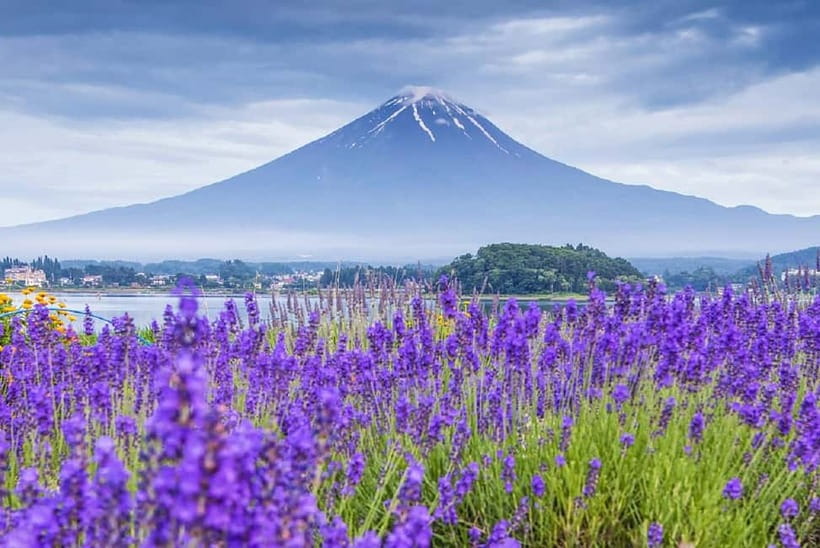
A day tour like this works best when you’re open to a simple truth: Mount Fuji is partly a weather game. When clouds cooperate, you get that clean, crisp look from several places. When they don’t, the day still has beauty—but you’ll want to adjust your expectations fast and enjoy the journey.
What I like most is the “stacking” approach. Instead of banking everything on one viewpoint, you’re offered several shots of Fuji: a park climb, shrine/pagoda sight lines, village streets, and lakeside gardens. That’s smart travel planning, especially if you only have one full day away from central Tokyo.
You’ll also appreciate the pacing. This tour is long enough to feel like a real Fuji outing, but it’s not so long that you’re exhausted by hour two. The tight part isn’t walking—it’s staying on time so the group doesn’t run late.
You can also read our reviews of more tours and experiences in Tokyo.

Tokyo Pickups and the Night-Before Details You Should Not Ignore
The tour starts early, because the best Fuji viewing windows often show up before midday. You can meet at one of two points: JR Tokyo Station Marunouchi South Exit (8:00 AM) or Tokyo Mode Gakuen (8:30 AM). Aim to arrive about 15 minutes early. Latecomers aren’t waited for, so treat it like a flight.
About the night before, you’ll receive an email with driver/guide/vehicle details around 9 PM, and it may land in spam. I’d add the message to your “must check” list so you’re not searching your inbox while you should be eating breakfast.
Because this is a shared group tour, your plan should be simple: keep your phone charged and easy to access, and listen for meeting-time reminders. That’s where the “easy” part of the day comes from.
Arakurayama Sengen Park’s 397 Steps and the Fuji-Framed Photo Circuit
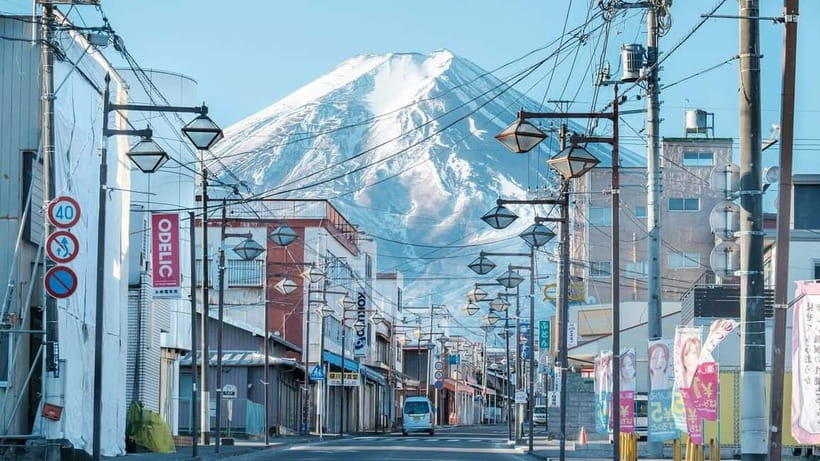
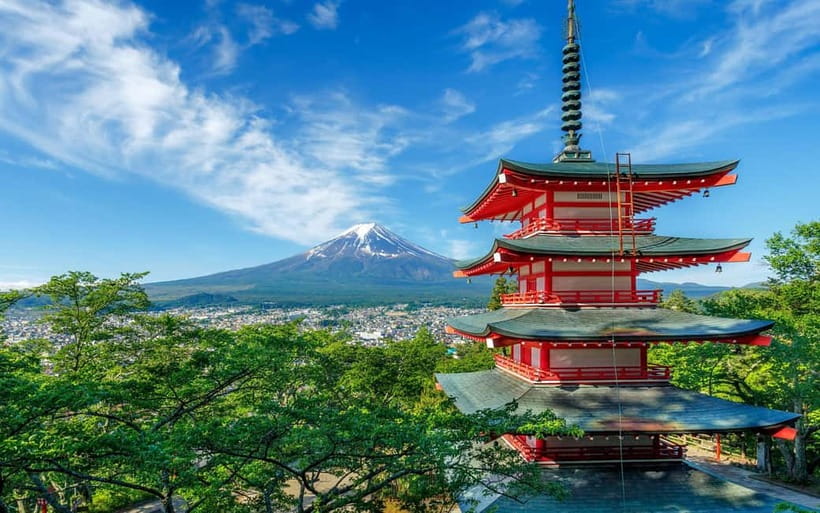
This is the start of the classic Fuji climb. At Arakurayama Sengen Park, you’ll get roughly an hour, plus a chance to take in the postcard view that people travel here for. The big headline is the 397 steps. Yes, it’s a climb—but the payoff is the way Fuji looks framed by the park’s levels and seasonal colors.
Depending on the season, this is where the background can change everything:
- In cherry blossom timing, you’ll see a soft pink frame.
- In autumn, the reds and golds can make Fuji feel even more dramatic.
- In winter conditions, the mountain can appear crisp and snow-capped.
Right around this area, you’ll also make short photo-friendly stops tied to the shrine/pagoda views—time is built in for walking and photos so you’re not rushing like a theme-park line.
Practical photo tip: wear shoes you can trust on steps. It’s not a long hike, but you’ll want stable footing when you’re stopping, looking back, and turning for photos.
Hikawa Clock Shop: A Quiet Street End View When Weather Cooperates
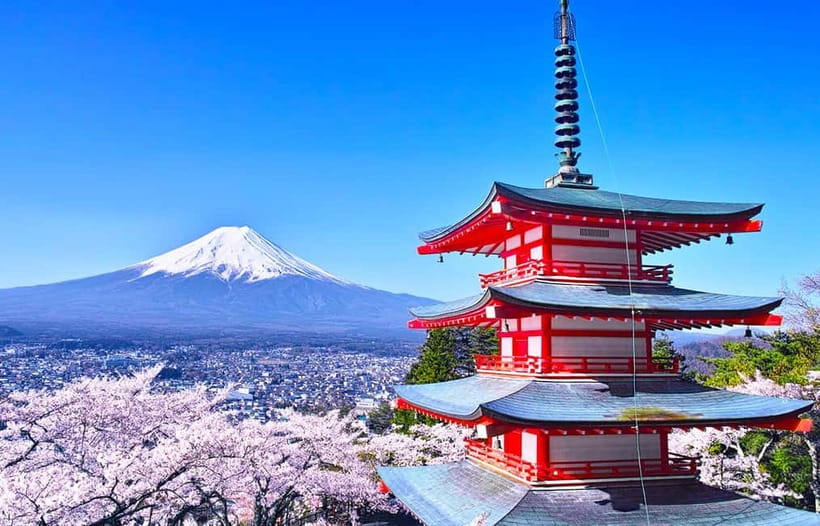
Next comes a calmer vibe. At Hikawa Clock Shop, you’re headed into a street-scene setup where Fuji can appear at the end of the view—especially beautiful when the sky clears. You’ll have around 20 minutes, which is enough time to wander a little, find a good angle, and still regroup with the group.
This stop is also weather-sensitive. If clouds swallow the mountain, it changes the experience. Still, the street feel can be worth it even without a perfect Fuji outline, because the scene is built for that “small town meets big mountain” contrast.
If you’re a photographer, treat this stop like a “compose and breathe” moment. You’re not trying to conquer it in one photo—you’re looking for one framing choice that feels balanced.
Oshino Hakkai’s Crystal Springs: Slow Photos in an Old-Fuji Village
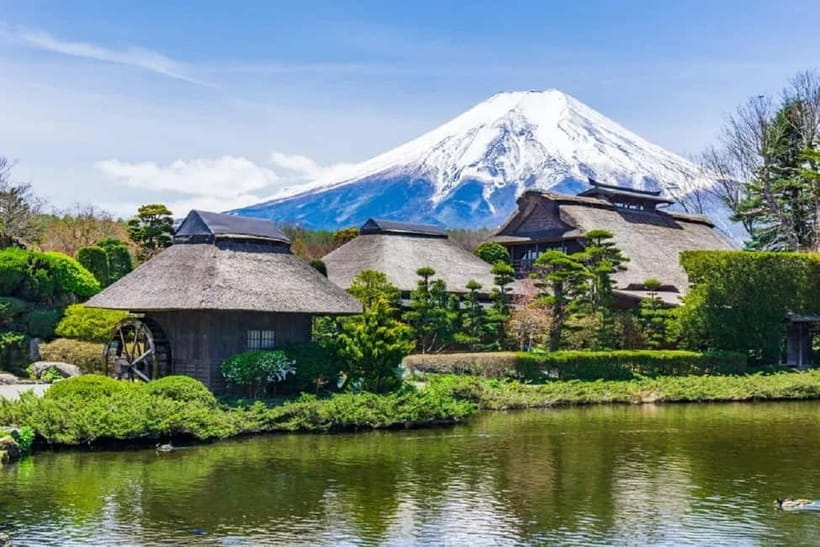
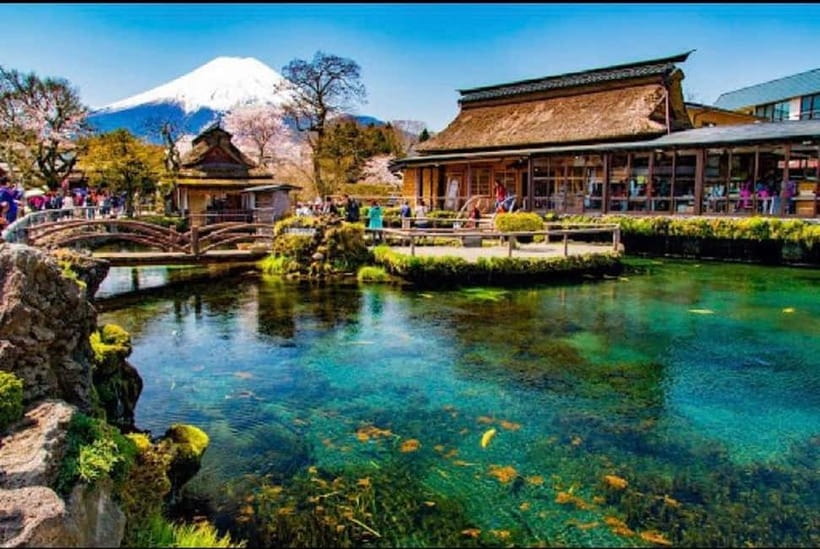
Then you’ll shift gears into something gentler: Oshino Hakkai, a village built around springs formed from Fuji’s melted snow. You’ll spend about 90 minutes here, and it’s one of the best places on the route to slow down.
The magic is in the water clarity. The pools and channels look clean and glassy, and the village roads give you layers: stone, greenery, and the spring surfaces that catch light. You’ll also have the chance to browse and take it easy rather than constantly moving.
This is also a great stop if you’re traveling with kids or want a break from stairs. There’s walking, but it’s not the kind of climb that drains you for the rest of the day. I’d call it your “reset” stop: good views, calmer pace, and plenty of chances to grab photos without a mad dash.


Lawson at Kawaguchiko: Japan’s Most Famous Convenience-Store Fuji Shot
Yes, it’s a convenience store. Yes, the photo is famous. The Lawson Convenience Store by Kawaguchiko Station is one of those instant-culture stops—quick, recognizable, and very “only in Japan.”
You’ll have about 20 minutes for this photo spot. That’s enough time to take your shot, check one alternate angle, and regroup. Just be careful crossing the street; this is the part of the day where a careless step can ruin your whole schedule.
If Fuji’s clearly visible, the scene becomes instantly satisfying: the idea of daily life tucked against the world-famous mountain. It’s a fun contrast to the more traditional stops earlier in the day.
Oishi Park and the Seasonal Color Wheel: Lavender, Kocho, or Sakura Timing
After Kawaguchiko’s quick classic photo, you’ll finish with Oishi Park and seasonal scenery. You’ll have around 50 minutes at Oishi Park, and that’s where the tour gets its “nature color” payoff.
Summer often means lavender fields—soft purple bands that make Fuji feel even more crisp against the sky. If your visit lines up with the Kawaguchiko Herb Festival (June–October), you’ll get that herb-focused energy that turns a viewpoint stop into something lively.
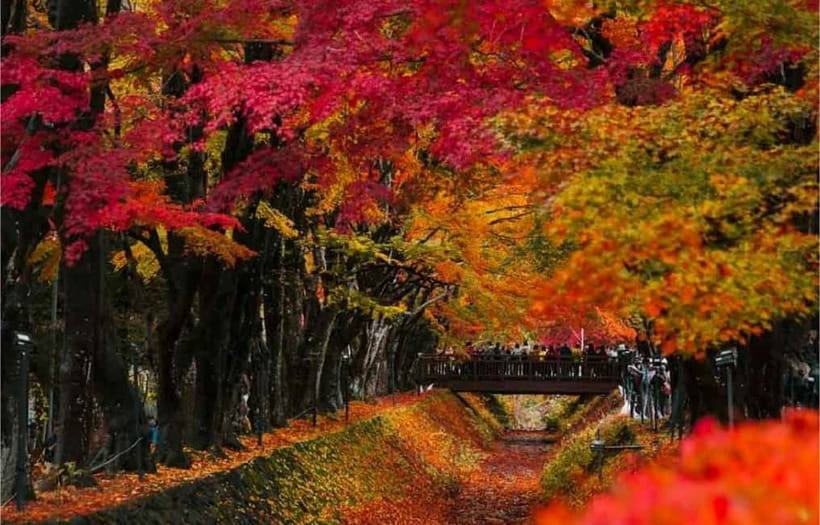
Autumn changes the ending plan. If your date falls around Oct 26 to Nov 20, the schedule shifts toward the Momiji Corridor Lake Kawaguchi area and its red maple scenery (and the tour won’t go to Oishi Park in that seasonal setup). This is one of those “everyone wants this shot” windows, especially if you catch Fuji with snow-capped clarity above fiery reds.
Spring also changes things. If you’re visiting around Apr 5–14, the tour targets cherry blossom timing at Kawaguchiko, and it won’t go to Oishi Park in that seasonal setup.
How to use this info: pick your travel dates based on the look you want. If lavender is your dream, summer matters. If reds are your thing, plan around autumn. If sakura is your priority, go for spring timing.
The Part That Actually Makes It Easy: Guides, Photo Help, and Stress-Free Movement
The “easy” part isn’t just the air-conditioned coach. It’s how the tour guide helps you avoid the common day-trip problems: confusion about meeting points, awkward photo timing, and the slow scramble that turns a fun day into a tired day.
In the field, guides like Anna Wang and Sawaki have been praised for staying organized, helping with photos, and sharing lots of useful context as you move between stops. Other guides mentioned in the same spirit—like Peter, Olivia, Erina, Mila, Sia, and Linda—were noted for patience with larger groups, clear explanations across languages, and keeping the pace friendly.
I’d also pay attention to what happens at the lunch/restaurant time. Even when lunch isn’t included, good guides make it easier to choose a place that fits the schedule without wasting time hunting.
Lunch, Water, and Cash: Small Details That Prevent a Big Day Trip Headache
Here’s the one “gotcha” you should plan for: lunch is not included. The day has a lunch time window, but you’ll pay for what you eat. The guide may recommend places around the lunch stop area, or you might bring something and eat during the allocated time.
Water and food also aren’t included, so bring what you need. The tour expects you to arrive ready with essentials.
Also bring cash. Some scenic spots and restaurants can require cash payments, and Japan’s mix of payment methods can surprise people who rely only on cards. Having some bills in your pocket makes the day smoother when the schedule is moving.
When Fuji Is Perfect (and When It Isn’t)
If you’re lucky with weather, this itinerary can feel like a best-of sampler of the mountain. Clear views at Arakurayama, strong photo chances at Hikawa Clock Shop, and that “Fuji everywhere” feeling can line up beautifully when the skies stay open.
But if clouds roll in, don’t panic. The tour still takes you to places with their own visual payoff: Oshino Hakkai’s spring scenery, village streets, and seasonal garden colors at the end. You may just shift from chasing the mountain silhouette to enjoying the scene around it.
Also note that return time can shift due to bad weather, traffic, weekends, or peak seasons. The tour may shorten time at attractions or even cancel elements in serious conditions. The best move is to avoid tight plans after the tour and let the day breathe.
Who Should Book This Mt Fuji Top 5 Spots Day Tour?
I think this tour fits best if you’re:
- Visiting Tokyo and want the Fuji highlights without building a complicated transport plan.
- Doing a first-time Mount Fuji photo day and want multiple angles in one shot.
- Traveling with kids who can handle some walking and a short climb (many families do fine when they wear good shoes and take breaks).
It might feel less ideal if you want:
- Lots of free time to roam independently.
- A super flexible schedule that you control minute-by-minute.
- A long strenuous hike day (this is more about viewpoints than serious trail time).
Should You Book It? My Decision Checklist
If you want a smooth, high-coverage Fuji day, this is a strong choice. The value isn’t just the price tag—it’s the fact that your day is organized around photo spots, guided explanations, and transportation that keeps you moving efficiently.
Before you book, check these boxes:
- Choose the season that matches your dream finish (lavender, autumn reds, or sakura timing).
- Bring cash and water so you’re not stuck paying for basics at the last minute.
- Wear comfortable shoes. That step count at Arakurayama is real.
- Plan your whole evening with buffer time in case traffic pushes the return later.
If Fuji visibility is your only goal, book with eyes open. Weather always has the final say. But if you also care about the sights around the mountain, this tour delivers a full day that feels worth doing.
FAQ
Where are the meeting points?
You can meet at either JR Tokyo Station Marunouchi South Exit (8:00 AM) or Tokyo Mode Gakuen (8:30 AM). The exact meeting point may vary depending on the option booked.
How long is the tour, and when will I return?
The tour lasts about 10 hours. You’ll return to Tokyo with drop-off at the two meeting points around 6:30 PM, though traffic can delay the return time.
Is lunch included?
Lunch is not included. There is time set aside to eat, but you’ll need to purchase your own meal at or near the attractions.
What languages are the guides?
Live tour guides are available in Chinese, English, and Japanese.
Do I need cash?
Yes. Some scenic spots and restaurants may only accept cash payments, so it’s smart to bring some.
What should I bring?
Bring comfortable shoes and water. Cash is also recommended for purchases at stops.
What if Mount Fuji is cloudy?
Mount Fuji visibility may be affected by weather conditions. If weather or traffic is bad, the schedule can change and return time may be delayed, which can shorten time at attractions.