REVIEW · TOKYO
Nikko: Kegon Falls, Lake Chuzenji & Toshogu Temple
Book on GetYourGuide →Operated by AMIGO TOURS JAPAN GK · Bookable on GetYourGuide
Gold, water, and mountain air in one day. This Nikko day trip strings together sacred architecture and dramatic nature, with time to actually look, not just pose for photos.
I really love how Toshogu Shrine turns symbols into something you can understand fast, especially with guides like Melody, Jorge, Eric, and Beru/ Ber (who often explain the monkey carvings and the meaning behind details). I also love Kegon Falls, because you get an observation-deck moment with big views of the nearly 100-meter cascade.
The main trade-off is the day is long: you’re spending a lot of time on the coach, and the schedule can shift with traffic or weather. If you hate long transit days, this might test your patience.
In This Review
- Key highlights at a glance
- A realistic Nikko day from Tokyo: how it feels in practice
- Leaving Ginza and settling into the mountain rhythm
- Shinkyo Bridge: the red gateway shot that sets the tone
- Toshogu Shrine: UNESCO details you’ll actually notice
- The option that changes everything: with or without Toshogu admission
- Practical tips for walking Toshogu
- Kegon Falls: plan for the waterfall moment
- Weather swap in January and February
- Lake Chūzenji: shoreline calm and photo time
- Lunch in Nikko: eat well, then keep moving
- Price and value: what $89 buys you for an 11-hour day
- Timing, pacing, and what can change
- Who this tour suits best
- Should you book this Nikko day trip
- FAQ
- How long is the Nikko day trip?
- Where do we meet in Tokyo?
- What languages are covered by the guide?
- Is entrance to Toshogu Shrine included?
- Is lunch included?
- Do we get to see Shinkyo Bridge up close?
- What happens in January and February?
- What should I bring for the day?
- Is the tour suitable for wheelchair users?
- What’s the cancellation policy?
Key highlights at a glance
- UNESCO Toshogu Shrine access (depending on the option you pick, including shrine gates and buildings)
- Kegon Falls from the observation area with enough time to breathe and photograph
- Shinkyo Bridge panoramic sighting from the bus, so you don’t lose time in transit
- Lake Chūzenji shoreline walking time for calm photos by the water
- Bilingual English/Spanish guidance with cultural tips and basic Japanese behavior pointers
- January/February route change replacing Kegon Falls and Lake Chūzenji with views of Rinnoji Temple and Futarasan Shrine
A realistic Nikko day from Tokyo: how it feels in practice
Nikko is one of those places that feels like it was designed for contrast: deep-forest calm right next to high-drama scenery. On this trip, you get that contrast in one day, with a comfortable, air-conditioned coach leaving from the Tokyo Ginza area.
You’re looking at about 11 hours total, and that matters. You’re not staying overnight, so the experience is built around smart stops, guided context, and free time blocks that let you zoom in on what you care about. The payoff is that you’ll see the big-name sites—Toshogu Shrine, Kegon Falls, Lake Chūzenji, and a signature bridge view—without having to plan trains, transfers, and ticket logistics from scratch.
One more practical note: the order of stops can change based on traffic, weather, and local conditions. That’s normal for a mountain route day. The best mindset is to treat the guide’s timing as part of the plan, not a problem.
You can also read our reviews of more tours and experiences in Tokyo.

Leaving Ginza and settling into the mountain rhythm
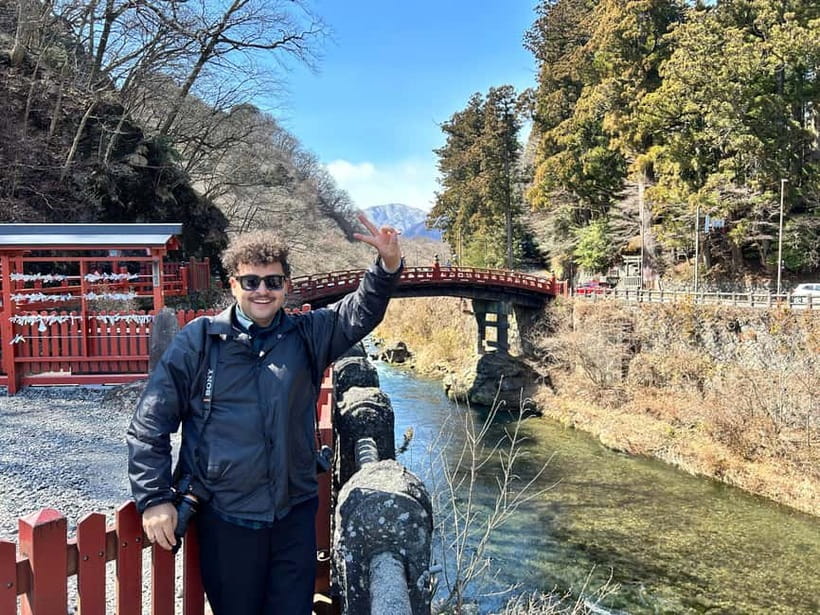
The day starts in Ginza, and then you’re on a coach for roughly 2.5 hours as the city gradually gives way to mountain roads. This is the stretch where you’ll feel two things: first, the convenience of having transport handled; second, the fact that you’re traveling. There’s a lot of seat time, but the buses used are described as comfortable, with big windows that make the drive easier to enjoy.
The guide’s role starts early: during the long ride, they often share cultural context and small “how not to stand out” behavior tips (the kind that make shrine visits smoother). Names mentioned in guides include Melody, Francisco, Jorge, Jorge (again, different accounts), Eric, Fran, Akane, Beru/Beru (spelled a couple ways), and others. Drivers like Hashimoto-san, Ejima-san, Kikuchi-san, and Ota-san come up a lot too, with repeated praise for safe driving on winding mountain roads.
If you want to be comfortable, this is where your prep matters. Bring water and dress in layers. Even in seasons that are mild in Tokyo, mountain weather can shift fast—especially once you’re near the water and waterfalls.
Shinkyo Bridge: the red gateway shot that sets the tone
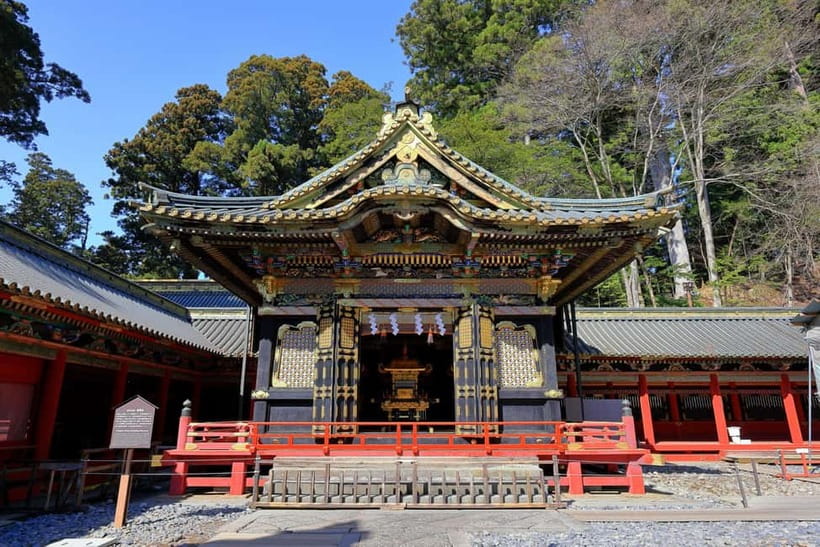
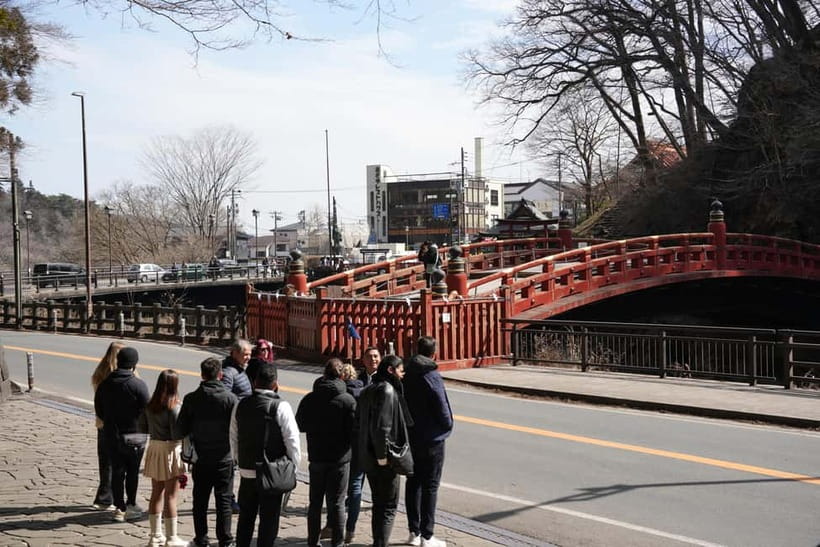
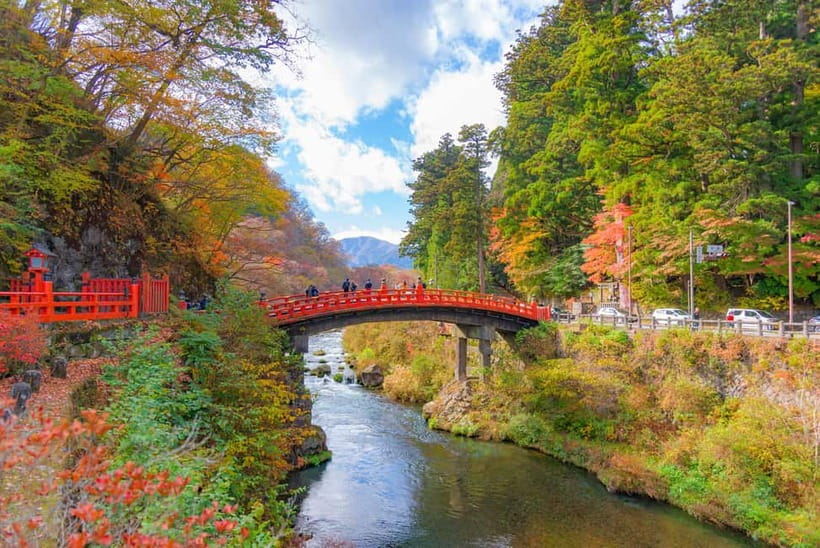
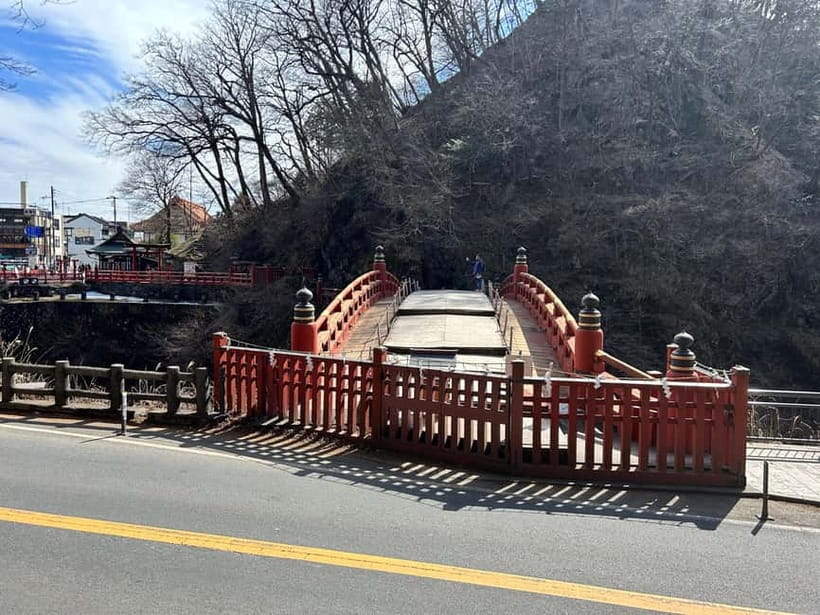
You’ll see Shinkyo Bridge early, with a scenic panoramic view from the bus. It’s a deep red, arched structure spanning the Daiya River, and it works like a visual “start button” for the whole day. The bridge isn’t the long walking stop here; it’s the first big image that tells you you’ve arrived in Nikko.
This kind of timed, bus-based viewpoint is surprisingly smart. You get the iconic photo and the cultural framing without losing the clock. It also helps because Nikko’s shrine area can be mentally and physically busy. Getting the headliner image up front makes everything feel less like logistics and more like a coherent story.
Toshogu Shrine: UNESCO details you’ll actually notice
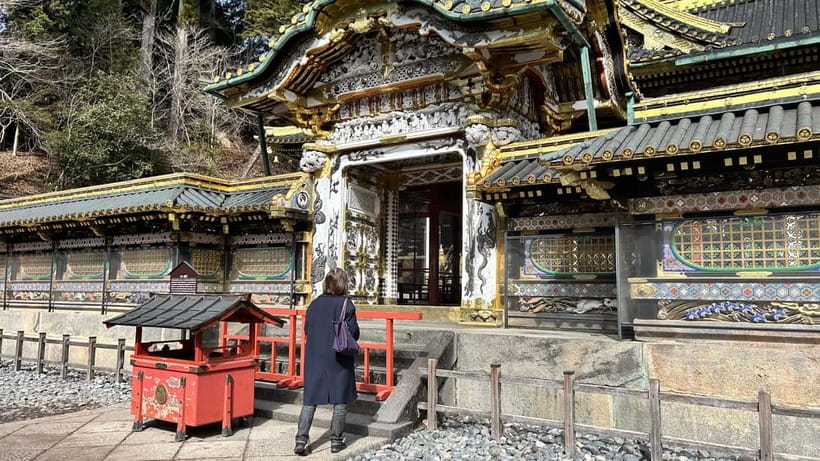
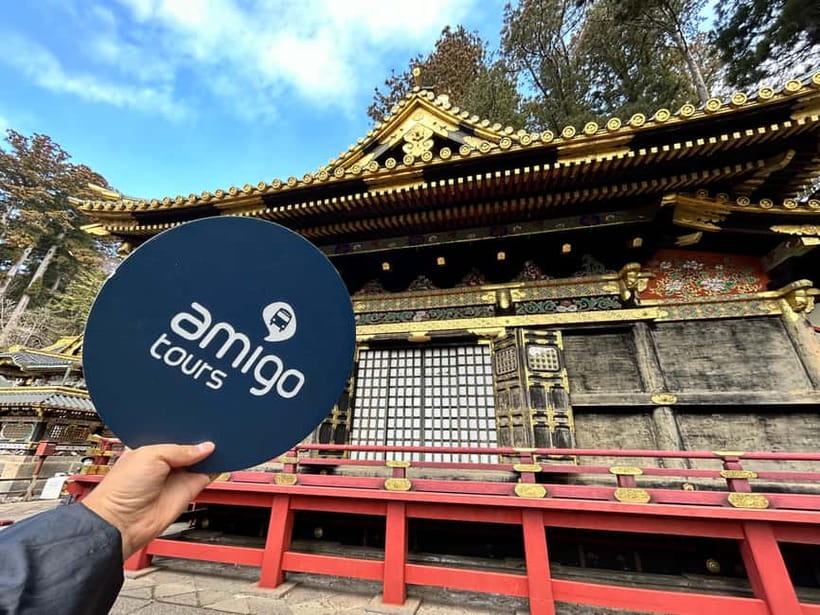
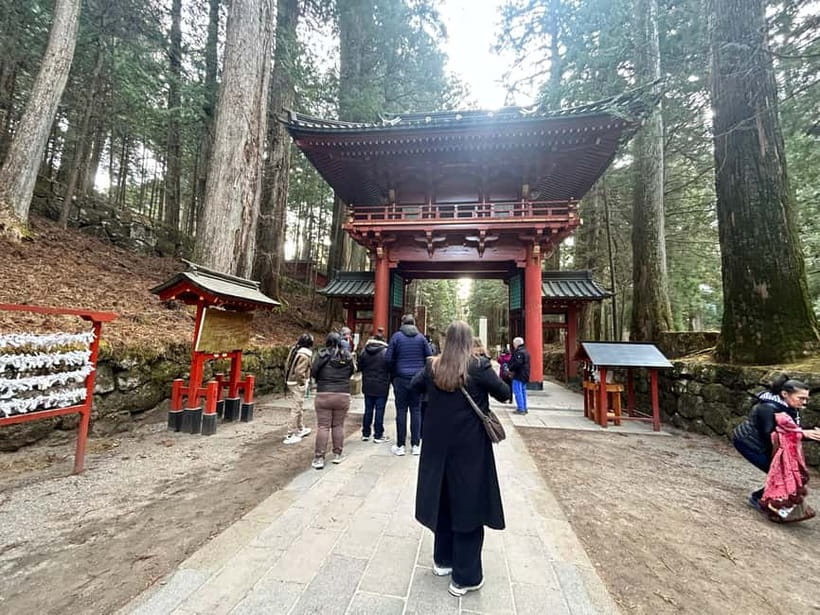
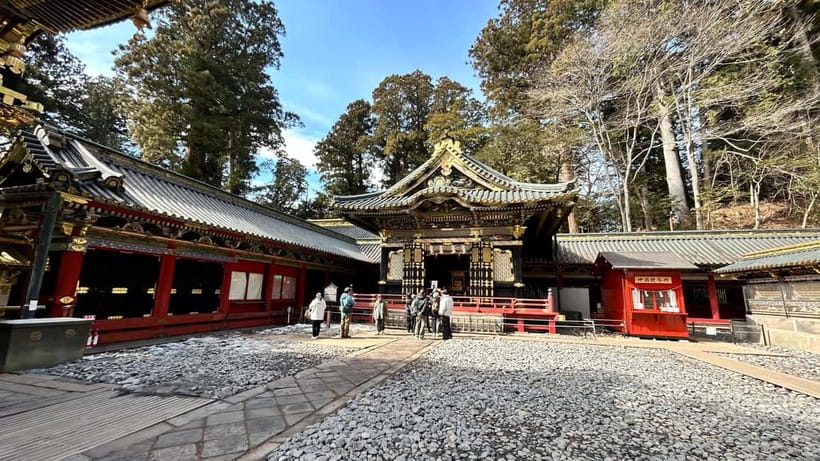
Toshogu Shrine is why many people choose Nikko in the first place. It’s UNESCO World Heritage, and the whole place sits in a cedar forest that makes the air feel cooler and quieter.
What I like most is that the shrine isn’t just “pretty buildings.” The experience becomes much more satisfying when you understand what you’re looking at. Guides often focus on symbol reading—especially the famous trio of wise monkeys—and explain how these carvings connect to tradition and the Tokugawa shogunate era. Even if you’re not a big temple-history person, the guide explanations help you slow down and notice.
The option that changes everything: with or without Toshogu admission
This tour offers different options for Toshogu access. If you choose the ticket-inclusive option, you get entrance that covers the richly decorated gates and sacred buildings. That’s the difference between seeing the shrine area like a quick visitor and experiencing it as a structured route.
If you don’t select that option, you still get time on-site, but it’s framed more like exploring around the area independently. Either way, plan for a bit of walking and standing, plus time to follow the guide’s recommended photo points.
Practical tips for walking Toshogu
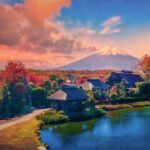
Wear comfortable shoes. The ground can be uneven in places, and shrine viewing often means repeated short stops: look up, look sideways, then reposition for a clearer angle. If you want to go farther, expect there to be a longer set of steps to a burial site area; one account mentioned a climb of about 200 steps. That’s not required for everyone, but it’s a good heads-up if you’re deciding how much stamina to bring.
Also, bring a camera. The shrine is full of gold accents, detailed woodwork, and patterned elements that are easier to capture when you’re not rushing.
Kegon Falls: plan for the waterfall moment
After Toshogu, you head deeper into the mountains for one of Japan’s most striking waterfalls: Kegon Falls. It drops nearly 100 meters, and the viewing spot is designed for you to get the falls in context—rocky cliffs above, water plunging below, and a valley scene that changes with the season.
You’ll have time here. In the schedule, Kegon Falls is paired with lunch and then a block of free time (about 85 minutes total for the stop). That matters because Kegon is one of those places where you don’t just snap a photo and leave. You want a moment to let the scale sink in, and you may want to return to the rail/observation area a second time if the light shifts.
Weather swap in January and February
If you’re traveling in January or February, note the plan changes. Due to weather conditions, the Kegon Falls and Lake Chūzenji portions are replaced with a panoramic view of Rinnoji Temple and Futarasan Shrine. So in winter, you’re still getting shrine scenery, just not the waterfall and lake as originally planned.
If your dates are in those months, treat this as a meaningful re-route rather than a disappointment. The spiritual side of Nikko stays central even when the mountain waterfall/lake route isn’t safe or comfortable.
Lake Chūzenji: shoreline calm and photo time
Next comes Lake Chūzenji, an alpine lake at the base of Mount Nantai. It’s formed by volcanic activity, and the vibe here is different from Toshogu and Kegon: more open views, slower walking, and a chance to reset after the sensory overload of shrine carvings and waterfall drama.
You’ll get time to stroll along the shore and take photos. The free time block is around 40 minutes, which is enough to walk a loop or two, find a viewpoint, and enjoy the lake atmosphere without feeling like you’re on a strict timer.
As always, conditions matter. Mist can soften the background and make photos look more cinematic. In bright weather, the lake can feel crisp and reflective. Either way, you’re there for scenery and breathing room.
Lunch in Nikko: eat well, then keep moving
Lunch is handled at a local restaurant in Nikko, and there’s an option where lunch is included. If you select the premium option, you get that lunch included. Either way, use the break to refuel properly because the day continues with a long return coach ride.
A couple of practical tips based on what’s worked for many people:
- Bring some physical cash. One account mentioned a planned stop to withdraw cash needed for the tour and breakfast on the way.
- Don’t overpack your lunch hopes. This is a tour day with fixed timing, so focus on getting a decent meal and keeping energy up.
Photo tip: after you eat, take a quick check of your battery and camera settings. It’s easy to lose track of time during sightseeing, and Lake Chūzenji photo windows can shift based on weather.
Price and value: what $89 buys you for an 11-hour day
At about $89 per person, the value here is mostly about what you avoid. You’re paying for transportation from Tokyo, a bilingual guide (English and Spanish), and a structured visit to several key Nikko sites in one day.
If you were to DIY it, you’d spend time figuring out trains/buses and dealing with transfer timing, plus you’d still need to manage the “what am I looking at?” part of Toshogu. Guides help with that second part. Many accounts mention that guides switch smoothly between English and Spanish and also keep the schedule clear, including reminders about exactly when and where to meet the bus.
Is $89 cheap? Not really. But for a long day that includes multiple major sites, transport, and live interpretation, it’s closer to convenience + context than just entry fees. The best way to maximize value is to choose the option that matches your priorities:
- If Toshogu is your main target, consider the Toshogu ticket-inclusive option so you can access the main shrine structures.
- If you want the day to feel easier, choose the lunch-inclusive premium option so you’re not hunting for food under time pressure.
Timing, pacing, and what can change
This is a mountain day, so think in terms of “plan + flexibility.” The tour can adjust the order and timing due to traffic, weather, or operational reasons.
Even with that, the stop structure is designed to prevent a common DIY problem: spending too long at one place and then arriving late or stressed at the next. The schedule includes meaningful guided time at Toshogu and then structured free time at Kegon Falls and Lake Chūzenji.
If you want an easy day, follow the guide’s meeting times closely. Multiple accounts emphasize clear instructions and reminders, including helping people navigate back to the bus after free time. That’s not just helpful; it protects your day so you can enjoy the sights instead of recalculating plans.
Who this tour suits best
This tour fits best if you:
- Want a one-day Nikko hit list without planning transport.
- Appreciate explanations that make shrine details click, not just quick photo stops.
- Are comfortable with a long coach ride and a full sightseeing day.
It’s less ideal if you:
- Want to move at your own pace with lots of extra time in each location.
- Can’t handle the total time commitment of an 11-hour day.
- Need wheelchair access. This tour is not suitable for wheelchair users.
Should you book this Nikko day trip
If you want the easiest path to Nikko’s biggest sights with an English/Spanish guide, I’d lean yes. The combination of Toshogu Shrine symbolism, a real Kegon Falls viewing moment, and scenery time at Lake Chūzenji is exactly what makes a day trip worthwhile.
I’d especially book if Toshogu is high on your list and you’re willing to pick the option that includes shrine entrance. That choice can turn the shrine visit from seeing buildings into experiencing a route with the important details.
But if you’re the type who hates long transit, or you want long, unstructured time at fewer places, then consider staying flexible and doing a slower plan. Nikko rewards time, and this itinerary gives you highlights, not a leisurely pace.
FAQ
How long is the Nikko day trip?
The total duration is 11 hours.
Where do we meet in Tokyo?
The meeting point may vary depending on the option booked, and there are starting location options listed for Ginza (Ginza Inz 2).
What languages are covered by the guide?
The tour offers a live guide in English and Spanish.
Is entrance to Toshogu Shrine included?
Entrance to Toshogu Shrine is included only if you choose the ticket-inclusive option.
Is lunch included?
Lunch is included only if you choose the premium option; otherwise you’ll need to plan for your own meal during the stop.
Do we get to see Shinkyo Bridge up close?
You get a panoramic view of Shinkyo Bridge from the bus rather than a long dedicated walking time.
What happens in January and February?
Due to weather conditions in January and February, the visit to Kegon Falls and Lake Chūzenji is replaced with a panoramic view of Rinnoji Temple and the Futarasan Shrine.
What should I bring for the day?
Bring comfortable shoes, a hat, a camera, sunscreen, and water.
Is the tour suitable for wheelchair users?
No, the tour is not suitable for wheelchair users.
What’s the cancellation policy?
Free cancellation is available up to 24 hours in advance for a full refund.