REVIEW · TOKYO
Tokyo: Mount Fuji Views and KABA Amphibious Bus Day Tour
Book on GetYourGuide →Operated by JRT Group · Bookable on GetYourGuide
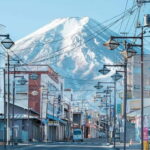
Mount Fuji shows up fast, and it does not mess around. This Tokyo day trip packs big looks at Kawaguchiko and Yamanaka Lake, with two fun boat options that turn the scenery into an activity. You’ll get KABA amphibious bus land-and-water thrills, then line up for the kind of 360° Fuji photos that usually take a lot more time.
Two stops I’d happily build a trip around are Oshino Hakkai’s Mirror Pond and Oishi Park, where Fuji feels like it’s posed for your camera. One thing to think about: the pace is sightseeing-heavy, so queues and restroom timing can eat into your photo time at Oshino Hakkai.
In This Review
- Key moments worth planning around
- From Tokyo to Kawaguchiko: the easy start that sets the tone
- Oishi Park: lavender-season Fuji that feels like a postcard
- Oshino Hakkai: the Mirror Pond and the thousand-year water moment
- Yamanaka Lake: the main decision point (KABA bus vs Shiratori swans)
- KABA Amphibious Bus: the 100% clear roof is the real star
- The Yamanakako Cruise Deck: calmer viewing with swans and Fuji
- Timing, queues, and how to keep your day from feeling rushed
- Guide energy: why Agnes and Lin-san made the day feel lighter
- What you get for around $44: strong value if Fuji is your priority
- Who this tour suits best (and who should skip it)
- Should you book the Tokyo to Mount Fuji views day tour?
- FAQ
- FAQ
- What does the tour include?
- Do I get food or drinks during the tour?
- Can I choose between the KABA and the swan boat?
- What happens if the boat or a scenic spot is unavailable?
- What should I bring?
- Is travel or accident insurance included?
Key moments worth planning around
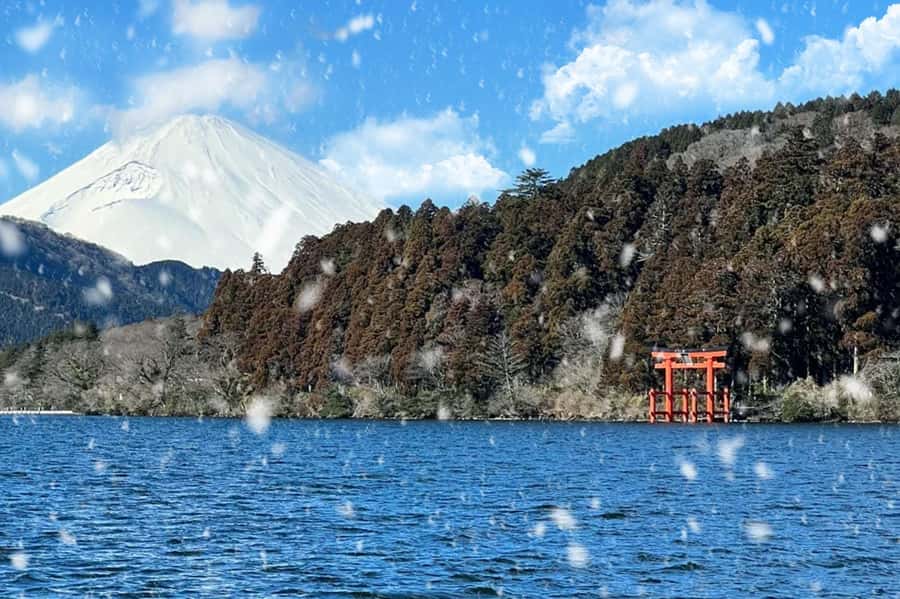
- KABA amphibious bus: land to water, with a 100% transparent roof for clear Mount Fuji viewing
- Oishi Park (Kawaguchiko): lavender fields with Fuji as the backdrop
- Oshino Hakkai Mirror Pond: calm, clear reflections and access to thousand-year-old spring water
- Choose your water experience: KABA bus hippo-style cruise or the Shiratori swan boat cruise
- Yamanakako Cruise Deck: a calmer, water-level feel for watching swans and Fuji
From Tokyo to Kawaguchiko: the easy start that sets the tone
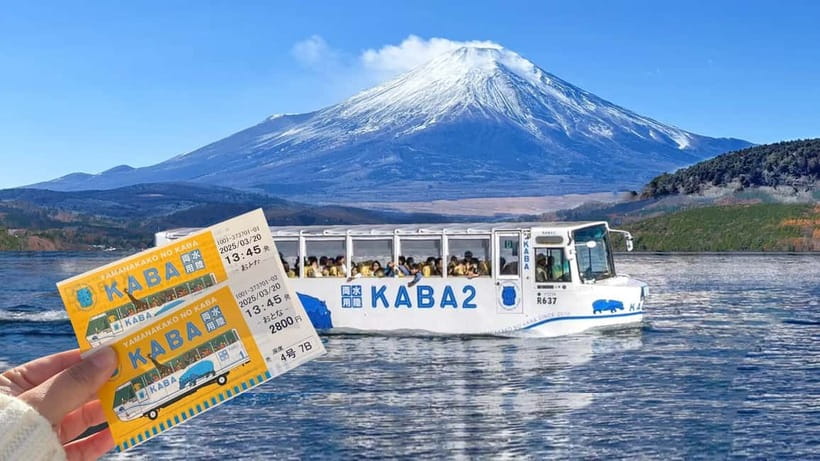
This is a full day built around Mount Fuji views, starting with a scenic drive out of Tokyo to the Fuji Five Lakes area. Expect a departure that gets you into position for the most important photo windows, not just a slow sightseeing wander.
Because this is a day tour, timing matters. The route and how long you spend at each stop can shift with traffic, weekend crowd levels, and the simple reality of mountain-area logistics. It’s worth building flexibility into your day. If you’re the type who hates uncertainty, you’ll still probably enjoy it, but you’ll want a calm plan for photos and short walks.
One more practical note: the tour does not include meals or drinks, and food is not allowed on the vehicle. Bring your own snack strategy for breaks on land, and save your appetite for after the most Fuji-critical moments.
You can also read our reviews of more tours and experiences in Tokyo.
Oishi Park: lavender-season Fuji that feels like a postcard
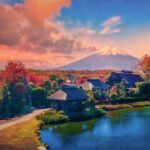
Oishi Park at Kawaguchiko is the first “big face-to-face” moment with Mount Fuji. When conditions line up, the scene is pure poster material: wide-open space, views structured for photography, and often lavender fields that create a soft foreground for Fuji’s iconic shape.
What I like about this stop is how it works visually. Instead of Fuji being a distant landmark, it’s framed and close enough that your photos can feel intentional. You’re not just capturing a mountain—you’re capturing a composition.
A couple of things to keep your expectations realistic. The exact look of the park depends on what’s blooming and when. Weather can also affect the timing and the way light hits the views. Still, even when the park isn’t in peak bloom, Oishi Park is one of the most straightforward places to get Fuji front-and-center.
Oshino Hakkai: the Mirror Pond and the thousand-year water moment
If Oishi Park is the “big landscape view,” Oshino Hakkai is the “close-up magic.” This area is famous for a pond-like spot that people call the Mirror Pond because the water can reflect Mount Fuji almost like glass.
The draw here is balance: you get a classic reflective view, plus small details that make the place feel lived-in and not just staged. In the tour flow, this stop is where you slow down just enough to enjoy the calm, watch how the reflection changes, and take photos that don’t feel rushed.
One detail I really appreciate: you can drink the spring water described as thousand-year-old. It’s not a dramatic activity, but it adds meaning to the visit. You’re not only looking—you’re experiencing the place’s source.
The drawback to plan for is time. During the Oshino Hakkai portion, lines for food and restrooms can stretch, and if you’re trying to maximize reflection photos, those delays can cut into your time at the pond. If you want fewer stress moments, keep your schedule flexible here and aim to handle breaks early.
Yamanaka Lake: the main decision point (KABA bus vs Shiratori swans)
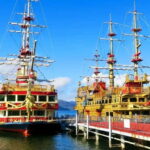
By the time you reach Yamanaka Lake, you’ll get the tour’s biggest fork in the road: choose between a KABA amphibious bus cruise experience or the Shiratori Lake Swan Boat Cruise.
This choice matters because the vibe is different. The KABA option is built around an amphibious ride—land and water—with an emphasis on Mount Fuji viewing from a clear roof. The swan boat option leans into a gentler, more classic lake cruise feel with a focus on watching swans and enjoying the water-level scene.
If you want action and novelty, choose the KABA experience. If you want something lighter and a bit more relaxed—more like a scenic ride—go for the Shiratori swan boat. Either way, you’re still in the right place for Fuji reflections and water photography.
KABA Amphibious Bus: the 100% clear roof is the real star
The KABA amphibious bus is the part people remember later, and for good reason. It’s not just a boat ride where you stare at water. It transitions onto land and then back onto the lake, turning the journey into a moving showpiece.
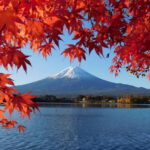
Here’s the practical advantage: the 100% transparent roof means you’re not stuck with “only window views.” When Fuji appears in your sightline, you can actually capture it cleanly from the center of the lake. In other words, you’re riding into the photo, not chasing it.
There’s also a psychological bonus. When you’re inside a vehicle that’s clearly designed for the experience, your brain stops treating the day like a checklist. You start paying attention to the reflections, the light, and the timing of where Fuji lands in the frame.
The one caution is physical comfort. This option is not suitable for everyone—people with mobility impairments, wheelchair users, or those who have heart problems or high blood pressure should avoid it. The tour also notes an age limit of people over 70 years. If that applies, the swan cruise option may still be worth asking about before booking, but the tour’s overall suitability guidelines are clear.
The Yamanakako Cruise Deck: calmer viewing with swans and Fuji
After your main lake experience, there’s an additional water-view moment from the Yamanakako Cruise Deck. The intent here is good: you get an off-peak feel compared to the busiest crowds, and you can watch swans moving across the lake while Mount Fuji anchors the background.
I like this part because it changes the pace. After the amphibious ride (or swan boat), you get a more stationary, “watch and photograph” feeling. It’s also the right time to do small photo refinements—adjusting angles, checking reflections, and taking the shot you missed earlier.
This stop is described as a dreamlike scene, and the takeaway for you is simple: don’t fill every minute with walking. Let the view come to you for a bit.
Timing, queues, and how to keep your day from feeling rushed
This tour is packed, but it’s not random. The order of stops and your time inside each segment can change based on traffic and crowd levels. On weekends and holidays, expect congestion and possible early closures that can shorten the day’s flow.
The most useful move you can make is mental: treat the day like Fuji weather hunting plus photo windows, not like museum hours. If you obsess over minute-by-minute plans, you’ll feel irritated when lines happen.
Two places where that can hit you:
- Oshino Hakkai, especially if you get stuck waiting for food or restrooms
- Any scenic spot at peak season where delays can pile up
One more tip from real-world experience: plan your photos in two phases. First, do your must-have wide view. Second, come back for reflections and smaller angles. If you try to do both at once, queues and time limits tend to steal the second round.
Guide energy: why Agnes and Lin-san made the day feel lighter
A Mount Fuji day trip can either feel like a long schedule, or like a fun group day with smart pacing. The difference often comes down to the guide.
Two guide names pop up in the feedback: Agnes and Lin-san. Agnes is described as amazing, upbeat, and entertaining—exactly the kind of energy that keeps a full day from getting heavy. Lin-san is described as friendly and able to speak English.
Also pay attention to how commentary works during the ride. For small daily groups, the driver doubles as a guide with limited English commentary, and there’s no narration while the vehicle is actually driving. Multilingual support is provided onboard, not just in a single language.
Translation for your planning: if you care about learning context, you’ll likely get it during stops more than during the drive.
What you get for around $44: strong value if Fuji is your priority
At about $44 per person, this tour is good value if your goal is straightforward: maximize Mount Fuji views while still having one or two “fun, memorable” activities.
You’re essentially paying for:
- Multiple Fuji view zones (Oishi Park and Oshino Hakkai)
- A lake experience that’s either the KABA amphibious ride or the Shiratori swan cruise
- An organized day structure that gets you out of Tokyo and back without building your own transportation puzzle
The “value” question is really about opportunity cost. Building this itinerary on your own can be possible, but it often takes careful routing, transit timing, and transfers. Here, you’re buying time and simplicity. You still need to manage your own food and drinks, but the main scenic and activity components are covered.
If you’re the type who only wants one or two scenic shots and doesn’t care about the boat experience, you might find you’re paying for parts you don’t fully use. But if Fuji is the headline and you enjoy a playful ride, the price-to-experience ratio looks very reasonable.
Who this tour suits best (and who should skip it)
This day trip makes sense for you if:
- You’re short on time in Tokyo and want a concentrated Mount Fuji hit
- You love photography—especially reflections from water
- You want an activity beyond “just look and walk,” like the KABA amphibious ride
- You’d enjoy a guide who keeps energy high and the day moving
It may not be a match if:
- You need a low-pace day with lots of buffer time
- You struggle with long lines at popular spots
- You have mobility needs that don’t fit the tour’s suitability limits
- You have heart problems or high blood pressure, or you’re over 70 years (the tour notes these limits)
If health or mobility is a concern, it’s smart to review the tour’s suitability notes before you commit, because this is not designed as a gentle, fully flexible day.
Should you book the Tokyo to Mount Fuji views day tour?
I’d book it if your priority is big Fuji viewpoints plus one memorable water-and-views experience, and you like the idea of choosing between KABA and Shiratori. The combination of Oishi Park, Oshino Hakkai Mirror Pond, and a lake ride gives you enough variety that you’re not spending the whole day repeating the same kind of view.
I’d skip it if you hate the possibility of queues cutting into your photo time, or if you’re looking for a calm, slow travel pace. This is a “make the most of the day” format, and it rewards flexible expectations.
FAQ
FAQ
What does the tour include?
The tour includes Mount Fuji sightseeing, a visit to Kawaguchiko Oishi Park, a visit to Oshino Hakkai, and a Hirano Nohama visit.
Do I get food or drinks during the tour?
No. Food and drinks are not included, and food is not allowed in the vehicle.
Can I choose between the KABA and the swan boat?
Yes. At Yamanaka Lake, you can choose between the KABA amphibious bus experience and the Shiratori Lake Swan Boat Cruise.
What happens if the boat or a scenic spot is unavailable?
If a cruise ship or scenic spot is officially announced as unavailable, the schedule will be adjusted and you may receive a partial refund.
What should I bring?
The tour specifically suggests bringing biodegradable sunscreen.
Is travel or accident insurance included?
No. Personal travel or accident insurance is not included, so you may need to arrange it yourself.