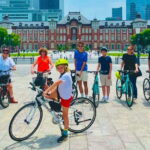
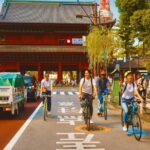
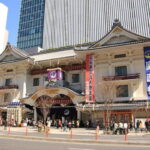
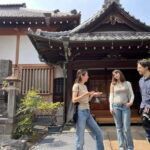
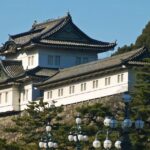
Tokyo by bike beats trains for this trio. You get a front-row seat to Shibuya, Harajuku, and Aoyama without losing half your day to transfers, lines, and crossing stress.
I like that this tour is built for first-timers and also rewards curiosity. You’ll ride through famous scenes, then cut into quieter backstreets your feet won’t reach in the same time. One thing to weigh: you do need to feel comfortable cycling in city traffic and narrow/crowded areas at about a normal 15 km/h pace.
What I love most is the mix of big-name Tokyo and the side streets. And I love the way the guide, Taichi, keeps things smooth with clear instructions and safety-focused handling.
If you’re new to bikes, hate tight spaces, or expect a slow strolling pace, this may feel intense. It’s short breaks and moving time, not a leisurely hop-on-hop-off day.
In This Review
- Key takeaways before you pedal
- Why cycling Shibuya and Harajuku beats walking
- Price and value for a 3-hour small-group ride
- Meeting point in Tokyo: Umayamichi Park and Freshness Burger
- Bikes, helmets, and the rules of the road
- The route, stop by stop: from Yoyogi to Shibuya Crossing
- Umayamichi Park: a quick start and positioning
- Secret scenic stop: views while the pace is still friendly
- Yoyogi Park: photos and a calmer break
- Shibuya City: seeing the neighborhood structure
- Shibuya Crossing and Hachikō: iconic, but handled carefully
- Harajuku and Omotesando: fashion streets plus quieter corners
- Aoyama and Aoyama Cemetery: where the pace feels different
- Meiji Jingu Gaien Ginkgo Avenue and Japan National Stadium
- Taichi’s guidance: what safety and Q&A really mean here
- What to bring (and what to leave behind)
- Who this Tokyo bike tour fits best
- Weather, rain, and keeping your plans flexible
- Should you book this $63 bike tour?
- FAQ
- How long is the Tokyo Bike Tour?
- What’s the group size?
- Where do I meet the guide?
- What’s included in the price?
- What language is the tour guide?
- Can I ride if I’m not an experienced cyclist?
- Is the tour okay in the rain?
- What should I wear?
- Are headphones allowed?
- What’s the refund and cancellation window?
Key takeaways before you pedal
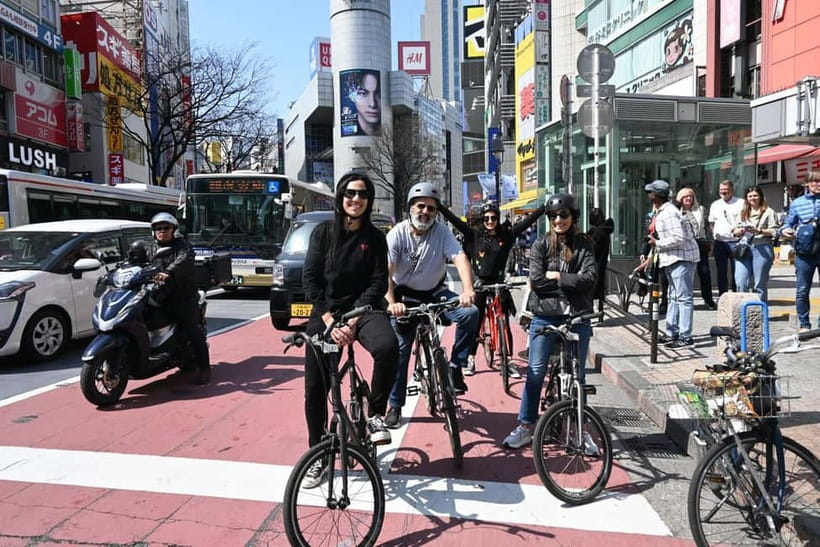
- Up to 6 people means you’re not lost in a crowd.
- Taichi (English-speaking) guides with a safety-first approach and quick answers.
- Backstreet stops come alongside Shibuya Crossing and Hachikō, so you get both sides of Tokyo.
- You avoid public transport for most of the route, which saves serious time.
- Photo stops + short walks keep the tour varied without turning into a marathon.
Why cycling Shibuya and Harajuku beats walking
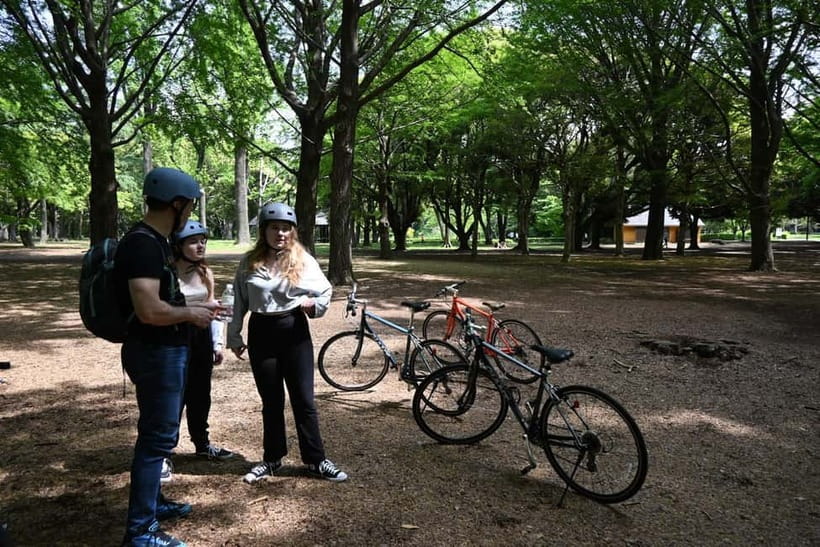
Walking these neighborhoods sounds romantic until you try to cover the real distances. This tour is designed for efficient movement: you cycle between major sights, then pause for photos and short guided walks where it matters. In practice, that means you see more of Tokyo’s texture than you would on foot in the same three hours.
Another win is how the bike changes your view. On a train or bus, you miss street life. On a walk, you miss the stretch. Here, you glide through Shibuya’s street geometry and the fashion lanes of Harajuku in one continuous loop.
You can also read our reviews of more cycling tours in Tokyo

Price and value for a 3-hour small-group ride
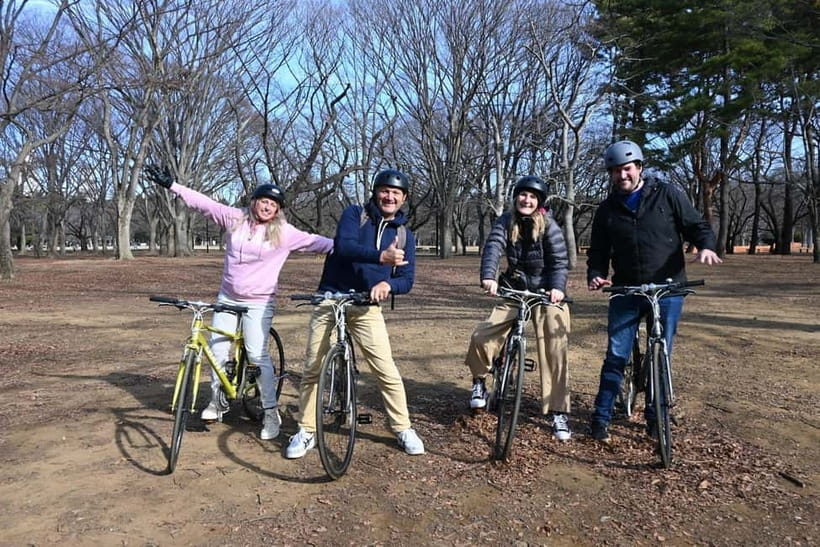
At $63 per person for a 3-hour tour with a bike and helmet included, you’re paying for three things: a guide who knows the flow of traffic and timing, access to routes that are hard to plan on your own, and time saved versus navigating by public transport.
You also get a small group: limited to 6 participants. That matters in Tokyo. With a smaller pack, the tour can move at a human pace, stop for photos without chaos, and keep everyone together on narrow stretches.
Meeting point in Tokyo: Umayamichi Park and Freshness Burger
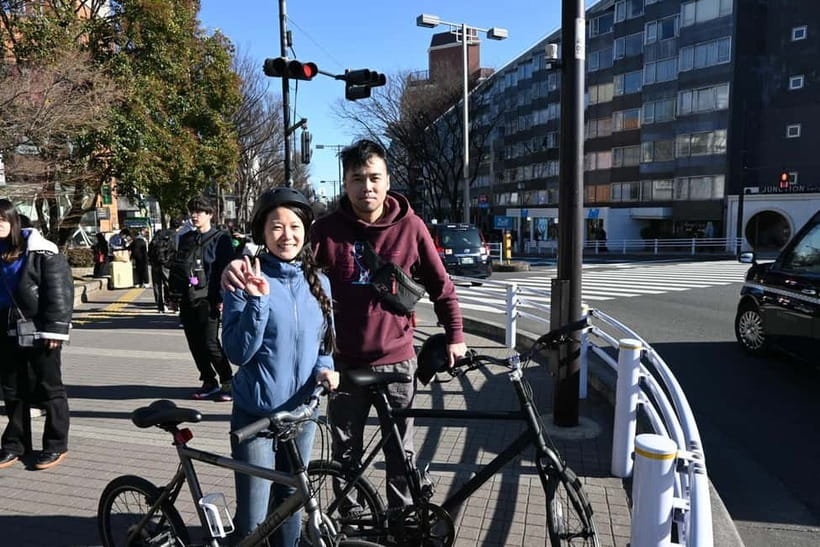
You’ll meet at the park next to Freshness Burger, and the ride starts at Umayamichi Park. The location is very practical: it’s about 10 minutes on foot from Shinjuku Station and about 1 minute from Yoyogi Station. So even if your subway plan changes last minute, you can still get there without drama.
Once you arrive, the tour begins with a short safety briefing. It’s not a lecture—think quick setup so you know how the guide wants you to ride and where to focus.
Bikes, helmets, and the rules of the road
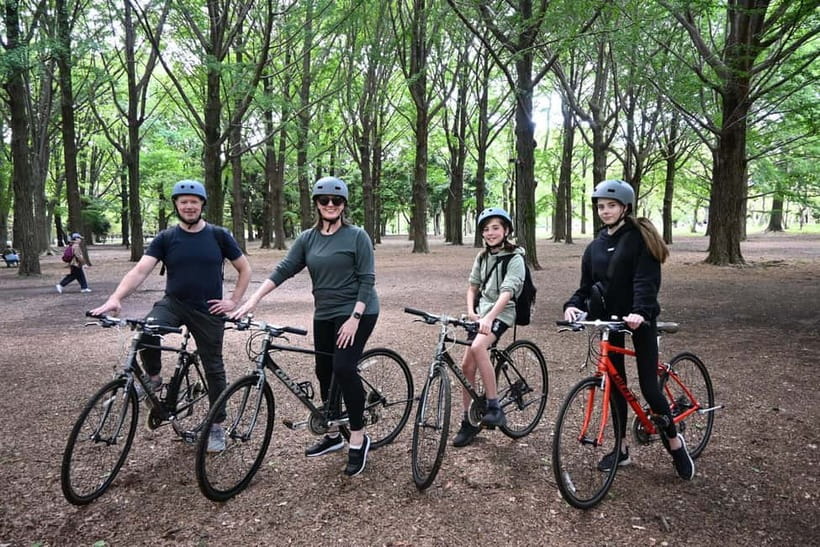
You’ll get a bicycle and helmet included. That alone simplifies the day—no rental searching, no sizing guesswork.
Before you head out, you’ll practice the basics in real conditions:
- riding in the city
- crossing at traffic lights
- handling occasional narrow or crowded areas
The tour expects you to comfortably cycle at around 15 km/h (9.3 mph). That doesn’t mean you’ll be racing, but it does mean you shouldn’t plan on constant stop-and-go sightseeing. If you prefer to drift at a walking pace, this may not match your style.
You’ll also want to follow the Japanese traffic rules and the guide’s instructions. The tour runs light rain, but if weather changes suddenly, it may be canceled for safety—so keep some flexibility in your schedule.
The route, stop by stop: from Yoyogi to Shibuya Crossing
Umayamichi Park: a quick start and positioning
The day opens at Umayamichi Park with a five-minute safety briefing. This is where you’ll get your bearings and learn how to ride as part of a group—especially important when you’re about to mix with Tokyo traffic.
Secret scenic stop: views while the pace is still friendly
Right after that, you’ll hit a secret stop with about five minutes of scenic views. It’s a nice early warm-up: enough time to orient yourself without fully committing to long stretches.
Yoyogi Park: photos and a calmer break
You then reach Yoyogi Park for a 15-minute photo stop, with additional scenic riding time on the way. This stop matters because it gives your brain a reset. Tokyo’s street energy doesn’t feel as overwhelming after a green, open pause.
Shibuya City: seeing the neighborhood structure
Next comes 15 minutes in Shibuya City, mostly scenic riding with guided context as you move. This is where the bike helps most—Shibuya isn’t one spot. It’s a whole grid of streets and entrances, and cycling makes it easier to understand how it fits together.
Shibuya Crossing and Hachikō: iconic, but handled carefully
You’ll arrive at Shibuya Crossing for a photo stop, plus a guided tour and a short walk (around 10 minutes). The crossing is famous, so the goal here isn’t just to look. The guide helps you understand what you’re seeing and how to move through the area without getting stuck in tourist chaos.
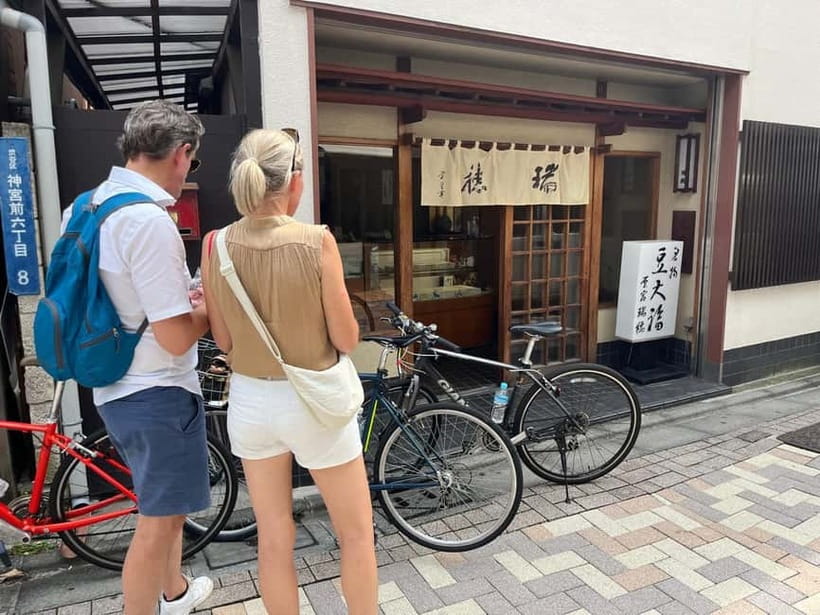
After that, there’s another secret stop with guided stops and walking (about 10 minutes total). Then you’ll get Hachikō Statue for photos and guided walking (about 10 minutes).
This combination is smart: you see the headline locations, then you get a breather and a side angle that changes how the story lands.
Harajuku and Omotesando: fashion streets plus quieter corners
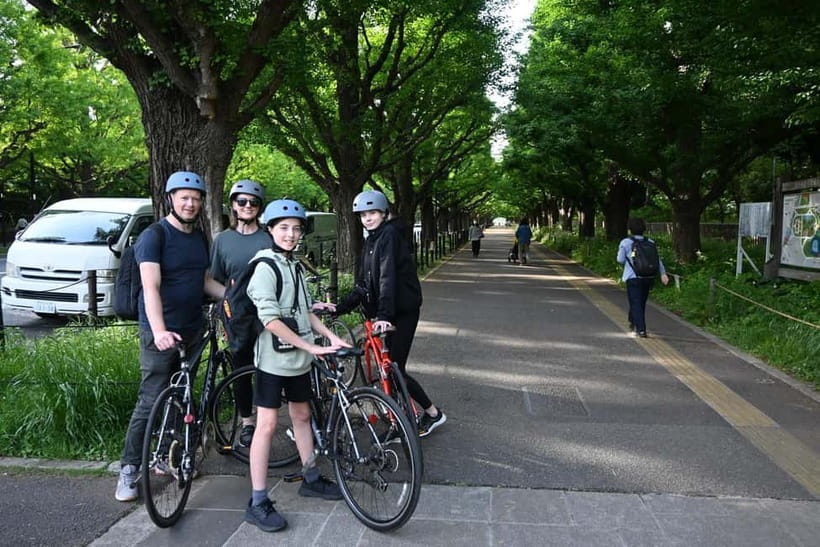
After Hachikō, you roll into Harajuku with a short photo stop (around 5 minutes) and scenic riding time.
Then you pass a few more quick-change moments:
- a secret stop with photo time (about 5 minutes)
- Omotesando with a brief photo stop (about 5 minutes)
These are quick hits by design. The tour keeps moving so you can cover the main corridors without turning the day into endless waiting. It also gives you the freedom to focus on what you like—if you want street style, you’ll notice it. If you prefer architecture or street rhythm, you’ll find spots for that too.
Aoyama and Aoyama Cemetery: where the pace feels different
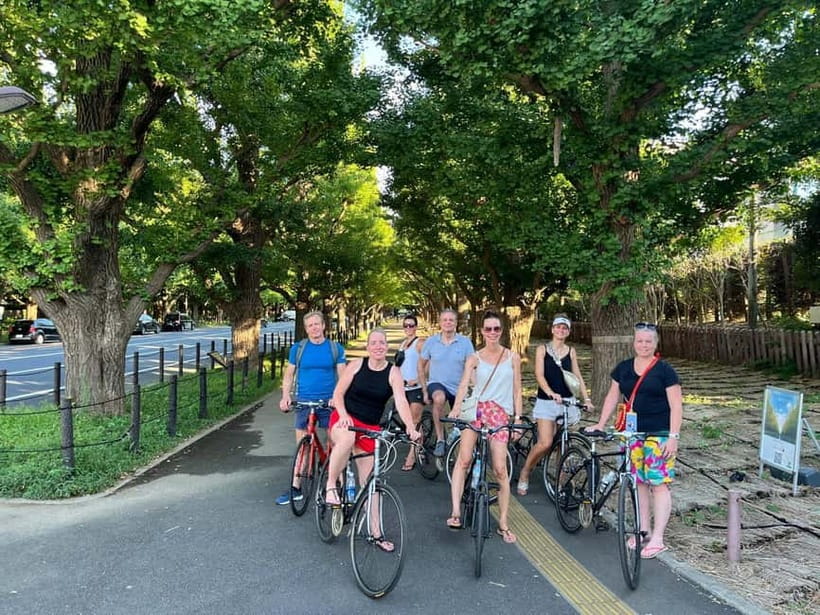
One of the most interesting parts is the shift into Aoyama, which gets about 20 minutes with photo stops and scenic riding.
Then comes Aoyama Cemetery, with about 20 minutes of photo time and guided walking. This stop changes the mood. It’s not what most first-time visitors expect in a bike tour aimed at street scenes. But it works because it shows another Tokyo side: calmer, quieter, and more reflective.
If you like the contrast—neon nearby, quiet spaces not far away—this is one of the best segments of the ride.
Meiji Jingu Gaien Ginkgo Avenue and Japan National Stadium
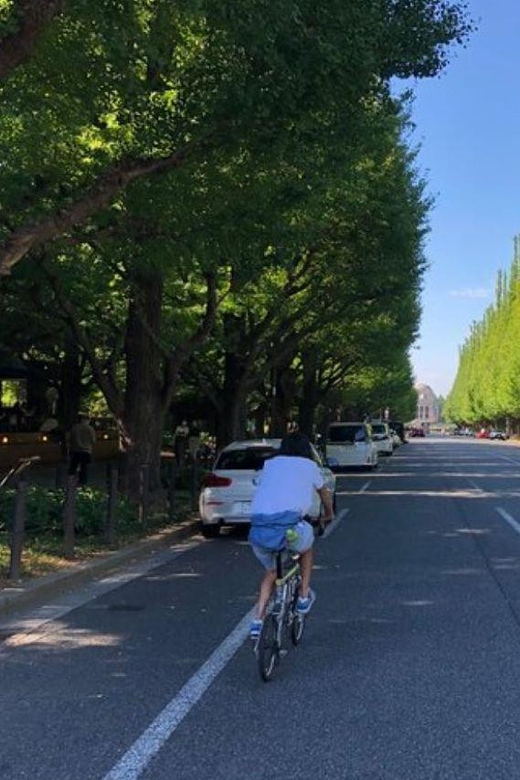
You’ll visit Meiji Jingu Gaien Ginkgo Avenue for a photo stop (about 5 minutes). The timing is short, but the payoff is about noticing the way Tokyo’s big-city motion can switch to a long, straight visual moment.
From there, it’s on to Japan National Stadium for another quick photo stop (about 5 minutes) before you return to Umayamichi Park.
If you’re the kind of traveler who likes to end with something recognizable, this works well. If you prefer long sittings and museums, you’ll probably treat these as snapshots rather than full experiences.
Taichi’s guidance: what safety and Q&A really mean here
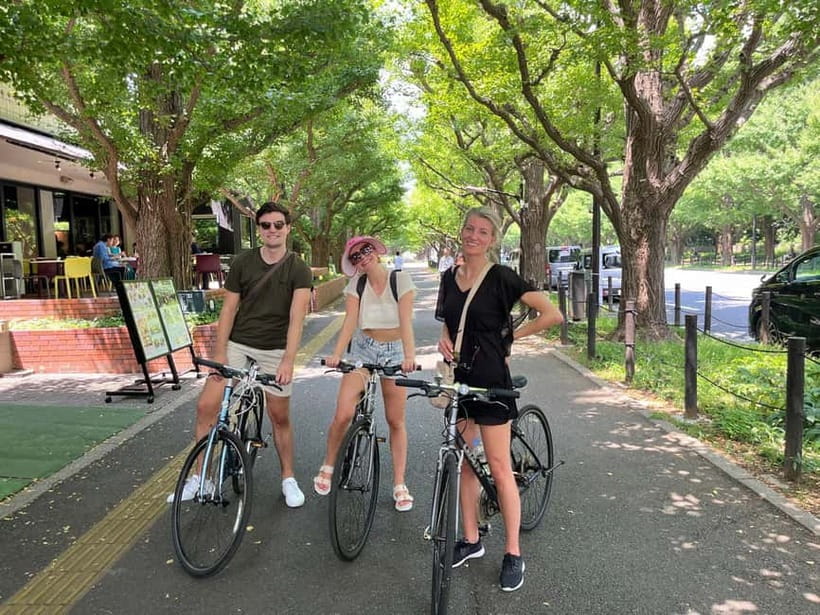
Taichi comes across as calm and competent. In the tour setting, that matters because city bikes aren’t just about balancing—they’re about timing, line choice, and knowing when to slow down.
The format includes guided tour time and Q&A, which is useful when you want practical answers like how to get around, what to notice in each neighborhood, and how to interpret what you’re seeing. It also helps if you’re trying to understand Tokyo beyond landmarks.
There’s also evidence the guide can adapt if someone in your group feels uneasy on the bike. In one case, the group shifted to walking instead for parts of the experience. That’s not something to assume for every situation, but it’s a good sign that the guide stays flexible.
What to bring (and what to leave behind)
Bring:
- comfortable clothes for cycling
- comfortable, closed-toe shoes
- drinks
- layers if you’re sensitive to weather
Don’t bring:
- sandals or flip flops
- headphones
- umbrellas
- alcohol or drugs
- oversize luggage or large bags
And no smoking or vaping during the tour.
These rules aren’t just for bureaucracy. They help keep the ride safer and easier to coordinate in crowds.
Who this Tokyo bike tour fits best
This tour is ideal if you:
- are a first-time visitor to Tokyo
- want to see Shibuya, Harajuku, Aoyama, and Gaien efficiently
- like street-level travel where you can ask questions and get context
- can handle short photo stops plus moving time
It’s not a great match if you:
- can’t ride a bike confidently
- don’t want to cycle in traffic
- are pregnant
- are traveling with kids under 13
- are under 155 cm or over 200 cm
- are over 75
Weather, rain, and keeping your plans flexible
The tour will go forward in light rain, but a sudden weather change can trigger cancellation. Since Tokyo weather can flip fast, I’d plan your day with the expectation that this ride might shift.
It’s a smart choice for travelers who don’t want to gamble on a whole day of outdoor walking, because at least the tour structure gives you clear segments and timing.
Should you book this $63 bike tour?
I’d book it if you want a practical introduction to Tokyo that feels like street travel, not a checklist. Cycling through Shibuya Crossing, Hachikō, and the fashion corridors, then stepping into quieter spots like Aoyama Cemetery, gives you a fuller sense of the city in just three hours.
Skip it if you want a slow, relaxed stroll. This is a ride with small pauses, and the experience depends on your comfort cycling and following traffic rules.
If you’re on the fence, here’s my simple test: if you can ride at a steady pace and you’re okay mixing briefly with city traffic, this tour will likely feel like a high-value shortcut. If not, you might be happier with a walking-focused plan instead.
FAQ
How long is the Tokyo Bike Tour?
It lasts 3 hours.
What’s the group size?
It’s a small group limited to 6 participants.
Where do I meet the guide?
You meet at the park next to Freshness Burger, and the ride starts at Umayamichi Park.
What’s included in the price?
You get a bicycle and a helmet.
What language is the tour guide?
The live tour guide speaks English.
Can I ride if I’m not an experienced cyclist?
You’re expected to ride comfortably in city conditions and at a typical cycling speed of about 15 km/h. If you can’t ride a bike, it’s not suitable.
Is the tour okay in the rain?
It proceeds in light rain, but it may be canceled if weather changes suddenly for safety.
What should I wear?
Bring comfortable clothes and closed-toe shoes. Avoid sandals or flip flops.
Are headphones allowed?
No, headphones are not allowed during the tour.
What’s the refund and cancellation window?
You can cancel up to 24 hours in advance for a full refund.