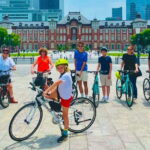
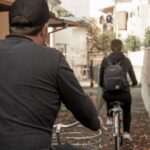
Tokyo feels big until you ride it. A short 3-hour bike tour turns key areas plus calmer side streets into one easy loop. You’ll roll from the Daimon area near the Commodore Perry statue toward temple grounds, palace photo stops, and then into the Shibuya orbit with story-filled stops along the way.
I like that the tour gives you two kinds of wins at once: major landmarks for your photos, plus short looks at places you’d likely miss on foot. I also love that the guides bring it down to street level with clear, friendly guidance; I especially noticed how often guides were singled out by name, like Miguel and KG, Naoki and Marika, and Shin for being upbeat and attentive.
One thing to think about: this is real cycling through city traffic. If you’re not comfortable riding for stretches, the e-bike option is worth choosing, and you’ll want to bring cash for a helmet if you want one.
In This Review
- Key highlights worth your time
- Why 3 hours on two wheels makes Tokyo click
- Meeting near the Commodore Perry statue (and finding it fast)
- From Zojo-ji Temple to Imperial Palace: the calm side of the center
- What you’ll miss if you only do this by train
- A possible drawback
- Akasaka Palace and New National Stadium: architecture and modern Tokyo in the same loop
- The “less-visited corner” stop: where the ride stops feeling scripted
- Minami-Aoyama to Cat Street to Miyashita Park: fashion streets with real energy
- If you’re sensitive to heat
- Shibuya Crossing and the Bell of Peace finish: Tokyo’s big moment
- Bikes, helmets, and safety: what’s really included
- Who should pick the e-bike
- Who should skip this ride
- Value check: is $60 a fair deal?
- Practical tips so the ride stays fun
- Should you book this Tokyo bike tour of city highlights?
- FAQ
- How long is the Tokyo bike or e-bike tour?
- How much does the tour cost?
- Where is the meeting point?
- Are there e-bikes available?
- What bikes are provided?
- Are helmets included?
- What’s included in the price?
- Who is this tour not suitable for?
- What should I bring?
- If you can only choose one reason to go
Key highlights worth your time
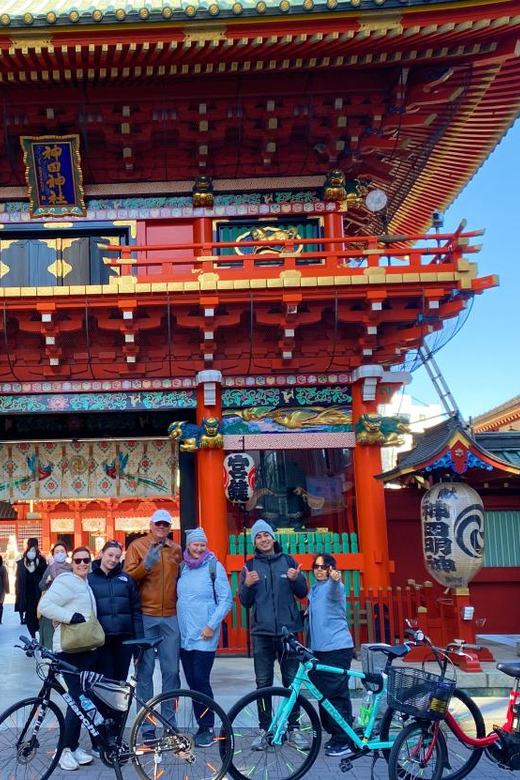
- Quality bikes: road bikes from Bianchi and Fuji, plus cross bikes from Bianchi, or convenient e-bikes
- Photo-stop pacing: quick guided stops at big sights like Zojo-ji and Shibuya Crossing, then short visits to slower corners
- English-speaking local guides: multiple guides were praised by name for keeping things fun and easy to follow
- Safety-focused ride: insurance is included, and the guides are there to watch the whole route
- On-bike convenience: a mini pouch for your phone, wallet, keys, plus bike insurance
- Perfect for limited time: 3 hours covers a lot without the constant transit hassle
Why 3 hours on two wheels makes Tokyo click
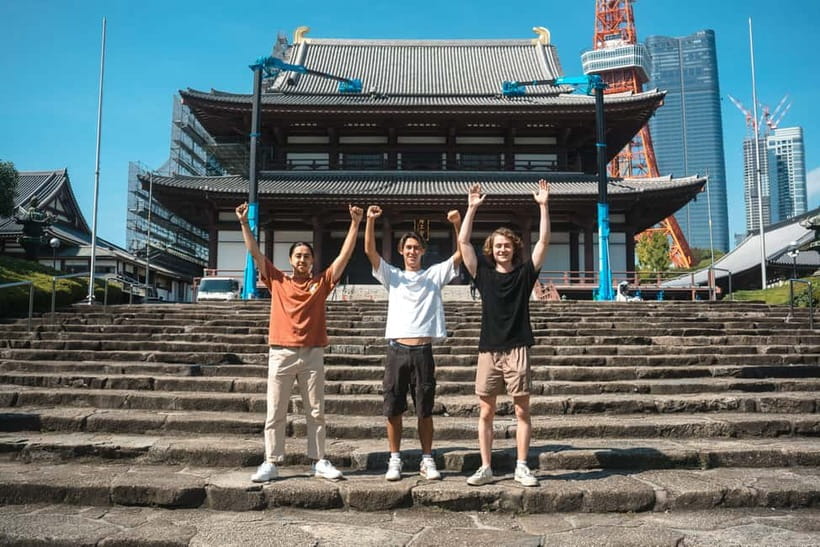
Tokyo is a city where you can spend an entire day just figuring out the fastest route. This tour uses bikes to compress that struggle into a clear plan. In three hours, you go from classic temple scenery to modern icons and then end in one of the city’s most famous intersections.
The sweet spot here is the blend. You’re not stuck at one area. You’re not stuck doing only museums either. Instead, you get repeated chances to see Tokyo from different angles: old religious sites, royal-level architecture, sports-and-city scale landmarks, and street life near Cat Street and Shibuya.
You can also read our reviews of more cycling tours in Tokyo
Meeting near the Commodore Perry statue (and finding it fast)
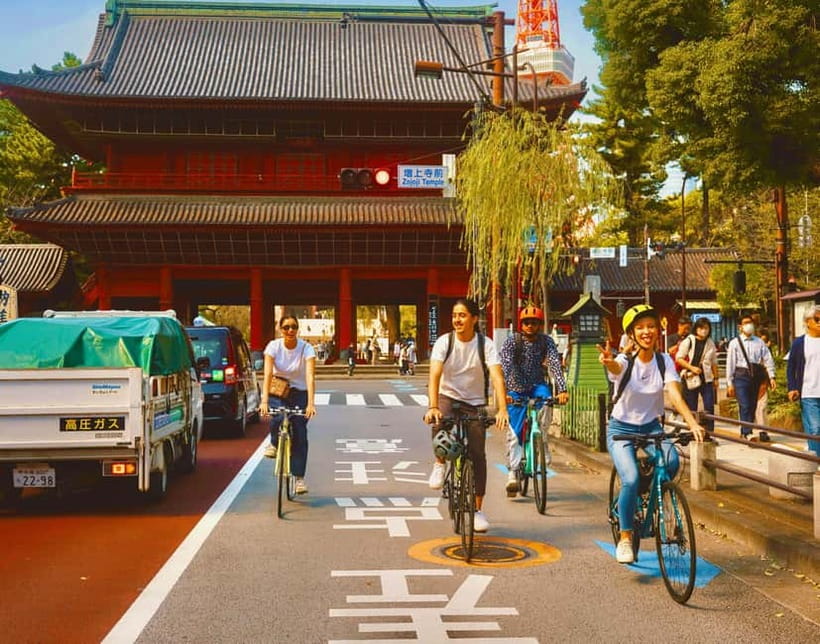
You meet by the statue of Commodore Perry, about a 3-minute walk from Daimon Station (A6 exit). That’s close enough to be easy, but not so close that you should stroll in without checking the exact spot.
A practical tip: arrive a few minutes early and watch for your guide around the statue area. At least one rider noted the meetup can be a little tricky to spot at first, but the rest of the experience was smooth once everyone was together.
From Zojo-ji Temple to Imperial Palace: the calm side of the center
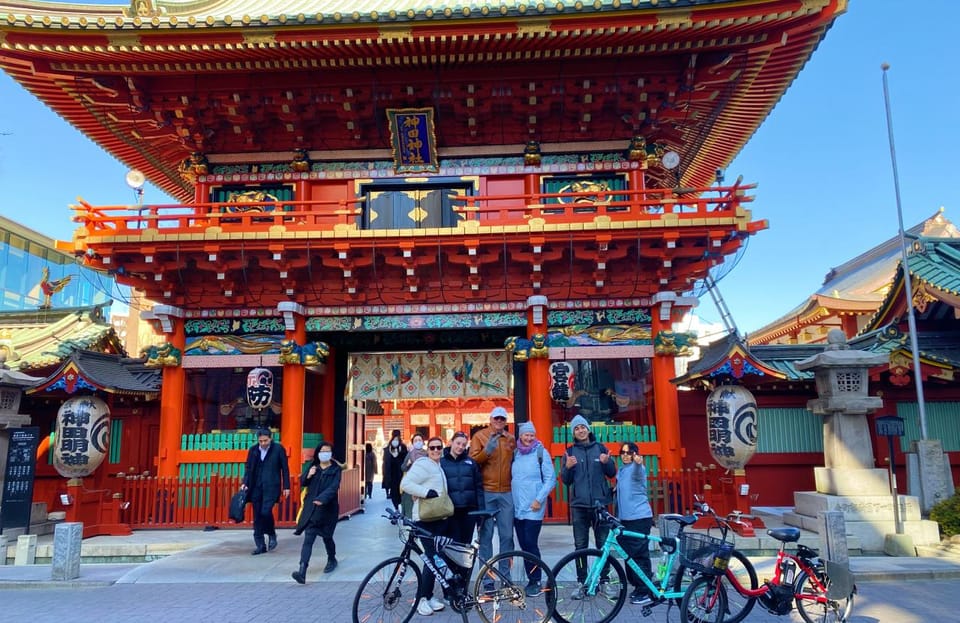
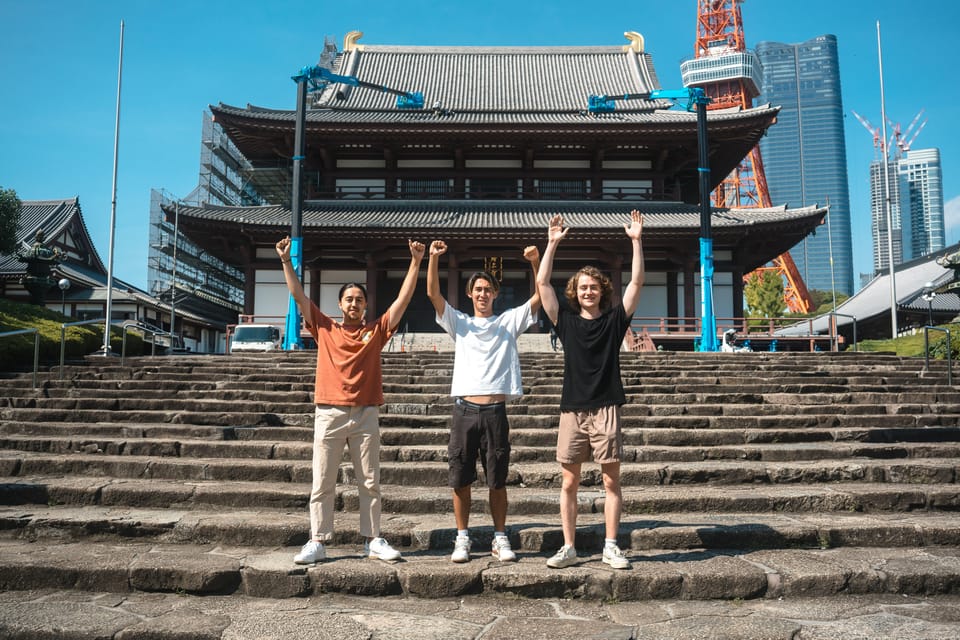
The ride starts at the Commodore Perry statue, then you head into the temple zone with a photo stop at Zojo-ji Temple. This isn’t a long museum-style visit. It’s a quick, guided look that works well because your bike keeps the energy up and your guide keeps the context flowing.
Next you reach the Tokyo Imperial Palace area for a photo stop and a short guided moment. This is the kind of stop that feels important even when you’re just standing for photos. You get the sense of how the city organizes space and power, and you get the history angle that makes the buildings and gates mean more than just pretty architecture.
From there, you continue to Ōte-mon Gate for another brief photo stop. Short stops like this are part of why the tour works. You get the big “I saw it” moments without turning the day into queue time and slow walking.
What you’ll miss if you only do this by train
By bike, you get street-level connections between zones. You’re not jumping station to station with the constant reset of getting on, off, and navigating stairs. Even if you’re fit, you’ll feel the advantage of getting “moved” efficiently while still staying close enough to notice details.
A possible drawback
If you’re the type who wants deep time at each sight, the stops can feel brief. The tour is built for breadth, not long lingering. Think of it as a strong intro—then you can come back later on your own time if a place really grabs you.
You can also read our reviews of more city tours in Tokyo

Akasaka Palace and New National Stadium: architecture and modern Tokyo in the same loop
After the palace corridor, you visit State Guest House Akasaka Palace for a photo stop and guided time. This is one of those stops where the exterior alone tells a story. You’ll get explanations that help you understand what you’re looking at, without needing a separate ticketed experience.
Then you head to New National Stadium for another photo stop (with guided context). This part matters because it shows how Tokyo blends major public venues into the daily city fabric. It’s modern, but it’s also deeply Tokyo—big scale, strict design, and lots of motion all around you.
If you like cities that change tone quickly, you’ll appreciate this section. The tour steps you from the formality of palace-level architecture into the forward-looking world of stadium-scale Tokyo.
The “less-visited corner” stop: where the ride stops feeling scripted
In the middle of the route, you’ll have a short hidden-corner style visit (15 minutes). The exact spot isn’t described in detail, but the intention is clear: you get a break from the checklist landmarks and a chance to see something more local.
This is also where the guide’s personality matters. On the best rides, this kind of stop becomes the moment you remember most because it’s less about famous signage and more about everyday Tokyo rhythms—small streets, visible daily life, and a few story notes that make the area feel real.
Minami-Aoyama to Cat Street to Miyashita Park: fashion streets with real energy
You then move to 3 Chome Minamiaoyama for a brief visit. It’s a short stop, but it helps you understand the transition from government-and-monument areas into neighborhoods where Tokyo’s style and street culture start showing up in plain sight.
Next is Cat Street for a short visit. This is one of those street names you hear in travel circles, and the bike lets you actually reach it without turning your day into a maze of directions and detours. The quick stop format means you can look, take photos, and move on without overcommitting time.
Then you roll to Miyashita Park for a short visit. Even with limited time, it’s a helpful reset after cycling and quick street viewing. You can take in the mood of the place, stretch your legs a bit, and get ready for the final push toward Shibuya.
If you’re sensitive to heat
Tokyo summers can be brutal. One rider mentioned cycling even during record-breaking heat. The route timing includes short stops, so you’re not locked into long uninterrupted stretches. Still, bring water and wear clothes you can move in.
Shibuya Crossing and the Bell of Peace finish: Tokyo’s big moment
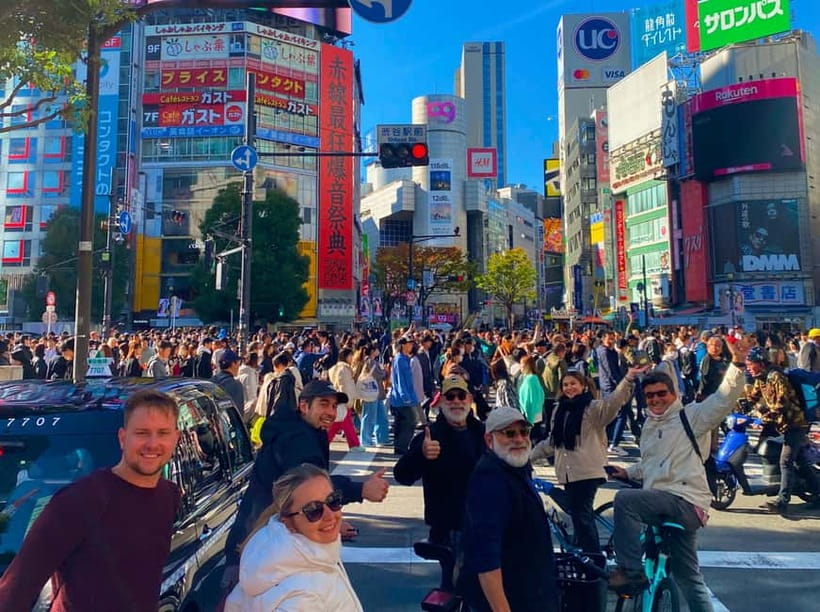
The last major photo moment is Shibuya Crossing, with a short visit and guided photo time. This is the big, iconic payoff. Even if you’ve seen it on video, standing near it in person feels different because of the sheer controlled chaos: signals, flows, and crowds moving like a system.
From there, the tour finishes at the Bell of Peace. That ending matters because it’s not just another “walk back to the station” situation. It gives you a clear finish point in the Shibuya area so you can continue your day on your own terms—food, shopping, or a next neighborhood.
Bikes, helmets, and safety: what’s really included
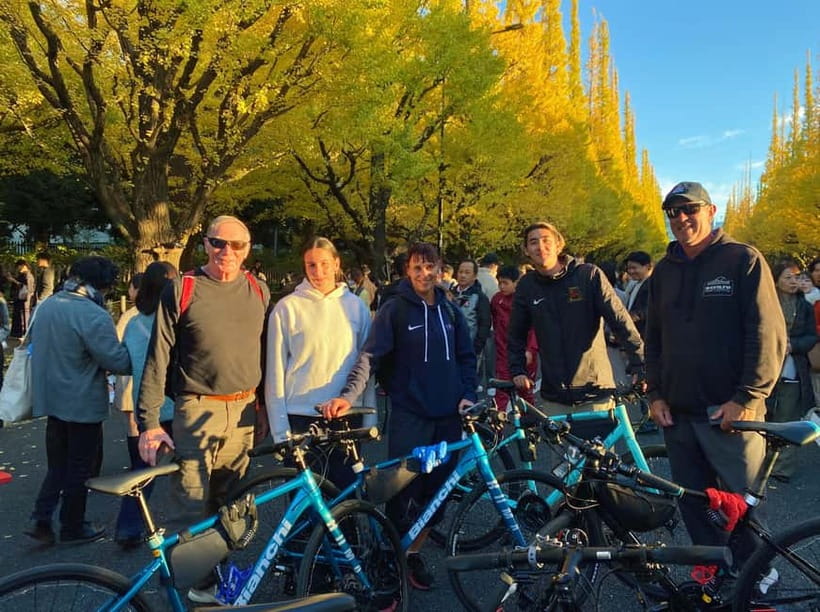
You get high-quality bicycles for the tour. The tour includes road bikes from Bianchi and Fuji plus cross bikes from Bianchi, along with an e-bike option.
In plain terms: a decent bike changes the experience. You’ll feel less beat up from the ride, and turning and control feel steadier. Multiple riders praised the quality of the bikes because it made the cycling easier around traffic.
Helmets are not included, but they’re available on site for ¥1,000 per unit in cash. If you’re even slightly unsure about whether you’ll want one, plan to bring cash just in case.
Who should pick the e-bike
If you don’t cycle often, or you don’t want to spend the full 3 hours building stamina, the e-bike option is the smart match. The tour is designed for all skill levels, but the e-bike reduces the stress part—so you can focus on the scenery and stories instead of your legs.
Who should skip this ride
This tour is not suitable for children under 12, pregnant women, people with back problems, or anyone who can’t ride a bike. That’s not a small note; it’s the difference between an enjoyable ride and a miserable one.
Value check: is $60 a fair deal?
At $60 per person for a 3-hour guided ride, you’re paying for three things you can’t easily replace on your own: a guide who can explain what you’re seeing, a bike you don’t have to rent separately, and a route that connects multiple areas without wasting time.
Here’s what’s included:
- English-speaking local guide
- Bikes (Bianchi/Fuji options, plus e-bike option)
- Local insights and stories
- Mini pouch on the bike for phone/wallet/keys
- Bike insurance
What’s not included:
- Helmets (+¥1,000/unit if you want one)
- Child seat (+¥3,000/unit)
For most visitors, the value comes from time saved. You’re covering a lot of ground in a short window with the bike doing the heavy lifting. If you only have a day or two in Tokyo and you want meaningful highlights without spending hours navigating, this is a strong use of your time.
Practical tips so the ride stays fun
Bring:
- Comfortable shoes
- Water
- Comfortable clothes you can move in
Plan around:
- Photo-stop pacing means quick grabs, short guided explanations, and brief visits—not long walks.
- You’re riding in real urban conditions, so keep your attention on the guide and the bike lane flow.
- No smoking, alcohol and drugs, or littering.
One more helpful idea: treat the tour as your map and your mood setter. After a ride like this, you’ll know which neighborhood you want to return to on foot—and which landmarks you’re satisfied seeing once.
Should you book this Tokyo bike tour of city highlights?
Book it if you want an efficient, guided way to see Tokyo’s key sights and some quieter street corners without burning a whole day on transit. The blend of landmark photo stops plus local neighborhood time is a great fit for first-timers, time-crunched visitors, and people who like getting around by bike.
Skip it if you need long, slow visits at each site, or if cycling for 3 hours would be stressful for your body. If you’re on the fence, choose the e-bike option—you’ll get the same route structure with less fatigue.
FAQ
How long is the Tokyo bike or e-bike tour?
The tour duration is 3 hours.
How much does the tour cost?
The price is $60 per person.
Where is the meeting point?
Meet around the statue of Commodore Perry. It’s about a 3-minute walk from Daimon Station (A6 exit).
Are there e-bikes available?
Yes. There’s an e-bike option, and you’re advised to select it if you’re not comfortable riding long distances or you don’t have much stamina.
What bikes are provided?
The tour offers high-quality road bikes from Bianchi and Fuji, plus high-quality cross bikes (Bianchi), depending on the option.
Are helmets included?
Helmets are not included. You can get them on place for +¥1,000 per unit in cash.
What’s included in the price?
It includes a friendly, knowledgeable English-speaking guide, the bikes (with an e-bike option), local insights and stories, a mini pouch on the bike, and bike insurance.
Who is this tour not suitable for?
It’s not suitable for children under 12, pregnant women, people with back problems, or anyone who can’t ride a bike.
What should I bring?
Bring comfortable shoes, water, and comfortable clothes.
If you can only choose one reason to go
If you want Tokyo in motion—palace-level stops, temple area energy, and Shibuya’s big moment—this bike tour is one of the most practical ways to do it in a half-day.