REVIEW · TOKYO
Tokyo: Imperial Palace with Nostalgic Alley Kagurazaka tour
Book on GetYourGuide →Operated by Japan Wonder Travel · Bookable on GetYourGuide
Imperial history, then Kagurazaka alley snacks. I like how this tour moves fast and efficiently from Tokyo Station into the Imperial Palace area, and I love the way the guide connects what you’re seeing to Edo and the Tokugawa Shogunate. The main drawback to know up front: you won’t go into the inner palace, since it’s not open to the public.
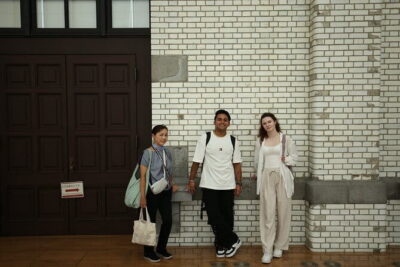
One big reason this works is the small group size (up to 8). That means questions don’t feel like an obstacle, and the guide can steer attention to what interests you most, like the hands-on, responsive style I’ve seen credited to guides such as Shuntaro and Hiro.
You’ll start at Shin-Marunouchi Building outside the cafe Stand T and finish at a FamilyMart in Kagurazaka 3-chome. Expect about 3.5 hours of walking with photo stops, a proper break with coffee or tea, and time in quieter side streets.
In This Review
- Key highlights worth caring about
- From Shin-Marunouchi to Tokyo Station: where the day starts moving
- Quick tip for you
- Imperial Palace grounds without the inner palace: what you actually get
- A fair expectation check
- Ninomaru Garden and the Edo Castle ruins: walking the Shogun world
- Nippon Budokan and Tokyo Daijingu: power and faith in the same neighborhood
- Remains of Ushigome Gate: the day’s “small details that matter”
- Kagurazaka: Geisya Komichi, Hyogo Yokocho, and Kakurenbo Yokocho
- About the snack-alley idea
- Aomi Coffee Kudanshita break: coffee or tea that resets the body
- Photo stops that help you understand, not just photograph
- Value and who should book this Tokyo Imperial Palace and Kagurazaka walk
- Considerations before you go
- Best match
- Should you book this tour?
- FAQ
- Does this tour include entry into the inner Imperial Palace?
- Is there an English-speaking guide?
- How big is the group?
- What’s included with the snack and drinks?
- Where do I meet the tour?
- Where does the tour end?
- What should I bring or avoid?
Key highlights worth caring about
- Imperial Palace area, efficiently paced: big landmarks plus context without wasting time.
- Edo Castle scale you can feel on foot: outer grounds, gates, gardens, and ruins tied to Shogun rule.
- Kagurazaka after the main sights: the area’s old red-light district past explained in plain language.
- A shrine stop focused on love and relationships: a cultural pause that changes the mood.
- Small-group guide Q&A: guides like Shuntaro and Hiro are known for answering questions and adapting.
- Snack + coffee/tea break: a real reset point, not just a quick stop.
From Shin-Marunouchi to Tokyo Station: where the day starts moving
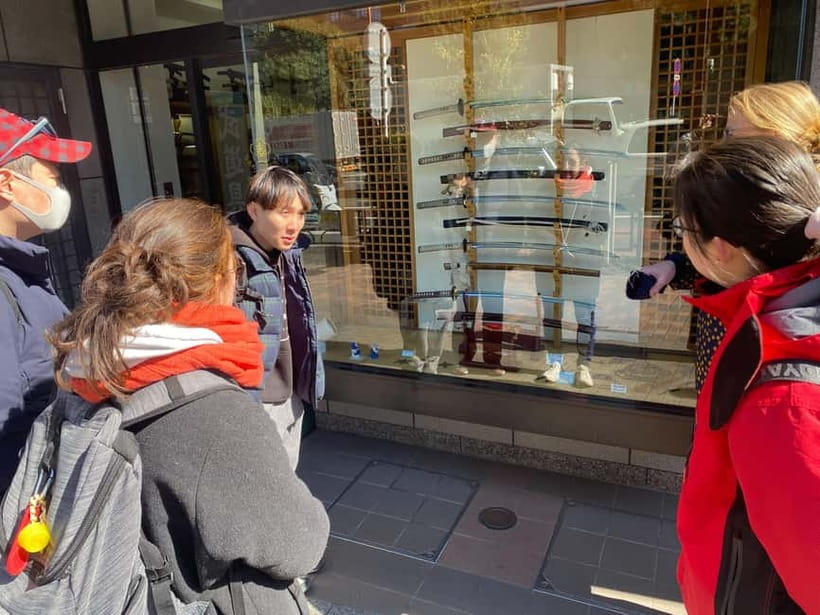
The meeting point is outside Shin-Marunouchi Building, in front of Stand T (look for the BEAMS sign on the second floor). From there, you walk toward Tokyo Station and the Imperial Palace area, and the whole tour is built around getting your bearings quickly. In Tokyo, that matters. If you wander solo, you can spend more time crossing roads and figuring out routes than learning what you’re looking at.
The first stop is Tokyo Station itself: a short photo moment plus guided context (about 10 minutes). It’s a smart warm-up. You’re not just grabbing a picture of a famous building—you’re learning how to read the layout of this part of the city before you move into the palace grounds.
Then it’s on to the Imperial Palace area, where the group follows a route designed to hit major points while keeping momentum. I like tours that don’t treat walking like punishment. Here, the pace is purposeful: you’re always told what you’re seeing and why it matters before you’re asked to look.
You can also read our reviews of more tours and experiences in Tokyo.



Quick tip for you
Bring comfortable shoes and plan for streets that can be crowded near major landmarks. Even with small-group size, you’ll still be on public sidewalks and in public spaces.
Imperial Palace grounds without the inner palace: what you actually get
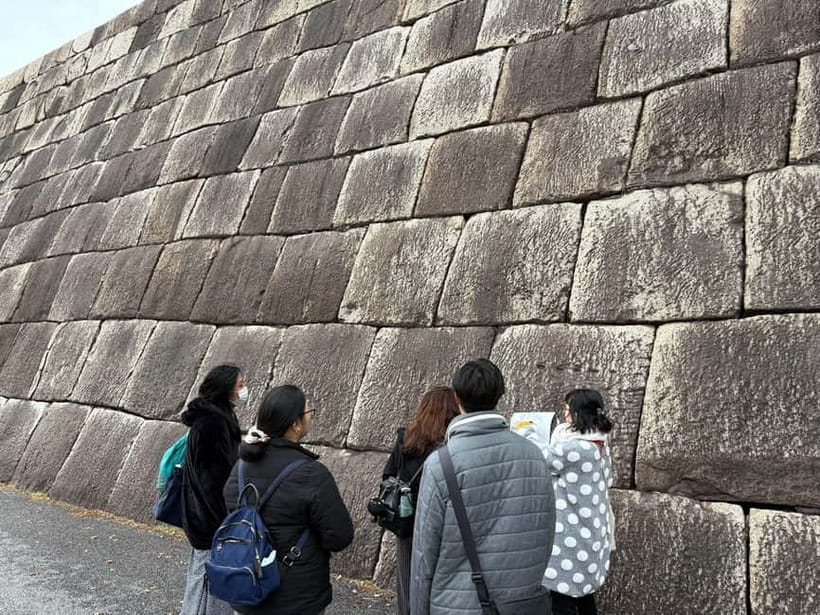
This tour spends about one hour at the Imperial Palace area. Important detail: you do not enter the inner palace. That can sound like a letdown until you realize what makes this day valuable—the focus is on the outer grounds and the surrounding history.
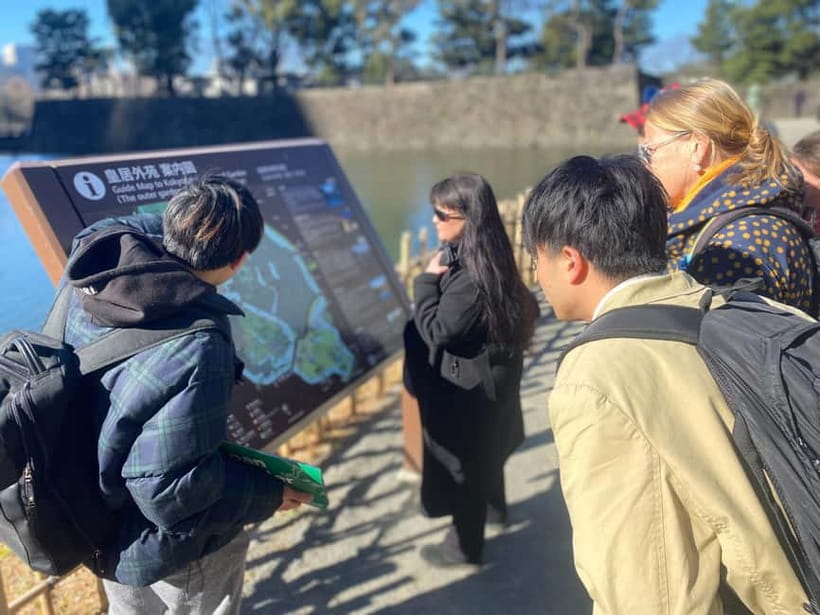
You’ll see key sections such as the Ote-Mon Gate (with a photo stop) and Ninomaru Garden (also with guided photo time). These stops help you connect three things that are easy to miss if you’re sightseeing alone: the palace’s relationship to Edo Castle, the role of gates and walls in power, and the way gardens were part of court life, not just decoration.
The guide’s job here is to translate big, abstract history into something physical. When you’re standing near a wall, it hits differently if you’re told it’s part of what once supported a political center. That’s the “walkable history” theme of the day: you’re not reading dates—you’re looking at structure and scale.
A fair expectation check
If your dream is to see the inner palace interiors, this won’t be the tour for that. But if you want to understand how the Tokugawa Shogunate’s world shaped Tokyo’s layout and boundaries, this route gives you a strong foundation.
Ninomaru Garden and the Edo Castle ruins: walking the Shogun world
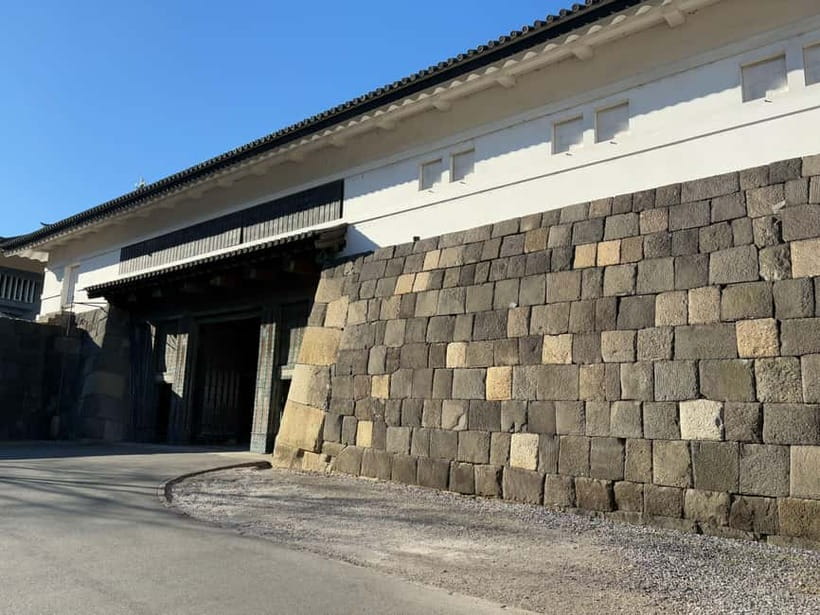
One of the most useful parts of the day is where the tour shifts from palace beauty into Edo Castle ruins and the sense of how enormous the former stronghold once was. You’ll spend time at the Edo Castle ruins with guided stops and photo moments.
This is where I think the tour earns its price. Tokyo can feel like a city built on top of older layers you can’t easily access. Here, you’re guided to places that link the present-day landscape to the political and cultural center of the Tokugawa era. You’ll hear explanations of how this area functioned during the Shogunate, and you get prompted to actually notice scale—especially things like walls, gates, and garden borders.
Even if you’ve read about Edo Castle before, it’s still hard to picture the size. On foot, with a guide pointing out what used to connect to the broader grounds, the story becomes much more believable.
And because this is done as part of a route (not one long lecture), you stay oriented. You’re moving from landmark to landmark, and each step answers the question: how does this piece fit into the bigger Edo system?



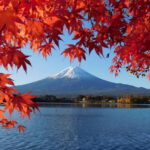
Nippon Budokan and Tokyo Daijingu: power and faith in the same neighborhood

After the palace-and-ruins core, the day keeps its momentum with two stops that feel different but still belong to the same story.
First is Nippon Budokan, where the tour keeps it brief (about 5 minutes) with a photo stop and guided context. It’s a quick moment, but it helps you understand how modern Tokyo uses the space around major institutions.
Then you head to Tokyo Daijingū for about 20 minutes of guided time. This is a strong contrast: you move from the political symbolism of gates and walls into the spiritual world of a major shrine space. The guide’s explanations connect the setting to why people built and returned to these places, and the tour includes a later shrine visit focused on love and relationships.
If you like travel days that vary the mood—history, architecture, then a spiritual pause—this pacing is a plus.
Remains of Ushigome Gate: the day’s “small details that matter”
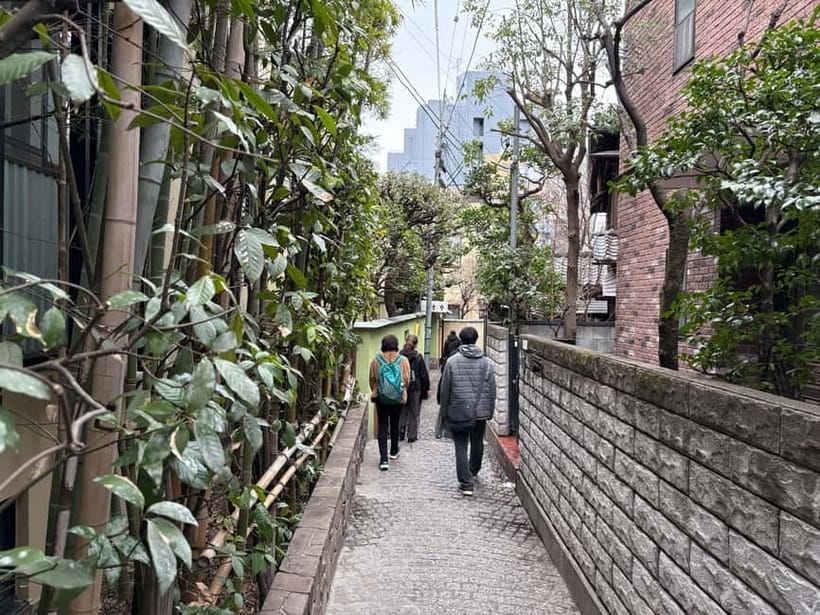
Next comes the Remains of Ushigome Gate. Even though the time isn’t listed as long, this stop often lands well because gate remains are the kind of thing your brain might otherwise skip. If you’re walking fast without context, you might see stones, markings, or an area boundary and think it’s just another old structure.
With a guide, it becomes evidence. A gate isn’t random. Gates controlled movement and access. That means they’re tied to how the Edo Castle grounds operated and how authority was expressed through physical design.
This is also the point where you start building a mental map for the later Kagurazaka section. You’re moving from palace-era boundaries toward neighborhood streets that feel far more everyday—tea houses, local shops, and narrow alleys.
So even when the stop feels short, it sets you up for the next shift in the tour.
Kagurazaka: Geisya Komichi, Hyogo Yokocho, and Kakurenbo Yokocho
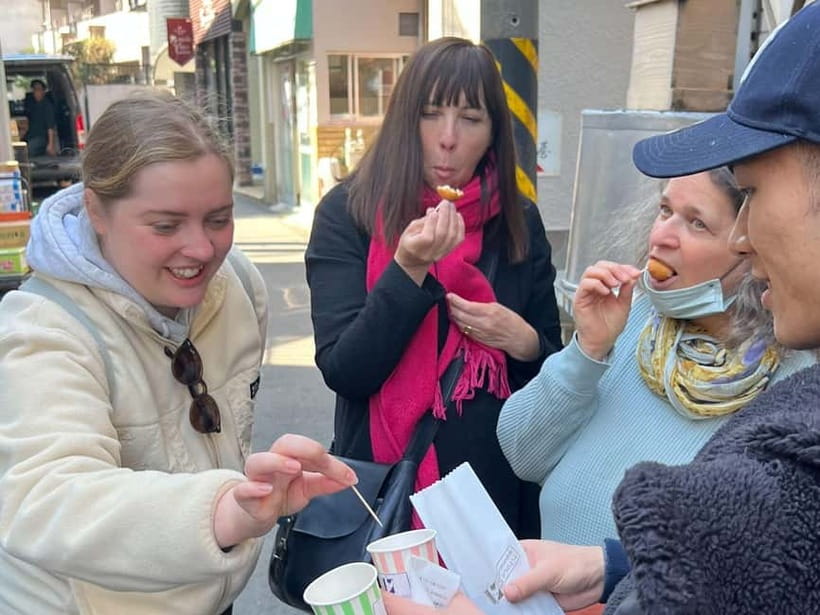
Then it’s off to Kagurazaka, the neighborhood that gives this tour its distinctive ending.
The big story is that Kagurazaka used to be a red light district about 200 years ago. At that time, there were tea houses where the Maiko and Geisha performed. Today, the streets hold local shops and traditional-style restaurants, and the area’s atmosphere is the kind of Tokyo you don’t always get if you only hit the headline districts.
You’ll pass through a trio of alley settings with photo stops and guided storytelling:
- Geisya Komichi Alley
- Hyogo Yokocho Alley
- かくれんぼ横丁 (Kakurenbo Yokocho)
Why I like this part: it turns history into atmosphere. The alleys are narrow, the storefronts feel small-scale, and the guide gives you the background so you know what you’re looking at rather than just walking through for pictures.
And because there’s a shrine stop tied to a love-and-relationships theme before the alley snack time, the day has an emotional arc. It’s not just “see monuments.” It moves from power (Edo Castle) to people and everyday life (Kagurazaka), with spirituality woven in.
About the snack-alley idea
This tour includes a stop at a hidden alley area where you can enjoy culture, snacks, and history in places that are typically less crowded than the top tourist magnets. The exact shop can vary based on what’s open, but the intention stays the same: you’re trying local flavors in the right setting.
Aomi Coffee Kudanshita break: coffee or tea that resets the body
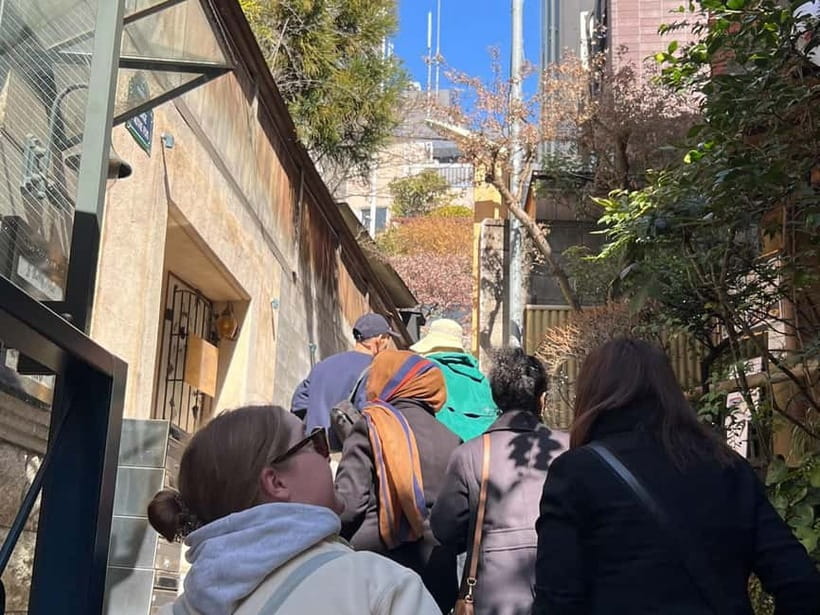
Midway through the route you get a longer break: Aomi Coffee Kudanshita for about 25 minutes. This is a good design choice for an afternoon walking tour. You’re not rushed, and you’re not forced to buy a drink at a specific point and then immediately get herded back outside.
At this stop you’ll get coffee or tea as part of the experience. You also use this time to refill water, check your feet, and plan how you’ll handle the last stretch of narrow alley walking.
If you’re sensitive to weather, this break helps. In Tokyo, conditions can change quickly, and having a predictable pause makes the rest of the day feel less stressful.
Photo stops that help you understand, not just photograph
This tour includes multiple photo moments, and they’re not random. The Ote-Mon Gate and Ninomaru Garden photo stops, plus the Edo Castle ruins and several alley stops, all tie back to one goal: help you look with intention.
Here’s how you can get the most out of it:
- At each gate or wall area, take a moment and notice what the guide says about access and boundaries. That context helps you frame the shot.
- At the garden areas, aim to capture the shape and edges rather than only one pretty view. Gardens are layout-driven.
- In the alleys, focus on signs, storefront textures, and perspective down the lane. Those narrow views are where Kagurazaka’s story becomes visual.
Also, with small-group size, you’re less likely to end up stuck far away from the front of a crowd. That’s a practical advantage when you want photos without stress.
Value and who should book this Tokyo Imperial Palace and Kagurazaka walk
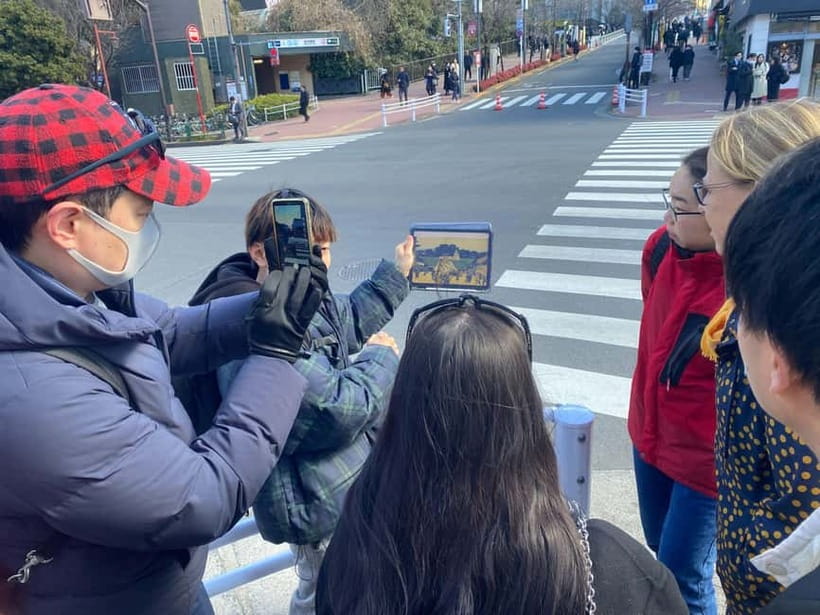
At $51 per person for about 210 minutes, this is a solid value when you consider what’s included: a live English guide, snack, and coffee or tea, plus structured time at major Imperial Palace area highlights and the Edo Castle ruins. You’re paying for route planning and explanation—two things that are hard to replicate quickly on your own in Tokyo.
The biggest value driver is the guide’s role in turning “famous places” into a connected story. In the style credited to guides like Shuntaro and Hiro, the common thread is that they answer questions and adapt to what you care about. That makes a small-group tour feel less like a script and more like you’re traveling with someone who cares.
Considerations before you go
- You won’t enter the inner palace.
- It’s a walking tour with multiple photo stops, so you’ll want comfortable shoes and patience for pedestrian flow.
- It’s not suitable for pregnant women, based on the tour’s listed guidance.
Best match
You’ll likely enjoy this if you:
- Want Imperial Tokyo history tied to Edo and Shogun rule
- Like quieter side streets and smaller alley atmospheres
- Prefer a guided route that keeps you oriented through a dense part of the city
- Don’t need to go inside restricted interiors to feel satisfied
Should you book this tour?
I’d book it if you want a day that starts with the Imperial Palace area and Edo Castle connections, then finishes in Kagurazaka’s side streets with a snack and a story you can actually picture. The route is efficient, the group size keeps it friendly, and the guide explanations are the difference between seeing landmarks and understanding what you’re seeing.
Skip it if the inner palace is your number one goal, or if you’re looking for a very slow, minimalist walk with lots of free time. This tour is for people who want a planned path, clear context, and a strong “history to street life” payoff.
FAQ
Does this tour include entry into the inner Imperial Palace?
No. The inner palace is not included because it is not open to the public.
Is there an English-speaking guide?
Yes, the tour has a live guide in English.
How big is the group?
The tour is limited to a small group of up to 8 participants.
What’s included with the snack and drinks?
You’ll get a snack plus coffee or tea for a short break.
Where do I meet the tour?
Meet outside Shin-Marunouchi Building in front of Stand T (look for the BEAMS sign on the second floor). Marunouchi Central Exit of Tokyo Station is the closest exit, and it’s a short walk.
Where does the tour end?
The tour finishes at FamilyMart Kagurazaka 3-chome store.
What should I bring or avoid?
Bring comfortable shoes and comfortable clothes. Smoking, drones, alcohol and drugs, and weapons or sharp objects are not allowed.