REVIEW · TOKYO
Tokyo: KABUKI, BUNRAKU, etc. presented by National Theatre
Book on GetYourGuide →Operated by National Theatre, Japan · Bookable on GetYourGuide
Silence helps these classics land with force. You’ll watch Kabuki, Bunraku, and traditional music style performances by top-level artists, presented with English support and without the modern, speaker-blasting feeling.
I love that you get English audio guidance for Kabuki and Bunraku, and it’s designed to support the big picture without drowning out the actors and voices. I also love the Hogaku touch: a free English explanation sheet so you can follow the musical meaning as it unfolds.
The main drawback to consider is translation limits: the English audio is an overview, not a word-for-word guide. If you want every line explained like a subtitle, you may feel a few nuances slip away—and the pace can feel long for some.
In This Review
- Key things to know before you go
- Why this National Theatre-style program feels authentic
- Plan on KAAT Kanagawa Arts Theatre in Yokohama (not Hanzomon)
- Kabuki: story, music, and an English guide that doesn’t fight the performance
- Bunraku: puppet theater where voice and shamisen do the heavy lifting
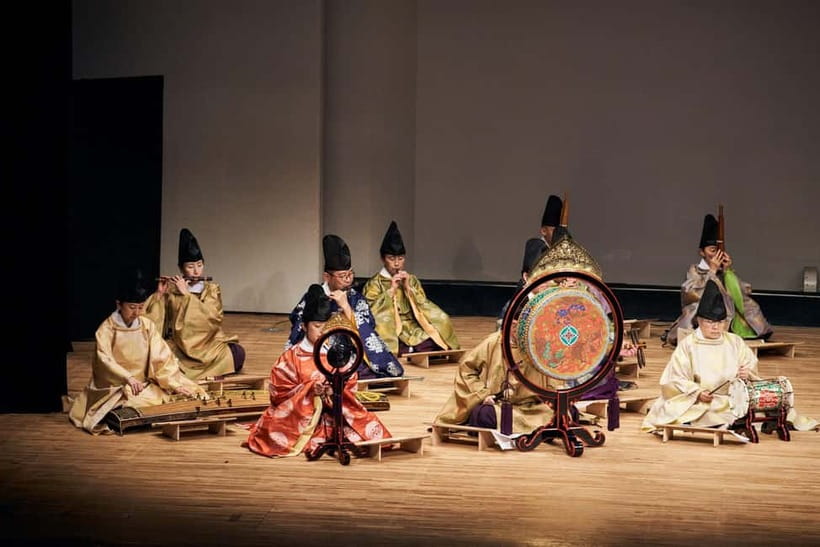
- Hogaku concert: snow-themed melodies and an easy way to follow the meaning
- Price and value: why $37 can be a bargain if you care about real craft
- Etiquette rules that keep the show comfortable
- How long to expect and how to pace your evening
- Who this is best for (and who should reconsider)
- Should you book this National Theatre Japan performance?
- FAQ
- Where is the performance held?
- Which station should I use to get to KAAT?
- Is the English audio guide included?
- Is the audio guide a full translation of the dialogue?
- How long is the show?
- What performances are included?
- Are photos or video recording allowed inside the theatre?
- Is the venue wheelchair accessible?
- What is the cancellation policy and reserve option?
Key things to know before you go
- Yokohama venue (KAAT Kanagawa Arts Theatre): not the National Theatre in Hanzomon, so double-check directions.
- English audio for Kabuki & Bunraku: helpful context, but not a literal translation of every dialogue beat.
- Hogaku includes a free English sheet: useful for understanding the music themes, including snow imagery.
- No recording, no photos, no noise: the room is built for focus on voice, movement, and sound.
- Program varies by date: your exact mix of Kabuki/Bunraku/Hogaku comes from the option title.
Why this National Theatre-style program feels authentic
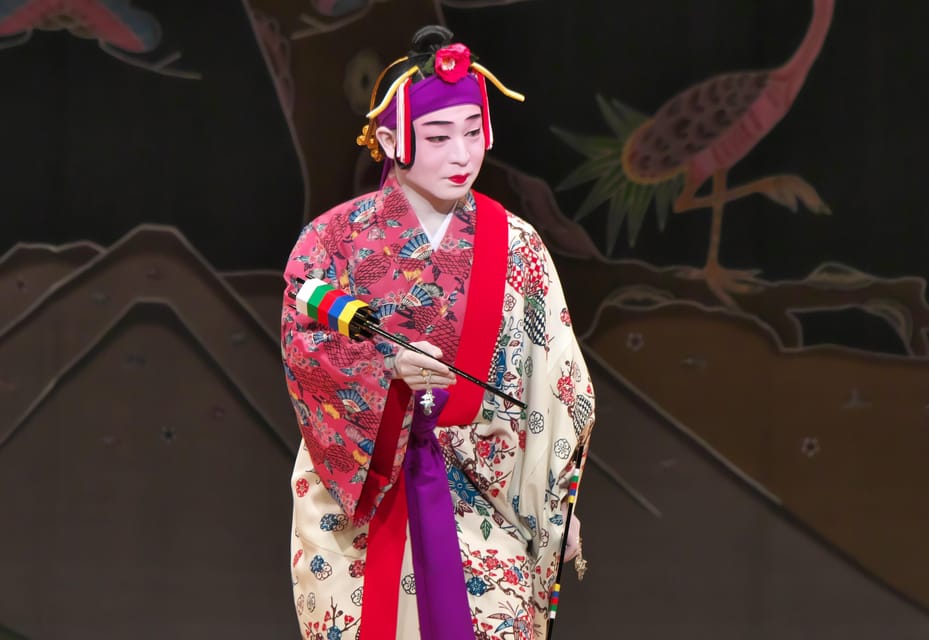
Japanese classical performing arts are older than most modern theater traditions you’ll compare them to. What makes this program special is how it treats those traditions like living craft, not a museum exhibit. The performers come from lineages that have carried the forms for generations, and you can feel the discipline in the way voice, music, and movement lock together.
One of the best parts is the sound setup. This show is presented in a way that doesn’t rely on loud speakers dominating the room. That matters more than it sounds. When the voices, music, and performance space balance naturally, you notice details you’d otherwise miss—like the rhythm of phrasing, timing in movement, and how shamisen textures shape the mood.
And you’re not left totally in the dark. For Kabuki and Bunraku, the program includes an English audio guide. For Hogaku, you get a free English explanation sheet. Together, they give you enough context to follow what’s happening without turning the performance into a classroom.
You can also read our reviews of more tours and experiences in Tokyo.



Plan on KAAT Kanagawa Arts Theatre in Yokohama (not Hanzomon)
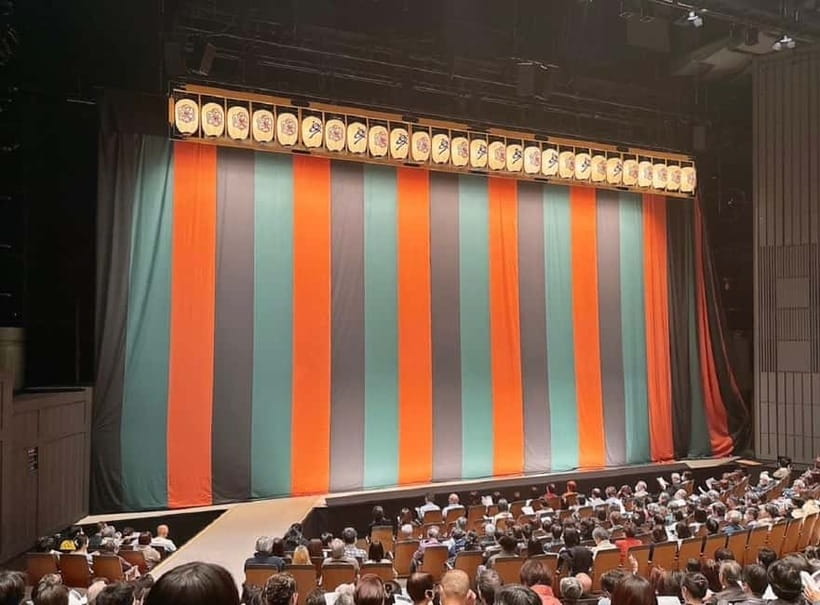
Here’s the one “gotcha” you should respect: this event is linked with National Theatre Japan, but the performance venue is not the National Theatre building in Hanzomon. The location changes by date, and in this case it’s in Yokohama.
The specific venue listed for this ticket is KAAT Kanagawa Arts Theatre. Get your bearings near Minatomirai Line stops:
- Nihon-ōdōri Station (MM05): about 5 minutes walk from Exit 3 or 4
- Motomachi-Chukagai Station (MM06): about 8 minutes walk from Exit 1
From Shibuya Station, the ride takes about 45 minutes when you go via the Minatomirai Line connection toward Motomachi-Chukagai.
Ticket pickup is also part of the real-world experience. You’ll exchange your GetYourGuide ticket for the theatre’s ticket at the entrance on the day of the performance. Staff will ask for the name on the reservation, so have that handy.
This whole setup is manageable, but it’s the kind of thing that’s annoying if you show up thinking you’re heading to the National Theatre in central Tokyo. Set a reminder, check the station name, and you’ll be fine.
Kabuki: story, music, and an English guide that doesn’t fight the performance
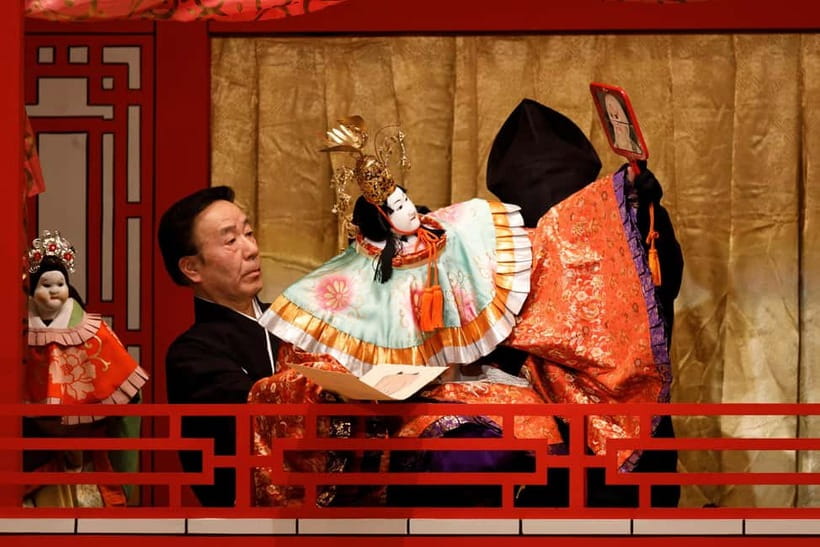
On a Kabuki night, the big idea is drama told through music and dance. Kabuki is known for bold staging, expressive acting, and stories that move fast once you understand the rhythm of the scene. Over hundreds of years, the form has absorbed trends from different eras—so it’s traditional, but not frozen.
The key practical advantage here is the English audio guide. It doesn’t aim to replace the performance. Instead, it provides an overview of major points so you can track story turns while still listening to the actors’ voices and the musical phrasing. That balance is crucial. If the guide tried to be a line-by-line translation, it could disrupt your attention and make you miss the theatrical effects Kabuki is built on.
What you’ll likely notice first is how much Kabuki communicates without relying on realistic naturalism. Costumes, gestures, and stylized movements do real narrative work. The English audio helps you catch those shifts. It’s not subtitles, but it’s enough to tell you what scene you’re in and why it matters.
A consideration: if you love theater because you want every lyric and every dialogue nuance explained, this format may feel limited. The guide is built for enjoyment, not literal translation. If you want more context before you sit down, it’s smart to read a short background piece on Kabuki basics ahead of time.
Bunraku: puppet theater where voice and shamisen do the heavy lifting
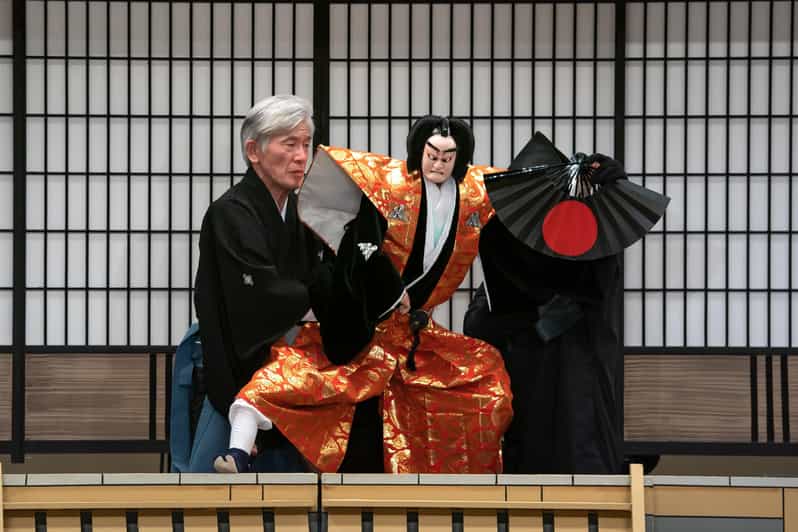
Bunraku is one of Japan’s signature adult theater traditions, famous for its sophisticated puppetry and the tight coordination between three elements:
- a narrator (with powerful recitation),
- shamisen music,
- puppeteers who move with precision.
The effect isn’t just visual. It’s audio-led drama. The narrator projects with full voice, the shamisen shapes the emotional temperature, and the puppets become believable because everything is timed.
If you’re coming in without Japanese, you’ll appreciate that the English audio guide is included for Bunraku too. Like Kabuki, it gives you an overview rather than a literal translation. But that’s often the sweet spot for Bunraku. The art form depends on tone, pacing, and performance energy. When you focus on those, the English context keeps you oriented.
What makes Bunraku so memorable is the blend of strength and delicacy. The puppets can move with intensity, then shift into subtle motions that feel almost impossibly controlled. If you pay attention to the narrator and shamisen cues, the story usually comes into focus even when the language isn’t in your ear.
Hogaku concert: snow-themed melodies and an easy way to follow the meaning
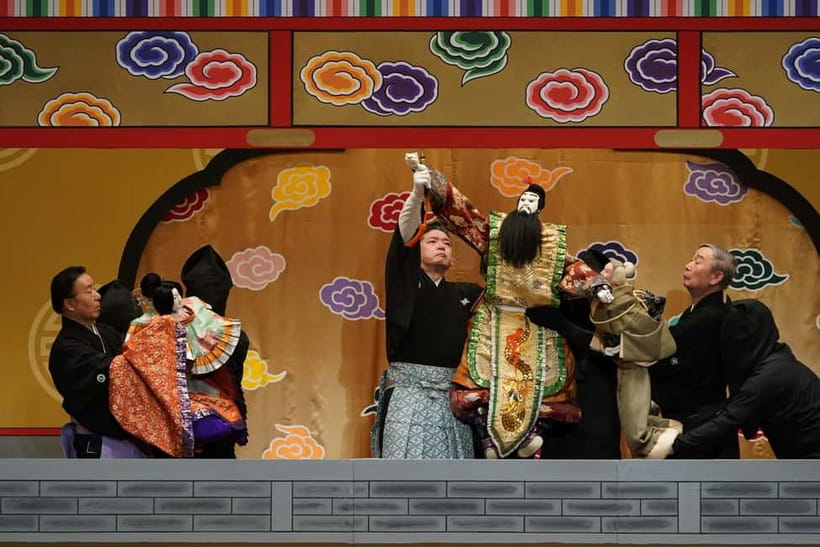
Hogaku is traditional Japanese music, and the program spotlight in your activity emphasizes melodies that symbolize snow—especially a piece referenced as Yuki no Aikata. The term points to a long shamisen interlude in the Jiuta “Yuki” (Snow), and it shows up in songs where falling snow becomes a musical idea.
This part of the experience works best when you treat it like listening, not decoding. You’re following expressive elements—how the melody changes, how the interlude works like a narrative pause, and how the music suggests atmosphere.
The nice support here is practical: Hogaku includes a free English explanation sheet. That helps you connect what you’re hearing to the theme. It also reduces the mental load during quiet sections. You won’t be trying to translate every sound—you’ll be able to appreciate what the music is doing.
If you’re used to story-driven theater, music-focused segments can feel slower. That’s normal. Hogaku asks you to slow your own attention down so the sound details can land.


Price and value: why $37 can be a bargain if you care about real craft
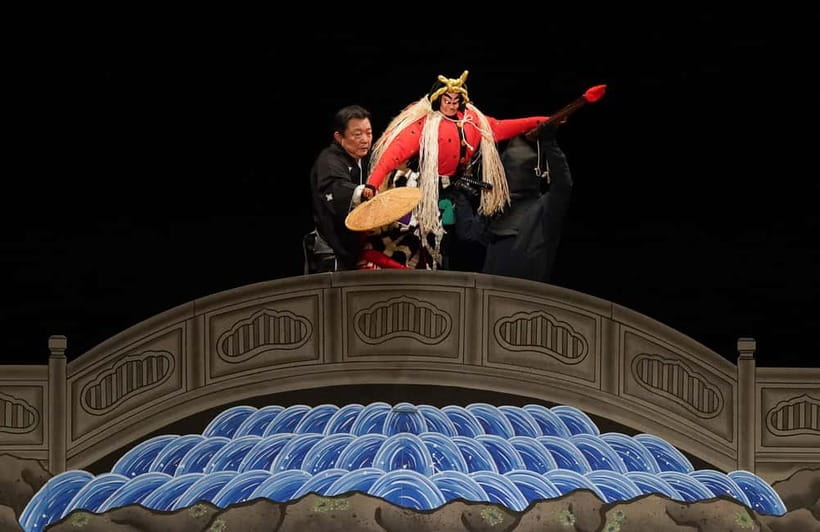
At $37 per person, this program can feel like good value, mainly because of what’s included. You’re paying for theatre tickets plus English support tailored to the specific performances:
- English audio for Kabuki & Bunraku
- a free English explanation sheet for Hogaku
The other value factor is performer quality. The show is presented under a National Theatre Japan framework and positioned as a Hall of Fame–style support for classical performing arts since its opening in 1965. Even if you don’t know the institutional background, you’ll feel the professionalism in the execution.
Duration runs from 75 minutes up to 3 hours, depending on the exact program and date. That time includes the natural rhythm of stage craft: scene pacing, musical transitions, and breaks between segments. If you’re only in Tokyo for a few days and you need maximum sightseeing per day, it can also feel like a chunk of time. Think of it like a dedicated cultural appointment, not a quick evening stop.
Etiquette rules that keep the show comfortable
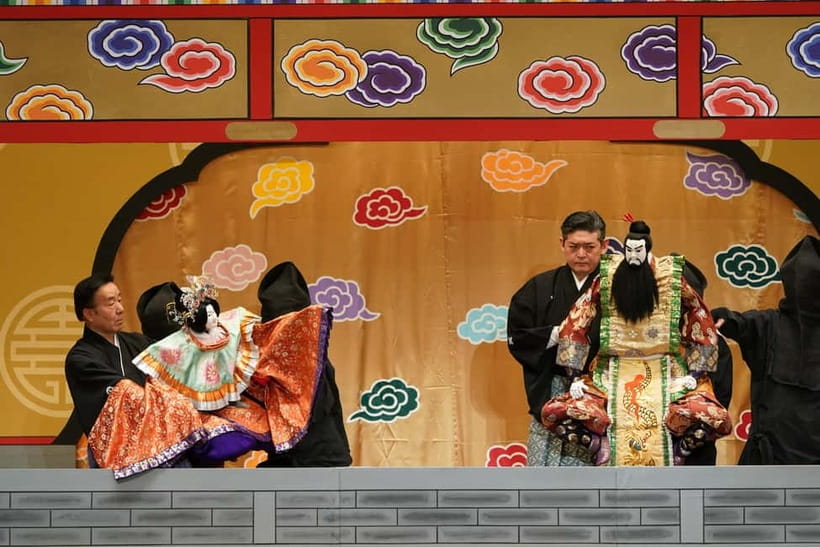
This is one of those nights where the room behavior genuinely affects the experience. The rules are straightforward:
- No smoking
- No pets (assistance dogs allowed)
- No alcohol or drugs
- No video recording
- No photography inside
- No making noise
- No audio recording
On top of the official rules, I’d add a common-sense approach: arrive with a plan for how you’ll handle sound during transitions. The performance relies on voices and musical textures, so anything that interrupts—phone calls, whispering over actors, late arrivals—will be more noticeable here than in some mainstream venues.
Also know that seating positions are assigned by the theatre, and they’ll place you according to their plan.
If you’re bringing a wheelchair, the venue is listed as wheelchair accessible. Still, contact the team as soon as possible so they can provide wheelchair-accessible seating.
How long to expect and how to pace your evening
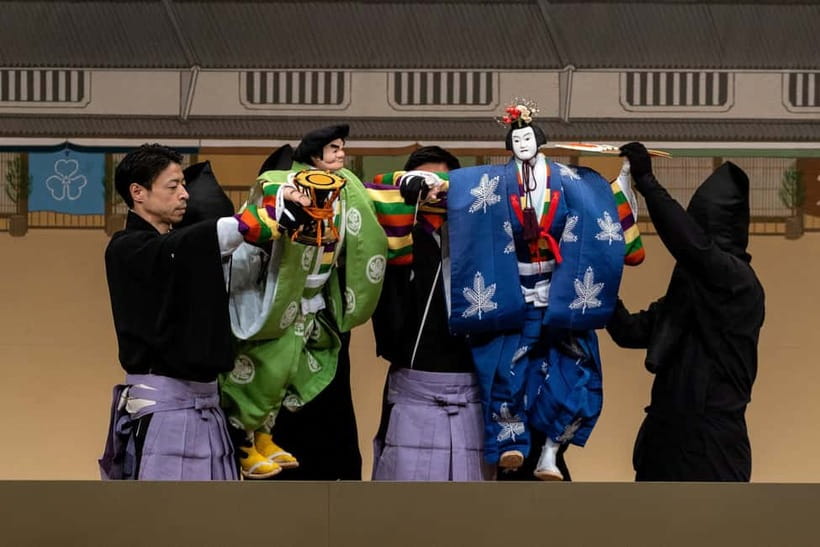
With 75 minutes to 3 hours, you’ll want to protect your schedule. Plan dinner before or after, not during the main run. Breaks happen, but you shouldn’t treat this like a flexible stop where you can pop in and out easily.
One useful mindset: treat the English guidance as a navigation tool, not as your primary focus. If you try to listen to every word in the audio while also watching everything on stage, you’ll fatigue fast. Instead, use the guide to track major story moves and emotional shifts.
A small mental adjustment can help. Many people find it takes a few minutes for their brain to balance listening to the performance while the English audio plays in the background. Once you settle, the show becomes easier to follow.
Who this is best for (and who should reconsider)
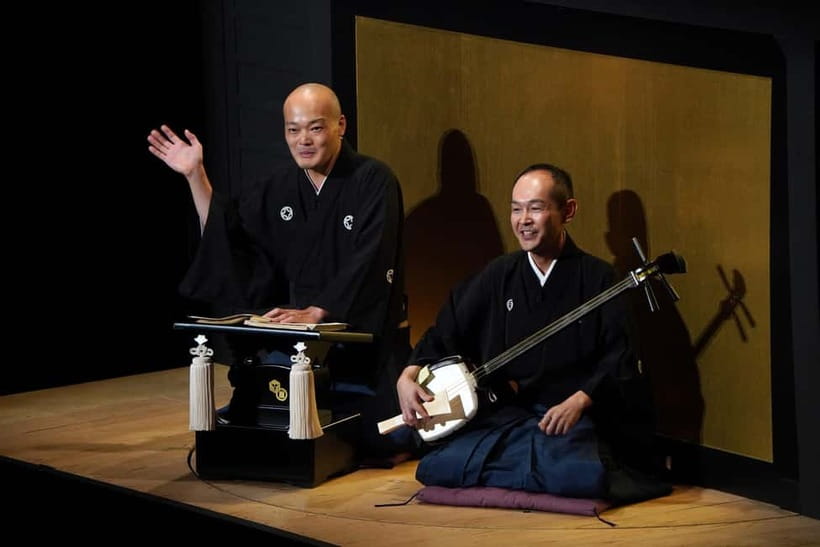
This program is a strong fit if you want:
- a rare chance to see major classical performing arts performed live in a theatre setting,
- an experience that respects the craft and isn’t watered down,
- English support that keeps you oriented without taking over the performance.
It’s also a good match if you enjoy learning through observation—watching how story is carried by movement, rhythm, and voice.
You might reconsider if:
- you need a literal, line-by-line translation to stay engaged,
- you get restless with slower segments,
- you’re trying to pack a very full itinerary and can’t spare an evening block.
Should you book this National Theatre Japan performance?
If you’re curious about Japanese culture beyond photos and quick museum stops, I think this is an easy “yes” for the right kind of traveler. You’re getting real theatre craft, professional performers, and English help built for enjoying the show—plus restrictions that protect the atmosphere.
Book it if you like the idea of seeing Kabuki and Bunraku with English audio support, or a Hogaku music program with an explanation sheet. Skip it if you’re chasing a fast, easy evening with minimal concentration.
Overall, at $37 for a multi-part classical performance experience with English guidance, this is the kind of ticket that can land as a standout evening in Japan.
FAQ
Where is the performance held?
The venue for this ticket is KAAT Kanagawa Arts Theatre in Yokohama.
Which station should I use to get to KAAT?
Use Nihon-ōdōri Station (MM05) for about a 5-minute walk, or Motomachi-Chukagai Station (MM06) for about an 8-minute walk.
Is the English audio guide included?
Yes. English audio guides are included for the Kabuki and Bunraku performances.
Is the audio guide a full translation of the dialogue?
No. The English audio provides an overview of the main points rather than a literal translation.
How long is the show?
The duration ranges from 75 minutes to 3 hours, depending on the starting time and the program.
What performances are included?
The content varies by date. The specific performances are listed in the option title, and the activity can include Kabuki, Bunraku, Hogaku, and related traditional arts.
Are photos or video recording allowed inside the theatre?
No. Photography inside and video recording are not allowed.
Is the venue wheelchair accessible?
Yes. The venue is listed as wheelchair accessible, and you should contact the team as soon as possible if you need wheelchair-accessible seating.
What is the cancellation policy and reserve option?
You can cancel up to 24 hours in advance for a full refund. You can also reserve and pay later.