REVIEW · KAMAKURA
Kamakura Tours Half Day or Full Day Tours with a local guide.
Book on Viator →Operated by Happy Travels Japan · Bookable on Viator
Kamakura feels like a quick time machine. This half-day or full-day style plan is built to help you see the highlights without getting stuck figuring out trains, routes, and temple timing on your own. I especially like that you get entrance fees included for key sites, so you can spend less time budgeting on the fly and more time actually looking.
Jack’s English and history explanations make the stops click fast, and I like the mix of temples plus Komachi Street for food and shopping. One drawback to consider: lunch and the optional kimono rental cost extra, and you’ll want decent walking stamina for an 8-hour day.
In This Review
- Key Highlights You’ll Care About
- Why This Kamakura Tour Works (Great Buddha to Shrine, Without the Headache)
- Price and What’s Actually Included in Your $70
- Meeting at Kamakura Station and How the Day Flows
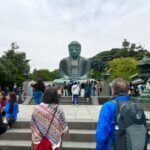
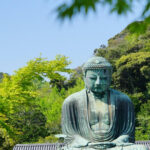
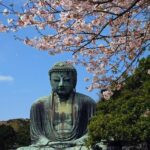
- Stop 1: Kotoku-in (Great Buddha) and the Snack/Souvenir Zone
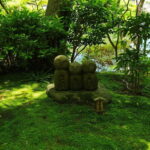
- Stop 2: Hase-dera Temple, Kannon, and Jizo in the Gardens
- Stop 3: Komachi Street for Food, Drinks, and Handmade Finds
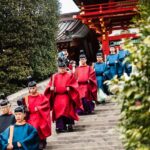
- Stop 4: Tsurugaoka Hachimangu Shrine, Kamakura’s Spiritual Core
- Stop 5: Optional Kimono Rental at Kamakura Imakoji
- The Best Parts of This Tour (Why People Recommend It)
- Who This Tour Fits Best
- A Quick Planning Checklist Before You Go
- Should You Book This Kamakura Tour?
- FAQ
- What’s the duration of this Kamakura tour?
- What’s included in the price?
- Does the tour include lunch?
- Is kimono rental included?
- Do I need my own transportation?
- What if the weather is bad or I need to cancel?
Key Highlights You’ll Care About
- A guide who handles the logistics so you spend less time navigating Kamakura and more time seeing it
- Entrance fees included for the main temple and shrine stops
- Great Buddha, Hase-dera gardens, and Tsurugaoka Hachimangu in one efficient day
- Komachi Street food-and-souvenir time built in, not tacked on at the end
- Optional kimono rental you can add during the tour (not included in the price)
- Small-group private tour feel with bottled water provided on hot days
Why This Kamakura Tour Works (Great Buddha to Shrine, Without the Headache)
Kamakura is one of those places where you can absolutely have fun DIY. But it’s also the kind of city where the “where do we go next” problem can eat hours. This tour’s main value is simple: a local guide helps you keep momentum while you hop between major sights.
I like the structure because it mixes big-ticket icons with calmer, more atmospheric time. You start with Kotoku-in (the Great Buddha), then move to Hase-dera, then hit Tsurugaoka Hachimangu, and you end with Komachi Street shopping and snacks. That rhythm matters. You won’t feel like you’re rushing through sacred space just to find a lunch spot.
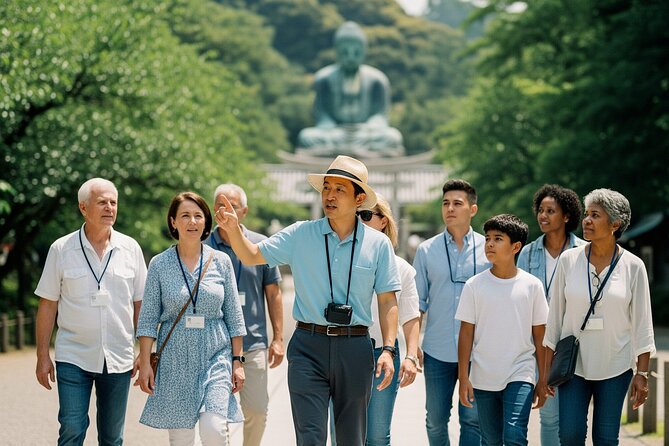
The guide approach is also a real plus. A private guide means you’re not stuck waiting for strangers to figure out tickets or the next train. The tour also leans on efficient public transportation rather than private vehicle driving, so you keep flexibility and reduce transit stress.
You can also read our reviews of more guided tours in Kamakura
Price and What’s Actually Included in Your $70
At $70 per person for a tour that runs about 8 hours, the value depends on what you’d otherwise pay on your own. Here, you’re not just paying for guiding. The price includes the guide fee and entrance fees for the temple and shrine sites that charge admission.
You also get bottled water during hot summer days. The tour says you can’t choose a drink like soda or alcohol, but having water handled is one less thing to think about in the heat.
What’s not included is where you can shape your day. Lunch is not provided (your guide can help point you to a local restaurant), and the optional kimono rental costs extra. Also, this isn’t described as a vehicle-guided tour—so you should expect walking plus trains/buses as needed.
For me, the fair way to judge the price is this: if you plan to visit the major sites anyway, included entrance fees and a guide who saves you from trial-and-error directions can make this feel like a smart day plan rather than an expensive add-on.
Meeting at Kamakura Station and How the Day Flows
You meet at Kamakura Station (1-chōme-1-15 Onarimachi), and the tour ends back at the same meeting point. That loop is handy because you don’t have to plan a separate return or find your way back late in the day.
The tour is described as walking mixed with efficient public transport. In plain terms, that means you’ll likely walk between nearby spots and then take transit between the bigger clusters of sights. The guide handles logistics, which is especially useful around Kamakura because crowds can thicken near major entrances and shopping streets.
There’s pickup offered, but the details aren’t fully spelled out here, so it’s worth checking what “pickup offered” means for your exact booking. If pickup isn’t available for your time slot, you’ll still be fine starting at the station.
Physical fitness is listed as moderate. You don’t need to be an athlete, but you should be ready for a full-day rhythm: temples, garden paths, and then a shopping street where you’ll likely wander without much sitting time.
Stop 1: Kotoku-in (Great Buddha) and the Snack/Souvenir Zone
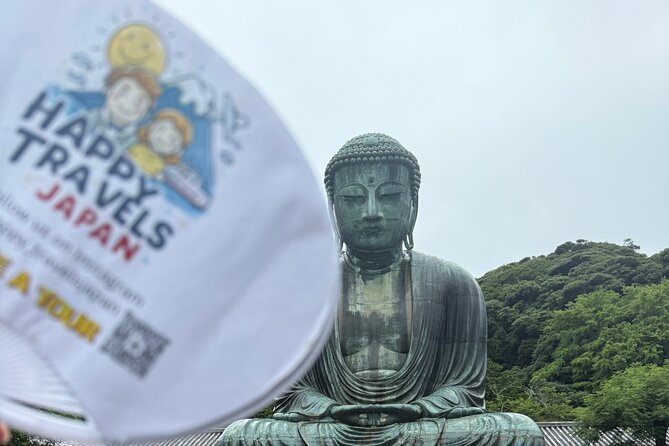
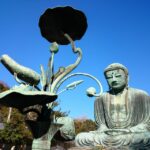
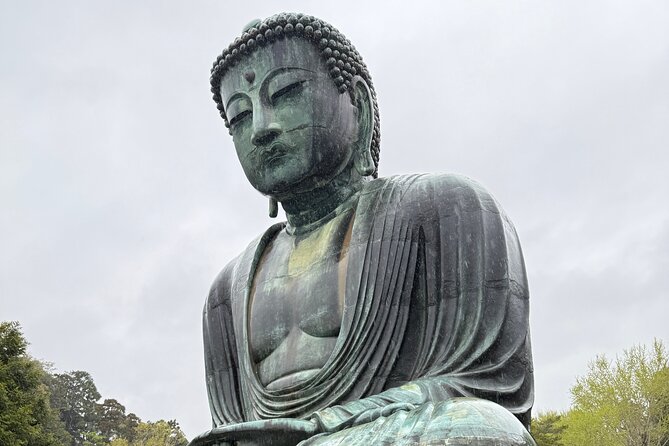
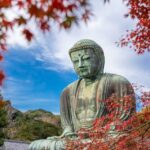
The day opens at Kotoku-in, home to the Great Buddha of Kamakura. You get about 45 minutes there, and the admission ticket is included.
This stop is the kind of place where even if you’ve seen photos, being there changes your sense of scale. The Great Buddha is visually simple—big bronze, strong presence—but that simplicity makes it powerful. Your guide can also help you understand what you’re looking at and how this site fits into Kamakura’s religious culture.
A practical tip: you’ll have time near the temple area for snacks and drinks. The tour suggests you try local treats in that zone, and it also leaves room to shop for Great Buddha souvenirs.
One consideration is time pressure. Forty-five minutes at a major site can feel short if you’re a slow photographer or you want long conversations. The guide’s job is to keep the stop moving so you don’t lose your place later in the day.
Stop 2: Hase-dera Temple, Kannon, and Jizo in the Gardens
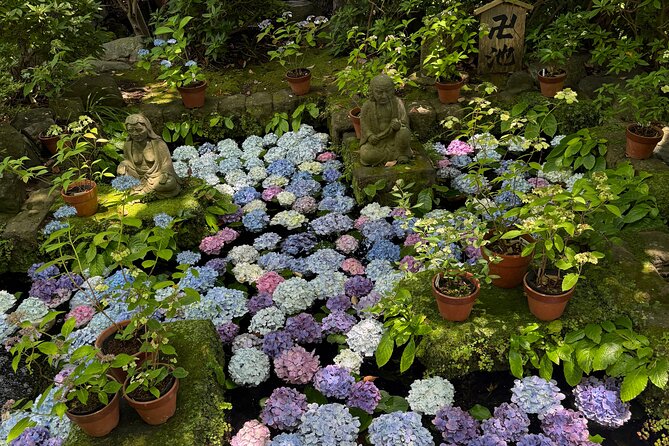
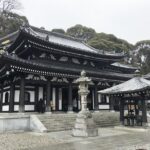
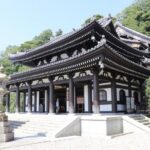
Next up is Hase-dera Temple, again with about 45 minutes and admission included.
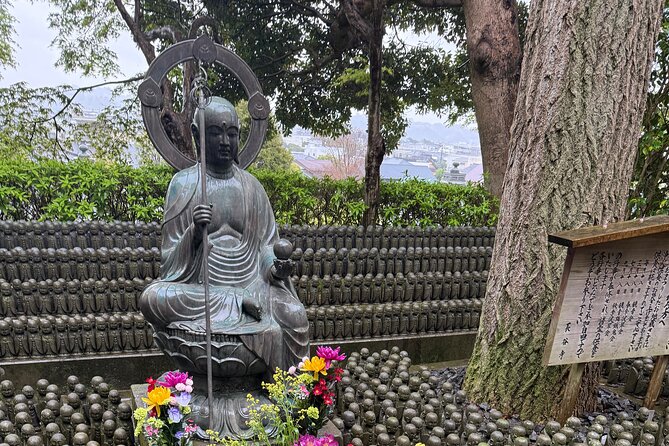
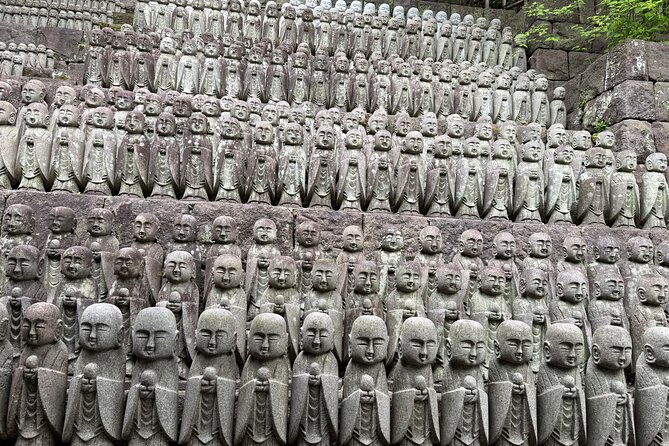
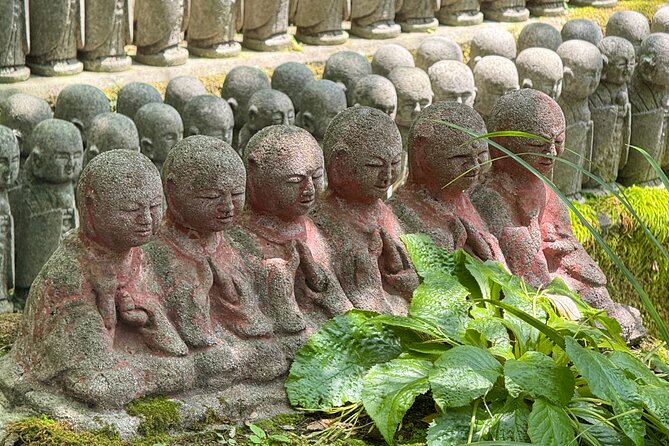
This stop has two sides that work well together: spiritual storytelling and a garden experience. The tour focuses on learning about the Buddhist goddess Kannon and the Jizo statues. If you want your visit to feel more meaningful than just sightseeing, this is where that happens. Your guide can connect the statues to the themes of compassion and protection that people associate with these figures.
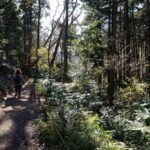
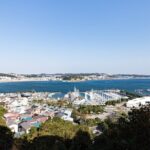
The broader description also points to stunning gardens and bay views, plus bamboo forest and Japanese garden tranquility. Hase-dera is the part of the day where you can slow down. Even if the rest of the schedule is structured, this stop gives you a calmer pace through paths, quiet corners, and scenic viewpoints.
The potential drawback is crowding. Temple gardens often get busy during peak hours, and you can’t control that. Still, a guide helps you find better angles and keep your timing from derailing the rest of your route.
You can also read our reviews of more tours and experiences in Kamakura

Stop 3: Komachi Street for Food, Drinks, and Handmade Finds
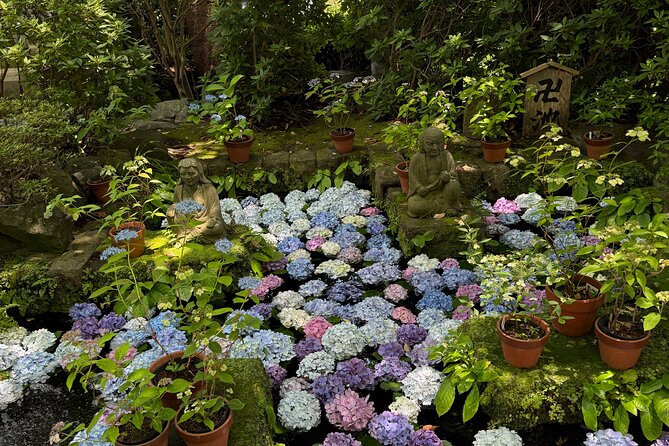
After temples, you shift to everyday Kamakura life with Komachi Street at Goro Kamakura Komachi Street Honten. This is the shopping stretch, and you’re given 1 hour 30 minutes here with admission free.
I like this stop because it’s not just retail. You can walk, eat, drink, and browse. Komachi Street is where you’ll find local snacks and souvenirs that feel tied to place rather than generic tourist merchandise.
This is also where you can make the day yours. If you love street snacks, you can spend more time on small bites. If you’re focused on gifts, you can head straight for handmade options. The tour description says you can buy authentic handmade souvenirs and items only made in Kamakura, so it’s worth slowing down enough to compare a few shops.
Possible drawback: it’s the busiest part of the schedule. If you hate crowds, this could feel like a lot. The solution is simple: use your time well. If you want photos, take them early in the stop window. If you want food, decide what you want before you get fully swept into browsing.
Stop 4: Tsurugaoka Hachimangu Shrine, Kamakura’s Spiritual Core
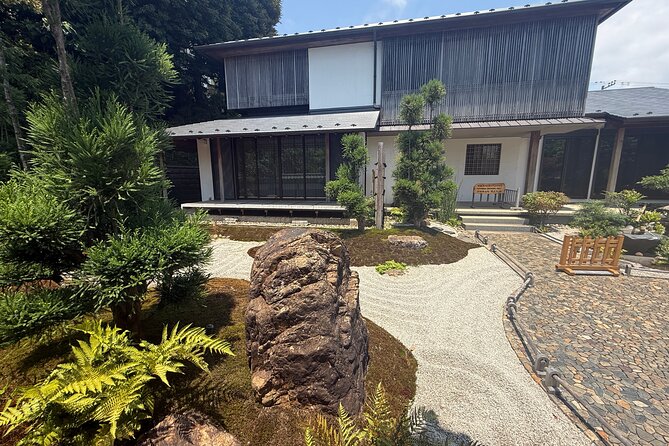
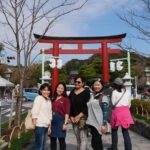
You’ll then visit Tsurugaoka Hachimangu Shrine for about 45 minutes. Admission is free.
This is one of Japan’s major shrine sites, and Kamakura’s identity is tied closely to it. The tour emphasizes its cultural significance and importance, plus the beauty of one of the oldest shrines in Japan.
What makes Tsurugaoka Hachimangu feel different from a temple stop is the atmosphere and the context. Shrines often read more like civic-spiritual centers, and your guide can help you notice details you’d otherwise miss—like how the shrine’s layout supports ritual movement and how its historical role shaped Kamakura’s development.
If you’re sensitive to heat or sun, this stop is where you’ll want to pace yourself. You’re still moving around outdoors, and the tour doesn’t promise shade. The bottled water provided earlier can be your reminder to keep drinking.
Stop 5: Optional Kimono Rental at Kamakura Imakoji
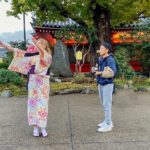
The final planned add-on is kimono or yukata rental at Kamakura Imakoji, about 1 hour. This is optional, and rental is not included.
If you’re the type who enjoys dressing up for photos, this can be a fun way to make Kamakura feel extra memorable. The tour’s purpose is straightforward: you rent during the day so your pictures and experience feel more special.
The key consideration is cost and timing. It’s an extra item, and it uses time near the end of the day. If you choose it, plan your expectations: you might not have the same flexibility for extra browsing after.
Also consider comfort. Kimono and yukata styling often comes with a specific fit and feel. Make sure you’re ready for a full hour of getting dressed and then standing or walking in it.
The Best Parts of This Tour (Why People Recommend It)
The tour’s strongest draw is how it combines efficient logistics with high-quality guiding. One guide name you may encounter in bookings is Jack, and the praise around him is consistent: strong English, clear explanations, and an ability to relate history and culture in a way that doesn’t feel like a textbook.
That matters because Kamakura can be overwhelming if you’re trying to read everything yourself while also solving transport and timing. A guide who can explain what you’re seeing means you don’t just pass through. You understand.
The other highly praised piece is value. You get a structured day with included entrance fees, water in hot weather, and a clear route that hits major highlights without leaving huge gaps. You also get the freedom to eat and shop during the Komachi Street segment instead of being stuck in a rigid script for every minute.
Who This Tour Fits Best
This tour is a strong match if:
- you want to see Kamakura’s top sights in one day without planning stress
- you like having a guide explain what you’re looking at
- you want built-in time for snacks, drinks, and shopping on Komachi Street
- you appreciate the convenience of included entrance fees
It may be less ideal if:
- you need a fully seated, low-walking day
- you want lunch fully handled (because lunch is not included)
- you prefer to choose all food stops yourself, since the tour does help with lunch recommendations but doesn’t pay for lunch
A Quick Planning Checklist Before You Go
A day this structured goes best when you prepare for comfort:
- Wear shoes that can handle temple walks and garden paths.
- Bring a small umbrella or light layers if the weather changes.
- Decide early whether you want kimono time so you’re not scrambling later.
- Plan your lunch style: fast snacks at Komachi Street or a sit-down meal your guide recommends.
If the weather is poor, the tour notes it may be canceled and you’d be offered another date or a full refund. So keep an eye on forecasts and be flexible.
Should You Book This Kamakura Tour?
If you want an efficient Kamakura day with entrance fees included, a private local guide, and a schedule that balances temples with Komachi Street food and shopping, I think this is a smart choice. It’s built for people who want the highlights without the stress of figuring out every route and timing detail.
Book it if you’re excited about Great Buddha, Hase-dera’s garden setting, and Tsurugaoka Hachimangu’s spiritual center, and you’re okay with moderate walking and a few extras (like lunch and kimono rental). Skip it only if you want total freedom and prefer to handle everything yourself from the first train ride to the last souvenir bag.
FAQ
What’s the duration of this Kamakura tour?
It’s listed as about 8 hours.
What’s included in the price?
The tour includes the tour guide fee, bottled water during hot summer days, and entrance fees for the shrines and temples included on the route. Mobile ticket and group discounts are also mentioned.
Does the tour include lunch?
No. Lunch isn’t provided or paid for. The guide can help bring you to a local restaurant, and the guide can join you if you invite them.
Is kimono rental included?
Kimono/yukata rental is optional and not included. It’s done during the tour at Kamakura Imakoji for about 1 hour.
Do I need my own transportation?
This is not a vehicle guided tour. The itinerary uses walking plus efficient public transport, and the guide handles the logistics.
What if the weather is bad or I need to cancel?
If it’s canceled due to poor weather, you’ll be offered a different date or a full refund. Cancellation is free up to 24 hours before the experience starts; within 24 hours, refunds are not available.