REVIEW · TOKYO
Tokyo: Buddhism and Shinto Temple Tour with a Real Local
Book on GetYourGuide →Operated by Manami Watanabe · Bookable on GetYourGuide
Two religions, one fire ritual, and real local guidance. I love the way PhD guide Manami Watanabe explains Buddhism and Shinto as living practice, not trivia, and I love the way the fire ceremony is taught scene by scene with rules you actually need. The only drawback: you have to follow temple etiquette and keep quiet during the ritual, so it is not a chatty, casual “walk and point” kind of tour.
This tour is set in Monzen-nakacho, a historic East Tokyo district people call Shitamachi, and it moves at a human pace for a small-group size of up to 6. You’ll start at Monzen-nakacho Station and walk through nearby local streets before the big spiritual stops.
If you like respectful travel with clear instruction, you’re in the right place. You’ll get help with things most guides skip—like what not to do with your legs in temple seating and the photography rules that keep you out of trouble.
In This Review
- Key highlights worth knowing
- Monzen-nakacho: why this part of Tokyo feels different
- Meet Manami Watanabe and her PhD approach to religion
- Oyoko River and Tatsumi-shindo: the short warm-up that sets the tone
- Naritasan Fukudōdō fire ceremony: etiquette, seating, and what silence means
- The “scene-by-scene” explanation and the explanation sheets
- Respect rules that actually matter (including seating with your legs)
- Photography and the reality of not recording
- Tomioka Hachimangu Shrine: goshuin, wish bars, and the sumo rocks
- Temple manners you can use anywhere in Japan
- Photography, recording, and staying on the right side of rules
- Timing and group size: how a 2-hour tour stays focused
- Price and value: why $62 can be worth it here
- Who this suits best (and who should reconsider)
- Practical prep for your day
- Should you book this Tokyo Buddhism and Shinto temple tour?
- FAQ
- Where is the meeting point for the tour?
- Which station exits should I use?
- How long is the tour?
- Is the tour guide fluent in English?
- What is included in the price?
- Can I take photos or record video inside the temple?
- Are audio recordings permitted?
- Do I need cash?
- Is there an optional coin ritual?
- Who might want to skip this tour?
Key highlights worth knowing
- Manami Watanabe, local and PhD-trained: she connects Buddhism and Shinto to daily life, with lots of patient Q&A.
- Fukagawa Fudōdō fire ceremony taught step by step: you get explanation sheets and clear etiquette before the ritual begins.
- Smart seating philosophy: the best viewpoint is not taken from the Buddhist community, even if other tours race for front seats.
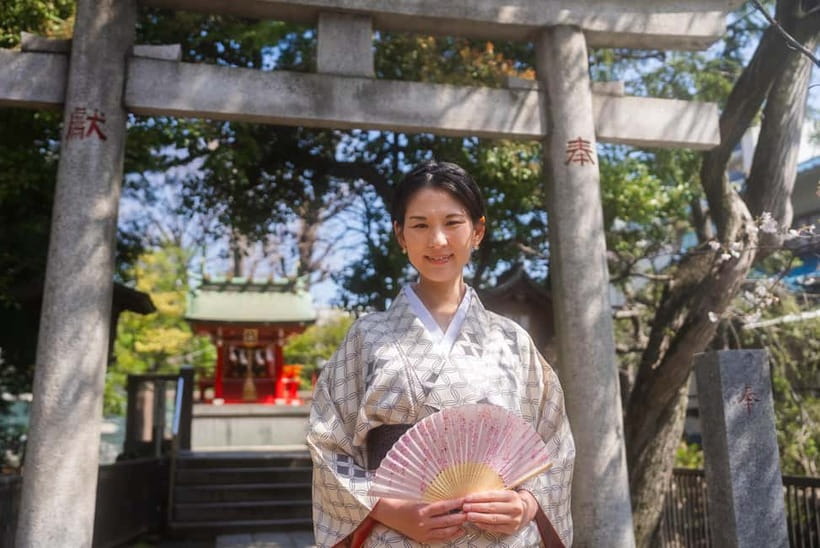
- Tomioka Hachimangu Shrine with practical cultural context: goshuin stamps, fortune paper, wish bars, Shinto symbols, and sumo rocks.
- Temple manners that matter in real moments: you learn what is considered rude, including how sitting positions are viewed.
- Clean focus, no side quests: this is about temples and shrines, not a street-food sprint or a sake stop.
Monzen-nakacho: why this part of Tokyo feels different
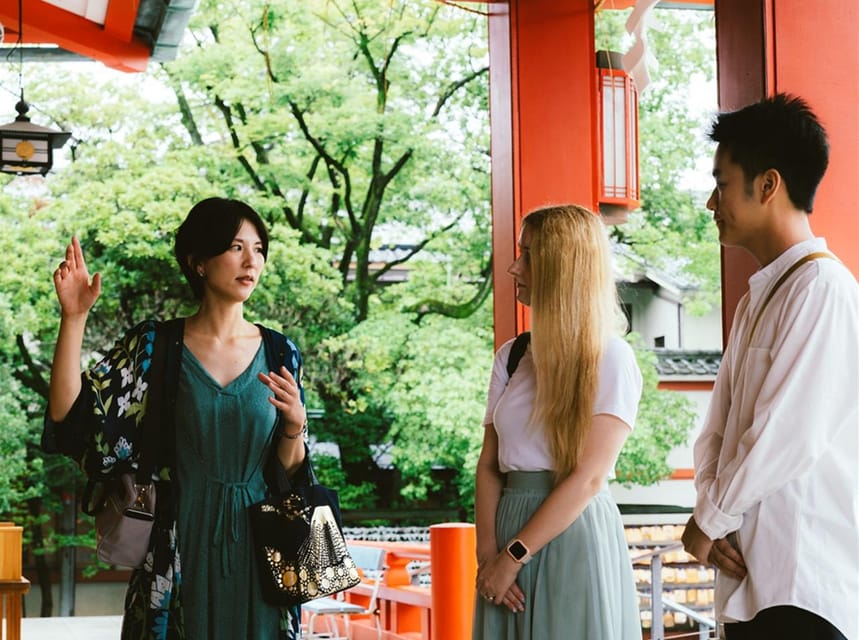
Monzen-nakacho is the kind of Tokyo that still feels like a neighborhood. You’re not just hopping between landmark icons—you’re moving through Shitamachi, where daily rhythms and old traditions share the same streets.
What I like about this setting is how it changes your mindset before you ever reach the temples. The tour starts with small walks that give you context for what you’re seeing later. Two quick stops—along the Oyoko River and at Tatsumi-shindo—keep the day from feeling like a nonstop lecture. They also help you understand why these religious spaces matter to locals, not just to tourists.
The pacing also works. It’s a 2-hour experience, so you’re not trudging around all day trying to “cover Tokyo.” Instead, you get enough time at each site to learn what to look for and how to behave.
You can also read our reviews of more tours and experiences in Tokyo.


Meet Manami Watanabe and her PhD approach to religion
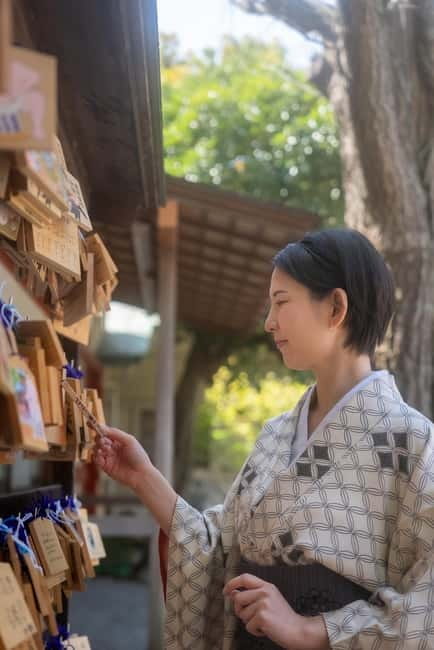
Your guide for this tour is Manami Watanabe. The big selling point here is that she’s local—born and raised in Japan—and she has a PhD in cultural heritage protection.
That matters because Buddhism and Shinto are not just stories. In Japan, they show up in routine behavior: how people pray, how they dress, what they consider respectful, and how ceremonies are handled. Manami’s explanations are built for that reality. In real terms, she helps you understand the difference between Buddhism and Shinto, and also how Japanese people relate to both in everyday life.
One of the most consistently praised parts of the experience is how calmly she answers questions. The tour doesn’t feel like a scripted line reading. If something doesn’t click—like why a specific etiquette rule exists—she’ll explain it and connect it to what you’re about to witness.
Oyoko River and Tatsumi-shindo: the short warm-up that sets the tone
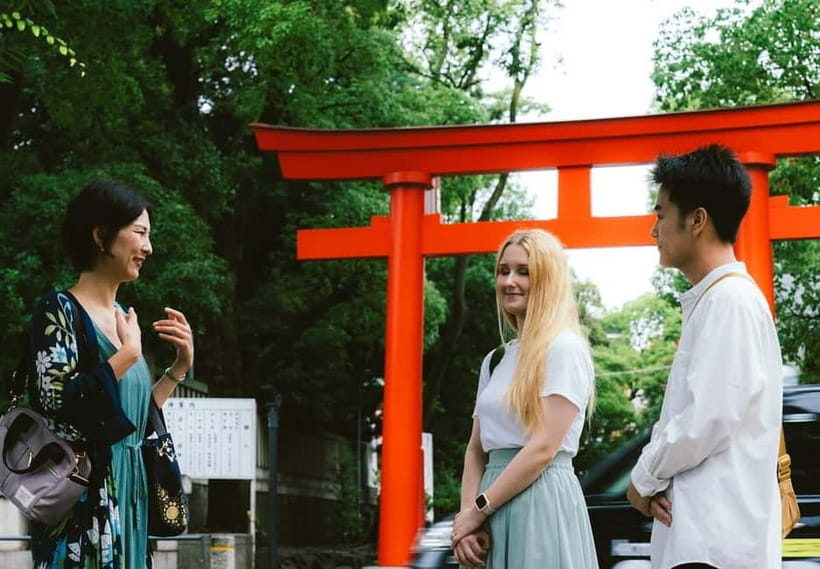
Before the fire ritual, you stop for two guided segments of about 10 minutes each: Oyoko River and Tatsumi-shindo.
These aren’t the main event, but they do the job of “setting your eyes.” You start noticing how the area feels historic without turning it into a history class. It also helps you settle into walking pace and group rhythm. In other words: you’re ready when you reach the temple doors.
A small caution: because this is a short tour, you’ll want comfortable shoes from the start. The day moves briskly, and you don’t want shin splints cutting into your attention during the most important parts.
Naritasan Fukudōdō fire ceremony: etiquette, seating, and what silence means
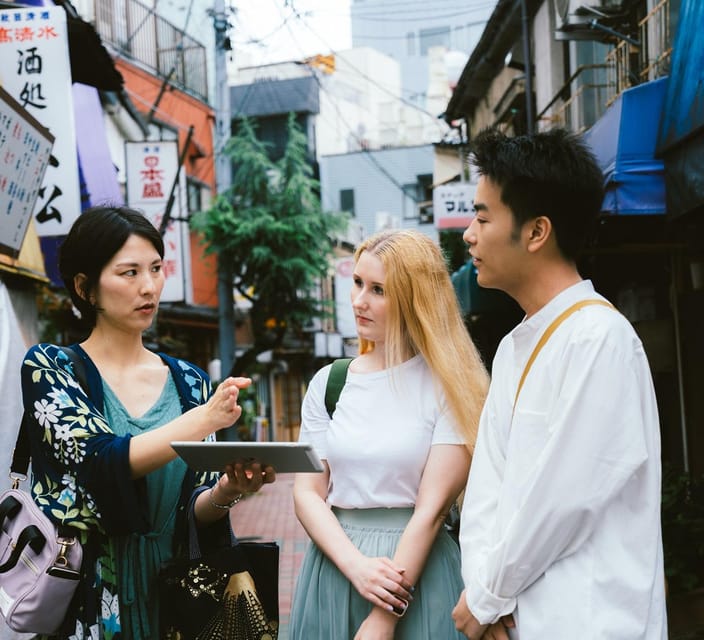
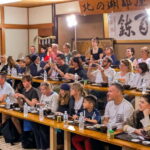
The core experience is at Naritasan Fukagawa Fudōdō, where you visit for about 40 minutes. This is where the fire ritual happens, with powerful drum beats, and where Manami’s teaching style really shows.
Here’s the key detail: this tour treats the ceremony as serious religious activity, not an entertainment product. Some other tours chase the best photo angles or grab front-middle seats. This one doesn’t. As locals, Manami’s approach is that the best seats should be offered to the Buddhist community.
That could feel surprising at first—especially if you’re used to tours optimizing for views. But it makes the experience more authentic. You’re not trying to out-muscle tradition for a photo. You’re joining respectfully.
The “scene-by-scene” explanation and the explanation sheets
You’ll hear walkthrough commentary that tells you what to expect as the ritual unfolds. You also get explanation sheets to help you follow along while you observe the ceremony in silence.
This is a huge difference-maker. Without guidance, temple rituals like this can feel like you’re watching random spectacle. With the explanations, you can track the intention behind what you’re seeing. It also helps your body stay in the right mode—quiet, attentive, and ready to follow the rules.



Respect rules that actually matter (including seating with your legs)
The tour calls out etiquette that many other guides fail to emphasize. One example: crossing your legs at chairs can be seen as rude to Buddha and the monks. That’s the kind of rule you only learn if someone is paying attention to how locals interpret manners.
So take the guidance seriously. It is not about being stiff; it is about showing you understand the moment isn’t for you. Even if you’re nervous about getting it “wrong,” the guide’s job is to help you do it right.
Photography and the reality of not recording
You’ll be told about photography rules and what’s allowed. The tour also does not allow video recording, and photography is not permitted inside. Plan to experience this with your senses first. If you do want shots for memory, you’ll have to work within the rules the guide gives you.
Tomioka Hachimangu Shrine: goshuin, wish bars, and the sumo rocks
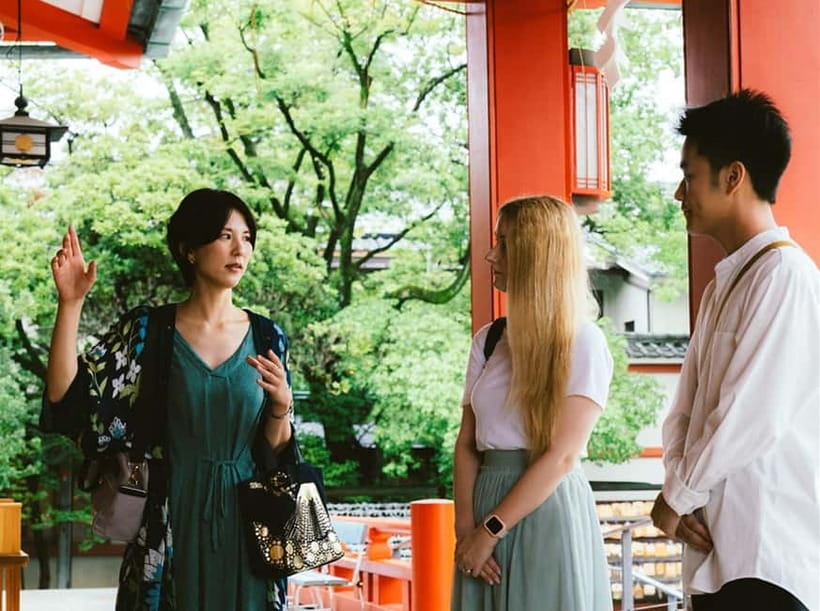
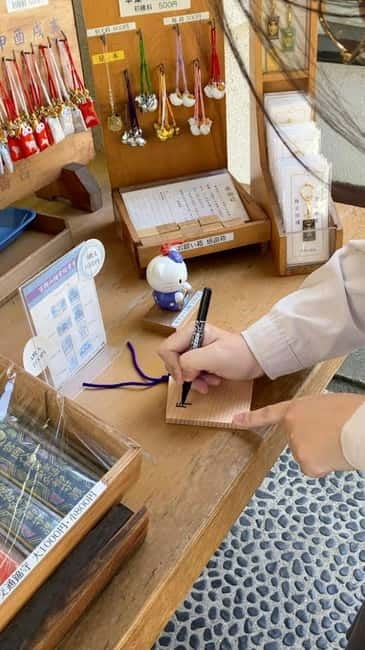
After the fire ritual, you head to Tomioka Hachimangu Shrine for about 25 minutes. This is a calmer stop, but it isn’t “just a quick look.” Manami explains what you’re seeing and ties it to Shinto beliefs.
At the shrine, you’ll learn about:
- white fortune telling paper and what it means
- wooden wish bars
- goshuin stamps
- Shinto symbols
You’ll also hear why sake and sumo matter in Shinto, and you’ll get to view the impressive sumo rocks.
What I appreciate here is that the shrine stop feels practical. You’re not only told what things are called—you learn why they exist and how worshippers interact with them. That makes the shrine feel like a functioning place of faith, not a photo backdrop.
Manami also closes this part with family stories about the strong connection her family has with the area. That personal thread is one of those details that turns a “tour” into an understanding of how communities stay rooted.
Temple manners you can use anywhere in Japan
This is where the tour quietly pays you back over and over. Even if you never attend another temple ritual, you walk away with rules that prevent the most common mistakes.
The tour provides shawls if you need to cover your shoulders or knees. That’s helpful because dress codes at shrines and temples aren’t suggestions. You’ll also want to avoid:
- smoking
- short skirts
- sleeveless shirts
- see-through clothing
- hats
- shoes indoors
- video recording
- audio recording
And remember: the tour specifically warns about body language etiquette inside temple spaces, including the way you sit.
If you’ve ever worried about accidentally disrespecting a sacred space, this kind of instruction is gold. It helps you relax because you know what’s expected.
Photography, recording, and staying on the right side of rules
In Japan, you’ll sometimes see people taking photos in places where others are told not to. This tour removes the guessing game. It clearly states that photography inside is not allowed and that video and audio recording are also prohibited.
So what do you do?
- Follow the guide’s cues during the ritual and at each stop
- Use non-intrusive attention: eyes, posture, and quiet participation matter
- Save your phone for outside viewpoints when it’s permitted
Also, shoes indoors are a no. Bring the mindset that you’ll likely remove shoes. Comfortable shoes matter because you’ll be walking and taking shoes on and off.
Timing and group size: how a 2-hour tour stays focused
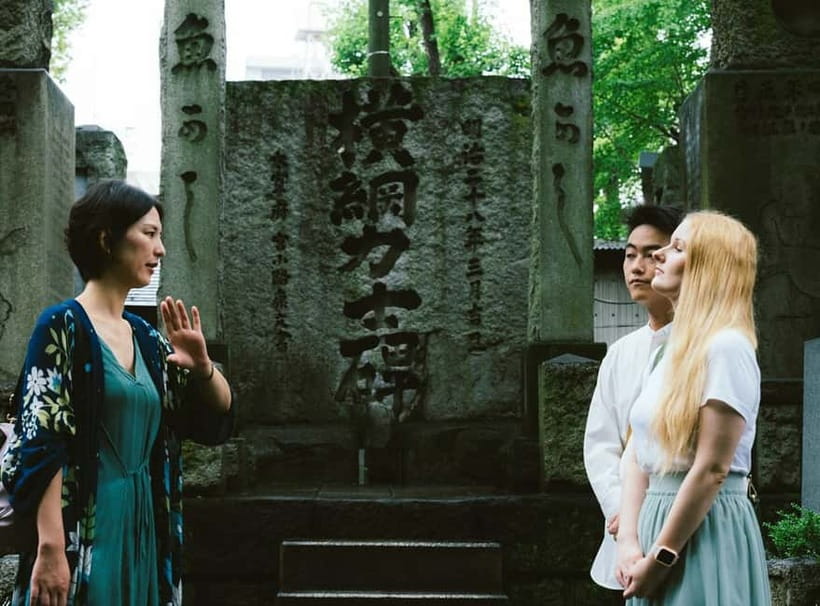
This experience runs about 2 hours and is limited to 6 participants. That small group number is not just a comfort perk—it changes the whole feel of the tour.
With fewer people, Manami can manage etiquette moments better. She can correct with fewer disruptions, and she can answer questions more directly. One review note that the tour ran for just two people, and that kind of setup usually makes the explanations even more personal. Even at full capacity, you should still expect an attentive pace rather than a crowd-herding vibe.
The stops are timed like this:
- brief guided segments at Oyoko River and Tatsumi-shindo
- a longer visit at Naritasan Fukagawa Fudōdō for the ceremony
- a guided visit at Tomioka Hachimangu Shrine
That structure helps you keep your attention where it belongs—on ritual and worship details—without feeling rushed in a place where silence is part of the respect.
Price and value: why $62 can be worth it here
At $62 per person for a 2-hour guided outing, you might compare it to cheaper “temple photo tours.” But this one’s value isn’t the distance. It’s the quality of interpretation during the ceremony.
You’re paying for:
- admission to the fire ceremony at Fukagawa Fudōdō
- a local English-speaking guide (Manami Watanabe)
- explanation sheets and scene-by-scene guidance
- hands-on etiquette and photography rule coaching
- shawls if you need shoulder/knee coverage
Some tours skim past religious context and focus on views, snacks, or fast stops. This one is deliberately not built around street food or sake. If that style appeals to you, you’ll probably find the price makes sense because it’s buying instruction at the exact moment you need it most.
And because the tour is small-group, you also get more help per person. That’s hard to price until you’re standing in a temple courtyard and you realize you don’t know what you’re supposed to do.
Who this suits best (and who should reconsider)
This tour fits best if you want respectful, guided temple visits with real cultural context. It’s especially good for people who:
- want to understand how Buddhism and Shinto differ
- care about etiquette and correct behavior
- prefer quiet respect over loud sightseeing
- like getting clear explanations instead of guessing
It is not suitable for:
- people over 80
- children under 5
You’ll also want to plan for limited participation in some physical moments. This is not described as difficult hiking, but it does involve walking between stops, standing during a ritual period, and following indoor rules.
If you’re the type who needs constant action or you hate rules, this may feel strict. But if you’re aiming for authentic and respectful, the structure is a feature, not a flaw.
Practical prep for your day
A few things to do before you go:
- Bring cash
- Bring drinks
- Wear comfortable shoes
- If you have dietary or medical needs, this tour doesn’t mention food stops, so plan accordingly
About the ritual details: there is a note that small coins to throw at the temple and shrine are optional and not included. If you want that option, you’ll need to handle it yourself.
Also, meet carefully. The directions are specific:
- Meet outside Exit 4 of Monzen-nakacho Station
- Look for a drug store called Kusuri no Fukutaro with a red sign just outside
- Use stairs at the exit (not the elevator), so you find the right place quickly
If you’re taking a taxi and the driver is unsure, the guidance says to ask them to call the number provided for the tour meeting point.
Should you book this Tokyo Buddhism and Shinto temple tour?
If your goal is to understand Japanese spirituality in a way you can actually use—how people behave, how to respect sacred spaces, and what specific ritual moments mean—this tour is a strong bet. The biggest reason is the combination: a local PhD guide, a real fire ceremony experience with clear explanations, and etiquette rules you won’t hear unless someone is paying close attention.
I’d skip it only if you want a hands-free, rules-free “grab a few photos” outing. This is about listening, following instructions, and participating respectfully. If that’s your style, you’ll walk away with understanding that lasts longer than any souvenir photo.
FAQ
Where is the meeting point for the tour?
You meet outside Exit 4 of Monzen-nakacho Station. The drug store called Kusuri no Fukutaro with a red sign is just outside that exit.
Which station exits should I use?
Use Exit 4. The instructions specifically note that guests using other exits may end up at a different Kusuri no Fukutaro.
How long is the tour?
The tour lasts about 2 hours.
Is the tour guide fluent in English?
Yes. The tour is offered with an English-speaking local host.
What is included in the price?
Admission fee to the fire ceremony of Fukagawa Fudōdō, a guided tour in the Monzen-nakacho area, a local guide, and shawls for guests who need to cover shoulders or knees.
Can I take photos or record video inside the temple?
No. Photography inside is not allowed, and video recording is also not allowed.
Are audio recordings permitted?
No. Audio recording is not allowed.
Do I need cash?
Cash is recommended. Drinks are also recommended, and the tour mentions bringing cash.
Is there an optional coin ritual?
Small coins to throw at the temple and shrine are optional, and they are not included.
Who might want to skip this tour?
It is not suitable for people over 80 or children under 5 years.