REVIEW · TOKYO
Tokyo Private Tour English Pro Guide By Luxury Vehicle
Book on GetYourGuide →Operated by Kawaiinippontours · Bookable on GetYourGuide
Tokyo turns into a one-day playlist you control. This private tour is built for freedom: you pick the order, you set the pace, and an English pro guide smooths the bumps that normally slow Tokyo sightseeing down. I especially liked the custom itinerary you can shape day-of and the English-speaking pro guide who helps you understand what you’re seeing (not just where to stand).
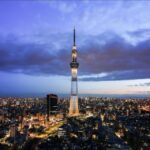
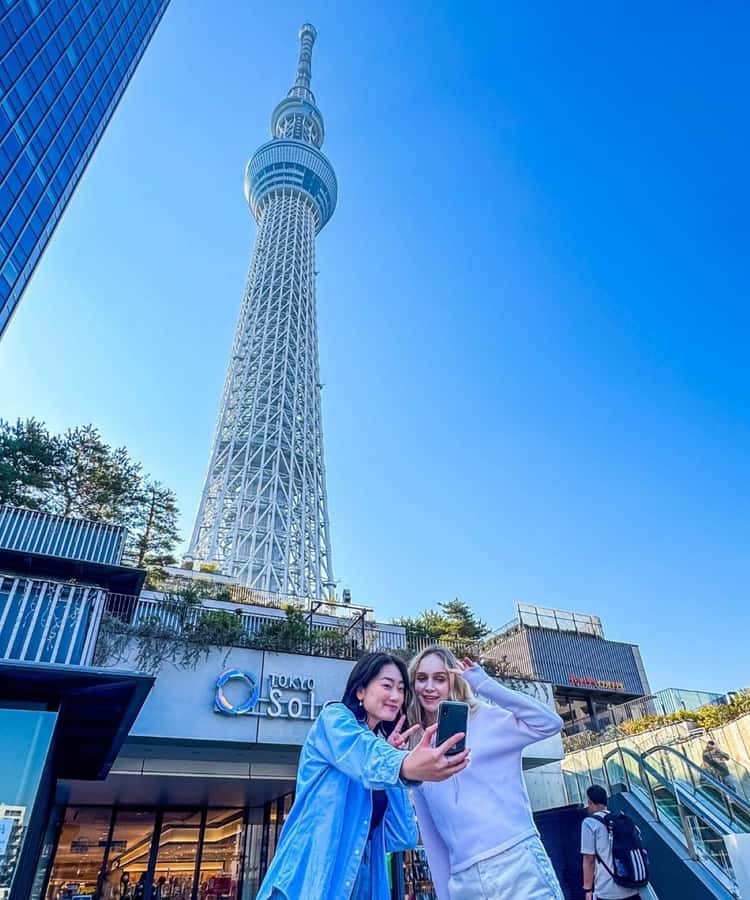
One thing to think about: the guide may not walk with you at every single stop, including places like Skytree, Roppongi Hills, and the Imperial Palace. You’ll still get insights, but you should be ready to go in, take photos, and re-group—plus there can be traffic delays of up to 30 minutes when the car needs to park.
In This Review
- Key highlights worth planning around
- How a 10-hour private format makes Tokyo feel manageable
- Your “modern Tokyo” day: Shibuya Crossing, Shinjuku, and Ginza
- Asakusa and Senso-ji: where old Tokyo still speaks
- Meiji Shrine: a calm reset inside the city
- Imperial Palace gardens: classic views, practical pacing
- Tsukiji Fish Market: a food-forward stop that can anchor the day
- When the guide takes a step back: Skytree and Roppongi Hills timing
- Price and value: what $380 buys (and when it’s a bargain)
- The guide experience: English fluency, humor, and pacing
- What to bring and how to keep the day smooth
- Who this private Tokyo tour fits best
- Should you book this Tokyo Private Tour by Luxury Vehicle?
- FAQ
- How long is the tour?
- Is airport pickup available?
- How many people can join, and what does it cost?
- What’s included in the price?
- Are entry tickets included?
- Will the guide accompany you at every stop?
- Is Wi-Fi and water provided?
- Is it wheelchair accessible?
Key highlights worth planning around
- Private group up to 6 with hotel pickup and drop-off inside Tokyo’s 23 wards
- English-speaking pro guide and driver who adjusts speed to your group
- Onboard Wi-Fi and water bottles for an easier, less-stress day
- Big-name sights with real variety: Shibuya, Meiji Shrine, Asakusa, Tsukiji area, Imperial Palace, Shinjuku, Ginza
- Some stops are self-paced (guide may not stay with you at Skytree, Roppongi Hills, Imperial Palace)
- Car time saves energy in Tokyo, where transfers and queues can quietly eat your day
How a 10-hour private format makes Tokyo feel manageable
This is a single-day tour built around one simple idea: you shouldn’t waste prime daylight figuring out logistics. The total time is 10 hours, and that includes your hotel pickup and drop-off, so you get a full plan without juggling trains, transfers, or ticket counters all day.
You’re traveling in an air-conditioned luxury vehicle with a dedicated driver. That matters in Tokyo, where “just one more stop” can turn into a half-day detour once you factor in transit lines, transfers, and walking time. In this format, you spend more energy looking at Tokyo—and less energy moving through it.
The tour is also genuinely flexible. You can customize the itinerary and timetable, choosing only the stops you want to see and skipping the ones you don’t. In other words, you’re not paying for a fixed checklist that ignores your interests.
You can also read our reviews of more guided tours in Tokyo
Your “modern Tokyo” day: Shibuya Crossing, Shinjuku, and Ginza
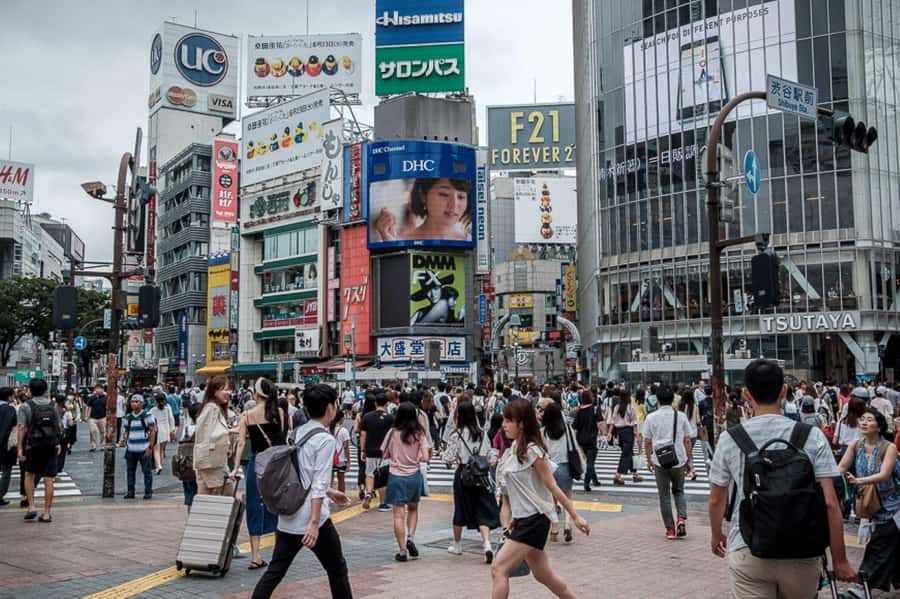
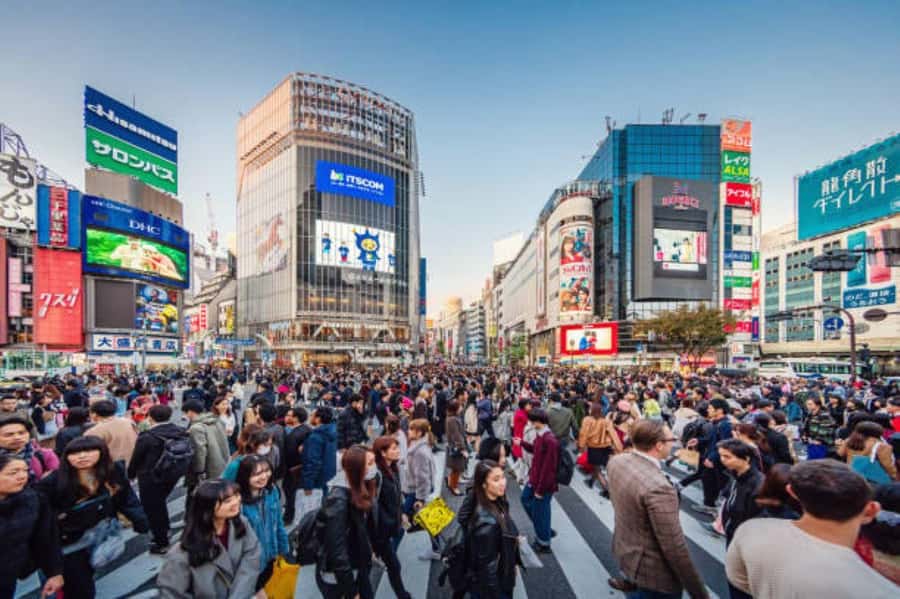
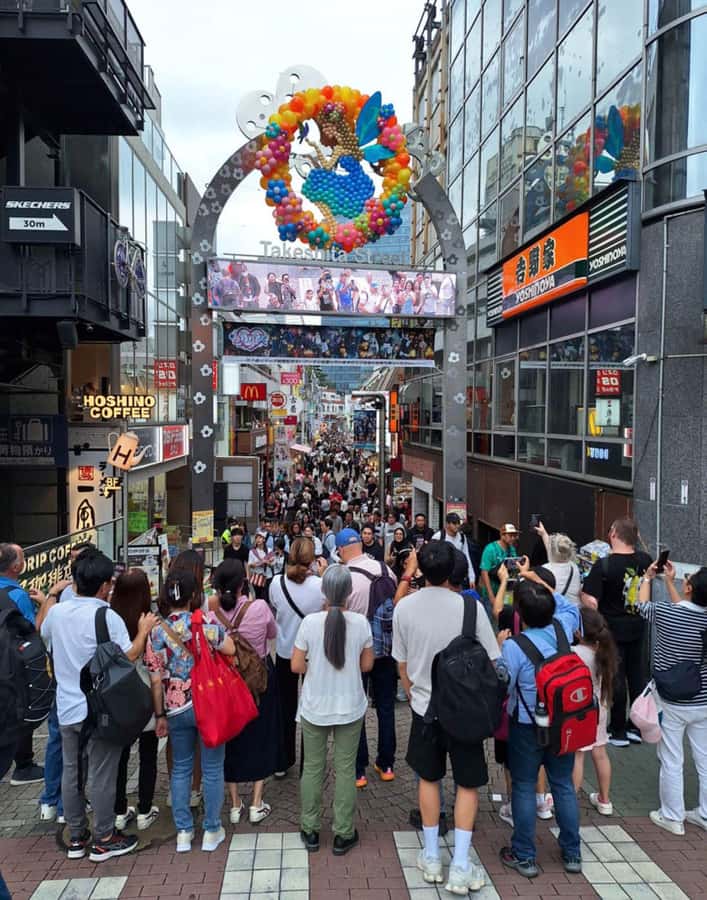
Tokyo’s center-stage districts are where this tour can feel the most dramatic, because the city changes personality block to block. Shibuya is the classic starting point for many people: you’ll hit the area around Shibuya Crossing and have time to wander through shopping zones. If you like street energy and people-watching, this is the district where Tokyo shows off.
From there, your plan can shift toward Shinjuku and Ginza, both known for their modern architecture and dense city life. Shinjuku is the place you go when you want Tokyo’s neon-and-skyline side; Ginza is the style-minded contrast where polished streets and upscale storefronts take the spotlight.
Practical note: these areas can be busy and visually intense, so I like the idea of having your transport handled. You don’t have to decide in real time how to get from point A to point B. The guide can also help you pace transitions so you’re not constantly walking hard from one crowded zone to the next.
Asakusa and Senso-ji: where old Tokyo still speaks
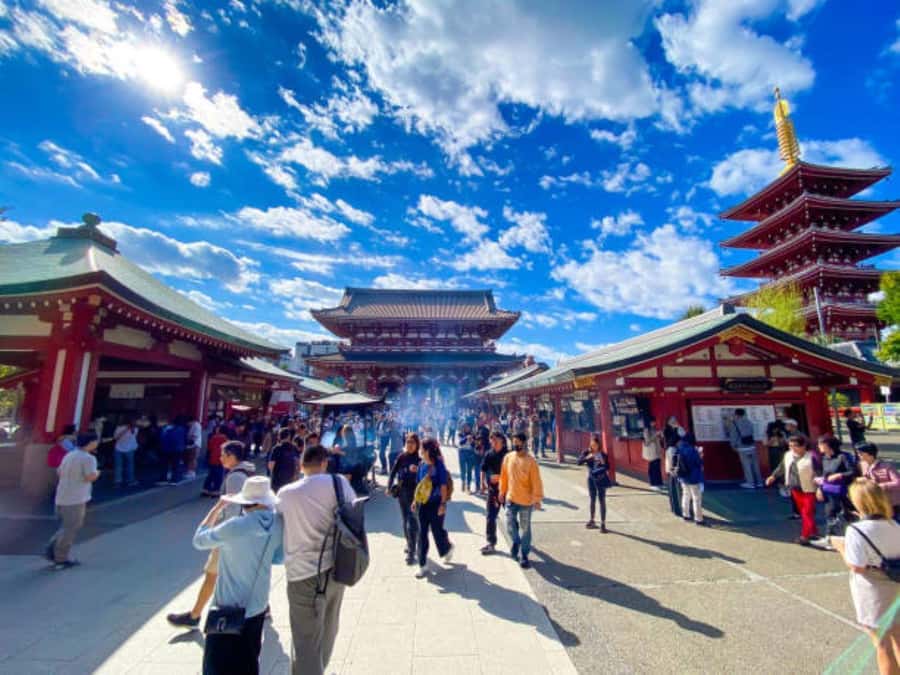
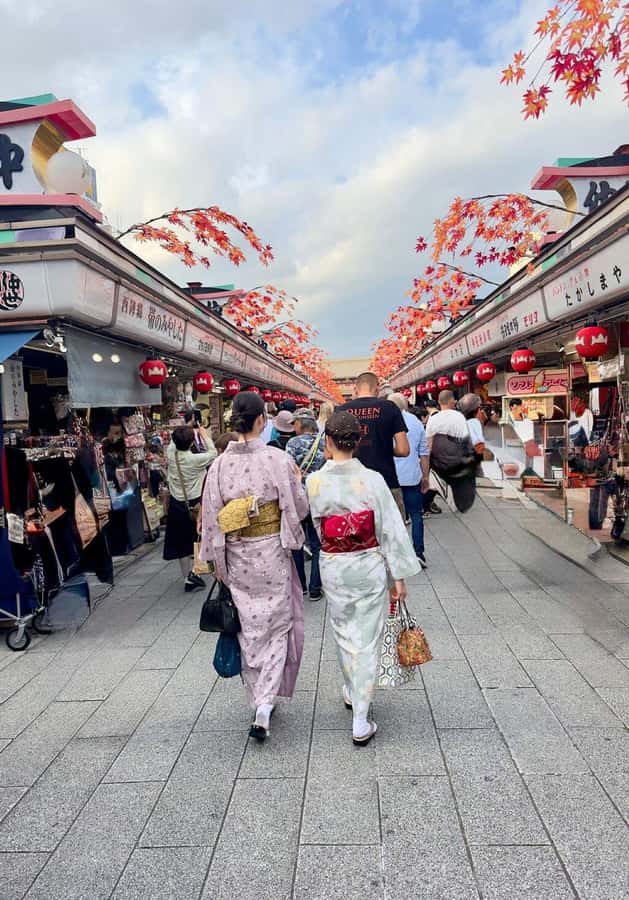
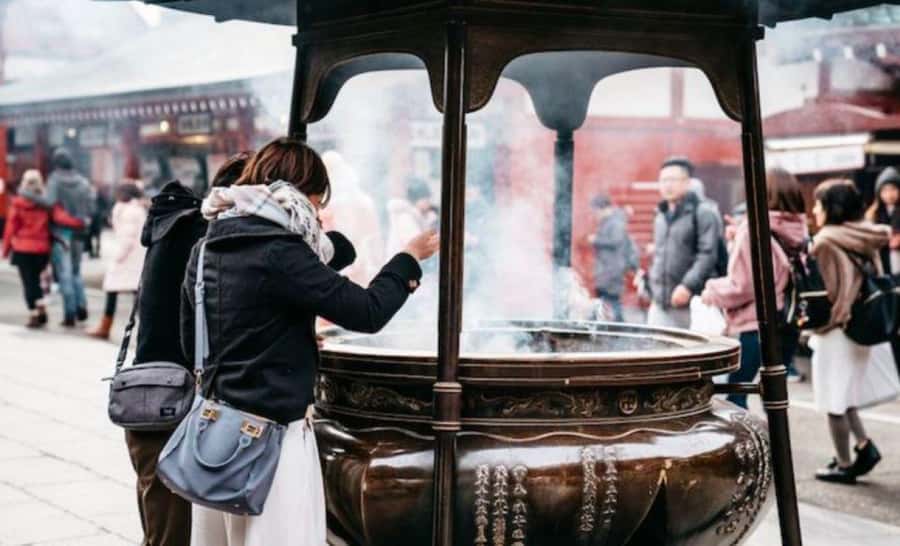
For many first-timers, the best Tokyo day isn’t all skyline and lights—it’s the moment the city slows down enough to feel older. Asakusa delivers that. Here you’ll visit Senso-ji Temple and spend time in the surrounding area, including Nakamise Shopping Street.
Senso-ji is one of those places where the crowds make sense: it’s not just a photo stop. You’re walking through an active cultural zone tied to incense, temple culture, and the rhythm of everyday visitors. Nakamise Shopping Street adds a sensory layer with snack and souvenir browsing, which is exactly the kind of “wandering with a purpose” that feels fun on a private tour.
A small benefit of doing this with a guide: you can time your arrival and move through the area without feeling like you’re constantly fighting for orientation. And if your group wants more temple time or less shopping, that can be adjusted.
Meiji Shrine: a calm reset inside the city
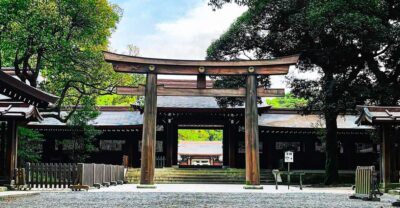
After temples and shopping streets, Meiji Shrine works like a palate cleanser. The experience here is about quiet, trees, and walking paths that feel surprisingly removed from the urban pressure around you.
This tour explicitly includes the shrine area, and that’s smart because it balances Tokyo’s loud districts. You get to shift gears: take photos, slow down, and experience the contrast between city motion and peaceful grounds.
If you’re the kind of traveler who likes atmosphere over checklists, this stop usually becomes a highlight. Even if you only spend part of your time on the main approach, you’ll likely remember the feeling: cool shade, soft footing, and a sense that Tokyo can be gentle.
Imperial Palace gardens: classic views, practical pacing
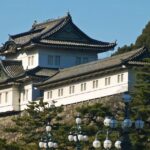
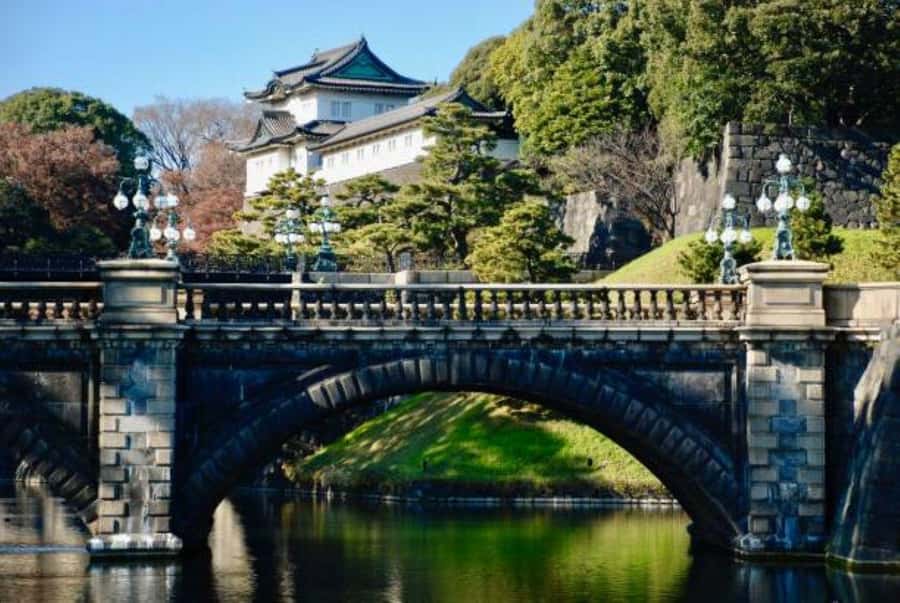
The Imperial Palace stop can be a great way to see Tokyo through a quieter lens. Your itinerary may include either the palace area itself or time in the gardens, and the point is to escape the day’s noise without leaving the center of the city.
One practical consideration: the guide may not always physically stay with you at the Imperial Palace stop. The tour notes that the guide will provide insights, but you should cooperate with timing—especially if the car needs to park and re-group takes a little patience.
When you plan time here, think less about “maximum photos” and more about slow observation. Gardens and palace grounds reward walking at your own pace, so having the freedom to linger (within your tour’s schedule) is a real advantage.
You can also read our reviews of more private tours in Tokyo

Tsukiji Fish Market: a food-forward stop that can anchor the day
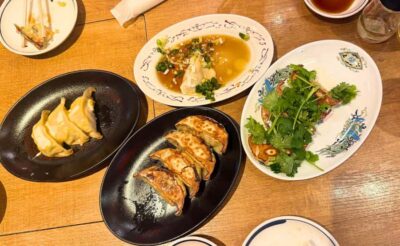
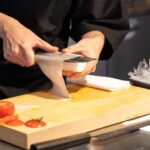
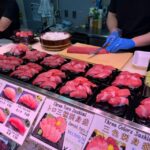
If you like food as part of travel (and not just a snack between stops), this tour’s Tsukiji Fish Market option is a strong candidate. It’s included as a possible highlight depending on your customized plan, and the idea is to trade “wandering” for a structured, culturally relevant food moment.
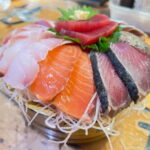
In at least one review, the group had a beautiful, delicious lunch at the fish market area, which gives you a hint at how the day can be shaped. Even if you don’t plan to eat a full meal there, you’ll likely appreciate the chance to experience the market zone as a Tokyo tradition, not just an Instagram backdrop.
Keep expectations practical: your tour description says entry tickets aren’t included and food and shopping aren’t included either. So you’ll want some cash or payment ready for snacks, drinks, and any lunch you decide to buy.
When the guide takes a step back: Skytree and Roppongi Hills timing
Not every Tokyo attraction works the same way for a private guide. The tour note is clear: at some sightseeing spots, the guide will not be with you—specifically Skytree, Roppongi Hills, and the Imperial Palace—though you’ll still receive insights.
So how do you make this work smoothly? Think of those as meet-and-go moments, not guided walk-throughs. You’ll want to stay aware of timing, because your car and driver are dealing with parking and traffic windows. The tour explicitly asks you to cooperate when the car needs to park, which is a polite way of saying: don’t treat those stops like they’re completely detached from the rest of your day.
This setup can still be a win. It gives you breathing room inside the attraction while keeping the logistics handled outside it.
Price and value: what $380 buys (and when it’s a bargain)
The price is $380 per group, up to 6 people. That’s how private tours can either feel expensive or feel like real value, depending on how many of you are sharing the cost.
- If you fill the max group size (6 people), it’s about $63 per person for the whole 10-hour experience with a guide, driver, and luxury vehicle.
- If it’s just 2 people, it’s about $190 per person.
Either way, you’re paying for the heavy-lift parts: hotel pickup and drop-off, private transportation, an English-speaking pro guide and driver, plus Wi-Fi on board and water bottles. The tour also emphasizes customization, which can save you from wasting time on stops you don’t care about.
What’s not included matters too. Entry tickets are excluded (Skytree is specifically called out), and food and shopping are also excluded. That’s normal for a private day tour, but it means the true cost depends on what you eat and which paid attractions you add.
If you’ve got limited time in Tokyo, or you’d rather spend it seeing than commuting, this pricing often starts to look fair.
The guide experience: English fluency, humor, and pacing
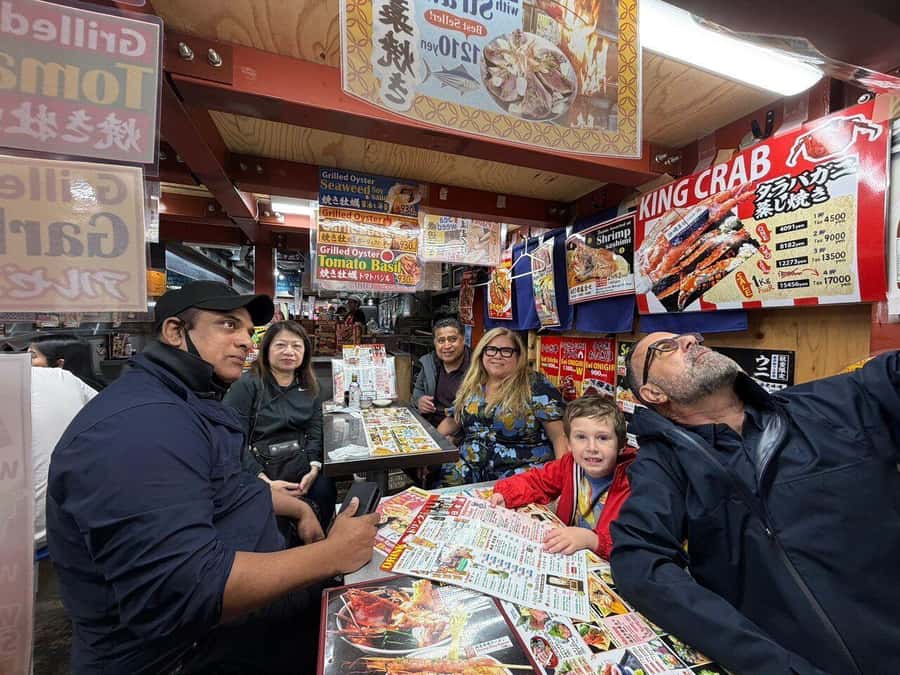
The biggest quality signal in the reviews is how the guide works with your group. One guide named Mukarram is mentioned multiple times, and the feedback consistently points to clear communication, good timing, and an easy sense of humor.
Even if you don’t know Japanese, an English pro guide makes Tokyo feel less intimidating. You’re not just reading signs; you’re hearing context about what you’re looking at, why it matters, and how it fits into Tokyo’s story.
The pacing is another quiet win. The tour includes the ability to adapt speed based on your needs, which is perfect if you’re mixing ages in the group or if your schedule includes both quick stops and slower wandering. In one review, a group had a 13-year-old along, and the tour was still described as smooth and fun.
What to bring and how to keep the day smooth
This tour is designed to be hassle-free, but you can make it even easier with a couple of basics.
Bring:
- Camera
- Cash (useful since entry tickets and food/shopping aren’t included)
Know the rules:
- No alcohol and drugs
If you have special needs:
- You can inform the provider of requirements like a child seat or allergies.
Timing reality check:
- Pickup can be late up to 30 minutes due to highway traffic, which is worth factoring in if you’re trying to meet another plan immediately after the tour ends.
Also remember pickup isn’t available from airports or ports, unless you confirm first. Pickup is possible from hotels, hostels, air-bnbs, apartments, or other addresses in Tokyo’s 23 wards. That’s an important detail when you’re planning what day you want to do this.
Who this private Tokyo tour fits best
This tour fits people who want control without the hassle. It’s a strong choice if you fall into any of these buckets:
- You’re a first-timer who wants the big hits: Shibuya Crossing, Meiji Shrine, Senso-ji/Asakusa, plus modern districts like Shinjuku and Ginza.
- You want a food moment in the mix, with Tsukiji Fish Market as an option.
- You’re traveling with family or mixed ages and want the day paced for your group.
- You’d rather pay for less effort: one vehicle, one schedule, no transit math.
One limit to know: it’s not suitable for wheelchair users, so mobility needs may require a different setup.
Should you book this Tokyo Private Tour by Luxury Vehicle?
I’d book it if you want Tokyo organized around your interests and you value comfort during transit. The combination of hotel pickup/drop-off, a private luxury vehicle, an English-speaking pro guide, and onboard Wi-Fi and water bottles is designed to keep the day light and fun—especially if you don’t want to spend your Tokyo day solving directions.
I’d think twice if you want fully guided time inside every attraction. Since the guide may not physically accompany you at places like Skytree, Roppongi Hills, and the Imperial Palace, you should be comfortable with a meet-and-go rhythm for some stops.
Finally, it’s a smart value when you’re splitting cost among up to 6 people. But even as a smaller group, it can still be worth it if your alternative is spending energy on transfers and timing.
FAQ
How long is the tour?
The tour lasts 10 hours, and that includes hotel pickup and drop-off.
Is airport pickup available?
Pickup is not available from airports or ports. You can request pickup from hotels, hostels, air-bnbs, apartments, or other addresses in Tokyo’s 23 wards, but you should check before booking.
How many people can join, and what does it cost?
It’s $380 per group for up to 6 people.
What’s included in the price?
Included: pickup and drop-off to your hotel, a customized tour itinerary, transportation during the tour, a private air-conditioned luxury vehicle, an English-speaking pro guide and driver, water bottles, and onboard Wi-Fi.
Are entry tickets included?
No. Entry tickets are not included, and Skytree entry tickets are specifically listed as not included.
Will the guide accompany you at every stop?
Not always. The guide will not be with you at some sightseeing spots like Skytree, Roppongi Hills, and the Imperial Palace, but the guide provides insights. You should cooperate when the car needs time to park.
Is Wi-Fi and water provided?
Yes. You’ll get Wi-Fi onboard and water bottles.
Is it wheelchair accessible?
No. The tour is not suitable for wheelchair users.
If you tell me your travel dates and how many people you’re booking for, I can help you sanity-check whether the value works best for your group size and which stops are worth prioritizing.