REVIEW · SAITAMA PREFECTURE
Chichibu’s Weaving Story: A Journey of Tradition and Festival
Book on Viator →Operated by 秩父地域おもてなし観光公社 · Bookable on Viator
Silk threads and festival floats in one morning. I love the live silk-spinning demonstrations and the hands-on coaster-making workshop that turns history into something you can hold. The main trade-off: this runs in the daytime, so you’ll get the festival story and key views, but not the full night parade experience.
You’ll also walk past the shrine that anchors Chichibu’s Night Festival, plus stone streets and Meisen-wholesaler lanes that help the whole theme make sense. If you’re expecting a long, uninterrupted craft session or a full evening of yatai spectacle, you may want to pair this with a visit timed to December 2–3.
In This Review
- Key reasons this Chichibu tour works so well
- Silk-and-festival day trip: what you’re really doing in Chichibu
- Chichibu Meisen Silk Center: live spinning and a coaster you can make
- What to expect here
- A small consideration
- Finding the Night Festival story: float-prep views and the Chichibu Festival Museum
- The float-pull viewpoint
- Chichibu Festival Museum: short visit, big visual payoff
- The wholesaler-street feeling
- Meisen wholesaler storehouses at Chichibu Furusato-kan
- Chichibu Shrine on Banba Street: carvings, age, and festival focus
- Why the shrine is the anchor point
- After the tour ends
- Price and time value: is $100.99 a good deal?
- The main reason it might feel pricey
- How to plan your Chichibu day around this morning
- Who should book this Chichibu silk-and-festival tour
- Should you book Chichibu’s Weaving Story tour?
- FAQ
- How long is the tour?
- What’s the meeting point and where does the tour end?
- What time does it start?
- What does the price include?
- Is Chichibu Shrine included?
- Do I pay extra for the coaster workshop or museum?
- Is the tour focused only on museums?
- How many people are in the group?
- When is the Chichibu Night Festival held?
Key reasons this Chichibu tour works so well
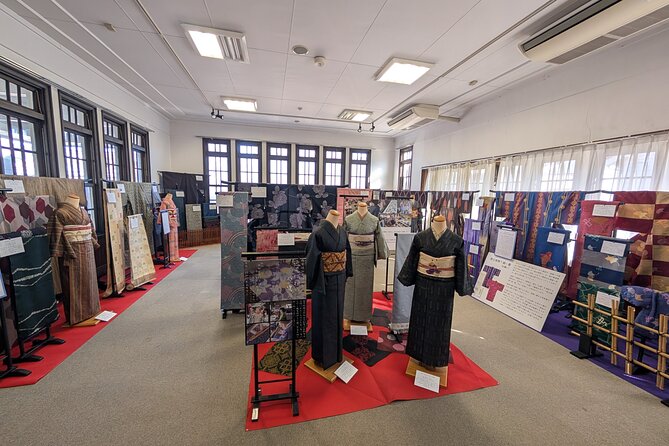
- Hands-on coaster-making tied to silk weaving tools and the Meisen tradition
- Live silk-spinning demonstrations that explain how thread becomes fabric
- Float-festival viewpoints during the season’s story arc, including where floats are pulled up
- Banba Street to Chichibu Shrine, including stops along the festival approach
- Small group size (max 5) that makes it easier to ask questions during workshops
Silk-and-festival day trip: what you’re really doing in Chichibu
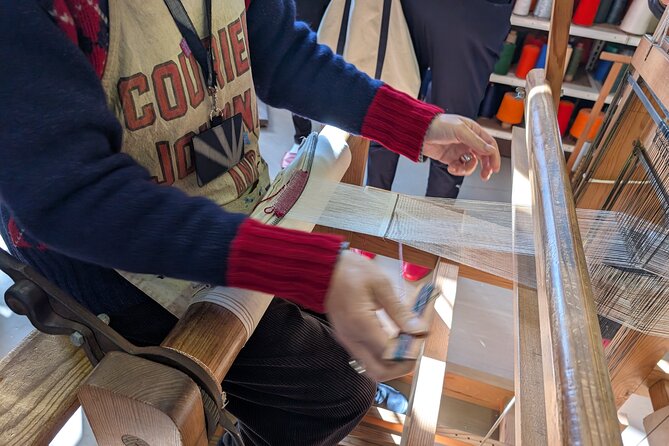
This is a focused, theme-driven morning built around one big idea: Chichibu’s fame didn’t just come from pretty cloth. Silk weaving, kimono fashion, and the Chichibu Night Festival grew together, and you feel that connection as you move from workshop to museum to shrine.
You start at the Chichibu Meisen Silk Center area, then the day turns into a walking story—Meisen wholesalers, festival display spaces, and key shrine approach routes. The pacing stays friendly: about 1 hour at the first stop, then shorter museum and walking segments, finishing at Chichibu Shrine with time to wander on your own.
If you’re traveling from Tokyo, this format is especially practical. One review note I found useful is that Chichibu is about 90 minutes from Tokyo by Seibu Railway’s Limited Express Laview, which makes this a realistic half-day cultural mission rather than an all-day commitment.
You can also read our reviews of more tours and experiences in Saitama Prefecture.

Chichibu Meisen Silk Center: live spinning and a coaster you can make
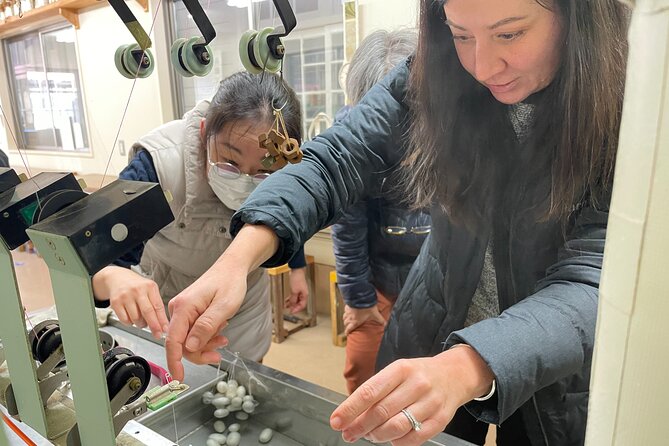
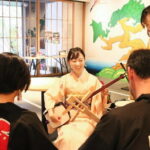
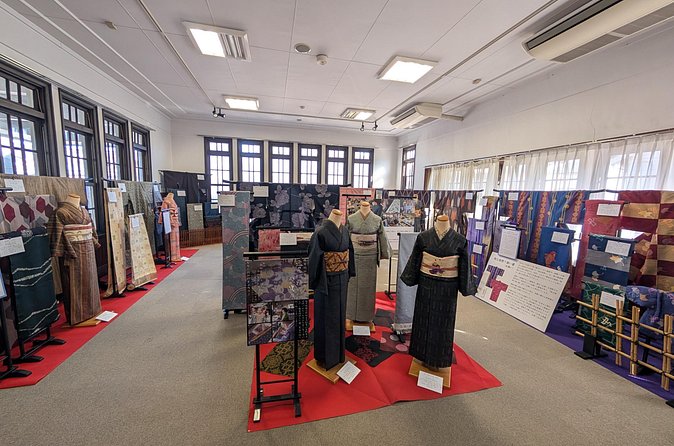
Your first stop is the Chichibu Meisen Silk Center, where you’ll see how Chichibu’s silk industry connects to the Meisen kimono style that became popular as casual, stylish clothing about 100 to 130 years ago. Instead of only looking at displays, the center gives you something active to do.
What to expect here
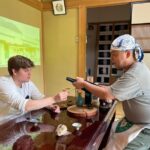
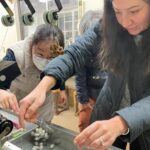
Plan on about 1 hour for this segment, and you’ll have admission included. The experience includes live silk-spinning demonstrations, plus a coaster-making workshop where you use a loom-style approach to create your own coaster.
That coaster part is more than a souvenir moment. It forces your brain to translate what you’re seeing—thread, tension, weaving patterns—into a small object. Even if you don’t remember every technical term, you’ll leave with a clear physical sense of how weaving works.
A small consideration
The workshop time is limited by the tour length. If you want slow, detailed step-by-step craft practice, you might find this brief. Still, for a first taste of Meisen weaving culture, it’s a strong way to get past the museum-only approach.
Finding the Night Festival story: float-prep views and the Chichibu Festival Museum
After the craft-focused first stop, the tour shifts to festival context—why Chichibu had yatai float parades in the first place and how those events shaped local identity.

The float-pull viewpoint
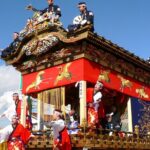
There’s a guided walk to the slope where the floats are pulled up during the climax of the Chichibu Night Festival. Even if you’re not there for the full parade sequence, you learn the mechanics of the festival moment—where floats are positioned, and how the town’s layout and timing matter.
This is one of those details that makes the rest of the story click. When you later see float displays, you’ll understand they are not only art objects; they’re part of a choreography.
Chichibu Festival Museum: short visit, big visual payoff
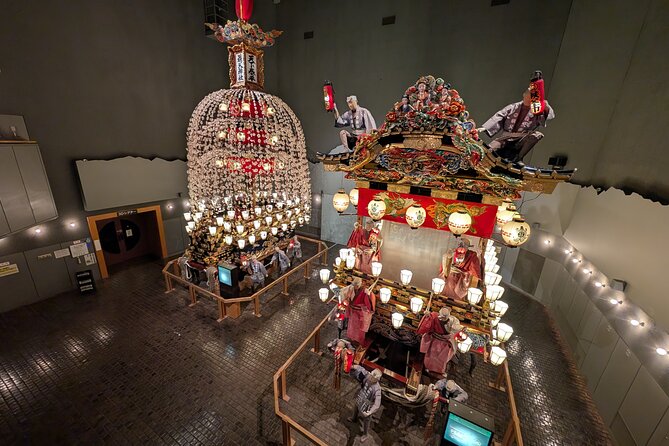
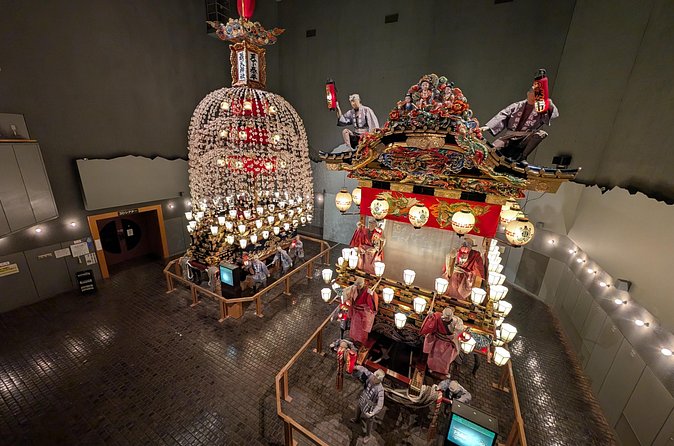
Next you visit the Chichibu Festival Museum area, with about 30 minutes and admission included. The Night Festival is described as one of Japan’s three great float festivals, along with Kyoto’s Gion Festival and Takayama’s float festivals in Hida.
In the museum setting, you’ll get year-round context through displays of yatai floats and kasaboko. One review specifically flagged the museum’s 3D-style tour of the floats and fireworks, which is the kind of format that helps you grasp festival scale without needing to wait for December nights.
The wholesaler-street feeling
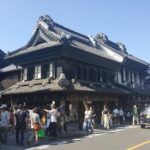
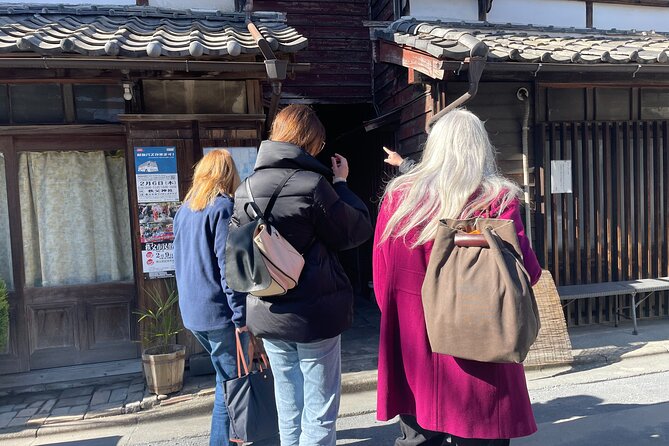
You’ll also walk parts of streets that once housed Meisen wholesalers. The tour highlights areas that retain an early Showa-period atmosphere, lined with valuable commercial buildings tied to Meisen production and trade. As you walk, it’s easier to understand how silk commerce and local community life fed each other.
One practical note: these segments are short, so bring your camera, but also bring your attention. The buildings are part of the lesson.
Meisen wholesaler storehouses at Chichibu Furusato-kan
Your next stop is Chichibu Furusato-kan, about 10 minutes. Admission is free for this segment, and the focus stays on the past: the tour points you to buildings and storehouses of Meisen wholesalers that thrived roughly 100 to 120 years ago.
Even in a short stop, this adds texture. Museums can teach you the story, but storehouses and building forms help you see how the business side worked—storage, trade spaces, and the physical footprint of silk commerce in Chichibu.
Chichibu Shrine on Banba Street: carvings, age, and festival focus
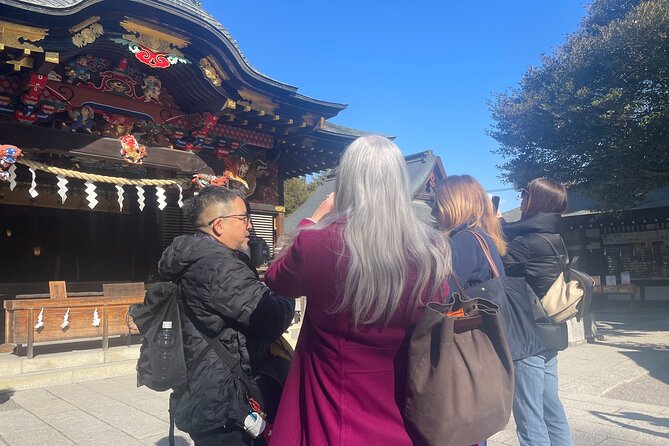
You finish at Chichibu Shrine, including a guided walk along Banba Street, the stone-paved approach to the shrine. This street is lined with modern buildings built in the late Taishō to early Shōwa periods, about 100 years ago.
That contrast matters. It helps you see how old sacred space sits next to more recent town development, instead of being frozen in time. For photography, it’s also a good setup: the approach gives you a natural rhythm of sightlines up to the shrine grounds.
Why the shrine is the anchor point
Chichibu Shrine is believed to have been founded over 2,100 years ago. The tour frames it as the focal point of the Chichibu Night Festival, and it’s known for intricate carvings and a sacred atmosphere.
In practice, this stop is where the theme gets emotionally grounded. Silk and festival floats can be fun to learn about, but a shrine with that kind of age and craftsmanship gives you a sense of continuity. You’re not only studying a craft; you’re stepping into a place tied to community identity for generations.
After the tour ends
Once you arrive at Chichibu Shrine, the tour ends and you’re free to stroll around town at your leisure. This is one of the best parts of the format: you can spend your remaining time lingering where the story grabbed you most—maybe the shrine area itself, maybe the surrounding lanes.
Price and time value: is $100.99 a good deal?
At $100.99 per person, this is not a budget throwaway. But it also isn’t only museum-entry pricing.
Here’s what you get that drives value:
- Chichibu Meisen Silk Center admission is included
- The coaster-making experience fee is included
- Chichibu Festival Museum (festival hall) admission is included
- The guide fee is included
- The shrine stop and Furusato-kan are described as admission free
So you’re paying mainly for interpretation plus hands-on learning, not just ticket access. For a 3-hour format, that’s the sweet spot: you get craft instruction, a themed museum visit, and a shrine finish without needing to plan multiple separate tickets.
Also note the human-scale advantage. The experience is capped at max 5 people, so it’s easier to ask questions during the workshop and on the walk segments than on a bigger group tour.
The main reason it might feel pricey
If you already know a lot about Meisen weaving, or if you prefer unguided museum time, you may feel the tour is too structured. In that case, consider whether you’d rather visit the Meisen and festival areas on your own. But if you want story clarity and hands-on learning packed into one morning, the price starts to make sense.
How to plan your Chichibu day around this morning
This starts at 9:30 am and runs about 3 hours. That makes it easier to build a full day without rushing.
Once you’re done at Chichibu Shrine, you’ll have time to wander. One review response I saw also mentioned enjoying local soba and relaxing in an onsen afterward. I’d treat that as a solid model: after a craft-and-culture morning, you’re usually ready for a simple meal and something restorative.
If you’re coming from Tokyo, the “about 90 minutes by Limited Express Laview” detail is worth keeping in mind. It helps you build a realistic schedule: early morning departure, craft and festival learning, then more free time in Chichibu later.
Who should book this Chichibu silk-and-festival tour
This tour fits best if you:
- Want a short, guided orientation to Chichibu’s silk culture and Night Festival setting
- Like hands-on activities more than passive museum time
- Enjoy walking through streets where the buildings themselves carry the story
- Prefer a small group experience (max 5) so questions are easier to ask
It’s also a good option if you’re visiting Chichibu for the first time and want a guided path that links silk, textiles, festival floats, and the shrine in a way that feels connected.
Should you book Chichibu’s Weaving Story tour?
Book it if you want a morning that turns Chichibu from a name on a map into a place with clear connections. The combination of live silk-spinning, a coaster-making workshop, and festival context at the Chichibu Festival Museum gives you more than photos and facts. You’ll leave with at least one physical reminder of weaving, plus a clearer sense of why the Night Festival matters.
Skip or adjust expectations if you’re mainly chasing the full nighttime parade spectacle. This tour is built for daytime discovery, with festival story points and key viewpoints rather than an all-night yatai experience.
FAQ
How long is the tour?
It runs for about 3 hours.
What’s the meeting point and where does the tour end?
It starts at 1-chōme-16-15 Nosakamachi, Chichibu, Saitama 368-0033, Japan and ends at Chichibu Shrine, 1-3 Banbamachi, Chichibu, Saitama 368-0041, Japan.
What time does it start?
The start time is 9:30 am.
What does the price include?
The guide fee, Chichibu Meisen Museum admission, the coaster-making experience fee, and Chichibu Festival Hall admission are included.
Is Chichibu Shrine included?
Yes. The tour includes a stop at Chichibu Shrine, and admission is listed as free.
Do I pay extra for the coaster workshop or museum?
No extra payment is listed for those parts: the coaster-making experience fee and the Meisen Museum and Festival Hall admission fees are included.
Is the tour focused only on museums?
No. You also walk through festival-related areas, including a guided route along Banba Street and a stop at the slope where floats are pulled up during the Night Festival climax.
How many people are in the group?
The maximum group size is 5 people.
When is the Chichibu Night Festival held?
It is held annually on December 2nd and 3rd.