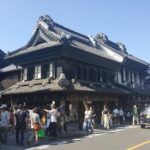
REVIEW · SAITAMA PREFECTURE
Unique Brewery Tour and One-of-a-Kind Sake Tasting Near Tokyo
Book on Viator →Operated by 奧むさし飯能観光協会 · Bookable on Viator
Most sake tours teach technique. This one explains why technique matters. You’ll head to Hannō, Saitama for a small-batch brewery visit focused on doburoku, a rare style made by bottling the unfiltered mash while fermentation is still going.
I like two things most: the brewery’s unusual method using traditional wooden barrels instead of stainless tanks, and the tasting experience served in cups made from 100% Hanno soil—a material no longer produced in the same way.
One thing to consider: you’re tasting alcohol and lunch isn’t included, so plan water and an easy food stop after the tour.
In This Review
- Key points worth knowing before you go
- Doburoku and wooden barrels: the reason this tour feels different
- Getting there: Hanno is easy, and that helps a lot
- Meeting at Hannō Station: the part that sets the tone
- Yamane’s setting: a brewery tucked inside a repurposed convenience store
- The brewing method that leans on Nishikawa timber
- The tasting: three sakе types, special Hanno-soil cups, and guided service
- Snacks and what to do with that taste afterward
- Lunch timing on your own: build the rest of your day around it
- Price and value: what $100.43 buys you in the real world
- Who should book this tour (and who might skip it)
- Should you book the Yamane Brewery doburoku tasting?
- FAQ
- FAQ
- Where does the tour start?
- What time does the tour begin?
- How long is the experience?
- What is included in the tour price?
- Is lunch included?
- Is transportation included?
- How large is the group?
- Do I need to bring a ticket?
- Is it near public transportation?
- What is the cancellation rule?
Key points worth knowing before you go
- Doburoku gets bottled mid-fermentation, so storage is hard and restaurant service is rare
- Yamane uses wood barrels made from local Nishikawa timber, letting microorganisms shape the flavor
- The tasting is built around three types of sake, not just one safe pour
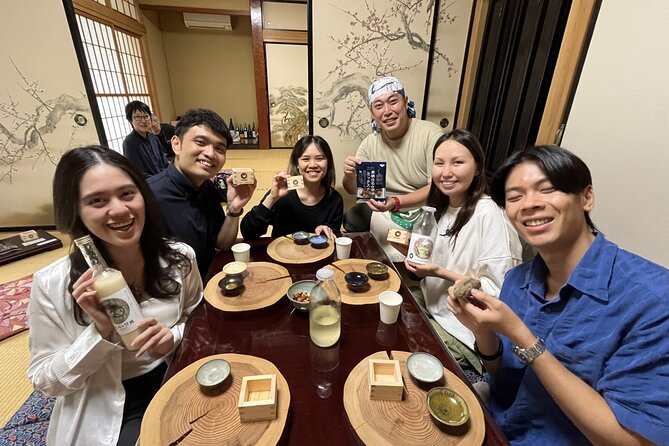
- Your cups are made from 100% Hanno soil, using a material now limited in availability
- Group size is capped at 8, so questions are actually possible
- You’ll get snacks plus sake, but you’ll plan lunch on your own nearby afterward
Doburoku and wooden barrels: the reason this tour feels different
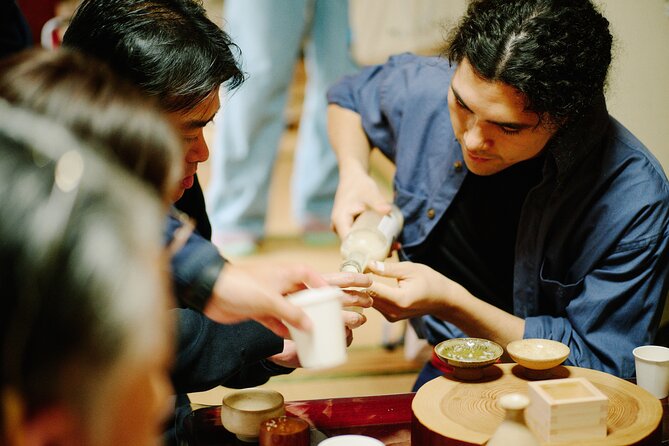
If regular sake is the mainstream, doburoku is the small, stubborn cousin. Instead of filtering and finishing in the usual way, doburoku is made by bottling the unfiltered mash (moromi) while fermentation is still continuing. That single choice changes everything: flavor texture, aroma, and especially how fragile it is.
This is why you usually don’t see doburoku at restaurants. It’s difficult to store, and the window of enjoyment can be short. So when a brewery like Yamane commits to it in small batches, the result is something you’re tasting because it’s hard to make—not because it’s easy to mass-produce.
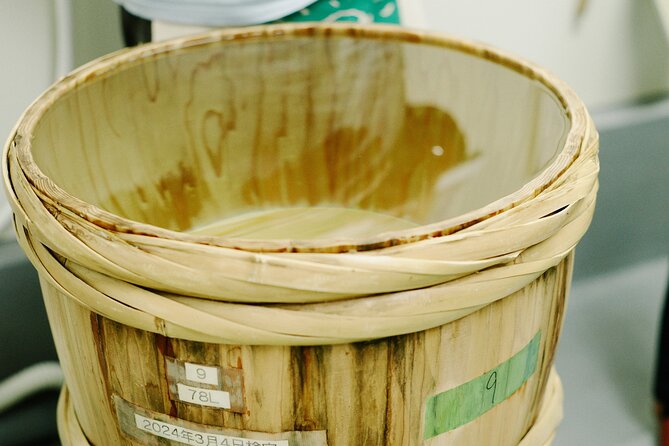
Then there’s the barrel choice. Yamane favors traditional wooden barrels made from local Nishikawa timber. Stainless tanks are clean and predictable; wood is less controllable. That’s the point. Wood and local water help natural microorganisms do their job, creating subtle, changing character that you can’t fully replicate elsewhere.
For you, that means the tour isn’t just “here’s how sake is made.” It’s a lesson in how materials and environment influence a drink at the living level—almost like the brewery is working with a system, not a machine.
You can also read our reviews of more food & drink experiences in Saitama Prefecture
Getting there: Hanno is easy, and that helps a lot
The tour starts and ends around Hannō Station in Saitama. From Tokyo, you can reach Hannō in about an hour by train, which makes it a realistic add-on even if you’re not staying in Saitama.
This is also a smart base if you’re mixing day trips. Hannō connects conveniently to places like Chichibu and Kawagoe, and it’s not far from attractions including Moominvalley Park. Translation: you’re not stuck in a single bubble where everything has to be planned around the brewery.
The tour itself is near public transportation, which matters because you’re not paying extra for private transport. And since the group is small (up to 8), the pace tends to feel human: you’ll have time to listen without being herded like a conveyor-belt product.
One practical tip: arrive a few minutes early and get your bearings at the station. The meeting starts at 1:00 pm, and you’ll need a clean moment to find the guide holding a tour placard.
Meeting at Hannō Station: the part that sets the tone
You’ll meet at Hannō Station. After you exit the ticket gates, look for the guide with the tour placard and join the group for a short setup briefing.
From there, you’ll walk together and head to the bus. This is a good moment to decide how you want to drink your afternoon: calm and curious, or talkative and question-heavy. Because with a small group, either style works.
Also note the timing shape of the day. The tour runs about 3 hours 30 minutes total. You’re not committing to a full half-day that eats your whole evening. That’s a big value point if you want to pair it with lunch, a shrine visit, or another nearby stop after you’re done.
One more small consideration: the first and last station segments are part of the schedule, but the actual admission ticket language isn’t included there. In practice, that usually just means you’re traveling like normal on the day rather than paying separate paid entrances.
Yamane’s setting: a brewery tucked inside a repurposed convenience store
Yamane Sake Brewery is described as operating out of a repurposed convenience store. That detail is more than cute branding. It signals something about priorities: the focus is making the sake, not building a tourism facade.
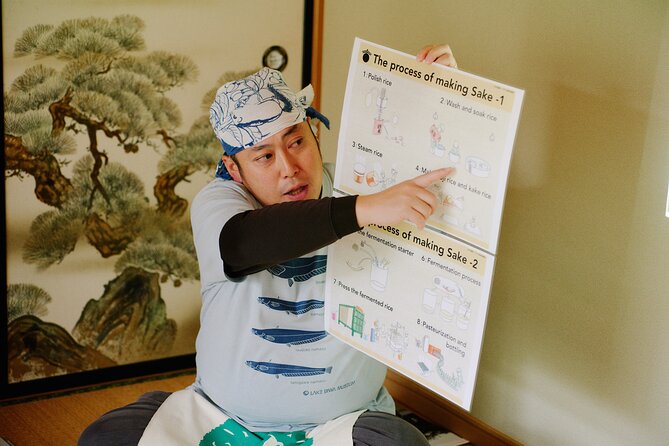
You’ll also visit the head of the traditional Japanese house on-site. This isn’t just “look at an old building.” You receive a lecture there on how sake brewing at Yamane differs from conventional approaches. For you, that preps your tasting so you’re not just sampling blindly.
Think of it like a tuning fork. The more you understand why their process is unusual, the easier it is to notice differences in aroma, texture, and how the taste changes as it warms in the cup.
It also helps that the tour gives you time at this stop—about 2 hours 20 minutes. That duration is long enough for real explanation and for questions that don’t feel rushed.
The brewing method that leans on Nishikawa timber
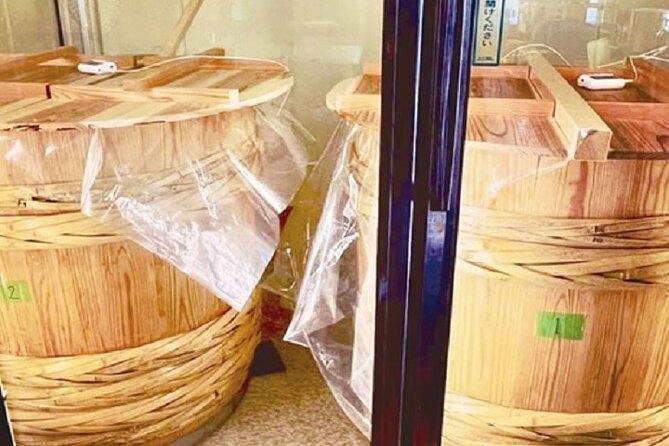
Most breweries lean on steel tanks because they’re predictable. Yamane goes the other direction with wood barrels made from local Nishikawa timber. Wood creates a different kind of relationship between the fermenting mash and the container.
With doburoku, the fermentation process continues right up through bottling. So anything that influences fermentation—microbes, wood pores, and local water—matters. Wood gives microorganisms a foothold, and you get flavors shaped by both the craft and the environment.
This is the part you’ll want to listen to closely: the tour explains that their approach allows natural microorganisms to thrive, contributing flavor notes from the wood and water. When you taste later, you’ll have a mental map for why the experience isn’t uniform like mass-market sake.
And since you’re tasting small-batch products, you may notice that no two pours are exactly the same. That’s not a flaw; it’s part of how living processes work.
If you like learning in a grounded way—materials, method, outcome—this stop is the heart of the whole tour.


The tasting: three sakе types, special Hanno-soil cups, and guided service
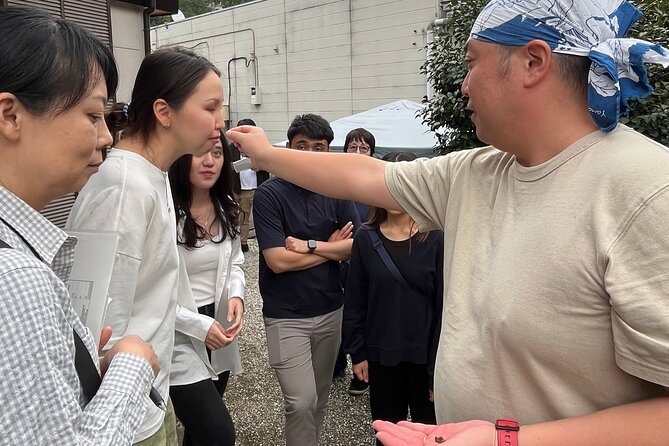
During the tour, you’ll taste three types of this special sake. The emphasis isn’t only on variety; it’s on understanding how doburoku behaves.
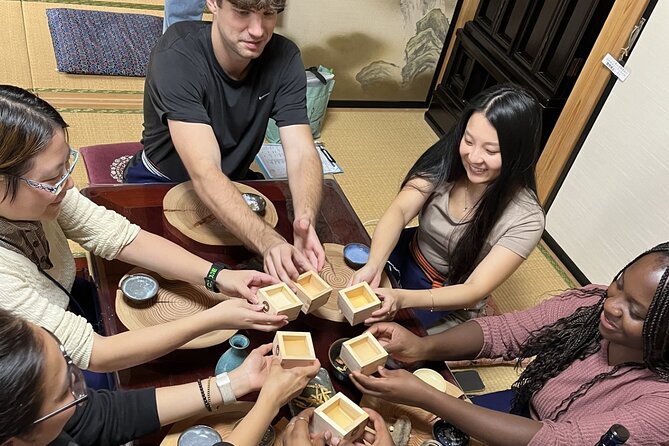
Even the cups feel like part of the lesson. You’ll drink from locally crafted cups made from 100% Hanno soil. The kicker is that this material is no longer produced and only available in limited quantities. So the tasting becomes more time-bound and place-specific than the usual souvenir-cup situation.
This is where I think the tour earns serious goodwill. A lot of tastings hand you a drink and send you on your way. Here, the cup material and the guided context work together. You’re tasting the sake, and you’re also experiencing the local craft that surrounds it.
You’ll also get snacks during the tasting. Those matter because doburoku tends to show different sides depending on how you pair it. Food helps reset your palate so you can notice nuance across the three varieties rather than just chasing intensity.
Finally, pay attention to how you’re taught to serve it. Some past participants highlighted that the host teaches proper serving. That’s practical advice for you at home too, because sake flavor can shift with temperature and pour style.
Snacks and what to do with that taste afterward
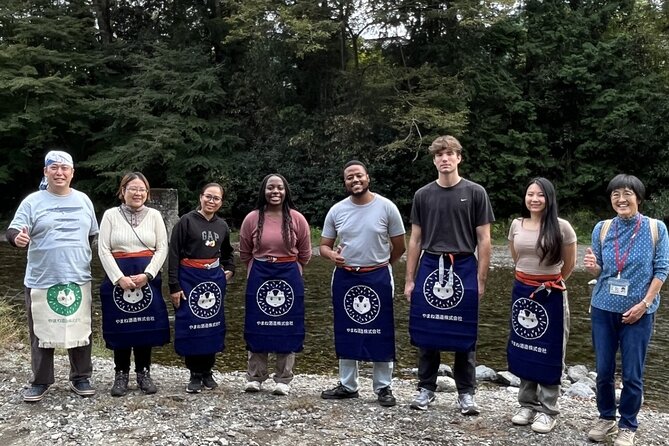
The tour includes alcoholic beverages and a sampling of snacks. I like this approach because it helps you avoid the classic sake-tour problem: tasting lots of strong flavors on an empty stomach.
Since lunch isn’t included, this is your opportunity to manage timing. Eat the snacks slowly, sip the sake thoughtfully, and then plan food after you return to Hannō Station.
If you want to extend the experience after the tour, use what you tasted as a filter. For example:
- If one of the three types felt brighter or lighter, you’ll likely enjoy foods that don’t overpower flavor.
- If another type felt fuller or more complex, you can look for comfort-style local dishes that match that weight.
You don’t need fancy pairing knowledge. You just need attention. That’s the real value of tasting something rare: it teaches your palate what to pay attention to next.
Lunch timing on your own: build the rest of your day around it
You’ll ride the bus back to Hannō Station with the guide, arriving around lunchtime. At that point, you can check out lunch at one of the guide’s recommended local restaurants.
This is a good setup. You avoid being “forced” into a set meal that might not match your preferences, and you still get local guidance at the moment you actually need it.
Because the tour ends back at the meeting point, Hannō Station is also a convenient launchpad. You can easily pivot into:
- a second day-trip direction (Chichibu, Kawagoe)
- a scenic wander if the weather is decent
- or a more relaxed stop if you want to pace yourself after tastings
Just be realistic: you’ll be drinking on a 3 hour 30 minute schedule. Go for lunch options that don’t turn into an all-day commitment unless you’re already in vacation mode.
Price and value: what $100.43 buys you in the real world
The price is $100.43 per person, lasting about 3 hours 30 minutes. On paper, that can sound like “sake plus a few stories.” In reality, it’s more like a hands-on craft lesson paired with rare ingredients.
Here’s where the value comes from:
- You’re tasting three types of doburoku-style sake, not just a single sample
- The brewery uses traditional wooden barrels and a difficult-to-store style, which limits supply
- You drink from Hanno-soil cups made with a limited, no-longer-produced material
- The group is small (max 8), so the host can actually tailor explanations to the room
- Snacks are included, which makes the tasting more comfortable and enjoyable
Also, group discounts and a mobile ticket are mentioned, which can help if you’re booking with friends or planning multiple activities.
One more practical note: private transportation isn’t included. That means your spending is more straightforward. You just handle getting yourself to Hannō Station by train, and the tour handles the local movement during the experience.
If you’re a sake fan, or even a curious food-and-craft person, this pricing can feel fair because the experience is specific to place and process. You’re not buying generic “sake tourism.” You’re buying access to a rare practice and a thoughtful tasting setup.
Who should book this tour (and who might skip it)
This is a great fit if you:
- like learning how ingredients and materials change flavor
- enjoy traditional methods (wood barrels, local timber, local water)
- want something different from the standard brewery tour script
- plan to spend time around Hannō anyway, so you can connect it with other nearby areas
You might want to reconsider if you:
- don’t drink alcohol and want a non-alcohol-centered experience (this is explicitly an alcoholic tasting tour)
- hate the idea of not having lunch included, since you’ll need to plan food afterward
- prefer very structured schedules with no group pace flexibility (a small-group tour can still feel informal and question-led)
That said, “most travelers can participate” is noted, and the group size is small, which usually makes the experience easier for people who don’t want to feel lost in a big crowd.
Should you book the Yamane Brewery doburoku tasting?
I’d book it if you’re the kind of person who cares about what makes a product hard to make. This tour leans hard into that theme: doburoku’s fragile nature, Yamane’s wooden-barrel approach with Nishikawa timber, and a tasting presentation tied to the place itself through Hanno-soil cups.
It’s also a smart use of time. You get a rare craft experience starting at 1:00 pm, finishing back at Hannō Station with a lunchtime window to keep exploring.
If you want a brewery tour that’s more about taste and process than souvenir shopping, this one is a strong choice. Just plan lunch on your own afterward, and keep your pace calm while you’re tasting.
FAQ
FAQ
Where does the tour start?
It starts at Hannō Station in Hanno, Saitama, Japan.
What time does the tour begin?
The start time is 1:00 pm.
How long is the experience?
It runs about 3 hours 30 minutes.
What is included in the tour price?
The tour includes alcoholic beverages (a sake tasting) and a sampling of snacks.
Is lunch included?
No. Lunch is not included, and you’ll have time around lunchtime to eat at nearby local restaurants.
Is transportation included?
Private transportation is not included in the tour price.
How large is the group?
The group size is capped at a maximum of 8 travelers.
Do I need to bring a ticket?
You’ll use a mobile ticket.
Is it near public transportation?
Yes, it’s near public transportation, with Hannō Station as the meeting point.
What is the cancellation rule?
You can cancel for a full refund up to 24 hours before the experience’s start time.