REVIEW · FUJISAWA
Kamakura and Enoshima: Private Guided Day Tour with Vehicle
Book on GetYourGuide →Operated by Nippon Tour · Bookable on GetYourGuide
Coastal temples, big views, and a calm ride. This private Kamakura and Enoshima day tour strings together bronzed icons, temple gardens, and seaside legends, with a car that keeps you from wasting time hopping between rail lines. You also get an English-speaking guide to explain what you’re seeing, not just point at it.
I really like the focus on two star areas: Kōtoku-in’s Great Buddha for that iconic first impression, and the Enoshima Sea Candle for the climb-and-panorama payoff. I also like how you’re not locked into a single pace—you get guided time for the heavy hitters, plus room for your own strolling and shopping.
One thing to consider: the day includes several timed stops plus optional elements, and even on a private schedule the order can shift. Also, key temple/shrine entry fees are not included, so budget a bit extra on top of the tour price.
In This Review
- Key points before you go
- A smooth 10-hour coastal escape from Tokyo
- Kōtoku-in and the Great Buddha: the photo stop that sets the tone
- Hase-dera’s gardens and the big Kannon statue
- Tsurugaoka Hachimangu: shrine authority and spring blooms
- Enoshima Island: shoreline paths and shrine detours
- The Enoshima Sea Candle climb and Mount Fuji reality checks
- Ebisu Cave and the island’s legend side
- Komachi Dori Street and the food-and-shop reset
- Hokoku-ji bamboo forest and the tea ceremony pause
- Price and logistics: is $483 per group good value?
- What the guide does for you (beyond facts)
- Common hiccups to plan for (including pickup problems)
- Who should book this Kamakura and Enoshima private tour
- Should you book it?
- FAQ
- How long is the Kamakura and Enoshima private guided day tour?
- What’s included in the price?
- What are the major stops on the tour?
- Are temple or shrine entry fees included?
- Is lunch included?
- Is there free time during the day?
- Is the tour wheelchair accessible?
- What group size is it for?
- What’s the cancellation policy?
Key points before you go
- Private vehicle comfort: hotel pickup, hotel drop-off, bottled water, and parking fees handled
- Great Buddha impact: a dedicated photo stop at Kōtoku-in at the start of the Kamakura half
- Hase-dera on the coast: gardens, a major Kannon statue, and walking time built in
- Seasonal cherry blossom potential: Tsurugaoka Hachimangu in spring is a visual highlight
- Enoshima Sea Candle climb: you’re positioned for panoramic views when the weather cooperates
- Caves and mythology stops: Ebisu Cave is part of the island experience
A smooth 10-hour coastal escape from Tokyo
This is a full day outing with a simple promise: see the best-known sights on both sides of the bay without stress. You start with pickup in Tokyo, then settle into a private ride toward Kamakura. The overall tempo is built around walking windows where it counts—temples, shrine grounds, and the Enoshima coastline.
The private format matters more than it sounds. In this area, stations, stairs, and crowd flow can slow you down. Here, the vehicle does that legwork so your guide can spend time on context—what a statue represents, why a shrine is arranged a certain way, and what to notice while you’re there.
You’ll likely be doing a fair amount of walking, though. Comfortable shoes are non-negotiable, especially if you hit the Sea Candle climb on Enoshima.
You can also read our reviews of more tours and experiences in Fujisawa.
Kōtoku-in and the Great Buddha: the photo stop that sets the tone
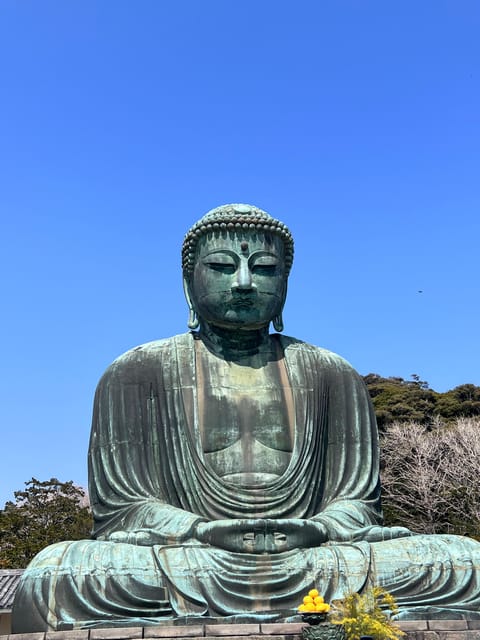
Kamakura often starts with one image: the Great Buddha. This tour includes a guided/photo stop at Kōtoku-in, where you’ll see the bronze Buddha statue tied to Kamakura’s identity.
The timing is short on purpose—about 30 minutes—so you can get your bearings and capture the classic angle without turning the first stop into a long slog. If you’re the type who likes to compare viewpoints, bring your camera and give yourself a few tries from different positions. Even in a quick window, you can still get great shots if you move with intent.
One practical note: you’ll need to plan for entry to Kotoku-in (300 Yen) since it’s not included. That’s a small add-on, but it’s good to know early so you’re not doing math at the gate.
Hase-dera’s gardens and the big Kannon statue
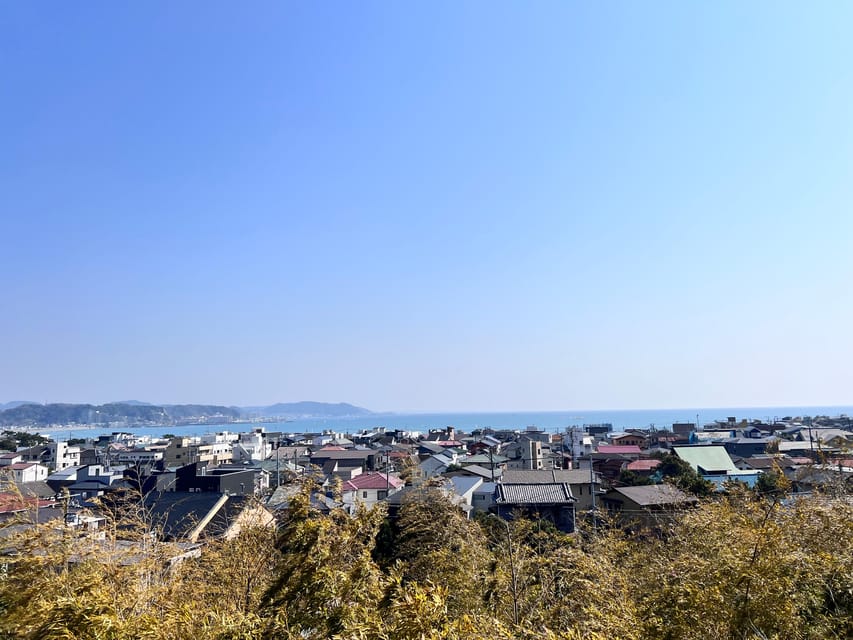
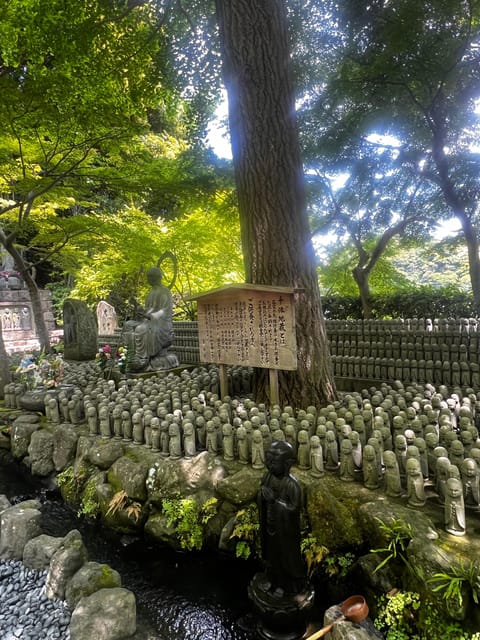
Next comes Hase-dera Temple, with guided sightseeing and time on foot (about an hour). What makes this stop feel “worth it” is the combination of setting and sculpture: the temple sits above the coast, and the grounds are known for their gardens and viewing spots.
Hase-dera is also home to a huge wooden statue of Kannon, the goddess of mercy. If your Japan sightseeing usually turns into quick hallway touring, this is a different rhythm—more time to slow down, notice details, and step back for views out over the area.
Because Hase-dera entry is 400 Yen and not included, keep a bit of cash ready (or be sure your payment method works). Also, sunscreen helps here if you get a sunny clear day for that coastal light.
Tsurugaoka Hachimangu: shrine authority and spring blooms
Then you’ll head to Tsurugaoka Hachimangu Shrine, the most important Shinto shrine in Kamakura, with a photo stop plus about an hour of walking and guided context. The big appeal is how the shrine connects to the town’s layout and daily life, not just to legends.
In spring, the area around Tsurugaoka Hachimangu can be especially beautiful because of cherry blossoms. Even if you’re not traveling in peak bloom, you’ll still get the sense of a place that’s central to community ritual and season by season changes.
Plan to enjoy the open grounds with your guide’s cues. Shrines aren’t just scenery; the approach paths, gates, and smaller structures each communicate status and tradition. The guide’s job here is to point out what to look for so the place feels less like a photo spot and more like a living symbol.
Enoshima Island: shoreline paths and shrine detours
After Kamakura, you drive to Enoshima Island. This part of the day is heavier on walking time (about two hours with guidance), but the layout is ideal for drifting at your own speed.
You’ll visit the Enoshima Shrine and spend time exploring coastal paths. This is one of those areas where the scenery does half the work for you: ocean views, snack-energy streets, and viewpoints that change every time you turn a corner.
You also get a separate stretch of free time and shopping later (about an hour). That’s useful if you want to do something practical—like grab a casual regional bite, browse local sweets, or just slow down after temple walking.
If you like your sightseeing with both structure and breathing space, this is the right balance: guided for the “musts,” then unstructured time so you can follow what catches your eye.
The Enoshima Sea Candle climb and Mount Fuji reality checks
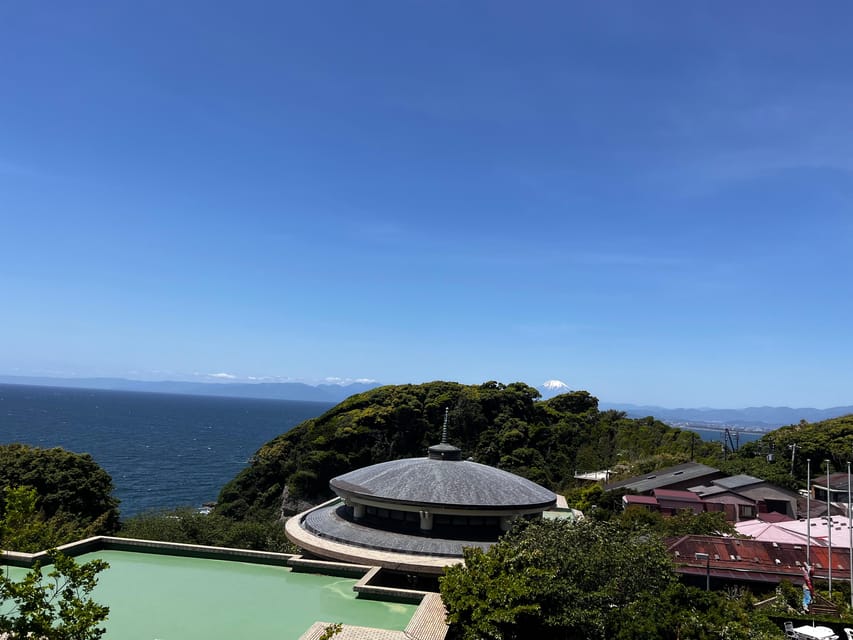
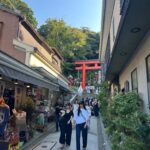
One of the day’s biggest draws is the Enoshima Sea Candle (the lighthouse). The tour includes time to climb to the top, which is where you’re aiming for panoramic views—especially Mount Fuji on clear days.
This is the part I’d plan around most, because it’s the one that can swing your day. On a crisp day with good visibility, the view can be a wow moment. On hazier days, you might get clouds instead of Fuji, and that’s just weather, not the tour’s fault.
Wear shoes you trust on uneven steps, and bring sunscreen even if the day looks mild. The sun can hit hard near the coast, and you’ll likely spend more time outdoors than you expect.
Ebisu Cave and the island’s legend side
Enoshima isn’t only about viewpoints. The tour also includes time for the caves, including Ebisu Cave, which adds a mythology layer to the day.
Caves change the feel of sightseeing. Instead of bright ocean air, you get a quieter, cooler shift in atmosphere. And since the setting is tied to local stories, this stop is best when you listen to your guide’s explanation—because the meaning behind the sights is part of what makes the place memorable.
If you’re visiting with a camera, you may find you prefer photos where the cave’s texture is visible rather than trying to capture everything in one shot. Lighting can be tricky in cave spaces, so move slowly and watch for the spots that look naturally brighter.
Komachi Dori Street and the food-and-shop reset
Back in Kamakura, you’ll have time at Komachi Dori Street. The tour includes about an hour that mixes guided context with street-food vibes, free time, and shopping.
This is a smart place to schedule your energy. After temples and a shrine, it’s a relief to switch to something informal. If you care about souvenirs, this is where you’ll likely find the most convenient browsing. If you care about eating, the street-food angle gives you options without committing to a long sit-down meal.
If you want a calmer approach, treat Komachi Dori like a menu. Sample small things, then buy what you truly want. That keeps the shopping fun instead of turning it into a pile of half-remembered snacks.
Hokoku-ji bamboo forest and the tea ceremony pause
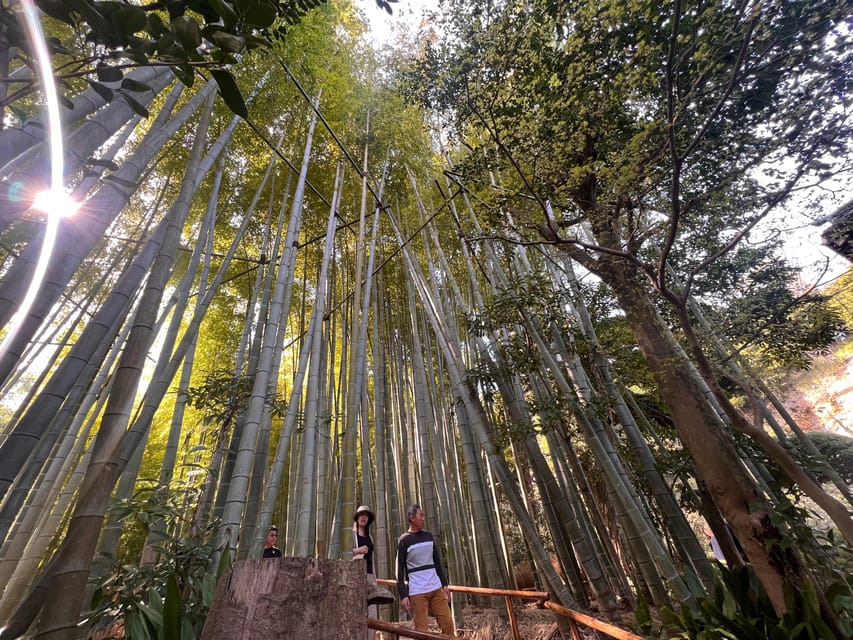
The tour also includes a photo stop at Hokoku-ji Bamboo Forest plus time that can include a tea ceremony (about an hour total at this stop). The bamboo area is a classic visual reset: tall stalks, soft shade, and a slower pace than the streets.
Some people can feel rushed in bamboo groves because they’re trying to take every angle at once. The better move is to pick one or two viewpoints and let the place work on you. Even a quick bamboo walk can feel restorative if you stop for a moment instead of speed-walking for photos.
If tea is included in your timing, treat it as a deliberate break in the middle of the day. It’s one of those experiences that turns a “sightseeing day” into something a bit more human-scale.
Price and logistics: is $483 per group good value?
The price is $483 per group up to 6, for a total 10-hour day. That can be a great deal if you’re traveling with family or friends and you split the cost. On the other hand, if you’re only one or two people, it can feel steep compared with shared tours or public transit days.
Where you’re really paying for value here is the private ride and the guide’s time. You’re getting a comfortable car, hotel pickup and drop-off, bottled water, and parking fees included. Then your guide ties the sites together so you’re not just moving from A to B.
Also remember what’s not included: Kōtoku-in entry (300 Yen), Hase-dera entry (400 Yen), and Hokoku-ji entry (400 Yen). Those fees are manageable, but they add up. If you’re budget-conscious, factor those in early.
Bottom line: if you want a stress-free, coach-style day with personal attention, the price starts to make sense. If you’re trying to keep costs ultra-low, you’ll want to compare with cheaper group tours.
What the guide does for you (beyond facts)
The biggest reason to choose a guided private day is what the guide adds between the photos. An English-speaking guide can explain why a shrine matters, what Kannon represents, and what to watch for as the day moves from Kamakura to Enoshima.
You’ll also benefit from small practical choices, like where to stop for lunch. The itinerary notes that lunch can usually be arranged with local restaurant recommendations. That helps because the best meal nearby isn’t always the most obvious one from a guidebook.
On top of that, there are hints that the experience can be handled smoothly. Some guide/driver pairings have been praised for being friendly, for giving clear explanations, and for keeping the day from feeling rushed.
Still, it’s smart to know this: the tour relies on a car and a scheduled pickup. That makes it efficient, but it also creates risk if anything goes wrong.
Common hiccups to plan for (including pickup problems)
The tour has a strong side: people report the day being planned well, with comfortable transportation and good explanations. I’d still be honest with you about the other side.
There are reports of pickup failures—like a driver not showing up, invalid contact details, and rescheduling that didn’t fix the problem. That’s rare, but it’s serious enough that you should treat it like a checklist item.
Before the day starts, make sure your pickup details are correct and your contact info is reachable. If your phone number for the provider is unstable, fix that early. And if you’re traveling in peak season, give yourself time buffers at the pickup location so a delay doesn’t turn into a panic.
Private tours can be wonderful when everything lines up. When it doesn’t, you want to reduce the chance that you’re stuck with no workable contact.
Who should book this Kamakura and Enoshima private tour
I think this tour fits best if you:
- Want maximum sight coverage in one day without transit stress
- Care about meaning and context, not only photos
- Are traveling with up to 6 people and can share the group price
- Prefer a calm schedule with a private car and built-in walking time
It also works well if you’re visiting with different walking abilities, since the tour is listed as wheelchair accessible. Still, bamboo groves, cave areas, and stairs at the Sea Candle can be physically demanding, so check in with the operator about how they handle routes for mobility needs.
If you’re a very independent traveler who already knows train schedules and wants maximum flexibility, you might find you can do this route yourself. But if you want your day handled end-to-end with an English-speaking guide guiding your time on foot, this private format is where the value is.
Should you book it?
Book it if you want a well-paced day that hits Kamakura’s Great Buddha, Hase-dera, Tsurugaoka Hachimangu, and then switches to Enoshima’s Sea Candle, shrine, caves, and coastal strolling—all with the comfort of a private vehicle and an English guide.
Skip or reconsider if you’re on a tight schedule with zero tolerance for pickup issues, or if you dislike paying extra temple entry fees on top of the base cost. And if you choose to book, do yourself a favor: verify pickup details carefully and keep your phone reachable the morning of.
If everything runs smoothly, this is the kind of day that feels efficient without feeling rushed—your photos will have meaning, and your legs will thank you for the car.
FAQ
How long is the Kamakura and Enoshima private guided day tour?
The tour duration is 10 hours.
What’s included in the price?
Included are a private vehicle, an English-speaking guide, hotel pickup and drop-off, bottled water, and parking fees.
What are the major stops on the tour?
You’ll visit Kōtoku-in (Great Buddha), Hase-dera Temple, Tsurugaoka Hachimangu Shrine, Enoshima Island (including Enoshima Shrine and Ebisu Cave), and the Enoshima Sea Candle. The tour also includes time at Komachi Dori Street and a stop for the Hokoku-ji Bamboo Forest area and a tea ceremony.
Are temple or shrine entry fees included?
No. Entry to Kotoku-in (300 Yen), Hasedera (400 Yen), and Hokoku-ji (400 Yen) are not included.
Is lunch included?
Lunch isn’t listed as included, but your guide typically can recommend local restaurants and help you plan a lunch stop.
Is there free time during the day?
Yes. There is free time for shopping and regional food on Enoshima (about 1 hour) and free time at Komachi Dori Street (about 1 hour).
Is the tour wheelchair accessible?
Yes, it is listed as wheelchair accessible.
What group size is it for?
This is a private group, and the pricing is per group up to 6 people.
What’s the cancellation policy?
Free cancellation is available up to 24 hours in advance for a full refund.