REVIEW · TOKYO
From Tokyo: Private Mt. Fuji and Hakone Tour by Car
Book on GetYourGuide →Operated by Asoko LLC · Bookable on GetYourGuide
Fuji and Hakone in one private day can feel like a cheat code. I like how this hotel-to-hotel car tour lets you set your own rhythm across Yamanakako, Owakudani, Lake Ashi, and the red torii at Hakone Shrine. I also like that the English-speaking driver often doubles as your calm, careful day-captain and even helps with great photos. One thing to keep in mind: the focus is strongly on sights and views, so if you want deep historical storytelling at every stop, you may feel slightly underfed.
You get a modern, air-conditioned vehicle and a driver who can advise on what to see and how to time it. The route hits the big-name Fuji-and-lake moments plus a couple of optional upgrades that can make the day feel either balanced or extra-traditional, depending on what you check off at booking. The good news is the private setup gives you flexibility. The catch is the day is packed, so you’ll want to be decisive about where you want to spend extra minutes.
In This Review
- Key Points That Matter
- Why This Private Hakone and Mt. Fuji Day Fits Most People
- Your Private Car Route: From Central Tokyo to the Fuji Area
- Mt. Fuji 5th Station (Komitake Baiten): What the Optional Higher View Really Gives
- Yamanakako: Lake-Level Fuji Reflections Without the Crowds-Only Stress
- Owakudani Valley: Steam Vents and the Famous Black Eggs
- Lake Ashi and the Hakone Shrine Torii Gate: The Postcard Combo
- Hakone Open-Air Museum: Art With a View (and a Cable Car Ride)
- Gotemba Premium Outlets and Heiwa no Torii: The Endgame Stops
- Price and Value: What You’re Really Paying For
- Drivers Make or Break It: What the Best Days Have in Common
- Who Should Book This Private Tour (and Who Might Skip)
- Should You Book This Private Mt. Fuji and Hakone Tour?
- FAQ
- How many people can be in a group for this tour?
- What’s included with the tour price?
- Are tickets and entrance fees included?
- Is lunch included?
- Can I choose whether to visit Mt. Fuji 5th Station?
- Where does pickup and drop-off work?
Key Points That Matter
- Door-to-door pickup and drop-off from Tokyo’s 23 wards makes the day feel effortless.
- Private, customizable pace means you can linger for photos without negotiating with strangers.
- Fuji Five Lakes stop at Yamanakako gives you classic reflection-photo chances.
- Owakudani volcanic valley delivers steam vents plus the famous black eggs snack moment.
- Lake Ashi and Hakone Shrine deliver postcard views, including the iconic lakeside torii gate.
- Optional extras like the Hakone Open-Air Museum and Mt. Fuji 5th Station can tailor the day.
Why This Private Hakone and Mt. Fuji Day Fits Most People
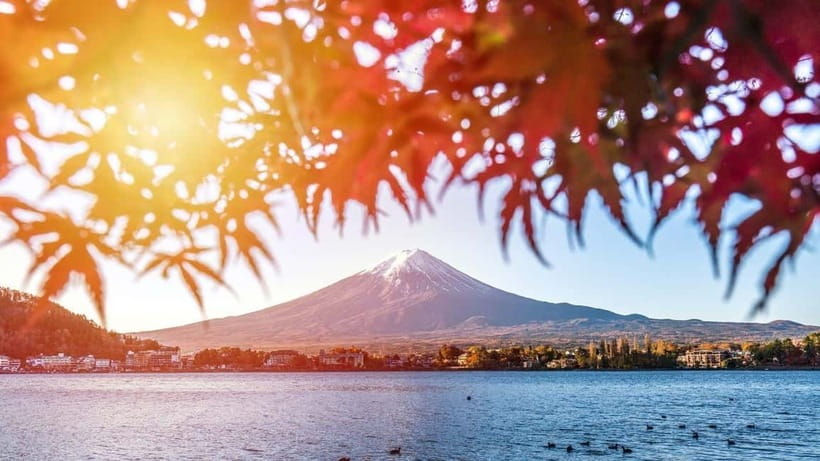
This is built for one simple goal: seeing more of the Fuji-Hakone area in a single day, without the stress of trains, transfers, and timetable math. You’re traveling by car the whole way, so you can react to real-world conditions—clouds, crowds, parking realities—without losing your place.
I also like the private element for families and groups. When you only have one vehicle and one driver, you control the tempo. You can decide what’s a must-see and what’s a quick look. One family even had their lunch craving adjusted off-route, which is exactly the kind of practical flexibility that makes private day trips worth it.
The other big factor is the human one. Names keep popping up in positive feedback for drivers who are on time, careful on winding roads, and easy to communicate with. That doesn’t sound flashy, but on a mountain day it matters.
You can also read our reviews of more private tours in Tokyo
Your Private Car Route: From Central Tokyo to the Fuji Area
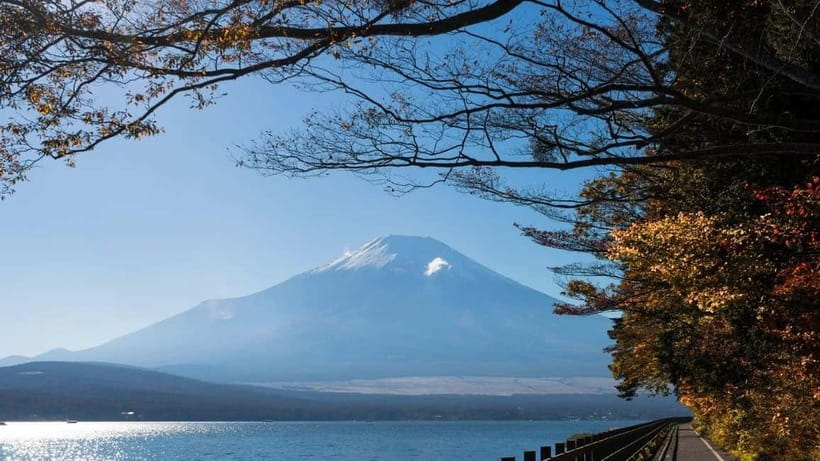
The day runs about 10 hours, with around 2 hours of transfer time built into the schedule. That sounds long on paper, but the drive is part of the show: you’re moving from Tokyo into the Fuji region, and the scenery changes in a way you simply don’t get on a rushed bus plan.
Pick-up and drop-off are designed to be straightforward. If you start and end in Tokyo’s 23 wards, it’s included. If you’re outside those areas, there’s a surcharge (JPY 5,000–20,000), paid before or on the day depending on your location. If you’re picked up in the Fuji/Hakone area, timing shifts to a 9:30–10:00 AM style start, with drop-off around 4:00 PM.
Also note the tour is rain or shine. It won’t cancel just because of drizzle. The operator only cancels in unsafe weather, as determined by their team.
Mt. Fuji 5th Station (Komitake Baiten): What the Optional Higher View Really Gives
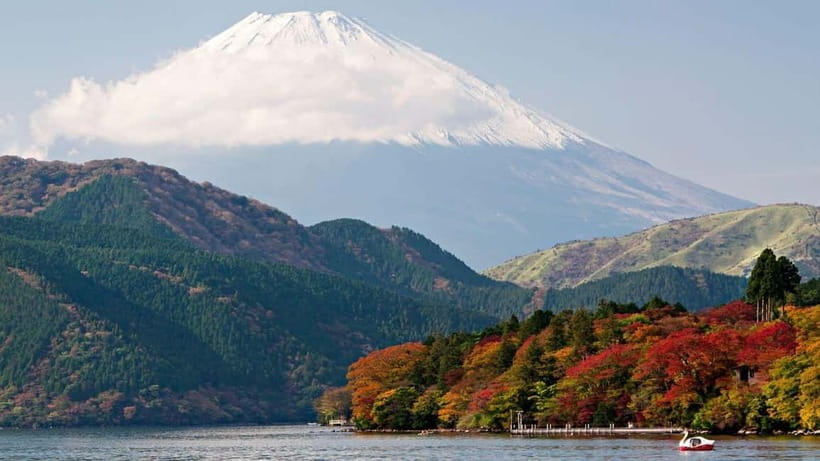
If you choose the Mt. Fuji 5th Station option at checkout, you’ll get a photo-stop and sightseeing window with a scenic drive portion totaling about 2 hours. Komitake Baiten is the specific stop name tied to this part of the day, and that’s a big deal because it’s the kind of place where the feeling changes fast—from lakes and forests to higher-altitude views.
A practical note: Mt. Fuji visibility is never guaranteed. Clouds can roll in, and that’s the reason private flexibility helps. If conditions aren’t great, your driver can still make sure you get value from the time you spent climbing in altitude by optimizing stops around what’s actually visible.
This is the best fit if:
- you want something closer to the classic mountain experience
- you’re traveling with teens/adults who can handle a busy schedule
- you want the day to include at least one “wow, we’re really up here” moment
If you skip it, you’re typically freeing up time for more lake, shrine, or museum moments—useful if you’re prioritizing views and walking rather than altitude.
Yamanakako: Lake-Level Fuji Reflections Without the Crowds-Only Stress
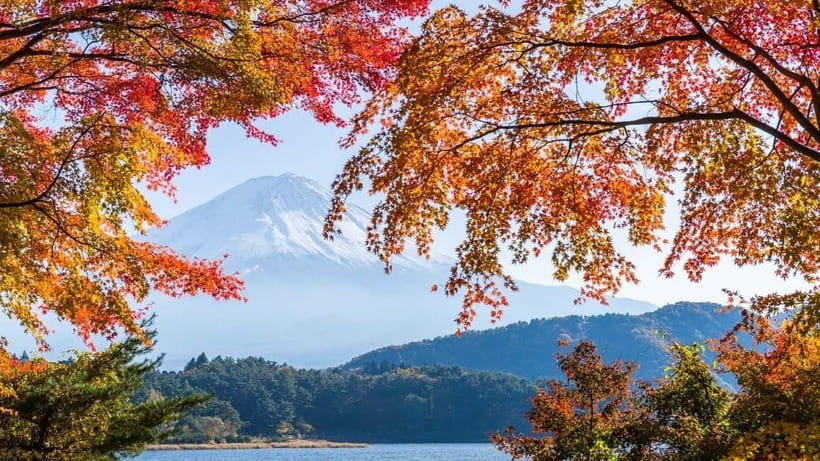
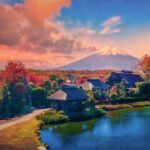
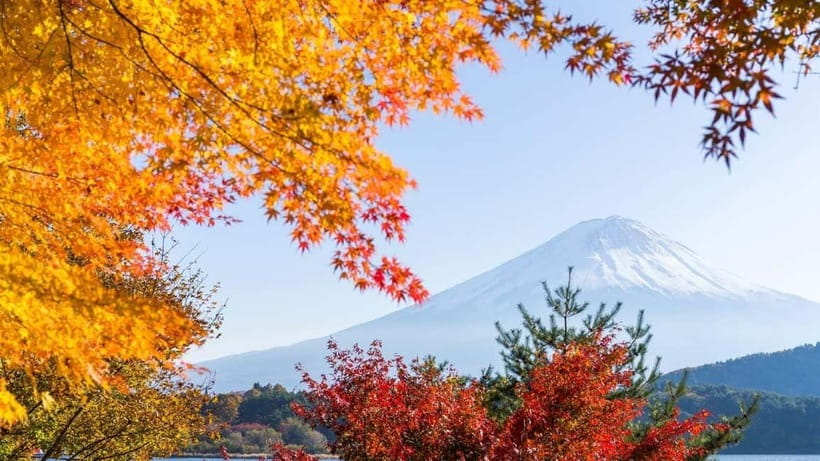
One of the nicest parts of this day is how it starts with Yamanakako, one of the Fuji Five Lakes. You get around 45 minutes here, including a photo stop and a visit/walk. This is the kind of lake stop where you can get that classic “Fuji in the water” feeling—especially when the air is calm.
Why Yamanakako works so well in a private tour: it’s not just a quick stop from the road. You have enough time to walk a bit, find a viewing angle, and decide if you’re getting the reflections you hoped for. If it’s not perfect, you can pivot your focus to the lakeside views rather than treating it as a one-shot photo lottery.
What to watch for:
- You’ll want comfortable shoes because even a short walk can include uneven pavement and lake-adjacent paths.
- Keep expectations realistic. You’re chasing reflections, not controlling them.
Owakudani Valley: Steam Vents and the Famous Black Eggs
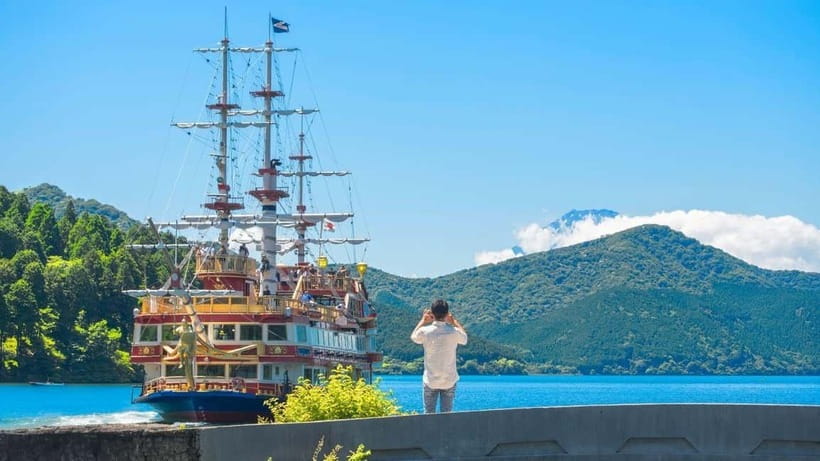
Then you head toward Owakudani, the volcanic zone that turns the air into a living postcard. You’ll have about 1 hour here, with time for photo stops, sightseeing, and walking.
The highlights are the steaming vents and the famous black eggs. The tour description calls them a must-try, and in practice this is one of those “experience it once” moments. Even if you’re not sure you’ll love them, the whole setting makes it worth trying at least once.
The drawback? It’s an intense stop packed into a single day. You’ll feel the time pressure here the most, because the rest of the schedule has equally good sights. If you’re the type who loves lingering, your best move is to get your first photo and snack early, then decide how long you truly want to walk.
Lake Ashi and the Hakone Shrine Torii Gate: The Postcard Combo
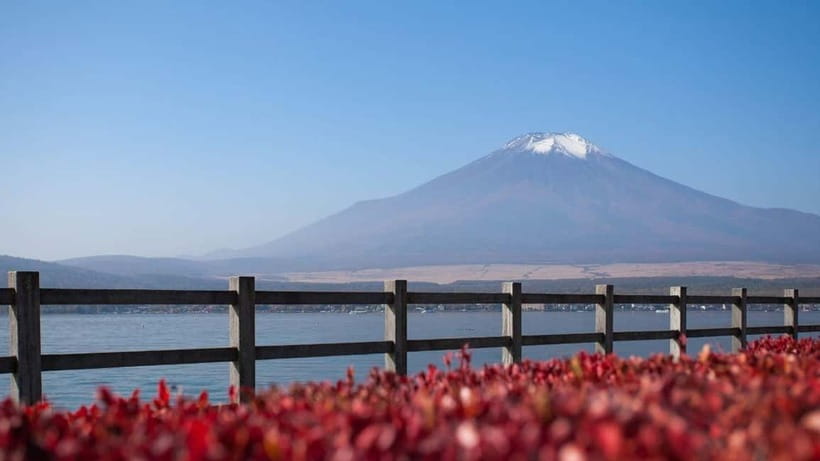
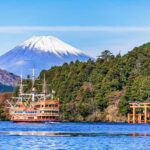
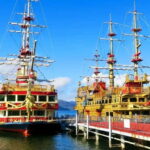
Lake Ashi is where the day hits peak scenery. You’ll have roughly 45 minutes here, with photo stops and sightseeing. There’s also an optional Lake Ashi cruise if you want a more panoramic view of Mt. Fuji from the water.
This is the part that’s easiest to overhype and still not regret. The combination of lake views, mountain framing, and the sheer calm of being on the water (even briefly) works for couples, families, and anyone who wants a slower breath in the middle of a fast itinerary.
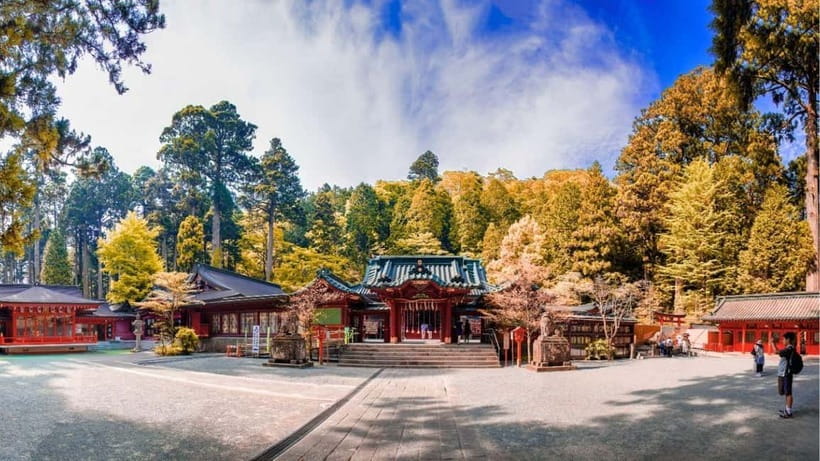
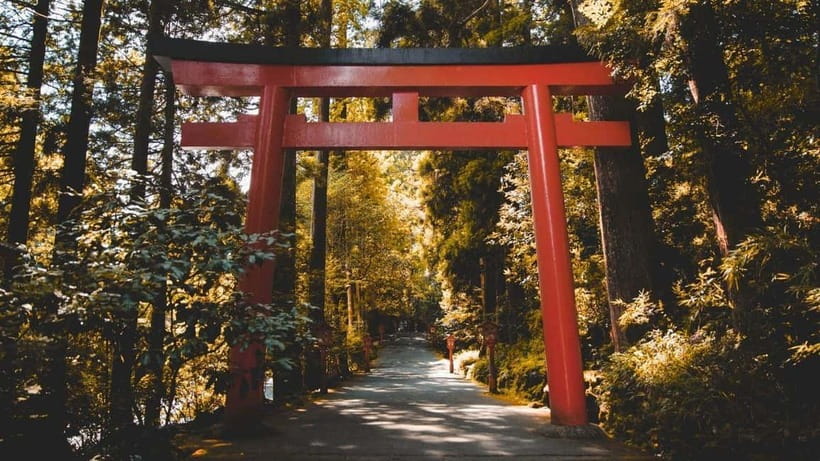
After that comes Hakone Shrine. It sits in a forest setting and features the iconic red torii gate out in the water—exactly the sort of scene people come to Hakone for. You’ll have time for lunch around this stretch too (about 1.5 hours), which is helpful because it prevents the day from becoming constant snack-and-go.
Real talk on lunch: food and drinks aren’t included, so you’ll want cash on you and a plan for what you’re hungry for. One party noted they were flexible with a lunch preference and even went for an off-route spot. That’s the private advantage—if you’re picky, you don’t have to pretend you aren’t.
Hakone Open-Air Museum: Art With a View (and a Cable Car Ride)
If you opt in, the Hakone Open-Air Museum takes about 1.5 hours, including a cable car ride. This stop is a nice counterweight to the volcanic and lake-heavy parts of the day.
What you get here is modern art installations placed against mountain scenery—so the museum isn’t just “look at objects in a building.” It’s more like walking between sculptures while the views do their own work in the background. Even if you’re not an art superfan, you’ll probably enjoy it more than you expect because the setting changes constantly as you move.
The only caution is time. In a day trip, you’re not doing a full museum immersion. You’ll want to be selective about what you spend extra time on, then let the rest be a quick scan-and-enjoy pace.
Gotemba Premium Outlets and Heiwa no Torii: The Endgame Stops
Towards the later part of the day, you’ll get Gotemba Premium Outlets for shopping, with about 65 minutes allotted. This is one of Japan’s larger outlet malls, and it can be a practical final act—especially if you want a clean place to browse brands without backtracking through Tokyo.
Then you’ll stop at Heiwa no Torii, which includes a photo stop, sightseeing, and a short walk (about 30 minutes). This is a more low-pressure, “stretch your legs” stop. It’s a good way to end the day on a calm note before you head back to your drop-off location.
Price and Value: What You’re Really Paying For
The price is $488 per group (up to 5) for a full 10-hour private day with an English-speaking driver and hotel pickup and drop-off from Tokyo’s 23 wards. Entrance fees and attraction tickets aren’t included. Food and drinks aren’t included either.
So what’s the value logic?
- Private transport is the expensive part in Japan, especially when you’re going out into the Fuji and Hakone region. Splitting that across up to 5 people is where this starts to make sense.
- You’re not buying just “a list of stops.” You’re buying time control—the ability to linger, reorder minor elements, or adjust for how long you really want at each photo point.
- You’re also buying comfort, because you’re in a modern air-conditioned vehicle for a mountain day.
When it might not be the best deal: if you’re traveling solo or as a couple and you’re comfortable with public transit, the cost per person can feel steeper. But if you want zero hassle and a driver who can handle logistics, the private setup can still feel worth it.
One extra cost note: overtime is JPY 2,500 per 30 minutes, paid in cash to the driver. That’s normal for private charters—if you think you’ll run long, decide early what you’re willing to cut later.
Drivers Make or Break It: What the Best Days Have in Common
This is the part you can’t see on the itinerary sheet, but it shows up again and again in how people describe their days. Several driver stories point to a consistent pattern: careful driving, good communication in English, flexibility with timing, and a willingness to help you make the most of each stop.
Here are a few examples of what you can look for in your own day:
- Haider is described as careful, flexible with itinerary changes, and helpful with photography, even when history context was lighter.
- Rabbul and Umer are mentioned for professionalism and warm day-of support.
- Anas is singled out for being on time, polite, and easy to communicate with.
- Jabir is praised for gentle driving and extra patience when one child needed a comfort break and then rode up front.
- Mohinder and Deo come up as friendly and accommodating, with one driver taking extra steps to match lunch preferences.
- Hassan is praised for steering away from tourist traps.
Even if your driver’s style varies, these examples tell you what “good” looks like: calm driving, clear English, and problem-solving when the day gets real (traffic, timing, and your group’s needs).
Who Should Book This Private Tour (and Who Might Skip)
This tour makes the most sense for you if:
- you’re traveling in a group of up to 5 and want private comfort
- you care more about views and timing than deep museum-style history at every stop
- you want door-to-door pickup and don’t want to spend your day decoding trains
- you like photo opportunities but also want a driver who can help you get the angle and timing right
You might want to consider another style of trip if:
- you want a dedicated guide for detailed storytelling and you dislike “sight-first” pacing
- you’re likely to feel stressed by a packed schedule and tight stop windows
Should You Book This Private Mt. Fuji and Hakone Tour?
If your goal is a high-value day that gets you from Tokyo into Fuji-and-Hakone highlights with minimal friction, I’d say this is a strong pick. The biggest reasons are practical: private car comfort, hotel pickup/drop-off, and the ability to adjust your pace while still hitting the core sights.
My “book it” advice: do it if you’re traveling with family, friends, or kids, and you want the day to feel smooth. Choose the Mt. Fuji 5th Station option if you crave altitude views. Add the Lake Ashi cruise if you want one calm, scenic moment that feels like a break from the land stops.
If you want slow travel, deep lecture-style history, and unhurried museum time, then plan differently. But for a single-day Fuji-Hakone hit that stays flexible and photo-friendly, this one fits the bill.
FAQ
How many people can be in a group for this tour?
It’s priced per group and works for up to 5 people.
What’s included with the tour price?
You get an English-speaking driver, hotel pickup and drop-off from central Tokyo, and a modern air-conditioned vehicle.
Are tickets and entrance fees included?
No. Tickets for attractions are not included and are typically purchased on the spot.
Is lunch included?
Food and drinks are not included.
Can I choose whether to visit Mt. Fuji 5th Station?
Yes. There’s an option to visit Mt. Fuji’s 5th Station (Komitake Baiten). You select this during checkout.
Where does pickup and drop-off work?
Pickup and drop-off from Tokyo’s 23 wards is included (Chuo, Chiyoda, Minato, Shibuya, Shinjuku, Toshima, Taito, Meguro, Bunkyo, Shinagawa, Nakano, Setagaya, Suginami, Ota, Kita, Arakawa, Sumida, Koto, Itabashi, Nerima, Edogawa, Katsushika, Adachi). Other areas have a surcharge of JPY 5,000–20,000.