REVIEW · TOKYO
Tokyo: Samurai Sword Academy in the Hometown of Last Samurai
Book on GetYourGuide →Operated by Masubuchi Dojo LLC · Bookable on GetYourGuide
Sword training with real lineage.
I like this experience because it teaches Tennen Rishin-ryu as it’s been practiced for generations, right at the dojo where students hone their technique. The second thing I like is the teaching style: it’s serious, but friendly, and it builds skills in stages so you understand what you’re doing before you escalate to harder practice.
One consideration: it’s not a casual, walk-in activity. This class is 2 hours in a training setting, and it’s marked as not suitable for people with a long list of health and mobility limitations, including back problems, vertigo, recent surgeries, and wheelchair use.
In This Review
- Key points to know before you go
- Why Hino (not central Tokyo) makes this sword class special
- Meeting Masao Inoue and stepping into Tennen Rishin-ryu tradition
- The 2-hour structure: start slow, learn posture, then build up
- Wooden sword training: the part that protects your form
- Handling a Japanese sword: what it feels like and how the class ramps up
- The Shinsengumi uniform details that make it feel real
- Price and value: why $116 can make sense for sword training
- Getting there: Hino Station to the Inoue Genzaburo Museum
- Who this fits (and who should skip it)
- The cultural payoff you can take home
- Should you book Samurai Sword Academy in Hino?
- FAQ
- Where is the meeting point?
- How long is the experience?
- How much does it cost?
- How many people are in the group?
- Who leads the program?
- What sword training style do you learn?
- What equipment is included?
- Is the class taught in English?
- Is there a minimum age or maximum age guidance?
- Can I cancel or pay later?
Key points to know before you go
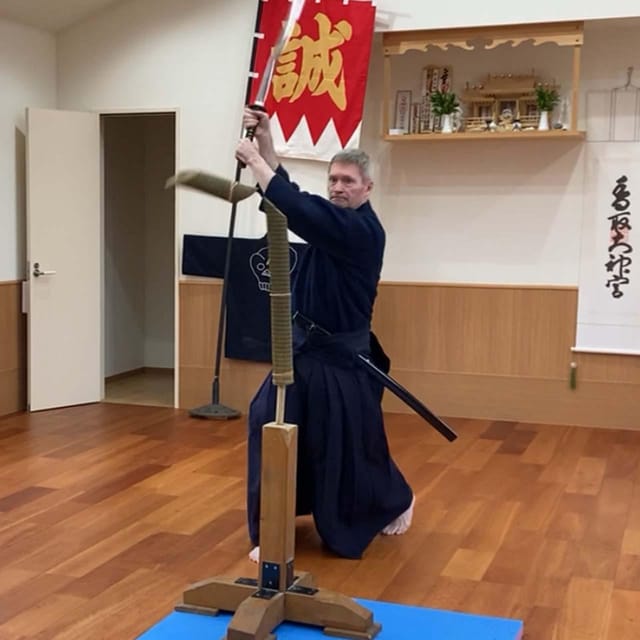
- Tennen Rishin-ryu in the real Hino dojo taught in the style connected to the Shinsengumi
- Led by Masao Inoue, connected to the Shinsengumi through Genzaburo Inoue
- Learn with wooden tools first, then handle a Japanese sword
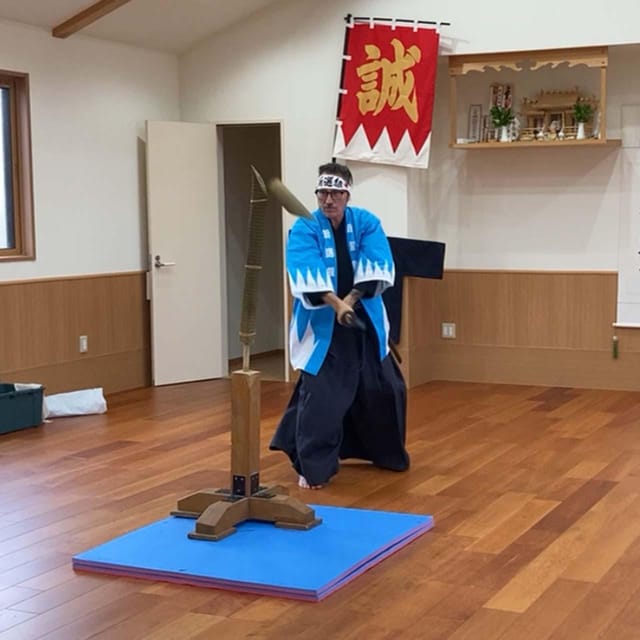
- Practice uniforms included, including dogi and hakama plus Shinsengumi dandara baori
- Small group size (up to 4) means more attention and less waiting around
- A history-first setting in Hino, the Shinsengumi hometown, not a generic city performance
Why Hino (not central Tokyo) makes this sword class special
Tokyo is full of history themes, but most are dressed up for tourists. This one starts in the right place: Hino, Honshu, tied directly to the Shinsengumi story. The class isn’t only about swinging a sword. It’s about understanding why this sword school mattered during the Edo period, when training wasn’t “for fun,” it was for survival and discipline.
You’ll also feel the difference between a museum talk and practice inside a dojo. The atmosphere at the training hall is described as impressive, and that matters. In sword arts, tone and posture are part of the lesson. If the room feels serious, you’ll naturally act serious too.
You can also read our reviews of more tours and experiences in Tokyo.



Meeting Masao Inoue and stepping into Tennen Rishin-ryu tradition
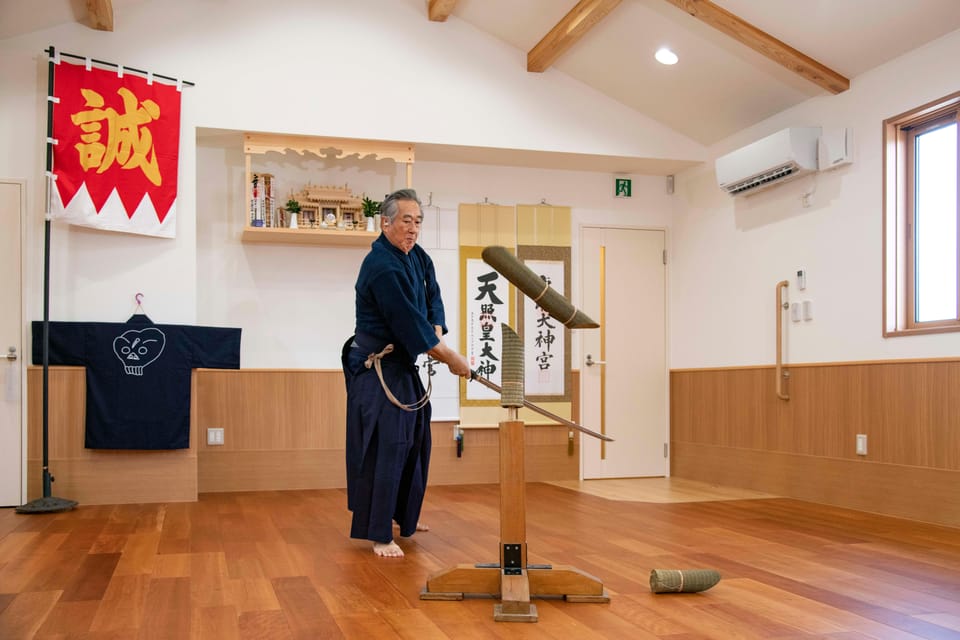
The program is led by Masao Inoue, chairman of the Tennen Rishin-ryu Hino Dojo and a descendant of Shinsengumi executive Genzaburo Inoue. That family connection turns the experience from a hands-on demo into something closer to apprenticeship.
The big win here is the combination of history and technique. You learn that Tennen Rishin-ryu began in the Edo period and is still practiced today. Then you’re not just hearing names and dates. You’re connecting those facts to how body mechanics work in the dojo.
And yes, the history is not abstract. The dojo’s location and background matter because the swordsmen trained there helped form the Shinsengumi, often described as a top-tier group of swordsmen at the end of the Edo period. Being in the hometown of that story makes the lesson land differently.
The 2-hour structure: start slow, learn posture, then build up
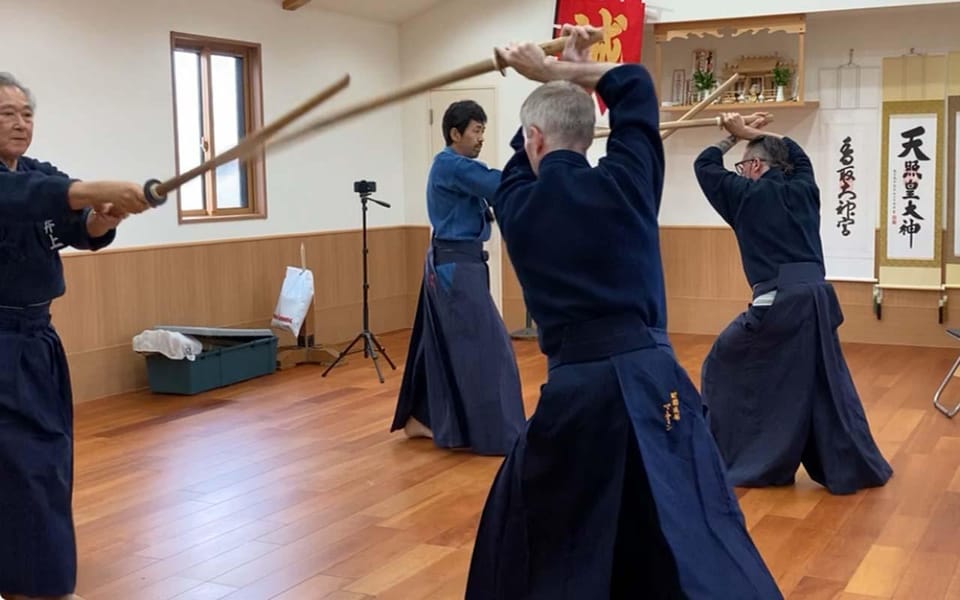
This is a 2-hour class, capped at 4 participants, so it moves with a steady rhythm. You’re not stuck watching someone else while the group waits your turn. The small size is a practical advantage, not just a nice perk.
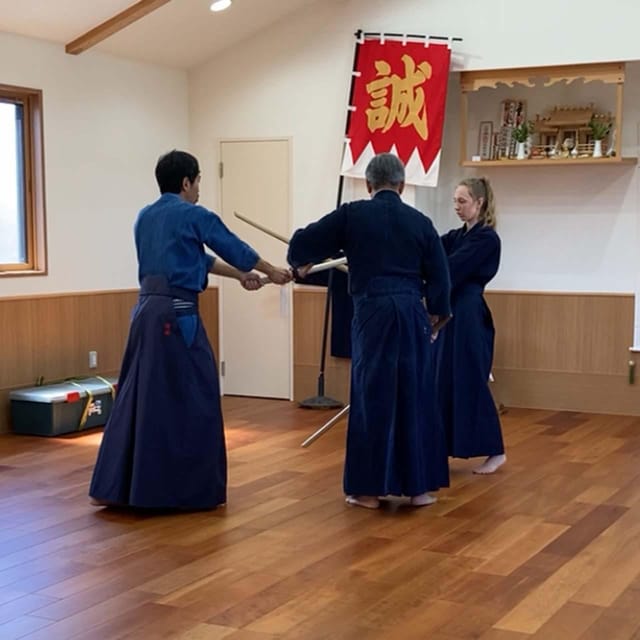
In the early part, you can expect fundamentals: posture, footwork, and how to hold your stance safely. The teaching approach is staged, which helps if you’re new to sword arts. Instead of throwing you into complicated kata immediately, the instructors step you through core movements so you can feel what “correct” actually means.
You also get practice uniforms: dogi and hakama. Wearing them isn’t just costume. It gives you the right training feel and helps you move the way the dojo expects.
Wooden sword training: the part that protects your form
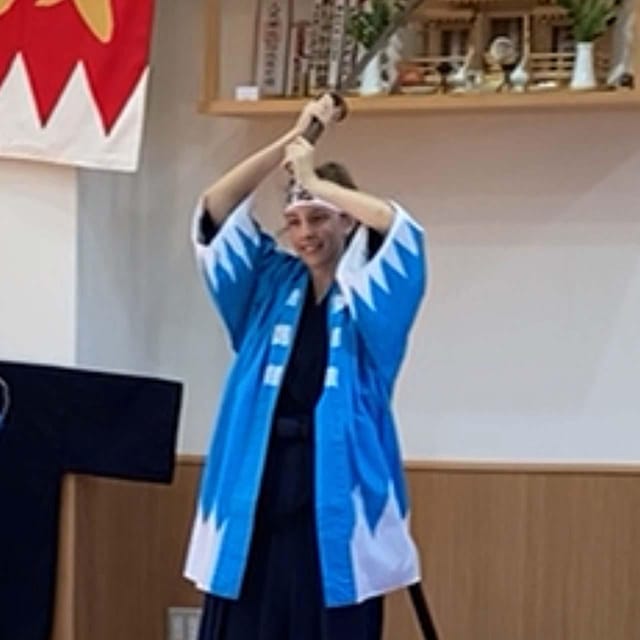
Before you handle anything sharp, you’ll work with a wooden sword. That’s not just a safety step. It’s the best way to learn control without worrying about injury or damage.
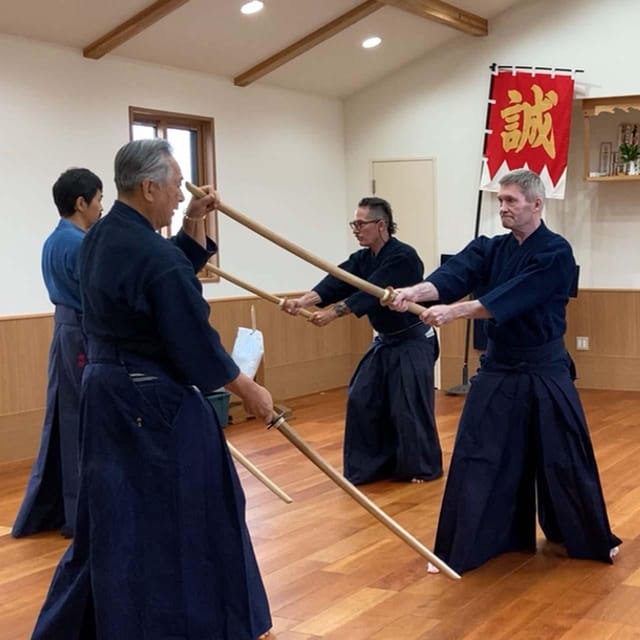
This phase is where you learn the “why,” like how foot placement supports stable movement and reduces the risk of getting hurt. That kind of detail is what makes your technique improve faster. When you understand how your base affects your hands and body, your motions stop being random.
I also like that instruction isn’t just technique-by-rote. The approach described is patient and attentive, with teachers who explain not only how to move, but why the movement matters. In a small class, that attention becomes real coaching.
Handling a Japanese sword: what it feels like and how the class ramps up
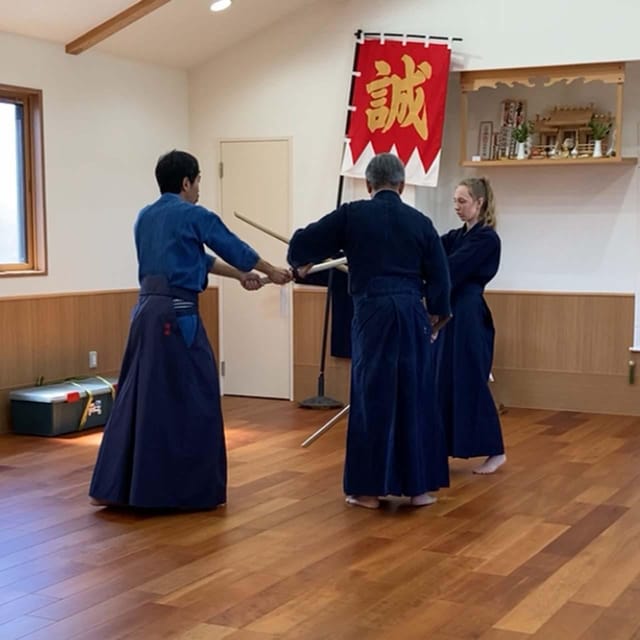
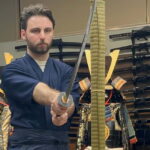
At some point you’ll handle an actual Japanese sword, described as having the spirit of a samurai. I’ll translate that into something practical: you’ll be working with a real object with real weight and balance, not a toy. That changes your muscle memory immediately.
Importantly, the training style is step-by-step. You don’t jump straight from beginner posture to full speed. The goal is to let you experience the tool while still keeping things controlled.
In the practice portion, you may also try more dynamic drills, including duel practice style movements. One of the most consistent takeaways is that the instructors help you feel what proper use looks like. The dojo isn’t selling a show; it’s teaching form and timing.
And if you’re hoping for that “I can finally do something” moment, you may get it through cutting practice. Some sessions include cutting targets like tatami mats, which gives your training a clear endpoint beyond stances and swings.




The Shinsengumi uniform details that make it feel real
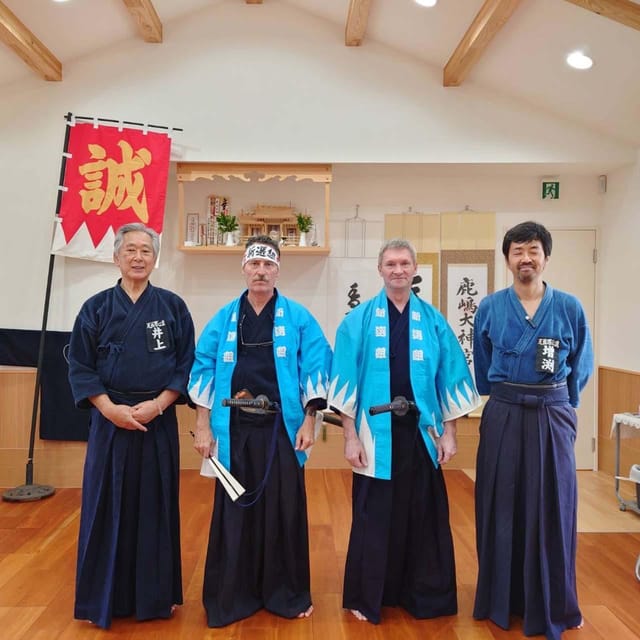
You’ll wear dandara baori, associated with the Shinsengumi. This is one of those details that sounds small until you put it on. The uniform helps you step into the historical setting, and it also reinforces the seriousness of training.
Why it matters: clothing changes posture. Even if you don’t notice at first, the way fabric and layers sit on your body affects movement. It can make practice feel more grounded and intentional.
If you want a memorable, authentic-feeling contrast from typical Tokyo experiences, this is it. You’re not just learning about the Shinsengumi. You’re dressed in a way connected to their identity, in the area where that story happened.
Price and value: why $116 can make sense for sword training
At $116 per person for a 2-hour small-group class, the price isn’t cheap. But it doesn’t feel like tourist markup either, mainly because you’re paying for three things you don’t get in a typical “sword photo” stop:
First, you’re paying for high-touch instruction with a limit of 4 participants. One instructor plus a tiny group means more correction and less time waiting.
Second, you’re paying for real equipment access. You work with a wooden sword and then handle a Japanese sword, plus you get the training uniform setup. Tool access is a big cost factor in skill-based activities.
Third, you’re paying for context that’s tied to place. Being in Hino, with a dojo connection to the Shinsengumi lineage, adds value beyond the class itself. That setting turns the lesson into a story you can stand inside.
If you’re comparing this to the typical Tokyo activity list, I’d treat it as one “serious” item. Choose it if you want hands-on practice, not just a performance.
Getting there: Hino Station to the Inoue Genzaburo Museum
Your meeting point is on the second floor of the Inoue Genzaburo Museum, about a 5-minute walk from Hino Station on the JR Chuo Line. That’s about as easy as it gets for a countryside-day-feel outing near Tokyo.
Practical tip: plan to arrive early enough to settle. Dojos run on routine, and you’ll move faster if you’re already ready when the session starts. Once you’re at the museum building, you’re basically transitioning from “museum zone” to “training zone,” which makes your brain snap into the right mode.
Who this fits (and who should skip it)
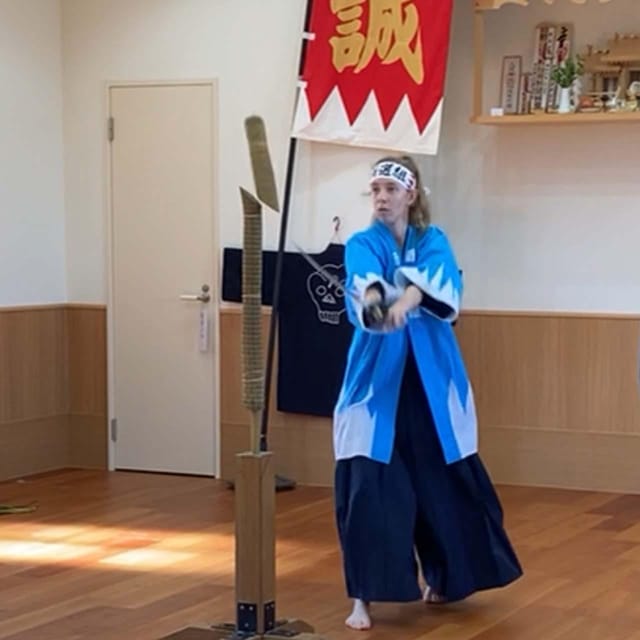
This is a hands-on sword class, so choose it based on your body and comfort level. The activity is listed as not suitable for:
- pregnant women
- people with back problems, mobility impairments, heart problems
- wheelchair users and people with vertigo
- children under 18
- people with a cold
- people over 75
- people with recent surgeries
- people with low level of fitness
- anyone who might struggle with the training demands
If you’re generally fit and can handle a dojo-style session with posture work and controlled movement, you’re the right match. The small group size also helps beginners feel less rushed.
If any of those listed limitations apply, it’s worth respecting the warning. Sword training asks for stable movement. Safety should win over curiosity.
The cultural payoff you can take home
The practical goal is skill: posture, footwork, and sword handling basics. The emotional payoff is feeling connected to the Shinsengumi story in the right town.
Because the class is linked to the Shinsengumi and taught through Tennen Rishin-ryu lineage, you’ll leave with more than muscle memory. You’ll have a sense of why this school survived and why it’s practiced today. That’s the difference between “learning a move” and “understanding a tradition.”
There’s also a fun added layer at the end. Some people finish the class with a Shinsengumi map highlighting key historical spots, plus a final surprise that keeps the day upbeat. It’s a small thing, but it helps you turn a training session into a mini-history plan for the rest of your time in the area.
Should you book Samurai Sword Academy in Hino?
Book it if you want an authentic, dojo-based Tennen Rishin-ryu experience with real sword handling, strong instruction, and a historical setting in Hino tied to the Shinsengumi. The small group format and staged teaching make it one of the better ways to try sword arts in the Tokyo area without feeling like you’re in a staged show.
Skip it if you’re dealing with any of the listed health or mobility limitations, or if you want a purely sightseeing activity. This is training time. Bring a calm attitude, wear the provided uniform setup, and listen to the instructors. If you do, you’ll walk away with a story you can tell and skills you actually practiced.
FAQ
Where is the meeting point?
You meet on the second floor of the Inoue Genzaburo Museum, a 5-minute walk from Hino Station on the JR Chuo Line.
How long is the experience?
The duration is 2 hours.
How much does it cost?
The price is $116 per person.
How many people are in the group?
It’s a small group limited to 4 participants.
Who leads the program?
The experience program is led by Masao Inoue, chairman of the Tennen Rishin-ryu Hino Dojo.
What sword training style do you learn?
You learn Tennen Rishin-ryu swordsmanship (Tennen Rishin-ryu kenjutsu).
What equipment is included?
You’ll use a wooden sword and you can handle a Japanese sword. You also receive dogi and hakama (practice uniform) and dandara baori.
Is the class taught in English?
Yes. The instructor supports English and Japanese.
Is there a minimum age or maximum age guidance?
The experience is not suitable for children under 18, and it is also listed as not suitable for people over 75.
Can I cancel or pay later?
Free cancellation is available up to 24 hours in advance for a full refund, and there is a reserve now & pay later option.