REVIEW · TOKYO
From Asakusa: Old Tokyo, Temples, Gardens and Pop Culture
Book on GetYourGuide →Operated by Pinpoint Traveler · Bookable on GetYourGuide
Temple bells and anime lights, same walk. In 4 hours, you move through East Tokyo’s famous contrasts, starting at Senso-ji and ending with a traditional garden calm at Koishikawa Korakuen.
I love the way this route connects the past and present in plain sight. I also like the small group limit of 8, which makes it easier for your English guide to slow down when you want details. One possible drawback: the schedule packs a lot into four hours, so if you want lots of museum time or long shopping breaks, you’ll probably need to extend your day.
In This Review
- Key moments that make this tour worth it
- Why this East Tokyo mix feels more real than a highlights list
- Meeting at Kamiya bar: an easy start point and a quick orientation
- Asakusa streets and Senso-ji: the temple complex plus the people around it
- Nakamise-dori: snack smells, souvenir rhythm, and why the street matters
- The Asakusa-to-Ueno connection: why the city’s growth pattern makes sense
- Ueno and Okachimachi: museums nearby, but start with the market street feeling
- A focused stop culture: how to enjoy Ueno/Okachimachi without rushing
- Akihabara Electric Town: neon pop culture with a real sense of change
- Koishikawa Korakuen: the calm garden break that makes the day feel balanced
- Walking between worlds: how the timing and transfers keep it enjoyable
- Price and value: is $68 per person a smart use of your time?
- Who this tour is perfect for, and who might want a different plan
- Guide quality matters here: what to look for in your English host
- Practical tips for your day
- Should you book this Asakusa-to-Akihabara private tour?
- FAQ
- How long is the tour?
- What’s the price per person?
- Where do I meet the guide?
- Is the tour guided in English?
- What areas are included in the walking route?
- What’s included in the price?
- What is not included?
- What group size is this tour?
- Is the tour wheelchair accessible?
Key moments that make this tour worth it
- Senso-ji Temple plus Nakamise-dori for street-level old Tokyo energy
- Asakusa-to-Ueno history via the first subway link (a great context clue for the map)
- Ueno/Okachimachi marketplace grit instead of polished shopping streets
- Akihabara Electric Town and pop culture watching with anime and gaming focus
- Koishikawa Korakuen as a calm reset after neon and crowds
- English guide flexibility for questions in a group of up to 8
Why this East Tokyo mix feels more real than a highlights list
Tokyo can be confusing when you only see landmarks. This tour helps you see the city as a set of neighborhoods with different jobs and moods. You start in the classic temple district, then shift into museum-and-market areas, then end up in pop culture central before cooling off in a garden.
What I like most is that you get meaning, not just stops. You’re not only told what’s where. You learn why these areas grew, how they changed, and how people still use them today. That is what makes the walk stick in your head.
You can also read our reviews of more tours and experiences in Tokyo.

Meeting at Kamiya bar: an easy start point and a quick orientation
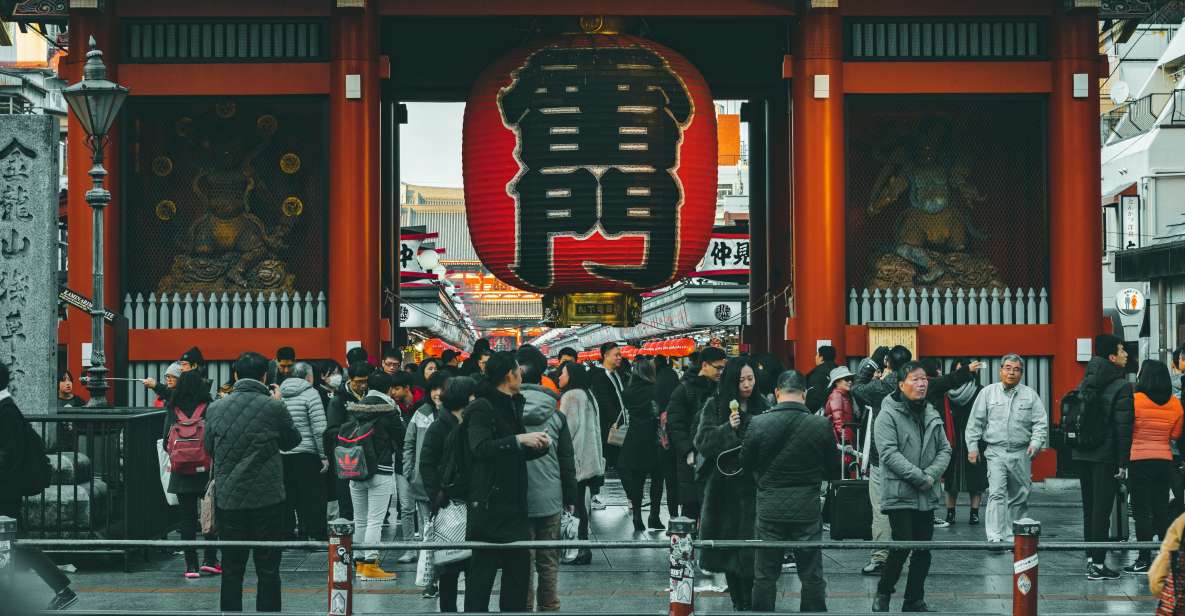
You meet at Kamiya bar in Asakusa. It’s a practical launchpad because Asakusa is dense and walkable. From the start, you’ll get a sense of what you’ll see and the pace you’ll keep.
This matters because four hours in Tokyo can feel short. With a plan and a local guide, you don’t waste time figuring out trains, crossings, or which streets are worth your energy. And because standard transport costs and admission tied to the route are included, you’re not constantly doing math while you’re outside.
Asakusa streets and Senso-ji: the temple complex plus the people around it
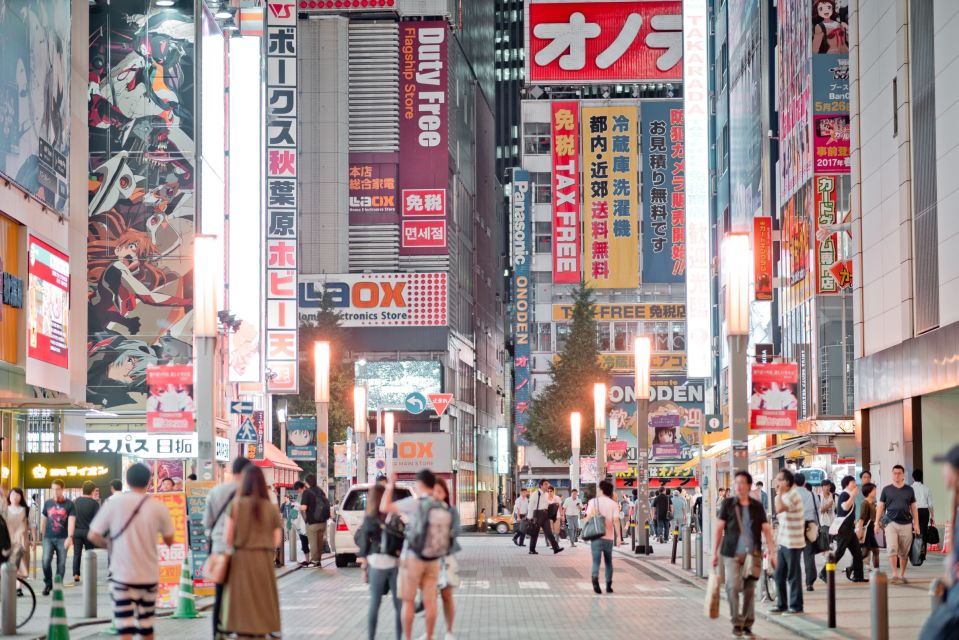
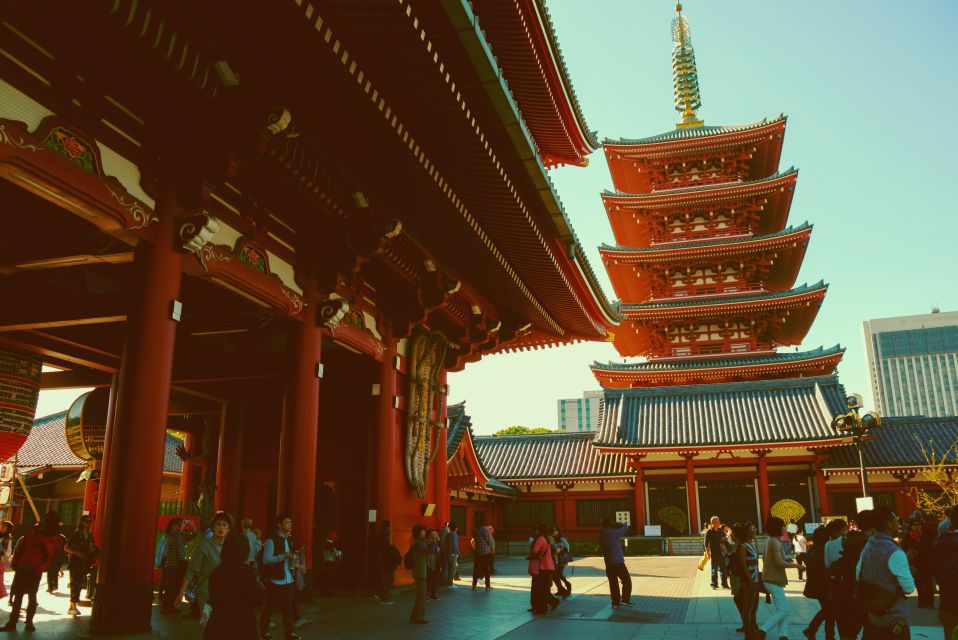
Asakusa is often summarized as Senso-ji and shopping. That’s true, but it’s also incomplete. The walk around the temple area shows you how religion, everyday life, and tourist movement overlap in one place.
You’ll spend time in Asakusa (about 45 minutes) before the short, focused stop at Senso-ji Temple (about 15 minutes). In that chunk of time, you get the flow: approach the grounds, notice how the crowd moves, and understand what the street culture is doing alongside the temple.
If you like details, you’ll also get context on Senso-ji itself. Your guide explains the temple’s background as an early Buddhist site in Japan, and you’ll connect that with how Asakusa became known long ago. The point isn’t to memorize dates. It’s to understand why this place still has pull.
Nakamise-dori: snack smells, souvenir rhythm, and why the street matters
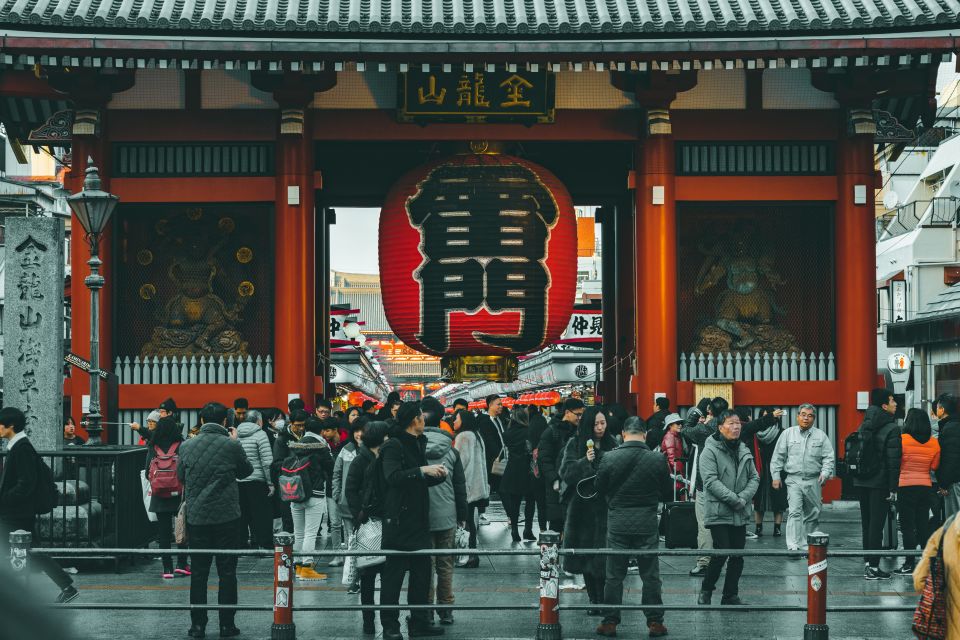
Nakamise-dori is more than a souvenir lane. It’s a living corridor between sacred space and street commerce. Even if you only walk a few minutes down it, you can feel the old-meets-modern rhythm.
On a tour like this, you’re not just shopping. You’re reading the street. Your guide helps you notice what’s there, what people buy, and how the area’s role has held up over time. It’s a good stop if you’re curious about how traditions survive in a city that keeps changing.
Practical note: wear comfortable shoes. The temple area can be crowded, and you’ll be standing and walking more than you might expect from a “short” tour.
The Asakusa-to-Ueno connection: why the city’s growth pattern makes sense
After Asakusa, you head toward Ueno and Okachimachi. This stretch is where the tour becomes more than sightseeing. You get a behind-the-scenes understanding of how Tokyo linked neighborhoods through transit.
One particularly useful detail is the story that Asia’s first subway started operating between Asakusa and Ueno. It’s the kind of fact that makes the map click. When you learn that, you stop thinking of Tokyo as disconnected areas and start seeing it as a system that grew by connecting people to work, culture, and markets.
That also helps explain why Ueno and Okachimachi have long-standing appeal. They’re not random. They’re positioned where the city’s movement naturally flows.


Ueno and Okachimachi: museums nearby, but start with the market street feeling
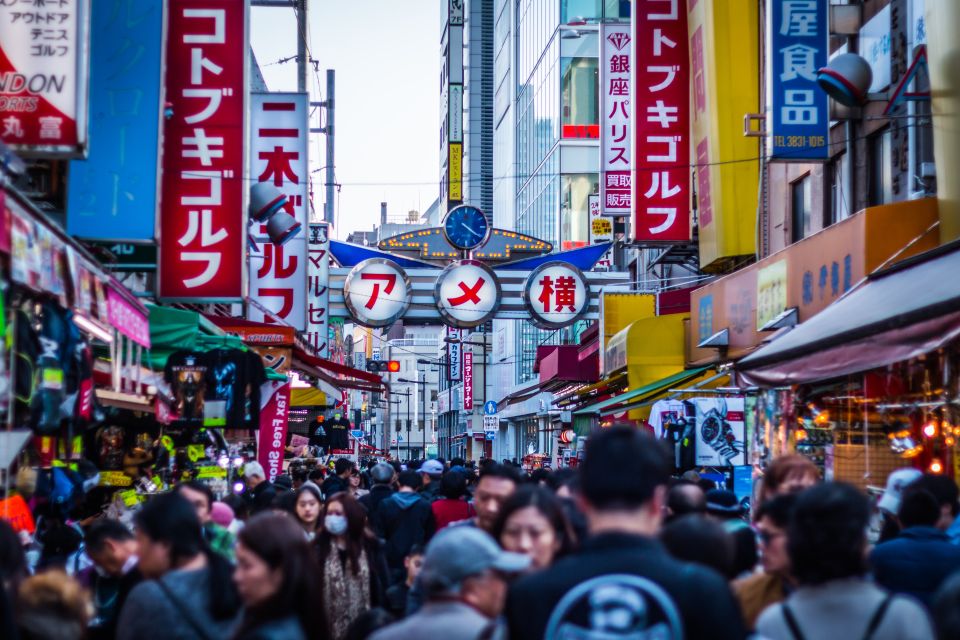
You’ll spend about 25 minutes in Ueno and 25 minutes in Okachimachi. This is enough time to get your bearings without trying to force museum stamina into a short day.
What makes this section work is the focus on marketplace reality. This isn’t a polished, office-park shopping district. It has a messier texture: street vendors, shops, and foods in a way that feels continuous rather than staged.
You’ll also hear about Ameya-Yokocho, the market area in this neighborhood. The tour frames it as an old-school commercial zone that’s been busy for generations. Even now, the area can feel like it’s doing what it always did, just with new faces and modern habits.
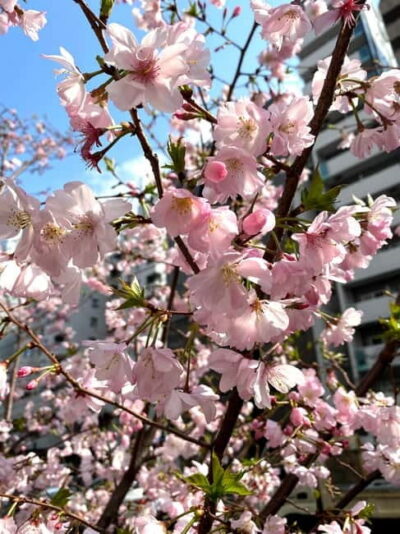
If you’re visiting in the right season, you may also catch cherry blossom vibes around Ueno. Even when the blossoms aren’t out, the garden-like feel in the broader Ueno area is part of why people come here beyond shopping.
A focused stop culture: how to enjoy Ueno/Okachimachi without rushing
The temptation in Tokyo is to squeeze in too much. This itinerary avoids that by keeping each neighborhood stop tight. You’re not expected to “do Ueno” or “do Okachimachi.” You’re expected to get the character of both and understand how they connect to the next jump.
Here’s a smart way to use the time:
- If you see a snack stall line forming, grab a small item if you want.
- If you see a shop with a theme, peek once and keep moving.
- If you notice a museum entrance, just note it for later and let the guide handle the story now.
This section is ideal if you like street-level Tokyo more than museum-only tourism.
Akihabara Electric Town: neon pop culture with a real sense of change
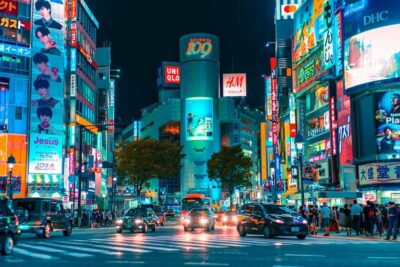
Next is Akihabara, with about 45 minutes here. This is where the tour leans into Tokyo’s pop culture identity. Akihabara is described as a hub for electronics since the pre-war era, and over time it became known for anime and manga culture.
You’ll walk through the “Electric Town” atmosphere: neon, tech stores, gaming culture, and the cosplay side of fandom. What I like is that you get context on why it transformed. It didn’t just become pop culture by accident. The electronics foundation matters.
And yes, you may see cosplayers working the streets. The tour approach doesn’t treat them as background decoration. It treats the cosplay scene as part of how daily life and fandom blend in this area.
One extra human touch: in at least some recent groups, guides such as Takee have gone beyond the straight walk. He’s been known to include a small detour like a local pub stop and even share simple origami. That sort of thing won’t replace the planned route, but it shows how flexible some guides can be when time and energy allow.
Koishikawa Korakuen: the calm garden break that makes the day feel balanced
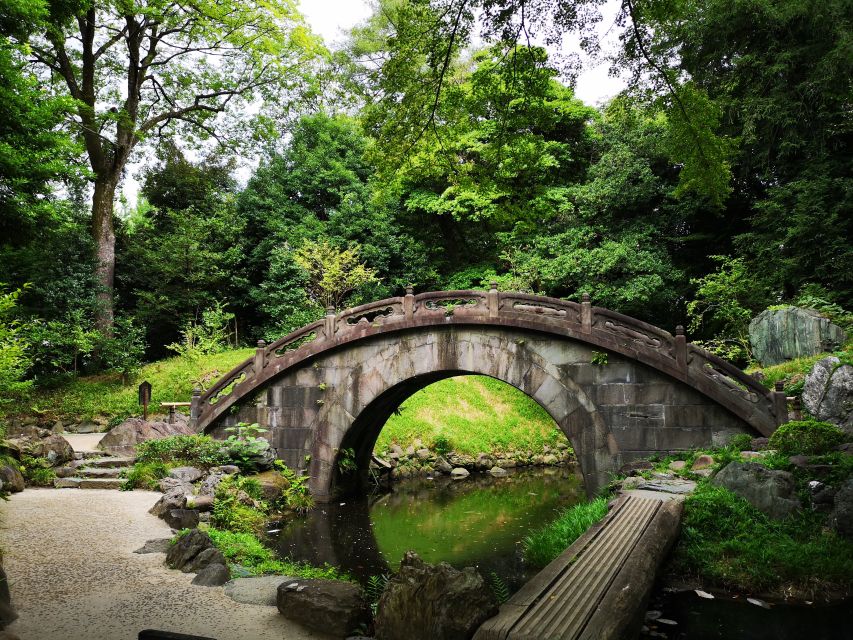
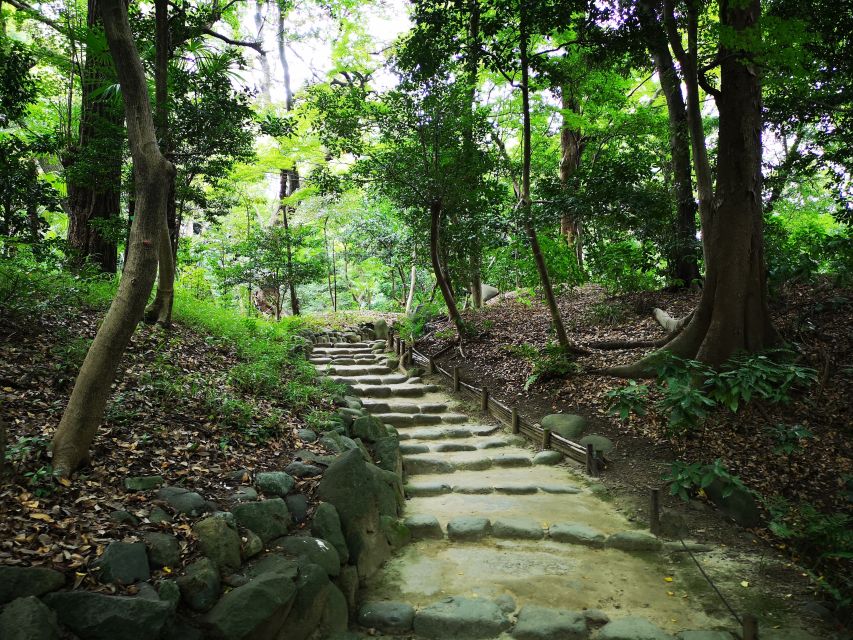
Then you shift to Koishikawa Korakuen, about 45 minutes. This is a traditional Japanese garden, and it acts like a mental reset. The city noise drops. The pace softens.
The tour frames the garden as Edo-era in spirit, and it gives you a way to look at it by season. You’ll hear how the garden reads differently depending on the time of year, from cherry blossoms in spring to autumn color later on. Even if you can’t picture every seasonal detail right now, the guide helps you learn how to notice the design.
This stop matters because it prevents the day from turning into nonstop shopping and neon. It also adds variety for photos and for your feet. After standing around Akihabara streets, a garden walk feels like a reward.
Walking between worlds: how the timing and transfers keep it enjoyable
The overall flow goes: Asakusa → Senso-ji → Ueno → Okachimachi → Koishikawa Korakuen → Akihabara. In a four-hour window, that’s a lot of identity shifts.
The good news is that the tour includes local train rides tied to the route and standard admissions connected to the experience. That reduces friction. You spend more time walking in the neighborhoods and less time sorting logistics.
Still, it helps to manage your expectations. Four hours is enough to understand the city’s contrasts. It’s not enough to slow down in every shop, or to spend a full afternoon at major museums. Think of it as a guided sampler that helps you decide what to come back for.
Price and value: is $68 per person a smart use of your time?
$68 per person for a private-style walking route can feel like a deal or a splurge, depending on your travel style. Here’s how I’d judge value for this one.
You’re paying for:
- An English live guide
- A small group cap at 8 participants
- Guide costs
- Standard costs on the tour, including admissions and local train rides
You’re not paying for:
- Food and drinks
- Optional add-ons like Tokyo National Museum admission (if you choose to go)
- Any customization you add on your own
For many people, value comes from time. If you would otherwise spend an entire afternoon trying to connect neighborhoods yourself, this tour hands you the structure and the explanations. And the small group size is a real quality-of-life feature. You’ll ask questions without fighting for attention.
If you’re someone who loves wandering independently, you might decide to go DIY. But if you want context and a tight route that doesn’t waste hours, $68 starts to look fair.
Who this tour is perfect for, and who might want a different plan
This tour is a great fit if you:
- Want old Tokyo and pop culture in one day
- Like walking and learning neighborhood meaning
- Prefer a guided pace with time for photos and questions
- Travel with kids or multi-generational groups, where a good guide can keep things lively
Some people should consider a different option if:
- You plan to visit major museums in depth and want longer time windows
- You need long shopping breaks at every stop
- You dislike crowds, since Asakusa and Akihabara can get busy
Guide quality matters here: what to look for in your English host
From recent experiences, the guides on this kind of tour tend to be actively engaged. Names that have shown up include Taka, Michelle, Takee, and Toru. One guide, Michelle, has been noted for being professional and also speaking fluent Italian, which is a reminder that these guides often bring strong language skills.
What you’re really looking for is someone who can answer the unplanned questions. In Tokyo, you’ll always notice something random: a street sign detail, a temple element, a fan culture behavior. A good guide uses those moments to explain context, not to rush you past them.
Practical tips for your day
- Bring comfortable shoes. You’ll be walking enough for blisters to become a threat.
- Wear layers. Tokyo weather changes through the day, and you’ll be outdoors between stops.
- If you have dietary needs, plan simple snack options on your own. Food and drinks aren’t included.
- If you’re tempted by museums, decide in advance whether you’ll treat them as separate trips. This route is designed for neighborhood understanding, not museum marathons.
Should you book this Asakusa-to-Akihabara private tour?
I’d book it if you want a guided snapshot of East Tokyo that includes both the temple-side tradition and the pop culture energy, then ends with a calm garden walk. The route design makes your day feel balanced, and the small group size helps you get answers instead of just following a crowd.
I wouldn’t book it if your top priority is slow, unstructured time in one single neighborhood. This tour works best as a “see how Tokyo works” day, not a “buy everything and linger everywhere” day.
If you’re staying in Tokyo and want one efficient way to connect the city’s past-to-present story, this is a smart use of four hours.
FAQ
How long is the tour?
The tour lasts about 4 hours.
What’s the price per person?
The price is listed as $68 per person.
Where do I meet the guide?
You meet at Kamiya bar in Asakusa.
Is the tour guided in English?
Yes, the tour has a live guide in English.
What areas are included in the walking route?
The tour covers Asakusa and Senso-ji, then Ueno and Okachimachi, continues to Koishikawa Korakuen, and finishes at Akihabara.
What’s included in the price?
Included costs are the guide costs and standard tour costs such as admissions (where applicable) and local train rides during the tour.
What is not included?
Food and drinks aren’t included. Admission to the Tokyo National Museum is also not included if you decide to go there.
What group size is this tour?
It’s a small group limited to 8 participants.
Is the tour wheelchair accessible?
Yes, the tour is wheelchair accessible.