REVIEW · FUJIKAWAGUCHIKO
Mt. Fuji Guided Scenic Trike Adventure from Lake Kawaguchi
Book on GetYourGuide →Operated by Rental Trike BOSS · Bookable on GetYourGuide
Mt. Fuji looks different from a trike. This guided open-air scenic ride from Lake Kawaguchi puts you right in the action, following a local guide to Mt. Fuji viewpoints and well-timed photo stops.
I love two things most: a guide who truly knows the best photo spots, and the way the trike feels approachable—even if you’ve never ridden one before. The ride is at a controlled pace in a small group, with Haggy and Ko sharing the camera work so you can actually enjoy the scenery.
One key consideration: you must have a valid International Driving Permit (IDP) under the 1949 Geneva Convention to drive the trike. Without it, you won’t be able to take the wheel.
In This Review
- Key highlights worth planning around
- Why an open-air trike makes Mt. Fuji feel closer than a viewpoint
- Picking the right route: morning riding focus vs afternoon Lake Kawaguchi sightseeing
- The 3-hour rhythm: check-in, safety briefing, then guided formation riding
- Photo stops and viewpoints: how Haggy and Ko make the angles work
- The trikes, the feel, and what “easy to ride” means in practice
- Price and value: what you’re actually paying for at $161
- What to bring and the IDP reality check (seriously important)
- Who this tour fits best (and who should skip it)
- Booking smart: route choice, timing, and where to meet
- Should you book the Mt. Fuji guided scenic trike adventure?
- FAQ
- Do I need an International Driving Permit (IDP) to ride the trike?
- What’s the group size for this tour?
- How many people can ride per trike?
- Are there two different tour routes?
- Where do I meet the tour?
- Do passengers need a driver’s license?
Key highlights worth planning around
- Open-air trikes on purpose, not a gimmick—expect wind, views, and that fun “we’re moving” feeling
- Small group energy (limited to 3 participants), which makes it easier to follow the leader and get photo time
- Two route styles: a morning ride-focused loop or an afternoon sightseeing-heavy Lake Kawaguchi route
- Guide-led photo stops, with Haggy taking pics and videos during the ride and sharing them afterward
- Easy-to-handle trikes with a safety briefing and formation riding at a controlled pace
Why an open-air trike makes Mt. Fuji feel closer than a viewpoint
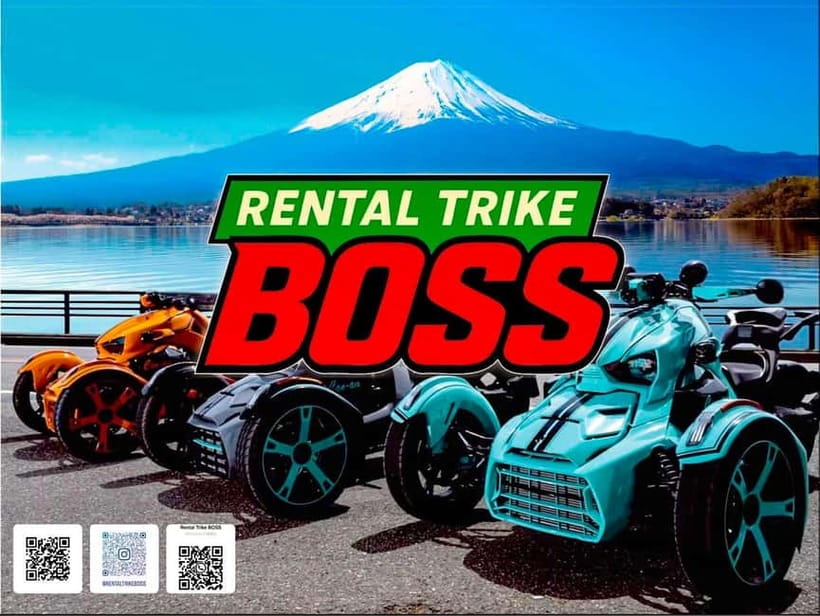
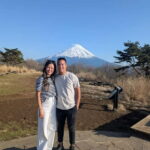
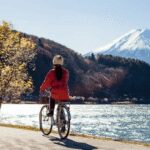
Seeing Mt. Fuji from a lakeside path is great. Seeing it while you’re moving—wind in your face, camera-ready sightlines appearing and disappearing as you turn—hits different.
That’s the main payoff here: the trike keeps you exposed to the experience. You’re not stuck watching from a car window. You’re actively riding, and the guide’s route is designed to keep Mt. Fuji and the Five Lakes area in view when conditions allow.
The photos help confirm this too. Haggy takes photos and videos of your ride, and you get them shared after you return. Even if your own camera skills are still loading, you’ll leave with usable shots that show both you and the scenery.
You can also read our reviews of more guided tours in Fujikawaguchiko
Picking the right route: morning riding focus vs afternoon Lake Kawaguchi sightseeing
You choose between two fixed-style routes, and the difference is more than schedule. It changes how you’ll feel during those 3 hours.
Morning Route: riding focus
If you want smoother momentum and more “road energy,” go morning. This route is built around enjoying smooth roads and open scenery around the Fuji Five Lakes area, with stops for carefully selected photo spots. It’s a good match for first-time riders who want the mechanics of the trike to settle in early.
Afternoon Route: sightseeing focus (Lake Kawaguchi)
If you’re more photo-first and you like drifting between scenic areas, the afternoon route fits better. It follows lakeside roads of Lake Kawaguchi and visits popular sightseeing areas and famous Mt. Fuji viewpoints. Plan on slower, more frequent scenic moments here—especially if Mt. Fuji is visible and you want time to frame shots.
A useful detail: both routes include photo stops along the way, but the afternoon route is the one geared toward viewpoints and atmosphere around Lake Kawaguchi. If you’re choosing based on mood, pick mornings for riding, afternoons for sights.
The 3-hour rhythm: check-in, safety briefing, then guided formation riding
This isn’t a self-drive rental where you wander off on your own. Your guide leads the route the whole time, so you’re not spending your energy navigating or second-guessing turns.
Plan around the timing. You arrive for check-in and safety briefing before the ride starts, then you’ll get riding instructions. Late arrivals may not be able to join, so treat the arrival time as part of the experience, not a formality.
Once you depart, you ride in a safe formation at a controlled pace. The trikes are described as stable and easy to handle, which matters because it reduces the “new vehicle anxiety” factor. Even if you’re mid-60s (or a first-timer), the setup is designed so you can focus on the scenery and not the steering.
After the tour, you return to the shop. Then you get your photos and videos shared—handy if you spent most of the ride looking up at Mt. Fuji instead of behind the camera.
Photo stops and viewpoints: how Haggy and Ko make the angles work
This tour is built around photo moments, but the real value is that you’re not guessing where to stop. Your guide leads you to the roads and viewpoints where Mt. Fuji shows up well.
Haggy and Ko are the names you’ll hear most. Haggy is specifically mentioned as taking photos and videos of your ride, and the crew is described as patient and helpful—especially when schedules get tight or something unexpected happens on the way in.
You’ll also appreciate the way stops are handled. They’re not random pull-offs. They’re carefully selected photo locations along the route, so you spend your short stops with purpose: positioning, breathing, and getting the shots that would be harder to plan on your own.
One extra bonus I’d flag from real-world experience: the tour may include culturally significant stops depending on the day and route timing. For example, some itineraries include visits such as Saiko Iyashi no Sato Nenba, often referred to as a Healing Village, plus time for a traditional lunch along the way. If those are on your must-see list, you can ask your guide which stops are planned for your specific route.
The trikes, the feel, and what “easy to ride” means in practice
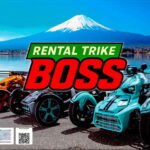
The trikes aren’t standard scooter rentals. They’re styled, eye-catching, and open-air, which is part of the fun and part of the planning.
Open-air means two things:
1) You’ll feel the weather, so warm layers matter. The tour strongly suggests bringing warm clothing.
2) You’ll get those clearer sightlines that you can’t always get from a closed vehicle.
The handling is another big deal. The trikes are described as stable and easy to handle, and the structure of the tour (safety briefing, riding instructions, formation riding) helps you learn quickly instead of improvising.
A practical thought: since you’re riding in a small group, you’re less likely to feel like you’re on a conveyor belt. It’s still a guided experience, but you won’t be fighting for attention at the photo stops.
Price and value: what you’re actually paying for at $161
The headline price is $161 per trike. You can have up to 2 people per trike, so your real cost per person depends on whether you ride solo or pair up.
Here’s what that money covers in a way that feels fair:
- A local guide who leads the route (not a DIY rental)
- The trike for about 3 hours, including fuel
- Basic insurance coverage
- Safety briefing, riding instructions, and photo stops
- Photos and videos taken during the ride that are shared afterward
If you compare this to doing Mt. Fuji logistics on your own, you’re buying time and stress reduction. You don’t have to figure out the best viewpoint order, where the roads work for trike riding, or how to coordinate photo angles while driving.
The best value case is when two people split the trike cost. The second best case is when you’re a solo rider and still want the guide-led route and photo help. If you’re traveling with someone who also wants a hands-on experience, this becomes a strong use of your time around Lake Kawaguchi.
What to bring and the IDP reality check (seriously important)
To drive, you need more than just your home license. You’ll need an International Driving Permit (IDP) issued under the 1949 Geneva Convention, plus your original driver’s license from your country.
This is not a “maybe” item. The requirement is explicit. And if you forget it, your trip shifts from driving to sitting as a passenger.
If you’re packing for the ride:
- Bring your driver’s license and your IDP (for the person driving)
- Bring warm clothing because the trike is open-air
- Wear shoes that work for riding; sandals and flip-flops aren’t allowed
Also note the rules about alcohol and substances. Alcohol and drugs are not allowed, and alcoholic drinks aren’t allowed in the vehicle.
If you want one simple plan: get your IDP before you travel. Don’t count on last-minute fixes.
Who this tour fits best (and who should skip it)
This is a trike tour designed for fun and scenery, and it’s suitable for many first-time riders because the trikes are stable and easy to handle.
It’s a particularly good fit if:
- You want a guided Mt. Fuji experience without navigation headaches
- You like photos but don’t want to spend the whole time stopping and re-framing
- You’re traveling in a small group and want personal attention
- You’re comfortable riding for about 3 hours with a few stops
On the “skip it” side, pregnant women are listed as not suitable. Also, if you’re not a driver in your group, you can still ride as a passenger, but the driver must meet the IDP requirement.
Booking smart: route choice, timing, and where to meet
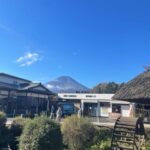
Your meeting point is Rental Trike BOSS, across from the Happy Drink vending machine, near Lawson Kawaguchiko Ohashi. The easiest way to find it is to plug Rental Trike BOSS into Google Maps.
Don’t treat the arrival time lightly. Morning and afternoon have fixed schedules, and check-in includes a safety briefing and riding instructions. Arrive on time for check-in so you don’t risk missing the tour start.
One more booking tip that helps you enjoy the ride more: decide whether you want “ride first” or “views first.” That choice affects your mood for the whole 3 hours. If you’re torn, think about your energy level. Mornings tend to feel more active. Afternoons tend to feel more scenic and photo-driven.
Should you book the Mt. Fuji guided scenic trike adventure?
If you want Mt. Fuji with motion and open-air freedom, this is a yes. You get a guide-led route, viewpoint stops that are planned for photos, and a crew that handles the camera work so you can actually enjoy the moment.
Book it especially if you and a companion can share a trike and you’re okay with the IDP requirement. It turns your Fuji visit into something more playful than the usual sightseeing loop.
I’d skip it if you’re unwilling to handle the IDP process or if weather comfort is a big concern and you don’t want to bring warm layers. For most people, though, this is a fun, efficient way to see the Mt. Fuji and Lake Kawaguchi area with less planning and better photo results.
FAQ
Do I need an International Driving Permit (IDP) to ride the trike?
Yes. If you want to drive, you need a valid IDP issued under the 1949 Geneva Convention, along with your original driver’s license from your home country.
What’s the group size for this tour?
It’s a small group experience limited to 3 participants.
How many people can ride per trike?
Pricing is per trike, and up to 2 people can ride per trike.
Are there two different tour routes?
Yes. You can choose either a Morning Route (riding focus with photo stops) or an Afternoon Route (sightseeing focus around Lake Kawaguchi with photo spots).
Where do I meet the tour?
You meet at Rental Trike BOSS, across from the Happy Drink vending machine near Lawson Kawaguchiko Ohashi.
Do passengers need a driver’s license?
No. Passengers do not need a driver’s license. Only the driver needs the IDP and original license.