REVIEW · TOKYO
Tokyo: Sumo Morning Practice Viewing Tour
Book on GetYourGuide →Operated by Japan Wonder Travel · Bookable on GetYourGuide
A sumo morning rarely opens its doors. This tour slips you into a real stable in Ryogoku, where wrestlers train every day and you watch that work up close.
I especially love the up-close training and the chance to hear how the sport actually works from an English guide who keeps you moving in the right direction.
The main drawback is that the stable is a workplace, so the quiet rules are strict: no flash, no video, no standing around, and you must stay for the full practice window.
In This Review
- Key highlights worth waking up for
- Ryogoku’s sumo world: why this tour feels different
- Getting to the stable: your quick briefing and first reality check
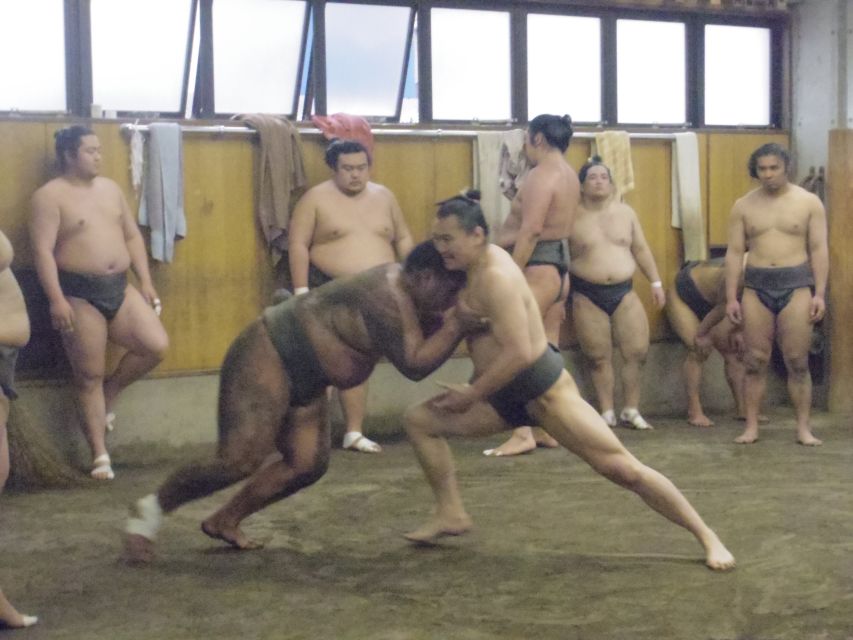
- Inside the ring-adjacent world: watching morning training up close
- The stable rules you must respect (and why silence is part of it)
- What you’ll learn from the guide (beyond the obvious)
- Photo with wrestlers: when you should hope, not assume
- Price and value: why $81 can feel fair
- Who this tour fits best (and who should skip it)
- Practical tips so your morning goes smoothly
- Should you book this Tokyo sumo morning practice tour?
- FAQ
- What duration should I plan for?
- Where is the meeting point?
- What time does the practice viewing happen?
- Can I bring hats or sunglasses?
- Is flash photography or video recording permitted?
- Can I leave the stable and re-enter later?
- Is this tour suitable for young children or mobility limitations?
Key highlights worth waking up for
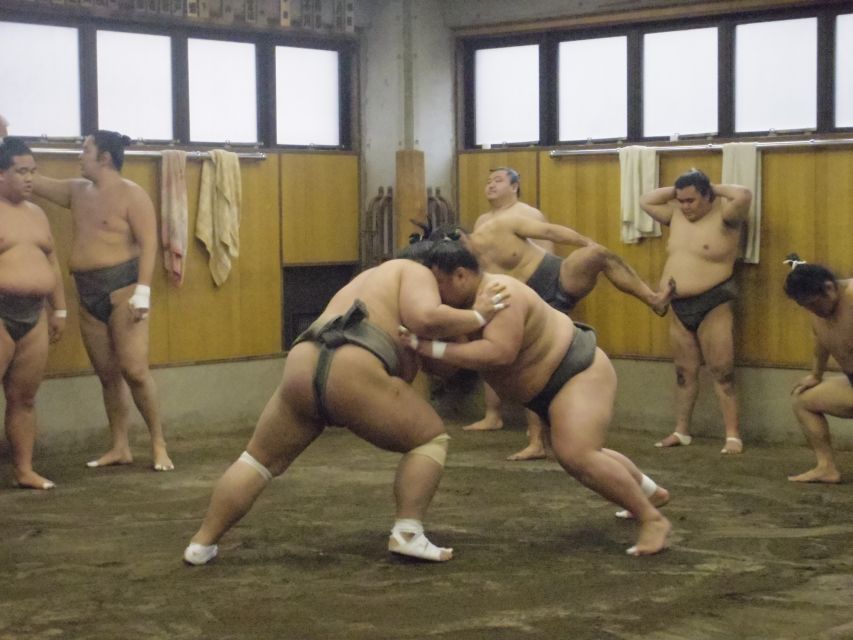
- Real stable access in Ryogoku, not a staged show
- Morning training up close with clear views of technique and power
- English explanations of sumo history, rituals, and what you’re seeing
- Conversation time with your guide, and sometimes a welcoming Q&A with stable staff
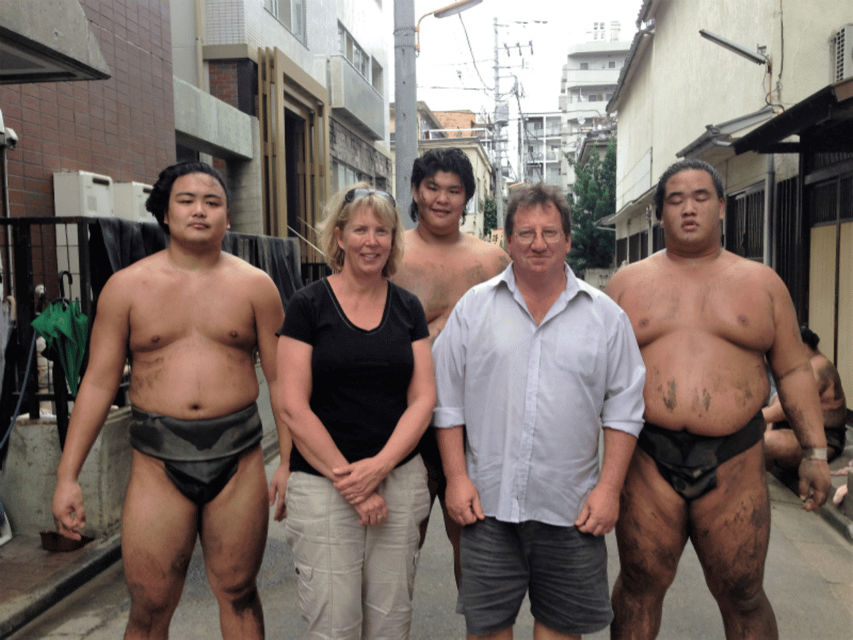
- Photo opportunities with wrestlers when the day’s schedule allows
Ryogoku’s sumo world: why this tour feels different
Ryogoku is the sumo heart of Tokyo. You’ll feel it before you even reach the stable: the area is built around the sport, from the famous arena area to the cluster of stables that keep the tradition alive. That matters, because this tour isn’t about pretending sumo is still a museum piece. It’s about seeing it as a working routine.
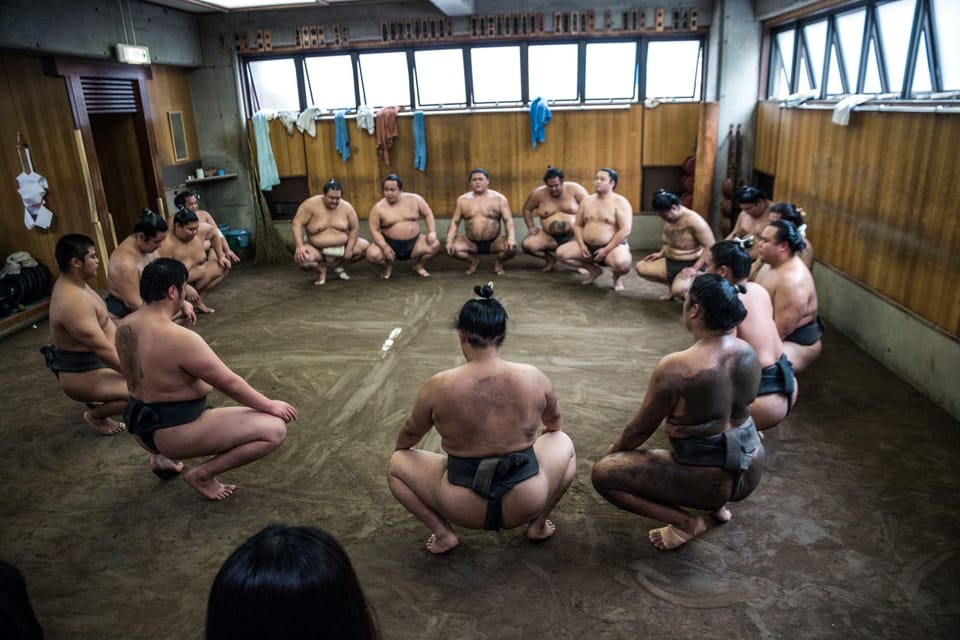
The big win is entering a real stable where wrestlers live and train. Sumo stables aren’t generally open to random tourists, and access is often limited to sponsors. So when a stable door actually opens for you at training time, it immediately changes the experience. You’re not watching an act designed for cameras. You’re watching practice designed for the tournament.
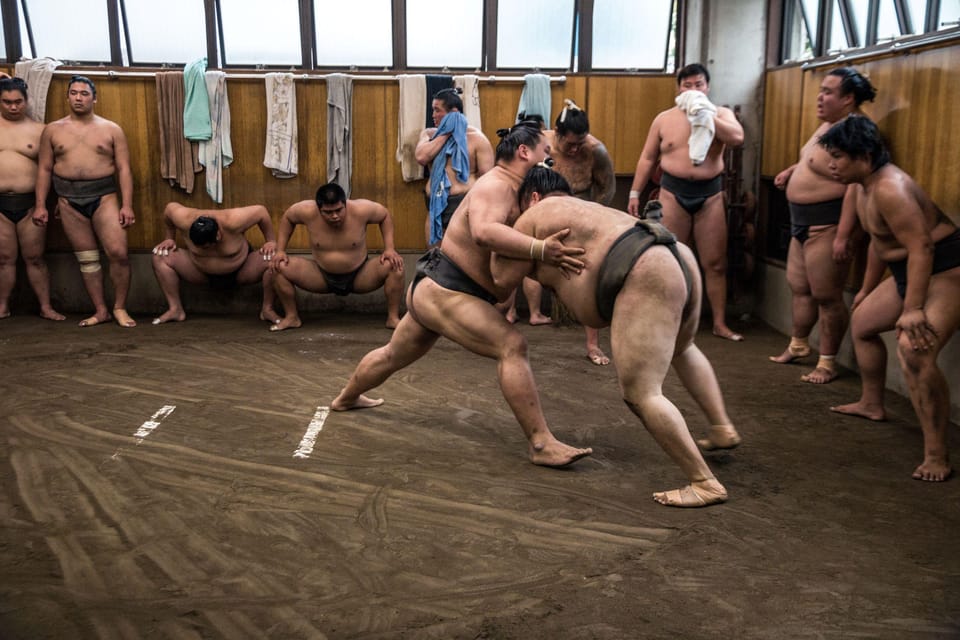
I also like the timing. Morning sessions are intense and fast-moving. You’ll see wrestlers drilling technique, testing balance, and working on that moment-to-moment control that turns a bout into a short, explosive burst. It’s a sport where details matter, and being close makes those details easier to catch.
One more reason this tour lands: you get an English-speaking guide to help you read the scene. With sumo, the interesting part isn’t only the throw. It’s the rituals, the training rhythm, and the meaning behind what you see.
You can also read our reviews of more tours and experiences in Tokyo

Getting to the stable: your quick briefing and first reality check
Your morning starts with a meet-up where the meeting point can vary by option, and then you may take a train to the stable. Plan for a smooth-but-not-lazy walk. You’re aiming to arrive with time to settle in, because once you’re inside, you’re basically in performance silence mode.
Before the actual training ends up taking over, your group gets a briefing from your guide. This is where things click: what you’ll likely see, how the wrestlers practice, and what you should do once you’re seated. Some days include English explanation cards or notes to help you follow along without talking during the practice.
This is also where you should pay attention to the rules. The stable is a workplace. That means instructions aren’t optional. You’ll hear this clearly and repeatedly, because if everyone behaves, the wrestlers get to train without distractions—and you get to stay for the whole session.
Guides can differ by date, but the vibe is consistent. I saw examples of guides like Oku San, Yuko, Yoko, Noriko, and Kaz leading groups, and the pattern is the same: they’re focused on safety, keep the group together, and explain the significance of what you’re watching.
Inside the ring-adjacent world: watching morning training up close
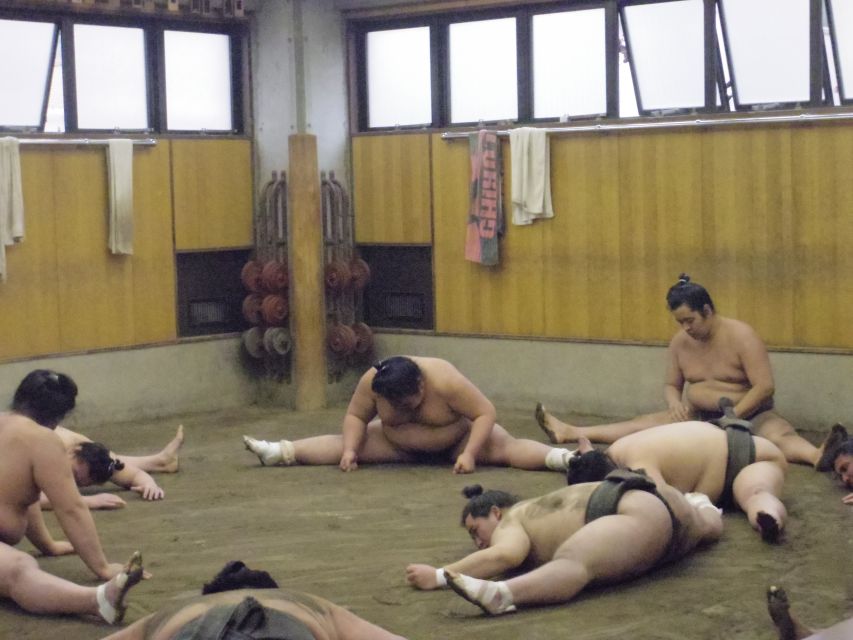
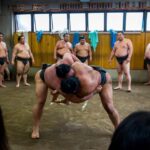
Once you reach the stable, the core experience begins: watching sumo morning training until the end of the practice window, typically around 09:00 to 10:00. The exact timing can shift a bit based on the day, so if you have plans right after, leave buffer time. When the practice ends, you’re done—there’s no re-entry once you leave the stable.
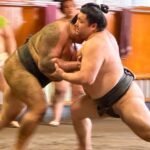
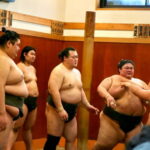
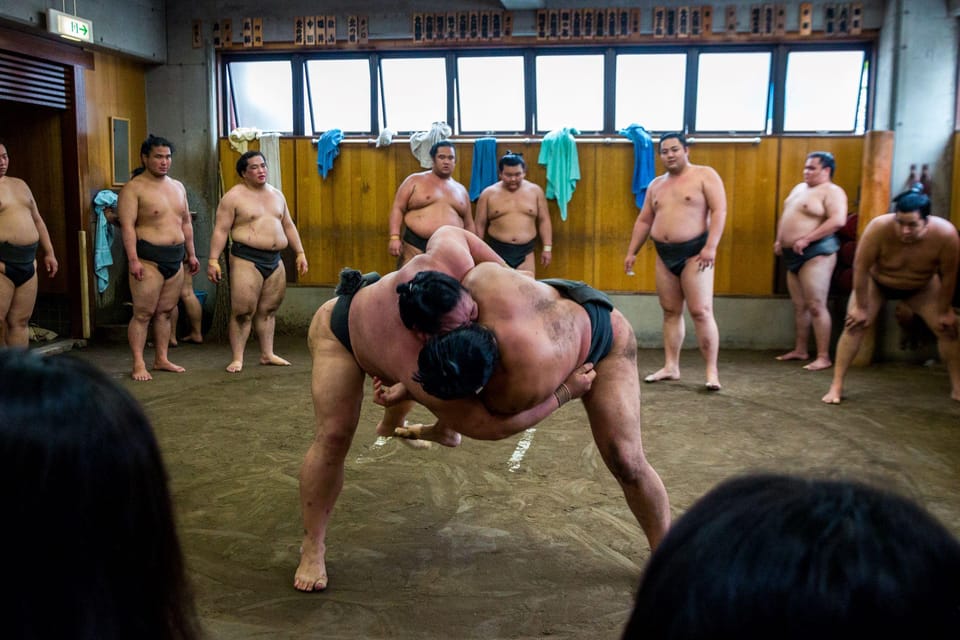
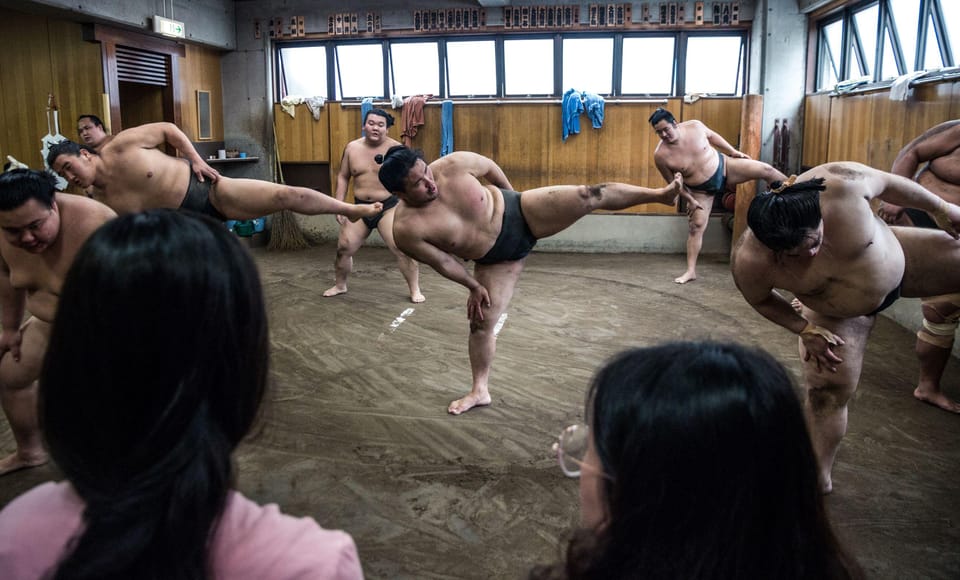
From your seating, you’ll usually be close enough to feel the physicality. That closeness matters more than people expect. On TV, you mostly see big moments. In the stable, you see how wrestlers set their stance, how they feel for pressure, and how they reset when a drill doesn’t go right.
What you’re watching is more than just sparring. It’s practice built for tournament readiness, and that includes drills that test posture, grappling timing, and stamina. If you’re wondering what training looks like when the goal is to compete six times a year, this is where you see it.
One helpful detail: bouts can be over fast. Some groups have described bouts lasting only about ten seconds on average, which tells you something important. This isn’t slow sport theater. It’s precision under stress.
And then there’s the sound. Training has a real physical noise—impact, shuffles, and the energy that builds and releases during repeated drills. It can feel surprising at first, especially when you’re in a quiet room. After a few minutes, you start to notice the rhythm instead of just the noise.
The stable rules you must respect (and why silence is part of it)
Let’s be blunt: if you want photos and chatting and phone-scrolling, this is not your tour.
You must follow stable rules closely:
- No hats
- No sunglasses
- No food or drinks inside
- No flash photography
- No video recording
- Stay seated and don’t stand or move around during practice
- Put your phone on silent
These rules aren’t there to be annoying. They’re there because this is a workplace and everyone’s trying to work. Also, you’ll get the best view by staying still. When you move, you block someone behind you, and it creates distractions for people trying to train.
Clothing matters too. You’ll want modest clothing. The stable environment is traditional, and you’ll feel that right away.
And yes, you’ll need to stay for the full practice session. This tour isn’t a quick peek. If you step out, you can’t pop back in.
What you’ll learn from the guide (beyond the obvious)
Sumo can look simple until you watch it long enough to notice patterns. That’s where the guide earns their spot on your schedule.
Your guide explains:
- the history and art of sumo
- what you’re seeing during training
- the customs and tournament context
- how the stable works day to day
Some guides also do a quiet Q&A setup. In several examples, the stable staff or the stable master has been described as welcoming and friendly, and in some cases ex-rikishi or senior coaches have been mentioned as watching or overseeing sessions. That doesn’t happen every time in every way, but the structure supports it: you’re close to the people who keep the sport running, and you’re not treated like background decoration.
I also like that the guide often helps you name what you’re seeing. When you can connect faces to ranks, roles, and names, the whole practice becomes easier to follow. That transforms your understanding from big moves to meaningful moves.




Photo with wrestlers: when you should hope, not assume
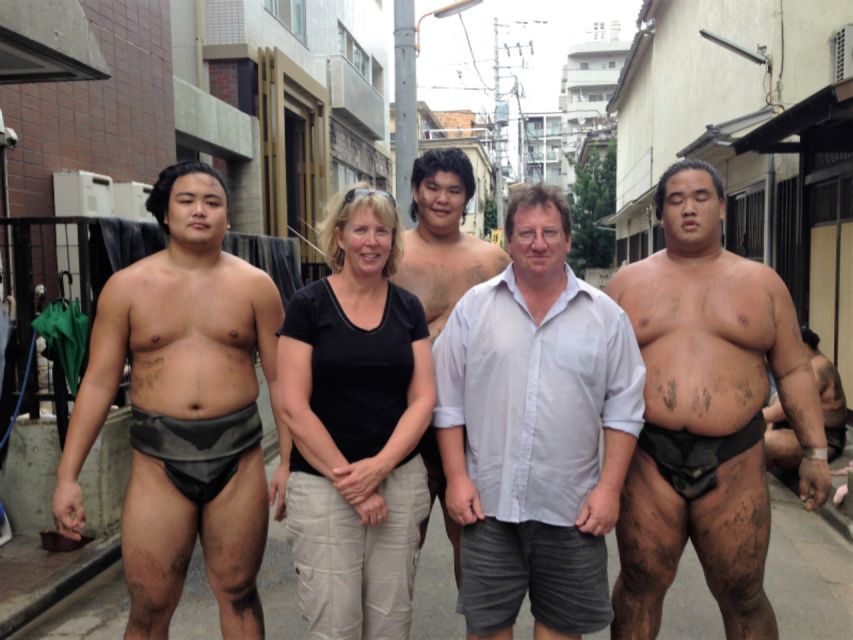
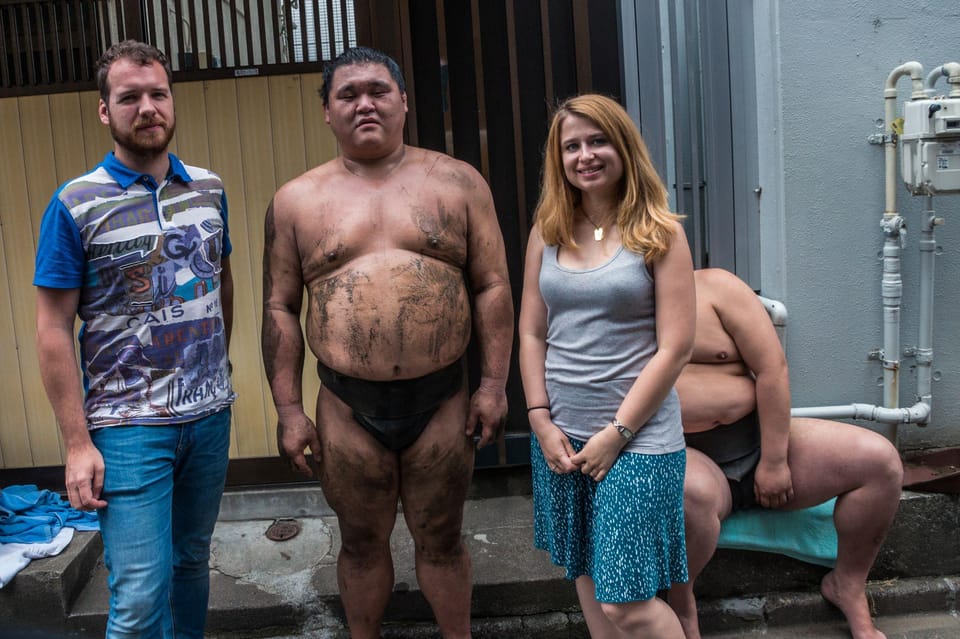
One highlight is the chance to take photos with sumo wrestlers, depending on the day’s schedule. That means it’s not guaranteed every single departure, but it’s common enough that you should plan your expectations around a maybe.
If photo time happens, it’s typically after training ends. You’ll want to be ready and organized, because you’re still operating under stable rules—so you won’t be moving around freely, and you may be asked to keep things respectful and quiet.
Even without the photo, the viewing is the main event. The photo is a bonus. The real value is watching drills happen in real conditions, with real effort.
Price and value: why $81 can feel fair
At about $81 per person for 90 minutes to 2 hours, this isn’t the cheapest morning activity in Tokyo. But you’re paying for access that’s hard to replicate on your own: stepping into a working sumo stable that isn’t typically open to the public.
Here’s the math that matters:
- You’re getting a licensed English guide
- You’re getting real stable observation during training time
- You’re getting structured explanations so you don’t miss the point
- You may get photos with wrestlers when allowed
If you’re the kind of traveler who only likes big-budget shows, you might find the atmosphere different here: it’s quiet, rules-based, and very focused on practice. But if you want an authentic slice of Tokyo culture—something you can’t copy by walking around—this price starts to make sense quickly.
Also, Ryogoku is a great neighborhood to extend your day. After training, you can head to sumo meal restaurants around the area, which is a fun way to keep the theme rolling.
Who this tour fits best (and who should skip it)
This is best for:
- people who love sports and want to see training, not just competition
- anyone curious about Japanese tradition and how it actually lives day to day
- adults and older kids who can follow quiet, seated rules
It’s not suitable for children under 11, and it’s also not suitable for people with mobility impairments based on the stated constraints of the stable experience.
If you get restless sitting still for a while, this is where you should pause. Some people love that it’s slow and focused. Others can feel time passing during repetitive drills when they’re not fully sure what they’re looking at. The guide helps, but your comfort with quiet matters.
If you’re hoping for constant action or constant commentary, you’ll want to know that during practice, the group stays quiet. The action is happening silently in your visual field.
Practical tips so your morning goes smoothly
A few things will help you have an easy time:
- Dress modestly and expect no hats or sunglasses
- Wear shoes you can sit/stand around in calmly (you’ll be asked to stay respectful during practice)
- Keep your phone on silent for the entire session
- Bring nothing that would tempt you to snack during the visit (food and drinks aren’t allowed)
- If you care about photos, be ready for the instructions quickly
- Give yourself buffer time around the end of the practice window, since the tour may end at a different location than you met
If you’re the type who wants a top view, arriving promptly after meeting and following the guide’s directions is key. Some groups have reached front-row positions when they arrived early, so don’t be the last person tying a shoe.
Should you book this Tokyo sumo morning practice tour?
Book it if you want a real stable experience in Tokyo’s sumo zone, and if you’re okay with strict quiet rules. You’ll walk away understanding that sumo isn’t only spectacle. It’s a disciplined training system with tradition built in.
Skip it if you need lots of freedom to move around, you don’t do well with long seated silence, or you’re traveling with kids who can’t reliably follow the stable rules.
If your goal is to add one memorable, authentic morning to your Tokyo trip—something you can’t easily manufacture on your own—this is a strong choice. Just wake up ready to be respectful, stay for the full session, and watch carefully. That’s when the sport turns from TV magic into something real.
FAQ
What duration should I plan for?
Plan for about 90 minutes to 2 hours, depending on the day’s practice schedule.
Where is the meeting point?
The meeting point may vary depending on the option booked, so confirm the exact location with your voucher.
What time does the practice viewing happen?
You must stay until the end of the practice, which is typically around 09:00 to 10:00 AM.
Can I bring hats or sunglasses?
No. Hats and sunglasses are not allowed.
Is flash photography or video recording permitted?
No. Flash photography is not allowed, and video recording is not allowed.
Can I leave the stable and re-enter later?
No. Once you leave, there is no re-entry.
Is this tour suitable for young children or mobility limitations?
It’s not suitable for children under 11 and not suitable for people with mobility impairments.