REVIEW · TOKYO
Tokyo War History Tour: Yasukuni Shrine & War Museum
Book on GetYourGuide →Operated by DeepExperience, Inc. · Bookable on GetYourGuide
War memory in Tokyo is never casual. This private tour links Yasukuni Shrine and the Yushukan War Museum with clear, careful context you can actually use.
What I like most is the way the tour stays structured: you get a guided walk at Yasukuni, then you move into the museum’s exhibits with commentary that helps you understand how Japan frames its modern conflicts. The second big win is the guide quality, with English explanations backed by real historical detail, including standout praise for a guide named Tatsuo.
One thing to consider: this is serious, sensitive material, and the museum has its own distinct narrative. If you’re looking for one “clean” interpretation of World War II, you may feel challenged by how the tour presents context and prompts critical thinking.
In This Review
- Key Points I’d Prioritize
- Why Yasukuni and Yushukan Belong Together
- Entering Yasukuni Shrine: Ritual, Etiquette, and What’s Being Honored
- What Your Guide Connects: From Samurai Ideals to Imperial Ideology
- Yushukan War Museum: A Distinct Narrative, With Context for Critical Thinking
- Extended Option: Chidorigafuchi National Cemetery and the Religion vs State Contrast
- Price, Time, and Logistics That Actually Affect Your Day
- When This Tour Is Worth Your Interest (and When It Might Not Be)
- Should You Book This Tokyo War History Tour?
- FAQ
- How long is the Tokyo War History Tour?
- Is this tour private?
- What are the main stops on the standard tour?
- What does the extended option add?
- Is the guide English-speaking?
- What’s included in the price?
- Is transportation included to and from the meeting point?
- Are there any photo rules?
- What should I bring and wear?
Key Points I’d Prioritize
- Private English guide that keeps explanations grounded and balanced for tough topics
- Yasukuni Shrine shows how a shrine can enshrine war dead, not a typical deity
- Yushukan War Museum presents Japan’s war story with a distinct framing and careful context
- Memory and modern identity: how rituals and state memorials shape today’s society
- Optional Chidorigafuchi lets you compare religious enshrinement vs secular state commemoration
- Moderate walking with shrine time, a longer museum stop, and practical etiquette guidance
Why Yasukuni and Yushukan Belong Together
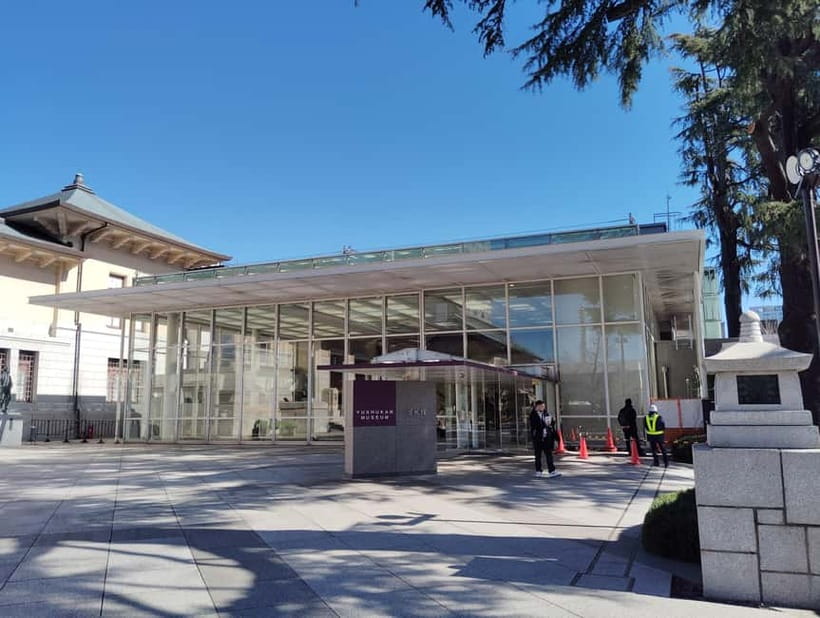
If you only visit one place, Tokyo’s war memory can feel confusing or one-sided. Seeing Yasukuni Shrine and the Yushukan War Museum in sequence helps you connect the dots between ritual, narrative, and national identity.
Yasukuni is a living memorial space. The Yushukan museum is where that memorial culture meets interpretation—through exhibits, artifacts, photographs, and documents that tell Japan’s military story from the late Tokugawa period through World War II.
This pairing matters for you because it turns a difficult subject into an organized experience. You’re not just looking at buildings or posters; you’re learning why people remember, how stories are constructed, and how memory shows up in modern life.
You can also read our reviews of more historical tours in Tokyo
Entering Yasukuni Shrine: Ritual, Etiquette, and What’s Being Honored
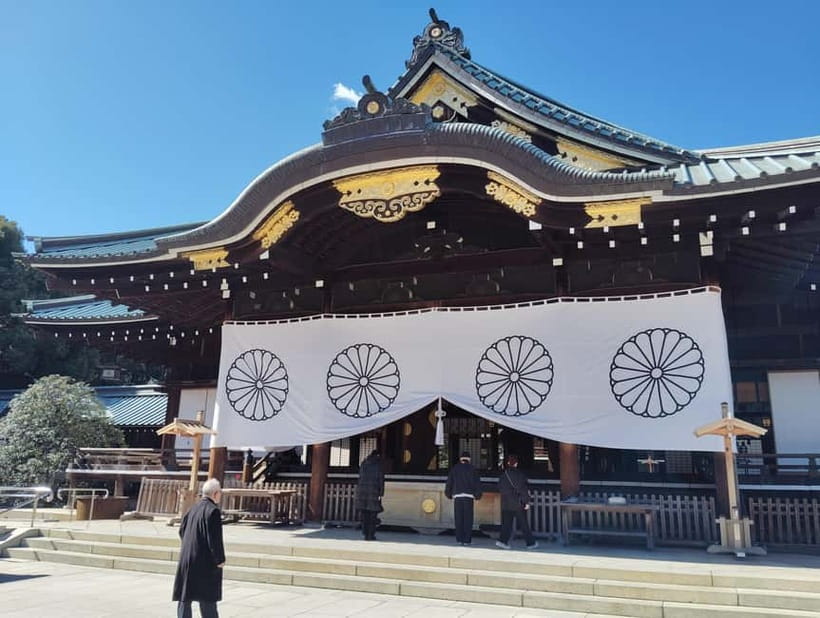
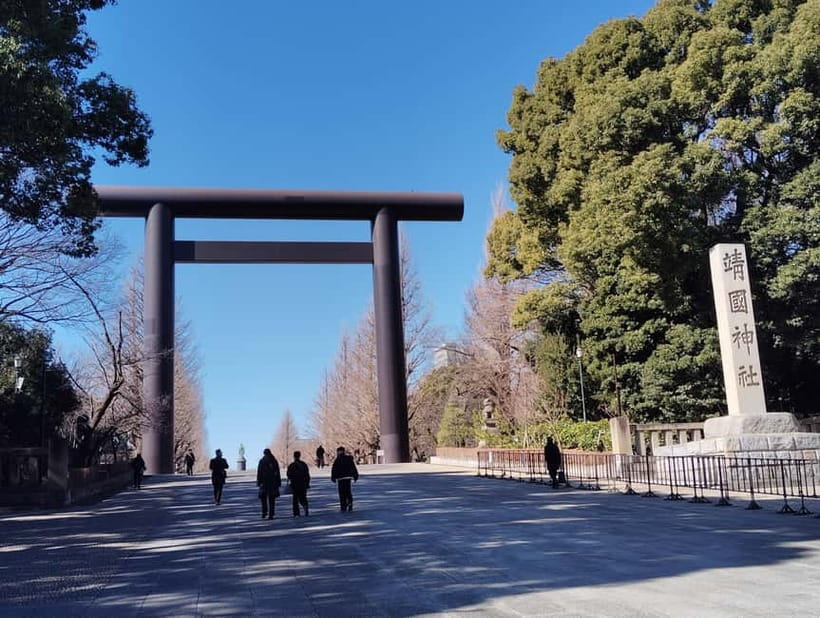
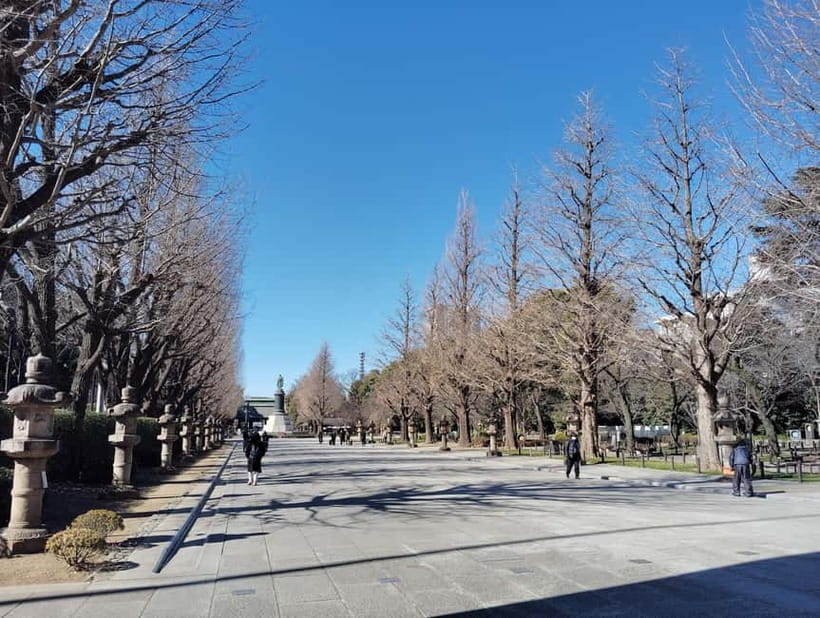
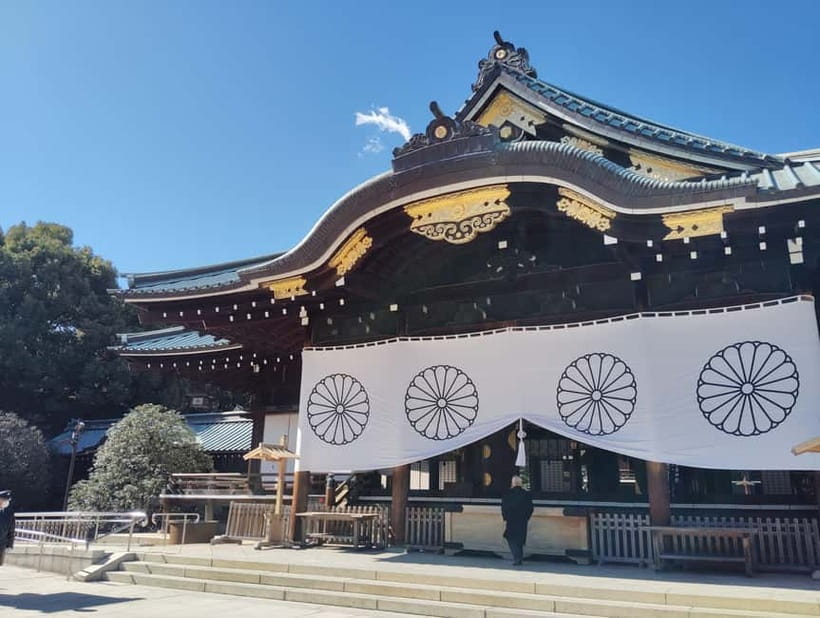
The tour starts at the imposing torii gate at Yasukuni Shrine, with a guided walk through the grounds. The first takeaway is simple but important: Yasukuni is not like most Shinto shrines.
Most Shinto spaces center on deities. Here, the shrine enshrines the spirits of war dead. That difference changes the emotional tone instantly, and it’s exactly why the shrine remains personally meaningful for many Japanese families.
During your visit, your guide explains the transformation of Japan—from a feudal society toward a modern nation-state—and how that shift influenced military development. You’ll also be part of the experience through traditional shrine etiquette, which is the kind of practical cultural detail that makes the history feel real rather than abstract.
What Your Guide Connects: From Samurai Ideals to Imperial Ideology
Yasukuni sits at the intersection of religion, statehood, and national memory. So the tour doesn’t treat history as a timeline only; it connects ideas.
You’ll hear how samurai ethics and modernization shaped military thinking, and how imperial ideology helped build the conditions for Japan’s later conflicts. The aim isn’t to sell one political conclusion. It’s to help you understand the logic behind historical narratives and the way they persist.
A small detail from a guide’s explanations that many people find memorable is practical everyday history. You might learn why you walk on one side of the pavement or stand on the left side of escalators—rules that feel purely urban, but have older roots. It’s a neat example of how the past survives in daily habits, even when you’re not looking for it.
Yushukan War Museum: A Distinct Narrative, With Context for Critical Thinking
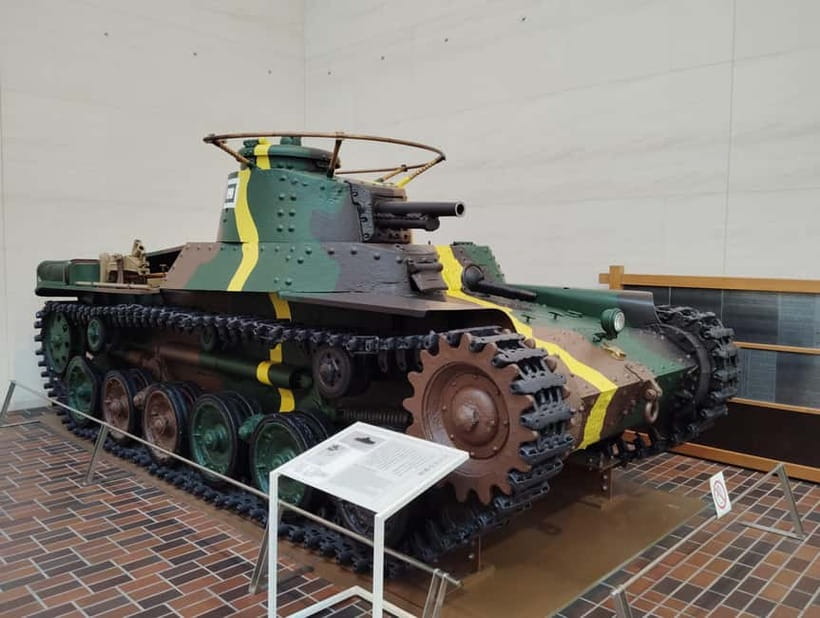
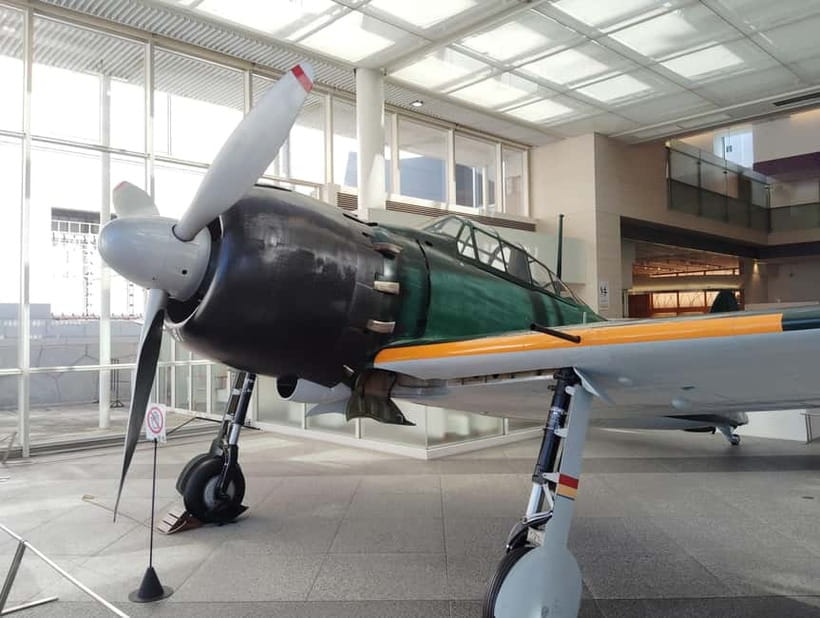
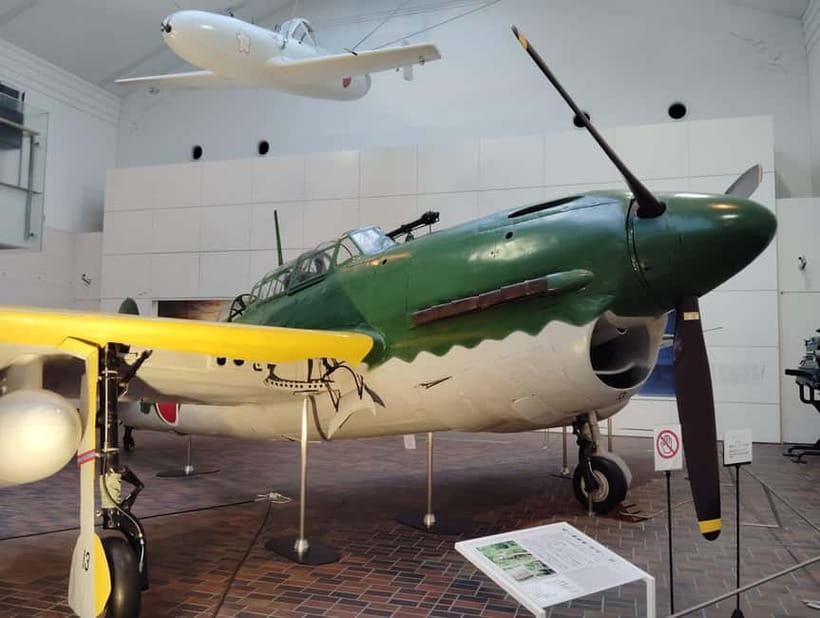
After Yasukuni, you head to the Yushukan War Museum for the longer guided portion—about 110 minutes of museum time. This is where the tour’s “learn with context” approach really shows.
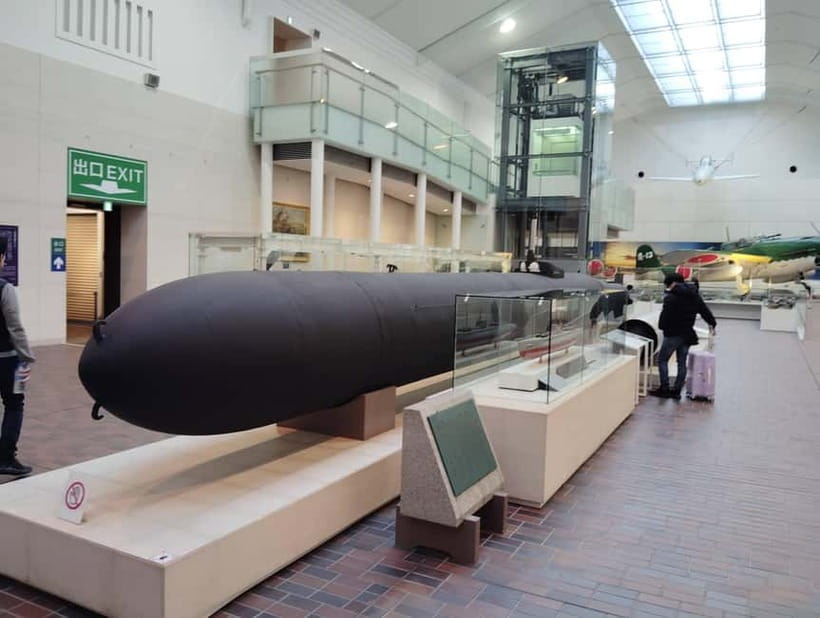
The museum traces Japan’s military history from the late Tokugawa period through World War II. It covers the Pacific War and also uses Japan’s domestic term Greater East Asia War, which can feel unfamiliar if you’re used to Western labels. Your guide helps translate that framing so you understand not just what happened, but how Japan talks about the era.
Here’s the key balance point: the museum presents a distinctive narrative. You should expect that. The value of the tour is that your guide provides historical commentary that adds context and encourages critical engagement with how wartime events are presented and remembered.
For you, that means you’re less likely to leave with only confusion or only judgment. Instead, you’ll have a clearer sense of how a society’s memory can reflect both interpretation and lived legacy.
Practical note: photography may be restricted in some areas, and flash photography is not allowed. If you like to capture museum labels for later study, plan your photos thoughtfully and don’t rely on flash.
Extended Option: Chidorigafuchi National Cemetery and the Religion vs State Contrast
If you choose the extended option, the tour continues to Chidorigafuchi National Cemetery. This stop is about one hour of guided time and a meaningful comparison to make.
Chidorigafuchi is a secular, state-administered memorial established in 1959. It honors unidentified war dead repatriated from overseas battlefields. That’s a different kind of memorial work than enshrining spirits within a shrine.
This is where the tour becomes especially useful for understanding postwar Japan. You get a rare, structured chance to compare two remembrance approaches: religious enshrinement at Yasukuni versus government commemoration at Chidorigafuchi.
For a visitor, the emotional impact can hit differently. One place is built around shrine ritual and spiritual enshrinement. The other is built around state-managed memorialization. Neither is just a “photo stop.” Both are ways Japan organizes respect, grief, and national memory.
You can also read our reviews of more museum experiences in Tokyo

Price, Time, and Logistics That Actually Affect Your Day
The tour price is $87 per person for a 150 to 210 minute private experience. That timing range usually comes down to whether you add the cemetery stop.
What you get that helps justify the price:
- A private guided tour with a licensed English-speaking guide
- Guided visits inside the Yushukan War Museum
- The museum admission fee included
- Historical commentary designed to offer multi-perspective context
- Optional guided visit to Chidorigafuchi National Cemetery
What you should plan for yourself:
- Transportation to and from the meeting point isn’t included
- Food and drinks aren’t included
Because it’s private, you also have flexibility that group tours often don’t. You’re not squeezed into someone else’s pace, especially helpful when the topic is sensitive and you want explanations to land clearly.
Bring comfortable shoes. You’re walking at the shrine and spending a longer stretch inside the museum, plus time at the cemetery if you take the extended option. A hat, sunscreen, and water are smart in Tokyo when you’re outside part of the time.
When This Tour Is Worth Your Interest (and When It Might Not Be)
This tour is a strong match if you’re one of these:
- You care about modern Japanese history and how the country remembers war
- You like museums that connect exhibits to real-world cultural meaning
- You want an experience that treats memory as a living social force, not just dates and battles
- You’re interested in international relations and how narratives shape diplomacy and debate
It may be less ideal if:
- You want only military facts with no discussion of how interpretation works
- You’re very uncomfortable with sensitive war memory topics in person
- You prefer broad “see the sights” sightseeing rather than structured guided context
The museum’s framing and the shrine’s role in ongoing debate aren’t hidden. This tour doesn’t pretend the subject is simple. That honesty is part of why it works.
Should You Book This Tokyo War History Tour?
Book it if you want a serious, guided way to understand how war memory functions in Japan, not just what happened in the past. The combination of Yasukuni’s ritual memorial space and Yushukan’s museum interpretation is a practical way to see the full picture—religion, state, narrative, and identity all in one half-day.
Skip it if you’re hoping for a one-note presentation of history. This experience is designed for context and critical engagement, and that can feel demanding.
If you’re even a little curious about how societies carry difficult history into everyday life, this tour is a good investment of time—and it gives you the kind of guided clarity that helps you leave with better questions, not just more information.
FAQ
How long is the Tokyo War History Tour?
The tour runs for about 150 to 210 minutes, depending on which option you book.
Is this tour private?
Yes. It’s a private group tour, so only your group participates.
What are the main stops on the standard tour?
The standard route includes Yasukuni Shrine and the Yushukan War Museum.
What does the extended option add?
The extended option adds Chidorigafuchi National Cemetery to the itinerary.
Is the guide English-speaking?
Yes. The tour includes a licensed English-speaking guide.
What’s included in the price?
You get the private guided tour, the museum admission fee for Yushukan, guided visits to the sites, and historical commentary with balanced, multi-perspective context.
Is transportation included to and from the meeting point?
No. Transportation to and from the meeting point isn’t included.
Are there any photo rules?
Flash photography is not allowed. Photography may also be restricted in certain museum areas.
What should I bring and wear?
Wear comfortable shoes and consider bringing a hat, sunscreen, water, and your camera.