REVIEW · TOKYO
Tokyo: Imperial Palace Japanese History Walking Tour
Book on GetYourGuide →Operated by Sunrise Adventure · Bookable on GetYourGuide
Samurai stories, right in Tokyo. This Imperial Palace Japanese History Walking Tour turns the palace grounds into a living timeline, connecting the shogun era to the emperor’s world through gates, ruins, and gardens.
I love how the guides make the history feel usable, not lectured—clear explanations, good group control, and help with photos. I also love the scenery stops, especially the bamboo forest and the Japanese garden with royal koi.
One thing to plan for: you do not get Inner Palace access, since it’s not open to the public.
In This Review
- Key Points You’ll Care About
- Imperial Palace Grounds: Where the Shogun Meets the Emperor
- Starting at Starbucks by Wadakuramon Fountain Park
- Otemon Gate and Edo Castle Footprints (What’s There and What’s Not)
- Eastern Gardens Highlights: Samurai Houses, Bamboo, and Gifted Trees
- The Royal Koi and Photo Stops That Actually Matter
- How the Ranking System Explains Japan’s Social Order
- Comfort in Real Tokyo Weather: Heat, Mosquitoes, and Shade
- English and French Guides, Plus Helpful Local Tips
- Value for $32: What You’re Really Paying For
- Who This Tour Is Best For (And Who Should Skip It)
- Should You Book This Imperial Palace History Walk?
- FAQ
- FAQ
- Where is the meeting point for the Tokyo Imperial Palace walking tour?
- How do I get to the meeting point from Tokyo Station or Otemachi Station?
- What areas of the Imperial Palace grounds will we see?
- Does the tour include Inner Palace access?
- What languages are the tours offered in?
- Is the tour held rain or shine?
- What items are not allowed during the tour?
- Who should not book this experience?
Key Points You’ll Care About
- Meet at Starbucks in Wadakuramon fountain park with a Sunrise Adventure sign
- Walk to Otemon Gate and hear how Edo Castle’s footprint shaped the area
- See samurai-era details, including an old samurai house and a miniature model of the past castle
- Stroll the Eastern Gardens with bamboo paths and trees gifted to the emperor over the years
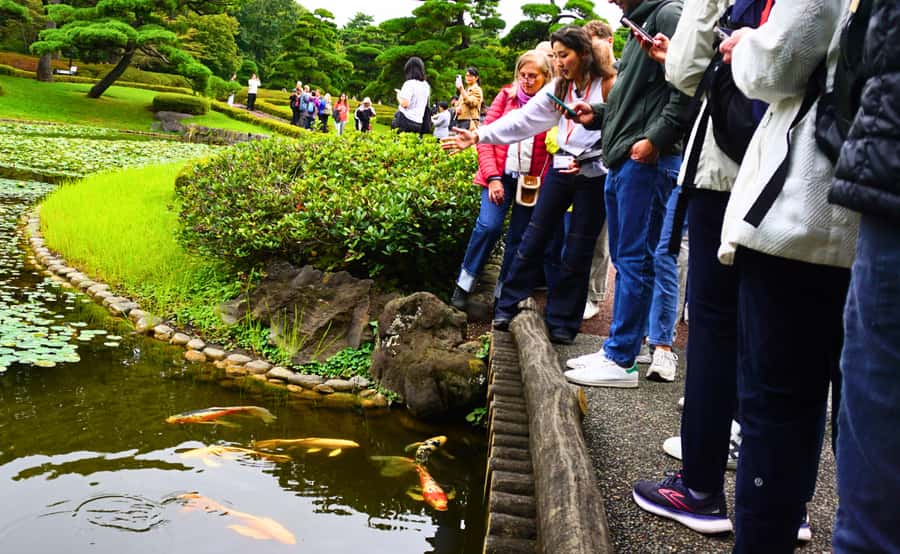
- Stop at the Japanese garden for royal koi and great photo angles
- Learn the social ranking ladder: Farmer → Samurai → Daimyo → Shogun
Imperial Palace Grounds: Where the Shogun Meets the Emperor
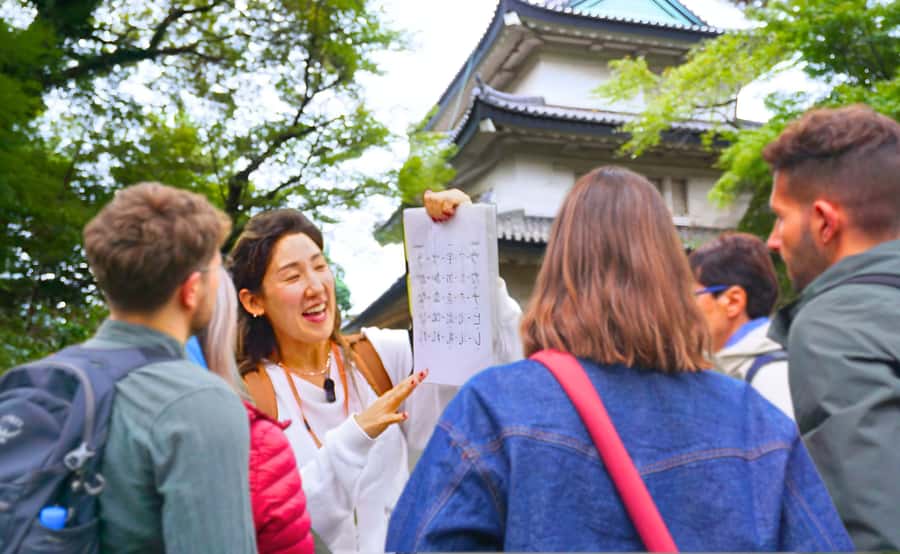
This tour is built around a simple idea: the Imperial Palace grounds aren’t just pretty gardens. They’re a map of power in Japan—how authority shifted from military rulers to the imperial court, and how that change affected daily life.
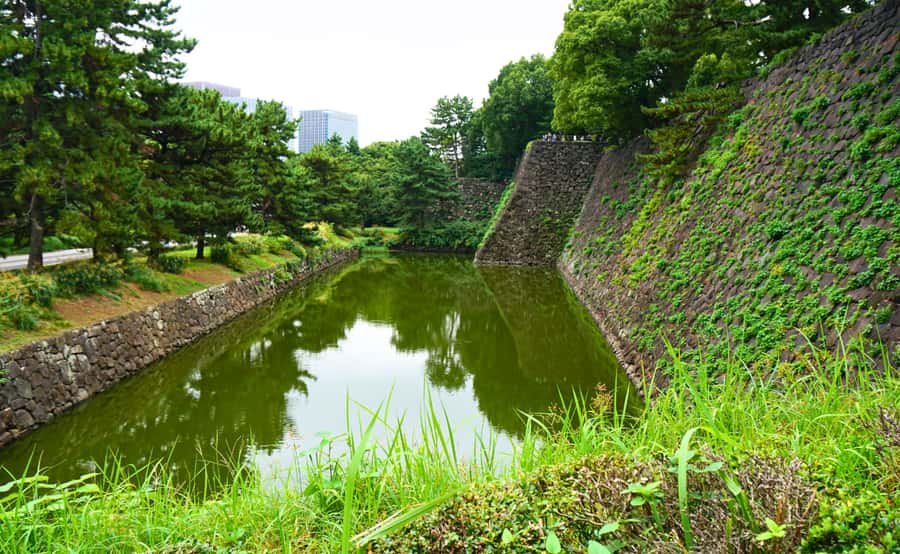
You’ll walk through public grounds that once sat on the edge of Edo Castle, the big seat of shogunal power for more than 350 years. Even though the original castle isn’t standing today, you’ll get the logic of the old layout. That’s the real payoff. Instead of seeing random gates and bridges, you start understanding why they were placed where they were.
You can also read our reviews of more walking tours in Tokyo


Starting at Starbucks by Wadakuramon Fountain Park
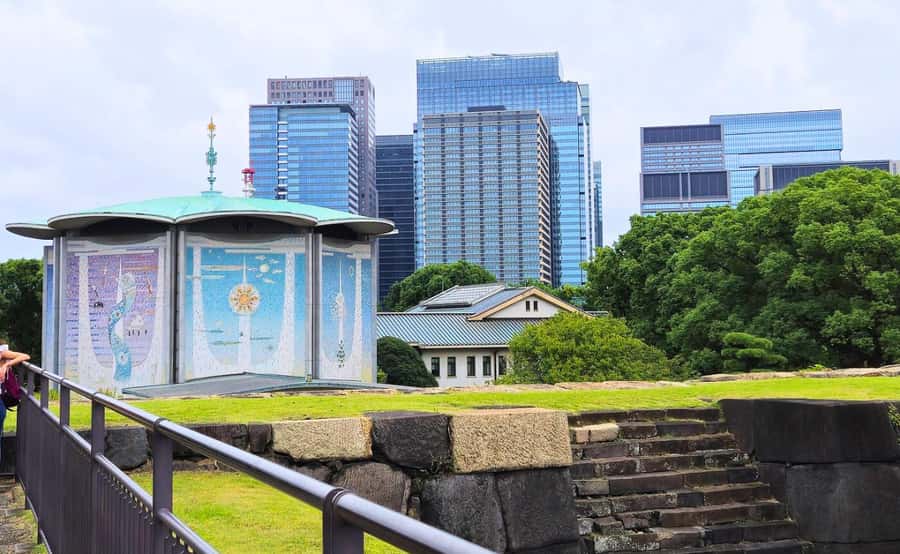
You begin near Tokyo Station/Otemachi, then take a short walk (about 5–10 minutes) to Wadakuramon fountain park. The guide meets you at Starbucks, holding a sign with the Sunrise Adventure logo, so you’re not playing guessing games.
This meeting setup matters more than it sounds. Tokyo can be a maze, and when you’re starting on time, it feels like someone set the train schedule for your day. Also, the Starbucks meeting point is a handy way to grab a drink or refill water before you head into the gardens.
Important note: the tour is described for rain or shine, so plan to arrive ready for weather that doesn’t care about your schedule.
Otemon Gate and Edo Castle Footprints (What’s There and What’s Not)
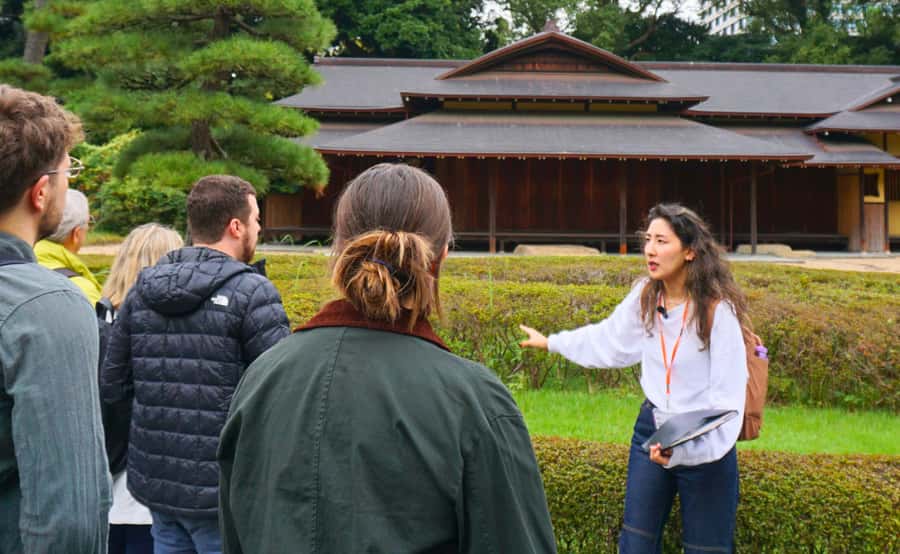
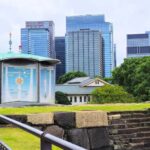
Your first big visual is the walk toward the Otemon Gate of the Imperial Palace. This area is where the tour’s history theme clicks into place: your guide ties the present-day palace grounds to the shogun’s world.
A key moment is the explanation that the original castle is gone—but the story remains. You’ll hear the background and see a miniature model showing what the castle looked like in the past. That model is useful because it turns confusing shapes into a mental picture you can carry the rest of the walk.
You’ll also be in the right frame of mind for a small reality check: even though this is the Imperial Palace area, the tour stays in the public parts of the complex. The tour specifically does not include access to the Inner Palace, which is not open to the public. So think of this as a historical walking tour of the grounds, not a ticket to the most restricted rooms.
Eastern Gardens Highlights: Samurai Houses, Bamboo, and Gifted Trees
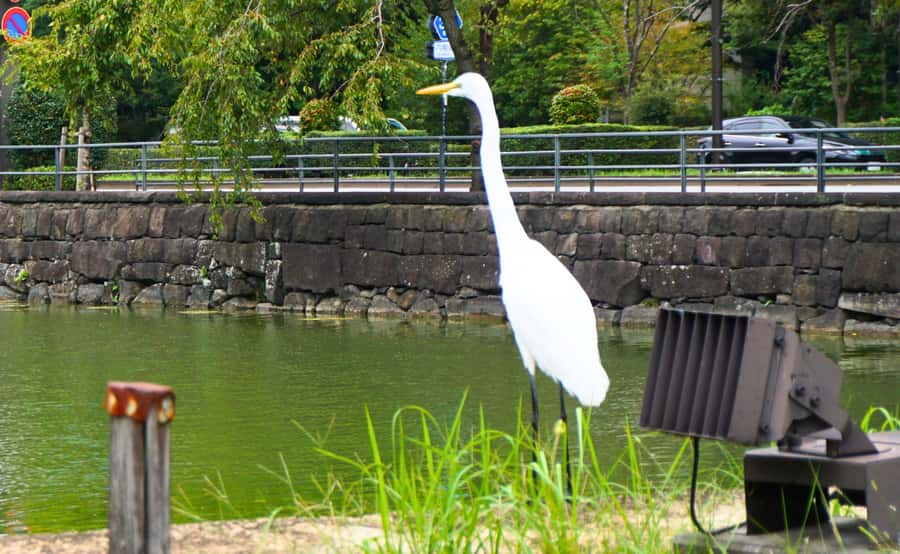
One of the best parts of this tour is that it mixes story with atmosphere. You don’t just hear names and dates; you see the space where decisions were made and status was displayed.
Along the walk you’ll spot:
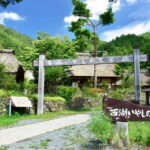
- An old samurai house (a reminder that the castle wasn’t only about rulers—it was also about the people and systems supporting them)
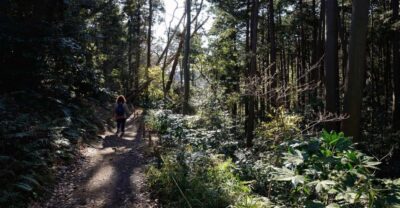
- A bamboo forest stretch that gives your legs a break from open sun
- Trees that were gifted to the emperor from across Japan, showing how culture and politics traveled through nature and ceremony
The bamboo and shaded garden paths aren’t just “nice.” They help you experience the palace grounds as a place of calm, not a concrete monument. In summer, that makes the difference between a good walk and a miserable one.
The Royal Koi and Photo Stops That Actually Matter
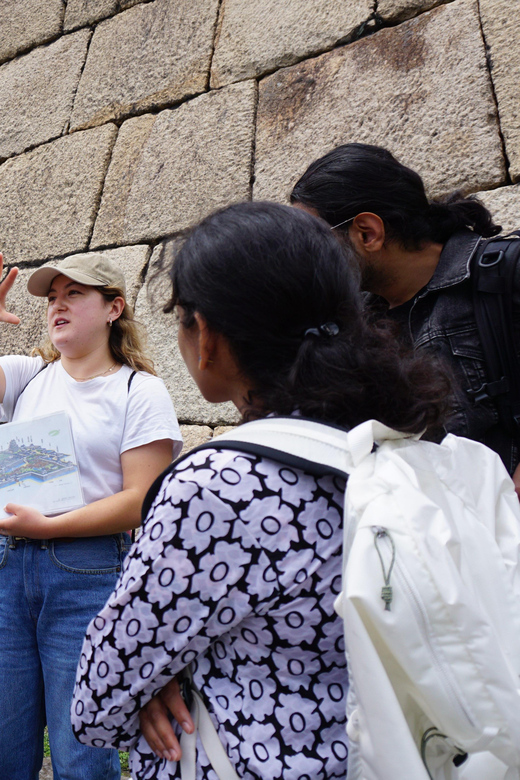
Yes, there are photo moments—but the smart part is that the guide points you toward spots where you can get a clean view without crowding or guessing angles.
A standout is the Japanese garden area featuring royal koi. The koi are a classic Tokyo sight, but here they’re tied to the palace setting, so it feels intentional rather than random. Your guide also helps with picture-taking during the walk, which is a big deal in Japan when everyone’s trying to capture a shot and nobody wants to step in front of someone else.
If you care about photos, you’ll likely appreciate the pacing: there are stops that give you time to look, not just to pass through.
You can also read our reviews of more historical tours in Tokyo


How the Ranking System Explains Japan’s Social Order
The history talk isn’t vague. A big theme is the old ranking system: Farmer → Samurai → Daimyo → Shogun.
That ladder helps you understand why so much of the culture you see in Japan makes sense, even centuries later. When you know who ranked where, you start noticing how roles affected what people could do, what they were expected to train for, and how the country organized authority.
What I like about this approach is that it connects power structures to actual places you’re walking through. Edo Castle wasn’t just a residence—it was a machine for governing through social order, and the tour shows how that order shaped daily life.
Comfort in Real Tokyo Weather: Heat, Mosquitoes, and Shade

Tokyo weather can be rough, especially when you’re outdoors for a walking tour. This tour is designed with that in mind, and the small practical touches show up in the way guides handle the day.
From the experience notes you can pick up a pattern:
- The guide tries to stop in shade when possible during hot weather
- Some guides bring small extras for the conditions, including mosquito spray when needed
- Guides also keep the pace reasonable so you can stay with the group and still enjoy the garden details
So if you’re worried about summer bugs or heat, this isn’t a throw-you-out-there-and-hope-for-the-best situation. It’s more like: here’s the schedule, and here’s how we adjust when the weather changes.
English and French Guides, Plus Helpful Local Tips
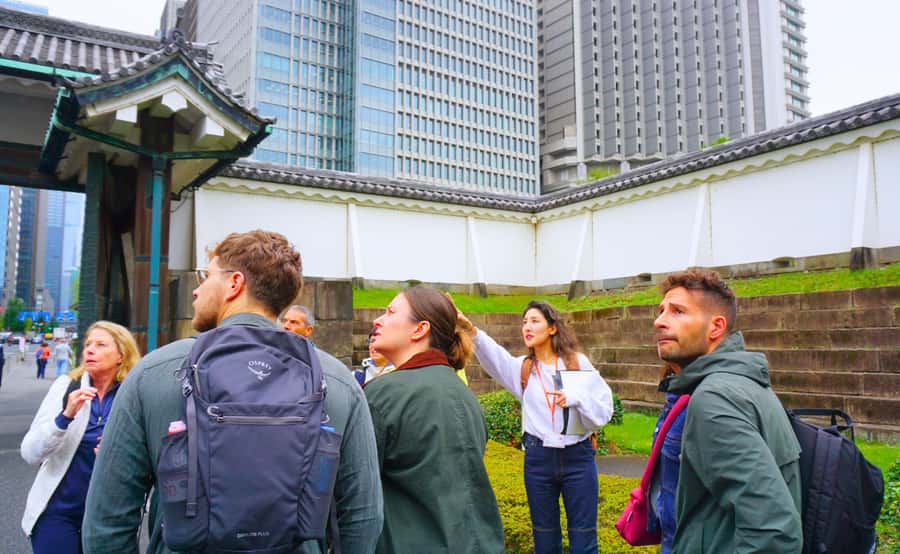
The tour runs in English and French, which is great for mixed groups. It also means you’re more likely to get explanations that land in a way you can use, not just a summary that disappears.
Guide style seems to be a major strength. Many guides use humor, invite questions, and keep the pace engaging. You might even get practical Tokyo advice, including recommendations for where to eat after the tour.
There’s also an optional possibility to talk through other experiences. One guide offered a private follow-on that included a tea ceremony as a highlight. That’s not guaranteed for every group, but it’s worth knowing that some guides can help connect the dots for your wider Tokyo plan.
Value for $32: What You’re Really Paying For

At $32 per person, this tour is a solid value if you want more than a self-guided stroll. You’re paying for two things that are hard to DIY in Japan:
1) Historical interpretation with context
Without a guide, it’s easy to look at gates and gardens and miss why they matter. With the tour, you get the shogun-to-emperor story, the Edo Castle connection, and the social ranking system explained in plain language.
2) Time-efficient access to the right sights
The meeting point is easy, the walk is structured, and you cover the palace grounds highlights without wasting time wandering.
If your goal is to learn about the Edo period and understand what “shogun’s footsteps” looks like on the ground, this price feels fair. If your goal is simply to stroll and snap photos at your leisure, you might choose to self-tour—just don’t expect the same context.
Who This Tour Is Best For (And Who Should Skip It)
This is best for you if:
- You like Japan history tied to real places
- You want an easy on-ramp to the Edo period and the Imperial Palace setting
- You appreciate guides who help with photos and answer questions
- You’re comfortable walking through gardens and outdoor paths
This is not a fit if you have constraints like:
- Mobility impairments or you use a wheelchair
- Back problems, recent surgeries, or heart problems
- Low fitness levels
- Pregnancy
The tour is also not built for people who need minimal walking or step-free routes. It’s a walking tour of palace grounds, so your body needs to be able to do that.
Should You Book This Imperial Palace History Walk?
If you’re planning a first visit to Tokyo and you want your day to start with meaning, I’d book it. The mix of Otemon Gate storytelling, bamboo and garden atmosphere, and the koi photo stop makes it more fun than a typical history talk. Add in the strong guide performance—people like Mika, Natsumi, Laki, Alexandre, Nico, and others have brought the material to life—and you’re likely to leave with a much better mental picture of how Japan’s power system evolved.
Skip it if you expected Inner Palace access, because that’s not included and not available to the public. Also skip if you fall into the tour’s non-suitable categories (mobility issues, low fitness, or medical limitations).
FAQ
FAQ
Where is the meeting point for the Tokyo Imperial Palace walking tour?
You meet at Starbucks in Wadakuramon fountain park. The guide will be waiting near the fountain area holding a sign with the Sunrise Adventure logo.
How do I get to the meeting point from Tokyo Station or Otemachi Station?
Take the train to Tokyo Station or Otemachi Station, then walk about 5–10 minutes to Wadakuramon fountain park where Starbucks is located.
What areas of the Imperial Palace grounds will we see?
You’ll walk toward the Otemon Gate and explore parts of the palace grounds, including the Eastern Gardens, with stops such as a samurai house, a miniature model showing the old castle, bamboo forest areas, and a Japanese garden with royal koi.
Does the tour include Inner Palace access?
No. Inner Palace access is not included, and it’s not open to the public.
What languages are the tours offered in?
The tour is offered in English and French.
Is the tour held rain or shine?
Yes. The tour takes place rain or shine.
What items are not allowed during the tour?
Weapons or sharp objects, smoking, drones, alcohol and drugs, skateboards, and making fire are not allowed.
Who should not book this experience?
It’s not suitable for pregnant women, people with back problems, people with mobility impairments, wheelchair users, people with heart problems, people with recent surgeries, and people with low fitness.