REVIEW · TOKYO
Tokyo: Asakusa Walking Tour with Sensoji Temple Visit
Book on GetYourGuide →Operated by Localized Walking & Food Tours · Bookable on GetYourGuide
Old Tokyo energy, on foot.
This Asakusa walking tour is a practical way to see Sensō-ji Temple and the Kaminarimon (Thunder Gate) area, plus the surrounding shopping streets that make the neighborhood feel real. I especially like how it mixes temple moments with street-level Tokyo life, not just looking at one big landmark. One consideration: it’s a walking tour in a crowded area, so comfy shoes matter.
Two things I’d call out right away: first, the temple visit is timed so you get actual time for photos and a slower look at details like the gate and incense ritual. Second, the guides (you’ll hear names like Aya, Keiko, Loc, and Hiroko often in past bookings) tend to answer questions with clear explanations and a light tone, including when families are in the group. If you want total solitude or deep, hour-after-hour temple study, this format may feel a bit structured.
In This Review
- Key things you’ll notice on this Asakusa tour
- Why Asakusa feels like the real Tokyo (and why this tour fits)
- Meeting Kaminarimon: start point and how to stay on time
- The Thunder Gate to Nakamise Street segment (how the route sets the mood)
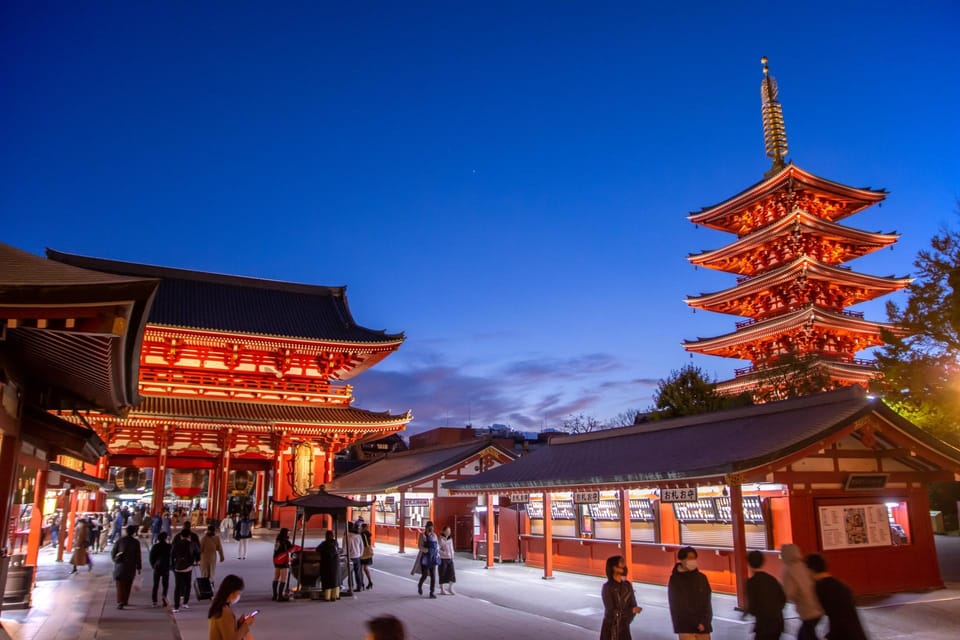
- Sensō-ji Temple: gate, incense atmosphere, and smart photo time
- Asakusa Shrine photo stop: a second sacred stop without the scramble
- Hoppy Street and Shin-Nakamise: shopping streets with personality
- Ending at Azuma Bridge: a clean finish that helps you keep exploring
- Price and value: is $22 for 2 hours a good deal?
- Guide style: what you can expect from English-led groups
- Who should book this Asakusa walk (and who might not)
- Practical tips to enjoy the walk more (without overthinking it)
- Should you book this tour?
- FAQ
- How long is the Tokyo Asakusa walking tour?
- Where exactly is the meeting point for the tour?
- How much does the tour cost?
- Is the tour in English?
- Is the tour wheelchair accessible?
- What’s the cancellation policy?
- Do I have to pay right away?
Key things you’ll notice on this Asakusa tour
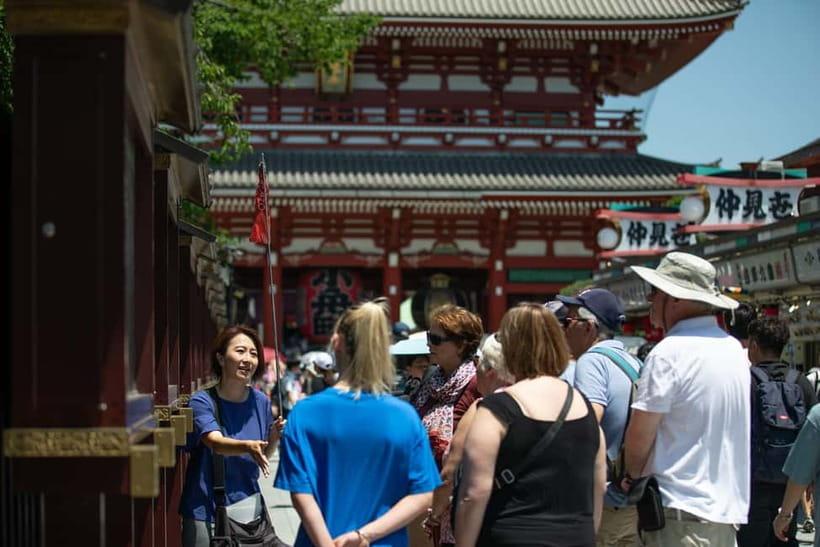
- Kaminarimon to Nakamise Street sets the tone with Tokyo’s old-meets-new street scene
- Sensō-ji includes time for photos and a chance to experience the incense atmosphere
- Asakusa Shrine gets you another sacred stop without turning the walk into a marathon
- Hoppy Street and Shin-Nakamise add variety after the big temple sights
- Finish at Azuma Bridge gives you an easy endpoint to keep exploring nearby
Why Asakusa feels like the real Tokyo (and why this tour fits)
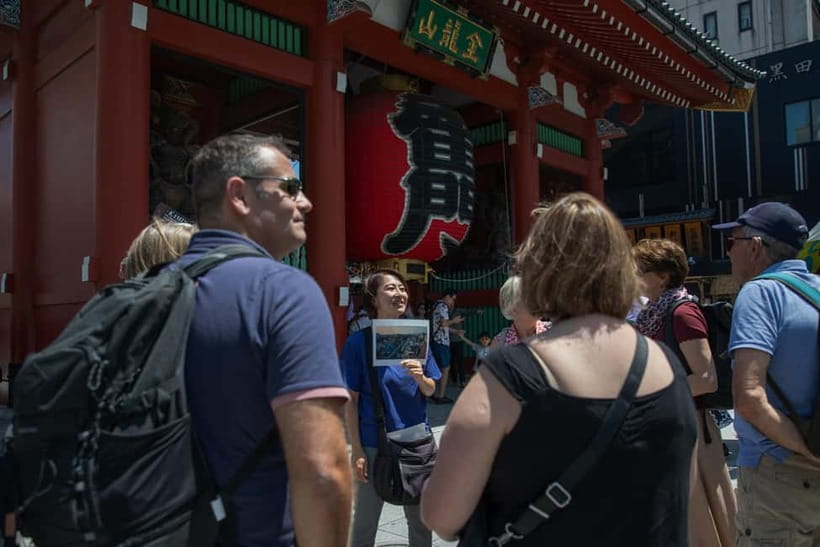
Asakusa is one of those parts of Tokyo where you can feel history in the layout. The Sensō-ji area doesn’t just sit there as a postcard spot; it spills into the streets around it with shops, snacks, and constant movement. That’s exactly why a guided walk helps: you’ll know what you’re looking at instead of guessing.
I like that this tour doesn’t treat “temple” and “neighborhood” like separate activities. You get the big spiritual anchor first, then you keep walking into the market streets where the day-to-day Tokyo vibe takes over. It also helps you avoid the common first-timer problem: chasing sights without understanding how they connect.
The walk is also only 2 hours, which is key in Tokyo. You get meaningful coverage without eating your whole day, and you’ll still be close to more restaurants and wandering opportunities after you finish.
You can also read our reviews of more walking tours in Tokyo

Meeting Kaminarimon: start point and how to stay on time
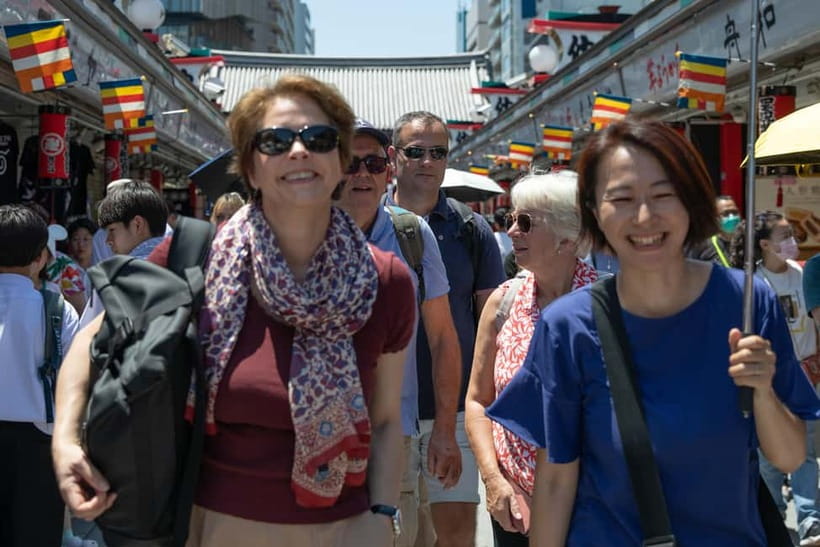
Your tour starts by the Kaminarimon Gate, and the guide waits in front of it on the left side. The meeting area is near the Tokiwado Kaminari-okoshi Honpo shop, and the guide will hold a sign for the tour.
This matters because Kaminarimon is easy to find in a general sense but harder in a precise, left-side-only sense when you’re standing in a crowd. If you arrive late, the tour provider notes the guide can’t keep other guests waiting. So I’d treat this like an appointment: arrive a few minutes early, spot the sign, and then you’re good.
Good news: the tour is English, and it’s wheelchair accessible, so you’re not stuck figuring things out on your own.
The Thunder Gate to Nakamise Street segment (how the route sets the mood)
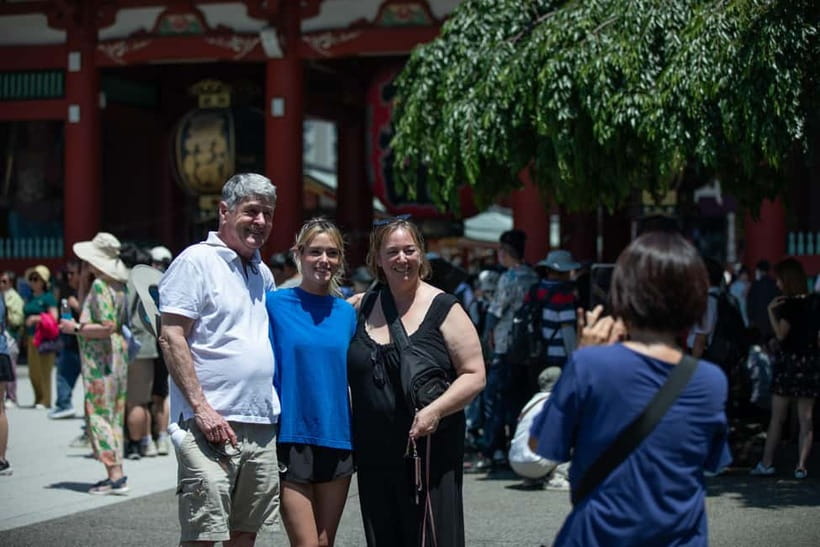
The first walking chunk is built for momentum. You begin at Kaminarimon, then move into Nakamise Shopping Street, which is known as one of the older shopping streets in Japan. This is the part where Asakusa starts telling its story through shopfronts and people flow.
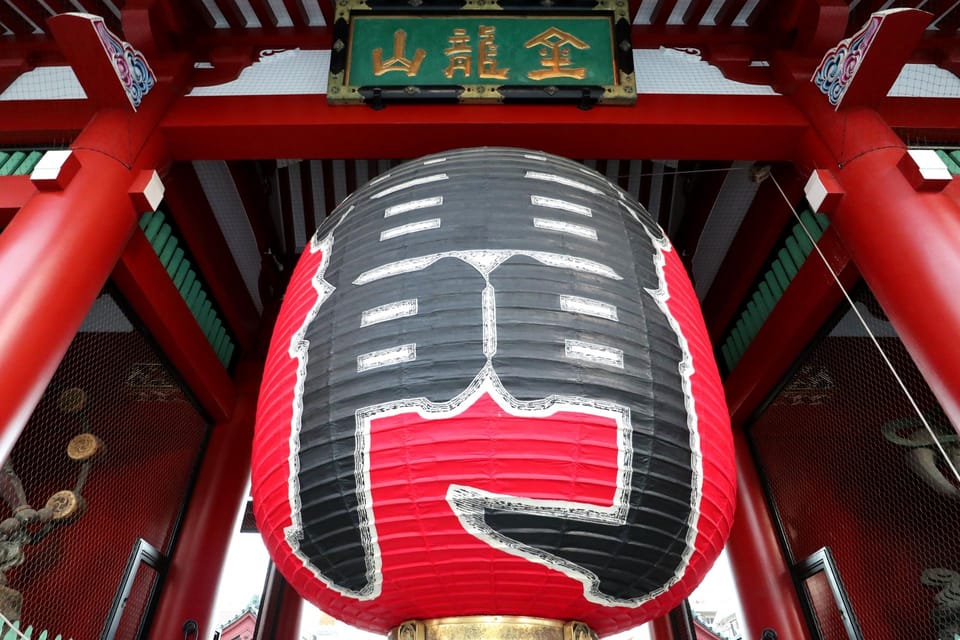
At Kaminarimon, you get a short guided moment and then you can take your first photos while the area is still fresh in your eyes. The Thunder Gate isn’t just a nice background; it’s the gateway signal that you’re entering the temple complex area, and your guide can explain what you’re seeing beyond the obvious.
Then you hit Nakamise, and the tour switches gears to street culture. You’ll walk past traditional crafts and classic snack-and-souvenir shopping energy, with a guided explanation that keeps it from feeling random. This section also helps you get comfortable with the route before the main temple stops.
Sensō-ji Temple: gate, incense atmosphere, and smart photo time
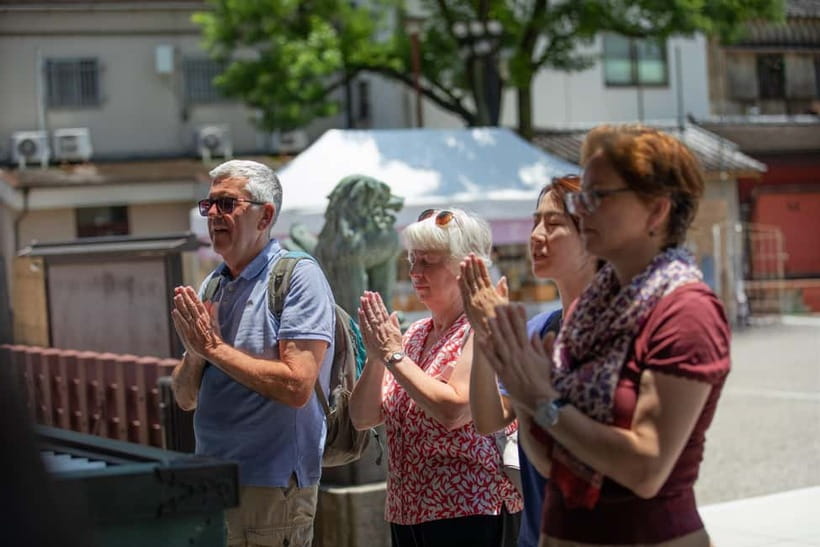
The main event is Sensō-ji Temple, described as Tokyo’s oldest Buddhist sanctuary. You’ll get a guided visit plus a photo stop, and then a block of free time so you can look around at your own speed. That free time is important in a famous place like this, because crowds can move fast and you’ll want control of your camera schedule.
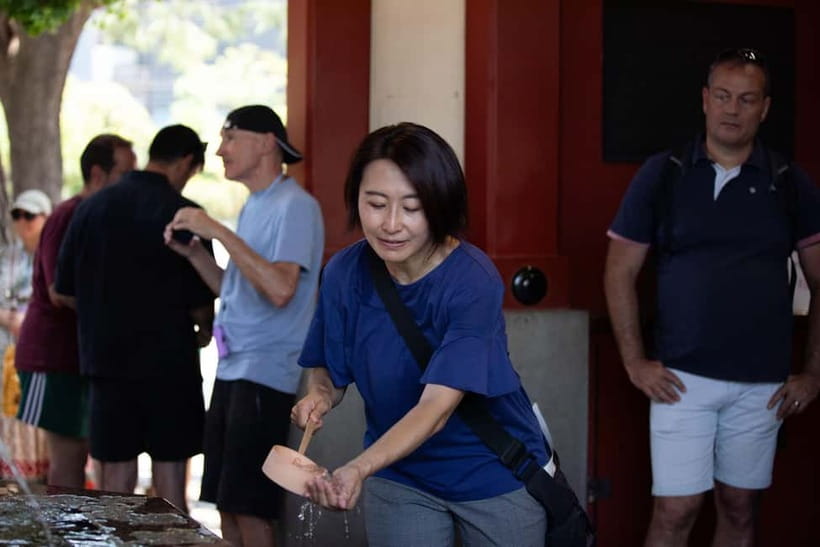
Your guide will point out standout details at the complex, including the imposing gate area. You’ll also have the chance to experience incense-burning rituals, which is one of the easiest ways to feel the spiritual atmosphere without needing a background in religious practice. Even if you’re not into ceremonies, it’s still a meaningful sensory moment.
One practical tip: when you’re doing temples like this, don’t only aim for the “front view.” Take a few moments to look at the smaller features your guide mentions, like carvings, signs, and the way people move through the space. That’s where your photos start to look different from everyone else’s.
If you’re visiting with kids or teens, this stop is also a good place to ask questions early. Several past guests praised guides for engaging different ages, so you’ll likely get helpful context instead of just a timeline.
Asakusa Shrine photo stop: a second sacred stop without the scramble
After Sensō-ji, the tour includes Asakusa Shrine with guided time and a photo stop. This is a smart add-on because it gives you another point of focus beyond the main temple complex. It also helps break up the “one big place, then leave” feeling that some temple days turn into.
You’ll get time to see the shrine area, and the guide explains what you’re looking at. That guidance matters because shrines can be visually busy, and without context it’s easy to miss what makes the details meaningful.
The photo stop also functions as a pacing tool. You’re not rushed out right after the temple’s highlights, and you’re not stuck so long that the group loses energy. It’s a good balance for a tour that’s only 2 hours total.


Hoppy Street and Shin-Nakamise: shopping streets with personality
Once you move beyond the biggest temple sights, Asakusa becomes about small moments. This tour takes you into Hoppy Street, then continues to 浅草新仲見世商店街 (Shin-Nakamise Shopping Street).
These street stops are shorter, but they’re not filler. They’re where you see the neighborhood’s everyday rhythm after the main sights. You’ll be walking with guidance, which helps you interpret what’s on offer, so you’re not just wandering through shops in a blur.
One reason I like this approach is that it keeps you from having the same problem people have when they self-walk: they spend too long at the first attraction and then arrive at the “smaller” streets too tired to enjoy them. Here, you get those extra streets while your energy is still good.
Also, if you like food or snack browsing, this is typically the part of the tour where you’ll notice the strongest “eat something now” temptation. Past guests highlighted the guide’s ability to recommend places after the tour, so treat this segment as both an experience and a springboard for lunch or a later stop.
Ending at Azuma Bridge: a clean finish that helps you keep exploring
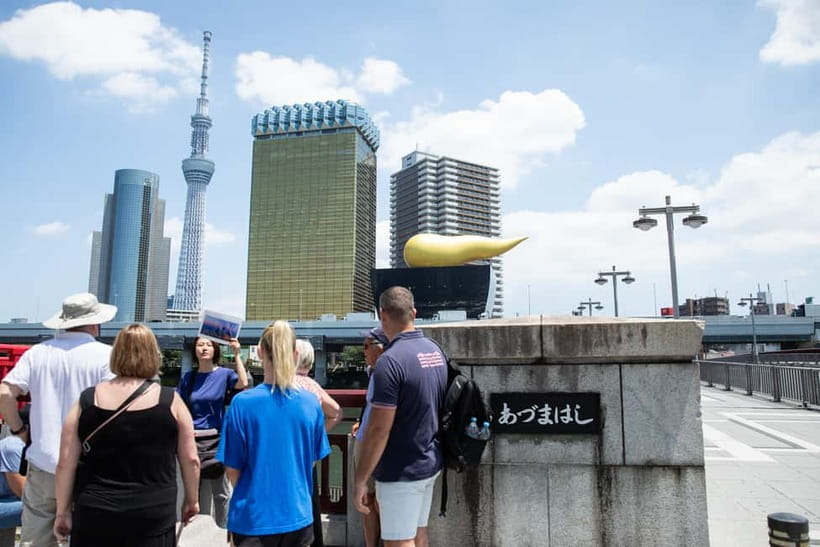
The tour finishes at Azuma Bridge. That’s a useful endpoint because it gives you a clear place to regroup and decide what’s next. Instead of ending randomly back near the most crowded temple gate area, you step away and gain a bit of breathing space.
This is also handy for planning your onward transport or lunch. From a practical standpoint, it’s easier to navigate after a defined finish point, especially in a neighborhood where signs and crowds can blend together.
If you still want more time in Asakusa after the tour, this ending location makes it feel like you’re extending the same theme rather than starting over.
Price and value: is $22 for 2 hours a good deal?
At $22 per person for about 2 hours, the value here is less about the physical sights and more about the explanation and timing. If you plan to do Sensō-ji and Nakamise on your own, you’ll still see the sights, of course. But you’d be missing the guided context that helps you understand why certain spots matter and how to move through the area efficiently.
The guide component is also a big part of what earns the high satisfaction scores. Guests repeatedly mention guides being clear in English, patient with questions, and good at adjusting pace. When a guide adds helpful meaning to landmarks, you tend to remember the trip longer than you would from a quick walk-by.
Think of this tour like buying time and clarity. You’re paying to stop guessing and start noticing.
Guide style: what you can expect from English-led groups
This tour is run with live English guides, and the past experience feedback highlights a few consistent strengths. People mention guides who answer questions with real cultural and historical context, while also keeping the mood friendly and light. Several guests specifically praised guides for being patient and responsive, even with kids and teenagers.
You’ll also likely notice that guides handle the crowd flow with confidence. Asakusa can get packed, especially around the biggest temple moments, and a good guide helps you avoid getting stuck at the wrong spot or at the wrong angle for a photo.
In the guide names that come up repeatedly, you’ll see patterns of teaching style: Aya and Keiko get singled out for explanations and attentive pacing, while Loc and Hiroko are praised for clarity and humor. If you’re the type who asks lots of questions, this tour format seems built for that.
Who should book this Asakusa walk (and who might not)
This works best if you’re:
- Visiting Tokyo for the first time and want a guided “starter map” for Asakusa
- Interested in how religious landmarks connect to street culture
- Traveling with family members who benefit from clear explanations and a comfortable pace
- Short on time but still want a meaningful experience, not just a quick selfie loop
It might not be the perfect fit if you:
- Prefer long, unstructured temple time at a single location
- Want to move at a very slow pace and skip shopping streets
- Get overwhelmed by crowds and would rather go early and solo
The good compromise is that you still get free time inside the temple portion, so you’re not locked into talking the whole way.
Practical tips to enjoy the walk more (without overthinking it)
First, wear shoes you can walk in for a full 2-hour loop. Asakusa sidewalks can be crowded, and you’ll be stopping often for explanations and photos, not just passing through.
Second, bring a phone camera but also take a few seconds to look with your eyes. Your guide will point out details, and those are easier to notice when you’re not constantly lifting your camera.
Third, if you’re planning meals, treat the route as a discovery loop. The shopping streets give you a sense of what’s available, and several guides are praised for recommending good places around Asakusa afterward.
Finally, arrive early at Kaminarimon and find the guide sign. The meeting point is specific, and late arrivals affect the entire group’s timing.
Should you book this tour?
If you want an Asakusa day that feels organized, meaningful, and time-efficient, I think this is a strong buy. The combination of Sensō-ji, Kaminarimon, Nakamise streets, and a guided explanation gives you more than a self-walk without taking over your day.
I’d book it if you’re coming to Tokyo with limited time and you care about understanding what you’re seeing. It’s also a solid choice if you value a friendly English guide who keeps things moving and answers questions.
FAQ
How long is the Tokyo Asakusa walking tour?
The tour lasts 2 hours.
Where exactly is the meeting point for the tour?
The guide waits in front of the Kaminarimon Gate on the left side, near the Tokiwado Kaminari-okoshi Honpo shop, holding a sign.
How much does the tour cost?
The price is $22 per person.
Is the tour in English?
Yes, the live tour guide speaks English.
Is the tour wheelchair accessible?
Yes, the tour is listed as wheelchair accessible.
What’s the cancellation policy?
You can cancel up to 24 hours in advance for a full refund.
Do I have to pay right away?
No. You can reserve now and pay later, keeping your travel plans flexible.