REVIEW · TOKYO
Tokyo Professional Sushi Chef Experience
Book on GetYourGuide →Operated by H.I.S. Co Ltd(TIC) · Bookable on GetYourGuide
Sushi lessons in Tokyo feel surprisingly real; you learn from an itamae and build nigiri and hand-rolls in a working restaurant. The whole thing runs for 2 hours with a small group, so it feels less like a demo and more like real training.
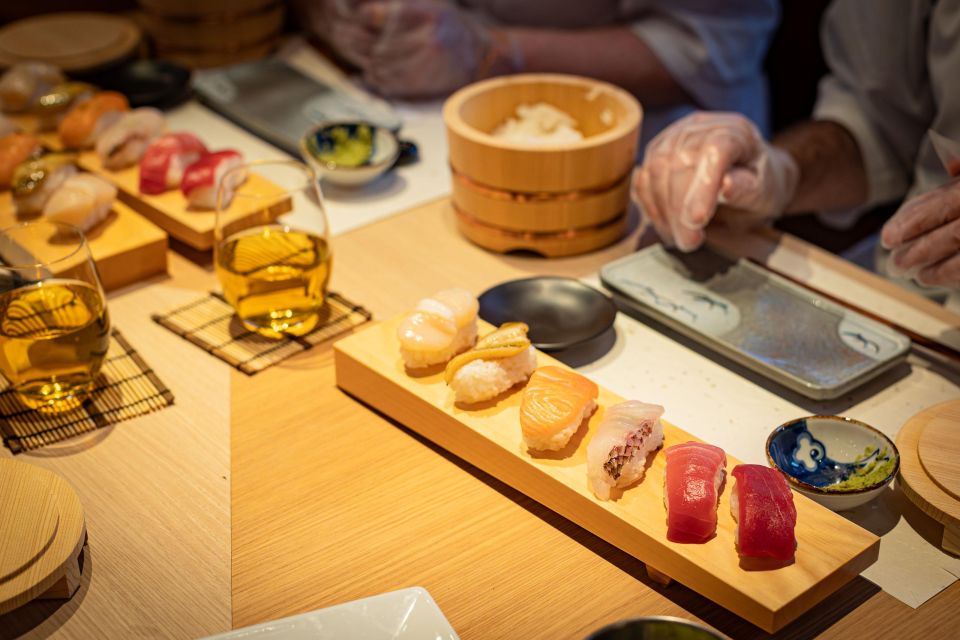
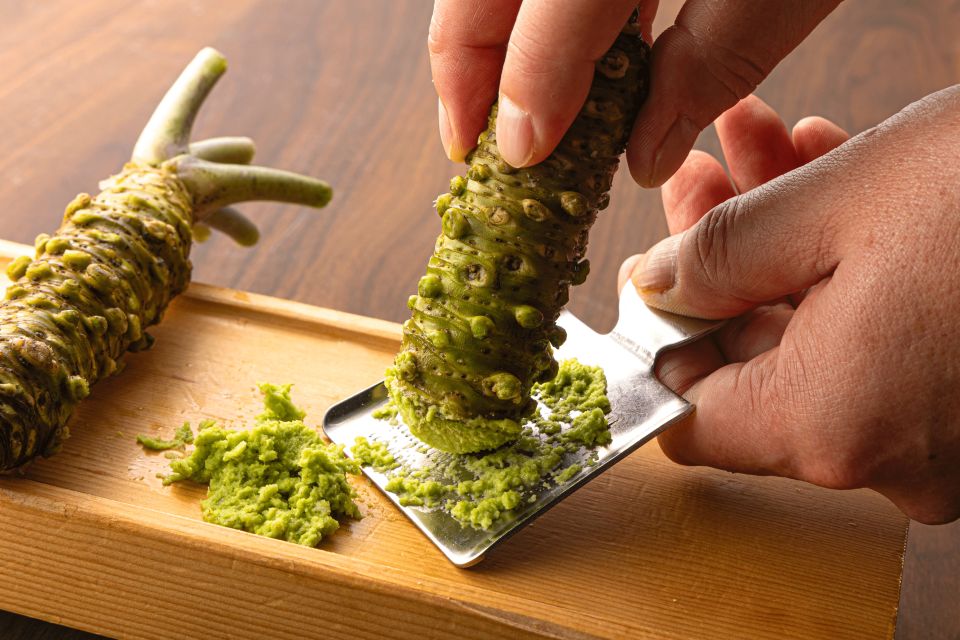
I love that you touch the essentials yourself, from grating real wasabi to learning the secrets of perfect shari. I also like the range of sushi styles and flavors you practice and taste, including uni, negitoro, hirame, kuruma-ebi, chutoro, and akami.
One consideration: the class is tightly timed, so you’ll want to stay focused and move with the pace. It’s hands-on, not a slow, leisurely meal.
In This Review
- Key points to know before you go
- A hands-on sushi class inside a real Tokyo restaurant
- Meet the itamae: what 30 years of sushi craft really teaches you
- From wasabi to shari: the core skills you practice step by step
- Fresh wasabi: not just a condiment
- Shari (sushi rice): the technique you’ll use forever
- Premium nori and hand-rolled structure
- Making nigiri and hand-rolls, then tasting uni, negitoro, and more
- The class flow: demos, tools, and a pace that keeps you learning
- What you eat and drink: sushi plus wakame udon
- Price and value at about $161 per person
- Who this Tokyo sushi experience suits best (and who should skip it)
- Practical tips for a smoother class
- Should you book this Tokyo Professional Sushi Chef Experience?
- FAQ
- How long is the Tokyo Professional Sushi Chef Experience?
- What is the group size like?
- Is the class taught in English?
- Can I get vegetarian or allergy-friendly options?
- What do I eat during the experience?
- Is it suitable for children?
Key points to know before you go
- Hands-on itamae instruction: learn techniques directly from a master sushi chef with 30 years of experience
- Grate real wasabi: a quick, unforgettable lesson in flavor and intensity
- Perfect shari basics: rice technique is the foundation for everything else
- Make and taste signature pieces: uni, negitoro, hirame, kuruma-ebi, chutoro, and akami
- Small group format: limited to 8 participants, with English interpretation support
- Sushi plus udon and a drink: wakame udon and one complimentary drink are part of the experience
A hands-on sushi class inside a real Tokyo restaurant
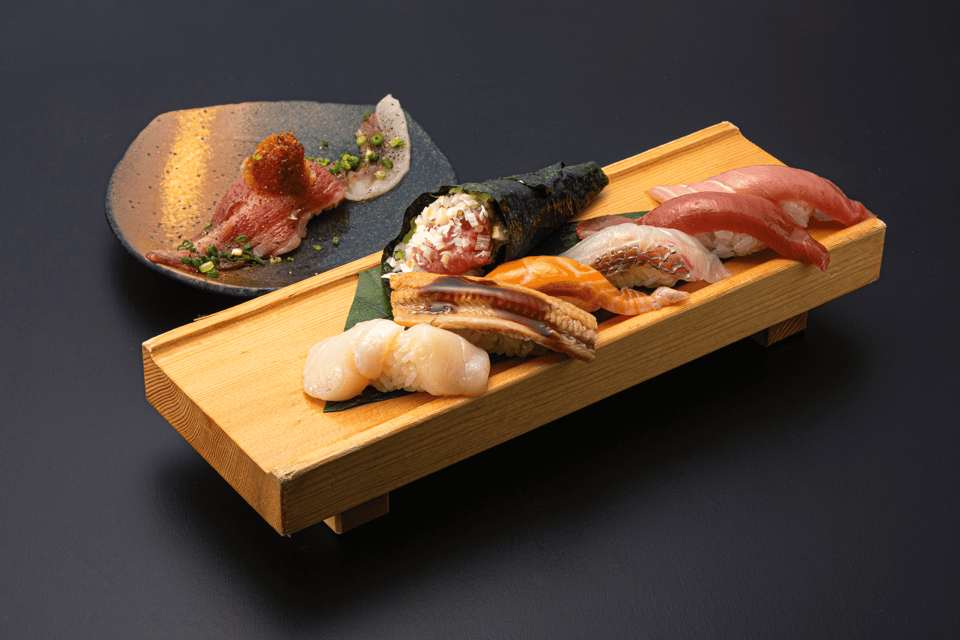
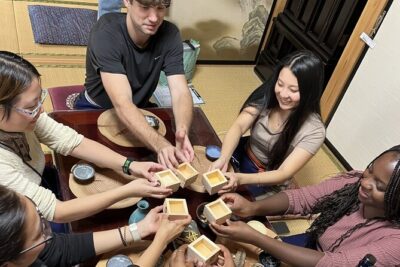
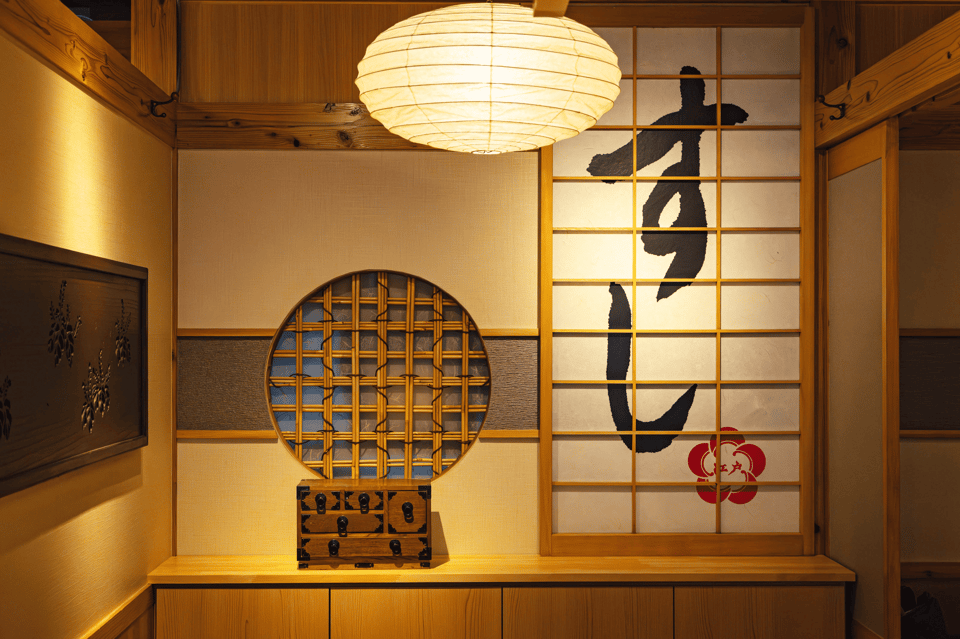
This experience is built around a simple idea: sushi skills are physical. You don’t just watch— you practice. The setting matters, too. Instead of a generic cooking studio, you learn in an actual Tokyo sushi restaurant environment, where the workflow feels like the real thing.
In practical terms, that means you get trained for the way sushi is made in a working kitchen: attention to texture, timing, and small details. You’ll be right there with the tools and ingredients, so when you leave, you’re not stuck with vague memories. You can explain what you did and repeat a few core steps at home.
The small-group size (limited to 8) is another big deal. Sushi is precise, and that precision needs time for corrections. With fewer people, you can get more hands-on feedback rather than watching from a distance.
You can also read our reviews of more tours and experiences in Tokyo.



Meet the itamae: what 30 years of sushi craft really teaches you
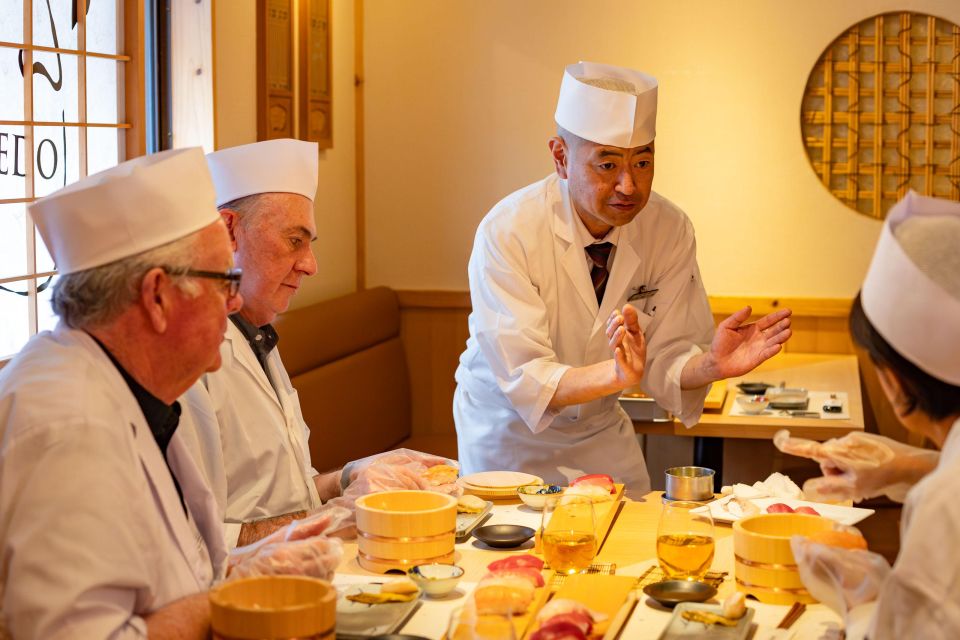
The instructor is an English-speaking itamae, a master sushi chef with 30 years of experience. That combination is practical: you’re not relying on silent visuals. You get interpretation support, so the meaning behind each step lands.
What you’re really paying for here is the translation of craft into repeatable technique:
- how sushi rice should feel and behave
- how to work with nori without ruining the texture
- how fish preparation and cutting style influence the final bite
- how to assemble sushi so it holds shape
The reviews also lean hard on this point: guests describe patient explanations and an organized, clean, comfortable training space. That matters more than you’d think. If the room is chaotic, you can’t learn sushi technique. A calm setup lets you focus on the few things that actually change your results: rice handling, pressure control, and timing.
From wasabi to shari: the core skills you practice step by step
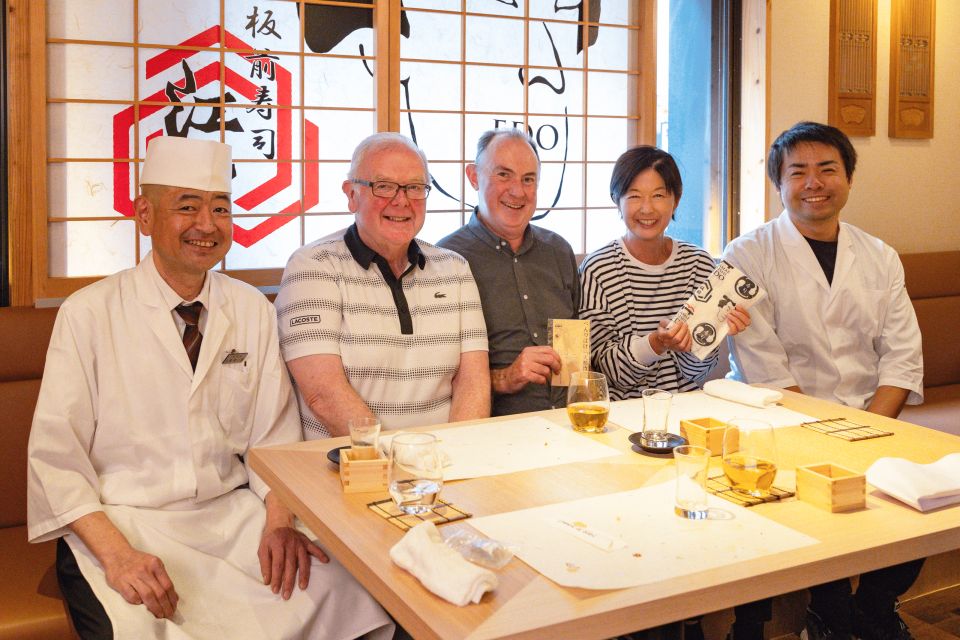
If you want one reason to choose this class over a basic tasting, it’s the focus on the ingredients that define Japanese sushi. The course starts with foundational steps and builds outward.
Fresh wasabi: not just a condiment
You’ll grate real wasabi yourself. That detail is huge because it changes the whole concept of wasabi. Pre-made wasabi pastes don’t behave the same way. Freshly grated wasabi has a sharp, distinct aroma and intensity that you can actually notice in the moment.
For your kitchen back home, this is the kind of knowledge that sticks. You’ll understand why fresh wasabi is treated with respect, not tossed in casually.
Shari (sushi rice): the technique you’ll use forever
Next comes the secrets of perfect shari— sushi rice. This is the backbone of good sushi. Even with excellent fish, the rice can ruin the balance if it’s under- or over-handled.
You learn the preparation and the “feel” behind it. In a typical sushi setup, shari is where seasoning, temperature, and handling all meet. In this class, the goal is straightforward: you should leave knowing how to make rice that behaves like sushi rice, not just regular cooked rice.





Premium nori and hand-rolled structure
You also practice hand-rolled sushi using premium nori. Nori is delicate. Too much moisture at the wrong time affects crispness. The roll technique matters for shape and for texture at the first bite.
This part is especially satisfying because you can see your progress quickly. One solid roll gives you confidence. A few tweaks teach you what went wrong and how to fix it next time.
Making nigiri and hand-rolls, then tasting uni, negitoro, and more
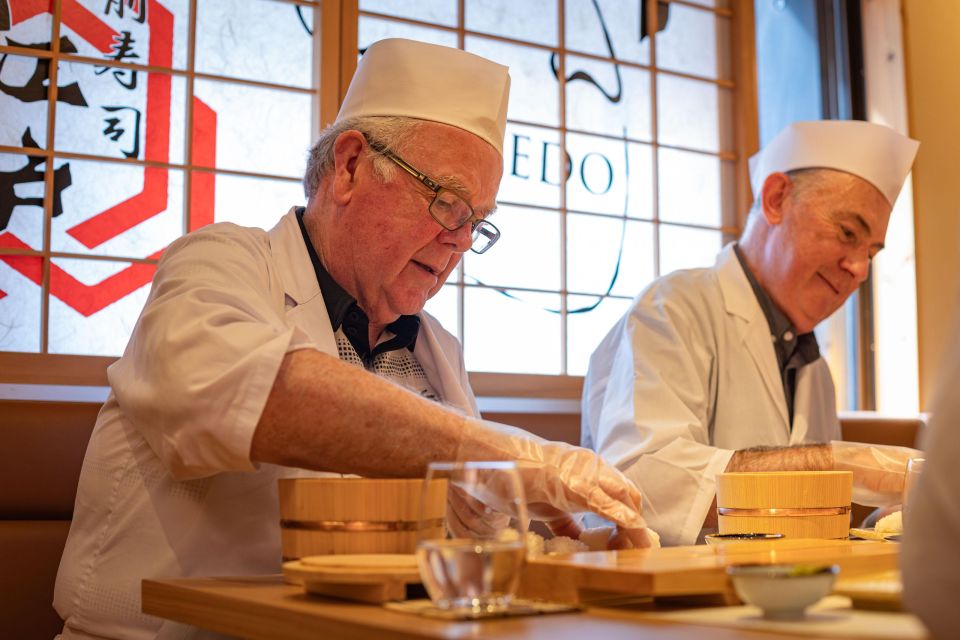
Sushi classes can fall into two buckets: either you make a couple simple pieces and leave, or you get a wider tasting-and-making lineup. This one does the second.
You’ll try making and tasting a set of sushi styles and flavors, including:
- uni
- negitoro
- hirame
- kuruma-ebi
- chutoro
- akami
The value here isn’t just variety. Each item is a different lesson in texture and flavor balance:
- Uni teaches you about richness and softness.
- Negitoro brings a mix of fresh onion and chopped tuna texture.
- Hirame (a type of flounder) points you toward how delicate fish should feel.
- Kuruma-ebi lets you experience sweetness and firm bite from shrimp.
- Chutoro and akami show how fat content changes mouthfeel and intensity.
You’ll also have professional demonstrations of fish preparation and sushi techniques, so you can connect what you’re doing to how it’s done in a real shop. And in the middle of all that, you’re not stuck only watching— you’re forming pieces yourself, including skills like slicing fish and forming nigiri-style sushi.
That mix of demonstration plus hands-on practice is the sweet spot. You see the motion, then you try it, then you correct it. It’s how technique actually improves.
The class flow: demos, tools, and a pace that keeps you learning
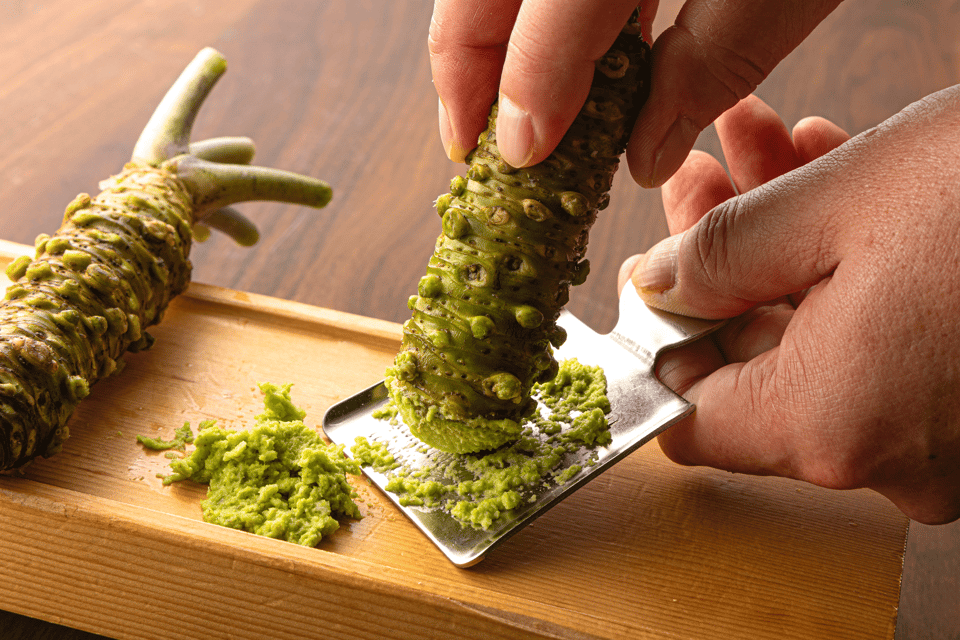
The course is designed for clarity and momentum. You’ll go through:
- core prep steps (like wasabi and shari)
- hands-on assembly (hand-rolled pieces and other sushi forms)
- tasting the sushi you make
- guided explanations with English support
You should expect a steady rhythm. It’s not a slow meal experience. It’s a focused training session where you’re constantly switching tasks, which helps you learn faster because your brain stays engaged.
Two other rules shape your experience in a practical way:
- Smoking indoors isn’t allowed.
- Strong fragrances aren’t allowed.
That’s not about being fussy. Strong scents can mess with flavor perception, especially for something as aromatic as wasabi and fresh seafood. If you’re the type who wears heavy perfume, consider going lighter than usual.
What you eat and drink: sushi plus wakame udon
This class isn’t only about technique; it’s also a complete meal experience. In addition to the sushi pieces you make and taste, you’ll enjoy:
- wakame udon
- a complimentary drink (beer, sake, cola, or green tea)
One point to keep straight: beverages beyond the complimentary drink are not included, even though there’s a drink menu available separately. So if you’re planning to turn this into a long, drink-focused night, budget accordingly.
The food mix makes sense for learning. Udon is comforting and balanced, and it gives your palate a break between different sushi textures. That helps you actually notice differences between pieces instead of eating yourself into confusion.
Price and value at about $161 per person
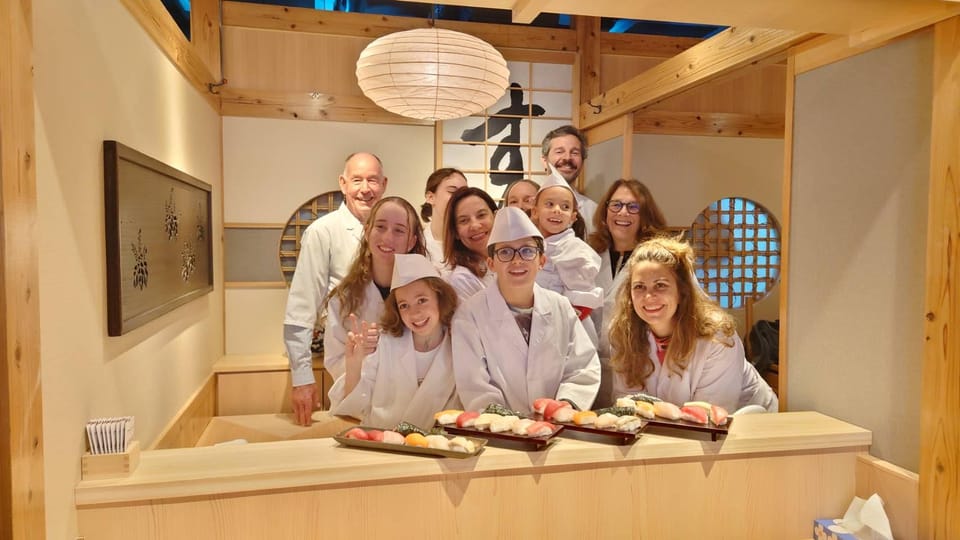
At $161 per person for 2 hours, this isn’t a budget class. But it also isn’t overpriced for what you’re getting.
Here’s where the value comes from:
- Tuition is included, along with food, tools, and equipment
- You learn from an itamae with decades of experience
- You practice a range of sushi types instead of a single “starter” roll
- Small group size (up to 8) increases the chance of real feedback
- You get a full eating component: sushi tastings plus wakame udon and a complimentary drink
If you compare this to taking a cooking class where you only assemble one or two items, the value becomes clearer. Technique-focused learning with ingredient variety is what makes this worth it. You’re leaving with actionable steps— especially around wasabi, shari, and roll structure— not just a meal you ate.
Who this Tokyo sushi experience suits best (and who should skip it)
This experience fits food lovers who want more than a tasting and want technique. It also works well for:
- couples and friends who want a shared activity with immediate payoff
- families where kids are old enough to handle a focused class
- travelers who like structured, guided instruction
Age suitability is clear: it’s available for elementary school students and up, but it’s not suitable for children under 10. If you’re traveling with younger kids, this one will likely feel stressful rather than fun.
If you have dietary preferences, you’ll have options. Vegetarian and allergy-friendly choices are available, which makes the class more inclusive than many sushi lessons that assume everyone eats everything.
Practical tips for a smoother class
A few simple prep moves make your 2 hours feel easier:
- Go in with an open mind about fish textures. Some items (like uni) are polarizing for newcomers, but the tasting is part of the point.
- If you have allergies or need vegetarian options, plan to use that option category when booking so the experience can accommodate you.
- Keep scents minimal. You’ll taste better without competing smells.
- Wear comfortable clothes. You’ll be working with your hands and staying active through multiple steps.
Also, the meeting point can vary depending on what option you book. Build in a little buffer so you don’t rush at the start.
Should you book this Tokyo Professional Sushi Chef Experience?
Book it if you want a real skills class in Tokyo— sushi technique, not just sushi sightseeing. The mix of fresh wasabi, shari training, hand-rolled nori practice, and a menu of sushi you actually make and taste is exactly the kind of experience that pays off later when you try to recreate it at home.
Skip it if you dislike structured food activities or need a very relaxed pace. This is a hands-on workshop with tight timing, so you’ll want to show up ready to learn.
If you’re looking for a high-quality, small-group sushi class where the itamae’s craft is the main event, this is a strong choice.
FAQ
How long is the Tokyo Professional Sushi Chef Experience?
It lasts 2 hours.
What is the group size like?
It’s a small group limited to 8 participants.
Is the class taught in English?
Yes. The instructor is English, with interpretation support.
Can I get vegetarian or allergy-friendly options?
Yes. Vegetarian and allergy-friendly options are available.
What do I eat during the experience?
You’ll make and taste sushi, and you’ll also enjoy wakame udon and a complimentary drink (beer, sake, cola, or green tea).
Is it suitable for children?
It’s available for elementary school students and up, but it is not suitable for children under 10.