REVIEW · TOKYO
Tokyo:Daikoku JDM Street Culture Tour in wrapped 86
Book on GetYourGuide →Operated by Team Open Tours · Bookable on GetYourGuide
Night Shinjuku turns into a gearhead playground. I love how owner-led this Midnight Rush tour feels, with 303Garage founder Jeremy guiding you. I also like that it stays small and uncrowded, so you get real street-culture context instead of a scripted stop-and-go.
One thing to plan for: you are not signing up for guaranteed racing or a choreographed drift show. The experience is legal and safety-focused, and some nights may be quieter with fewer action moments.
In This Review
- Key Things I’d Not Miss
- What Midnight Rush Really Is: JDM Street Culture, Done Legally
- Shinjuku Pick-Up at 11:30pm: Finding the Grey Garage with Gorilla
- The Wrapped 86 Experience: What You Ride, and Why It Matters
- When the City Gets Quiet: What You’ll Actually See on the Night
- Stops and Car Meets: The Value of Seeing It Up Close
- Group Size and 3 Hours: How to Time Your Night for Maximum Fun
- Price and Value: What $174 Per Group Really Buys You
- The Main Catch: Not Every Night Hits the Same Level of Action
- Who Should Book Midnight Rush in Tokyo (and Who Might Skip It)
- Should You Book Midnight Rush in Shinjuku?
- FAQ
- How much does the Midnight Rush Tokyo tour cost?
- How long is the tour?
- When does the tour depart?
- Where is the meeting point in Shinjuku?
- Is this a private tour?
- What vehicle is used for the tour?
- Is the tour legal and safety-focused?
- What languages does the guide speak?
- Is city drop-off included after the tour?
- Is it suitable for children, and is it wheelchair accessible?
Key Things I’d Not Miss
- Owner-operated tour led by Jeremy from 303Garage, with deep community connections
- Small private groups so you’re not stuck in a crowd at every stop
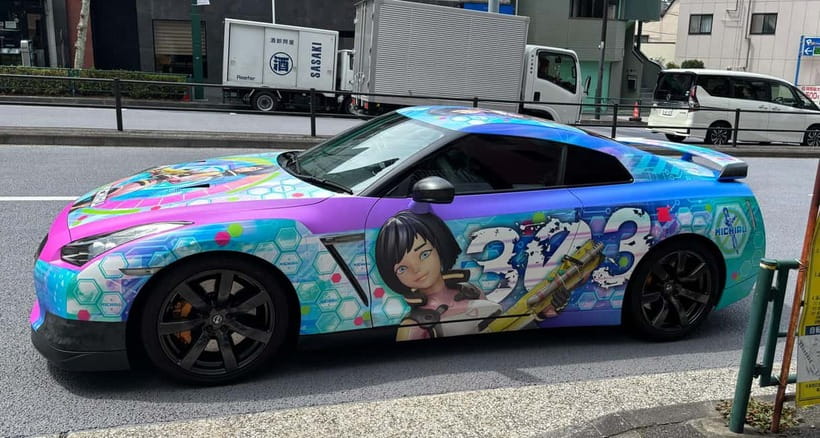
- Wrapped GT86 night driving built around real JDM street style
- Legal, safety-first format with no encouragement of unsafe driving
- Shinjuku at midnight: when the city cools down and the car scene wakes up
What Midnight Rush Really Is: JDM Street Culture, Done Legally
Midnight Rush is a Tokyo night tour built for people who actually care about cars. This isn’t a theme park ride, and it isn’t a choreographed “look at this car” parade. You’re seeing the culture from the inside, with Jeremy, the 303Garage founder and owner, acting as your guide and translator between normal Tokyo life and the underground scene.
The most important part is the tone. It’s described as completely authentic, legal, family friendly, and safety-focused. That means you’re not going to be told to race, and you’re not meant to treat the night like a free-for-all. Instead, you get close to what’s happening—through the pace, the spots, the conversations, and the atmosphere.
I like that the tour frames the experience as observation and access, not performance. You’re there to understand the vehicles, the code, and the lifestyle—and to witness how meetups and drift culture function when streets are quiet and people can finally let the scene breathe.
You can also read our reviews of more tours and experiences in Tokyo.

Shinjuku Pick-Up at 11:30pm: Finding the Grey Garage with Gorilla
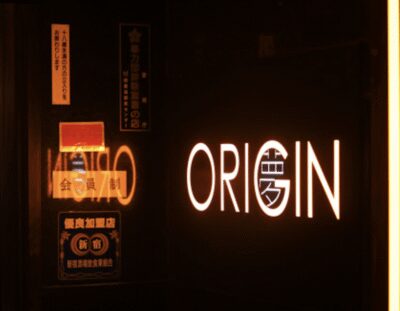
The tour runs about 3 hours, and the departure is around 11:30pm. The meeting point is in Shinjuku, at the grey building with the Gorilla restaurant. You’ll also find a 7-11 nearby, and on the other side there’s Mobius on a blue sign—that’s a good landmark if you’re navigating on foot.
Plan to arrive early. The garage opens about 20 minutes before departure, which gives you a buffer for finding the entrance and settling in without feeling rushed. This timing matters because you’re trying to catch the shift from day Tokyo to night Tokyo, and the whole point is being there when things start moving.
One practical tip: Shinjuku is busy in the evenings. If you show up right at the departure minute, you’ll burn energy that you could’ve used enjoying the scene. Take the extra minutes and get your bearings fast.
The Wrapped 86 Experience: What You Ride, and Why It Matters
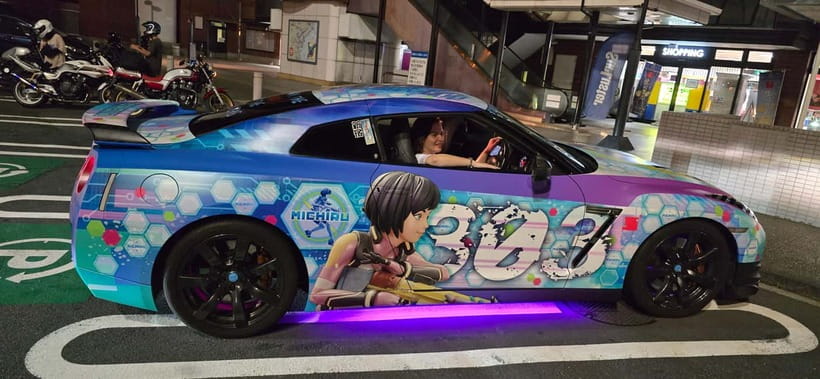
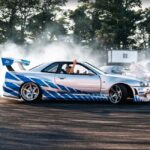
Midnight Rush is branded around a tuned, anime-wrapped GT86. That’s not just a marketing detail. In Japan’s car scene, the styling and build culture is part of the story—how the car looks, how it sounds, what it represents in its community. Riding in a car that fits the theme helps you feel like you’re part of the world you came to see, not just passing through it.
Also, you should know the tour has a real-world human side: cars can be unavailable. One booking note mentioned the planned car wasn’t operating and was replaced the day before, and that changed what the group experienced. I’m not saying this happens often, but it’s a good reminder to manage expectations. You’re signing up for the street-culture experience and the format, not a guaranteed model lineup every single night.
Even if the car varies, the underlying idea stays the same: you’re moving through Shinjuku and beyond in a way that connects you to JDM life at night—cars, people, and spots that don’t show up in daytime sightseeing.
When the City Gets Quiet: What You’ll Actually See on the Night
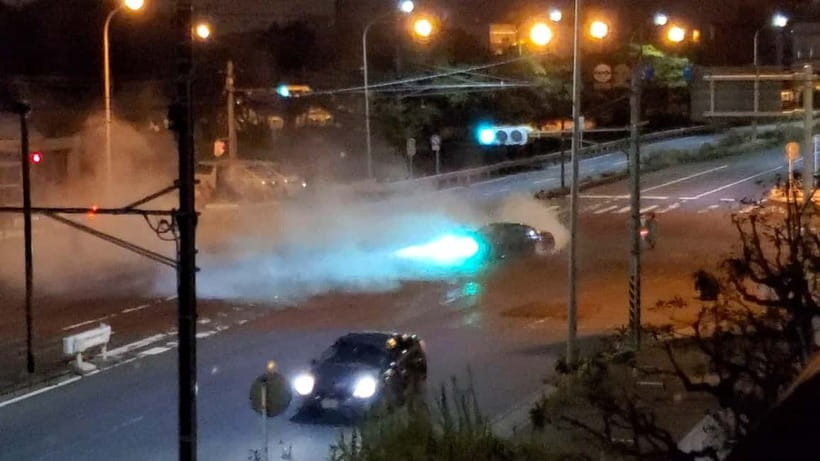
The description of the experience is clear about the setting shift: when the city sleeps, a different world awakens. That’s when you’re more likely to notice what street crews are doing—meetups, car conversations, and the kind of attention cars draw when the noise of normal traffic fades.
On many nights, you can expect a behind-the-scenes feel rather than a fixed “attraction schedule.” Some nights are quiet, others come alive with spontaneous meets. The format is designed so you can observe how the community operates and why it keeps thriving in the shadows of the city.
In practice, that means you’re not just staring out the window the whole time. Jeremy’s role is a big part of why this tour feels different. He isn’t only steering you around; he’s explaining the scene—how the “code” works, what different vehicles mean to the people building them, and how crews interact. That context turns a collection of interesting cars into something you can actually understand.
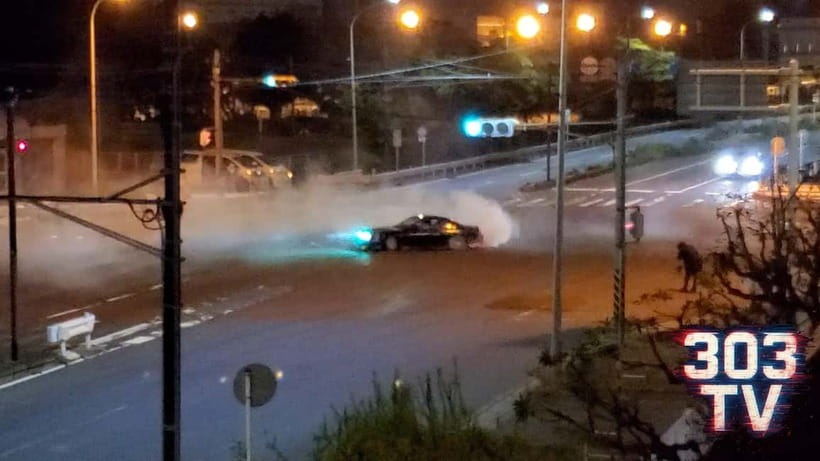
And yes, you might see high-performance displays when the night allows for it. Just keep the legal, safety-first framing in mind. You’re not meant to treat it like a racing event, even if the energy can get intense.
Stops and Car Meets: The Value of Seeing It Up Close
One of the best things about Midnight Rush is the focus on stopping to see cars at different car-meet moments. The tour is built as a guided night experience through Tokyo’s street culture ecosystem, not a single-photo-point kind of outing.
The payoff for you is perspective. Daytime Tokyo can feel polished and controlled. At midnight, you get a different lens: cars gather, people talk builds, and you learn how the scene organizes itself. You also get a chance to ask questions in real time—why a certain car setup exists, what someone looks for in a build, and how the community maintains its reputation.
The watchword here is respect. The tour is described as welcoming and family friendly for respectful guests, and the whole structure is meant to keep things lawful. That makes it easier to enjoy the culture without turning it into an unsafe situation, and it keeps the vibe more comfortable for first-timers.
If you’re bringing a camera, this is the kind of setting where you’ll actually want to use it. Just don’t forget that your guide is managing timing, safety, and how the night unfolds—so act like you’re part of the crew, not a spectator filming everything like it’s a music video.

Group Size and 3 Hours: How to Time Your Night for Maximum Fun
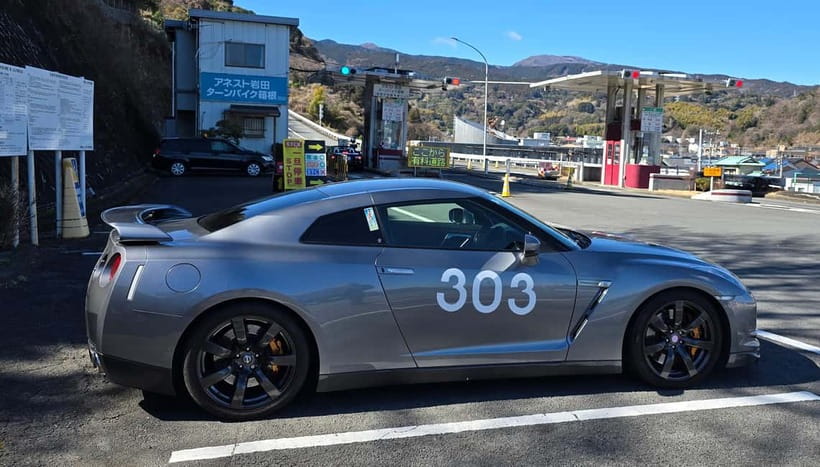
Midnight Rush is a private tour, priced for a group of up to 3. That’s a big deal for the experience. With a small group, you get more back-and-forth time with Jeremy. You’re also less likely to feel like you’re waiting your turn in some crowded, noisy lineup.
Because it’s only 3 hours, you’ll want to show up mentally ready to stay engaged. Think of it like a guided walk through a scene, except you’re traveling by car through night Tokyo. The goal isn’t to fill every minute with action—it’s to get the right access, at the right time, with real context.
Who tends to enjoy it most?
- Car people who want to learn the culture, not just photograph cars
- People curious about Tokyo’s underground street world in a legal, controlled way
- First-time JDM visitors who don’t want a chaotic crowd experience
And if you’re the type who needs constant thrills every single minute, you may feel impatient on a quieter night. That’s not a failure of the tour—it’s part of how spontaneous car culture works.
Price and Value: What $174 Per Group Really Buys You
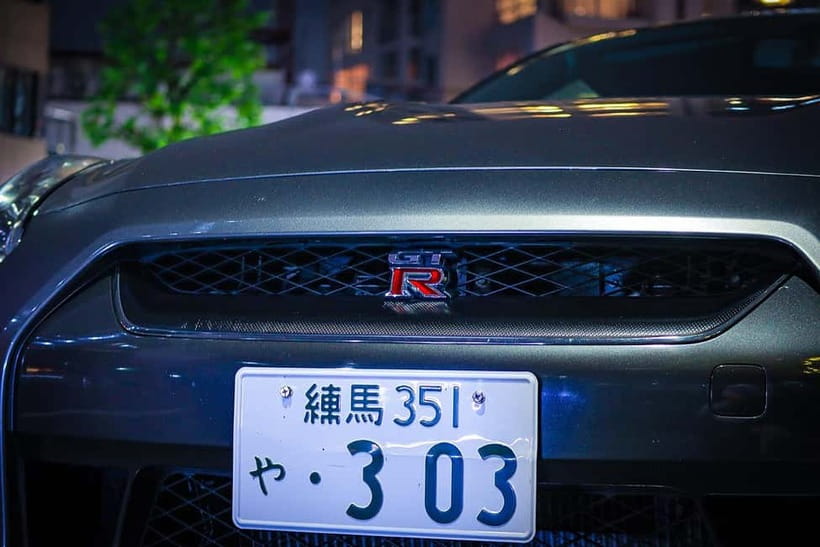
The price is listed at $174 per group (up to 3) for 3 hours. It’s not cheap in the way a basic transit day is cheap, but it also isn’t priced like a big luxury production. What you’re paying for is access: an owner-run tour, a small group setting, road fees and taxes included, and drop-off in the city after the trip.
If you split the cost with others, the effective per-person price drops fast. With a full group of three, you’re looking at roughly $58 per person for a guided night experience that’s focused on authenticity and local knowledge, not a mass-market bus tour.
This is the kind of tour that can be good value if you care about:
- getting inside the story (Jeremy’s explanations)
- staying legal and safe without killing the vibe
- having a small-group format that actually changes the feel
It’s less of a value play if you only want a quick sightseeing loop of pretty cars and you’d rather spend less on anything that feels uncertain night-to-night.
One more value note: the cars and passengers are covered by insurance, and the tour is described as a registered tour business. That doesn’t make it cheaper, but it can make it easier to feel confident about the setup.
The Main Catch: Not Every Night Hits the Same Level of Action
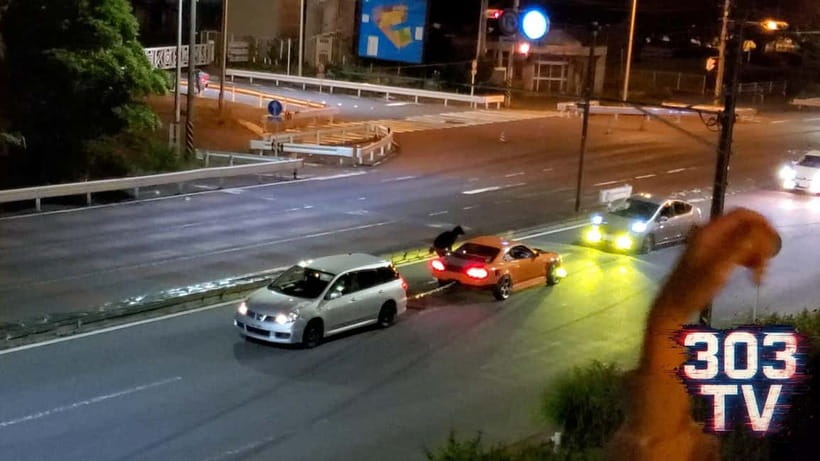
This is where you should be realistic. One booking note called out a disappointment: the car planned for the experience wasn’t operating, it was swapped the day before, and the group only did a car-meet style outing. The promised drift/car-culture elements weren’t delivered as expected.
That doesn’t mean the entire tour is unreliable. It does mean you should treat Midnight Rush as a legal, behind-the-scenes street culture night, not a guaranteed performance with predictable outcomes. The scene can be quiet. Plans can change if a vehicle needs service. And if what you want is guaranteed drifting visuals on demand, you might walk away with a mismatch.
So I’d frame it this way for you: book if you want real access and real conversation, and if you’re flexible about what the night brings. Book if you like the idea of observing how people do this when the streets are empty.
Who Should Book Midnight Rush in Tokyo (and Who Might Skip It)
You should book this if you:
- love JDM culture and want the local view
- prefer small groups over tourist crowds
- want an English/Japanese live guide who’s invested in the scene
- are comfortable with the idea that night culture changes
It might not be the best fit if you:
- want a choreographed show with guaranteed action
- need a strict itinerary with fixed attractions and predictable set pieces
- are traveling with children under 12 (the tour is not suitable for them)
Accessibility is another factor. The experience is listed as wheelchair accessible, and it’s also described as family friendly for respectful guests. If you’re traveling with mobility needs, this is a plus compared with some rougher street-culture experiences.
Also, the tour operates in a very specific time window. It’s not a midday activity. If you’re the kind of traveler who gets cranky at late nights, you’ll need to decide if the payoff is worth the schedule.
Should You Book Midnight Rush in Shinjuku?
With an average rating of 4.7 across 18 bookings, Midnight Rush clearly lands well for the right audience. I think that makes sense: owner-led access from Jeremy and a small private format are exactly the ingredients that turn a “car sightseeing” idea into something more like street-culture understanding.
My suggestion: book if you’re excited about authentic Tokyo car culture, and you enjoy asking questions and watching how the scene works at night. Skip or at least lower your expectations if you need guaranteed drifting/racing-style action, because this is set up as a legal experience, and the night’s energy can vary.
If you want a controlled, respectful look at the underground scene in Shinjuku—without the tourist-machine vibe—this is one of the more compelling options.
FAQ
How much does the Midnight Rush Tokyo tour cost?
It’s listed at $174 per group, for up to 3 people.
How long is the tour?
The duration is 3 hours.
When does the tour depart?
Departure is around 11:30pm, with the garage opening about 20 minutes before departure.
Where is the meeting point in Shinjuku?
Meet at the grey building with the Gorilla restaurant near a 7-11. The other side has Mobius on a blue sign.
Is this a private tour?
Yes, it’s a private group tour.
What vehicle is used for the tour?
The experience is described as a tuned anime wrapped GT86.
Is the tour legal and safety-focused?
Yes. It’s described as 100% legal, with safety as the top priority. It also states they do not participate in racing or encourage unsafe driving.
What languages does the guide speak?
The live guide offers English and Japanese.
Is city drop-off included after the tour?
Yes, drop off after the trip in the city is included.
Is it suitable for children, and is it wheelchair accessible?
It’s not suitable for children under 12. It is listed as wheelchair accessible.