REVIEW · NIKKO
Nikko Full-Day Private Tour with Government-Licensed Guide
Book on Viator →Operated by Japan Guide Agency · Bookable on Viator
Nikko without the stampede. This private 6-hour tour is built for people who want the best of the Nikko shrines and the nearby scenery without being shuffled through one long checklist. You choose 3–4 stops from a menu of UNESCO-adjacent sights and nature highlights, with a licensed English-speaking guide guiding the flow of your day.
Two things I really like about this setup: you get an intimate pace (no crowded group energy), and the route is genuinely customizable to your priorities, from Toshogu to Kegon Falls. The one consideration is that it’s a walking-based tour with flexible routing—so you’ll want to have a little stamina, plus cash ready for buses or taxis (transport and many entrance fees aren’t included).
In This Review
- Quick Reasons This Nikko Tour Works So Well
- Why a Private Nikko Day Beats the Usual Rush
- Price and Logistics: What You’re Really Paying For
- Meeting at Nikko Station: How the Day Starts
- The Custom Stop Menu: What Each Spot Feels Like
- 1) Nikko Tosho-gu: The Tokugawa Centerpiece
- 2) Rin’nō-ji (Rinnoji) Temple: Nikko’s Buddhist Heart
- 3) Rinno-ji Taiyuin (Mausoleum of Iemitsu): Lavish, Similar, and Still Different
- 4) Nikko Futarasan Shrine and Shinkyo Bridge: Older Roots and the Iconic Entrance
- 5) Kegon Falls: A Waterfall That Hits Fast
- 6) Lake Chuzenji: Calm Views, History by the Shore
- 7) Senjogahara Field: Myths in Open Space
- 8) Kanmangafuchi Abyss: Short Walk, Big Gorge Feeling
- 9) Kirifuri Waterfall: More Height, Less Foreground Crowding
- 10) Nikko Tamozawa Imperial Villa Memorial Park: Edo to Meiji in One Place
- 11) Nikko Botanical Garden: A University-Run Pause
- 12) Akechidaira Observation Area: The View Needs Planning Time
- 13) Kanaya Hotel History House: A Timing-Friendly History Break
- How to Pick Your 3–4 Stops Without Regret
- Getting Around: Buses, Taxis, and Avoiding Time Traps
- What Makes This Feel Worth It (Even When You Skip a Stop)
- Should You Book This Nikko Private Tour?
- FAQ
- How long is the Nikko private tour?
- Where do we meet the guide?
- Is the itinerary fixed?
- Is pickup available?
- What’s included in the price?
- What’s not included?
- Do I need to bring cash?
- Are entrance fees included for each stop?
- Can I combine multiple tour groups?
- Can I cancel for a refund?
Quick Reasons This Nikko Tour Works So Well
- Private, licensed guide: you’re with one group only, and the guide can tailor explanations to what you care about.
- Pick 3–4 stops: no fixed itinerary; you can build a day around shrines, nature, or a mix.
- Meet at Nikko Station: you’ll start close to transit, then move outward through the Nikko area.
- Nature + sacred sites in one run: waterfalls, lake views, temples, and scenic viewpoints in a tight timeline.
- Guide timing matters: multiple guides have a reputation for running to schedules so you fit more into 6 hours.
Why a Private Nikko Day Beats the Usual Rush
Nikko is gorgeous, but it’s also popular. The shrines and approaches can feel like a conveyor belt when you’re trying to read details, take photos, and actually understand why each place matters.
This private format changes the whole vibe. Instead of being stuck with a group’s pace, you can choose what to linger on—like the Tokugawa mausoleum complex or the falls and lakes—while your guide handles the order so you don’t waste time backtracking. And because your guide is government-licensed and local, you’re not just getting directions. You’re getting the story behind what you’re looking at.
The other smart part: your day isn’t locked. If weather shifts, crowds thicken, or you realize you want more nature than temples (or the reverse), the plan can move with you. That flexibility is exactly what makes a short visit feel complete.
You can also read our reviews of more guided tours in Nikko
Price and Logistics: What You’re Really Paying For
At $155.86 per person for about 6 hours, this tour isn’t just paying for someone to walk beside you. You’re paying for three practical advantages:
- Time saved: Nikko involves multiple transit legs and some spacing between sights. A guide helps you avoid the guesswork.
- Meaning, not just sights: your guide connects what you see—especially the shrine/temple world around Toshogu—with context that’s hard to piece together quickly on your own.
- A paced itinerary: instead of you trying to cram everything, you pick a small set (typically 3–4 stops) that fit the day.
What’s not included matters too, so you can plan cleanly. You’ll pay separately for transportation fees, entrance fees, lunch, and personal expenses. Also, this is a walking-style tour, so think comfortable shoes and weather prep.
There’s one more practical note: bring cash for public transportation or taxis. The guide can help you navigate, but the day still runs on local ticketing/payment for rides and for anything you choose to add outside included items.
Meeting at Nikko Station: How the Day Starts
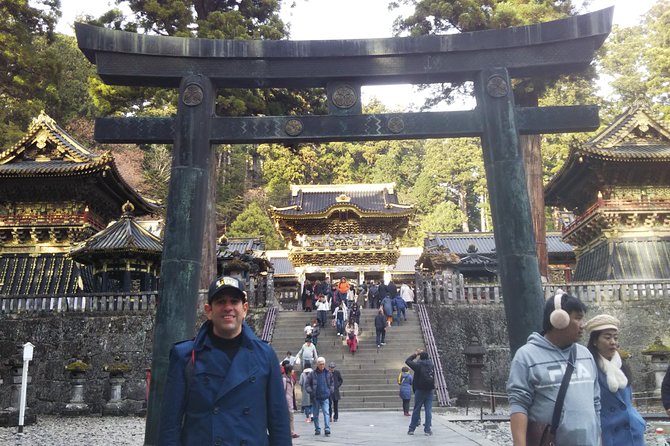
You’ll make your own way to Nikko and meet your guide near Nikko Station, within a designated area. The listing says pickup can be offered, but it also emphasizes the basic tour is on foot—so don’t build your expectations around a fully car-based day.
This meeting style is actually convenient. Nikko Station is where you naturally land if you’re coming from Tokyo by train, so you can get your bearings quickly. Your guide then acts like your coordinator: where to go next, how to get there without burning time, and what to focus on so each stop feels worth it.
One detail worth keeping in your head: your guide can only cover entry for the sights included in the planned list you choose. If you want extra stops outside that set, you should expect additional costs.
The Custom Stop Menu: What Each Spot Feels Like
You’ll choose 3–4 attractions from the set of options. Here’s how the main ones typically work—and what to consider at each.
1) Nikko Tosho-gu: The Tokugawa Centerpiece
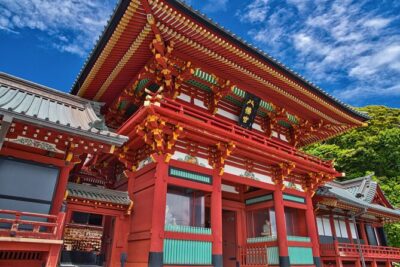
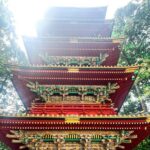
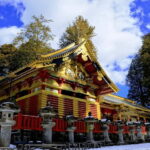
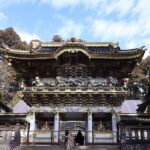
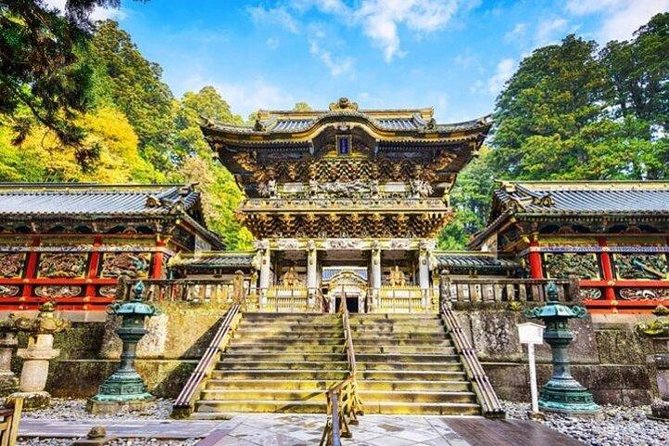
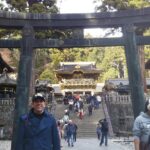
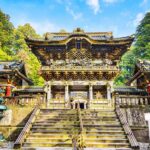
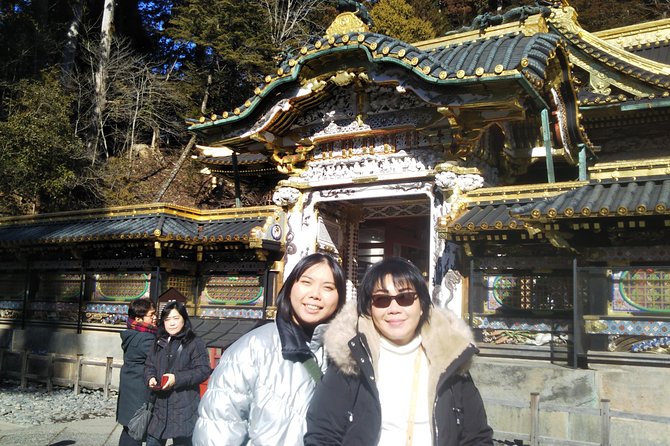
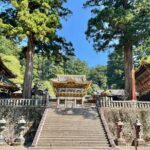
Toshogu is the headline act for many first-timers. It’s the resting place connected to Tokugawa Ieyasu, founder of the Tokugawa Shogunate, plus related shrines and temples close by. Expect a layered experience: ornate details, sacred structures, and plenty of built-in symbolism.
What you’ll enjoy: if you care about Japanese history and state religion, this is where the day’s meaning often clicks into place.
The catch: you might feel the time pressure. Many tours give it around 30 minutes, so if you want slow, photo-heavy exploration, you may need to pick your key corners and let your guide point you to what matters most first.
You can also read our reviews of more private tours in Nikko
2) Rin’nō-ji (Rinnoji) Temple: Nikko’s Buddhist Heart
Rinnoji is described as Nikko’s most important temple, founded by Shodo Shonin. This is a different lens from the shrine world—more Buddhist context and temple architecture to absorb.
What you’ll enjoy: a balanced picture of Nikko as a religious crossroads.
The catch: like Toshogu, it can take a bit of stamina. If you’re not a big temple person, consider swapping it out for a nature stop to keep the day from feeling too shrine-heavy.
3) Rinno-ji Taiyuin (Mausoleum of Iemitsu): Lavish, Similar, and Still Different
Taiyuin is the mausoleum complex for Tokugawa Iemitsu, the third shogun. It resembles Toshogu in layout and architecture, but it’s still its own experience.
What you’ll enjoy: if you like comparing “variations on a theme,” you’ll probably catch more on a second related complex than you expect.
The catch: with only 6 hours total, doing too many closely related Tokugawa sites can crowd out nature.
4) Nikko Futarasan Shrine and Shinkyo Bridge: Older Roots and the Iconic Entrance
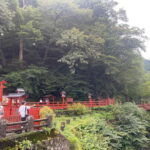
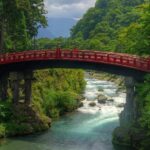
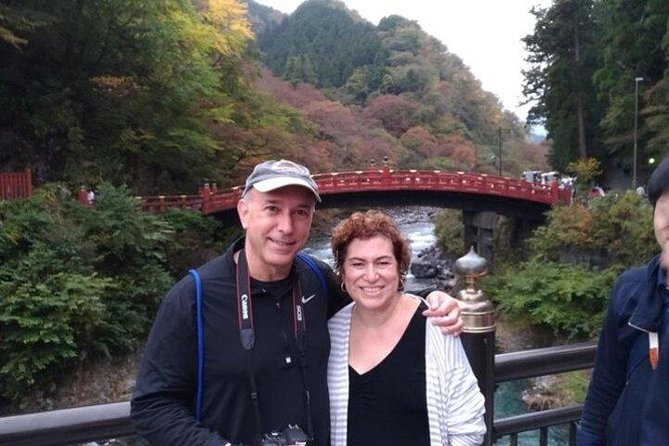
Futarasan Shrine sits next to Toshogu and is older, founded in 782 by Shodo Shonin. Then there’s Shinkyo Bridge, the sacred bridge ranked among Japan’s top three finest bridges.
What you’ll enjoy: Shinkyo Bridge is one of those “you’ll recognize it instantly” photo moments, and it’s also a great transition between the shrine area and your next stop.
The catch: if you arrive when crowds are thick, you’ll spend some time waiting for photo angles.
5) Kegon Falls: A Waterfall That Hits Fast
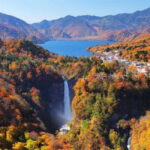
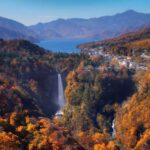
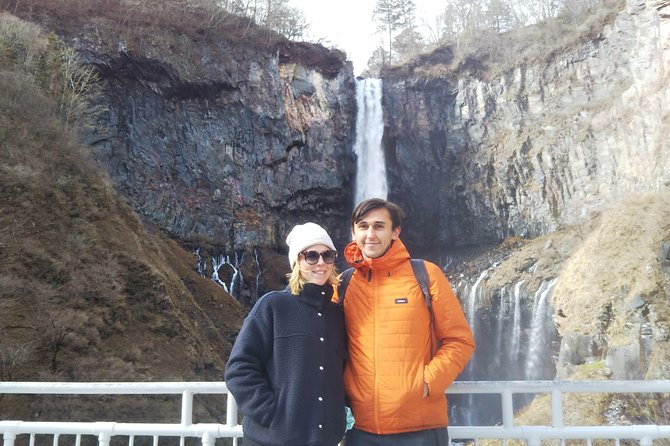
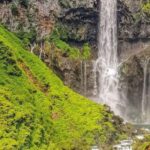
Kegon Falls is the most famous of Nikko’s 48 waterfalls. Water from Lake Chuzenji drops 97 meters straight down to the rocks. Visitors use a special lift to reach viewing areas.
What you’ll enjoy: it’s dramatic, and the power of it cuts through the day’s walking and planning stress.
The catch: it’s often timed around 15 minutes, so you’ll want to know where you’ll want to stand for photos before you head in.
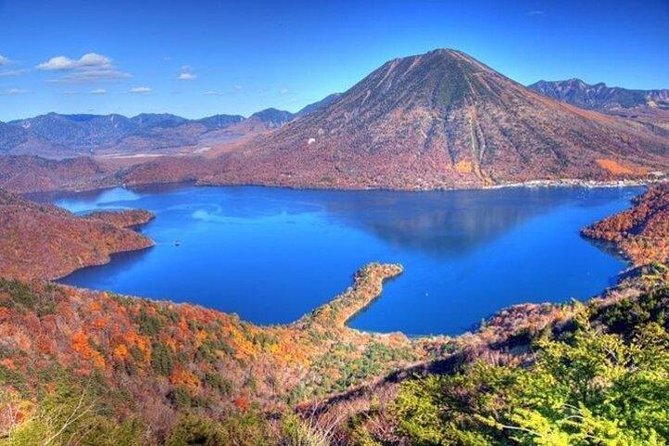
6) Lake Chuzenji: Calm Views, History by the Shore
Lake Chuzenji is the largest lake in Tochigi, with 25 kilometers of nature around it. It was a summer resort area for foreigners in the late 1800s to early 1900s, and it includes villas connected to that era.
What you’ll enjoy: if you want “less bustle, more breathing room,” this is usually the spot that does that.
The catch: it’s often only 15 minutes, so it’s more of a scenic pause than a long stay unless you build your stop choices around it.
7) Senjogahara Field: Myths in Open Space
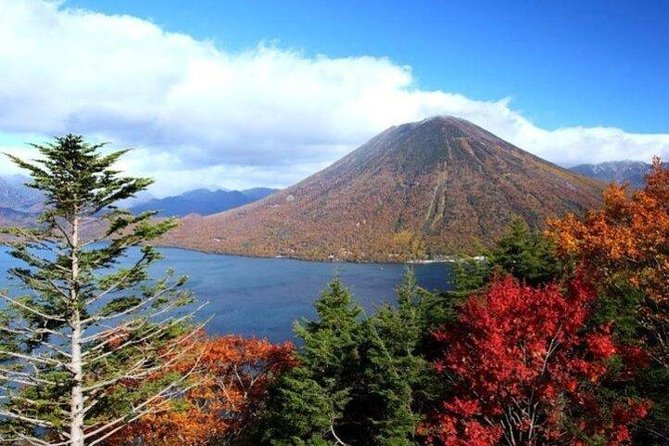
Senjogahara translates to battlefield, and the story is that gods from Mount Nantai and Mount Akagi fought for control of nearby lakes.
What you’ll enjoy: a legend-driven landscape moment. It’s a different kind of Nikko magic—less ornate, more open air.
The catch: it’s described as a field/area stop around 15 minutes, so you’ll mostly be taking in views and atmosphere rather than doing a full hike.
8) Kanmangafuchi Abyss: Short Walk, Big Gorge Feeling
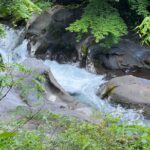
Kanmangafuchi Abyss was formed by an eruption of Mount Nantai. It’s only a few hundred meters long, and you can enjoy it from a riverside walking trail.
What you’ll enjoy: it’s one of the easier nature stops to “do and understand” quickly—excellent when you want something scenic without committing to a long hike.
The catch: shoes matter here. A short trail is still a trail, and Nikko weather can make surfaces slippery.
9) Kirifuri Waterfall: More Height, Less Foreground Crowding
Kirifuri Waterfall is a two-tier waterfall about 75 meters high, located a few kilometers northeast of the temples and shrines. It’s positioned below the Kirifuri Highlands.
What you’ll enjoy: another waterfall option if Kegon feels too busy or you want variety.
The catch: if time is tight, it competes with other nature stops. With only 3–4 slots, your priorities decide.
10) Nikko Tamozawa Imperial Villa Memorial Park: Edo to Meiji in One Place
The Tamozawa Imperial Villa site blends traditional Edo and early Meiji architecture, built in Nikko in 1899 with parts of a residence brought together to create the villa.
What you’ll enjoy: architecture lovers usually get something out of this. It’s a change from the shrine/temple aesthetic.
The catch: it’s also around 30 minutes, so you’re choosing it over another major sight.
11) Nikko Botanical Garden: A University-Run Pause
The Nikko Botanical Garden is owned and maintained by the University of Tokyo. It’s a branch of the university’s main research garden.
What you’ll enjoy: if your group enjoys science-y details, it’s a calmer, slower-feeling stop.
The catch: it’s listed as about 30 minutes, which can be great—or too long—depending on your day.
12) Akechidaira Observation Area: The View Needs Planning Time
Akechidaira Plateau is near the top of Irohazaka Slope and gives sweeping views of winding road and mountains. The listing notes you can take a ropeway up to the observation platform.
What you’ll enjoy: one of the best “raise your head and breathe” options, especially when you want payoff views without a long trek.
The catch: it’s an observation stop, not a wandering stop. If you want lots of photo angles and moving around, build time with your other choices.
13) Kanaya Hotel History House: A Timing-Friendly History Break
The Kanaya Hotel History House is a historical building that served as the predecessor of the famed Kanaya Hotel. It’s open to the public for exploration.
What you’ll enjoy: this can add a more everyday-side of history to the day, especially if you choose it instead of doing yet another shrine complex.
The catch: it’s usually a shorter stop (listed around 15 minutes), so it’s more of a cultural sidebar than a deep immersion.
How to Pick Your 3–4 Stops Without Regret
This is where private tours shine. Your guide can tailor the day, but you still need a plan for what you care about most.
A simple way to choose:
- Shrine-first day: Toshogu + a related mausoleum (Taiyuin) + Shinkyo Bridge/Futarasan + one nature stop like Kegon Falls.
- Nature-and-views day: Kegon Falls + Lake Chuzenji + Kanmangafuchi Abyss + Akechidaira Observation Area.
- Balance day: Toshogu + one temple (Rinnoji) + Kirifuri or Kanmangafuchi + Shinkyo Bridge.
If you’re going in winter, snow can turn the shrine area into something you don’t see in photos. If you’re going in heat, you’ll appreciate options like the botanical garden or scenic pauses where you can rest.
And yes, expect to walk. More than one guide in the feedback set earned praise for handling real-world timing: matching buses and train schedules, adjusting to weather, and staying flexible when a transport delay pops up.
Getting Around: Buses, Taxis, and Avoiding Time Traps
Because transportation fees aren’t included, your money and time decision comes down to how you want to move between stops.
The tour notes you’ll use public transportation or taxis, and that you should bring cash. On a short day, the difference between waiting and moving is huge.
Here’s my practical advice:
- If you’re trying to fit multiple sites, let your guide choose the route order first. You’ll save energy.
- If you hate uncertainty with bus timing, ask your guide about using taxis for the toughest transfers.
- If you want to avoid long waits, prefer a weekday when you can. Weekend crowds can mean more time in lines and traffic, which eats into the 6-hour window.
Also: one of the best values of a private guide is that they can read the day and adjust. I’ve seen guides credited with compensating for a train delay and still keeping the full plan. That’s not magic. It’s knowing which connections matter.
What Makes This Feel Worth It (Even When You Skip a Stop)
It’s easy to think, I’ll just pick the biggest names and call it done. But Nikko rewards a smarter approach.
When your guide points you to what to look for first—especially at Toshogu and the related complexes—you stop treating the day like a photo scavenger hunt. You start seeing patterns: how the shrine and temple elements connect, how the Tokugawa sites relate, and how the sacred and natural spaces sit side by side.
That’s why the 3–4 stop cap works. It keeps you from spending your time in transit instead of actually experiencing what you came for.
And if you’re traveling with teens or people with different interests, private flexibility becomes a real advantage. Some guides are praised for tailoring the day so younger visitors don’t tune out. Others focus on practical logistics like booking lunch or helping with transportation choices on the fly—small things that make a big difference when you’re on a tight schedule.
Should You Book This Nikko Private Tour?

Book it if you want:
- A customized Nikko day with a licensed English-speaking guide
- The flexibility to choose 3–4 stops instead of sprinting through everything
- A plan that uses real transit timing so you actually see what you want in about 6 hours
Skip or reconsider if:
- You’re allergic to walking and don’t want to handle cash-based transit
- You prefer a free-form day with no guide guidance at all
- You’d rather spend your time choosing exact stops yourself and don’t want to pay for route coordination
If you’re a first-timer to Nikko and your time is limited, this tour is one of the easiest ways to get both the sacred architecture and the natural highlights without the typical stress.
FAQ
How long is the Nikko private tour?
It runs for about 6 hours.
Where do we meet the guide?
You’ll meet on foot within a designated area around Nikko Station.
Is the itinerary fixed?
No. Your route is customizable based on your interests, and you’ll typically choose 3–4 sites.
Is pickup available?
Pickup is offered, but the tour also notes the basic experience is on foot.
What’s included in the price?
A licensed local English-speaking guide, a customizable tour of your chosen 3–4 sites, and meeting up on foot in the designated area.
What’s not included?
Transportation fees, entrance fees, lunch, and other personal expenses. Private transportation is also not included.
Do I need to bring cash?
Yes. The tour specifically suggests bringing cash for public transportation or taxis.
Are entrance fees included for each stop?
Entrance tickets are not included in the tour price. Some listed stops have free admission, but you should still plan on paying separately where indicated.
Can I combine multiple tour groups?
No. You cannot combine multiple tour groups.
Can I cancel for a refund?
Yes. Free cancellation is available up to 24 hours in advance for a full refund.