REVIEW · TOKYO
Asakusa: 2-Hour History Walking Tour & Local Food Tasting
Book on GetYourGuide →Operated by Local Guide Stars · Bookable on GetYourGuide
Tokyo’s old streets feel close-up and real. This 2-hour Asakusa walk guides you to Senso-ji and the nearby Asakusa Shrine, then threads in snack stops and a few seriously fun specialty shops. You get the big picture of how this neighborhood has shaped everyday Tokyo life for centuries, without needing museum stamina.
I especially like the way the tour pairs major landmarks with small, useful details—like learning how Buddhism and Shinto coexist right by the temple area. I also like the shopping side because it’s not random browsing: you’re taken to places known for pro-level knives and Japanese souvenir-style gear that makes gift shopping easier.
One consideration: meals and drinks aren’t included, so your “street food tasting” will likely mean you’ll pay for what you choose. Bring some cash too, because temple offerings or an omikuji fortune slip may require it.
In This Review
- Key highlights you’ll actually care about
- Asakusa in 2 hours: how the walk stays focused
- Meeting at Asakusa Station: where to find your guide fast
- Senso-ji Temple: Tokyo’s oldest temple, explained for real life
- Asakusa Shrine next door: where Buddhism and Shinto blend
- The local street food tasting: snack smart, budget kindly
- Pro-level knife shop stop: why a blade store belongs on a history walk
- Samurai sword and ninja gear store: fun shopping with real visuals
- Cute Japanese tableware shop: bring home something you’ll actually use
- Price and value: what $16 buys you in Tokyo time
- Weather, cash, and comfort: small things that save your day
- Who this tour suits best (and who should pass)
- Should you book this Asakusa history and local food tour?
- FAQ
- Where do I meet the guide?
- How long is the tour?
- What food is included?
- Is the tour in English?
- What should I bring?
- Are there any extra fees besides the tour price?
- Can I book and pay later, and what’s the cancellation window?
Key highlights you’ll actually care about
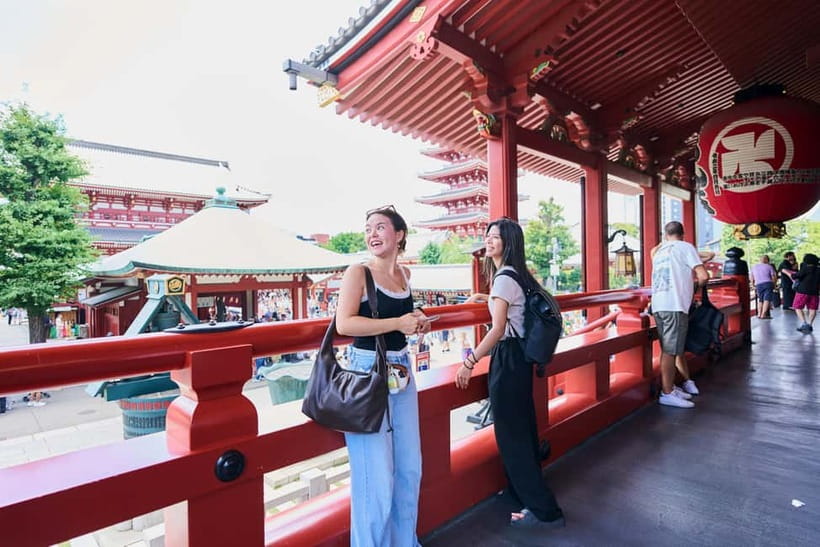
- Senso-ji at Tokyo’s oldest-temple scale: built in 628 and still a living religious site
- Buddhism meeting Shinto at Asakusa Shrine, in one very Japanese setup
- Street food tastings guided by local picks, with you deciding what and how much to buy
- A pro chef knife shop stop, focused on real tools, not just tourist trinkets
- Samurai sword and ninja gear store, great for photos and souvenir shopping
- Cute Japanese tableware shop for practical, giftable items
Asakusa in 2 hours: how the walk stays focused
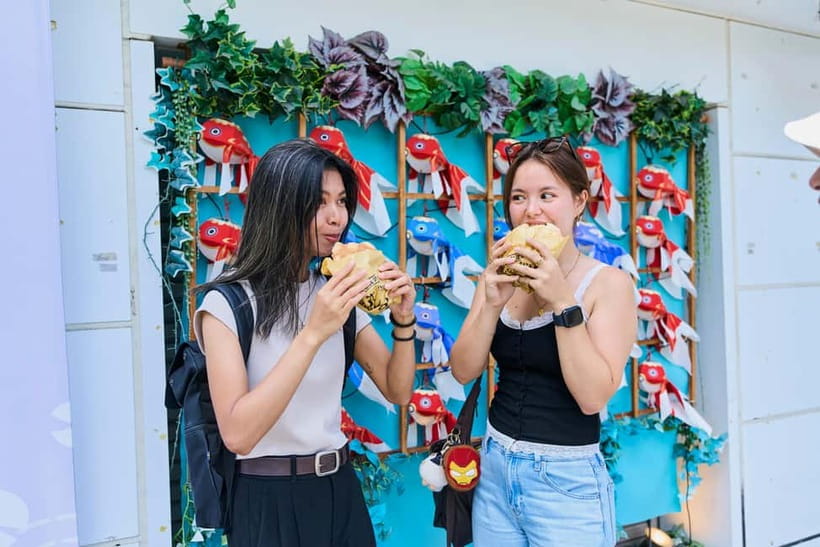
Asakusa is one of those Tokyo neighborhoods where the past isn’t behind glass. In just two hours, you can cover the most iconic religious sights and still have time for short commercial stops that feel tied to local culture.
This kind of format works well if you’re doing Tokyo for the first time and don’t want to waste half a day getting oriented. You’ll be moving at a steady pace, which is why comfortable shoes matter. The tour is designed like a guided circuit: landmark first, then food and shop stops that give you tangible souvenirs and stories you can take home.
You can also read our reviews of more walking tours in Tokyo
Meeting at Asakusa Station: where to find your guide fast
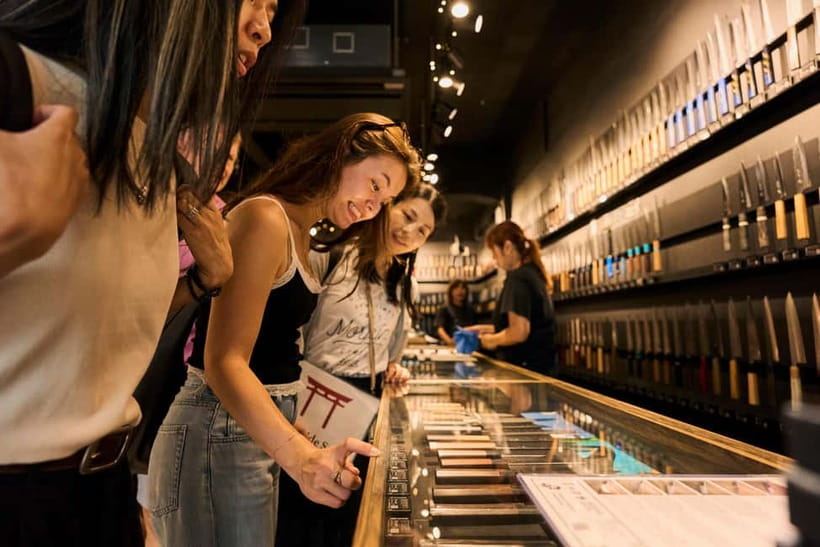
The tour meets in front of the Kaminarimon Police Box at Asakusa Station. Your guide will be holding a sign that says [Local Guide Stars]. That’s a helpful detail because it reduces the usual start-of-tour confusion in a busy station area.
Since the activity ends back at the same meeting point, you don’t have to worry about mapping your way across town at the end. You can also plan the rest of your day around an Asakusa-area loop, which is a big win when you’re juggling transit times.
Senso-ji Temple: Tokyo’s oldest temple, explained for real life
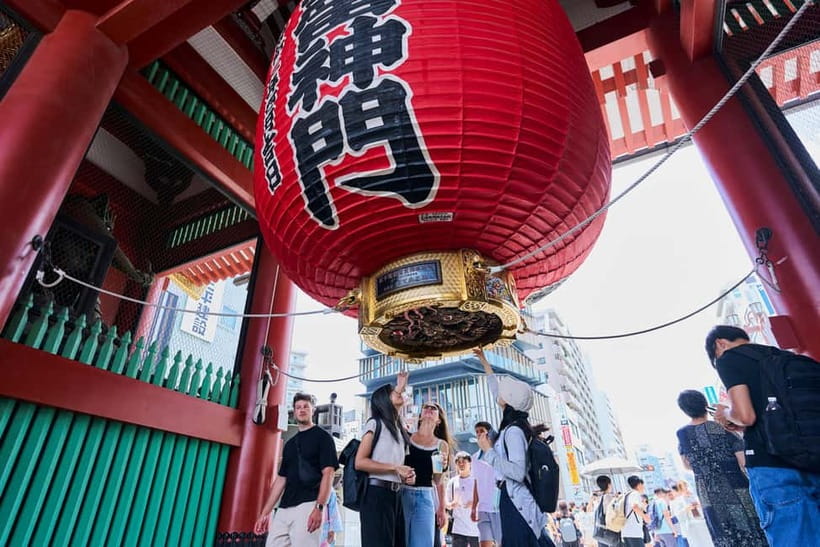
Your first major stop is Senso-ji Temple, described as Tokyo’s oldest temple, built in 628. That date alone tells you why this place feels different from a quick photo stop. It’s not a theme-park version of history; it’s a site that’s been part of daily life for roughly 1400 years.
What the guide helps with is the “so what.” You’re not just standing in front of famous architecture. You learn why the temple is culturally important and how it connects to the idea of protection and power in Japan’s past, including that it was once protected by samurai. That detail gives the area more meaning than you’d get from a headline.
Tip for your visit: you might feel like making a small offering or drawing an omikuji fortune paper. If you plan to do that, bring some cash. The practical reason is simple: cashless payment isn’t accepted for these kinds of actions based on the tour’s notes.
Asakusa Shrine next door: where Buddhism and Shinto blend
Right next to Senso-ji is Asakusa Shrine. This is one of those “only in Japan” experiences that helps you understand a big cultural concept without needing a textbook.
The key idea you’ll learn is how Buddhism and Shinto coexist in Japan. In real terms, that means you’re seeing religious traditions share a physical space and a shared community feel. It’s not one side competing with the other; it’s a lived-in overlap, and it makes the whole temple area make more sense.
If you’re the type of traveler who likes observing how people behave in sacred spaces, this stop is worth slowing down for. Watch how locals move through the area and how the mood shifts from temple viewing to shrine rituals. The guide’s framing helps you read what you’re seeing.
The local street food tasting: snack smart, budget kindly
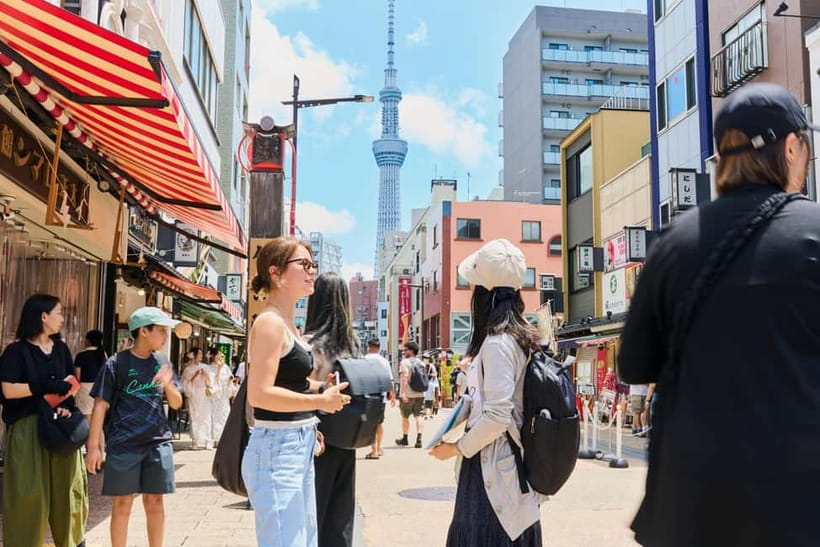
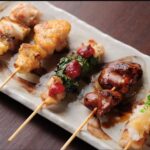
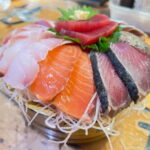
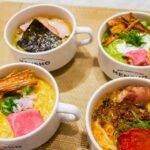
After the temple area, the tour shifts into food. You’ll stroll lively streets and snack like a local with sweet or savory options. The big value here is that you’re not stuck guessing what’s worth buying in a crowded tourist zone.
Still, here’s the honest part: meals and drinks aren’t included. So think of this as guided food scouting plus tasting—your guide points you toward the top local picks, and you purchase what you want. That’s often the best way to do street food anyway, since different people want different levels of adventurous eating.
How to make this work for you:
- Decide what you want the most: a sweet bite, a savory bite, or a mix.
- Keep your cash handy so you can buy quickly when you see something you like.
- Don’t overcommit. Two hours goes fast, and you’ll be walking to shops after this.
Even if you’re not a “food tour” person, this section is still useful. It’s a quick way to feel Asakusa’s everyday vibe, not just its historical landmarks.
You can also read our reviews of more food & drink experiences in Tokyo

Pro-level knife shop stop: why a blade store belongs on a history walk
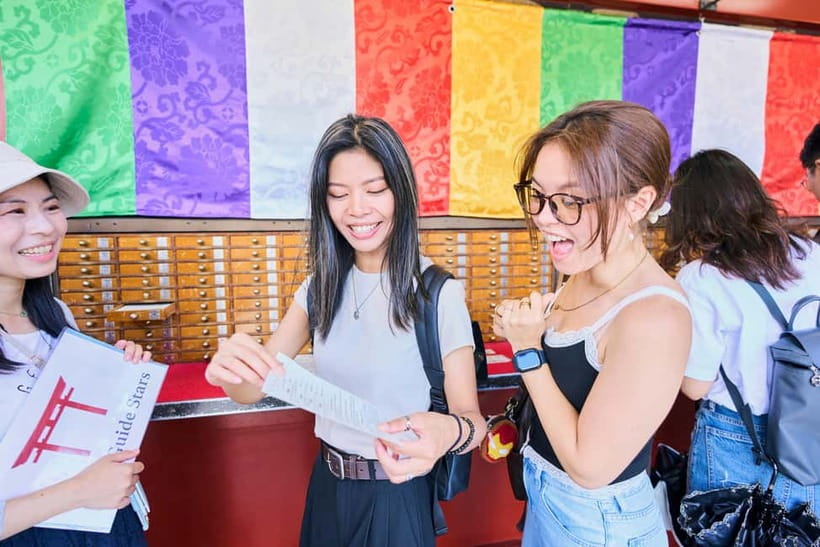
One of the standout inclusions is a visit to a pro-level chef knife shop. This might sound like a random detour until you connect it to Japanese craft culture. Knives aren’t just cooking tools here—they’re linked to skill, tradition, and the pride of making performance-focused gear.
What you get from a guide-led stop is context. Instead of walking past shelves and hoping you understand the difference between products, you can ask better questions and focus on what’s actually relevant. Even if you’re not buying, it’s a fascinating look at the kind of precision Japan is known for.
Possible drawback: if you’re traveling with limited luggage space or you dislike shopping, this stop may feel less useful than the temple segment. But for anyone who likes tools, craftsmanship, or practical souvenirs, it’s a memorable and different kind of Tokyo stop.
Samurai sword and ninja gear store: fun shopping with real visuals
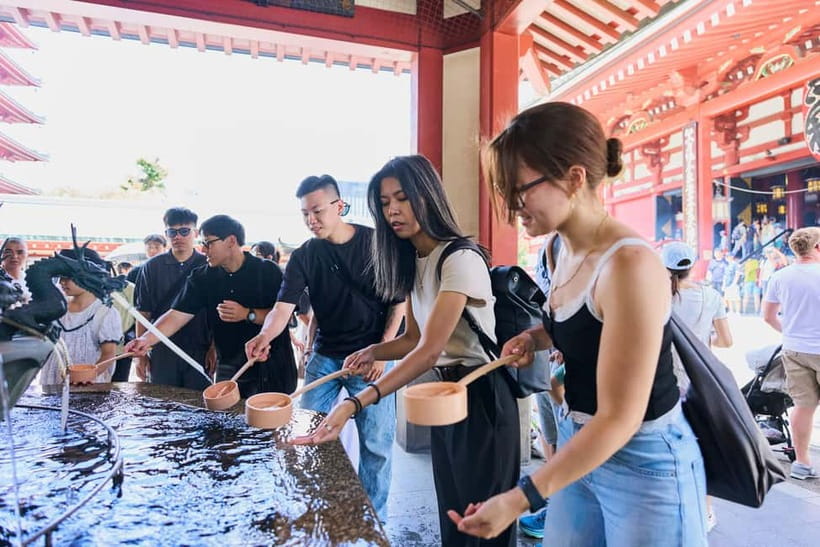
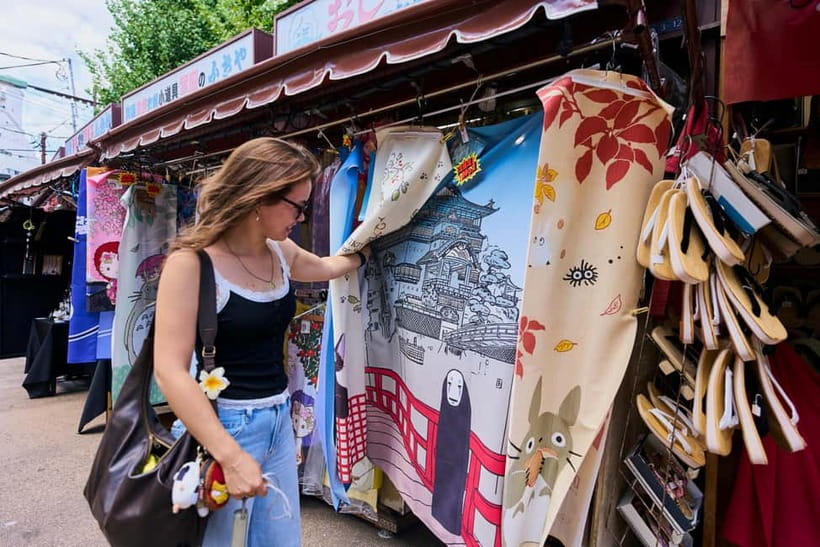
Next up, a samurai sword & ninja gear store. This is the playful section of the tour, and it has a clear purpose: give you a fast, themed souvenir experience that still feels grounded in Japanese pop and historical imagery.
I like that it’s built into the route rather than being an optional side trip. It’s close enough to the rest of the walk that you don’t feel like you’re wasting time. And visually, it’s easy to enjoy even if you’re not shopping—there’s a lot to look at, and the guide’s presence helps you navigate quickly.
Keep expectations practical: this is more about gear and collectibles than anything deeply ceremonial. Still, for photos, gifts, and kitschy-to-cool items, it’s a strong stop in a short tour.
Cute Japanese tableware shop: bring home something you’ll actually use
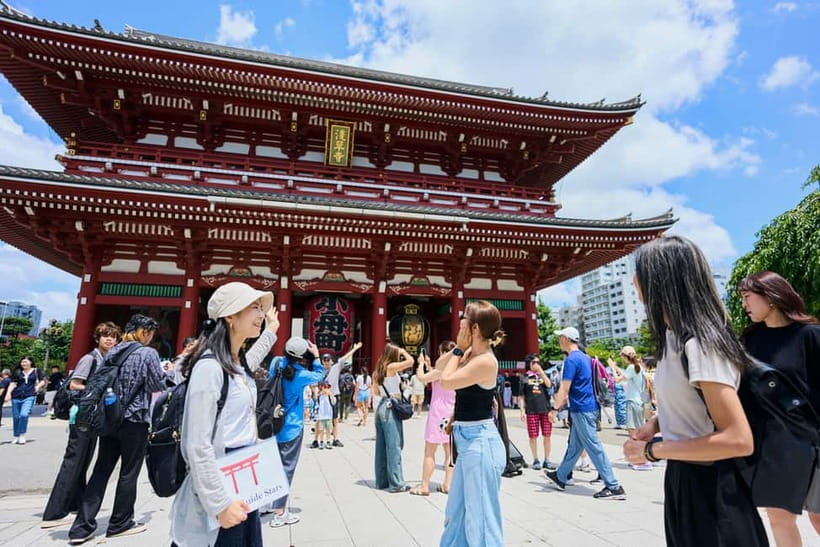
The final shopping stop centers on Japanese tableware, described as cute and souvenir-ready. This is a smart choice for value because tableware is both usable and giftable, unlike some novelty souvenirs that end up collecting dust.
Even if you’re only buying small items, it’s the kind of shop where you can find something that matches your style. Plus, it’s a nice contrast to the knife store: one side is specialized performance tools, the other side is everyday aesthetics.
If you’re traveling with carry-on only, choose compact items. If you have room, consider sets or larger pieces. Either way, aim for practical sizes so you can actually enjoy your purchase at home.
Price and value: what $16 buys you in Tokyo time
At $16 per person for a two-hour guided walk, the value feels strong for Tokyo—especially because it includes more than just a stroll. You’re getting:
- A local guide for the whole experience
- Guided entry time and context at Senso-ji
- Shop visits, including a renowned knife shop and themed gear store
- Food scouting through the guide’s top local picks
The only major cost caveat is food. Since meals and drinks aren’t included, you’ll need to budget for what you choose to eat and drink during the street food section. But that can be a plus, because you control the spend.
In practical terms, this is a good “high value, low commitment” option. You’re paying for guidance, context, and access to the right kinds of stops in a tight time window.
Weather, cash, and comfort: small things that save your day
A two-hour walk can still feel long in real Tokyo weather. The tour notes that conditions can vary, so dress accordingly. Layers help, and comfortable shoes are non-negotiable because this is a walking itinerary.
Also, plan for cash. The tour warns that cashless payment isn’t accepted for temple extras like offerings or drawing omikuji. Even if you’re mostly paying with cards elsewhere, having a bit of cash in your pocket can keep you from missing out on a simple cultural moment.
Who this tour suits best (and who should pass)
This tour fits best if you:
- Want a short, structured way to experience Asakusa in about two hours
- Like temples and want context, not just photos
- Enjoy street snacks but prefer a guide to point you toward good options
- Are curious about Japanese craft culture, especially through knife culture
- Want a few souvenir shopping stops that feel connected to the neighborhood
It may not fit you as well if you:
- Don’t want to shop at specialty stores
- Prefer food that’s fully included in a set meal (since food and drinks aren’t included)
- Have trouble with walking in variable weather
Should you book this Asakusa history and local food tour?
If you want an easy, guided way to connect Asakusa’s most important sights with the kind of shopping and snacking locals do, I think this is a smart booking. The inclusion of Senso-ji, the nearby shrine relationship between Buddhism and Shinto, and the stop at a pro knife shop gives the tour variety without stretching your day.
Also, the overall rating is very high based on the limited feedback available, which suggests people mostly left feeling satisfied with the mix. At $16, you’re buying time-saving guidance more than you’re buying a meal package.
My practical call: book it if you like guided walks, want a temple-focused introduction to Asakusa, and don’t mind paying for the food you choose.
FAQ
Where do I meet the guide?
Please meet in front of the Kaminarimon Police Box at Asakusa Station. The guide will be holding a sign that says [Local Guide Stars].
How long is the tour?
The tour lasts about 2 hours, and it ends back at the meeting point.
What food is included?
The tour includes local street food tasting guided by the guide’s top picks, but meals and drinks are not included. You’ll likely pay for what you choose to eat and drink.
Is the tour in English?
Yes, the tour is listed as English.
What should I bring?
Bring comfortable walking shoes. It’s also wise to bring some cash for possible small offerings or drawing an omikuji, since cashless payment isn’t accepted for those.
Are there any extra fees besides the tour price?
The tour notes there are no extra fees, but you might want to make a small offering or purchase items during the shops/food stops.
Can I book and pay later, and what’s the cancellation window?
You can reserve and pay later. The policy states you can cancel up to 24 hours in advance for a full refund.

![[Seasonal Limited] Mt. Fuji 5th Station &Hot Spring Day Tour - Getting Started in Tokyo: Pickup Options and the Bus Reality](https://b.tokyosights.com/wp-content/uploads/seasonal-limited-mt-fuji-5th-station-hot-spring-day-tour-400x225.jpg)