REVIEW · TOKYO
Tokyo: Imperial Palace and Shogun Walking Tour
Book on GetYourGuide →Operated by Traveling Tokyo · Bookable on GetYourGuide
Power hides in plain sight at the palace. This 2-hour guided walk through the Imperial Palace East Gardens helps you read Tokyo like a timeline, from Tokugawa shogun power to the Japan you see today. I especially like how the route includes Edo Castle remnants, like moats and foundations, so the history feels physical, not just explained.
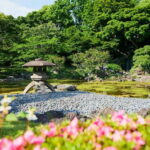
I also love the calm payoff: Ninomaru Garden with its tranquil ponds and koi swimming through the greenery. The guide part matters too. Names that have led this tour include Tony, Izzy, Blake, and Jim Allen, and the best versions of this experience turn what could be a slow stroll into clear, story-driven context with plenty of time for questions.
One drawback to consider: this tour focuses on the East Gardens route, so you won’t get a full palace-everywhere experience. If your dream is a bigger sweep of palace areas beyond what’s on this path, plan on adding other sights later.
In This Review
- Key moments to look for
- Starting at Starbucks Kokyo Gaien: easy to find, smart timing
- Ote-Mon Gate: where the grand entrance sets the tone
- Hyakunin Bansho Guardhouse: the human side of defense
- Fujimi-yagura: reading the castle from a watchtower perspective
- Imperial Palace East Gardens: where ruins meet designed calm
- Ninomaru Garden: koi ponds and the softer side of power
- Decoding stone walls and moats without getting lost
- Guides, pace, and what to do with all those questions
- Price and value: why $16 can be a smart buy
- Best for first-timers, history fans, and calm-seekers
- Should you book the Imperial Palace East Gardens and Ninomaru Garden tour?
- FAQ
- How long is the Tokyo Imperial Palace and Shogun Walking Tour?
- What is the price per person?
- Where is the meeting point?
- What areas will we visit during the tour?
- What’s included in the tour?
- Is the tour available in English?
- Is it wheelchair accessible?
- Is there free cancellation?
- Can I reserve and pay later?
Key moments to look for
- Ninomaru Garden koi ponds and seasonal garden beauty
- Ote-Mon Gate as the formal entry point to shogun-era space
- Hyakunin Bansho Guardhouse stop that adds guard-and-control context
- Fujimi-yagura watchtower area for a feel of the castle layout
- Massive stone walls and the moat system you can actually see
Starting at Starbucks Kokyo Gaien: easy to find, smart timing
The tour meets in front of Starbucks Coffee at Kokyo Gaien Wadakura Fountain Park. The coordinates are listed as 35.6830391, 139.7614181, which is handy if you like dropping a pin and walking straight to the exact spot.
Arrive a few minutes early so you can match up with your group and settle your bearings. This matters because once you start moving, the pace is built around hitting gates and garden viewpoints without feeling rushed.
You can also read our reviews of more walking tours in Tokyo


Ote-Mon Gate: where the grand entrance sets the tone

The first big stop is Ote-Mon Gate, a formal gateway that immediately changes your mindset from city-street Tokyo to feudal-era thinking. Even if you’re not a “history person,” gates like this teach you how power wanted to look and how people were guided through space.
Your guide frames what you’re seeing in the Edo Castle era—when the Tokugawa shogunate’s seat shaped politics, security, and daily life. Expect the talk to be clear and practical, with just enough detail to help you connect buildings, walls, and open areas.
A small consideration: gates and approaches can be busy in Tokyo. If you’re sensitive to crowds, treat the start as a “get oriented first” moment and try not to rush your photos—focus on the story and the sightlines.
Hyakunin Bansho Guardhouse: the human side of defense

Next comes the Hyakunin Bansho Guardhouse, a name that already signals you’re moving into a security-and-structure zone. This is the kind of stop you’d likely walk past without a guide, because the meaning isn’t always obvious just from the exterior.
Here’s what I like about this part: it gives you a bridge between “big scenic gardens” and “this was a working fortified system.” The guide’s job is to connect the stop’s role to the bigger castle logic—who controlled movement, how protection worked, and why certain areas mattered.
If you like asking questions, this is a good segment to do it. You’ll usually get better answers when your questions are tied to something you can point at on the spot.
Fujimi-yagura: reading the castle from a watchtower perspective

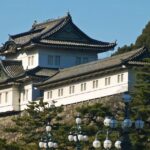
Then you’ll reach Fujimi-yagura, another physical clue in the Edo Castle puzzle. A watchtower area is a natural place for your guide to explain how elevated points and strategic layouts supported defense.
What makes this stop valuable is the way it changes how you “see” the palace grounds. Instead of treating the park-like space as just scenic, you start noticing how sightlines, wall placement, and movement zones would have mattered in an earlier era.
One practical note: for two hours, the tour mixes walking with short guided stops. So if your legs are easily tired, plan to take it easy on the rest of the day. This isn’t a long-haul hike, but it is steady.
Imperial Palace East Gardens: where ruins meet designed calm
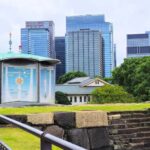
The main stretch lands in the Imperial Palace East Gardens, which is where the tour earns its reputation as a first-Tokyo or first-Japan history hit. You’re walking through a space that blends landscape design with the physical traces of something older: stone foundations, moats, and the kind of defensive hardscape that doesn’t disappear just because a garden now lives there.
I like this part because it’s the sweet spot between two travel styles. If you want calm, you get it. If you want political history, you get that too, with the guide explaining how the feudal world transformed into modern Japan.
Expect the guide to talk about samurai and shoguns, but also about the transition period—the way power structures changed and how that shift echoes into the present. The gardens don’t feel like a museum. They feel like a real place where history still shapes what you experience.




Ninomaru Garden: koi ponds and the softer side of power
After the East Gardens, you’ll go specifically to Ninomaru Garden, one of the tour’s big highlight areas. This is where the mood shifts toward tranquility. The ponds within the palace grounds are known for koi, and seeing those fish moving through the water adds a quiet contrast to the stone-and-security talk earlier.
This segment is also where seasonal beauty comes into play. Even in a short tour like this, you’ll feel the difference between “the palace as a fortress” and “the palace as a controlled environment for living and contemplation.”
If you’re trying to understand Japan’s aesthetic language—how order, nature, and architecture work together—this garden stop is a great reference point. It’s also a relief for your brain after reading walls and gate meanings.
Decoding stone walls and moats without getting lost
One of the most satisfying outcomes of this tour is that the “massive stone walls” and moats stop being random features. With your guide’s explanations, you start to understand why they were built, how they functioned, and how that design still affects what you notice today.
This is where the English-speaking guide really matters. In multiple past runs of the tour, guides like Tony, Izzy, Blake, and Miguel have been praised for turning abstract history into something you can match to the ground in front of you. If you’re the type who likes to look at a site and then suddenly get it, this is exactly that moment.
Also, don’t ignore the practical side. Two hours is long enough to learn, but short enough to stay focused. It’s an ideal format if you’re balancing jet lag, crowded Tokyo logistics, and the desire to do one high-value cultural activity.
Guides, pace, and what to do with all those questions
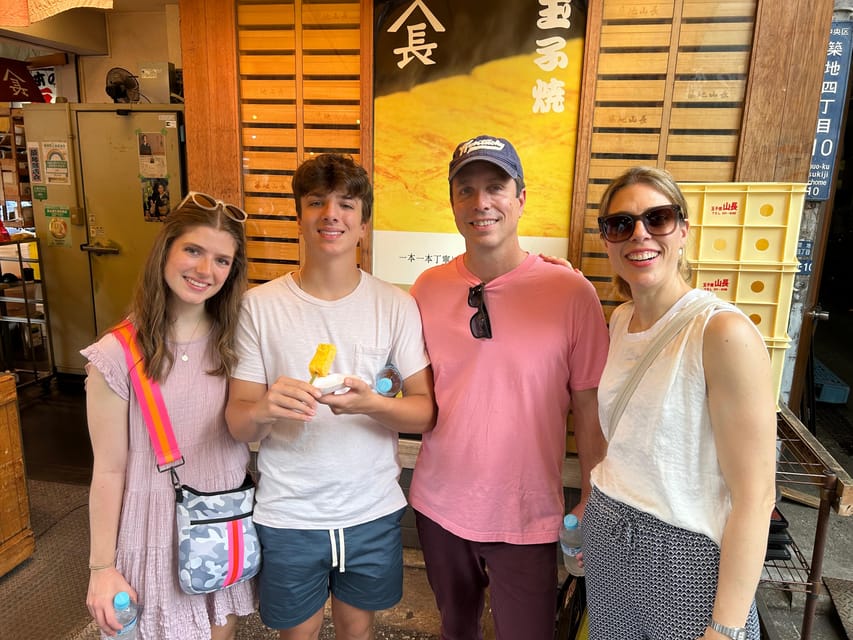
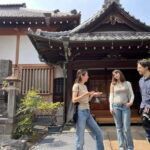
This tour is built around live interpretation. The guide is English-speaking, and the experience is designed for questions, not just listening.
In the examples shared from past tours, guides have been described as friendly and patient, and many people appreciated the straightforward way the guide connects the shogunate era to Tokyo’s modern layout. Tony, in particular, is repeatedly mentioned for connecting the past to everyday city life, while Jim Allen is noted for making the shogun dynasty story work even for teenagers.
There can also be small breaks. One run highlighted a quick pause to sit and grab a drink from a vending machine, which is a nice touch on a long city day.
If you want to get the most value, come with two or three questions. Examples that work well here:
- What’s the biggest difference between the Edo Castle layout and how this area works today?
- Why do stone walls and gates matter as much as the gardens?
- How did feudal power structures shift into modern Japan?
Price and value: why $16 can be a smart buy
The price is $16 per person for about 2 hours, including an English-speaking guide and the guided walking portion of the East Gardens. For Tokyo, that’s a cost that makes sense because you’re buying time plus interpretation for a site that would be easy to under-interpret on your own.
Here’s how I think about value for this tour:
- You’re paying for translation of meaning—what walls, gates, and named points actually represent.
- You’re getting a route that’s short enough to fit many itineraries but long enough to feel complete.
- You’re being shown the quiet “why” behind the serene garden setting, not just the pretty “what.”
If you already know a lot of Japanese history, you might still enjoy it for the pacing and structure. But if you don’t, this is one of the better-priced ways to build a foundation fast—without turning your day into a textbook.
Best for first-timers, history fans, and calm-seekers
This tour fits best when you want both atmosphere and context. The East Gardens give you that peace in the middle of a major city, and the shogun-focused explanations give you a reason to pay attention.
It also works well if you’re visiting Tokyo for the first time and need help reading the city’s layers quickly. And if your travel party includes mixed interests—someone who wants history and someone who wants scenery—this format can satisfy both.
Wheelchair accessibility is listed as available, which is a big plus. If mobility is a concern, it’s still smart to plan for a walking tour; just know the activity is designed to be wheelchair-friendly.
Should you book the Imperial Palace East Gardens and Ninomaru Garden tour?
I’d book this if you want a high-impact, low-stress history experience that includes real scenic payoff. The combination of named stops (Ote-Mon Gate, Hyakunin Bansho Guardhouse, Fujimi-yagura), plus the calm of Ninomaru Garden koi ponds, makes it easy to remember later.
I wouldn’t book it as your only palace-related plan if you’re hoping to see everything the Imperial Palace area has to offer. This one is focused, and that’s good for value—but it doesn’t pretend to cover the whole palace universe.
If you can only fit one guided cultural activity into a tight Tokyo schedule, this is a strong pick.
FAQ
How long is the Tokyo Imperial Palace and Shogun Walking Tour?
It lasts 2 hours.
What is the price per person?
The price is $16 per person.
Where is the meeting point?
You meet in front of Starbucks Coffee – Kokyo Gaien Wadakura Fountain Park. Coordinates: 35.6830391, 139.7614181.
What areas will we visit during the tour?
You’ll visit the Ote-Mon Gate, the Tokyo Imperial Palace area, the Hyakunin Bansho Guardhouse, Fujimi-yagura, the Imperial Palace East Gardens, and Ninomaru Garden.
What’s included in the tour?
Included are an English-speaking guide and a guided walking tour of the east gardens.
Is the tour available in English?
Yes, the live tour guide provides English.
Is it wheelchair accessible?
Yes, the tour is wheelchair accessible.
Is there free cancellation?
Yes, you can cancel up to 24 hours in advance for a full refund.
Can I reserve and pay later?
Yes, you can reserve now and pay later.
If you want, tell me your travel dates and whether you prefer morning or afternoon, and I’ll help you place this 2-hour stop into a smooth Tokyo day plan.