REVIEW · TOKYO
Make a temple stamp book with artist
Book on GetYourGuide →Operated by Chikako Oshiro · Bookable on GetYourGuide
Goshuin stamps meet craft time in Shibuya. I like the hands-on fabric selection—over 100 kimono fabrics to choose from—and I also love that you learn how to visit a shrine properly, not just how to make a book. The main thing to consider is that the workshop price doesn’t include the stamp fee you pay at the shrine.
You’ll spend the first part crafting your goshuin notebook, then you’ll test it right away with your first official stamp. It’s a clean, small-group way to get a real cultural souvenir you’ll actually use.
This runs in a small group of up to 8 people, and it’s taught in English by Chikako Oshiro, so you’re not stuck guessing what to do. Still, expect about 10 steps to reach the classroom and shrine, and the activity runs rain or shine.
In This Review
- Key highlights you’ll care about
- Building Your Own Goshuin Notebook From Kimono Fabrics
- The Real Skill: Folding and Glueing the Goshuin Pages Properly
- Designing for Meaning: Why This Craft Becomes a Souvenir You’ll Use
- Visiting the Shrine Like You Mean It (Not Like You’re Wingling It)
- Getting There: Shibuya-Neighborhood Convenience Without the Chaos
- What You Get for $38: Pricing That Makes Sense for a Small-Group Craft
- Who This Workshop Fits Best (And Who Might Want to Skip It)
- A Practical Tip: How to Make Your Goshuin Notebook Choice Faster
- Should You Book This Goshuin Workshop?
- FAQ
- How long is the workshop?
- What is the price?
- Is the instructor English-speaking?
- What’s included in the price?
- What is not included?
- Where do I meet the instructor?
- Is the workshop held rain or shine?
Key highlights you’ll care about
- Pick from 100+ kimono fabrics to design your own goshuin notebook
- Learn goshuin notebook technique: folding and glueing pages the proper way
- Practice formal shrine visiting before you collect your stamp
- Get your very first goshuin stamp during the workshop
- Small group size (max 8) keeps it personal and easy to ask questions
- English instruction with an instructor, Chikako Oshiro, focused on clear guidance
Building Your Own Goshuin Notebook From Kimono Fabrics
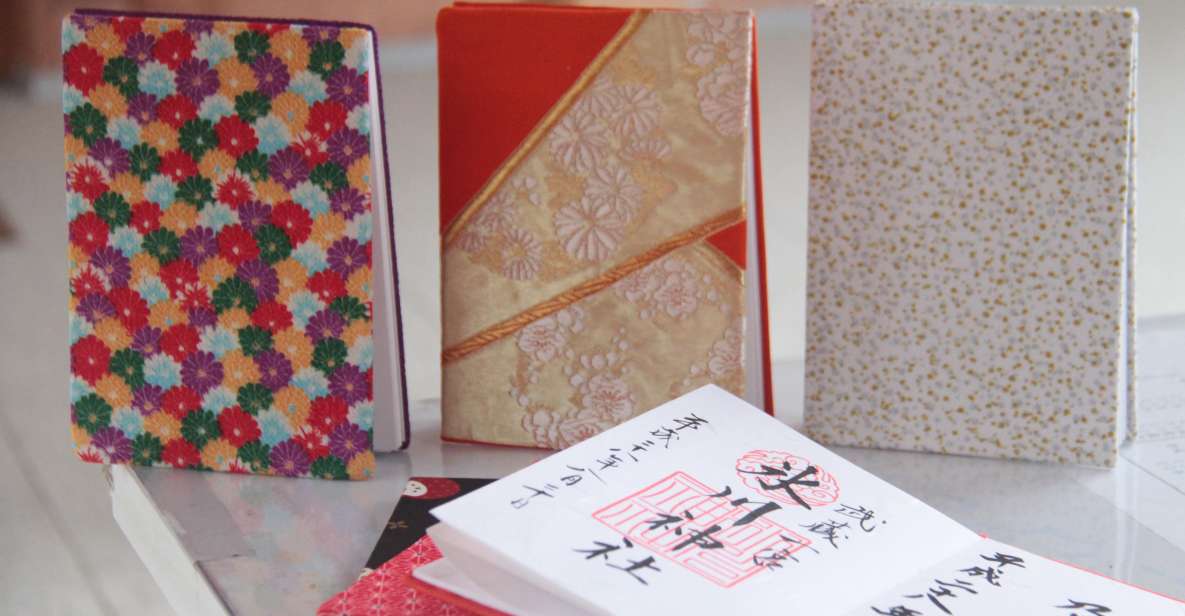
This experience starts the fun way: you choose fabrics. Not just one or two. You’re looking at over 100 kimono fabric options, which changes the whole feel of the workshop. Most souvenirs you buy look the same as someone else’s. This one starts as your choices, your taste, your combination of patterns and textures.
I like how the activity treats the fabric selection as part of the meaning. Instead of rushing into crafting, you slow down and actually look. You’ll likely end up thinking about color, motif, and how the cloth will frame your book pages. That matters because goshuin notebooks aren’t meant to be generic. They’re meant to become a record of where you went.
You’ll also be glad you’re doing this in the morning or early window if your Tokyo day is already packed. The workshop is 2 hours, so you get a concentrated cultural activity without losing the whole day.
You can also read our reviews of more tours and experiences in Tokyo.



The Real Skill: Folding and Glueing the Goshuin Pages Properly
Once you’ve picked your favorites, you move into construction. This is not a quick “color and go” craft. The core lesson is how to make a goshuin notebook the proper way—specifically by folding and glueing papers together.
That sounds simple on paper. In practice, it’s where the value shows. A goshuin notebook has to handle the act of collecting stamps, and if the pages aren’t put together neatly, it’s harder to use the book comfortably later. The workshop format gives you structured steps, so you aren’t improvising.
What I especially appreciate is the way the teaching is described as clear and instructive. One helpful detail from participant feedback: the host provided extra glue for the stamps reminder. That’s practical. When you’re mid-project, small material problems can snowball. Having a little buffer makes the experience feel smoother.
You’ll finish the creative portion with a goshuin notebook that’s uniquely yours. And you’ll know it’s made correctly, not just decorated.
Designing for Meaning: Why This Craft Becomes a Souvenir You’ll Use
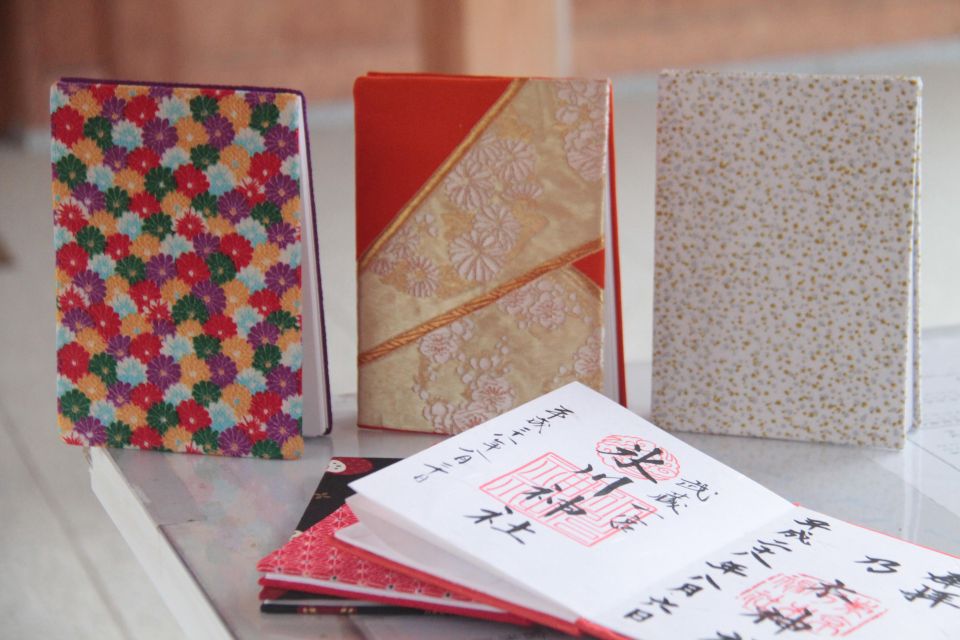
Lots of crafts become “cool while making, forget later” souvenirs. Goshuin notebooks are different. Your book is meant to travel with you through shrine visits, because each stop brings its own stamp.
Even within just this 2-hour experience, you get that idea immediately. You make the notebook first, then you use it right away for your first stamp. That turns the craft into a ritual sequence instead of a one-off art project.
Also, the workshop is explicitly about learning how shrine visits work formally. That matters because collecting goshuin isn’t just random stamping. The experience is designed so you leave with a better sense of what you’re doing and why it’s done that way.
Visiting the Shrine Like You Mean It (Not Like You’re Wingling It)
After you craft, you head to a local shrine for your first stamp. This part is the cultural punchline: you get to collect your first goshuin stamp in person.
Importantly, the instructor doesn’t only point you toward the stamp area. You’ll also be taught how to visit the shrine formally. That’s one of the biggest reasons this workshop feels more valuable than a casual “watch and copy” activity. You don’t want to show up unsure about what comes first, or when to pause, or how to act respectfully.
And yes, you’re collecting your very first goshuin stamp during the workshop. That’s a big deal if you’ve been to Japan but kept putting goshuin off because it seemed confusing.
One practical note: the stamp fee at the shrine is not included. So if you’re budgeting tightly, plan for an extra payment on-site. The workshop still offers good value, but it’s not all-inclusive.
Getting There: Shibuya-Neighborhood Convenience Without the Chaos
The workshop location is in Honshu, Japan, and it’s set up near popular tourist spots in Shibuya. That’s useful if you’re trying to stack your day efficiently. You can pair this with sightseeing nearby without a major commute.
Meeting point details are straightforward, too: you meet in front of the entrance located between a drug store and Cozy Corner (cake shop). That kind of reference point helps when you’re navigating on foot.
One logistical detail to plan for: there will be about 10 steps to reach the classroom and shrine. It’s not a deal-breaker for most people, but it’s worth taking seriously if stairs tire you out.
The workshop runs rain or shine, so you should be the type of traveler who’s fine switching to a “covered up and go” mindset. At least you won’t get a last-minute cancellation that derails your day.




What You Get for $38: Pricing That Makes Sense for a Small-Group Craft
At $38 per person, this is priced like a specialty workshop, not a casual walking tour. You pay for the instruction and materials needed for the craft.
Included:
- Workshop fee (crafting instruction and participation)
Not included:
- Stamp fee at the shrine
Small group size matters here. Limited to 8 participants, which means you’re more likely to get personal attention while folding, glueing, and designing. In a bigger class, one instructor can only help so much. Here, you’re more likely to get a quick fix when you’re unsure.
Also, you’re getting both halves: a crafting session plus a real shrine visit with your first stamp. For many travelers, that combination is where the value lives. It’s not just making something; it’s using it immediately.
If you’re the kind of traveler who loves “I made that” souvenirs, but you also want them to connect to Japan beyond photos, this format hits the sweet spot.
Who This Workshop Fits Best (And Who Might Want to Skip It)
This experience fits best if you want a hands-on cultural activity that’s not overwhelming.
Great match if you:
- Like crafts but want them tied to a living tradition
- Want guidance on etiquette, especially for shrine visiting
- Prefer an English-led workshop with a small group
- Like the idea of a souvenir you’ll keep using across visits
Consider skipping if you:
- Need barrier-free access (it’s not suitable for people with mobility impairments)
- Are traveling with very young children (not suitable for children under 3 years)
Also keep in mind the duration. Two hours is short on purpose. You’ll create your book and collect your first stamp, but you’re not settling in for a long sightseeing day. It’s best as a focused morning or afternoon plan.
A Practical Tip: How to Make Your Goshuin Notebook Choice Faster
With 100+ fabrics, indecision can eat time. Here’s how to make it painless without feeling rushed: pick a fabric you’d want to see again months later. Then add one complementary piece that either contrasts color or balances pattern.
Since you’re building a book you’ll associate with your shrine visits, choose designs you won’t get tired of. It sounds obvious, but it’s the easiest way to end up with a goshuin notebook you actually want to keep.
Also, don’t be shy asking for help mid-assembly. The structure is designed to be learnable step-by-step, and having extra guidance on folding and glueing is exactly what you want while you’re working.
Should You Book This Goshuin Workshop?
If you want a meaningful Japan souvenir that you actively make—and you also want someone to teach you how to do the shrine part formally—this is a strong pick.
I’d book it if:
- You’re in or near Shibuya and want a concentrated cultural activity
- You enjoy crafts with clear steps
- You like the idea of collecting stamps in a notebook you designed yourself
I might skip it if:
- You’re mainly shopping for passive sightseeing and you hate hands-on tasks
- You’re not interested in the shrine visit component at all
- You can’t manage stairs (about 10 steps) or need accessibility accommodations
For most travelers, the combo of fabric creativity + real shrine etiquette + your first stamp is the win. It’s not just a souvenir stop. It’s a shortcut to understanding how goshuin fits into a respectful shrine visit.
FAQ
How long is the workshop?
The workshop lasts about 2 hours.
What is the price?
It costs $38 per person.
Is the instructor English-speaking?
Yes. The instructor is English.
What’s included in the price?
The workshop fee is included. You’ll make the goshuin notebook during the session.
What is not included?
The stamp fee at the shrine is not included.
Where do I meet the instructor?
Meet in front of the entrance located between a drug store and Cozy Corner (cake shop).
Is the workshop held rain or shine?
Yes, it takes place rain or shine.