REVIEW · TOKYO
Tokyo: Off the Beaten Path Private Guided Tour
Book on GetYourGuide →Operated by JGA Inc. · Bookable on GetYourGuide
Tokyo rewards the slow route. This private, 6-hour tour pairs you with a licensed local guide who can tailor the day to your interests, whether you want snack stops or quieter residential streets. I especially like the customizable itinerary option, because Tokyo can be overwhelming and this format helps you aim your time. The one thing to watch: your budget can creep up since food, entrance fees, and in-tour transportation are not included.
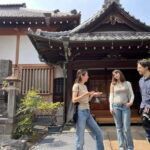
You’ll start with a morning pickup at your hotel (or a train station you choose) and then head out on foot from there, rain or shine. You’re in a private group, guided in English or Japanese, and the pace is built around your questions—so you’re not just collecting photos, you’re learning how neighborhoods work.
In This Review
- Key Highlights Worth Planning For
- A Private Licensed Guide in Tokyo: What You Get in 6 Hours
- Meeting Point and Getting Around: Walkable Pickups and Separate Transport
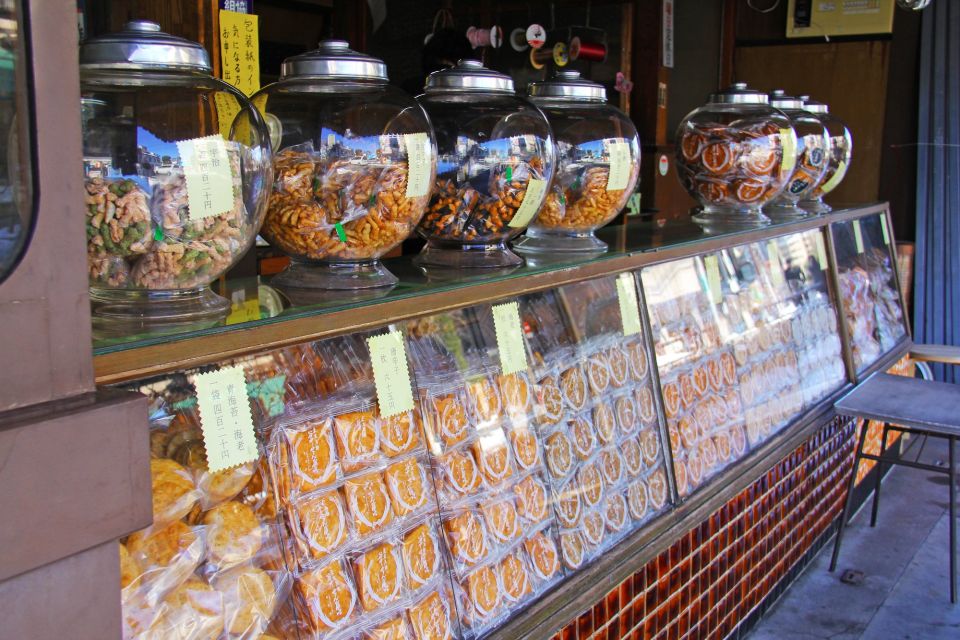
- Shibamata First: Old Shops, Snack Stops, and Respectful Tempo
- Yanaka Ginza and Old-Tokyo Backstreets: Charm With Real Local Life
- Nezu and Sendagi Options: When You Want More Quiet, Less Checklist
- Kappabashi Street: Kitchen Tools, Fake Food, and Easy Souvenirs That Feel Useful
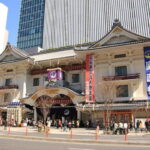
- Asakusa and Fukagawa Edo Museum Timing: Mixing Iconic With Neighborhood Tokyo
- How the Best Guides Make the Day Feel Personal (An, Naoko, Yoko, Kei)
- What’s Included vs. What You’ll Budget For
- Best Use Cases: Who This Tour Suits Most
- Should You Book This Private Off-the-Beaten-Path Tour?
- FAQ
- How long is the Tokyo off the beaten path private guided tour?
- What is the price per person?
- Is this tour private or shared?
- Does the tour include pickup from my accommodation?
- What languages does the guide speak?
- Are food and drinks included in the price?
- Are entrance fees included?
- Do I need to pay for transportation during the tour?
- Does the tour run in bad weather?
- Can I cancel for a full refund?
Key Highlights Worth Planning For
- Government-licensed Tour Guide-Interpreter guidance for culture-and-history context, not just directions
- Morning start with pickup so you can beat the crowds and get into local rhythm fast
- Backstreet neighborhoods like Yanaka Ginza and the Shibamata area for old-town Tokyo energy
- Flexible routing: tell your guide what matters and let them build the day around it
- Practical shopping stops such as Kappabashi Street for kitchen tools and even fake-food displays
- A smart mix of iconic and residential Tokyo, depending on what you want most
A Private Licensed Guide in Tokyo: What You Get in 6 Hours
At $151 per person, this isn’t a cheap group bus tour—and that’s kind of the point. You’re paying for a private setup: one licensed local guide, your own pacing, and an itinerary that can shift when your interests shift. In a city like Tokyo, where neighborhoods can feel like different worlds, that time saved from figuring out logistics is real value.
The big win is the guide’s training. The tour uses Japanese-government Tour Guide-Interpreter certification, so you’re more likely to get clear explanations about customs, history, and daily life—not just a list of landmarks. One guide experience you can lean on: some guides are reported to adjust plans immediately when you ask for extra stops, which is exactly what you want if you see something on the way and decide you can’t miss it.
One more practical note: you’ll be using public transportation or taxis during the tour, but you pay those ride costs separately. That means the final “all-in” cost depends on how you get around, how many paid attractions you choose, and whether you buy snacks or shop.
You can also read our reviews of more guided tours in Tokyo
Meeting Point and Getting Around: Walkable Pickups and Separate Transport
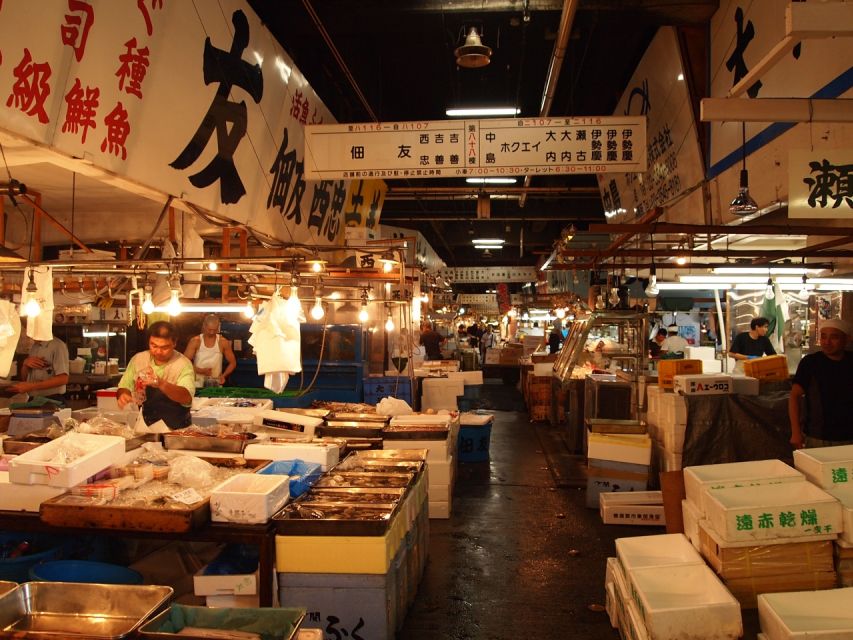
This tour is built around a simple start. Your guide meets you in your hotel lobby (or at a train station you request) and you set off about 10 minutes before the scheduled pickup time. If your accommodation is within a reasonable walking distance, pickup is on foot; otherwise you’ll meet at the requested point.
During the day, your guide works the itinerary using public transit or private taxis, but transportation fees during the tour are not included. That’s common for private guided days in Tokyo, but it matters for planning. If you’re the type who hates switching trains, tell your guide early and be ready to cover the taxi option costs.
Also, this experience runs rain or shine. Tokyo rain can be short and intense, so treat layers and a small umbrella as standard packing. Your guide will keep the plan moving, but you’ll enjoy the day more if you can comfortably walk in weather.
Shibamata First: Old Shops, Snack Stops, and Respectful Tempo
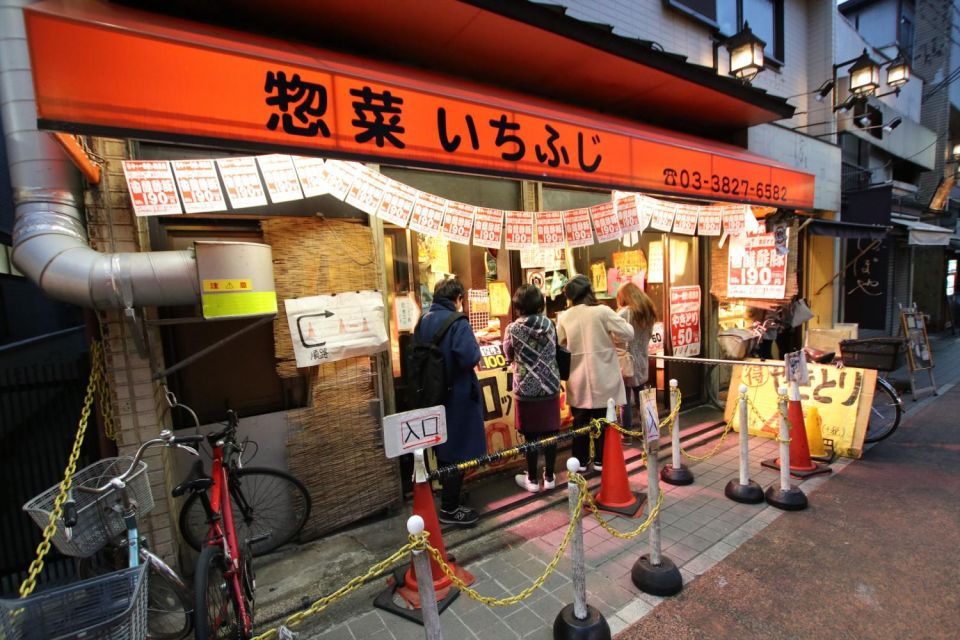
The tour’s suggested first neighborhood is Shibamata, and that choice makes sense if your goal is texture, not just sightseeing. Shibamata is known for long-running shops, so you get that rare feeling of time depth while still being in a living neighborhood.
Here’s what this part is really about:
- You’ll likely wander past historical shopfronts and snack counters.
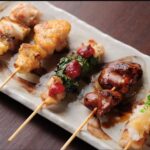
- It’s a great place to sample classic street bites like senbei (crackers), soy sauce crackers, and chewy rice balls.
The practical upside? Snack stops work well early. You’re fresh, you can taste and decide what you want to buy later, and you get a sense of what locals treat as everyday food. The downside is also simple: Shibamata is not a museum schedule. If you hate walking through shop streets, you’ll want to tell your guide you prefer fewer stops and more cultural explanation per stop.
If you do enjoy browsing, this is where you can quietly stock your own Tokyo comfort foods to bring back to your hotel (or to carry while you keep exploring).
Yanaka Ginza and Old-Tokyo Backstreets: Charm With Real Local Life
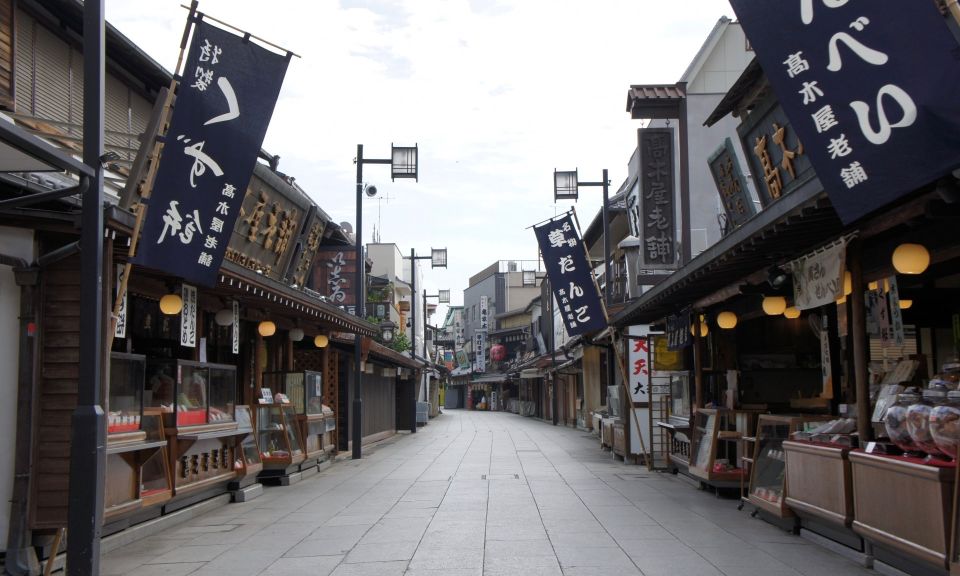
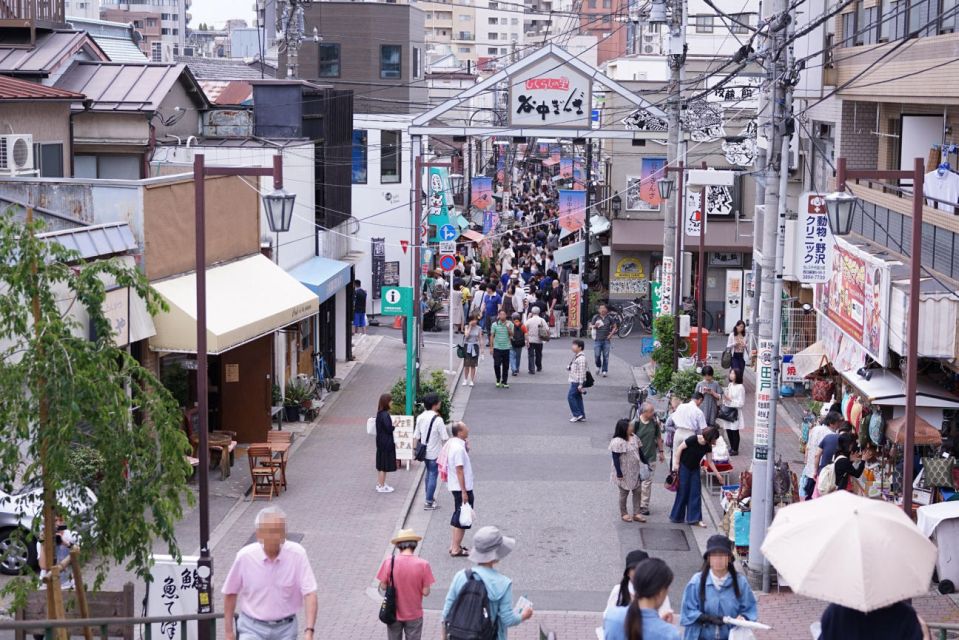
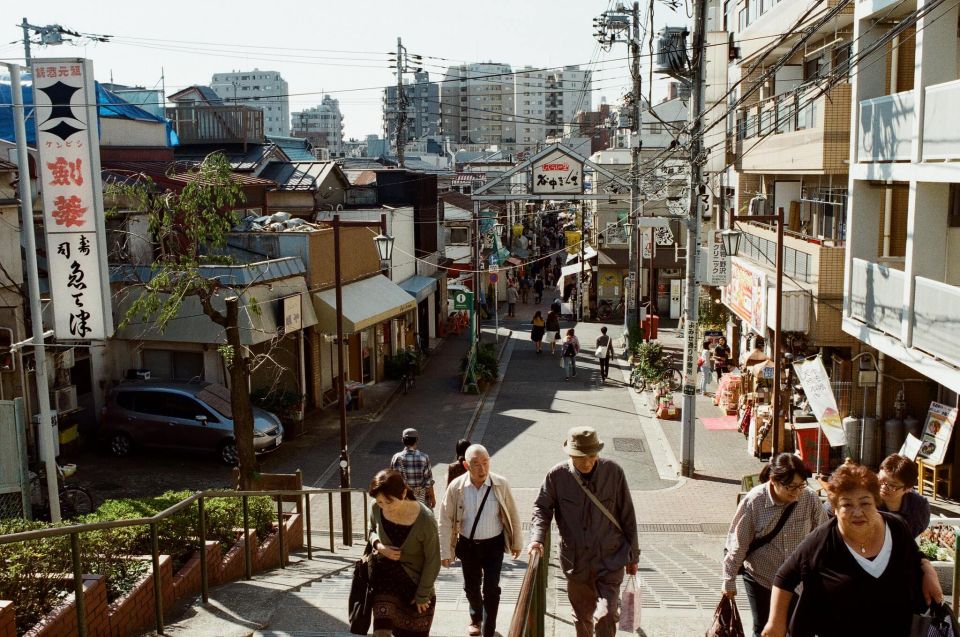
Next, the itinerary often turns toward Yanaka Ginza, a neighborhood designed for slow looking. Even among locals, it’s described as less famous, and that helps you feel the difference between “tourist Tokyo” and “everyday Tokyo.”
What you’ll probably notice as you walk:
- A small shopping street with Edo-era shop flavor
- Mix of older businesses alongside newer convenience-style options (including places with 100-yen items)
- Plenty of spots selling handicrafts, ceramics, and street food
Yanaka Ginza is one of those areas where you can pick your own pace. If you like photographing old storefronts, you can do it. If you prefer hands-on souvenirs, your guide can point you toward things that make sense for bringing home—like ceramics that won’t fall apart after your suitcase gets tossed around.
A good strategy here is to ask your guide for a “buy list” based on what you care about. For example, if you cook at home, you can ask what shop types are best value. If you don’t want shopping, ask for the quieter side streets and viewpoint moments instead.
This is also the kind of neighborhood where the guide makes a difference. One of the best-reviewed patterns is that guides cater to wishes and include residential areas when that’s your priority, which turns the day from a checklist into a lived-in Tokyo walk.
Nezu and Sendagi Options: When You Want More Quiet, Less Checklist
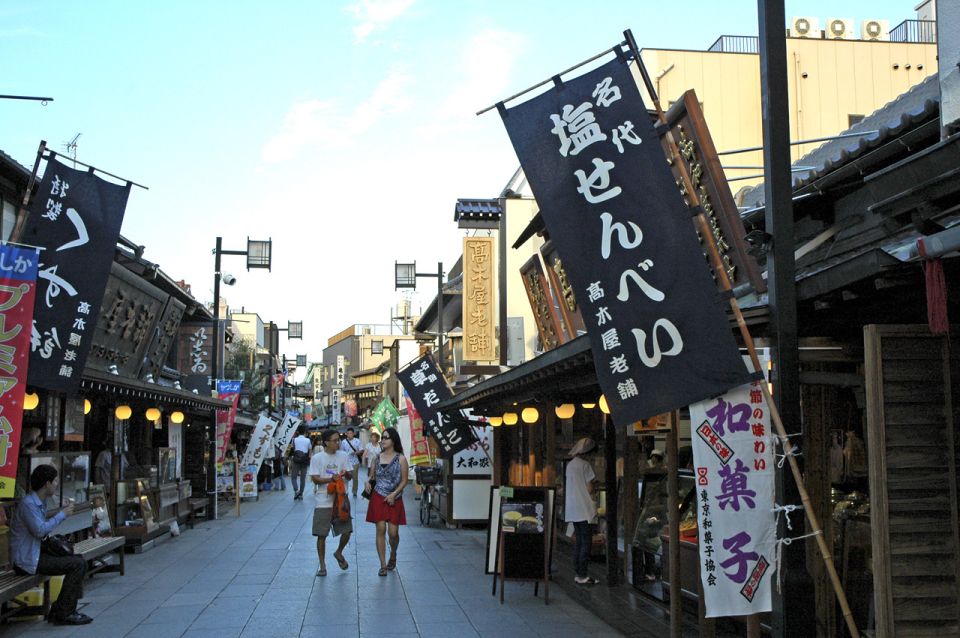
Depending on your interests, the plan may include areas like Nezu and Sendagi. These neighborhoods tend to pair well with Yanaka because they keep the theme of older Tokyo streets while offering variation in atmosphere.
In practice, this is where you can steer the day:
- If you want more calm walking and fewer big-ticket stops, you can lean into these areas.
- If you want history with less emphasis on shopping, you can ask for a more explanation-heavy route.
The value of adding neighborhoods like this is that your Tokyo experience stops being one-dimensional. Tokyo is a mosaic; this format helps you see more of the pattern without spending half your day figuring out trains and transfers.
You can also read our reviews of more private tours in Tokyo

Kappabashi Street: Kitchen Tools, Fake Food, and Easy Souvenirs That Feel Useful
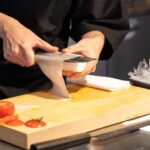
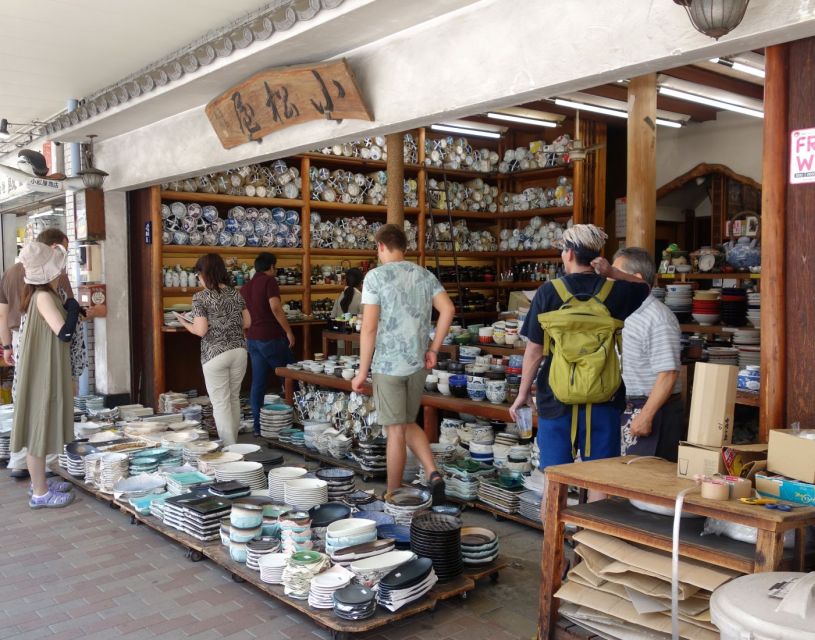
If you’re a food person, Kappabashi Street is where your practical side will light up. It’s lined with kitchen shops, and it’s the kind of place where you can buy things you’ll actually use at home.
What you can look for here:
- Kitchen tools and serving items for everyday cooking
- Odd-but-fun specialty items, like fake food displays (the plastic model food that you see in shop windows across Japan)
Why this stop matters: it’s not just souvenirs. It’s a way to understand Japanese food culture from the tools outward. A chef’s knife, a pair of chopsticks that feel better than your current ones, or a serving item you don’t already own—these are the kinds of purchases that make your trip useful after you return.
Two tips to make Kappabashi work for you:
- Decide your budget range before you arrive. Kitchen stores have a way of expanding your wish list quickly.
- Ask your guide how to carry what you buy. You may find it easier to keep packaging intact on a day that includes walking and transit.
Asakusa and Fukagawa Edo Museum Timing: Mixing Iconic With Neighborhood Tokyo
The suggested itinerary may also include Asakusa and possibly a stop at the Fukagawa Edo Museum. This is the “choose your mix” part of the day.
Asakusa is the famous name, the one that helps you anchor your Tokyo memory. But the key is how your guide places it within the day. If you hit Asakusa at a smarter time (often earlier), you get iconic atmosphere without feeling like you’re trapped in a photo line.
Fukagawa Edo Museum, on the other hand, fits well if you want more structured history and museum-style context. If your goal is to understand how Tokyo lived and worked in earlier periods, this kind of stop can give your street-walking meaning.
Here’s how to decide:
- If you want more sensory Tokyo (shops, street food, neighborhood flow), keep the museum slot light or skip it.
- If you want more historical explanation to tie everything together, lean into the museum option.
This flexibility is one of the most praised parts of the experience. Guides like Naoko and Yoko are described as informative and responsive, meaning if your priorities shift mid-day, the plan can shift with them instead of forcing you to follow a fixed script.
How the Best Guides Make the Day Feel Personal (An, Naoko, Yoko, Kei)
Because it’s a private tour, your guide matters more than with any standard group day. And the strongest reviews point to a few consistent guide traits:
- They build an itinerary from your interests instead of “defaulting” to their favorite spots.
- They adjust when you ask for more time in certain areas.
- They keep you well informed so you don’t feel lost in a foreign city.
Specific names show up in feedback, and they’re worth noting because they reflect the kind of service you should expect:
- An is reported to build an itinerary based on interests and cover Shibamata, Yanaka, Nezu, and Asakusa.
- Naoko is described as informative and as changing plans when extra places were requested.
- Yoko is described as friendly, with lots of preparation and checking in on what you wanted.
- Kei is noted for catering to wishes and helping include residential areas when that’s the goal.
Even without guaranteeing a particular guide, this is a helpful indicator: the service style is meant to be adaptive, not robotic.
What’s Included vs. What You’ll Budget For
The tour includes:
- A private 6-hour tour
- A licensed local guide
- Pickup from your accommodation on foot if within reasonable distance
Not included:
- Food and drink
- Entrance fees
- Public/private transportation fees during the tour
So the real cost equation isn’t just the base price. You should plan to spend separately on:
- Snacks in places like Shibamata
- Drinks and meals whenever you decide you’re hungry
- Any paid sites you add
- Transit or taxi rides used to connect neighborhoods efficiently
That said, the pricing can still feel fair because you’re buying direct human planning. You’re not paying to be herded between attractions—you’re paying for someone to help you choose and time things well.
If you want to keep costs down, tell your guide you prefer:
- free or low-cost sights
- more walking routes over taxis
- snack sampling rather than full meals mid-tour
Best Use Cases: Who This Tour Suits Most
This tour is a great match if you want:
- Neighborhood Tokyo with authentic local life vibes
- A day that can be tailored (shopping, street food, history explanations, slower residential wandering)
- Help navigating without stress, especially if English support and clear guidance matter to you
It also works well for couples or small groups who want privacy and flexibility. Since it’s a private group, you’re not negotiating the itinerary with strangers who have different priorities.
If you’re the type who wants only major, landmark-style sights in a tight, fixed schedule, you might feel like the day is too customizable. In that case, you’d need to be specific about what “must-see” means for you, or you may end up with more neighborhood texture than you expected.
Should You Book This Private Off-the-Beaten-Path Tour?
Book it if your ideal Tokyo day looks like this: morning pickup, guided walking, old neighborhoods, snack and shop time, and a guide who explains the why behind what you’re seeing. The best value is for people who like to move beyond the obvious and who will use the guide to shape the day rather than just follow along.
Skip it or rethink if:
- you want meals and transit costs to be fully bundled
- you dislike walking shop streets and prefer mostly ticketed attractions
- you need a rigid schedule with no changes possible
Bottom line: for $151 per person, you’re buying a locally informed, adjustable Tokyo plan—especially useful when you want the backstreets side of the city as much as the big-name spots.
FAQ
How long is the Tokyo off the beaten path private guided tour?
It lasts 6 hours.
What is the price per person?
The price is listed as $151 per person.
Is this tour private or shared?
It’s a private group tour.
Does the tour include pickup from my accommodation?
Yes. Pickup is included, and your guide meets you in your hotel lobby or at the train station you request. Pickup is on foot if within a reasonable distance.
What languages does the guide speak?
The live tour guide is available in English and Japanese.
Are food and drinks included in the price?
No. Food and drink are not included.
Are entrance fees included?
No. Entrance fees are not included.
Do I need to pay for transportation during the tour?
Yes. The tour uses public transportation or private taxis, and transportation fees are paid separately.
Does the tour run in bad weather?
Yes. The experience takes place rain or shine.
Can I cancel for a full refund?
Yes. You can cancel up to 24 hours in advance for a full refund.