REVIEW · TOKYO
Asakusa: A Big-picture History Walk to Know Japan
Book on GetYourGuide →Operated by Arumachi, Inc. · Bookable on GetYourGuide
History hits different when you walk it. This two-hour Asakusa route turns a small neighborhood into a big-picture lesson on Japan. You start by the Sumida River and end inside one of the most famous example of spiritual coexistence in Tokyo.
I especially liked how the guide keeps making connections. Buddhism and Shinto aren’t treated like trivia; you get clear, visual explanations right where you’re standing. I also like that the tour doesn’t just point at famous landmarks. You get the why behind them, including how Japanese art (think ukiyo-e) helped reshape Western art.
One thing to consider: it’s a moderate walking tour and it’s not suitable for mobility impairments. If you’re sensitive to sound, note that one past guest flagged that the headsets could echo a bit.
In This Review
- Key things that make this Asakusa tour worth your time
- A big-picture Asakusa walk that actually connects the dots
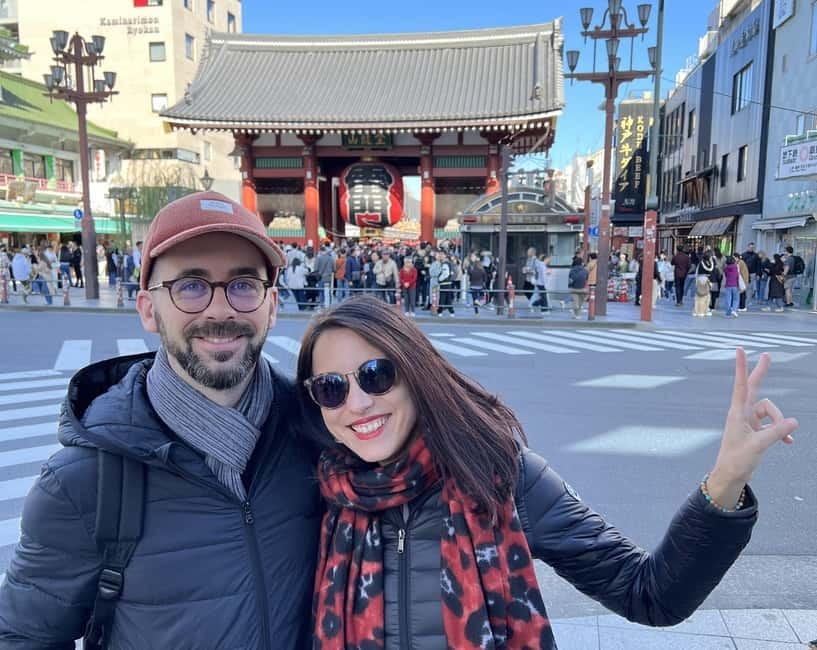
- Starting at Kaminarimon: Tokyo’s most famous gateway, made meaningful
- Sumida River time: isolation, reopening, and modern echoes at Odaiba
- Getting your spiritual map at the Asakusa Culture Tourist Information Center
- Kaminarimon to Nakamise: gates and shopping street symbols
- Hozomon Gate: a 1,000-year similarity you can’t unsee
- Sensō-ji Temple: Japan’s oldest Buddhist temple, explained clearly
- Asakusa Shrine: the shared grounds lesson that lands hardest
- Who this tour fits best (and who should skip it)
- Practical value: how to get the most from the 2 hours
- Should you book this Asakusa history walk?
- FAQ
- How long is the Asakusa Big-picture History Walk?
- What does it cost?
- Where is the meeting point?
- Is the tour guided and in English?
- What is included in the price?
- Do I need hotel pickup?
- What should I bring?
- Does the tour run in bad weather?
- Is it suitable for everyone?
- Can children join?
Key things that make this Asakusa tour worth your time
- River-first history at the Sumida gives context for Japan’s isolation and later opening
- Clear Buddhism vs Shinto explanations at real sites, not in a classroom
- Ukiyo-e to Europe storytelling that shows how art travels across oceans
- Dragon symbolism explained in a way that’s easy to remember
- 1,000-year religious coexistence you can literally walk through at the end
- Engaging English guiding, with examples from past guides like Choco, Sachi, Yasu, and Yoko
A big-picture Asakusa walk that actually connects the dots
Asakusa can feel like a scene set for photos. That’s exactly why this tour works: it treats those photos as evidence in a story. You walk through gates, streets, and temples while your guide explains the beliefs and historical forces that shaped Japan. By the end, you don’t just know what’s there. You understand how it got there—and how Japan connected to the world long before modern headlines.
The price, $58 per person, is pretty reasonable once you factor in what you’re getting for two hours: a certified English guide, traditional snack tastings, and headsets for groups of 3 or more so you don’t have to strain to hear. It’s also not one of those tours where every stop is “look left, take a picture.” Each landmark has a purpose in the overall arc.
This is the kind of tour where a good guide makes a big difference. In past departures, guides like Choco, Sachi, Yasu, and Yoko were singled out for being engaging and explain-it-like-I’m-standing-right-here. That matters because the tour lives or dies on explanations.
You can also read our reviews of more walking tours in Tokyo

Starting at Kaminarimon: Tokyo’s most famous gateway, made meaningful
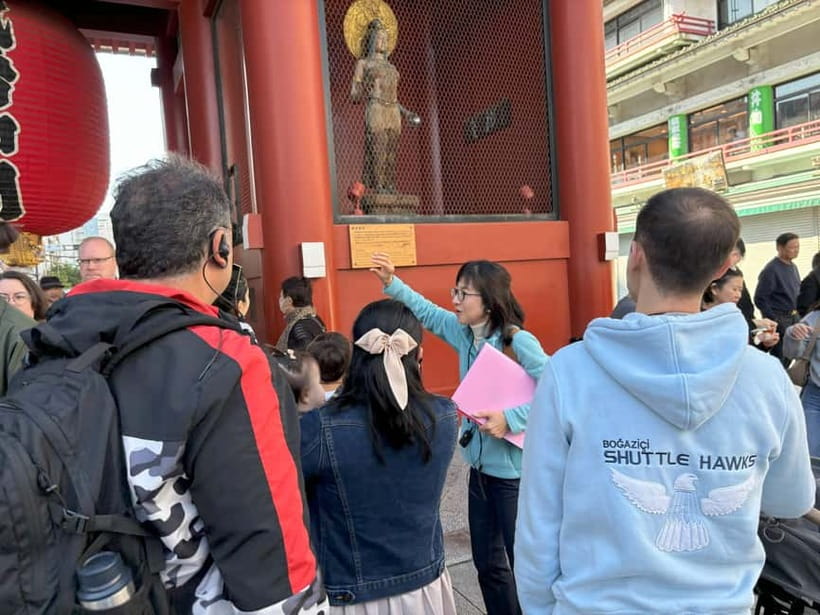
Your meeting point is practical: in front of a Burger King next to Exit 4 of Asakusa subway station (Ginza line, G19). You step outside when you reach Exit 4, then you’re set. There’s no hotel pickup, so arrive under your own steam, wear comfortable shoes, and bring water.
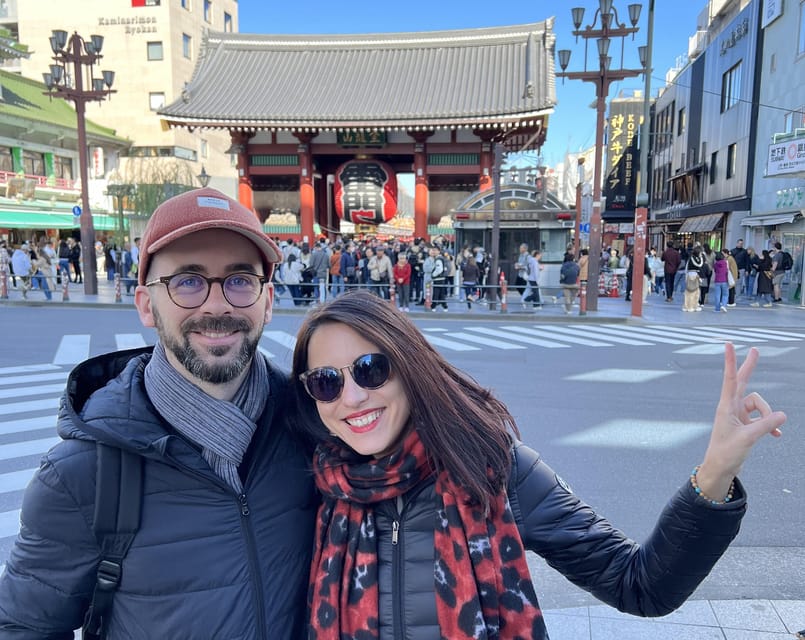
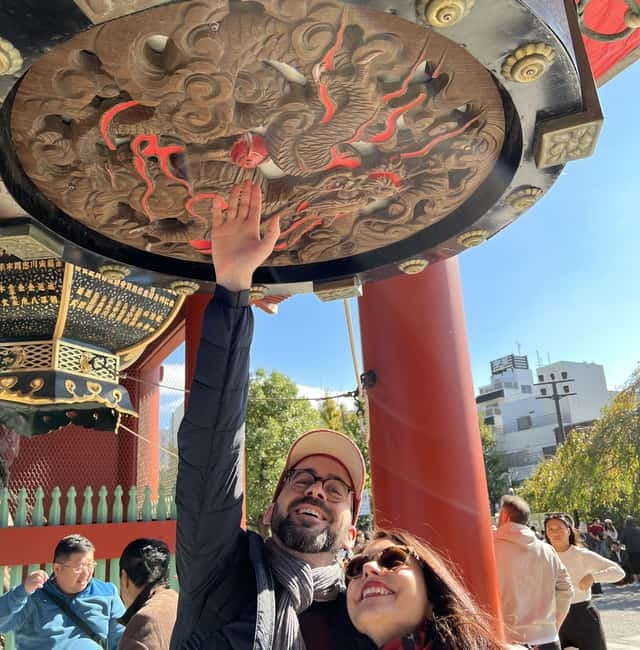
Then the tour gets you oriented fast with the Kaminarimon (Thunder) Gate. This is where most first-time visitors pause for photos, but your guide uses it as a shortcut into symbolism. One of the most memorable ideas you’ll hear is a comparison between Japanese and Western dragons. The Japanese dragon’s role is described as opposite to the Western one—small detail, big payoff. You start seeing how culture changes meaning even when the imagery looks similar at first glance.
From there, the story stays focused. You’re not only learning about Asakusa. You’re learning about how Japan frames belief through objects, gates, and public space.
Sumida River time: isolation, reopening, and modern echoes at Odaiba
The tour starts its history engine along the Sumida River at the Tokyo Cruise Asakusa Pier. Even if you’ve already read the basics of Japanese history, this part helps because your guide connects the “why” to the geography. The Edo period isn’t presented like a sealed-off museum. It’s explained as a deliberate choice to control the world.
You’ll hear the core plot: the Edo shogunate sealed the country for over 200 years. Only the Netherlands was permitted to trade, which shaped what information and goods could reach Japan. Then the story turns toward pressure from abroad, including how Admiral Perry’s arrival forced Japan to reopen.
What makes this worth it is the bridge to modern Tokyo. The guide draws lines you can still see today, including references to Odaiba’s former gun batteries and a Statue of Liberty replica facing the Pacific. It’s not just history theater. It’s a way of reading the city you’re actually standing in.
If you like travel that helps you interpret what you see later, this river start delivers.
Getting your spiritual map at the Asakusa Culture Tourist Information Center
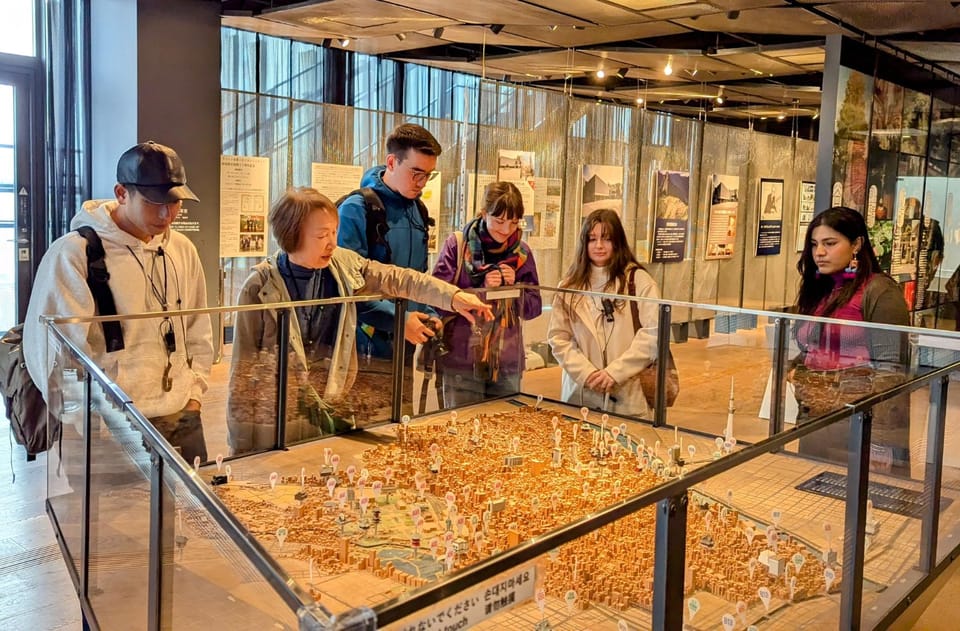
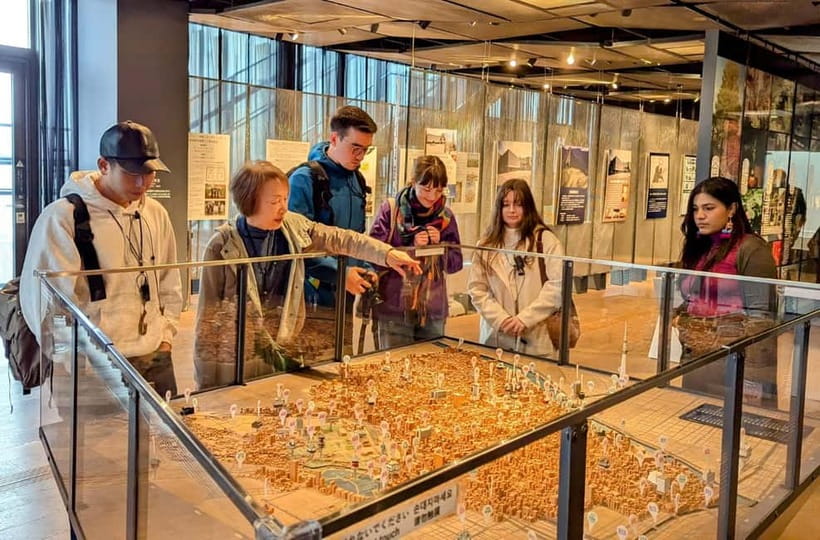
Before you hit the bigger temple moments, you get a short grounding stop at the Asakusa Culture Tourist Information Center. This isn’t a filler administrative break. It’s where the guide sets up the two major religions you’ll keep seeing in Asakusa: Buddhism and Shinto.
If you’ve ever felt confused by Japanese shrine vs temple signage, this is where it gets clearer. You’re essentially building a mental checklist:
- what worship tends to look like in a shrine setting
- what prayer and ritual looks like at Buddhist sites
- why these differences matter when you’re trying to be respectful
By the time you walk into Senso-ji and the Asakusa Shrine area later, you’ll recognize patterns instead of just being impressed by architecture.
Kaminarimon to Nakamise: gates and shopping street symbols
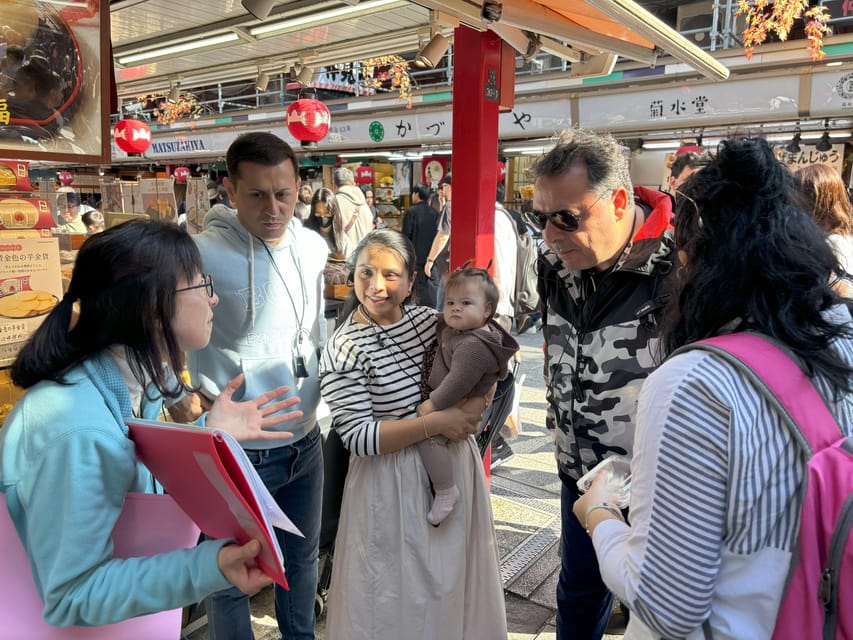
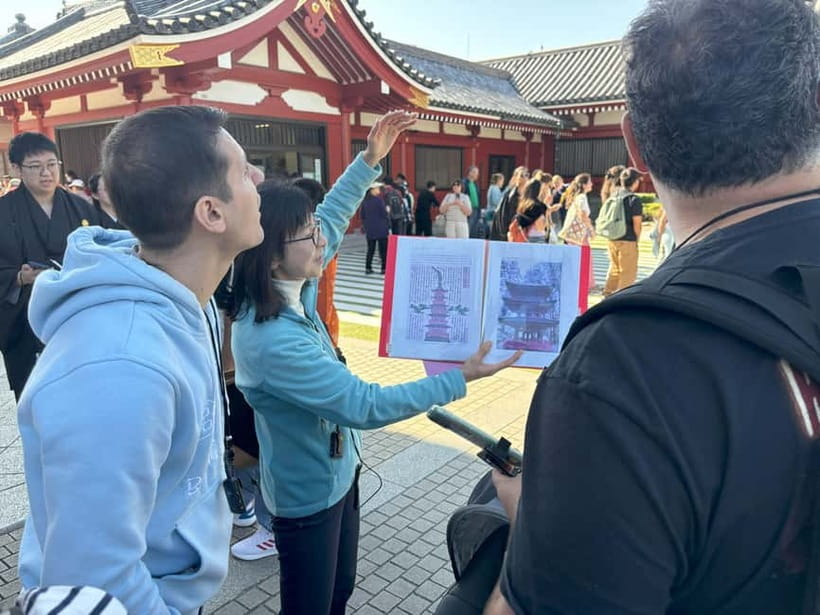
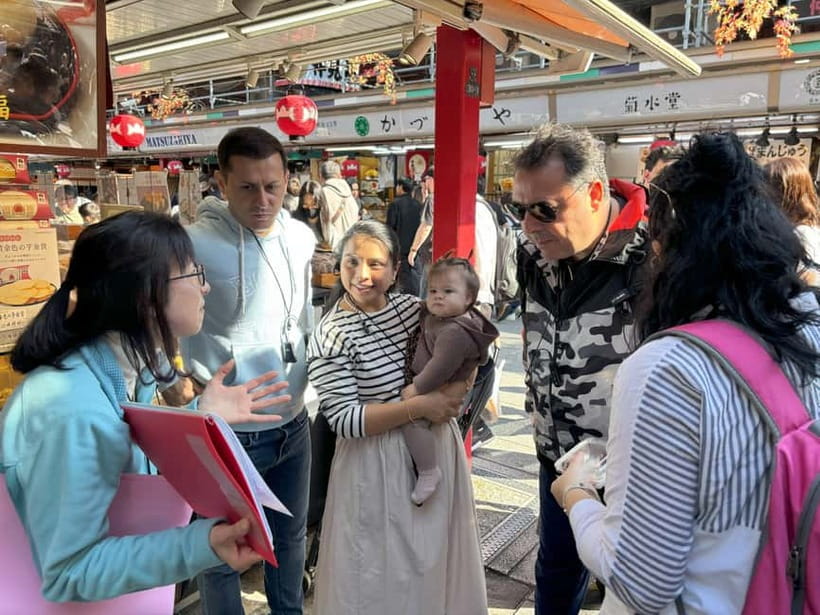
From Kaminarimon you step into Nakamise Shopping Street, one of Japan’s oldest shopping streets. This is where you get a cultural training course wrapped in snacks and storefronts. The guide points out Buddhist symbols, including the vajra (tokko). You’re not stuck guessing what those shapes mean. Someone helps you decode the visuals.
And then there’s the art story. Nakamise becomes a gateway to how ukiyo-e woodblock prints changed the world. Your guide explains how these prints found their way into Europe and inspired Western Impressionist painters. That’s the kind of connection that makes a neighborhood feel larger than the map.
Practical note: this section includes traditional snack tastings as part of the tour. That’s a small extra cost value, and it also keeps the pace friendly when the street gets crowded.
You can also read our reviews of more historical tours in Tokyo

Hozomon Gate: a 1,000-year similarity you can’t unsee
At Hōzōmon Gate, the tour pivots into one of its most surprising claims: Japan and the West shared remarkably similar ways of thinking about religion about 1,000 years ago. Your guide uses the gate as the stage for that comparison.
Even if you’re skeptical by nature, this part works because it’s taught as a perspective shift, not a history quiz. You learn to notice the human logic behind symbols and rituals across cultures. And that makes the rest of the tour click, especially the explanations that follow.
This is also where the tour’s big-picture theme really shows. The guide repeatedly turns a site into a clue for the next idea. If you like walking tours that keep moving the story forward, you’ll feel the momentum.
Sensō-ji Temple: Japan’s oldest Buddhist temple, explained clearly
Next is Sensō-ji Temple, Japan’s oldest Buddhist temple. This is the “main event” stop for most people, but it’s also where the guide does his best work: you get comparisons between medieval Japan and Europe, plus an explanation of how prayer differs in Buddhism and Shinto.
That difference matters because it changes how you behave. If you understand that shrine and temple practices aren’t interchangeable, you’re more likely to act respectfully without overthinking every gesture.
Architecturally, you’re seeing one of Asakusa’s core anchors. Spiritually, you’re also seeing how Buddhism became public-facing in everyday life—less abstract than it might seem in textbooks. The tour doesn’t ask you to memorize dates. It asks you to watch what people do and connect it to belief.
If you’re visiting Asakusa during festival time, you might notice extra energy around Senso-ji. One past guest watched the mikoshi parade during Sanja Matsuri, and the guide helped connect what they were seeing to meaning. Even if you’re not there for a festival, the temple still gives you plenty to notice.
Asakusa Shrine: the shared grounds lesson that lands hardest
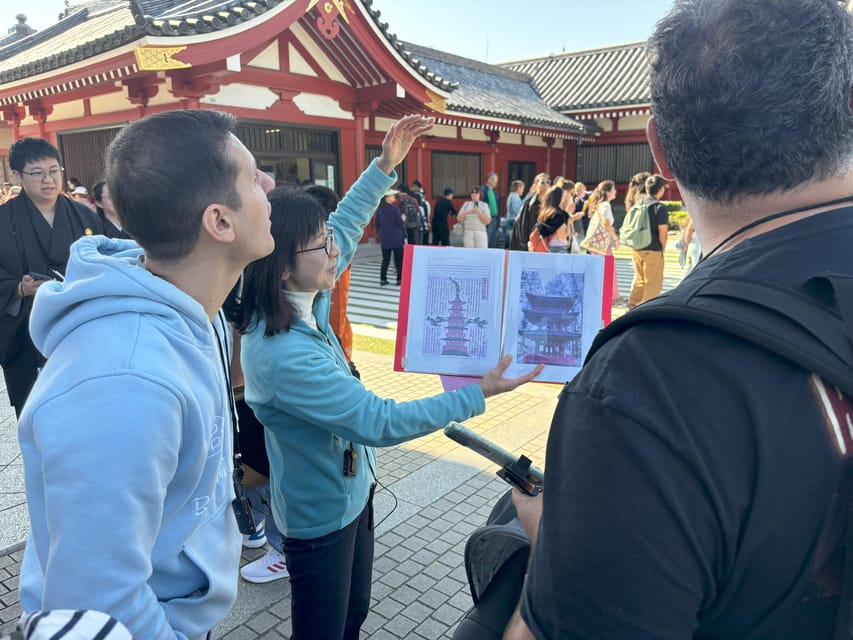
The tour ends at Asakusa Shrine, and this is where the “why it matters” approach pays off most. The guide explains the shock-and-awe idea that you’re looking at a place where a Shinto shrine and a Buddhist temple share the same grounds—and have for over a millennium.
This is the kind of religious coexistence you don’t see clearly elsewhere in the same form, and it’s why the tour title works. You can walk through the area and understand coexistence as lived practice, not a slogan.
You’ll also learn why this arrangement happened and how worshippers historically moved through shared sacred space. It helps you understand Japan’s long tendency toward pragmatism in religious life: people can honor different spiritual systems without treating them like mutually exclusive identity labels.
It’s a peaceful ending. And it leaves you with a mental picture you’ll carry into the rest of your Tokyo days.
Who this tour fits best (and who should skip it)
This is a smart fit if you want more than “what to photograph.” You’ll enjoy it if:
- you like explanations that tie landmarks to history
- you’re curious about how religions coexist and function in daily life
- you like cross-cultural stories, like Japanese art influencing Europe
It may be less ideal if:
- you need step-by-step accessibility support (it’s not suitable for mobility impairments)
- you have a hard time with moderate walking
- you prefer totally free-form wandering with no structured stops
Kids can join (children under 6 join without charge), and past families reported that guides kept kids engaged with activities like fortune telling at the temple entrance. Still, because the focus is big-picture history, it’s most comfortable for adults who want context—families included.
Practical value: how to get the most from the 2 hours
Two hours goes fast, so your best move is to arrive ready to walk and listen. The tour includes headsets for groups of 3 or more, which helps a lot when you’re near busy street noise. Bring water and dress for the weather. It runs rain or shine.
Also, don’t treat each stop as a separate tourist item. Treat it like a chain:
- river history explains isolation and opening
- spiritual basics explain what you’ll see later
- gates teach symbolism
- temples turn belief into lived practice
- the shrine ending proves coexistence is not just theory
That’s how you maximize the “big picture” promise.
Should you book this Asakusa history walk?
I’d book it if you want your first Asakusa experience to feel like orientation plus story. You’re paying for interpretation: a certified English guide, smart pacing across key sites, and explanations that connect Japan’s isolation, religious life, and global cultural influence.
Skip it if you mainly want casual roaming with minimal structure, or if mobility constraints make a moderate walk difficult. If either of those is you, you’ll likely be happier doing Asakusa at your own pace.
If you like walking tours that turn a famous neighborhood into a coherent lesson, this one is a strong choice—especially because it ends with the kind of religious coexistence you can actually see, not just read about.
FAQ
How long is the Asakusa Big-picture History Walk?
The tour lasts 2 hours, with a moderate amount of walking.
What does it cost?
It costs $58 per person.
Where is the meeting point?
Meet in front of a Burger King next to Exit 4 of Asakusa subway station (Ginza line, G19). Step outside when you reach Exit 4.
Is the tour guided and in English?
Yes. It includes a live English-speaking guide and an English audio guide.
What is included in the price?
The tour includes a certified guide, a walking tour, headsets to hear the guide clearly for groups of 3 or more, and traditional snack tastings.
Do I need hotel pickup?
No. Hotel pickup and drop-off are not included.
What should I bring?
Bring comfortable shoes and water, plus weather-appropriate clothing.
Does the tour run in bad weather?
Yes, it operates rain or shine.
Is it suitable for everyone?
It involves moderate walking and is not suitable for people with mobility impairments. If you have mobility issues, you should contact the supplier before the tour.
Can children join?
Children younger than 6 may join for free, and the tour is recommended for adults due to its historical focus, though families are welcome.