REVIEW · TOKYO
Tokyo Imperial Palace Historical Walk and Food Tasting Tour
Book on GetYourGuide →Operated by Fantasy Travel Japan · Bookable on GetYourGuide
Strolling past palace walls in central Tokyo feels like stepping into a time machine. This Imperial Palace historical walk pairs an expert English guide with an Edo Castle story line, plus a traditional snack only available at the palace area. Two things I especially liked: the way the stops connect to shogun-era Tokyo, and how the guide points out details you would miss wandering alone. One drawback to plan for: you do not get into the Emperor’s residence, and parts of the experience are outside with a security check involved.
You’ll start from a well-known meeting point and then walk through a sequence of gates, gardens, guardhouses, and ruins that map out how power was organized in different eras. The route also includes a short tea-house shopping stop, a vending-machine drink, and plenty of chances for photos. The timing is tight at 2 hours, so wear shoes you can walk in for steady outside walking, rain or shine.
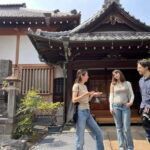
I also enjoyed the human touch from guides like Masa and Rini, who keep explanations clear and friendly. Still, this is not built for everyone: it’s not suitable for wheelchair users, and it isn’t a good fit if you want a calm, slow, totally sheltered stroll.
In This Review
- Key highlights you can actually use
- A 2-hour walk that turns Tokyo landmarks into stories
- Meeting at Starbucks near the Imperial Palace moat
- Sakurada Tatsumi Yagura to Ote-Mon Gate: the palace edge in focus
- Guardhouse stops that show how control worked daily
- Ninomaru Garden plus a quick tea stop at 諏訪の茶屋
- Edo Palace Ooku site and castle ruins: the areas behind the walls
- East Gardens stone hut and the Fujimi defensive sequence
- The food tasting: one palace snack plus a vending drink
- Price and what makes it feel like value
- What to wear and how to handle the security check
- Who should book this Imperial Palace historical walk
- Final call: should you book Fantasy Travel’s tour?
- FAQ
- Where is the meeting point, and how do I find the guide?
- What food and drinks are included?
- Can you enter the Emperor’s residence?
- Is there a security check?
- What should I bring or wear for this tour?
- Is the tour wheelchair accessible?
Key highlights you can actually use
- A limited Imperial Palace snack that you can’t just swap for any street treat
- Edo Castle context tied directly to what you see on the grounds
- Photo-friendly pacing with intentional stops and guidance for pictures
- Short tea-house time at 諏訪の茶屋 for a quick look and small purchases
- Outside walking with a security checkpoint, so dress for weather and plan for calm, orderly entry
A 2-hour walk that turns Tokyo landmarks into stories
This tour works because it does one smart thing: it treats the Imperial Palace grounds like a map. You’re not just looking at pretty walls and gates. You’re learning how the area functioned as the political center of Japan, from shogun-era Edo Castle connections to the later palace layout.
The time window—just about 2 hours—also makes it easier to fit into a Tokyo day without feeling like you lost half your trip. You’ll cover a compact route, but it still feels like you’re getting a full, organized narrative rather than random sightseeing.
I like that the experience includes both interpretation and food. The historical stops keep your attention focused, then the snack and drink give you a real break at a believable moment in the flow, not a rushed cafeteria stop.
You can also read our reviews of more walking tours in Tokyo

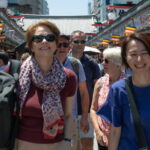

Meeting at Starbucks near the Imperial Palace moat
You’ll begin at スターバックス コーヒー 皇居外苑 和田倉噴水公園店. That’s convenient because it’s easy to locate and it’s a place you can use as a mental anchor before you step into the palace perimeter.
Your guide will be holding an aircraft-logo sign board for Fantasy Travel. The provided coordinates are 35.6831277, 139.7611623, which is handy if you prefer navigation apps over hunting with your eyes.
This matters more than you might think. With a tour that moves through multiple stops in a short time, arriving on time affects the whole rhythm. If you’re the type who always arrives early just to be safe, you’ll enjoy how straightforward this start point is.
Sakurada Tatsumi Yagura to Ote-Mon Gate: the palace edge in focus
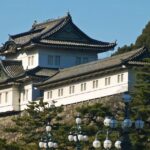
Right after meeting, you head toward Sakurada Tatsumi Yagura, a stop that sets the tone for the walk. A yagura is typically one of those turret-like structures people associate with castle defense, and seeing it in context helps you connect the modern Imperial Palace grounds to the older Edo Castle layout.
Next comes the Ote-Mon Gate area. Gates on this kind of property are not just entrances. They’re checkpoints—places where movement is controlled, and where the design tells you how serious the setting was.
A quick note on pacing: each early stop is brief, so you’ll want to keep your expectations realistic. This isn’t a long museum-style session where you sit and read every plaque. It’s more like being guided through a sequence where the explanations give you meaning fast.
Guardhouse stops that show how control worked daily
If you like history that feels practical rather than abstract, the guardhouse sequence is where this tour starts to click.
You’ll visit the Constable Guardhouse and then the Hyakunin Bansho Guardhouse. Even without getting stuck in heavy detail, these names point you toward the everyday reality of protection and staffing in older Tokyo. The guide’s job here is to help you see the function of these structures, not just their appearance.
These segments also work because the guide can explain what you’re seeing in a way that doesn’t rely on you being a Japan-history expert. From the experience descriptions, the goal is clear: you get hidden or hard-to-find context that you probably won’t get by reading guidebooks on your own.
If you’re the person who keeps asking why a place is arranged a certain way, you’ll probably enjoy this part most.
Ninomaru Garden plus a quick tea stop at 諏訪の茶屋
After the guardhouse stops, you move toward Ninomaru Garden. This is one of those transitions that makes the tour feel more like a full outing instead of a pure history march. Gardens give your eyes a break, and they help you reset before the walk heads back into the more defensive and structural parts of the estate.
Then you reach 諏訪の茶屋. This is a short stop that includes shopping and sightseeing time. In a 2-hour tour, that’s exactly the right amount of time to browse without turning the whole experience into a shopping trip.
I like that this tour doesn’t pretend food is the only goal, but it also doesn’t ignore the pleasure side. Tea-house time adds a local texture to the day, especially if you like picking up small souvenirs that relate to the setting.
You can also read our reviews of more food & drink experiences in Tokyo



Edo Palace Ooku site and castle ruins: the areas behind the walls
One of the most interesting named stops on the route is the Former Site of Edo Palace Ooku, described as the Imperial Kitchen area. Even if you don’t see a building preserved from that era, the fact that the site is identified as the former kitchen gives you a different angle on power. The story shifts from rulers and gates to the systems that kept the palace running.
Next you pass through Edo Castle Ruins. Ruins are a special kind of sight in Tokyo because so much is layered. You can stand in a place that looks calm today and still understand that it used to be part of the machinery of governance.
This is also where the guide’s explanations can really matter. If you’re only looking visually, ruins can feel like nothing but foundations. With the guide’s context, it becomes a story about what used to occupy the ground and why it mattered.
East Gardens stone hut and the Fujimi defensive sequence
As the walk continues, you’ll hit several defense-structured stops in a row: Stone Hut Imperial Palace East Gardens, Fujimi-tamon Defense House, and Fujimi-yagura. The names alone tell you the theme: this section is designed to help you see how the estate evolved from castle-style defense logic into the later palace grounds.
Then there’s the Site of Edo Castle Honmaru (Main Hall). In many castles, the main hall area is where the center of authority sat. Even though you’re visiting a site rather than stepping inside a preserved interior space, it gives you a strong anchor point for understanding Edo-era organization.
Right after that, you’ll also move through 中之門跡 and Obansho Guardhouse. This is the kind of sequence that can feel repetitive if you don’t get explanations, but it works when the guide links each stop to a bigger picture.
If you enjoy structure—gate, guardhouse, defense, main area—this block will feel satisfying.
The food tasting: one palace snack plus a vending drink
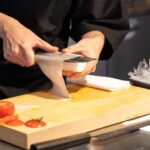
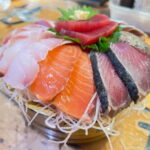
This tour is unusually clear about food. You get 1 traditional snack only at Imperial Palace and 1 drink from a vending machine near the store.
That palace-only snack is a big part of the value. Plenty of Tokyo tours offer snacks, but the ones worth doing are the ones you can’t easily replicate on your own. Here, the snack is part of the experience design, not an afterthought.
You should also understand what food timing likely feels like: since the tour is mostly a guided walking route, the snack and vending drink give you a chance to recharge without delaying the walk too much. It’s a practical break that keeps the historical flow going.
If you’re the type who likes trying one meaningful local item rather than eating your way through every neighborhood, this plan fits you well.
Price and what makes it feel like value
At $19 per person for about 2 hours, the price sounds low for central Tokyo with a guide included. The value comes from three things working together:
- You’re paying for interpretation tied to the grounds you’re walking through, not just entrance-level sightseeing.
- You get a snack that’s specifically described as available only at the Imperial Palace area.
- The guide also provides photos and places for photos, which can save you from the awkward stop-and-start problem of solo sightseeing.
The one caution is that you’re not paying for palace-residence access. The Emperor’s residence is not open to the public. So if your dream is an interior visit, you’ll want to adjust your expectations now.
Done right, this tour feels like a fast, focused primer that makes everything you see afterward in Tokyo make more sense.
What to wear and how to handle the security check
Expect a walking tour with a good portion outside. That means you need comfortable clothes and comfortable shoes or sports shoes. If rain shows up, you’ll still be walking—so dress like you’re actually going to be outside for a couple hours, not just moving between indoor stops.
You also need to be ready for a security check to enter the Imperial Palace grounds. The Emperor’s residence itself is not open to the public, but you still go through the process to enter the area you can access.
If you like photos, bring a camera. There are many great photo spots on this route, and the tour is designed to help you take pictures without wasting time.
One more practical point: this is a walking experience with limited room to pause. If you need long rest breaks, build that time outside the tour.
Who should book this Imperial Palace historical walk
This fits you best if you want:
- A short tour that teaches the Edo Castle connections without needing a history degree
- A guided walk where the guide helps you notice details you’d miss
- A light food experience that includes something specific to the palace area
It may not fit as well if:
- You need step-free access or rely on a wheelchair (it’s not suitable for wheelchair users)
- You want to see the Emperor’s residence interior (it is not open to the public)
- You prefer totally unscripted wandering with no security process
Guides like Masa and Rini are described as friendly and informative, and that matters here. The grounds are easy to look at, but it’s the guide who turns the route into a story you can remember.
Final call: should you book Fantasy Travel’s tour?
I think it’s worth booking if you want a compact, guided way to understand how the Imperial Palace grounds connect to Edo Castle-era Tokyo, and you’re interested in a palace-only snack rather than a generic tasting.
Skip it if your goal is the Emperor’s residence itself or if you need fully accessible walking. Also, if you’re expecting a slow, detailed stroll with long stops at every location, this 2-hour format may feel too quick.
But if you like walking through real places with explanations that help you read what you’re seeing, this one is a strong pick for a first-time or revisit Tokyo day.
FAQ
Where is the meeting point, and how do I find the guide?
You meet at スターバックス コーヒー 皇居外苑 和田倉噴水公園店. The guide is holding a signboard with the Fantasy Travel name and an aircraft logo.
What food and drinks are included?
The tour includes 1 traditional snack at the Imperial Palace and 1 drink from a vending machine.
Can you enter the Emperor’s residence?
No. The Emperor’s residence is not open to the public.
Is there a security check?
Yes. You’ll have to go through a security check to enter the Imperial Palace grounds.
What should I bring or wear for this tour?
Wear comfortable shoes and comfortable clothes, ideally sports shoes. It’s an outdoor walk, so dress for weather. A camera can help because there are many photo spots.
Is the tour wheelchair accessible?
No. The tour is not suitable for wheelchair users.