REVIEW · FUJIKAWAGUCHIKO
From Kawaguchiko: Mt. Fuji Private Tour with a Local Guide
Book on GetYourGuide →Operated by Johnny's Mt Fuji Kawaguchiko Tours · Bookable on GetYourGuide
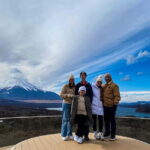
Foggy Fuji days can still be special. This private Kawaguchiko experience brings you to classic Mt. Fuji-area sights plus quieter, more local-feeling corners, all with an English-speaking guide named Johnny. I like the small private group setup because it makes the day feel calm instead of rushed, and you can actually spend time walking and looking.
There’s one catch to plan around: Mt. Fuji visibility changes fast. The route is adjusted based on weather and what you can see, and the tour also does not go to Fuji 5th Station, so don’t book expecting that specific summit viewpoint.
In This Review
- Quick hits before you go
- A 6-Hour Mt. Fuji Private Tour Built for Flexibility
- Pickup Zones Around Kawaguchiko (Narusawa, Fujikawaguchiko, Fujiyoshida)
- Weather and Visibility: How the Day Stays Productive
- Yagizaki Park to Lake Kawaguchi: Starting With Fuji-Friendly Views
- Oishi Park: Photo Stop, Shopping Time, and a Breather
- Kubota Itchiku Art Museum: Culture Intermission Without the Museum-Day Fatigue
- Haha-no-Shirataki Waterfall and Kawaguchi Asama Shrine: Nature + Spirit in One Stretch
- Houtou Fudou Meal Break: Where the Food Advice Matters
- Kitaguchi-hongu Fuji Sengen Shrine and Fujisan Museum: Learn While You Walk
- Oshino Hakkai: Free Time, Market Browsing, and a Real Pause
- Hard Off Pass-By: A Strange Little Stop That Works as a Reset
- Saiko Iyashi-no-Sato Nenba to Arakura Fuji Sengen Shrine: Two Different Kinds of Walk Time
- The Dragon Cave and Lake Motosu: Closing the Day With Variety
- Comfort, Timing, and What to Bring for a Fuji Day
- Price and Value: What $387 Gets Your Group
- Who This Tour Fits Best
- Should You Book This Kawaguchiko Mt. Fuji Private Tour?
- FAQ
- FAQ
- Where does pickup happen?
- How long is the tour?
- Is this a private tour or shared group?
- What does the tour include?
- Does the tour visit Mt. Fuji Fifth Station?
- What is the price?
- Is food included?
- What stops are included?
- Can the itinerary change based on conditions?
Quick hits before you go
- Private group up to 7: easier pacing and more flexibility than a bus day
- Weather-smart timing: the plan shifts to match Mt. Fuji visibility
- Shrines + lakes + walking stops: a mix of views, culture, and short hikes
- Built-in meal break at Houtou Fudou: plus local food advice (you pay for food)
- Oshino Hakkai + market time: you get a realistic chance to browse and snack
- English live guide: smooth explanations at each stop, not just drop-offs
A 6-Hour Mt. Fuji Private Tour Built for Flexibility
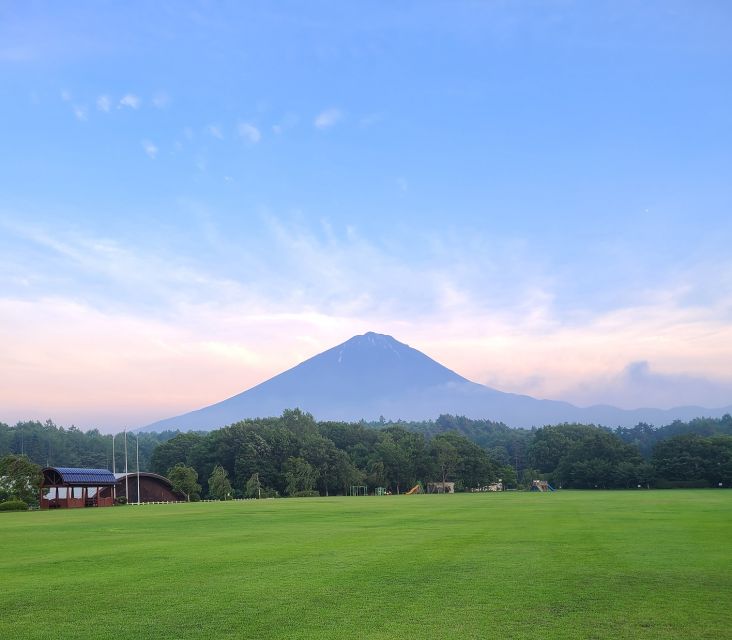
This is a 6-hour private tour based out of the Kawaguchiko area. The pricing is for your group (up to 7 people), so the value gets better the more you share it. If you’re two people, you’ll feel the cost more; if you’re a small family or group of four to six, it starts to look like a smart way to buy time and convenience.
What makes it work is how the day is paced. Instead of bouncing from one photo spot to another, you get a mix of viewpoints and culture, plus enough time in each place to walk around. And because it’s private, your guide can steer the day toward what matters most to you—views, temples, museums, lakes, or a mix.
Also, note what you are and aren’t getting: this tour focuses on the Kawaguchiko region and nearby highlights, and it skips the Fuji 5th Station experience. If that’s a must-do on your Mount Fuji checklist, this might not fit.
You can also read our reviews of more guided tours in Fujikawaguchiko

Pickup Zones Around Kawaguchiko (Narusawa, Fujikawaguchiko, Fujiyoshida)
You’re picked up right where you’re staying—within the Fujiyoshida, Kawaguchiko, and Narusawa areas. Pickup options are listed as Narusawa, Fujikawaguchiko, and Fujiyoshida, and you can also meet at key transport points like Kawaguchiko Station and Mt. Fuji Station (plus Fuji-Q Highland Station).
That matters more than it sounds. The Fuji region is spread out, and it’s easy to lose time figuring out trains, transfers, and bus connections. Here, you trade logistics for actual sightseeing time.
At the end, you’re dropped back at one of the three areas again: Fujikawaguchiko, Narusawa, or Fujiyoshida. So you’re not left scrambling for the last local connection after a long day.
Weather and Visibility: How the Day Stays Productive
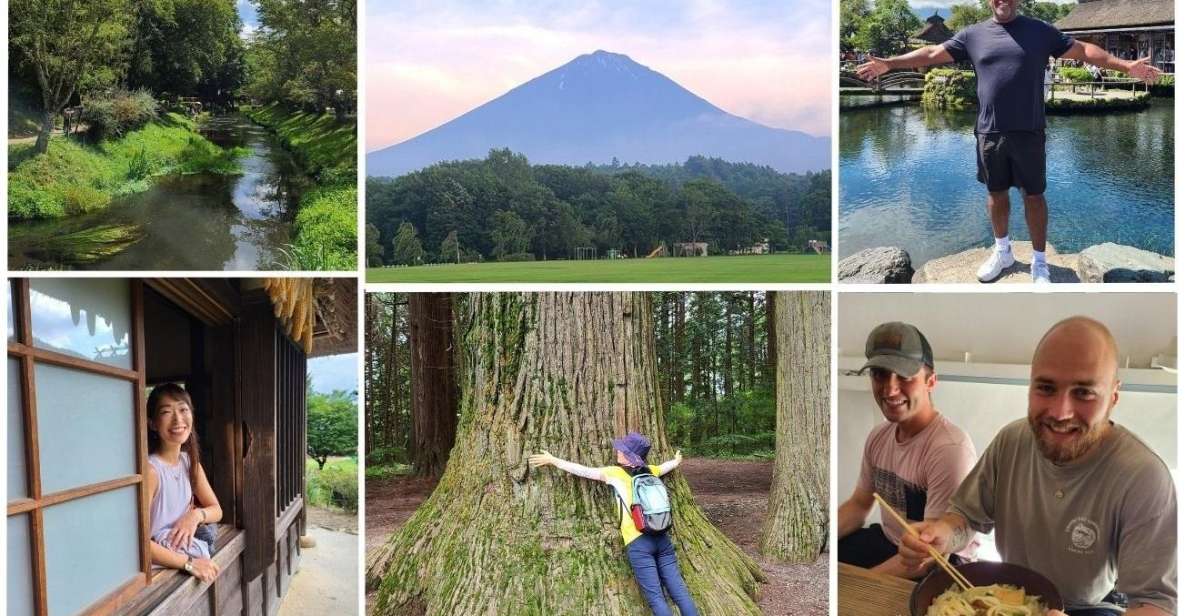
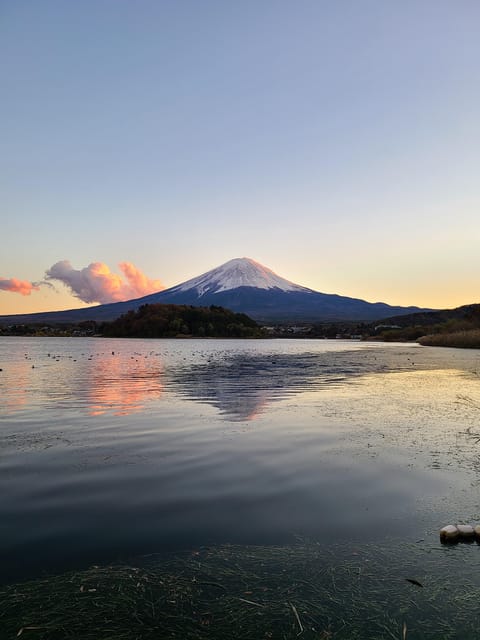
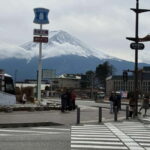
Mt. Fuji has a personality. One hour it’s sharp and dramatic; the next, it’s gone behind clouds. This tour is designed with that reality in mind. The itinerary is based on the day’s weather and visibility, and the guide adjusts the timing and stops so you don’t just ride around hoping.
In practice, this is where a local guide earns their fee. If Fuji is visible, you’ll be set up for good angles and timing. If it isn’t, you still have plenty of things to do: lakes, shrines, waterfalls, cave time, and scenic drives.
It’s also a good choice if you don’t want a strict, one-size-fits-all schedule. The day is flexible enough to accommodate family pacing and personal interests, which is especially helpful if you’re traveling with kids or you’re the type who likes taking extra photos without feeling guilty about slowing everyone down.
Yagizaki Park to Lake Kawaguchi: Starting With Fuji-Friendly Views
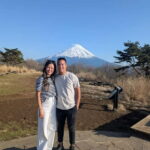
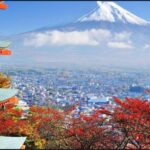
Your morning begins with Yagizaki Park, a quick photo stop plus a short visit (about 15 minutes). This is a smart first stop because it gets you oriented fast. You’ll see how the view angles work in the region, and you can decide how much time you want to spend later for photos.
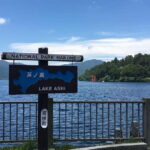
Next comes Lake Kawaguchi (about 15 minutes). You get a photo stop, a visit, and time to enjoy the area as the light shifts. Then there’s a scenic drive and scenic views on the way—so even if the weather isn’t perfect, you’re still getting that “I’m here” feeling.
One practical tip: at lakes, wind can be cold even when the town feels fine. Layers help, and good walking shoes matter because “short” walks can still mean slick ground near water.
Oishi Park: Photo Stop, Shopping Time, and a Breather
After the lake, you head to Oishi Park (about 20 minutes total). The schedule includes photo and visit time plus free time and shopping.
This stop is useful because it breaks the day into manageable chunks. You can step out, take photos, then reset with a browse through souvenir and snack-style shops. If you’re traveling with kids, this is also a good place to let them burn a little energy without committing to a long hike.
If you’re more focused on views than shopping, treat this as a pause that keeps the day from feeling like a nonstop sprint.
You can also read our reviews of more private tours in Fujikawaguchiko
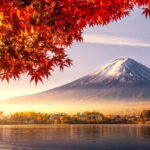
Kubota Itchiku Art Museum: Culture Intermission Without the Museum-Day Fatigue
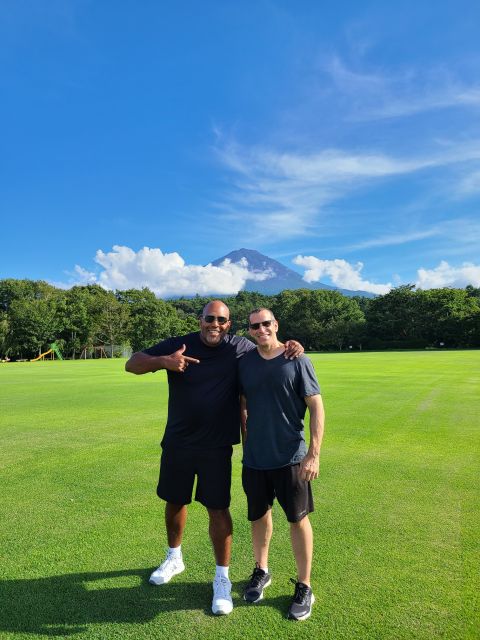
Then you go to Kubota Itchiku Art Museum (about 20 minutes). The plan is photo stop, visit, and sightseeing with scenic driving in between.
You don’t need to be a lifelong art fan to appreciate a stop like this. The timing is short enough to keep the day moving, but it adds variety. A Mt. Fuji day can feel repetitive if it’s all outdoors all the time—this is one way to mix in something indoor and thoughtful before you hit more temples and nature.
If you like slow looking, you can spend your time there carefully. If you prefer outdoors, use the museum as a calm intermission and keep your attention on the parts that catch your eye quickly.
Haha-no-Shirataki Waterfall and Kawaguchi Asama Shrine: Nature + Spirit in One Stretch
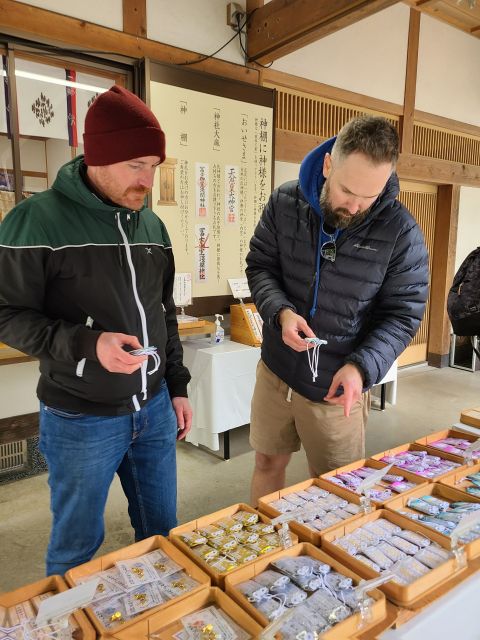
Next up is Haha-no-Shirataki Waterfall (about 20 minutes). You’ll have a photo stop and sightseeing time, plus a walk. This is the kind of stop that works even when Fuji is hidden because the waterfall gives you a different visual “wow” that doesn’t depend on the skyline.
After that, you visit Kawaguchi Asama Shrine (about 15 minutes). You’ll have a photo stop, sightseeing, and walking time.
Shrines in this region feel personal because you’re walking through places that locals actually care about. It’s not just sightseeing scenery. You’ll get a chance to slow down, look up at details, and feel the change in atmosphere from roadside views to spiritual quiet.
Houtou Fudou Meal Break: Where the Food Advice Matters

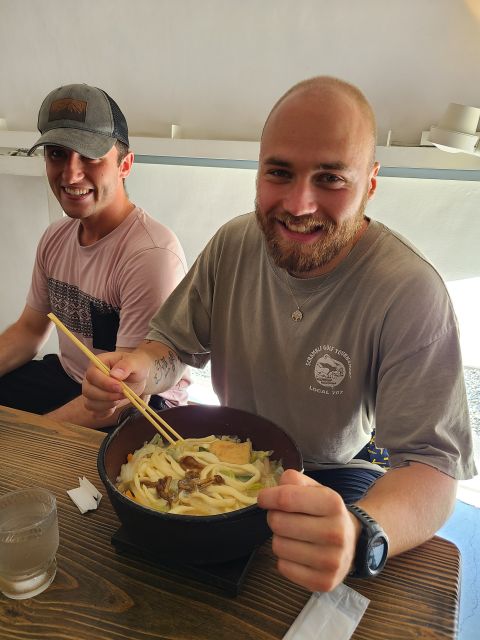
You’ll hit Houtou Fudou for a break time (about 35 minutes). Food and drinks aren’t included, but the tour is built around the idea that you’ll get guidance on where to eat.
Average food costs during the day are about 1,500 to 2,000 yen per person. That’s a realistic range for a proper meal without trying to “optimize” every bite.
This meal break is valuable because it’s scheduled. After hours of walking, you’ll be thankful the day has a plan for eating. And because you’re with an English-speaking local guide, you’re less likely to end up in an overpriced spot that’s convenient but not great.
Kitaguchi-hongu Fuji Sengen Shrine and Fujisan Museum: Learn While You Walk
Then the itinerary includes Kitaguchi-hongu Fuji Sengen Shrine (about 25 minutes): photo stop, visit, sightseeing, and walking. After that, you go to Fujisan Museum (about 20 minutes), with photo stop, visit, sightseeing, and walking.
These are two stops that complement each other. The shrine gives you the spiritual and cultural layer, while the museum adds context. You come away with a clearer sense of how Mt. Fuji connects to the region beyond just views and photo angles.
If you like explanations, you’ll get more out of these stops than a quick pass-by. And if you don’t, it’s still worth it for the pace—walking through shrines and museum spaces breaks up the physical rhythm of the lakes and roads.
Oshino Hakkai: Free Time, Market Browsing, and a Real Pause
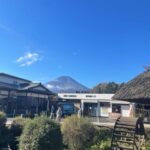
Oshino Hakkai is one of the big draws on the Mt. Fuji side of the region. Here, you’ll get about 35 minutes: photo stop, visit, free time, shopping, food market visit, plus scenic driving and views on the way.
This stop is where you can slow down and choose how you want to spend time. Want to walk for photos? Go first. Prefer snack browsing and souvenirs? Use the market time to sample and compare.
A quick reality check: Oshino Hakkai can feel busy in general. The upside of a private schedule is that you’re not trapped in the worst timing. Your guide can manage the flow so you get a more relaxed experience.
Hard Off Pass-By: A Strange Little Stop That Works as a Reset
Yes, Hard Off makes the schedule as a brief pass-by (about 15 minutes). It’s not the main attraction in the classic sense, but quick stops like this can be useful.
Think of it as a reset point in the middle of the day. If you like quirky local stores, it’s a fun diversion. If you don’t, it’s short enough that it won’t wreck your day.
Saiko Iyashi-no-Sato Nenba to Arakura Fuji Sengen Shrine: Two Different Kinds of Walk Time
After Oshino, you move to Saiko Iyashi-no-Sato Nenba (about 20 minutes). This includes photo stop, visit, sightseeing, walking, and a self-guided tour.
This stop is great if you enjoy wandering without having to constantly listen for instructions. It’s designed for paced exploration, and you can go at your own rhythm while still fitting it into a packed day.
Then the tour heads to Arakura Fuji Sengen Shrine (about 35 minutes), with photo stop, visit, sightseeing, and walking.
This is a good chunk of time. Shrines here often mean more stairs or more walking than you expect, so build in a little energy. If you’re traveling with anyone who needs frequent breaks, this is where you’ll want to plan your pace.
The Dragon Cave and Lake Motosu: Closing the Day With Variety
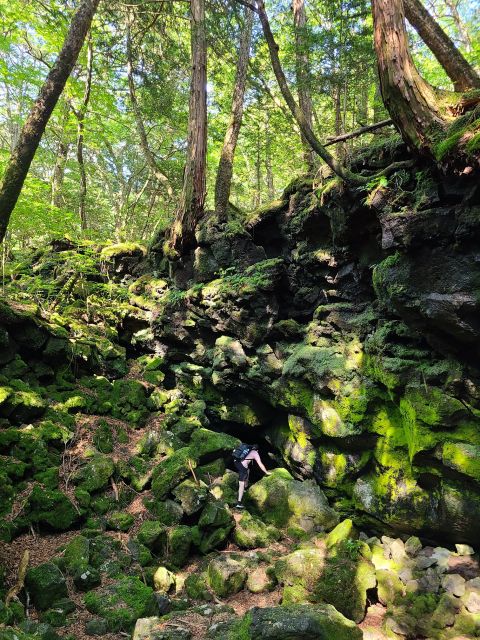
The last nature-heavy stop is The Dragon Cave (about 15 minutes): photo stop, visit, sightseeing, and scenic views on the way.
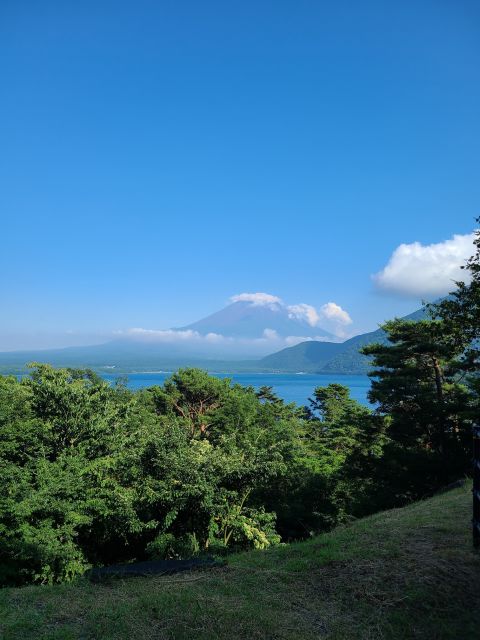
Then comes Lake Motosu (about 30 minutes), with photo stop, visit, sightseeing, plus scenic drive and scenic views.
This ending stretch is a smart finish. You start with viewpoints, you move through culture and walking areas, and then you close with open-sky scenery at a lake. It’s a nice way to keep the day from feeling like it’s been all temples or all crowds.
Also, if Mt. Fuji cooperates at the end, you’ll often get an extra payoff because the light and angle can change while you’re already positioned for it.
Comfort, Timing, and What to Bring for a Fuji Day
A 6-hour day in the Fuji region usually means a lot of getting in and out of the car, short walks, and time standing for photos.
Pack like you’re going to do real walking:
- Comfortable shoes for uneven ground near water and shrines
- A layer for wind and temperature swings
- Rain gear, just in case (weather can change quickly)
If you’re a photographer, this tour has enough scheduled stops that you can plan your settings and take your time, rather than rushing through one scene and moving on before you’re ready.
And because you’re in a private group, you can set expectations early with your guide—pace, photo time, and which stops are highest priority.
Price and Value: What $387 Gets Your Group
At $387 per group (up to 7 people) for 6 hours, you’re buying convenience plus flexibility. The per-person math depends on how many you bring:
- 2 people: about $193 each
- 4 people: about $97 each
- 6 to 7 people: about $55 to $65 each
So the “value” is strongest for families and small groups. But even for couples, the private format can make sense if you want to avoid crowd chaos and you care about timing and photo angles.
Also, the guide is doing more than driving. You’re getting English explanations and local advice—especially on food. Food isn’t included, but the built-in meal break and guidance help you avoid wasting time hunting for something decent on your own.
Transport performance is rated highly overall, with most people giving the transport a perfect score, which matters when you’re spending a full day away from home bases.
Who This Tour Fits Best
This experience is a strong fit if:
- You want a private day rather than a rigid bus schedule
- You care about seeing both the classic highlights and less crowded corners
- You want a guide who can adjust the day based on weather and Mt. Fuji visibility
- You’re traveling as a family, or you want a slower pace than group tours
It may be less ideal if you specifically want the Fuji 5th Station experience, since this tour does not go there.
Should You Book This Kawaguchiko Mt. Fuji Private Tour?
If your goal is a Fuji day that feels personal, paced, and intelligently planned, I’d book it. The mix of lakes, shrines, a waterfall, a cave, and Oshino Hakkai gives you variety without turning the day into a sprint.
I’d also lean yes if you’re okay with the reality that Mt. Fuji visibility depends on the day. This itinerary is built to keep you busy and give you good chances for views—even when weather isn’t cooperating.
Skip it only if Fuji 5th Station is a non-negotiable item on your checklist.
FAQ
FAQ
Where does pickup happen?
Pickup is available from any location within Fujiyoshida, Kawaguchiko, and Narusawa. Pickup options also include Local hotel, Kawaguchiko Station, Mt. Fuji Station, and Fuji-Q Highland Station.
How long is the tour?
The tour lasts 6 hours.
Is this a private tour or shared group?
It’s a private group.
What does the tour include?
Hotel pickup and drop-off are included, along with a live local guide who speaks English.
Does the tour visit Mt. Fuji Fifth Station?
No. This tour does not go to Mt. Fuji Fifth Station.
What is the price?
It’s $387 per group, up to 7 people.
Is food included?
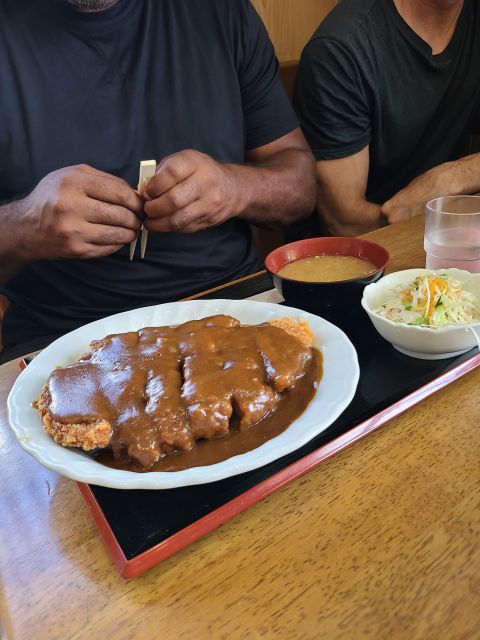
Food and drinks are not included. If you choose to eat during the tour, the average cost per person is about 1,500 to 2,000 yen.
What stops are included?
The schedule includes Yagizaki Park, Lake Kawaguchi, Oishi Park, Kubota Itchiku Art Museum, Haha-no-Shirataki Waterfall, Kawaguchi Asama Shrine, Houtou Fudou (break time), Kitaguchi-hongu Fuji Sengen Shrine, Fujisan Museum, Oshino Hakkai, Hard Off (pass by), Saiko Iyashi-no-Sato Nenba, Arakura Fuji Sengen Shrine, The Dragon Cave, and Lake Motosu.
Can the itinerary change based on conditions?
Yes. The itinerary is based on the day’s weather and visibility of Mt. Fuji, and it’s designed to be flexible around your interests.