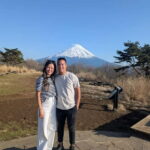
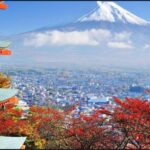
Mt. Fuji without the usual stampede can be magic. I love the private car and the day’s mix of real geology, especially the Narusawa Ice Cave, where volcanic leftovers turn into an ice world. One thing to keep in mind: cave stops may not go exactly as planned if a site is closed on the day, so check that day’s status before you count on every photo moment.
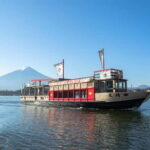
The best part is that you’re not locked into a conveyor-belt schedule. You get time for Lake Kawaguchi views and seasonal flowers, plus a calmer lakeside break at places like Saiko Nenba-hama and Tatego-Hama Beach. Then you finish with a walk through Aokigahara Forest, a place people talk about in dark terms, but where the actual experience is about silence, trees, and the feeling of stepping off the modern map.
In This Review
- Key Things That Make This Tour Worth Your Time
- From Central Tokyo to Mt. Fuji: How the Day Actually Flows
- Oishi Park and Lake Kawaguchi: Seasonal Flowers With Fuji Framing
- Saiko Nenba-hama for Quiet Pause and Easy Lunch Breaks
- Tatego-Hama Beach on Lake Motosuko: Calm Water and Clear Views
- Narusawa Ice Cave: Volcanic Time Capsule (and a Seasonal Reality Check)
- Fugaku Wind Cave: Silkworm-Era Storage Meets Real Geology
- Aokigahara Forest: Tranquility After the Rumors
- Tickets, Food, and Timing: Make It Feel Like a Day Out, Not a Check List
- Is It Worth $577 for Up to 5 People?
- Who Should Book This Tour (and Who Should Reconsider)?
- Should You Book This Mt. Fuji and Aokigahara Forest Tour?
- FAQ
- How long is the tour?
- Is this a private group?
- What’s the pickup area for Central Tokyo?
- What if I’m staying outside Tokyo’s 23 wards?
- Is the driver English-speaking?
- Are entrance fees included?
- Are food and drinks included?
- Can I bring snacks and water?
- Is smoking allowed in the vehicle?
- Is the tour suitable for wheelchair users?
- What should I bring for this day trip?
Key Things That Make This Tour Worth Your Time
- Private pacing in a modern, air-conditioned vehicle so you’re not rushing between stops
- Volcanic geology on full display at Narusawa Ice Cave and Fugaku Wind Cave
- Lake Kawaguchi area timing built around views, photos, and seasonal flower seasons
- Quiet lake beaches like Saiko Nenba-hama and Tatego-Hama Beach for a slower rhythm
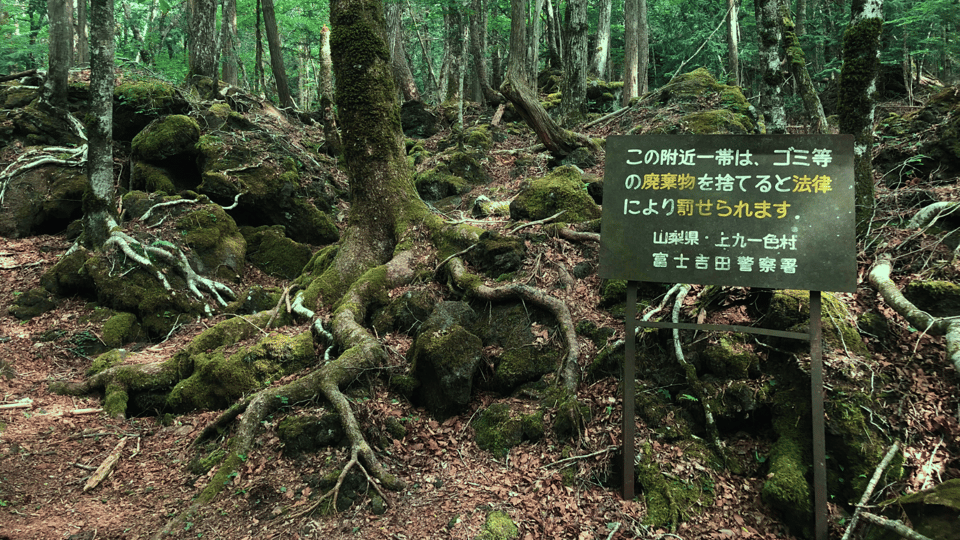
- Aokigahara Forest walking time that’s about nature and atmosphere, not a theme park vibe
- English-speaking driver who can offer travel advice and help you make smart stop choices
From Central Tokyo to Mt. Fuji: How the Day Actually Flows
This is a 10-hour private tour with hotel pickup and drop-off from Central Tokyo. The vehicle is modern, air-conditioned, and comfortable for a full day out of the city, which matters because you’ll spend real time traveling between Fuji-area stops.
The big value here is control. You’re not spending every minute in a large-group format, where you wait for everyone else to shuffle forward. With an English-speaking driver, you can ask practical questions and adjust how long you want at each stop, as long as you still keep the day’s rhythm.
You can also read our reviews of more tours and experiences in Fujikawaguchiko.
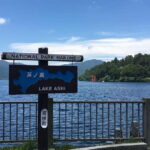
Oishi Park and Lake Kawaguchi: Seasonal Flowers With Fuji Framing
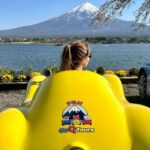
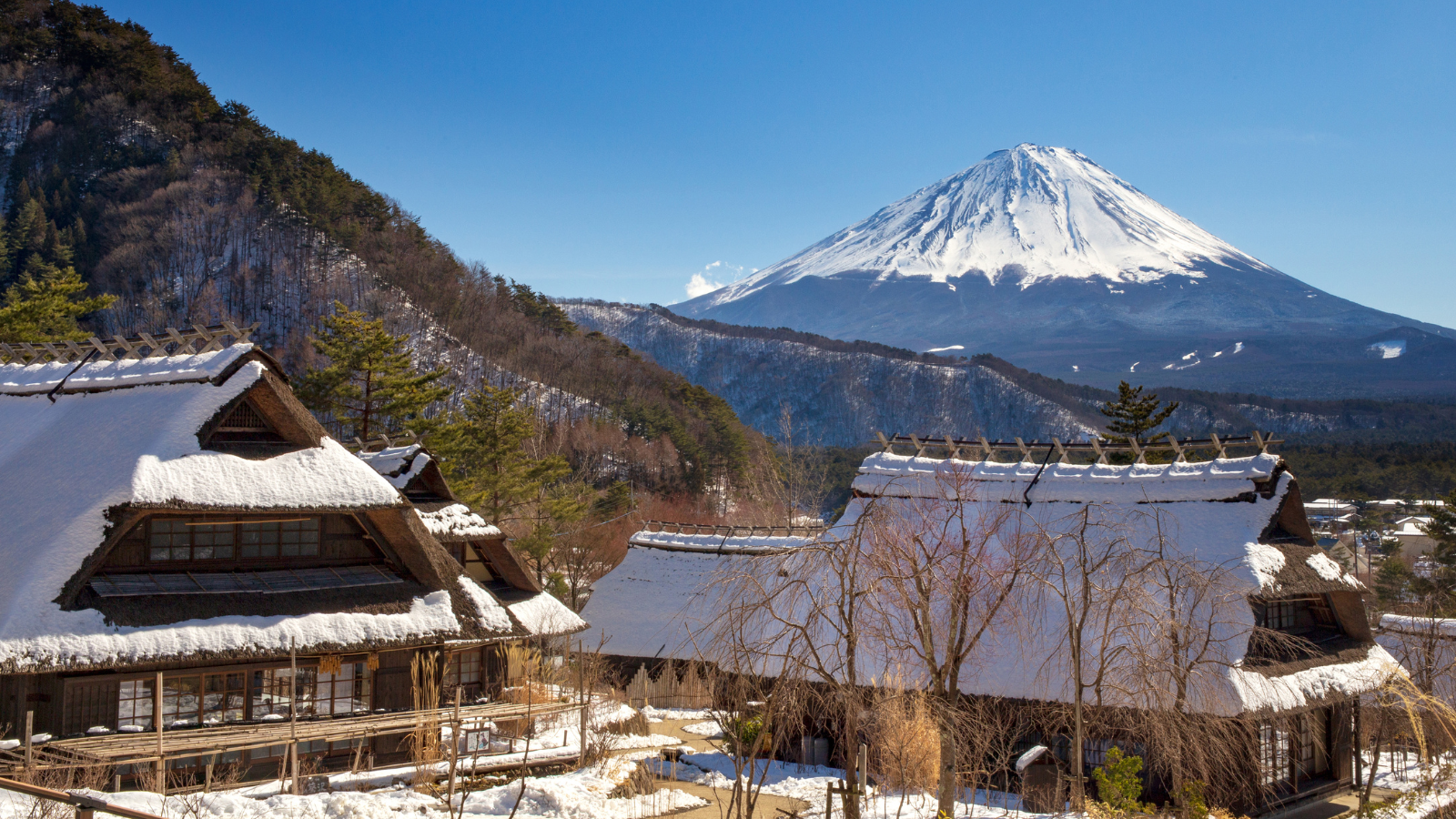
Oishi Park is a classic for a reason: it’s set up for photos and for that moment when Mt. Fuji sits right in your view line. You’ll get about an hour here for sightseeing and a walk, plus photo stops timed for when the light is working in your favor.
What I like about this stop is that it’s not only about the mountain silhouette. Oishi Park is also about seasonal flower scenes around Lake Kawaguchi. Depending on timing, you can get a colorful foreground that makes Fuji photos feel more like a composition than a postcard.
Practical tip: bring your camera and be ready to stand still for a few minutes. Fuji-area views can change quickly with clouds, so you want to be ready when the sky clears.
Saiko Nenba-hama for Quiet Pause and Easy Lunch Breaks
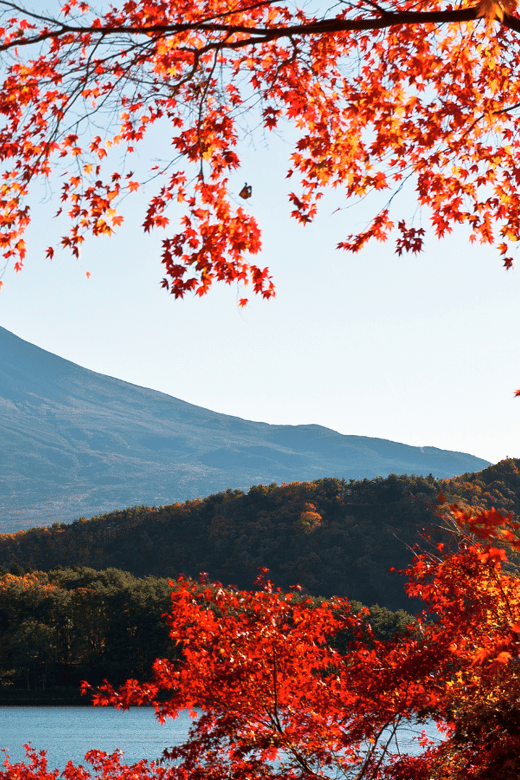
Next up is Saiko Nenba-hama, another lakeside area where the pacing shifts. You get around an hour for sightseeing and walking, and this is a good place to slow down and take care of the basics.
This stop is especially useful if you want a calmer break before you head into underground caves. With food not included, this is one of the best parts of the day for grabbing lunch nearby or using your own snacks strategically.
Tatego-Hama Beach on Lake Motosuko: Calm Water and Clear Views
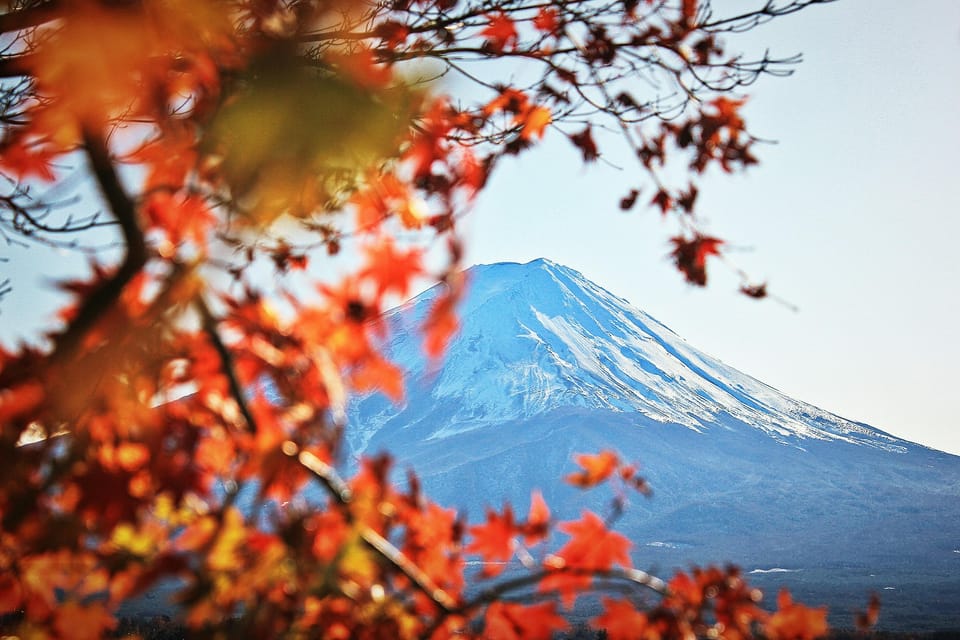
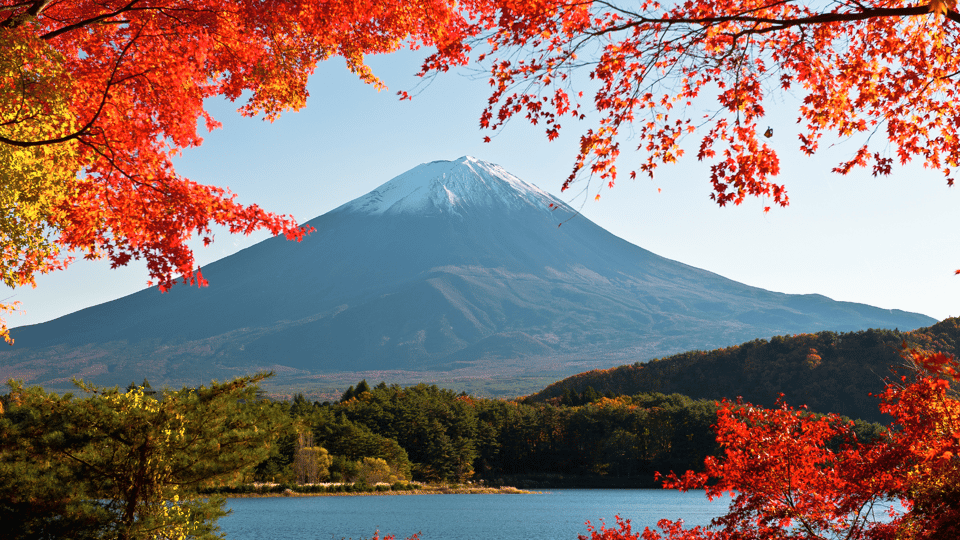
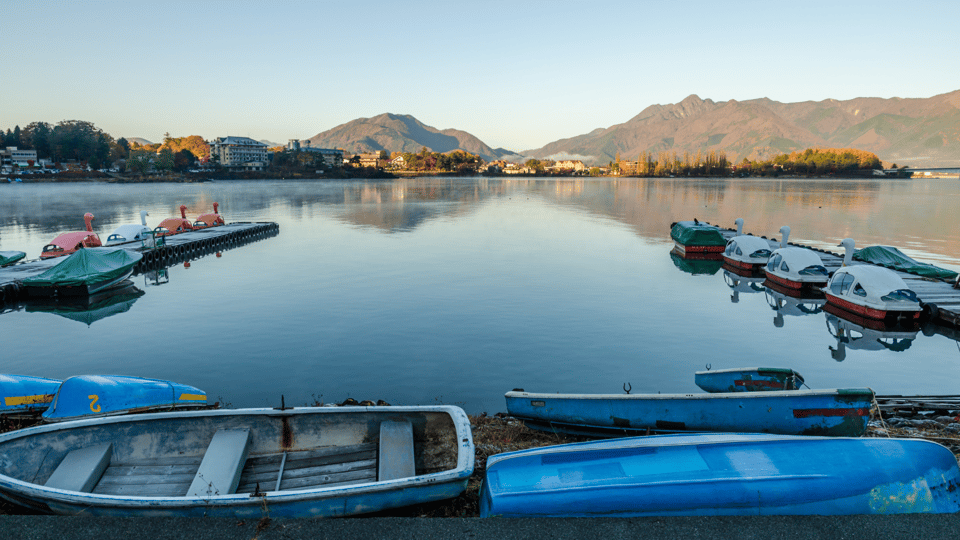
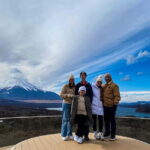
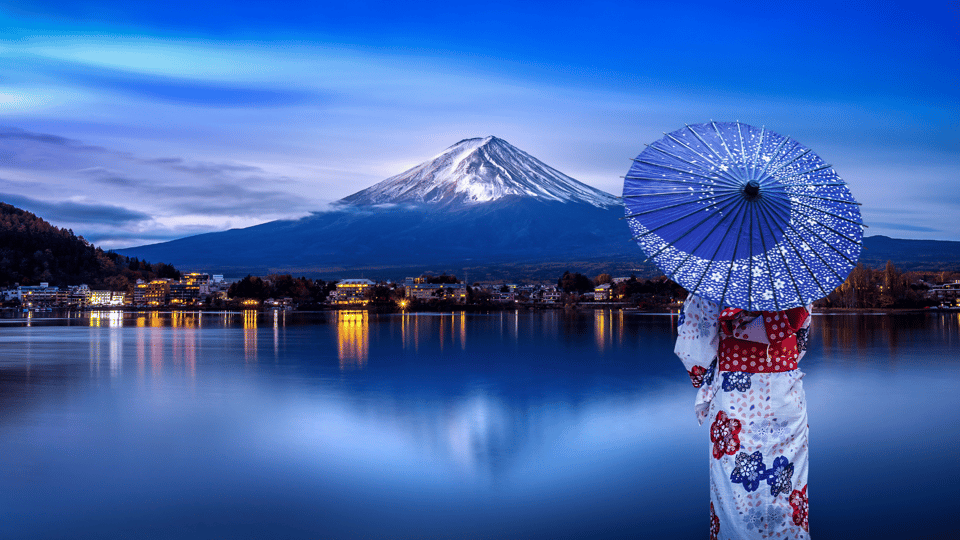
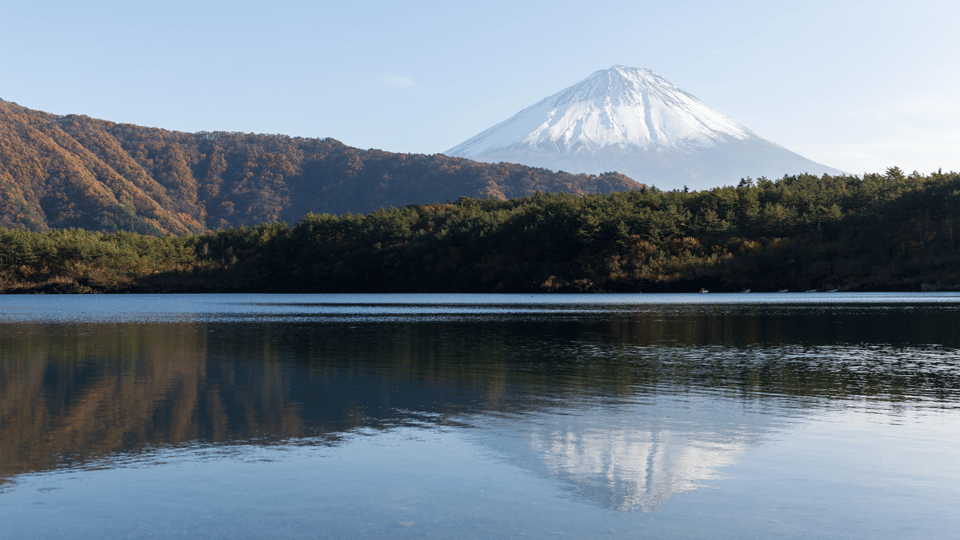
Tatego-Hama Beach is where the day turns scenic and quiet in a more personal way. You’ll have about an hour for photo stops, sightseeing, and walking here, with views of Mt. Fuji over Lake Motosuko.
The practical win: this is a spot where you can linger without feeling like the schedule is squeezing you. If you’re aiming for wide, peaceful Fuji views rather than crowded viewpoints, this is the kind of stop that helps your whole day feel less rushed.
Footwear tip: beaches can be uneven and sometimes a bit slippery near the edges, so comfortable shoes are not optional.
Narusawa Ice Cave: Volcanic Time Capsule (and a Seasonal Reality Check)
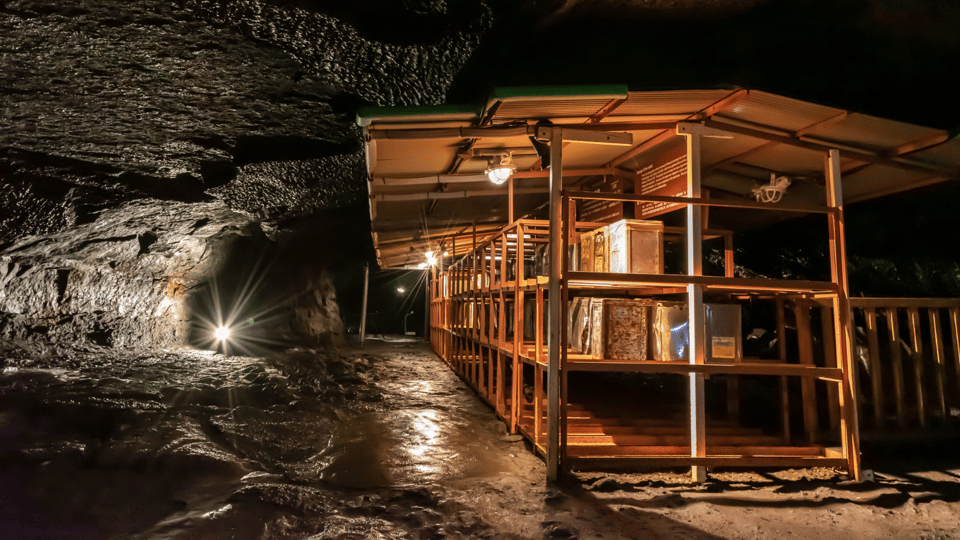
Then you hit Narusawa Ice Cave, the day’s most dramatic shift underground. It’s formed by volcanic activity from Mt. Fuji, and the result is an ice-filled cavern that feels like stepping into a different season.
You’ll have about an hour for the stop, including time to get inside and photograph what you can. But here’s the key practical consideration: the cave can be closed on certain days, so don’t assume it’s guaranteed if you’re traveling at a time when conditions might cause shutdowns.
Also, ice appearance changes with season. You might find that ice pillars aren’t visible year-round, with one note indicating they show up only from roughly February to June. If you’re going outside that window, expect more of an ice environment than a pillar show.
Claustrophobia note: this tour is not suitable for claustrophobia, and caves can include tight areas. If you’re sensitive to enclosed spaces, take that seriously before you book.

Fugaku Wind Cave: Silkworm-Era Storage Meets Real Geology
Fugaku Wind Cave brings the day back to a different kind of fascination: geology plus a human use-case. It’s geologically significant, and it was once used to store silkworm eggs, which adds a layer beyond just “big hole in the ground.”
You’ll get about an hour here for photo stops, sightseeing, and walking. What makes this stop valuable is that it gives you contrast with the ice cave. One is about cold volcanic ice conditions; the other is about the cave’s wind and structure, and how people used that microclimate in the past.
One more practical heads-up: some cave areas may involve low, tight sections that can feel like crawling, especially for bigger visitors. If you’re not comfortable moving through close passages, this is where you’ll want to pace yourself and decide on the spot what you can handle.
Aokigahara Forest: Tranquility After the Rumors
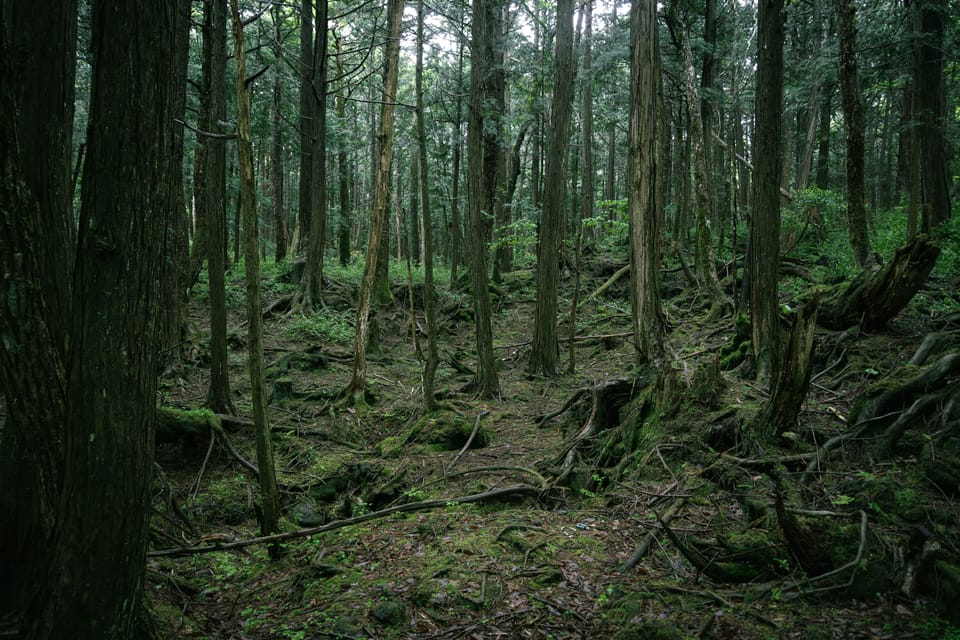
Finally, Aokigahara Forest. People know it by its darker reputation, but the experience itself is about a different tone once you’re walking among the trees. You’ll have about 1.5 hours for the stop—photo time and a chance to wander trails and soak in the atmosphere.
This tour doesn’t ask you to treat it like a spectacle. Instead, it’s framed as a nature walk where the ecosystem and quiet feel are the point. For me, that’s the healthiest way to experience a place with a heavy name: respectfully, slowly, and focused on what’s in front of you.
Important fit notes:
- The tour is not suitable for wheelchair users.
- If enclosed or isolated environments make you anxious, take care here too, even though Aokigahara is not a cave. It’s still a dense forest with a strong sense of seclusion.
If you do go, bring warm clothing even in milder seasons. Forest shade can make it feel colder than the city.
Tickets, Food, and Timing: Make It Feel Like a Day Out, Not a Check List
Entrance tickets are not included, so plan on paying on the spot. Because the tour includes multiple specific sites, bringing cash is smart so you’re not stuck searching for payment options mid-day.
Food and drinks are also not included, and you’ll want snacks and water on hand. The good news: food and drinks are allowed in the car, with two practical limits—no alcohol in the vehicle, and there may be a cleaning fee if the vehicle gets unusually dirty.
Timing is generally built around the stated 10-hour window, but your real experience will depend on driving time, weather, and how long you want at each stop. One practical takeaway: treat the day as flexible, not as an exact minute-by-minute sprint.
This tour runs in rain or shine, and cancellation happens only in unsafe weather as determined by the operator. Pack for temperature swings and keep an eye on road conditions as the day moves forward.
Is It Worth $577 for Up to 5 People?
At $577 per group (up to 5 people), the value depends on how many people are in your booking. If you fill the group limit, you’re roughly looking at about $115 per person for a full-day private vehicle and a trained English-speaking driver. If you’re traveling as a smaller group, it’s still a fair deal when you want privacy and flexibility rather than a crowded group tour.
What you’re paying for is more than transportation. You’re also paying for a route that hits multiple Fuji-area environments in one day: lakeside viewpoints, underground volcanic caves, and a forest walk that changes the vibe of the whole trip. Add the ability to linger at your favorite stop, and the price starts to make sense.
Two reality checks keep the math honest:
- If a cave stop is closed that day, you lose part of the experience unless the driver can adjust with time elsewhere.
- Because tickets and meals aren’t included, you should budget extra for entrances and basic food.
Who Should Book This Tour (and Who Should Reconsider)?
This tour fits best if you want:
- A private, paced Mt. Fuji day with minimal crowd stress
- A mix of views and geology, not just one viewpoint and done
- A driver who can help with practical decisions during the day
- Stops that feel more off-the-beaten path around the Fuji region
You should reconsider if:
- You get anxious in tight spaces. Caves here are a major part of the day, and the tour isn’t suitable for claustrophobia.
- Mobility matters for you. It’s not suitable for wheelchair users.
- You’re traveling when Narusawa Ice Cave might be closed. If that stop is your top reason for booking, plan a backup day or be ready to accept changes.
Should You Book This Mt. Fuji and Aokigahara Forest Tour?
If you want a private day around Mt. Fuji that goes beyond the obvious photo points, I’d book this. The combination of Lake Kawaguchi views, the volcanic-cold stop of Narusawa Ice Cave, and the contrast of Fugaku Wind Cave plus Aokigahara Forest gives you variety in one tight package.
Just be smart about expectations. Bring cash for tickets, pack snacks and water, wear shoes you trust on uneven ground, and stay flexible in case a cave site is closed. If you do that, you’ll get a day that feels more personal than most standard Fuji day trips—and that’s where the value really shows.
FAQ
How long is the tour?
It runs for 10 hours.
Is this a private group?
Yes. It’s a private group booking.
What’s the pickup area for Central Tokyo?
Pickup and drop-off are included for Tokyo’s 23 wards: Chuo, Chiyoda, Minato, Shibuya, Shinjuku, Toshima, Taito, Meguro, Bunkyo, Shinagawa, Nakano, Setagaya, Suginami, Ota, Kita, Arakawa, Sumida, Koto, Itabashi, Nerima, Edogawa, Katsushika, and Adachi.
What if I’m staying outside Tokyo’s 23 wards?
Other areas have a surcharge of JPY 5,000–20,000, payable before or on the day of the trip depending on your location.
Is the driver English-speaking?
Yes, the driver is English-speaking.
Are entrance fees included?
No. Attraction tickets are not included, and you’ll purchase them on the spot.
Are food and drinks included?
No. Food and drinks are not included.
Can I bring snacks and water?
Yes. Bringing snacks and water is recommended.
Is smoking allowed in the vehicle?
No, smoking is not allowed in the vehicle.
Is the tour suitable for wheelchair users?
No. The tour is not suitable for wheelchair users.
What should I bring for this day trip?
You should bring comfortable shoes, warm clothing, a camera, snacks, water, and cash.