REVIEW · TOKYO
Tokyo to Kawagoe: Private Historical Day Trip
Book on GetYourGuide →Operated by City Unscripted · Bookable on GetYourGuide
Six hours, one time machine. This private Tokyo to Kawagoe day trip pulls you north to Little Edo, where Edo-era streets and landmarks make Japan’s feudal past feel close and readable. I like that it is private and personalized, with a host matching your interests so the day doesn’t feel like a generic checklist.
Two stops I really appreciate are Kita-in Temple (with a room that once formed part of Tokyo’s Edo Castle) and the Toki no Kane bell tower, reached via impressive stone walls. You’ll also get time to wander classic lanes for sweets and souvenirs, not just pose for quick photos.
One possible drawback: it is a walking-first half day, and some parts lean more toward strolling and short shop/museum breaks than bigger, ticket-heavy attractions.
In This Review
- Key things you’ll enjoy most
- From Shinjuku to Little Edo: why Kawagoe works as a day trip
- Kita-in Temple and the Edo Castle room: history you can stand next to
- Toki no Kane bell tower and the stone walls: the castle town vibe in real scale
- Hikawa Shrine and festival culture: seeing summer traditions year-round
- Sweet stops on Penny Candy Lane and Kurazukuri Street
- Food you should plan for: from boiled eel to sweet potato oddities
- Price and value: what $264 per person buys you
- Weather, walking, and how to get the most out of six hours
- Should you book this Tokyo to Kawagoe private day trip?
- FAQ
- How long is the Tokyo to Kawagoe private historical day trip?
- Where do I meet the host?
- What languages are available for the live guide?
- Is this tour private or shared?
- Is the tour wheelchair accessible?
- Is food included in the price?
- Are attraction tickets included?
- Can I cancel if my plans change?
Key things you’ll enjoy most
- Guide matching that follows your interests so you can speed up, slow down, or focus on temples, festivals, or shopping
- Kita-in Temple’s Edo Castle connection for a rare feeling of historical continuity
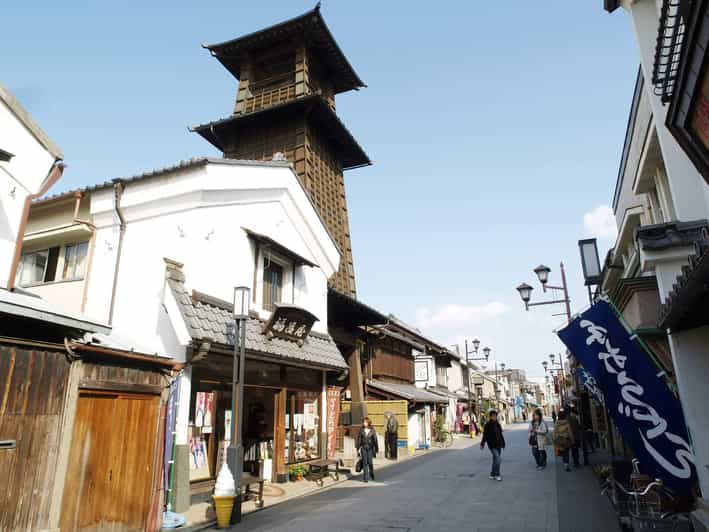
- Toki no Kane bell tower and the castle-town feel with stone walls and preserved streets
- Festival Museum as a backup plan when you do not catch the Kawagoe Festival live
- Penny Candy Lane and Kurazukuri Street for sweets and traditional storefront atmosphere
From Shinjuku to Little Edo: why Kawagoe works as a day trip
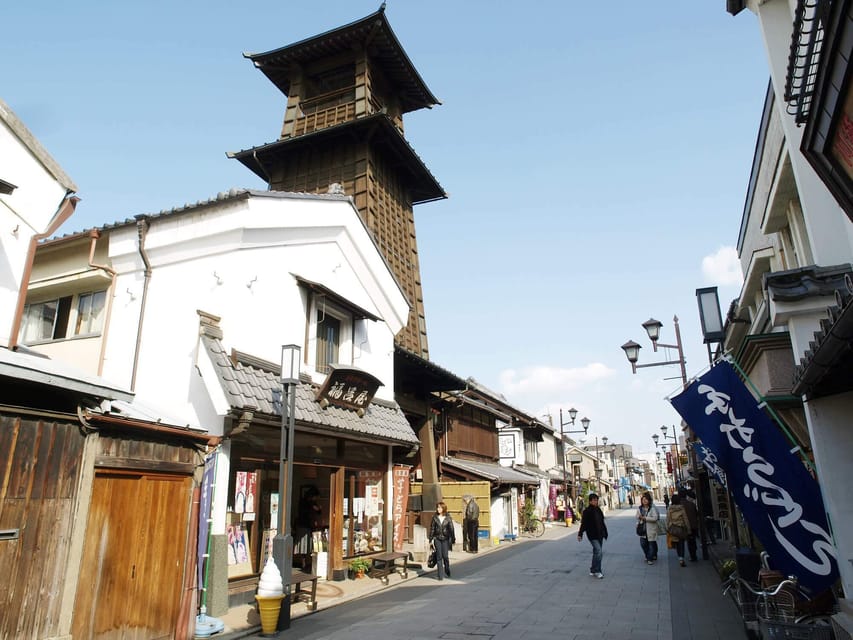
You start in Tokyo and head less than an hour north to Kawagoe, often called Little Edo. That nickname matters because it signals what you are actually buying: not just a trip to a town, but a chance to see how Edo-period Japan still shows up in everyday streets. You are walking through lanes with traditional wooden buildings, old-school stonework, and the kind of quiet details that are hard to spot if you only do big-city highlights.
The meeting point is near JR Shinjuku Station South East Exit, at the tourist center main door. If you want the day to feel smooth, give yourself a little buffer there. Shinjuku has enough signage to feel confident and enough crowds to humble you fast.
You get six hours total with a host, which is a sweet spot for Kawagoe. Long enough to hit the best-known sights, short enough that you are not exhausted when you head back to Tokyo. And because the day is private, you can adjust your pace without feeling guilty about holding anyone up.
You can also read our reviews of more private tours in Tokyo
Kita-in Temple and the Edo Castle room: history you can stand next to
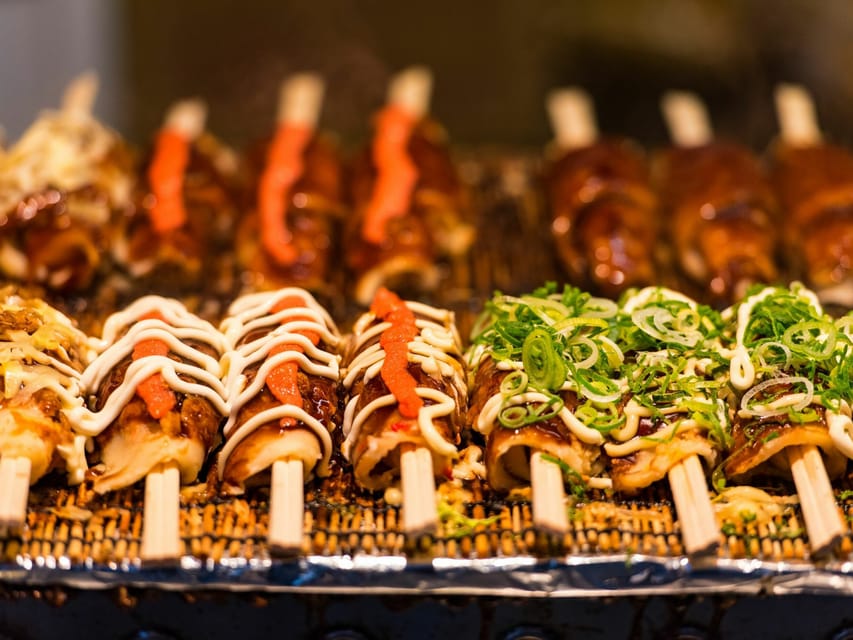
Kita-in Temple is one of the reasons this trip is worth your time. It is not just a pretty temple stop. You also get a specific connection to Tokyo’s Edo Castle: a room that once formed part of it. That detail is powerful because it turns a vague “old Japan” vibe into something tangible. You can feel the scale shift between Edo Castle as a political center and this temple as a place where that past got repurposed and carried forward.
This is the kind of stop that benefits from a good host. Even if you love architecture, you might not know where to look first. A host can point you toward what to notice and how the story fits together. And because the tour can be personalized, you can spend longer here if temples and historical structures are your thing.
Drawback to plan for: this portion is still within a walking route. So comfortable shoes matter more than being able to sprint between points. If you are prone to fatigue, tell your host early so your pacing stays realistic.
Toki no Kane bell tower and the stone walls: the castle town vibe in real scale
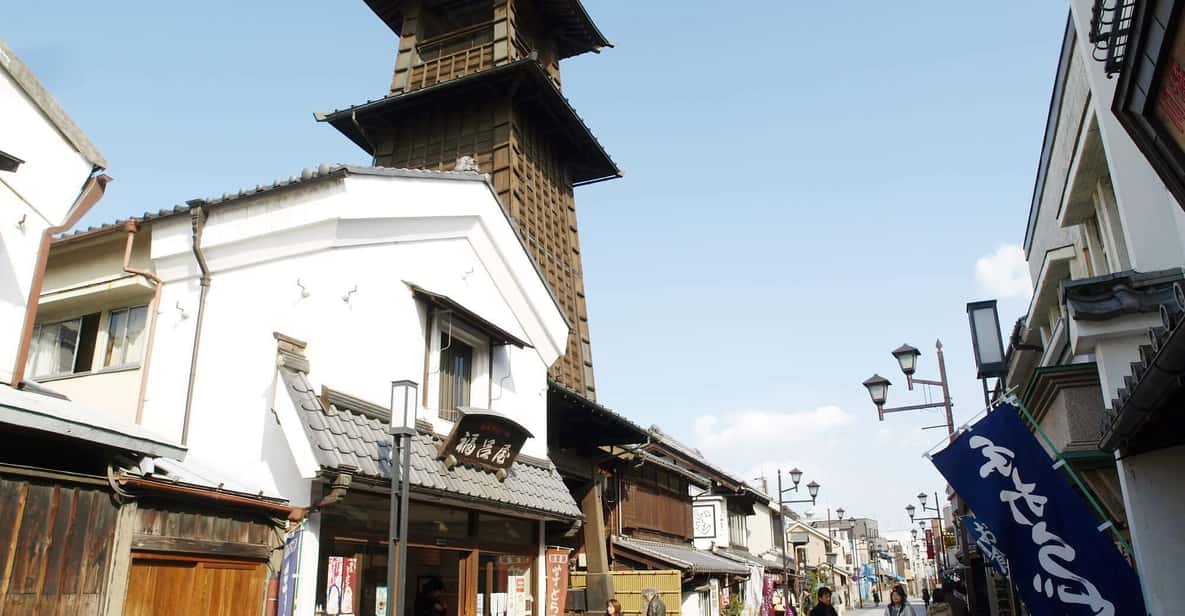
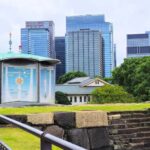
After the temple stop, you move through the remnants of a centuries-old castle town preserved along modern streets. This is where Kawagoe stops feeling like a museum and starts feeling like a lived-in setting. You get guided help navigating colossal stone walls to reach the Toki no Kane bell tower, a local icon.
I love that the route gives you the sense of defensive architecture before you reach the landmark. Those walls are not just background. They help explain why a town like this could function as a controlled hub, not just a charming neighborhood.
The bell tower itself is the payoff. It is a clear visual marker you can orient around as you continue exploring. If you like landmarks that you can remember and point to later, this one does the job.
If you are the type who hates walking up and down stone-adjacent paths, this section is the place to plan carefully. Go slow, take breaks, and ask your host how much time they plan around each stop so you do not feel rushed.
Hikawa Shrine and festival culture: seeing summer traditions year-round
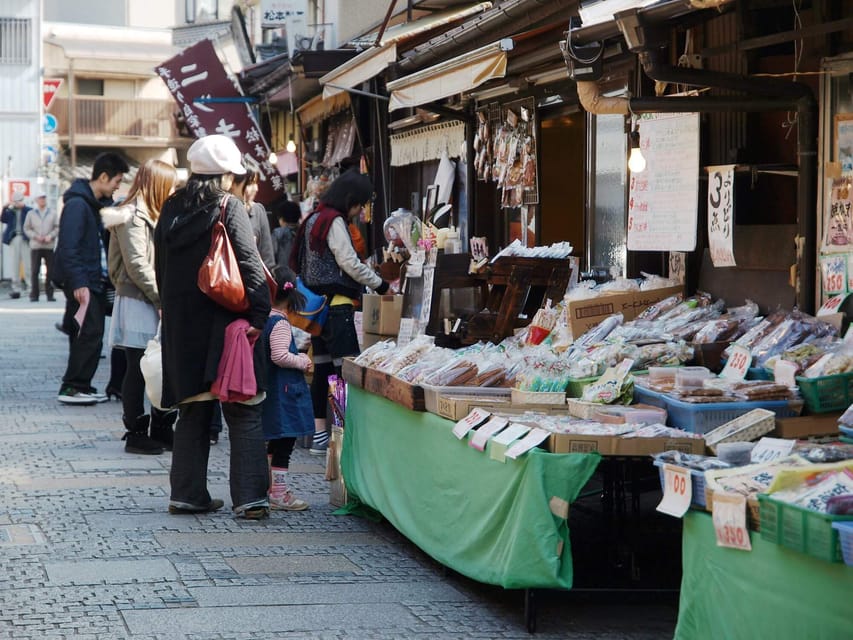
You also visit Hikawa Shrine. It is one of Kawagoe’s famous spiritual stops, and it works well in the itinerary because it balances the more historical-structure feel of temples and castle remnants. Shrines add a different texture: ritual spaces, local devotion, and the way sacred places anchor daily life.
Then the tour leans into Kawagoe’s festival culture, especially the Kawagoe Festival and the arrival of summer. If you cannot catch the festival live, you still get a taste at the unique Festival Museum. That museum angle matters because it prevents the day from feeling like a missed opportunity. You are not stuck with only memories of a seasonal event you never saw.
One practical tip: if you are visiting outside festival season, the Festival Museum is where you should pay closest attention. Look for details that connect the floats, costumes, and street energy to what the town does and why it matters locally. A good host will help you connect the visuals to the meaning, so it becomes more than just displays.
Sweet stops on Penny Candy Lane and Kurazukuri Street
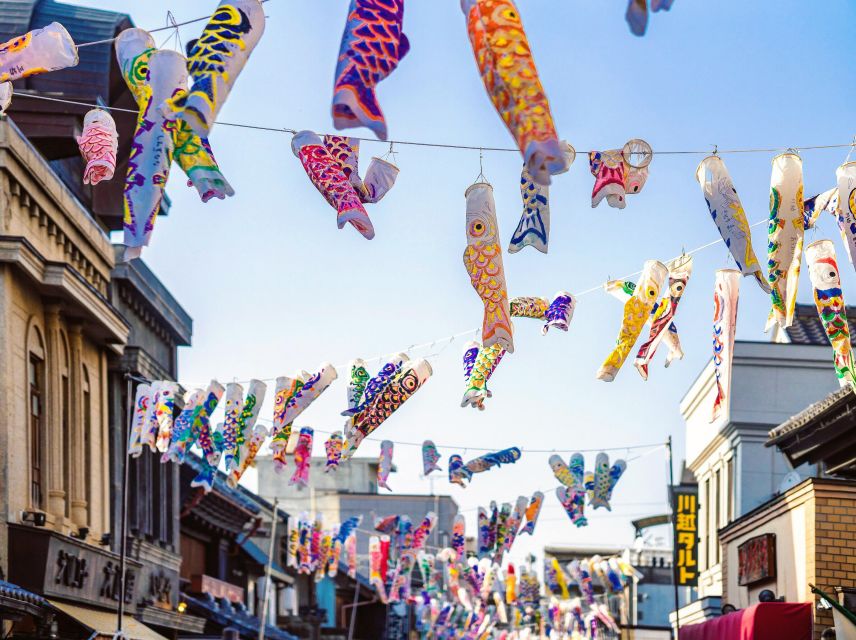
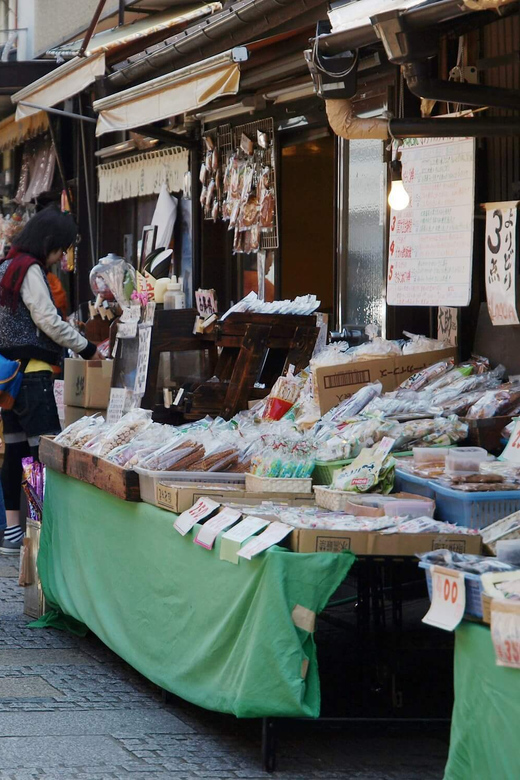
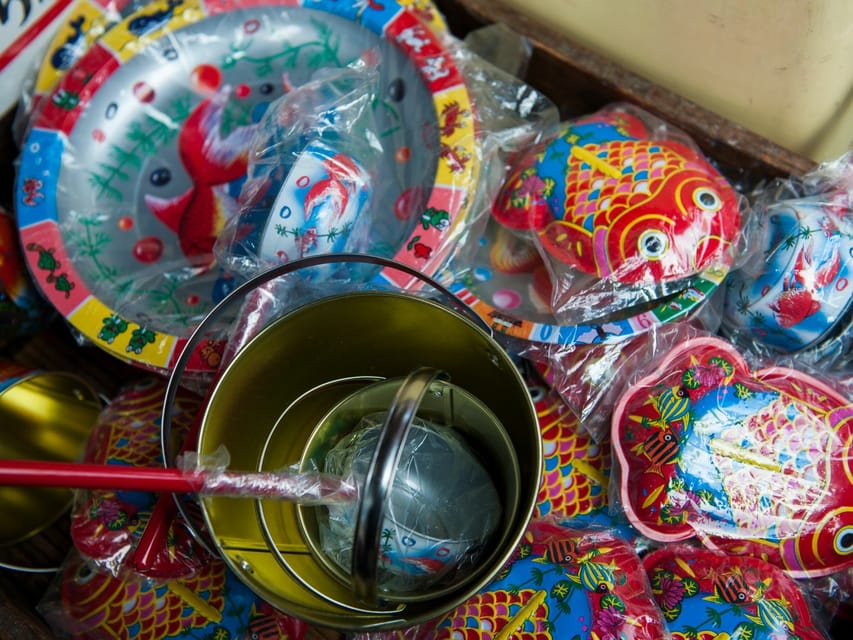
Kawagoe earns points for its streets that feel like they were made for wandering. You get time for Penny Candy Lane, described as a rustic setting for sweet delights. Even if you think you do not need more snacks, this is the kind of stop that lets you taste the local flavor rather than only reading about it.
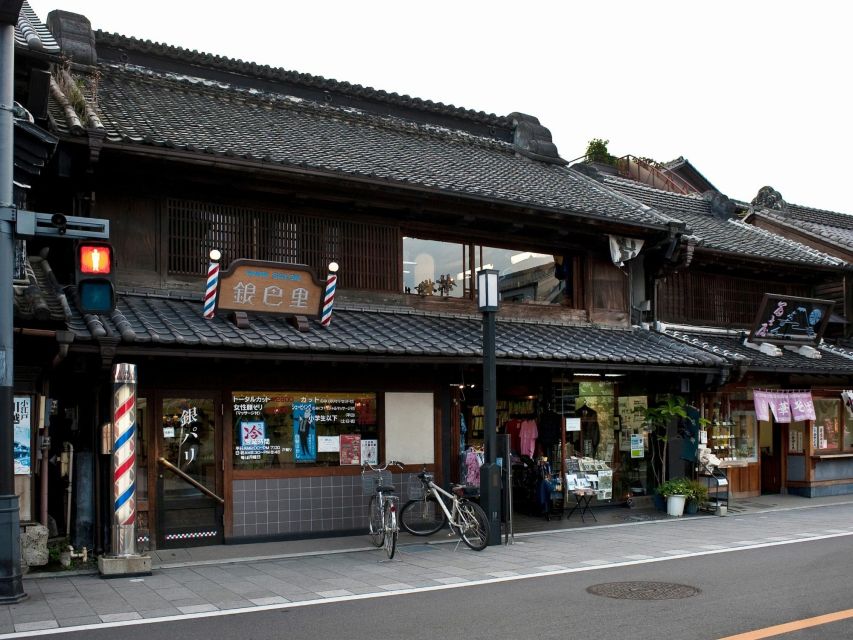
Another highlight is Kurazukuri Street, with traditional charcoal-tiled buildings. That surface detail changes the whole look. You feel the age without needing to squint. It also makes for easy photo moments that do not feel like a tourist trap because the street itself is the attraction.
Shopping is part of the day, too. You can hunt for authentic souvenirs and crafts in the town’s picturesque streets. If you like small, specific purchases over big branded souvenirs, you’ll probably feel more satisfied at the end of this trip than you do after a rushed shopping sprint.
The pacing note: time in shops can be brief. If you want a slower browse, flag it early in the day so your host can adjust stops. This is one of those tours where your choices shape the outcome.
You can also read our reviews of more historical tours in Tokyo

Food you should plan for: from boiled eel to sweet potato oddities
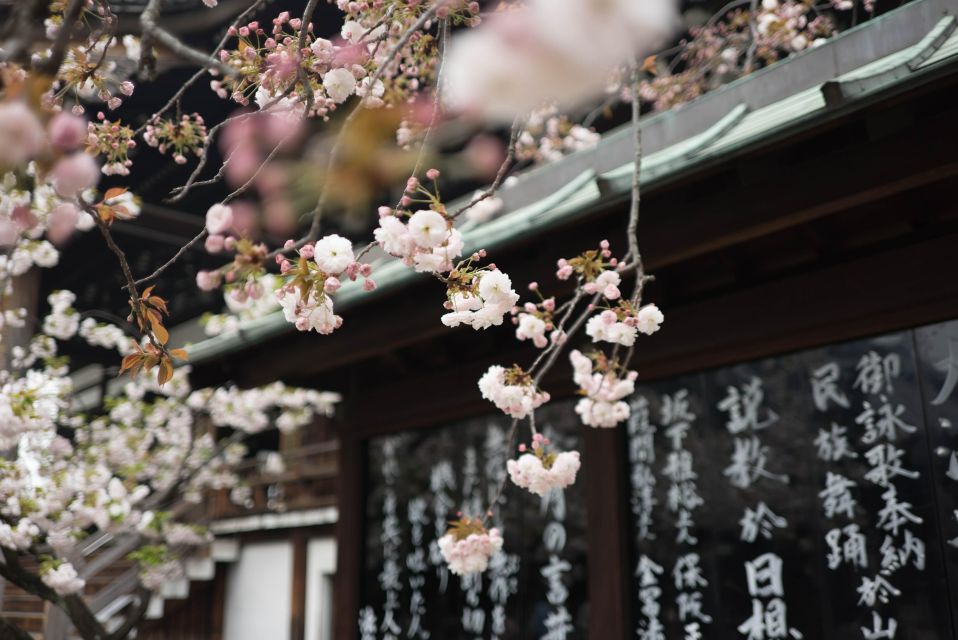
You also get guidance on local food habits. Your host may show you how to eat local delicacies like boiled eel. Even if you are not ready to order it, you’ll learn enough about the eating style to feel confident if you decide to try later.
Then there are the quirky sweet treats, including sweet potato-infused options. That matches what the itinerary emphasizes: taste the region, not just the sights. If you have a sweet tooth, this part can be a real highlight.
If you do not eat eel or you have dietary limits, tell your host at the start. The tour includes walking and sightseeing, but food and drink are not included, and there is no guarantee every stop will align with every diet. With personalization, you can usually steer toward alternatives.
Price and value: what $264 per person buys you
At $264 per person for a 6-hour private historical day trip, you are paying for two things: a guide in English or Japanese who adapts to your interests, and a focused route that hits major Kawagoe landmarks without dragging you through the whole town.
Is it expensive? Yes, compared with DIY transit and self-guided walking. But you are not just paying to get from Tokyo to Kawagoe. You are paying for context that makes the stops easier to understand and faster to enjoy. The Edo Castle room detail at Kita-in Temple, the story around the festival and the Festival Museum, and the way the stone walls lead you to Toki no Kane are exactly the kind of things that become much better when someone explains them.
Also, because it is private, you are not locked into a group pace. You can spend longer where you care most. That matters because Kawagoe can be either a smooth afternoon or a slightly tiring stroll, depending on how your time gets allocated.
Not included are transportation costs, food and drink, and tickets to attractions. So you should budget extra for snacks, potential meals, and any entrance fees you decide to pay. If you budget thoughtfully, the final cost still feels fair for a guided, historically focused day.
Weather, walking, and how to get the most out of six hours
The tour runs at all weathers, so plan for rain or heat depending on your season. Bring a compact umbrella or rain layer, and wear shoes that can handle sidewalks, streets, and whatever stone-adjacent paths come up on the route.
It is a six-hour experience with a walking component, and some participants may find the rhythm more stroll-and-look than action-heavy touring. That is not bad, it just changes what kind of traveler you need to be. If you like historical streets, small landmarks, and learning by walking, this will click. If you want nonstop, ticket-driven attractions, you might feel constrained.
A practical move: decide early what you want your day to be about. Pick two themes. Maybe it is Edo-era structures plus festival culture. Or maybe it is shrines plus sweet shopping. Then tell your host. That is how you get the most value out of a private day.
Should you book this Tokyo to Kawagoe private day trip?
Book it if you want a short, high-context historical day outside Tokyo, with time to taste local sweets and shop for crafts. It is especially a good fit if you care about Edo-era details like the Edo Castle connection at Kita-in Temple and want a guided route to major Kawagoe icons like Toki no Kane and Hikawa Shrine.
Skip it or choose a different style if you hate walking and you only enjoy days packed with large, ticket-based attractions. Also consider your food comfort. The eel and sweet potato treats are part of the cultural experience, but you can steer the day with your host.
FAQ
How long is the Tokyo to Kawagoe private historical day trip?
It lasts 6 hours with your host.
Where do I meet the host?
The host waits by the main door at the tourist center near JR Shinjuku Station South East Exit.
What languages are available for the live guide?
The guide is available in English and Japanese.
Is this tour private or shared?
It is a private group experience.
Is the tour wheelchair accessible?
Yes, it is listed as wheelchair accessible.
Is food included in the price?
No. Food and drink are not included.
Are attraction tickets included?
No. Tickets to attractions are not included.
Can I cancel if my plans change?
There is free cancellation up to 24 hours in advance for a full refund.