REVIEW · TOKYO
Japan Football Association museum tour at 「blue-ing!」
Book on GetYourGuide →Operated by 公益財団法人日本サッカー協会 · Bookable on GetYourGuide
Football fans, start here in Tokyo. In just 1 hour, this Japan Football Association museum tour at Blue-ing! lets you see Japanese football history up close, with an English-guided tour that keeps the story easy to follow. One consideration: the time is tight, so if you want deep comparisons with every foreign club and era, you may wish the exhibits had even more layers.
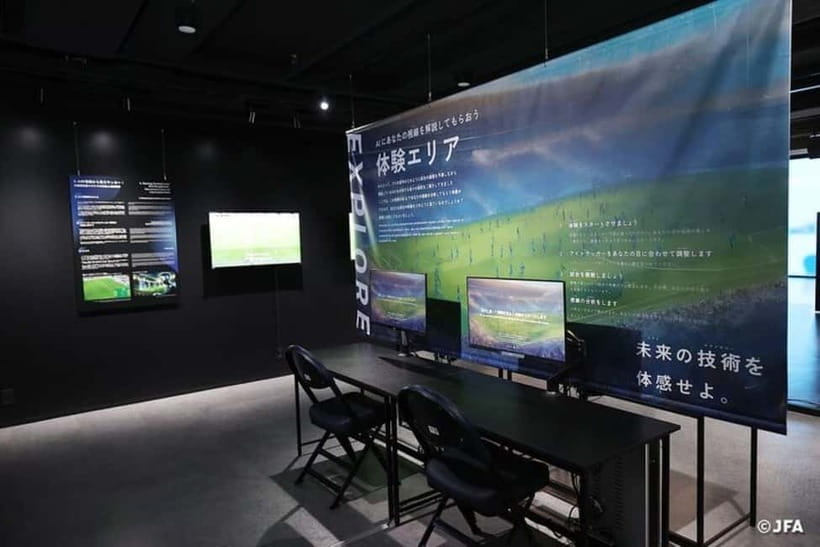
What surprised me in the best way is how much modern tech is mixed into football culture. You’ll encounter digital experiences, including generative AI content, plus a space with artificial turf that’s meant to feel like stepping onto a real pitch. You also get a free one drink, which makes it an easy stop even if you’re squeezing it into a bigger Tokyo Dome City day.
You’ll finish in an area with CAFE & BAR space and goods shopping, so it’s not only for die-hard fans. If you’re relying on Google Maps, double-check you’re heading to the correct Blue-ing! location, since there’s a note that the map link can point elsewhere.
In This Review
- Key highlights worth planning for
- Inside the Japan Football Association museum at Blue-ing!
- The 1-hour format: what you’ll actually do
- Japanese football history, explained without the lecture
- Digital football content, including generative AI
- Artificial turf and the pitch-like feeling
- Free drink and the CAFE & BAR factor
- Price and value: why $25 can make sense
- Who this tour suits best (and who should reconsider)
- Small group size: the hidden quality boost
- Where you meet and how to avoid location confusion
- Quick FAQ
- FAQ
- How long is the Japan Football Association museum tour at Blue-ing!?
- Where do I meet for the tour?
- Is the tour guide available in English?
- What is included in the price?
- How much is the tour?
- Is this a small group tour?
- Can I skip the ticket line?
- Is the museum tour wheelchair accessible?
- What is the cancellation policy?
- Can I reserve now and pay later?
- Should you book this Blue-ing! JFA Football Museum tour
Key highlights worth planning for
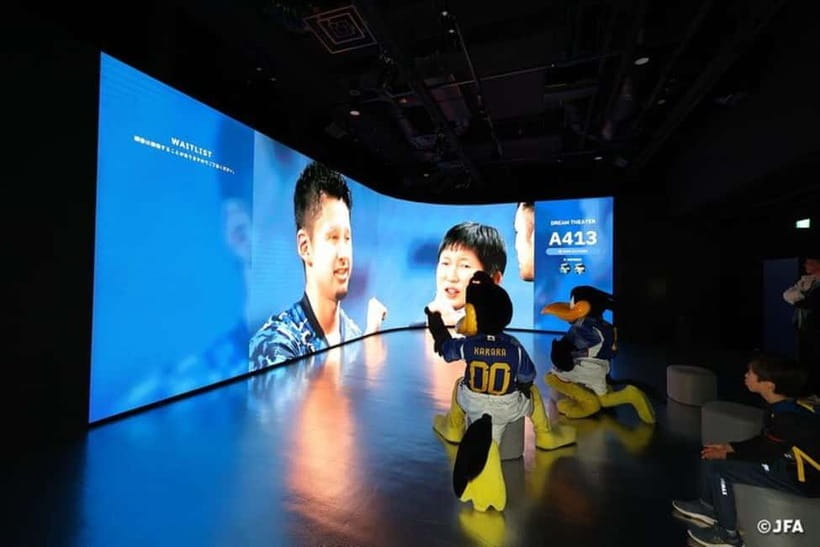
- English live guide in a small group (limited to 10), so questions are actually doable
- Japanese football exhibits plus modern digital content like generative AI stations
- Artificial turf setup that turns the museum into more of a football-ground vibe
- Free one drink built into the experience, so you’re not scrambling afterward
- Tokyo Dome City location, handy if you’re already in the Dome area
Inside the Japan Football Association museum at Blue-ing!

Tokyo Dome City is already a convenient cluster of things to do. Adding a Japan Football Association (JFA) museum tour there makes sense because you’re not just sightseeing landmarks—you’re stepping into the story of how football took shape in Japan.
Blue-ing! is the setting, and the museum is operated by the JFA. The concept is about future communication and creativity, not just displaying trophies and old photos. You’ll feel that in the design: it mixes traditional exhibits with technology, so the tour doesn’t stay stuck in the past.
If you like football as a culture, not only as match results, you’ll get more out of this than you might expect. The tone is practical and focused. Even if you’re not the world’s biggest stats person, the guides and exhibit layout help you connect the dots.
You can also read our reviews of more museum experiences in Tokyo

The 1-hour format: what you’ll actually do
This is a short guided tour—about 1 hour—and that shape matters. It means you get an efficient overview and the guide can steer you through what’s most meaningful without turning your day into a long museum slog.
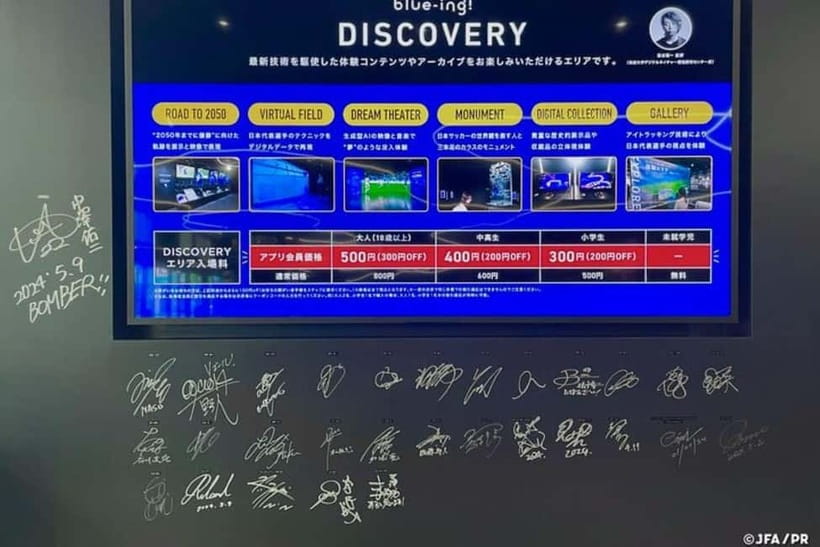
You’ll meet at the Blue-ing! Discovery Area reception. From there, the tour includes gate fees for DISCOVERY and skips the ticket line, so you’re not waiting around while everyone else files in. That saves time, which is a big deal in Tokyo where even small delays can ripple through your schedule.
During the walkthrough, you’ll move through Japanese football historical exhibits and the museum’s digital zones. The guide in English will put context around what you’re seeing, especially how the JFA frames football as a growing community. Expect the pacing to be steady: enough time to look, read, and try a few interactive elements, but not so much that you’ll lose the thread.
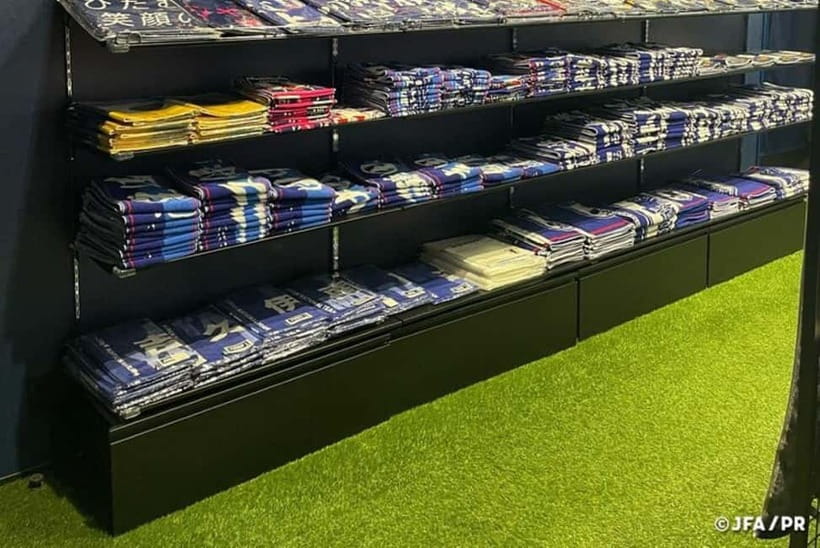
At the end, you’re in the right place to keep exploring on your own. The venue has CAFE & BAR space and goods shops, which helps if you’re traveling with someone who isn’t obsessed with football history.
Japanese football history, explained without the lecture
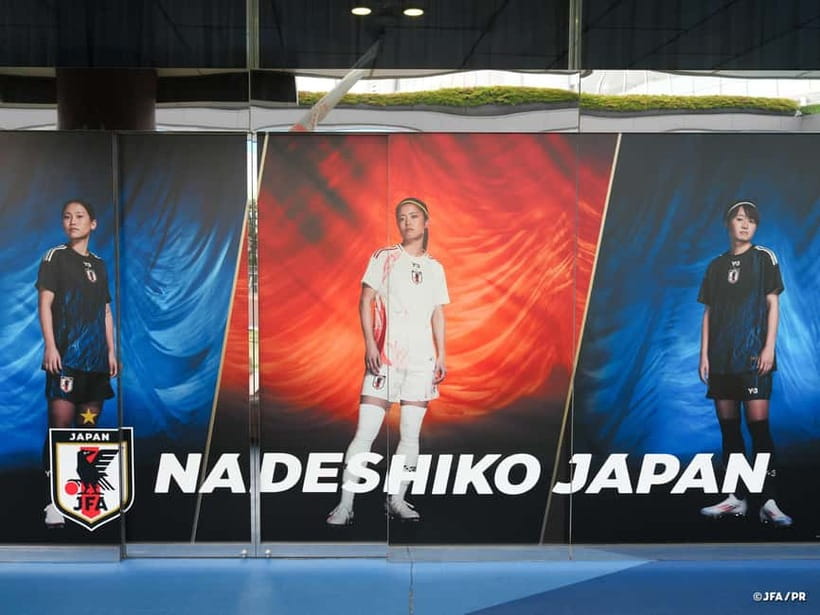
The museum focuses on Japanese football history, and it’s presented in a way that’s meant to be understood quickly. The exhibits are the anchor, and the guide’s job is to help you connect themes: how ideas spread, how the sport developed, and how the JFA supports the ecosystem around football.
One reason this works for many visitors is that the storytelling isn’t only about famous teams. It’s about football as a broader culture, which is why you’ll notice the venue keeps pulling you back toward the feeling of the sport—players, programs, and the community around the game.
One thing to keep in mind: the tour is designed to fit into one hour. That means you’ll likely see the highlights and key moments rather than a full deep catalog of every era. A past visitor specifically wished for more football articles and more history content, which is a fair heads-up if you’re hoping for an extremely dense, reference-book style visit.
Digital football content, including generative AI
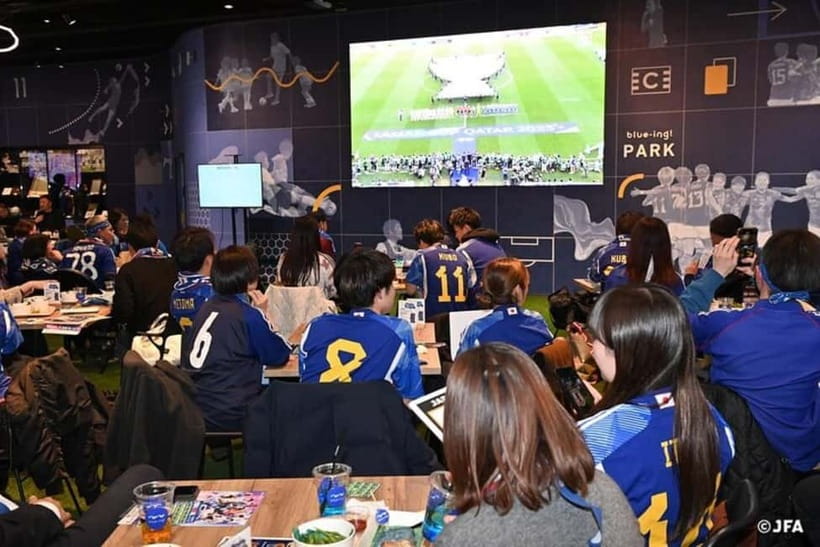
The museum isn’t stuck in glass cases. It leans into digital technology as part of the experience, including generative AI content you can interact with during your visit.
For you, this is one of the best reasons to do the guided tour rather than only walking in on your own. When the exhibit has technology, you’ll often get more value from a guide who can tell you what you’re looking at and what the museum is trying to communicate. You won’t have to guess, and you’ll spend your time on the parts that are meant to be used.
This digital angle also matches the museum’s concept about future communication and creativity. Football has a huge modern layer—media, data, training approaches, and fan interaction. The museum’s tech stations help you see that football isn’t only a game played on grass or artificial turf. It’s also something that grows through new ways of sharing stories and ideas.
Practical tip: if a station has prompts or steps, take a quick beat before you tap around. One of the easiest ways to waste museum time is to rush through interactive tech and miss the intended takeaway.
Artificial turf and the pitch-like feeling
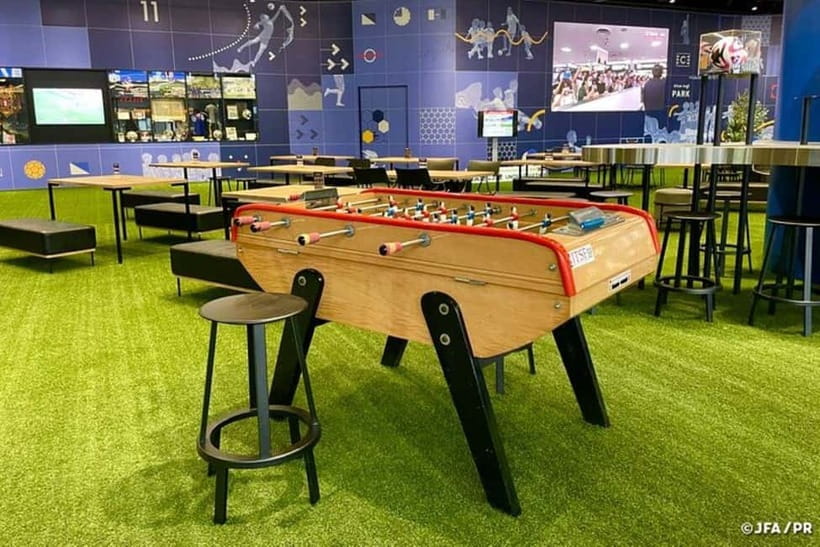
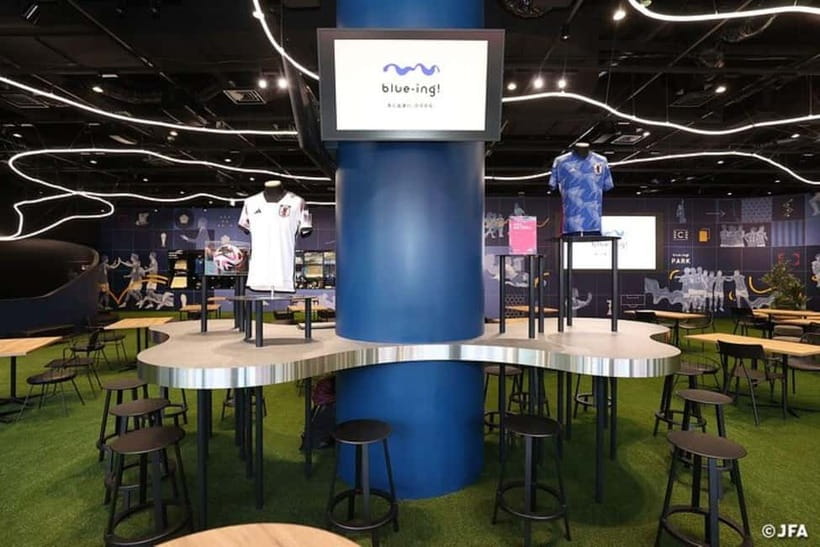
There’s an artificial turf presence in the facility, and the idea is clear: it symbolizes football culture, like you’re inside a ground. That matters more than it sounds, because a museum can sometimes feel disconnected from the emotion of sport.
Here, the turf helps you shift modes—from reading about football to feeling football. Even if you only spend a few minutes in that area, it sets the tone for the whole visit. You’re reminded that football is physical and communal, not just historical.
If you’re a football fan, you’ll probably enjoy how the museum blends that pitch vibe with learning. If you’re not a die-hard fan, the atmosphere can still work. It gives the museum a sense of place, which makes it less like walking through a folder of facts.



Free drink and the CAFE & BAR factor
You get a free one drink as part of the experience. That’s not just a nice perk. It changes the rhythm of your visit so you can settle into the museum, enjoy the guide, and then take a breather without having to hunt down a café right after.
The venue also has CAFE & BAR space, plus goods shops. That’s where the experience becomes more flexible for mixed groups. If your travel buddy is more into memorabilia and snacks than exhibitions, they won’t feel like they’re trapped in a museum loop.
This setup is especially helpful in Tokyo Dome City, where you might be combining activities—shopping, attractions, and transport-heavy days. Having a drink included means you can plan your schedule with less stress.
Price and value: why $25 can make sense
At $25 per person for a 1-hour guided tour, the value comes from what’s included, not just the length.
You’re getting:
- A live English guide
- Gate fees for DISCOVERY included
- Skip the ticket line
- One drink free
- Small group size (limited to 10), which typically improves the quality of questions and pacing
That package can be a strong deal compared to doing it as a solo museum visit where you might pay for entry anyway and then still need to find your own way through the digital stations.
Will it be the best use of your money if you barely like football? Probably not. But if football is part of your travel identity, or you want a sports-focused cultural stop that isn’t too long, it’s priced like a focused experience rather than a huge time commitment.
Also, in Tokyo Dome City, time is valuable. One hour is often perfect when you want something meaningful without losing the day.
Who this tour suits best (and who should reconsider)
This tour is a great fit for:
- Football fans who want a compact but well-guided look at Japanese football history
- People who like museums that mix real-world sport culture with modern tech
- Travelers who want an English experience without committing to a half-day plan
- Groups up to 10 where you can actually ask questions
It may not be the best fit if:
- You’re hunting for an extremely deep, exhaustive history session
- You’re mainly interested in foreign club histories rather than Japan’s football story
- You prefer museums where you can wander freely for hours without structured pacing
If you’re on the fence, look at your energy level for the day. If you still have energy to shop or grab a drink afterward, the format feels easier to love.
Small group size: the hidden quality boost
Limited to 10 participants, the group size is one of the quiet reasons people seem to enjoy the tour. In small groups, guides can slow down for people who want to read carefully. You’re also more likely to hear answers to questions that other people ask.
For you, that matters because a football museum has lots of terms and context. Even if you don’t memorize every detail, you’ll walk away with clearer understanding because the guide can connect dots.
And in Tokyo, small groups also tend to mean you won’t spend your time stuck behind a crowd. That keeps the one-hour experience from feeling rushed.
Where you meet and how to avoid location confusion
Meet at the Blue-ing! Discovery Area reception. The venue is inside Tokyo Dome City, so it’s a straightforward addition to a day around the Dome area.
One caution from the provided info: there’s an error noted when clicking on Google Maps that can point to a different location. Before you go, double-check your route using the correct pin or confirm by looking for venue signage when you arrive. It’s a small step that prevents a frustrating detour.
Quick FAQ
FAQ
How long is the Japan Football Association museum tour at Blue-ing!?
The tour lasts 1 hour.
Where do I meet for the tour?
You meet at the Blue-ing! Discovery Area reception.
Is the tour guide available in English?
Yes, the live tour guide speaks English.
What is included in the price?
It includes gate fees for DISCOVERY, a tour guide in English, and a free one drink.
How much is the tour?
The price is $25 per person.
Is this a small group tour?
Yes. It’s limited to 10 participants.
Can I skip the ticket line?
Yes, you can skip the ticket line.
Is the museum tour wheelchair accessible?
Yes, it is wheelchair accessible.
What is the cancellation policy?
Free cancellation is available up to 24 hours in advance for a full refund.
Can I reserve now and pay later?
Yes. You can reserve and pay later, keeping your travel plans flexible.
Should you book this Blue-ing! JFA Football Museum tour
If you’re visiting Tokyo Dome City anyway and you want a focused football stop that doesn’t eat half your day, I’d book it. The mix of Japanese football history, digital content (including generative AI), and a guide who keeps things moving makes it a smart use of time.
I’d especially recommend it to people who like sport as culture, not only match day. The added value is the one included drink and the small-group format, which makes the visit feel more personal than a self-guided museum.
Only skip it if you’re expecting a very deep, exhaustive historical archive or if you’re not that interested in football in the first place. In that case, you might feel the one-hour pace leaves you wanting more.