REVIEW · TOKYO
3 Days Tokyo, Mt. Fuji and Hakone Private Tour from Tokyo
Book on Viator →Operated by Xplor Japan · Bookable on Viator
Tokyo plus Fuji plus Hakone in three days? That’s the appeal. This private plan saves you from transport headaches while still giving you real time at icons like Senso-ji and the Fuji Five Lakes area. You can also pick a few optional hikes and paid rides without having the whole day dictated by a tour bus.
I especially like the door-to-door setup with an air-conditioned vehicle and fuel/parking taken care of. It means you spend your energy looking at places, not figuring out trains or transfers. Second, I like the pacing control that comes with a private group of up to five—so you can slow down for photos, shop a bit, or linger when the weather opens up.
One consideration: several of the big transport/attraction add-ons are not included (like Tokyo Skytree and some Hakone rides), and the plan needs good weather to deliver the Fuji views you came for.
In This Review
- Key things to know before you go
- Private door-to-door travel from Tokyo (and why it matters)
- Day 1 in Tokyo: Tsukiji, Imperial Gardens, Senso-ji, Skytree, Harajuku
- Tsukiji Fish Market: go early for the sensory chaos
- East Gardens of the Imperial Palace (Edo Castle ruins): calm after the rush
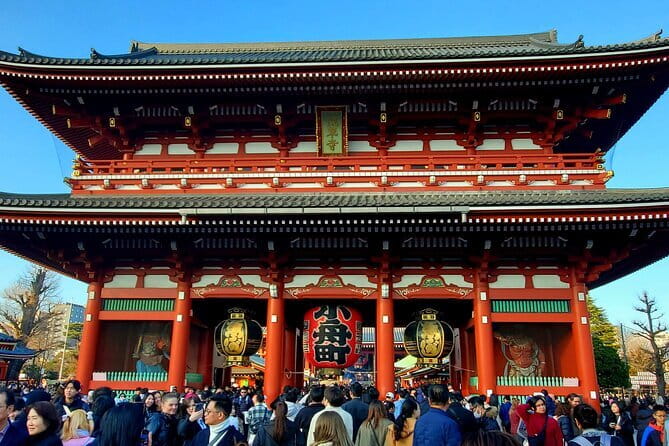
- Senso-ji Temple: history you can feel in your feet
- Tokyo Skytree: pay once, get the view
- Takeshita Street (Harajuku): sugar, style, and fast-foot shopping
- Day 2: Fuji viewpoints from Chureito Pagoda to Saiko Lake
- Chureito Pagoda: the classic Fuji photo angle
- Oshino Hakkai: eight ponds fed by Fuji water
- Kitaguchi Hongu Fuji Sengen Jinja Shrine: a spiritual pause at Fuji’s base
- Lake Kawaguchiko and Oishi Park: where the views and walks meet
- Saiko Lake: a quieter Fuji water stop
- Day 3 in Hakone: Lake Ashi, Owakudani, Hakone Shrine, museum time, and Gotemba
- Lake Ashinoko (Lake Ashi): crater lake views at a slower pace
- Hakone sightseeing cruise: Motohakone to the pier area
- Hakone Ropeway: budget for the aerial ride
- Owaku-dani Valley: volcanic drama in a short visit
- Hakone Shrine: the torii gate with water behind it
- Hakone Open-Air Museum: art plus outdoors (with an extra fee)
- Gotemba Premium Outlets: a practical end with real shopping time
- Price and what you should budget: real value vs surprise fees
- The guide factor: what it feels like when Ryu is your driver
- Who this tour suits best (and who might not)
- How to make the most of your 3 days (weather, timing, and pacing)
- Should you book this private Tokyo–Mt. Fuji–Hakone tour?
Key things to know before you go
- Private, up to 5: your group sets the rhythm, not a tight group schedule.
- Door-to-door transportation from Tokyo reduces commuting stress for day trips.
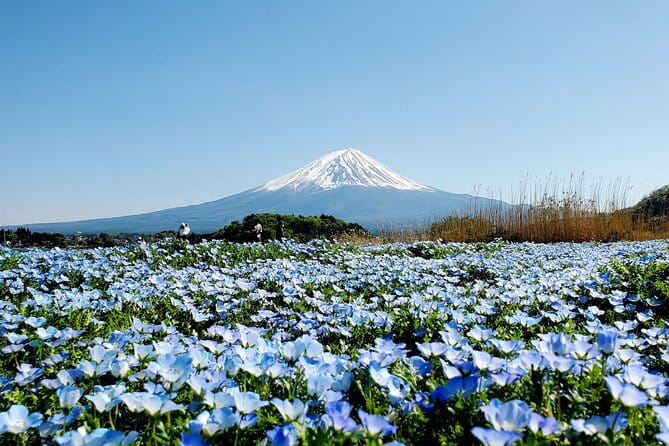
- Fuji viewpoint variety: Chureito Pagoda plus multiple Lake Kawaguchiko and Saiko Lake stops.
- Hakone route includes classic must-sees: Lake Ashi views, Owakudani volcanic valley, and Hakone Shrine.
- Budget for add-ons: Skytree and Hakone ropeway/open-air museum have extra fees.
- Good-weather dependent: if views are poor, the provider offers a different date or refund.
Private door-to-door travel from Tokyo (and why it matters)
Tokyo day trips can be a planning puzzle. You’re bouncing between neighborhoods, then you’re expected to jump to the Fuji region and Hakone—without a car. This private tour solves that with private transportation and pickup offered, so your first job each morning is simply to show up.
What you gain is more than convenience. When travel is handled for you, you’re more likely to hit the best windows for photos and temple timing. Also, you can move at a human pace: a private setup helps when you want to stop for snacks, duck into a smaller street, or pause when the view improves.
Your group size is capped at up to five, which is a sweet spot. It stays social, but it doesn’t turn into a herd. The included mobile ticket is a small thing, but it reduces last-minute friction when you’re hopping between areas.
If you’re the sort of visitor who likes structure but hates stress, this is a good match. If you already know Japan transit well and don’t mind managing your own logistics, a DIY plan could cost less. But the time savings here is real.
You can also read our reviews of more private tours in Tokyo
Day 1 in Tokyo: Tsukiji, Imperial Gardens, Senso-ji, Skytree, Harajuku
Day one concentrates on Tokyo’s strongest “first-timer” hits. It’s also built in a way that gives you different moods: food energy, imperial calm, old-meets-new temple energy, then skyline views and youth culture.
Tsukiji Fish Market: go early for the sensory chaos
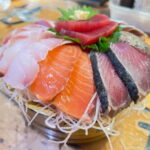
You start with Tsukiji Fish Market, a place that feels like it runs on motion and sound. You get a one-hour block—just enough time to take it in without turning it into a shopping marathon. Even if you’re not hunting for specific seafood, it’s a great way to understand Tokyo’s food culture quickly: stalls, prep, and that fast-paced rhythm that’s hard to recreate elsewhere.
Practical note: you’ll want comfortable shoes. Market floors and walkways can be uneven, and you’ll likely stand more than you sit.
East Gardens of the Imperial Palace (Edo Castle ruins): calm after the rush
Next is the East Gardens of the Imperial Palace—linked to the Edo Castle ruin area. This stop acts like a reset button after the market. You get an hour to stroll through landscaped grounds and remnants of the castle’s fortifications.
It’s a nice contrast: Tokyo has plenty of crowds, but this is where you can slow down. If you’re the kind of person who likes a breather before a more intense afternoon, this timing works.
Senso-ji Temple: history you can feel in your feet
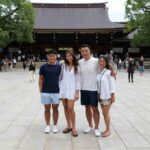
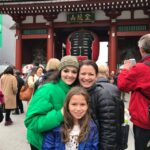
Then comes Senso-ji in Asakusa. You’ve got about an hour, which is perfect for walking the approach, soaking in the temple area atmosphere, and still leaving time to move on before it becomes a crush of people.
Senso-ji is also a great place to practice your “Tokyo navigation instincts.” You’ll learn how quickly crowds shift, how lines work, and how to keep moving without losing the moment.
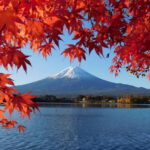
Tokyo Skytree: pay once, get the view
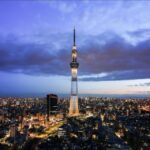
Tokyo Skytree is scheduled for about an hour, but the admission fee is not included. Budget extra here (the tour lists it at 3,800 yen per person). This is one of those optional-feeling stops that is actually worth budgeting for because the skyline view can anchor your whole Tokyo trip.
Tip: if the day has thin haze, you can still get a usable view. In heavy cloud, it becomes less satisfying. If your guide can adjust the order based on weather, take advantage of that flexibility.
Takeshita Street (Harajuku): sugar, style, and fast-foot shopping
To finish the day, you hit Takeshita Street in Harajuku for about an hour. This is Tokyo’s youth-culture zone: street fashion, snack stops, and a constant stream of people.
This part is less about “must-see architecture” and more about atmosphere. If that’s your style, you’ll love the contrast after temples and the palace gardens. If you’re sensitive to crowds, go in with the right expectations: you’re there to experience the buzz, then move on.
Day 2: Fuji viewpoints from Chureito Pagoda to Saiko Lake
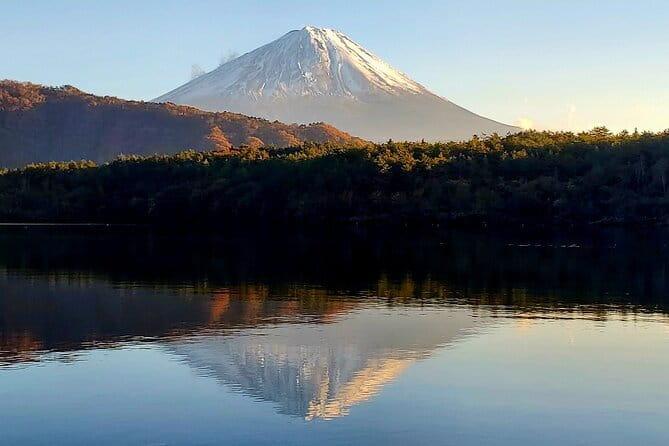
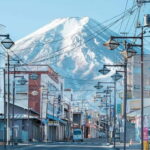
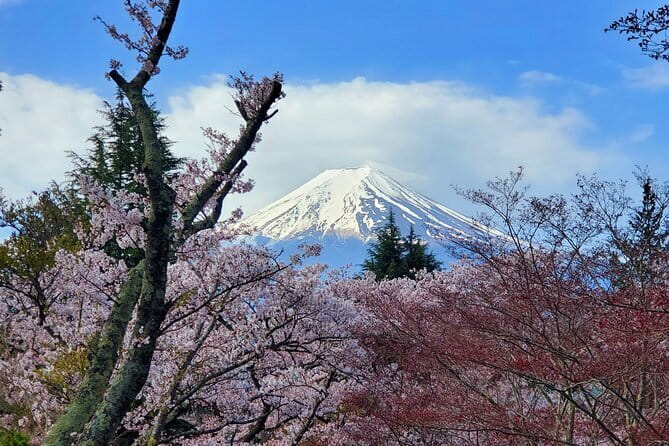
Day two is all about Mount Fuji views and the Fuji Five Lakes area. The key idea here is redundancy. You get multiple chances to see Fuji, plus different vantage points and water/park scenery. That redundancy is valuable because Fuji visibility can change fast.
Chureito Pagoda: the classic Fuji photo angle
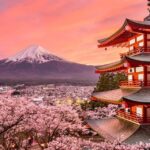
Chureito Pagoda is your opening Fuji icon, with about an hour on the hill viewpoint. This is one of those spots that exists in photos for a reason: the composition is famous and easy to recognize.
Even if you’ve seen it online, seeing it in person is different. It’s also a helpful warm-up for the rest of the day: you’ll start understanding which angles make Fuji look sharpest.
Oshino Hakkai: eight ponds fed by Fuji water
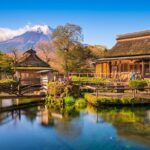
Next is Oshino Hakkai, a set of eight ponds fed by pure water connected to Mount Fuji. You get an hour. This stop slows things down. Instead of a single dramatic view, you focus on water, reflections, and the calm feel of a small, well-loved area.
This is a good lunch-adjacent moment too. If you’re hungry, plan for quick food nearby rather than waiting for a sit-down meal later.
Kitaguchi Hongu Fuji Sengen Jinja Shrine: a spiritual pause at Fuji’s base
You then visit Kitaguchi Hongu Fuji Sengen Jinja Shrine for about 30 minutes. It’s a Shinto shrine associated with worship connected to Mount Fuji. The short time block works because this stop is more about presence than ticking off lots of landmarks.
If you like connecting nature and culture—why people built sacred spaces near dramatic scenery—this is a satisfying stop.
Lake Kawaguchiko and Oishi Park: where the views and walks meet
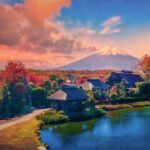
You spend time at Lake Kawaguchiko (about an hour) and then Oishi Park (another hour) on the northern side. This is where Fuji views become more than a photo-op. You get time to walk, take in seasonal scenery, and choose your viewpoint.
Oishi Park is especially photo-friendly, and the timing gives you space to try different angles rather than just sprinting to the first viewpoint.
Saiko Lake: a quieter Fuji water stop
Finally, Saiko Lake gets a shorter time block (about 30 minutes). The point isn’t big-ticket attractions—it’s the quieter mood. This is where you can breathe and enjoy a more subdued setting compared with the more famous Fuji-lake crowd zones.
If you want an easy-going finish to day two, this stop does it well.
Day 3 in Hakone: Lake Ashi, Owakudani, Hakone Shrine, museum time, and Gotemba
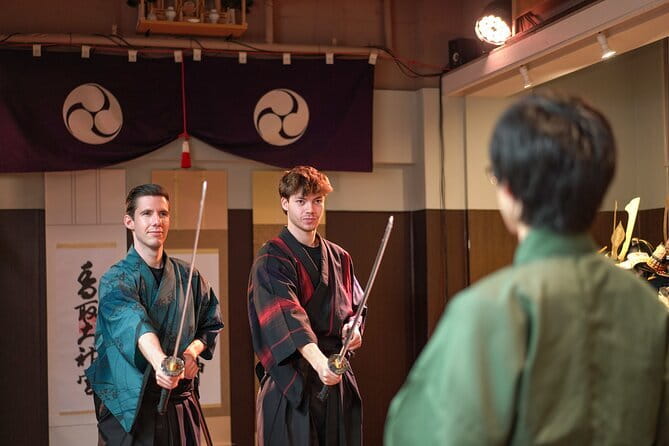
Day three brings in Hakone’s volcanic theme and the famous lake views. It’s also the most likely day to include paid rides, so it’s worth keeping an eye on what’s covered versus what you may pay at the site.
Lake Ashinoko (Lake Ashi): crater lake views at a slower pace
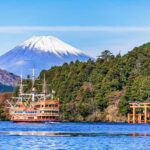
You start at Lake Ashinoko (Lake Ashi) for about an hour. This is a scenic opener that sets the tone: calm water, classic Hakone views, and an easy place to understand why the region became a spa-and-sightseeing hub.
Hakone sightseeing cruise: Motohakone to the pier area
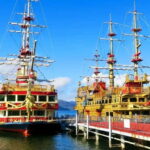
Next is a Hakone sightseeing cruise to the Motohakone-Ko pier area for about 30 minutes. The tour lists cruise/boat activity fees as not included (it cites 1,200 yen per person for cruise ships). So assume this is a paid add-on even though it’s part of the day’s experience.
The value is simple: it changes how you see the lake and makes the day feel like more than a series of bus stops.
Hakone Ropeway: budget for the aerial ride
Then comes the Hakone Ropeway (about 30 minutes), with the fee not included (the tour lists 1,500 yen per person). This is one of those experiences that can be worth it if the views are clear. If the weather turns, the ride can be less impressive—still fun, but not as satisfying.
Owaku-dani Valley: volcanic drama in a short visit
Owakudani Valley is scheduled for about 30 minutes. This is the raw-force part of the trip. A volcanic valley area gives you that otherworldly feel in a way that’s hard to fake with photos alone.
This is also where you might notice the air feels different. It’s a brief stop, but it’s one of the most memorable parts of Hakone.
Hakone Shrine: the torii gate with water behind it
Hakone Shrine takes about an hour, and it’s famous for its red torii gate out on the lake. This is a visual anchor for the day: after volcano textures, you get clean, iconic scenery that feels postcard-ready.
If the visibility is good, this is a top place to slow down and just look.
Hakone Open-Air Museum: art plus outdoors (with an extra fee)
Then you have the Hakone Open-Air Museum for about an hour. The admission fee is listed as not included. Even without going super deep into art history, you’ll probably appreciate the setting: outdoor museum grounds where you move through art in open air.
If you’re not an art museum person, you can still treat this as a well-paced rest stop before shopping. If you are, you’ll like that it doesn’t feel like a typical indoor museum sprint.
Gotemba Premium Outlets: a practical end with real shopping time
To wrap, you hit Gotemba Premium Outlets for about two hours. It’s the largest outlet mall in Japan, with lots of brands and plenty of shopping energy.
This stop is practical for two reasons. One: it gives you time to buy gifts without squeezing it into a tight Tokyo schedule. Two: it offers a controlled indoor/outdoor break if the weather shifts.
If shopping isn’t your thing, you might treat it as a café-and-people-watching stop rather than a haul session.
Price and what you should budget: real value vs surprise fees
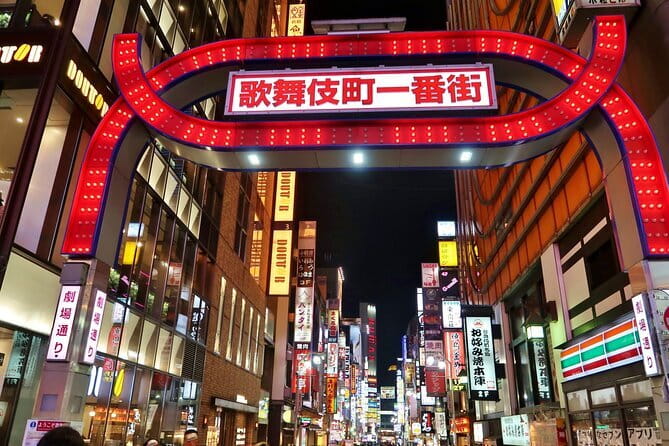
The tour price is $1,265 per group (up to 5) for about three days. That price is best understood as transport + guidance bundled together, rather than as a straight ticket price to attractions.
What’s included:
- Air-conditioned vehicle
- Private transportation
- Fuel surcharge and parking fees
What’s not included:
- Meals, drinks, snacks
- Activities fees like speed boat (2,000 yen per person), cruise ships (1,200 yen), and ropeway (1,500 yen)
- Tokyo Skytree admission (3,800 yen per person)
- Hakone Ropeway and Hakone Open-Air Museum admissions are also listed among non-included items
So where’s the value?
1) You’re buying time and reduced planning effort. Fuji and Hakone take real coordination, especially if you don’t drive.
2) You get a private pace across multiple destinations—Tokyo icons plus countryside scenery—without splitting into separate bookings.
3) You’re not stuck with a pre-set ride sequence. Optional hikes are mentioned as part of customization, which can help you tailor the day if you want more walking.
Where costs can surprise you:
- Skytree is the biggest single named fee (3,800 yen per person).
- Hakone’s ride components (cruise/ropeway) can add up depending on what you choose and what weather requires.
Practical strategy: before you go, decide what you want to pay for no matter what (Skytree and key Hakone rides are common choices), then keep meals flexible so you’re not paying restaurant prices while hungry and rushed.
The guide factor: what it feels like when Ryu is your driver
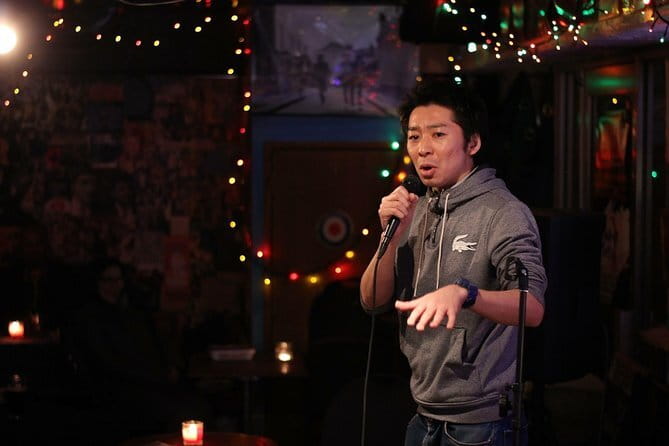
A private tour lives or dies on the guide’s ability to manage timing, crowds, and questions. The provided feedback highlights guide Ryu as punctual and professional, and that’s exactly what you want when you’re moving across multiple regions in a short window.
If you’re assigned Ryu, you can likely expect the most important thing: smart pacing. Not frantic. Not slow. The rhythm needed to see what matters, then still have a buffer for weather changes and photo stops.
This is one of those tours where your questions matter. Ask about the order of stops if clouds roll in. Ask what time you should aim for certain viewpoints. Ask where a quick meal is easiest between locations. A good guide makes those tiny decisions feel invisible.
Who this tour suits best (and who might not)
This is ideal if:
- You’re visiting Tokyo for the first time and want a structured introduction without navigating trains all day.
- You want Fuji and Hakone without taking on the logistics burden.
- You prefer a private pace over being grouped with strangers.
- Your travel style is: do the famous things, but don’t waste time rushing.
It may be less ideal if:
- You’re comfortable self-driving or fully confident with long-distance rail + transfers.
- You’re trying to keep costs as low as possible. The private format and added attractions come with extra spending versus DIY.
One small planning insight: the experience is commonly booked about 119 days in advance on average. That’s a hint that demand is real, especially for peak travel seasons. If your dates matter, don’t leave it to the last minute.
How to make the most of your 3 days (weather, timing, and pacing)
This itinerary depends on good weather, especially for Fuji views. If clouds show up, you’ll still see the scenery and temples, but the “wow” factor can drop. That’s why the tour offers weather-based rescheduling or a full refund if it’s canceled due to poor conditions.
What you can do:
- Pack for layers. Even in comfortable months, Hakone can feel cooler than Tokyo.
- Wear shoes that handle long walks and possible uneven surfaces around markets, temples, and lake viewpoints.
- Keep meals flexible. Since meals are not included, aim for quick bites at natural breaks so you don’t lose time sitting down far away from the next stop.
Also, remember that you’re not only seeing places. You’re managing transitions: Tokyo → Fuji region → Hakone. A private car helps, but you still want to keep your day expectations realistic.
Should you book this private Tokyo–Mt. Fuji–Hakone tour?
If you want three days that feel planned but not frantic, this private tour is a strong choice. The combination of Tokyo icons (Tsukiji, Imperial Gardens, Senso-ji) with Fuji viewpoint stops and classic Hakone sights is exactly the kind of “first Japan” route that’s hard to assemble smoothly on your own.
I’d book it if:
- You value door-to-door time savings.
- You’re okay budgeting for add-ons like Skytree and Hakone rides.
- You want a guide-driven pace that protects your schedule.
I’d think twice if:
- You’re on a strict budget and want to DIY every ride fee and admission.
- You’re visiting during a period where Fuji visibility is unlikely and you’re unwilling to accept weather-related date changes.
Bottom line: for a private group up to five, this tour offers a practical way to see Tokyo, Fuji, and Hakone together—with enough flexibility to make it feel like your trip, not a checklist.