REVIEW · TOKYO
Tokyo: Private City Highlights Tour with Local Guide
Book on GetYourGuide →Operated by JGA Inc. · Bookable on GetYourGuide
A Tokyo day, planned to save your brain. This private highlights tour helps you hit top sights in a single day with a nationally licensed guide who can explain what you’re seeing in context, not just on cue. I also like that you choose your own mix from must-sees like Asakusa, Meiji Jingu, and Shinjuku Golden Gai, so it doesn’t feel like a one-size-fits-all bus loop.
The guide-led pacing is another big plus. You’ll move via public transport (and sometimes taxis) and get practical help with route timing, station transfers, and what’s worth your attention.
One thing to consider: this is a walking-focused day tour, and you’ll pay your own entrance fees, lunch, and personal transit costs. If you hate crowds or long strolls, you’ll want to pick fewer stops or plan breaks into your route.
In This Review
- Key Highlights That Make This Tour Worth It
- A Tokyo Highlights Day, Tailored in Real Time
- Price and What You’re Really Buying at $106
- How the Meeting and Route Customization Works
- What you can choose from
- Asakusa and Senso-ji: Old Tokyo With a Built-In Stroll
- Imperial Palace Outer Gardens: Calm Walls, Careful Timing
- Tsukiji Fish Market: Morning Energy and Snack Opportunities
- Harajuku and Takeshita Street: Kawaii Street-Style Watching
- A small strategy tip
- Meiji Jingu Shrine Forest: the Reset Between Neighborhoods
- Shinjuku Gyoen and Hama Rikyu: Gardens vs. City Views
- Akihabara, Nezu, and Shinjuku Golden Gai: Pick Your Tokyo Mood
- Getting Around Without a Private Vehicle: Transit Tips That Save Time
- What to bring for an easier day
- Pacing, Photos, and Family-Friendly Realities
- Who This Tour Suits Best
- Should You Book This Tokyo Private Highlights Tour?
- FAQ
- What’s the duration of the Tokyo private city highlights tour?
- Is this tour customizable?
- What’s included in the price?
- Is lunch included?
- Are entrance fees included?
- Do I need to pay for transportation during the tour?
- What languages are available?
- Is the tour wheelchair accessible?
- How long is the meeting logistics and confirmation process?
- Can I cancel and get a refund?
Key Highlights That Make This Tour Worth It
- Nationally licensed guide: English and Japanese with a government-issued Tour Guide-Interpreter credential.
- Fully customizable route: pick from top neighborhoods and landmarks, then adjust on the fly.
- Hotel pickup and drop-off: the day starts and ends with you, not a distant meeting point.
- Efficient public-transport navigation: you learn how to get around instead of only being transported.
- Free photos included: handy when you’re trying to capture Tokyo without playing photo-jenga.
- Private group, real flexibility: pacing can shift for kids, heat, or just your own curiosity.
A Tokyo Highlights Day, Tailored in Real Time
Tokyo can feel like a maze on day one. This tour is built for that moment when you want the big sights, but you also want the meaning behind them. Instead of juggling maps and translation apps all morning, you’re guided from one area to the next with a clear plan.
What makes it work is the customization. You choose which must-sees you want from the menu, and your guide builds an itinerary around your preferences and time window (4 to 8 hours). That flexibility matters because Tokyo isn’t one “thing”—it’s many moods in close range.
You can also read our reviews of more guided tours in Tokyo
Price and What You’re Really Buying at $106
At $106 per person for a 4–8 hour private tour, you’re paying for three main things: a licensed guide, reduced friction, and local decision-making. If you tried to replicate this solo, you’d still pay transit, entrances, and lunch—and you’d likely lose time figuring out station logistics and best visit order.
This price can feel especially good if you’re traveling with family or a small group. Several guides on past tours have been praised for pacing that doesn’t feel rushed, plus for being able to stop when needed—whether that’s heat breaks or letting kids reset. The private format also helps you avoid the “follow the herd” problem that happens on big-group tours.
How the Meeting and Route Customization Works
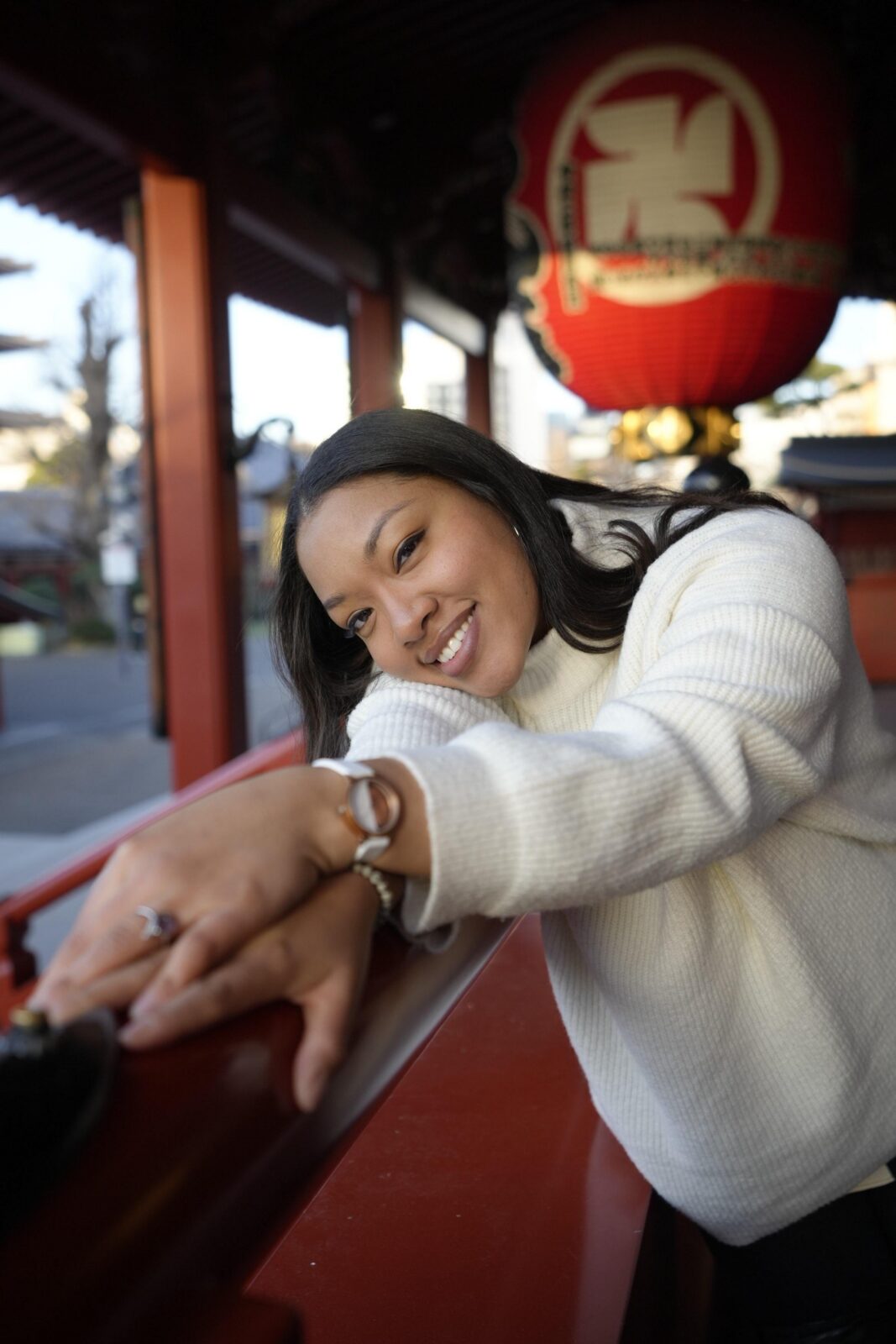
Your guide meets you at your hotel to start the day. Since this is a walking day tour, you’ll typically head out using public transport or on foot, with transit transfers handled in a practical way. A private vehicle is not included, so you’re not getting chauffeured across town—you’re getting walked through Tokyo like a city, not like a checklist.
The guide contacts you to confirm the tour after you reserve. Most guides reach out within about a week, and if a guide isn’t available, the provider contacts you. In my view, that system is actually helpful: it gives your guide time to learn what you care about and tailor the day.
What you can choose from
Your most popular options include: Asakusa, Imperial Palace, Shinjuku Gyoen National Garden, Tsukiji Fish Market, Meiji Jingu Shrine, Akihabara, Hama Rikyu Gardens, Harajuku, Takeshita Street, Nezu, Shinjuku Golden Gai. Pick a few, not all—Tokyo days get long fast.
Asakusa and Senso-ji: Old Tokyo With a Built-In Stroll
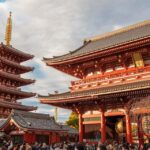
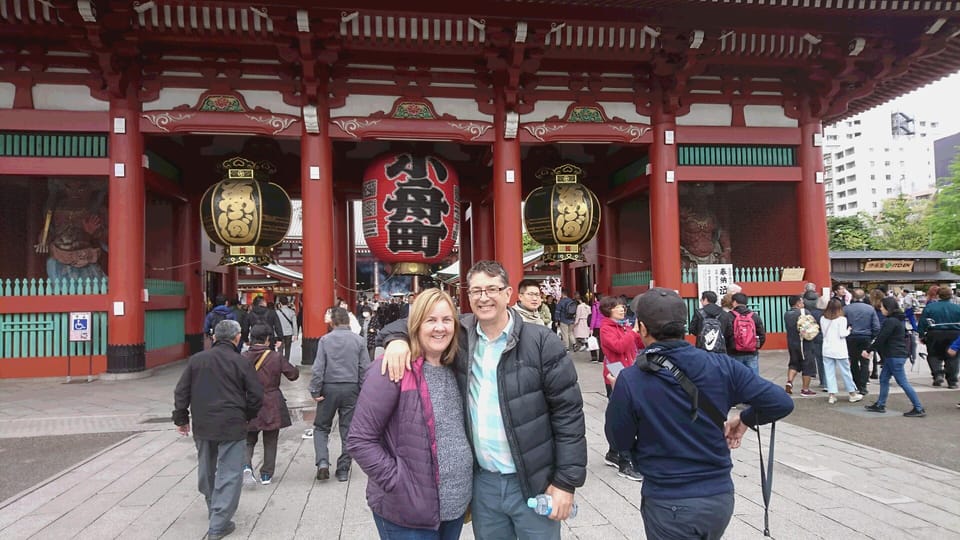
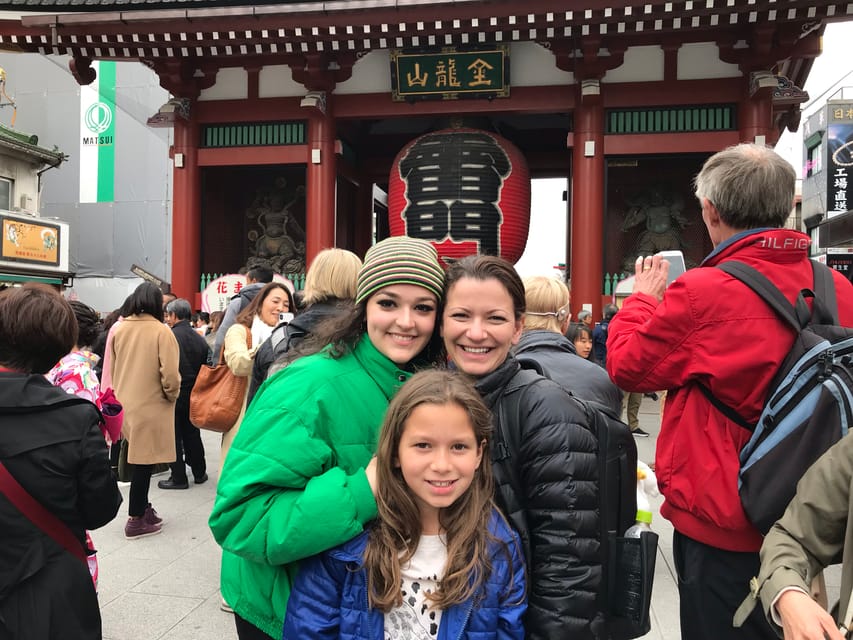
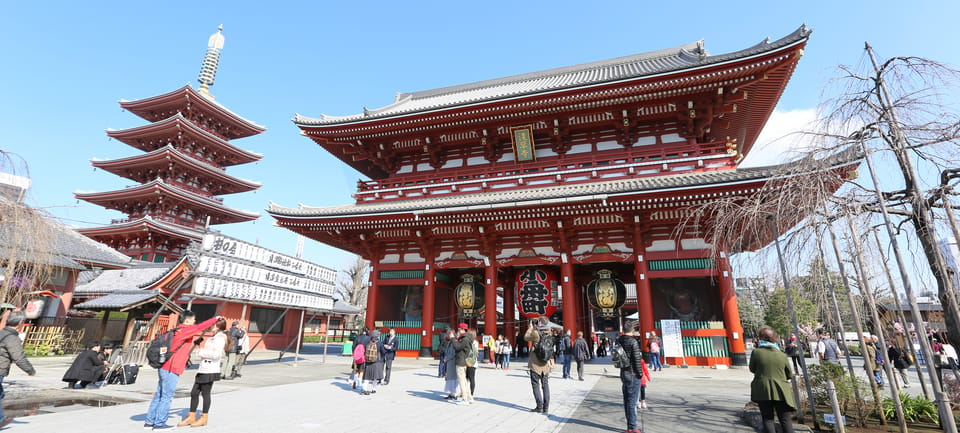
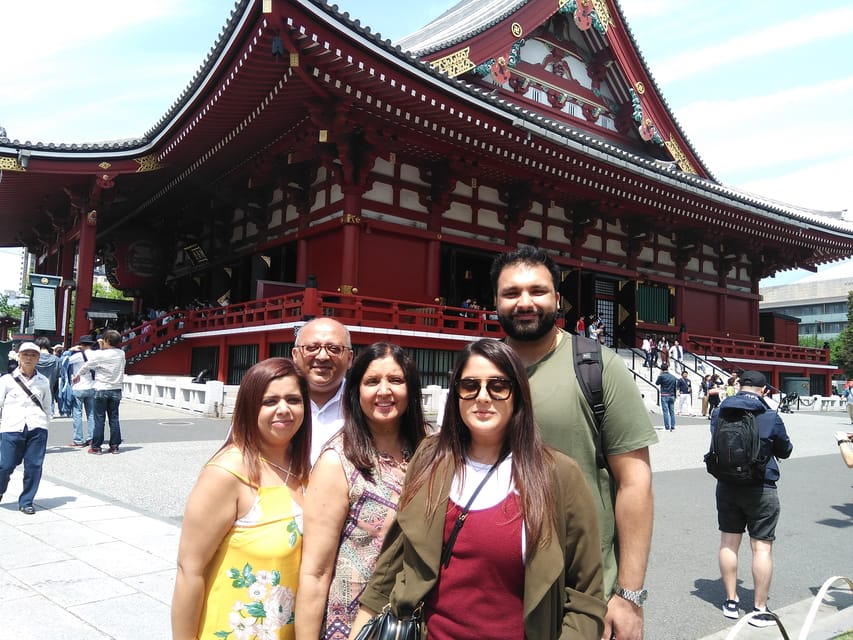
Most itineraries start with Asakusa and Senso-ji. It’s a strong first stop because it immediately anchors you in Japan’s older rhythms—temple grounds, lanterns, and the feel of a neighborhood that still lives around daily routines. You’ll get oriented fast, especially if your guide points out what you should notice (and what to skip).
From there, you’re set up for an easy “walk-and-scan” style morning. Asakusa is also a friendly place to shop for small souvenirs and snacks, since you can browse at your own speed while your guide handles the route logic.
Practical note: Senso-ji and the surrounding streets can get busy. A guide helps you time your steps so you aren’t stuck staring at shoulder-to-shoulder crowds with no plan.
You can also read our reviews of more city tours in Tokyo




Imperial Palace Outer Gardens: Calm Walls, Careful Timing
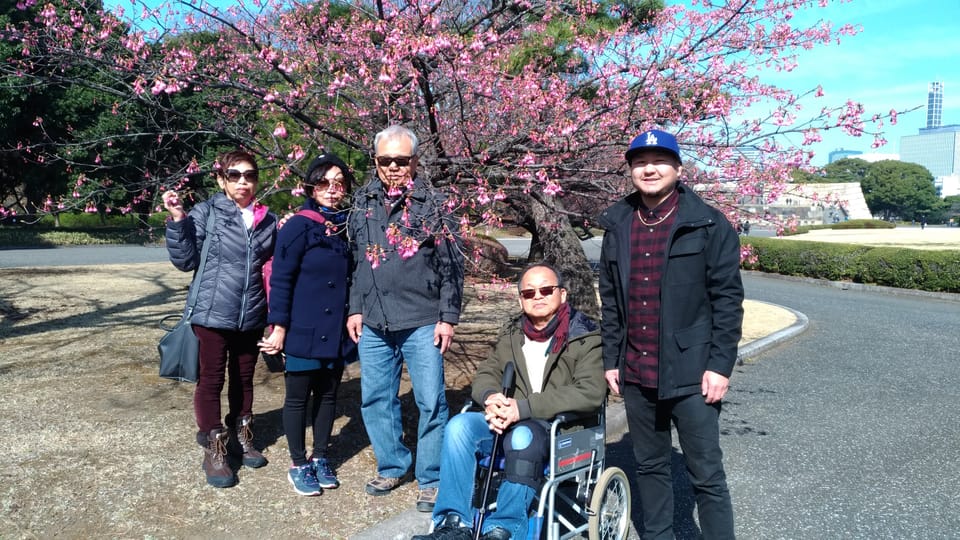
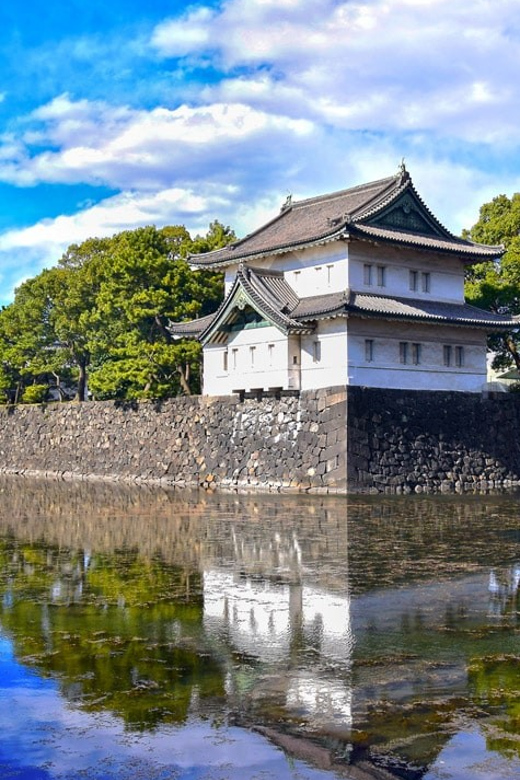
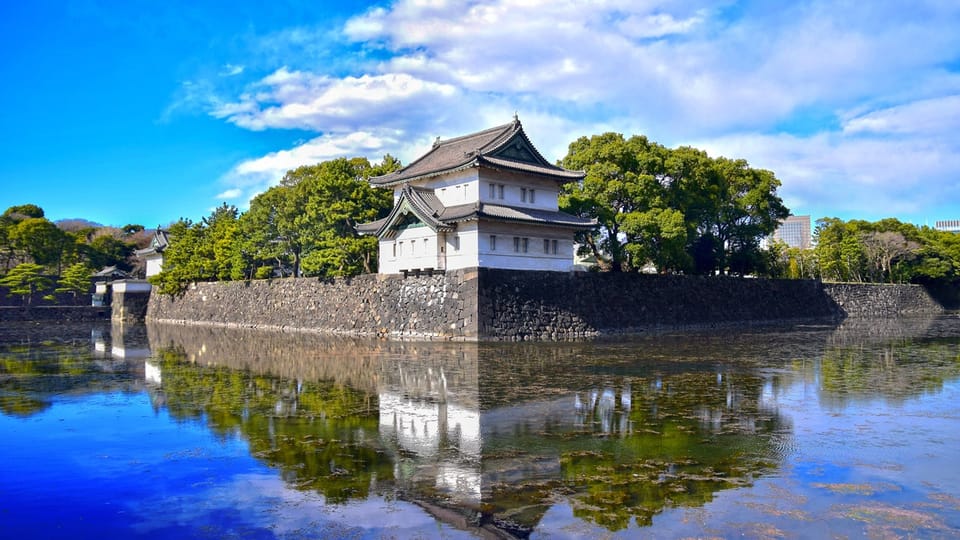
The Imperial Palace area is a tonal shift from Asakusa. Expect quieter paths, wide views, and a sense of space that feels rare in dense Tokyo. Many tours focus on the Outer Garden (Gaien), which is a great way to experience the palace grounds without needing an all-access pass.
This is also where timing can matter. One guide, Kenji, was specifically praised for helping visitors access the imperial palace grounds when allowed at certain times, then explaining the tradition and meaning behind what you’re seeing. Even if your visit stays to the outer areas, your guide’s framing turns the scenery into context.
If you’re choosing only a few stops, this is one of the best “breather” options. You’ll get walking, views, and history cues without the sensory overload of some other neighborhoods.
Tsukiji Fish Market: Morning Energy and Snack Opportunities
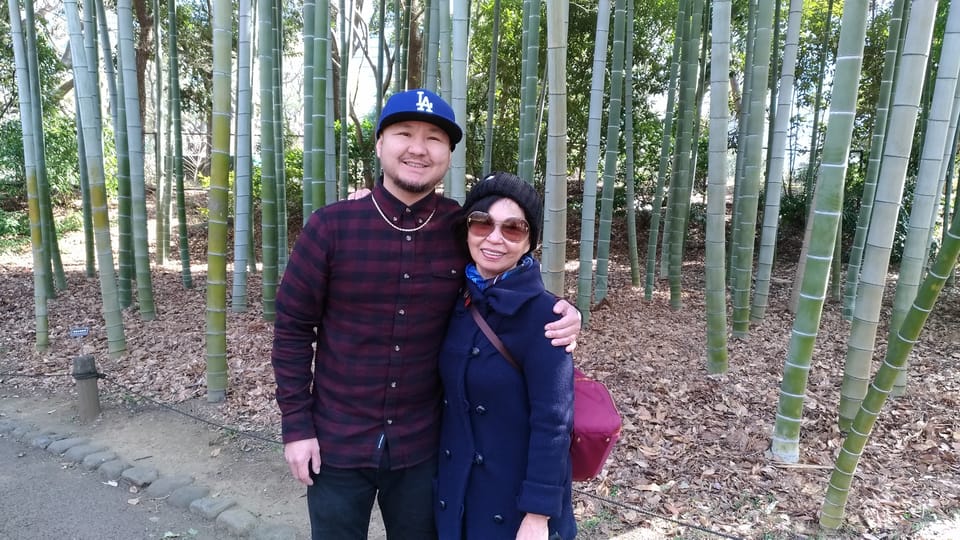
Tsukiji Fish Market is famous, and it lives up to the reputation for energy and food culture. Even if you’re not hunting seafood bargains, it’s worth going for the atmosphere and the sheer intensity of the place—people moving with purpose, stalls packed with smells, and the market vibe that screams Tokyo.
The tour doesn’t include your entrance fees or lunch, so think of Tsukiji as either:
- a morning stop for browsing and quick bites, or
- a lunch launchpad if you prefer to eat at food stalls and nearby eateries.
Practical consideration: markets are lively and sometimes crowded. A guide can help you choose where to focus your time so you don’t burn your day trying to see everything.
Harajuku and Takeshita Street: Kawaii Street-Style Watching
Harajuku is where Tokyo gets loud in the most fun way. Takeshita Street is the headline, but the bigger value is the contrast: a neighborhood that feels built for youth fashion, novelty shops, and constant visual creativity.
If you’ve been stuck on “Tokyo postcard mode,” Harajuku wakes you up. It’s also a good lunch zone in many itineraries, since you can layer food choices into the day instead of treating lunch like a single sit-down obstacle.
A small strategy tip
I recommend treating Harajuku like a browsing block, not an all-day commitment. Let it be your playful stop, then move on before the crowds decide for you.
Meiji Jingu Shrine Forest: the Reset Between Neighborhoods
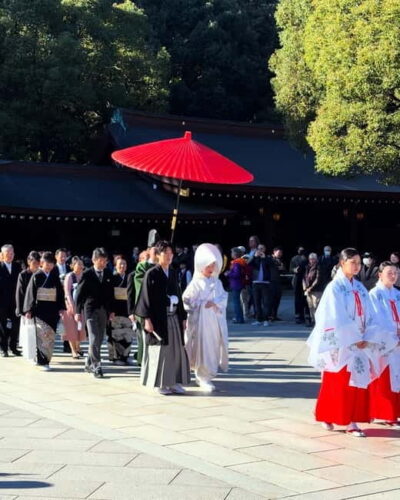
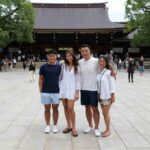
Meiji Jingu Shrine is one of the most calming places in the city. You’re basically walking from hard-edged urban energy into a forest sanctuary feel—between busy areas like Shibuya and Shinjuku. That contrast is the point.
Guides tend to excel here because the setting invites explanation. For example, one guide named Atsushi received praise for being very knowledgeable about Japanese history that helped visitors understand what they were looking at. Another, Kenji, was noted for explaining traditions tied to seasonal observing—so your visit becomes more than taking photos.
If your day includes both Shinjuku and Shibuya vibes, Meiji Jingu is the mental reset you’ll be glad you scheduled.
Shinjuku Gyoen and Hama Rikyu: Gardens vs. City Views
Some routes add Shinjuku Gyoen National Garden, a smart choice if you want Tokyo to slow down. It’s a classic option for travelers who like a structured place to wander—paths, green space, and a sense of “park time” that balances temples and shopping.
Hama Rikyu Gardens offer a different kind of calm. You’ll get garden atmosphere with a more coastal, city-edge feeling, which can be especially enjoyable if your other stops are very dense or neon-heavy.
Here’s the value of choosing gardens: they give you an option to step away from crowds without leaving Tokyo’s story behind. Your guide can also help you decide which garden fits your time window best.
Akihabara, Nezu, and Shinjuku Golden Gai: Pick Your Tokyo Mood
Akihabara is for tech, anime, and gadget browsing. It’s also a place where Tokyo feels instantly “modern Japan.” If you have even a mild interest in electronics, arcades, or pop-culture shopping, this is often the most enjoyable stop because you can wander and filter by what grabs your attention.
Nezu is a quieter contrast. It’s often included on routes for travelers who want shrine-and-temple atmosphere with less chaos than some of the biggest name districts. If you prefer calmer details and small-scale exploration, Nezu can shift your day into something more reflective.
Shinjuku Golden Gai is a very different energy—tiny lanes and a nightlife vibe that’s hard to replicate on your own. In a 4–8 hour tour, you’d typically place it later in the day, so plan for that timing and consider whether you want to linger or just soak in the look.
Getting Around Without a Private Vehicle: Transit Tips That Save Time
This tour uses public transport and may include local taxis. Since private transportation isn’t included, you should have Japanese yen on hand for your own travel between sites. Your guide can help with route choice, which is where you’ll feel the benefit most.
A common theme in the guide praise is teaching how to use Tokyo’s train system. Several guides have been mentioned for helping visitors navigate transfers smoothly, and for making the subway feel manageable. That’s not a small thing. Once you understand the logic, Tokyo stops feeling like a puzzle you have to brute-force.
What to bring for an easier day
Pack for walking. Wear shoes you trust. Bring water. Tokyo heat and humidity can hit hard, and multiple guides have been praised for adding shade breaks, handling families with kids, and adjusting the route when needed.
Pacing, Photos, and Family-Friendly Realities
This is a private group, so pacing is part of the experience—not an afterthought. Many guides have been praised for keeping a steady walking pace that doesn’t feel like a sprint. One guide named Michi was noted for a good steady pace and being happy to wait while guests browsed in shops.
The tour also includes free photos. That matters more than you’d think, because iconic spots look best when you’re not juggling your camera and your schedule at the same time.
If you’re traveling with children, this format can be a lifesaver. Lance was specifically praised for being accommodating with young kids and tailoring the day for accessible stops, plus adding breaks so the group wasn’t wiped out.
Who This Tour Suits Best
This tour is ideal for a first trip to Tokyo, especially if you want a fast start without sacrificing context. It’s also a strong option if you already know the neighborhoods you want (like Asakusa + Meiji or Akihabara + Shinjuku) and you want an expert to stitch them together efficiently.
It also fits travelers who want flexibility more than rigid schedules. Because you choose from multiple highlights, you can scale the day to your energy:
- 4 hours for a tight sampler
- 6–8 hours for a fuller mix with gardens and food stops
If you hate walking or dislike crowds, don’t force in every highlight. Pick fewer areas and let the guide build time buffers.
Should You Book This Tokyo Private Highlights Tour?
I’d book it if you want a structured Tokyo day but still want control over what you see. The big value isn’t just ticking off famous places—it’s having a licensed guide help you connect the dots, plus getting help navigating the city so you can keep exploring after the tour ends.
Skip it only if you’re the type who wants to DIY every minute with zero walking, or if you dislike public transit days. Also keep your budget realistic: entrance fees, lunch, and personal transportation costs aren’t included, so you’ll want to plan for those add-ons.
If your priority is a smooth first day with less guesswork—and you’re okay with a lot of walking—this private highlights tour is a smart way to get your bearings fast.
FAQ
What’s the duration of the Tokyo private city highlights tour?
It runs for 4 to 8 hours, depending on your selected starting time and how your guide builds the route.
Is this tour customizable?
Yes. You choose which must-see locations you want from the provided list, and your licensed guide customizes the itinerary based on your preferences.
What’s included in the price?
The tour includes a licensed local guide, hotel pickup and drop-off, and free photos.
Is lunch included?
No. Lunch is not included, so you’ll need to budget for your meal(s).
Are entrance fees included?
No. Entrance fees for the attractions you visit are not included for your individual entry.
Do I need to pay for transportation during the tour?
Yes. Transportation fees for yourself are not included. The tour uses public transport and may use local taxis, and you should have Japanese yen on hand for transit costs.
What languages are available?
The live guide is available in English and Japanese.
Is the tour wheelchair accessible?
Yes, it is wheelchair accessible.
How long is the meeting logistics and confirmation process?
The tour is not confirmed until your guide contacts you. Most guides contact guests within 7 days.
Can I cancel and get a refund?
Yes. You can cancel up to 24 hours in advance for a full refund.