REVIEW · FUJIKAWAGUCHIKO MACHI
Explore Mt. Fuji Ice Cave in Aokigahara Forest
Book on Viator →Operated by THE HIGHEST PEAK · Bookable on Viator
A 0°C world hides under Aokigahara’s trees. This guided trip takes you into Mt. Fuji–fed ice caverns in Aokigahara Forest, using headlamps and included gear, with special entry access that helps you avoid the big crowds. It’s part forest walk, part lava-tube spelunking, and all kinds of strange-in-a-good-way.
I especially love how the day stays small-group (up to 12) and how you get both the access permits and the equipment you need. I also like that pickups and drop-offs around Lake Kawaguchiko are included, so you can focus on the hike instead of logistics.
One thing to plan for: you’ll be cold fast and there’s some maneuvering involved in and around the cave, so sturdy shoes with grip matter.
In This Review
- Key things to know before you go
- Mt. Fuji Ice Cave and Aokigahara’s real story, not a tourist script
- Permits and local access: why a guide changes the whole trip
- Your 3-hour day, timed so you actually enjoy each part
- Gear and clothing: how to stay warm without feeling bulky
- The forest walk in Aokigahara: Sea of Trees, minus the confusion
- Inside the ice caverns: what 0°C feels like, and how not to trip
- Guide quality you can actually feel: Tada, Takasi, Toshi, and Tadasuke
- Price of $53.06: what you’re really paying for
- Fitness and safety notes that matter on cave days
- Is it worth choosing this over more classic Fuji sights?
- Should you book the Mt. Fuji Ice Cave in Aokigahara?
- FAQ
- How long is the Mt. Fuji Ice Cave in Aokigahara Forest tour?
- What group size is this tour?
- Do I get pickup and drop-off?
- What equipment is provided?
- Is a special entry permit included?
- What happens during the day?
- Is the ice cave physically demanding?
- What should I wear?
- What if the weather is bad?
- Can I cancel and get my money back?
Key things to know before you go
- Special entry permits included, so you don’t have to chase paperwork for remote access
- Lava-formed ice caves tied to Mt. Fuji’s geology, with natural ice formations from frozen meltwater
- Up to 12 people in a small group, and it can turn private if you’re one of the only bookings
- Helmet, coveralls, gloves, and headlamp are provided, and the cave is about 0°C inside
- Aokigahara Sea of Trees walking happens both before and after the cave, not just a quick drop-in
- Some rock scrambling is part of the experience, so moderate fitness helps
Mt. Fuji Ice Cave and Aokigahara’s real story, not a tourist script
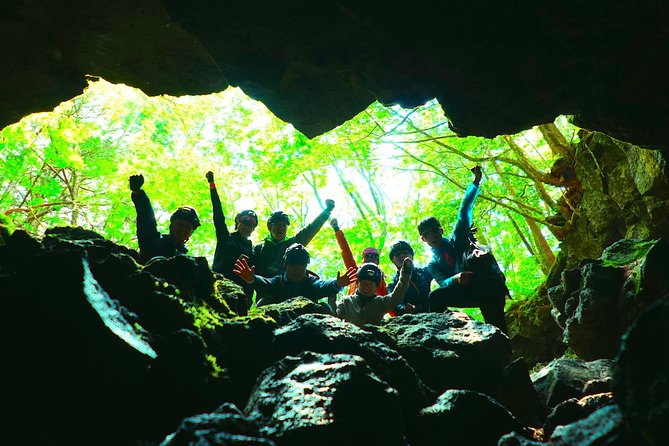
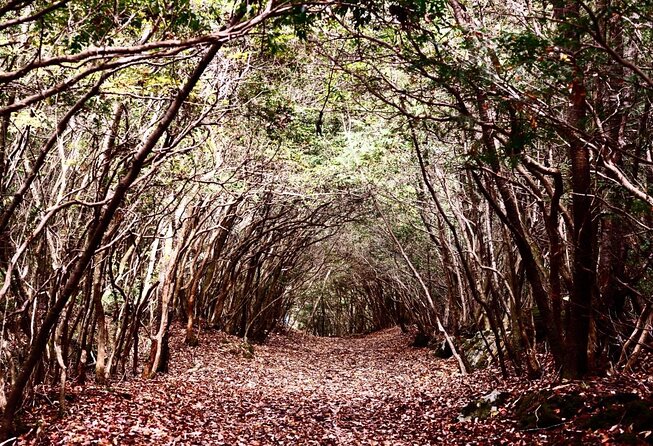
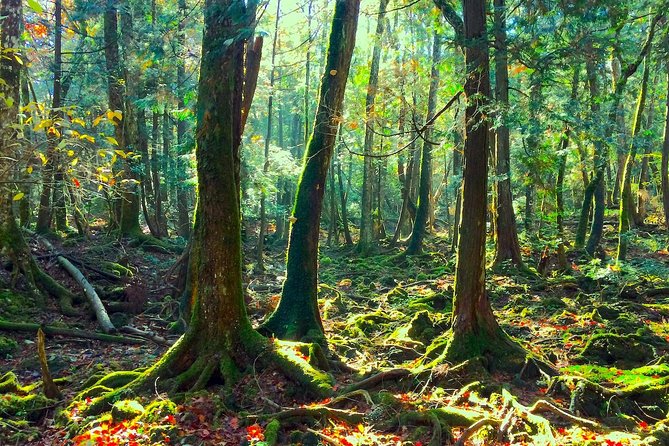
Mt. Fuji Ice Cave tours work best when you think less like a sightseer and more like a visitor to a living natural site. The big draw here is that you’re not just looking at ice. You’re walking through Aokigahara Forest—often called the Sea of Trees—then entering lava-formed caverns where the cold and the formations feel tied to time.
The cave itself has a clean geological “how did this happen?” explanation: a major eruption at the base of Mt. Fuji about 1,200 years ago produced lava tubes and caves. Later, Mt. Fuji’s melted snow fed into those frozen spaces, building the ice formations into “ice art” over time. That means the ice you’re seeing isn’t decorative. It’s a natural result of volcanic rock + cold storage + water history.
And yes, the forest has a heavy reputation online. In practice, what you want from a guide is care and context. One of the guides on this route is praised specifically for handling the forest’s sensitive reputation with respect, while still sharing the geology, ecology, and what makes the place unique.
You can also read our reviews of more tours and experiences in Fujikawaguchiko machi.
Permits and local access: why a guide changes the whole trip
This is one of those experiences where “independently doable” is usually the wrong question. The key value is that the tour includes special entry permits for access to the ice cave area. Many independent travelers would be stuck with general viewpoints and no way to reach the more secluded cave routes.
On top of that, the program emphasizes exclusive access to lava-ice caverns, and it includes entry to what they call the Real Cave—secluded and not turned into a mass-attraction walkthrough. That matters because it keeps the vibe close to what the place actually feels like: enclosed, cold, and a little bit ceremonial. Not scary for the sake of drama—just real nature doing its thing.
You also get a competent English-speaking guide plus a local driver/guide team. Your guide is the difference between wandering around in the forest and understanding why you’re stepping where you’re stepping, and why the cave looks the way it does.
Your 3-hour day, timed so you actually enjoy each part
The tour runs about 3 hours with a walk-and-cave rhythm: forest time, cave time, then forest time again. The schedule can shift depending on the pace of the group and cave progress, so build in a little breathing room rather than stacking it tightly with other plans.
Here’s what the flow looks like:
1) Meet and gear prep
You start at the meeting point and then do a safety and readiness phase. You’ll get suited up with a helmet, overalls, gloves, and a headlamp. There’s also time built in for a toilet stop and a quick moment to settle before going into the cold.
2) Walk through Aokigahara Forest (about 40 minutes)
This is the Sea of Trees portion. It’s not just a transfer. You’re moving at a human pace, with stops to explain what you’re seeing—forest feel, volcanic soil context, and how the ecosystem sits over lava country. Expect a slow fade into that quiet, enclosed forest feeling.
3) Cave exploration (about 60 minutes)
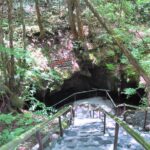
This is the main event. You go deeper into the lava-formed cave systems where the temperature is around 0°C. The tour uses headlamps—so you’ll follow the guide’s rhythm and keep your focus on footing and safety. You should also know that the route may include maneuvering around rocks. If your shoes don’t grip, it can feel more demanding than you expect from a “tour” title.
4) Return walk in the forest (about 40 minutes)
After the cold, the return walk can feel strangely calming. It also gives you time to take in the forest again from daylight conditions and not only through headlamp shadows.
5) Back to the meeting point and break up
Then you head home safely via the included transport.
Gear and clothing: how to stay warm without feeling bulky
The tour supplies the core cave gear: helmet, overall, gloves, and a headlamp. That’s a big help because it’s one less thing to hunt down in Fuji area towns.
Still, your personal job is to dress for cold and damp. The guidance is clear: wear long sleeves and long pants, and bring a winter jacket. You want layers you can move in, not just something that looks good in photos.
Here’s the practical twist: even with provided gloves and coveralls, your body will feel the cave chill fast once you’re inside. If you run cold easily, treat this as a winter activity even if the weather outside feels mild.
Also remember you’ll be using a headlamp, so you should expect your hands to be occupied. Keep your phone simple—easy to access, easy to secure, and don’t count on perfect phone lighting in a dark ice cave.
The forest walk in Aokigahara: Sea of Trees, minus the confusion
Aokigahara Forest can be unsettling in stories and headlines. In person, it’s more interesting than it is dramatic. It’s a dark, moisture-holding forest with volcanic soil and a dense feel—like a place designed to slow you down.
What makes this part worth your time is the way the guide frames it. Several guides are praised for talking about local flora and fauna, and for explaining how the forest and caves connect to the volcanic past. One guide also handles the forest’s sensitive cultural reputation with care, focusing on respectful context rather than shock.
The walk also does a service for your cave visit. You gradually adjust to the environment—walking, listening, getting your bearings—before you’re suddenly in a cold, enclosed space.


Inside the ice caverns: what 0°C feels like, and how not to trip
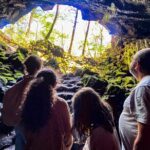
The cave portion is where the tour earns its name. You’re entering ice-cold caverns created by volcanic lava tubes, and the “ice art” is shaped over time by melted snow freezing in those natural cavities.
Expect these realities:
- It’s cold enough that the cave feels like a different climate.
- You’ll move with headlamp guidance, so you need to follow instructions rather than freestyle.
- There’s some rock maneuvering, and your shoes matter. Reviews specifically call out that non-grip footwear can make the cave tougher than expected.
Good news: the caves aren’t described as tiny or crushing. One review notes not worrying about claustrophobia once inside because the caverns feel spacious enough for a guided experience. Still, you should be ready for uneven footing and the kind of careful movement you do when you’re in a natural cave, not a museum hallway.
For photos and video: you can take them, but you shouldn’t use your camera as your main activity. The formations are hard to fully capture, and the best results come when you pause, look, then shoot a few shots instead of trying to document every step.
Guide quality you can actually feel: Tada, Takasi, Toshi, and Tadasuke
This tour’s reputation leans hard on guides. Multiple names show up in feedback, including Tada, Takasi, Toshi, and Tadasuke. The common thread is how they connect the cave to the forest, and how they keep the pace friendly instead of stiff.
Here’s what this means for you:
- You’re not just receiving facts—you’re getting context you can picture while you walk.
- Guides keep the group moving smoothly, with attention to safety when the cave route gets tricky.
- If you’re with kids, the guides are praised for patience and keeping the experience fun rather than stressful.
- Humor pops up a lot, which matters because Aokigahara can feel heavy if you approach it with the wrong mindset.
If you’re the type who likes tours that explain the why, not just the what, this is your match.
Price of $53.06: what you’re really paying for
At $53.06 per person for a roughly 3-hour experience, the math gets interesting because you’re not just buying a walk and a photo stop. You’re paying for several high-value inclusions:
- Special entry permits for access to the ice cave area (often the biggest barrier for independent travelers)
- All the safety and cave gear: helmet, coveralls, gloves, headlamp
- Pickup and drop-off (Kawaguchiko Station plus hotels around Lake Kawaguchiko)
- Local guide in English, plus a professional driver/guide setup
- Transport in an air-conditioned vehicle, with taxes and handling fees included
What’s not included is food and drinks. So budget for a snack plan before or after, and don’t count on the tour day to feed you.
Given how remote the cave access can be, and how much equipment is provided, this price feels reasonable—especially if you would otherwise spend time trying to solve permits, transfers, and gear.
Fitness and safety notes that matter on cave days
This experience asks for moderate physical fitness. That’s tour language, but in practice it means you should be comfortable walking on forest paths and moving in a cave environment that may involve uneven ground and rock maneuvering.
Also note two important filters:
- The tour may not be safe for customers who are pregnant or have been drinking.
- The guide may suspend the tour if someone isn’t following safety instructions or is disturbing others.
If mobility is limited, read that as a warning sign. Cave scrambling and footing can be hard to predict until you’re on site, and one review specifically suggests it isn’t ideal for those with physical limitations.
If you’re worried about safety or claustrophobia, the cave is described as spacious enough to reduce that worry for some people, but you still need to treat it as a real cave with real hazards: cold air, uneven steps, and restricted movement.
Is it worth choosing this over more classic Fuji sights?
If you’re already doing Mt. Fuji ropeway routes and quick viewpoints, this tour is a different kind of payoff. It’s not about height or city views. It’s about geology and cold-adventure learning—plus a forest walk that can feel almost time-locked.
One review contrasts this experience with other Fuji-area attractions, saying the cave and forest felt far more satisfying. Whether you agree will depend on your travel style, but if you like hands-on nature, this tends to beat the usual checklist.
Should you book the Mt. Fuji Ice Cave in Aokigahara?
Book it if you want:
- Remote, permit-included access rather than generic sightseeing
- A small group experience capped at 12 people (and possibly private if your slot ends up small)
- A guided focus on volcanic history, forest ecology, and why the ice exists
- An experience that’s more active than it looks, with headlamps and cold cave time
Skip or think twice if:
- Cold cave conditions will be a problem for you
- You need fully flat, step-free walking
- You don’t handle outdoor winter clothing or the idea of rock maneuvering well
- Pregnancy or alcohol use is in the picture, since the tour notes safety concerns
FAQ
How long is the Mt. Fuji Ice Cave in Aokigahara Forest tour?
The tour runs for about 3 hours.
What group size is this tour?
It’s described as a small-group tour capped at a maximum of 12 people.
Do I get pickup and drop-off?
Yes. Pickup and drop-off are offered at Kawaguchiko Station and hotels around Lake Kawaguchiko.
What equipment is provided?
You’ll receive exploration equipment including a helmet, an overall, gloves, and a headlamp.
Is a special entry permit included?
Yes. The tour includes special entry permits for exclusive access to the lava-formed ice caverns.
What happens during the day?
You’ll meet for preparation, walk in Aokigahara Forest (about 40 minutes), explore the lava cave (about 60 minutes), then walk in the forest again (about 40 minutes), with timing that can fluctuate depending on progress.
Is the ice cave physically demanding?
It requires moderate physical fitness. There can be maneuvering around rocks in the cave, and shoes with grip are important. It may not be suitable for people with mobility limitations.
What should I wear?
Wear clothes suitable for outdoor activities: long sleeves, long pants, and a winter jacket. Plan for cold conditions.
What if the weather is bad?
This experience requires good weather. If it’s canceled due to poor weather, you’ll be offered a different date or a full refund.
Can I cancel and get my money back?
Yes. Free cancellation is available up to 24 hours in advance for a full refund. If you cancel less than 24 hours before the start time, the amount paid isn’t refunded.