Fuji magic needs good timing. This private tour uses an English-speaking guide and a comfy air-conditioned car to hit standout spots fast.
I especially like how the day mixes photo viewpoints with quiet nature stops that usually mean fewer people. The other big plus: Taka’s local know-how and flexible routing when conditions shift.
One thing to plan for: you’ll do some light walking on gravel trails (around 10 minutes at one point), and it’s not ideal if you can’t handle that.
Key tour takeaways before you go
- Private, up to 6 people: quieter, more personal pace than group buses.
- Taka is local and English-speaking: you get real explanations, not just signage.
- Customizable routing: you can steer the day toward views, nature, or cultural sites.
- Fewer crowds focus: stops lean toward lesser-visited spots and calm lakeside moments.
- Expect light trails: bring comfortable nonslip shoes if you want to keep the day easy.
In This Review
- Private Fuji Time With Taka: What This Tour Feels Like
- Where You’ll Go Around Fujikawaguchiko (And Why It’s a Smart Mix)
- How Fuji Photo Planning Works (Even When the Sky Won’t Cooperate)
- UNESCO-Style Shrines: Old Trees, Sacred Views, and Real Meaning
- Waterfalls and Quiet Lookouts: The Day’s Calm Breaks
- Lava Caves and the Aokigahara Jukai Forest: Wear the Right Shoes
- Lakeside Roads, Seasonal Flowers, and Autumn Leaf Drives
- Traditional Village Life: When You Want Culture, Not Just Views
- Customization in Practice: How to Get the Day You Actually Want
- Price and Value: Why $72.67 Per Group Can Make Sense
- Logistics: What’s Included, What’s Not, and What to Budget
- Who Should Book This Tour (And Who Might Skip It)
- Should You Book This Private Fuji Hidden Spots Tour?
- FAQ
- How long is the tour?
- What is the group size limit?
- Is pickup and drop-off included?
- Will the guide speak English?
- Can the itinerary be customized?
- What kinds of stops are included?
- Are attraction entrance fees included?
- Is there walking or hiking?
- What is the cancellation refund rule?
Private Fuji Time With Taka: What This Tour Feels Like
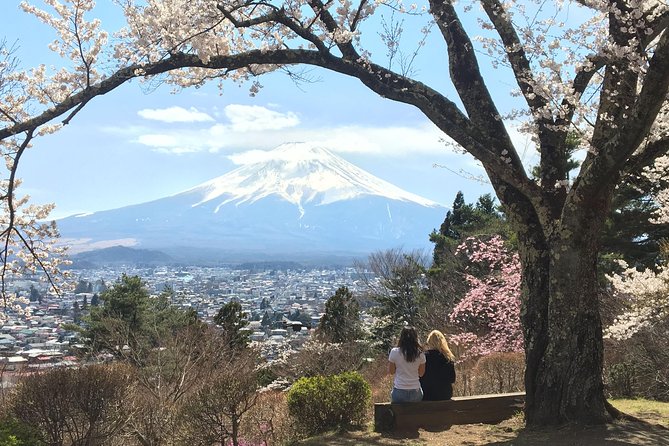
This is the kind of tour that works because it stays practical. You’re not spending hours bouncing between stations and bus routes. You’re in a car, with pickup and drop-off included, and you can ask questions as you go.
The best part is the “local + English” combo. In the Fujikawaguchiko area, timing and nuance matter. Fuji views depend on weather, cloud layers, and even wind. Having Taka as your guide means you’re not just chasing postcards—you’re getting context on what you’re looking at and why certain areas feel special.
Also, the group size is small: up to 6 in your party. That’s a sweet spot. You can talk, stop for photos without feeling rushed, and keep the day comfortable even when everyone wants to step out at slightly different times.
A fair heads-up: it’s not a zero-walking day. There’s light gravel and a short nature trail segment, and the tour isn’t recommended if that’s a problem for you.
Where You’ll Go Around Fujikawaguchiko (And Why It’s a Smart Mix)
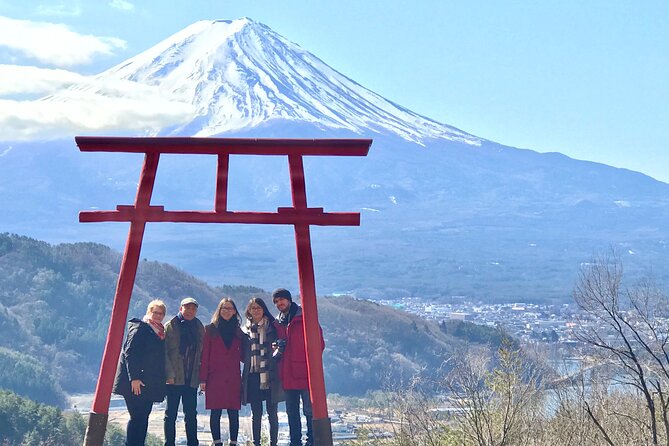
The Fujikawaguchiko base puts you near multiple “flavors” of Mount Fuji country. You can see the mountain from different angles, not just one. And this tour intentionally mixes natural and cultural stops so the day feels full, not repetitive.
You’ll likely encounter a blend like this:
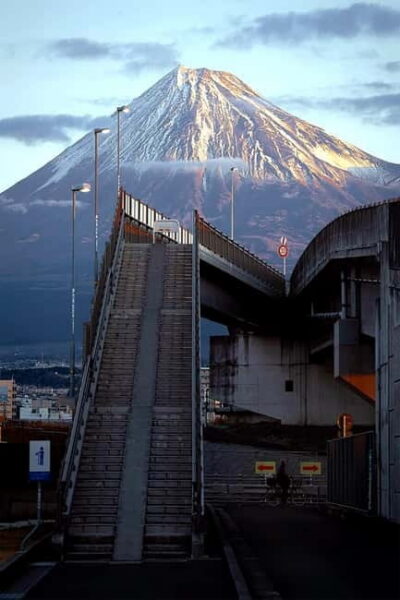
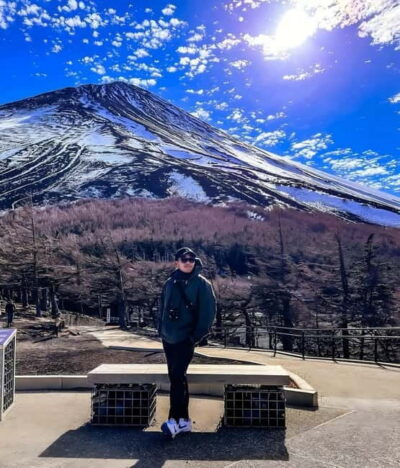
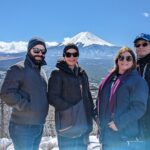
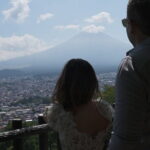
- Fuji viewpoint photo stops (the day often includes one of the best angles for pictures)
- Shrines tied to the Fuji World Heritage atmosphere (including major Sengen shrines in the area)
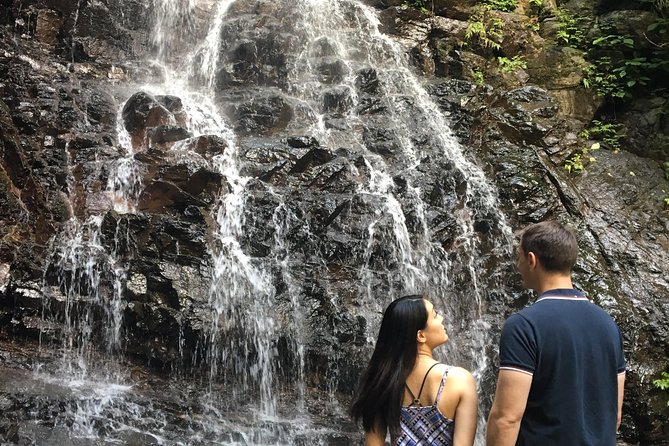
- Water features, such as waterfalls like Hahanoshirataki
- Caves and forest walks, including options that can involve the mysterious Aokigahara Jukai area and lava-cave experiences
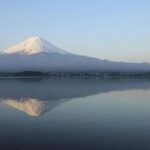
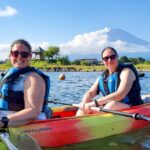
- Lakeside calm, including quiet shore viewpoints and photography stops around the lake(s)
- Seasonal nature like flower walks and autumn leaf roads
- A cultural look at daily life, such as a traditional thatched-roof village style stop
One reason this mix is valuable is that it prevents the “one-trick pony” problem. If the weather takes Fuji into hiding, you still get plenty of meaningful scenery: shrines, waterfalls, forests, and lake views that don’t rely on a perfect mountain silhouette.
You can also read our reviews of more guided tours in Fujikawaguchiko machi

How Fuji Photo Planning Works (Even When the Sky Won’t Cooperate)
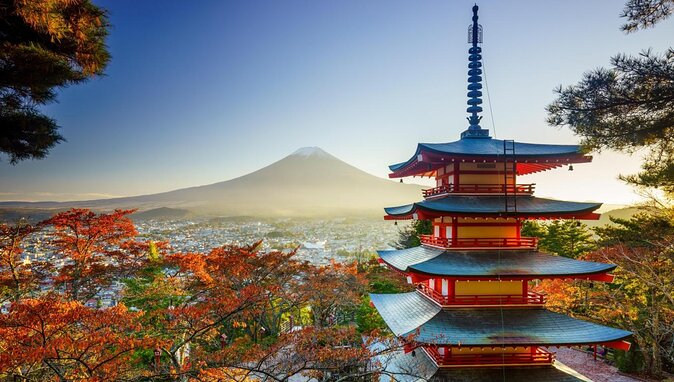
Mount Fuji can be moody. Clear mornings can turn gray fast. That’s exactly why having a private route beats trying to improvise all day.
This tour is structured so you’re not stuck waiting at a single spot for an hour. The idea is to visit multiple angles across the region. You’ll stop at places built for photographs—then move on when the light or visibility changes.
Taka also helps with the “where should I stand” part. He’s known for setting up photo opportunities, including timing and placement that help you get clean compositions. And if conditions shift—clouds, rain, wind—he tends to adjust rather than treating the plan like a rigid checklist.
If your goal is pictures with breathing room (not elbow-to-elbow), this tour’s crowd-avoidance approach is a real advantage.
UNESCO-Style Shrines: Old Trees, Sacred Views, and Real Meaning
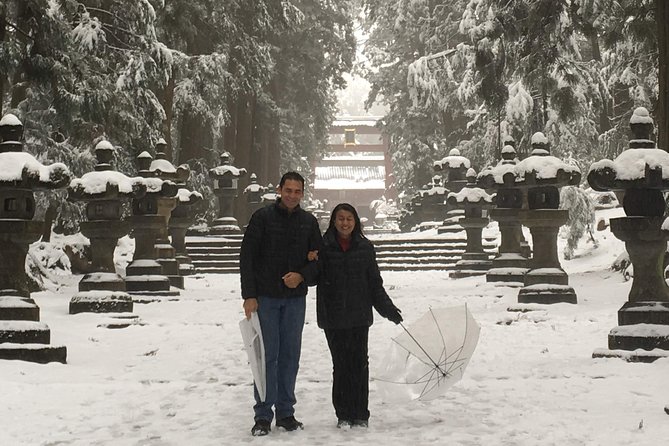
Shrines are a big deal in this region, and the tour doesn’t treat them as quick photo stops. You’ll spend time at quiet, meaningful sites—often ones connected to the broader Fuji World Heritage setting.
You might visit:
- A UNESCO-linked shrine experience connected to the Fuji sacred area
- A shrine included for its centuries-old trees (the “thousand-year” tree detail comes up in the tour’s typical temple stop)
- A major shrine in the area that’s described as a key asset of the World Heritage zone
- Another less-known shrine stop that focuses more on atmosphere than crowds
What I like about this approach is that it gives you a sense of place. A shrine here isn’t just “pretty architecture.” It’s part of how people historically understood the mountain—through Shinto practice and the landscape of worship.
If you ask questions, Taka can explain the connections and what symbols mean in context. That turns a “seen-it-once” stop into something that makes you look twice.
Waterfalls and Quiet Lookouts: The Day’s Calm Breaks
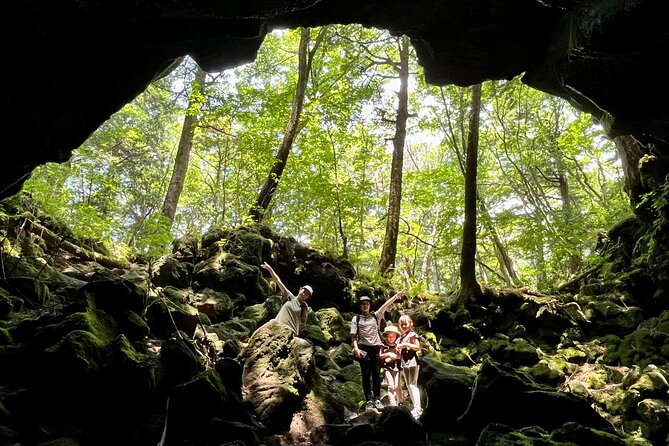
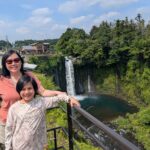
Waterfalls and lake viewpoints are where the tour slows down in a good way. You’ll likely stop at a hidden-feeling waterfall and lookout with strong views over the lake, town, and Mount Fuji in clear conditions.
Even if Fuji is partially obscured, these stops still work because:
- the waterfall and forest soundscape create the mood
- viewpoints give you layering—town shapes, lake lines, mountain silhouette if you’re lucky
- the calm pacing helps you enjoy rather than rush
The “less-traveled” vibe shows up here too. The goal is fewer crowds and more quiet. For many people, that’s the difference between a day that feels like sightseeing and a day that feels like a reset.
Lava Caves and the Aokigahara Jukai Forest: Wear the Right Shoes
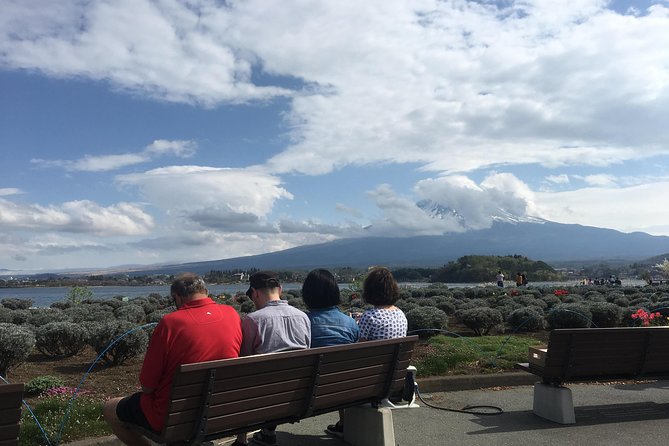
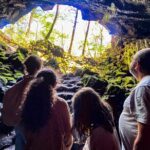
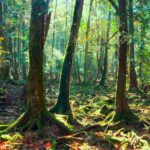
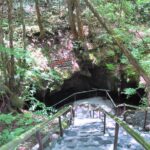
One of the most memorable parts of this tour can be the time spent walking in nature. The route may include a trek through the Aokigahara Jukai forest area and a lava cave style stop—chosen as something more unusual than the typical crowded cave experience.
This is where your footwear matters. The tour specifically notes that you may be on gravel roads and a nature trail segment for about 10 minutes at one point.
So here’s the practical advice:
- wear comfortable nonslip shoes
- expect uneven ground
- take your time on short trail sections
If you’re comfortable with light walking, this is a big payoff moment. Nature here feels different—more atmospheric, more mysterious, and less like you’re marching through a checklist.
If you’re not comfortable with gravel and short trails, consider whether you want a purely driving-focused tour instead.
You can also read our reviews of more private tours in Fujikawaguchiko machi
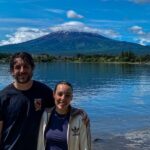
Lakeside Roads, Seasonal Flowers, and Autumn Leaf Drives
This area changes a lot by season, and this tour leans into that. Depending on timing, you may do:
- walks through seasonal flowers with Mount Fuji views
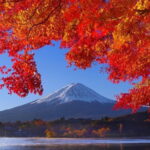
- a lakeside road known for colored leaves in autumn
- a quiet lakeshore moment where you can relax and take in the view
- photo stops along the north shore of Lake Yamanakako for Fuji-over-lake compositions
These are the stops that often feel “small but perfect.” They’re not always the loudest attractions, but they’re the ones where you can slow down, breathe, and let the scenery land.
And because you’re in a private setup, you can actually spend time at the best spots rather than standing wherever the crowd dictates.
Traditional Village Life: When You Want Culture, Not Just Views
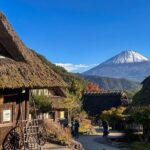
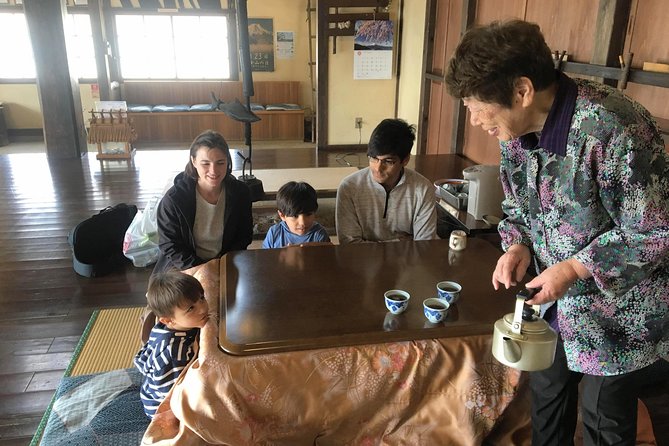
Not every stop is about Fuji in the background. You may also visit a traditional thatched-roof village style area. It’s a helpful contrast: after forests, caves, and shrines, you get a window into older Japanese life and building style.
It’s the kind of stop that works well if you:
- want more than scenery
- enjoy slow cultural wandering
- like seeing how people lived in the region before modern tourism infrastructure
Even if you’re not a museum person, these village-style moments tend to make the trip feel more grounded.
Customization in Practice: How to Get the Day You Actually Want
The tour is described as customizable, and that matters because the Fujikawaguchiko region has multiple “best ways” to experience it.
In real terms, customization usually means you can:
- prioritize photo spots and viewpoints
- lean more cultural (shrines, heritage-type stops)
- spend more time in nature (waterfalls, forest walk, caves)
- adjust based on weather visibility
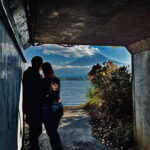
Taka’s flexibility is a strong theme in the way people describe their day. One review even mentions him helping with a special moment like a proposal setup, which is a good sign that he understands pacing and timing—not just geography.
My advice: message your priorities before the tour starts. If you care most about shrines, say so. If you’re chasing fewer crowds and more solitude, say that too. When the day is private, those preferences can shape the whole route.
Price and Value: Why $72.67 Per Group Can Make Sense
The price listed is $72.67 per group (up to 6), for 3 to 5 hours with pickup/drop-off and a private, English-speaking guide in an air-conditioned vehicle.
Now, value isn’t only math—it’s how the day compares to alternatives.
Here’s the practical way to think about it:
- Paying for a private vehicle plus an English-speaking local guide is usually where costs rise.
- But because it’s per group (not per person), your cost efficiency improves quickly once you have multiple people.
- A 3 to 5 hour window is short enough that paying for simplicity is often worth it. You’re buying time you’d otherwise spend coordinating transport and timing between scattered sites.
Entrance fees aren’t included, and road tolls or parking may be extra. So your final total depends on what stops you choose. But for many people, the “saved time + better routing + less crowd stress” is exactly what they want in a short Mount Fuji stay.
Logistics: What’s Included, What’s Not, and What to Budget
Included:
- English speaking guide
- Pick-up and drop-off service
- Private transportation
- Local taxes
Not included:
- Road toll
- Parking fee
- Attraction entrance fee (including for the guide)
- Travel insurance
- Other personal expenses
A smart budgeting move: assume you might pay a few entrance costs depending on which sites are selected that day. Parking and tolls also tend to show up in car-based tours even when the guide and vehicle are otherwise handled.
Also, you get a mobile ticket, which is handy.
Finally, the tour is near public transportation, but since it includes pickup/drop-off, you’ll likely treat it as door-to-door—especially if you’re tired from earlier Tokyo or Hakone days.
Who Should Book This Tour (And Who Might Skip It)
This tour is a strong fit if you want:
- an English-speaking local guide to explain what you’re seeing
- a short Mount Fuji area day that feels well-paced
- fewer crowds and more time in nature, shrines, and viewpoints
- a private setup where you can ask questions and adjust timing
It may be less ideal if:
- you can’t handle light gravel roads and a short nature trail segment
- you want a fully “no walking” experience
- your budget is strictly fixed and you don’t want any possibility of entrance fees
For families, it can work especially well because the car-based format keeps everyone moving comfortably. The tour has also been described as accommodating for a young child with stops for feeding, which hints at practical flexibility.
Should You Book This Private Fuji Hidden Spots Tour?
If your priority is a Mount Fuji day that feels personal and calm—without the stress of route planning—this is a very smart booking.
I’d especially recommend it when:
- you want strong photo viewpoints but don’t want to fight crowds all day
- you like combining culture (shrines) with nature (waterfalls, forest, cave)
- you’re traveling in a group up to 6 so the group-rate price feels meaningful
The only real question is your comfort level with light walking on gravel and short trails. If you’re good with that, you’ll likely come away feeling like you used your time well—and that you didn’t just “arrive and take a look.”
FAQ
How long is the tour?
It runs about 3 to 5 hours, depending on the route and timing on the day.
What is the group size limit?
It’s a private tour for your group, with up to 6 people.
Is pickup and drop-off included?
Yes. Pickup and drop-off service are included.
Will the guide speak English?
Yes. The tour includes an English-speaking guide/driver.
Can the itinerary be customized?
Yes. The tour is customizable to suit your needs.
What kinds of stops are included?
You may visit a mix of nature and culture, such as waterfall areas, shrines (including Kawaguchi Sengen Shrine mentioned as a potential highlight), cave experiences like Saiko Bat Cave, and scenic lake viewpoints.
Are attraction entrance fees included?
No. Attraction entrance fees are not included (and that includes entrance fees for the guide too).
Is there walking or hiking?
There is light walking on gravel roads and a nature trail about 10 minutes at one place. Comfortable nonslip shoes are recommended.
What is the cancellation refund rule?
Free cancellation is available up to 24 hours before the start time for a full refund. Less than 24 hours before start time is not refundable.