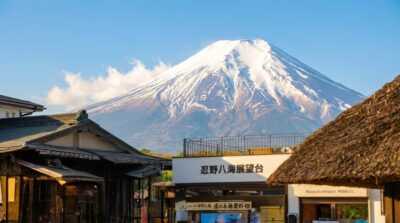
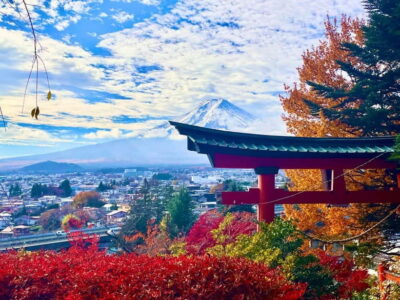
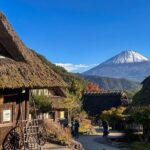
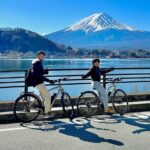
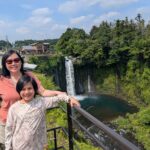
Fuji has a quieter side, and this drive finds it. This private 6-hour route is built around lesser-seen places around Lake Kawaguchi, led by local English guide Yuki, with flexible stops and time to look around without feeling rushed. You get a calm view of Mt. Fuji and the area’s everyday culture, not just the usual photo stops.
I especially like two things. First, you spend real time at viewpoints like Lake Kawaguchiko and Saiko Lake, where the pace is slower and the scenery feels more personal. Second, the tour blends nature with local landmarks, like Kawaguchi Asama Shrine and the lava-field forest at Aokigahara, so you come away with context, not just coordinates.
One consideration: this tour is only for people who are already in the Kawaguchiko area (pickup is offered), and the Mt. Fuji stop depends on weather. If you’re hoping for guaranteed 5th-station views, you’ll want to be flexible.
In This Review
- Key highlights you’ll care about
- The appeal: a “Hidden Fuji” day that stays off the crowded track
- Price and what you’re really paying for
- Your day at a glance: timing, format, and tickets
- Stop 1: Lake Kawaguchiko for the classic Fuji view
- Stop 2: Kawaguchi Asama Shrine and the 1200-year story
- Stop 3: Saiko Lake for quiet water and respectful viewing
- Stop 4: Aokigahara Forest on lava ground and sacred ruins
- Stop 5: Lake Shoji for a smaller, calmer Fuji Five Lakes moment
- Stop 6: Menkyo-kaiden and Yoshida Udon culture
- Optional Stop 7: Mt. Fuji approach up to the 5th station
- Stop 8: Fujisan Onsen Hotel Kaneyamaen garden time
- What the guide’s approach changes in a day like this
- Who should book this Hidden Fuji drive
- Should you book Hidden Fuji with Yuki?
- FAQ
- Is this tour only for people staying near Kawaguchiko?
- What time does the tour start and how long is it?
- Is it a private tour, and how many people can join?
- What’s included in the price, and what do I pay separately?
- Can I go up to the 5th station on Mt. Fuji?
- Do I need to pay entrance fees for the stops?
- What if the weather is bad or I need to cancel?
Key highlights you’ll care about
- Private driving with Yuki: local English guidance built for a small group of up to 5
- Quieter Fuji Five Lakes side: Lake Kawaguchiko plus Saiko Lake and Lake Shoji, including calmer angler-friendly viewpoints
- Shrines and lava history: Kawaguchi Asama Shrine and Aokigahara forest on Fuji’s lava foundation
- Optional Mt. Fuji approach: up to the 5th station when conditions allow, with the entrance fee not included
- Local food time: a stop connected to Yoshida Udon (lunch is optional and extra)
The appeal: a “Hidden Fuji” day that stays off the crowded track
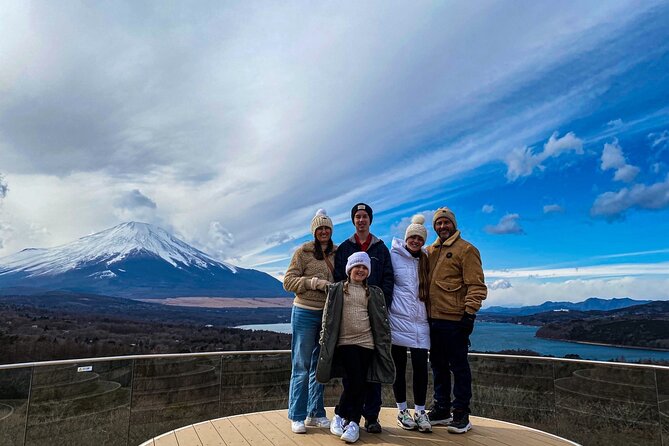
This is the kind of Mt. Fuji tour that makes sense if you’re tired of arriving somewhere, grabbing a shot, and leaving. The basic promise is simple: you’ll step away from the main tourist flow and see the quieter, more lived-in corners of Fujikawaguchiko-machi and the lakes around it. The private format matters here. With only your group in the car, your guide can shift the order of stops and pacing based on what the light and weather are doing.
Your guide for the day is Yuki, a local English-speaking guide. That turns a “look at that” sightseeing day into something more useful. You’re not just listening to what you can already see. You’ll hear why places are placed where they are, and what locals remember about Mt. Fuji and the surrounding landscape.
And yes, you do get the classic Fuji visuals. But the bigger win is the route design: a mix of lakes, shrine culture, and the Aokigahara forest area—paired with enough time at each stop to actually enjoy it.
You can also read our reviews of more guided tours in Fujikawaguchiko machi

Price and what you’re really paying for
The tour costs $396.31 per group (up to 5), and it’s typically booked about 60 days in advance. That means your real price-per-person depends on how many of you fill the car.
- If you have 4–5 people, the value can look very strong compared with paying solo for a guided day in a private vehicle.
- If you’re traveling as a couple, it’s still a fair deal when you factor in private driving, a local English guide, and parking and vehicle costs being covered.
What’s included is practical stuff: air-conditioned transportation, parking fees, and the English-speaking guide. What’s not included is also clearly laid out: lunch (optional, usually 1000–2000 yen per person) and the Mt. Fuji entrance fee if you do the optional approach up to the 5th station (listed as 2800 yen).
This “included vs. not included” setup helps you plan a day that doesn’t turn into an expense surprise.
Your day at a glance: timing, format, and tickets
You start at 9:00 am and the tour runs about 6 hours. It’s a private experience, meaning only your group participates. For tickets, you’ll use a mobile ticket, and most people can take part.
Pickup is offered, and the tour also notes that it’s only for guests who are coming to the Kawaguchiko area themselves or already staying nearby. So if you’re building your itinerary from farther away, you’ll want to make sure you’ll be positioned in the area early enough for a 9:00 am start.
Because this is a weather-dependent Mt. Fuji experience, plan your expectations with flexibility. If conditions aren’t good, the Mt. Fuji option may change.
Stop 1: Lake Kawaguchiko for the classic Fuji view
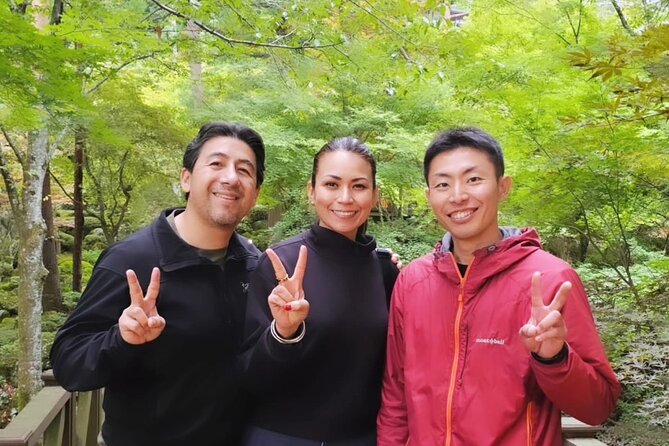
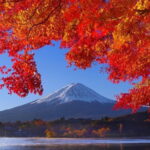
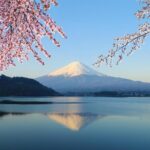
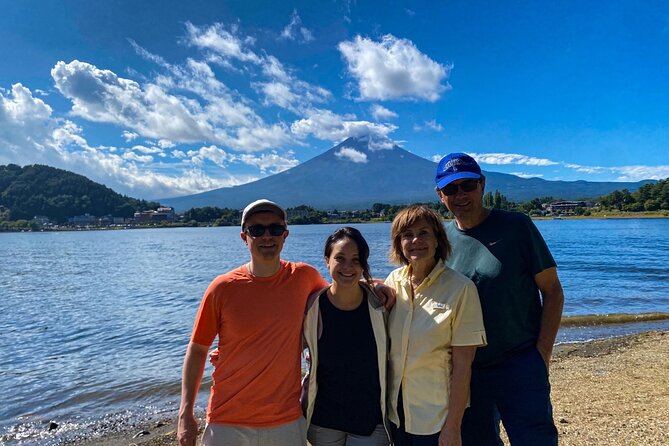
The day opens at Lake Kawaguchiko, with about 10 minutes on-site. The goal is straightforward: you’ll get a solid look at Mt. Fuji with the lake in frame.
Even with a short stop, this is a smart first choice. Lake Kawaguchiko is one of the best “orientation” spots. Seeing the mountain’s shape here helps you understand how the rest of the route fits together, because you’ll later move through areas built around the same Fuji-water connection.
What to watch for: visibility. If the sky is clear, this first stop is where you often get that crisp Mt. Fuji silhouette against water. If it’s hazy, you may still enjoy the atmosphere, but don’t assume the mountain will look identical throughout the day.
Stop 2: Kawaguchi Asama Shrine and the 1200-year story
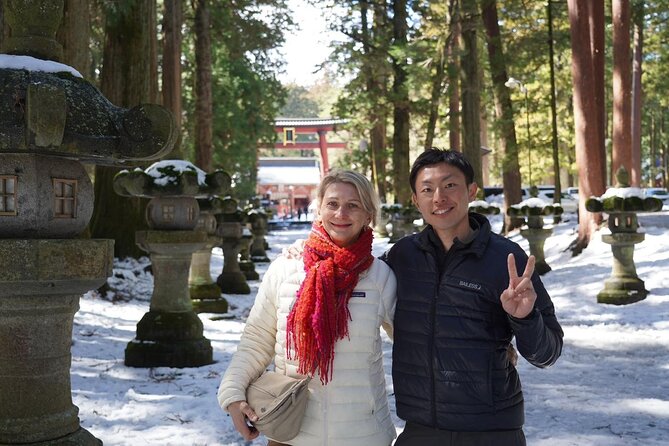
Next up is Kawaguchi Asama Shrine for around 30 minutes. This isn’t just a quick temple-and-photos stop. The shrine is connected to the idea of praying for stability after eruptions, with a history reaching back about 1200 years. You’ll also hear about the shrine’s seven ancient trees, which adds a slower, more rooted feeling to the visit.
This stop is valuable because it shows a different side of “Fuji.” Mt. Fuji isn’t only a mountain to climb. It’s also a spiritual reference point that local traditions have shaped for centuries.
Practical tip: go in with a little curiosity. When you’re hearing the story, even simple shrine details feel more meaningful.

Stop 3: Saiko Lake for quiet water and respectful viewing
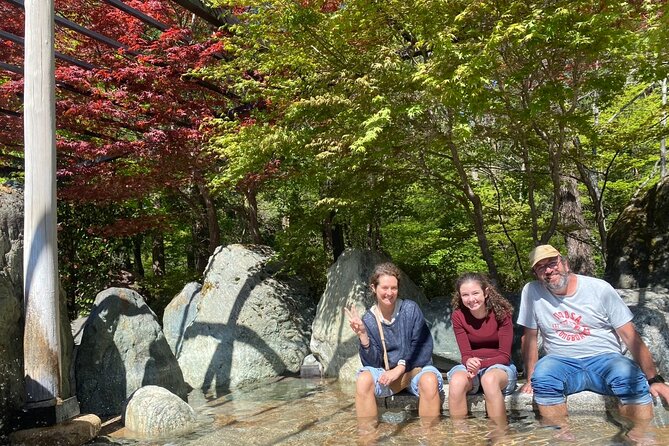
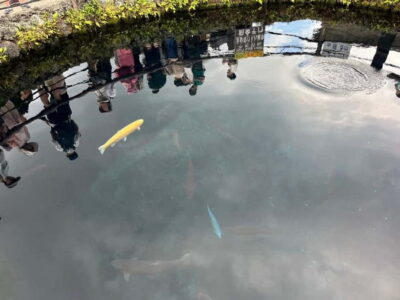
Then you’ll head to Saiko Lake for about 20 minutes. The description focuses on the lake’s deep blue color and the idea of pure water from Mt. Fuji. You’ll get time to enjoy the view quietly and, importantly, not disturb local anglers.
That last bit matters. This is one of the stops where the “quiet Fuji” theme becomes real. You’re not just following a schedule. You’re sharing space with people who actually use the lake.
What to keep in mind: since the stop is short, show up ready to look and take a few photos quickly, then step back and enjoy the stillness. This is the kind of place where pausing feels like part of the experience.
Stop 4: Aokigahara Forest on lava ground and sacred ruins
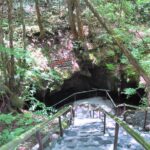
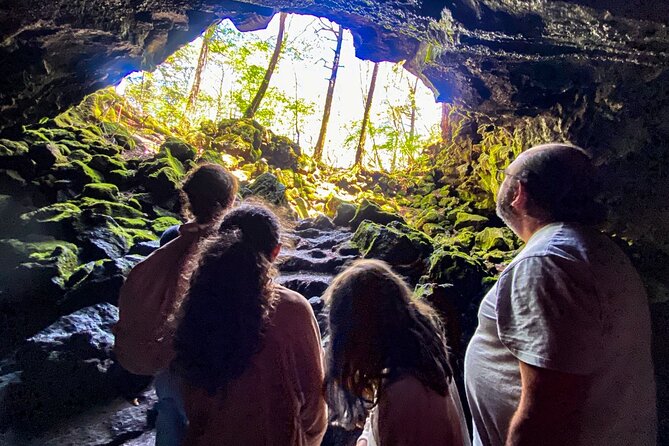
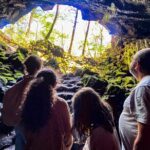
Aokigahara is the stop many people recognize, and this tour places it in context. You’ll spend about 1 hour exploring the forest built on Fuji’s lava field, described as “Jukai.” You’ll also have a chance to visit a sacred ruins area and see a lava cave connected to one of the biggest eruptions.
This is where the day gets more than pretty views. You’re walking on land shaped by volcanic history. And because your guide is with you, you’re more likely to understand what you’re seeing instead of just thinking, Wow, that looks odd.
A practical consideration: if you’re sensitive to uneven terrain or cooler, shaded forest air, dress accordingly. The tour itself includes an air-conditioned vehicle, but the walking portions are still outdoors.
Stop 5: Lake Shoji for a smaller, calmer Fuji Five Lakes moment
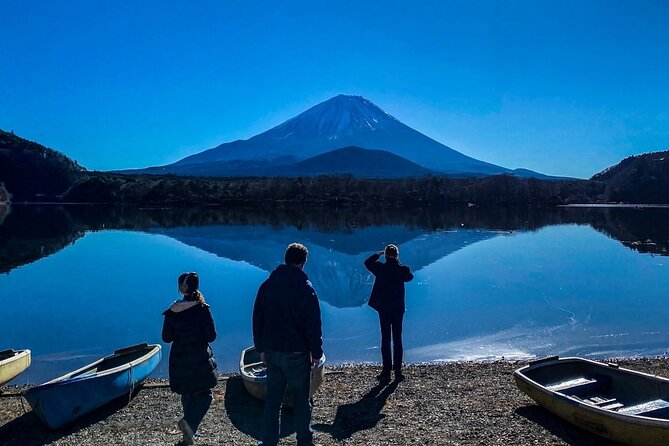
After the forest, you’ll visit Lake Shoji for about 30 minutes. It’s described as the smallest of the Fuji Five Lakes and a place where things feel peaceful and quiet. This stop is also positioned as a “hidden” type of calm—less about crowds, more about atmosphere.
Lake Shoji can be a great contrast after Aokigahara. One is dark and volcanic; the other is open water and quiet. The two together make the day feel balanced.
What you’ll enjoy most: having time to look without feeling like you’re being rushed. With 30 minutes, you can take in the view, take a few photos, and then just stand there for a minute and let it sink in.
Stop 6: Menkyo-kaiden and Yoshida Udon culture
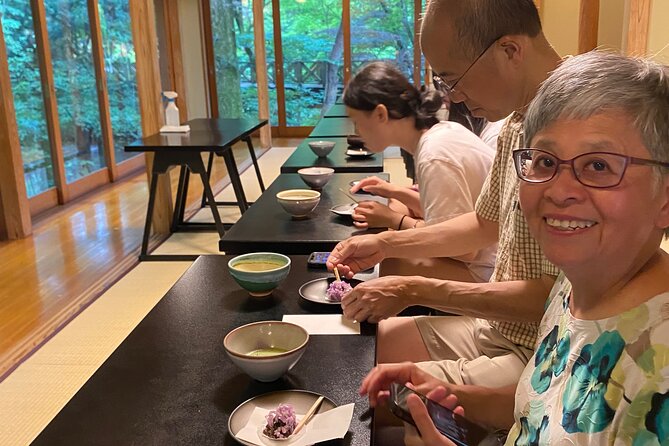
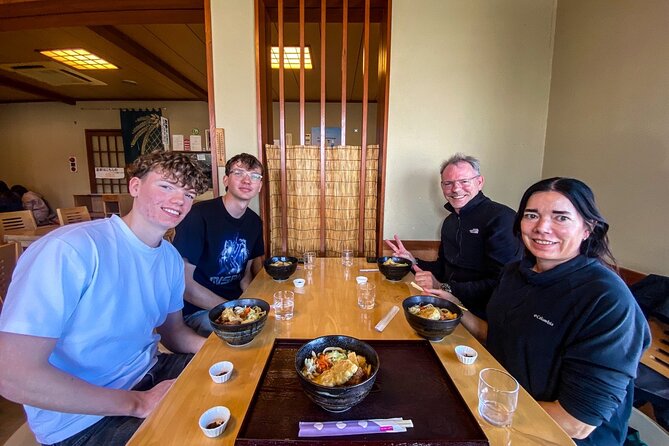
Now for food culture. The tour includes Menkyo-kaiden, where the focus is on Yoshida Udon. The noodles are described as thicker than usual, with a firm, chewy texture. The stop is about 45 minutes.
Lunch isn’t included in the price, and you can spend extra for it. But this stop is clearly built to connect you with local eating habits without turning lunch into a generic restaurant hunt.
Here’s the practical angle: if you want to eat “on theme” without wasting time searching, this is the type of scheduled stop that helps. Also, since your guide is English-speaking, you’re less likely to end up guessing what’s best.
Optional Stop 7: Mt. Fuji approach up to the 5th station
You have an optional Mt. Fuji stop, with a target of approaching up to the 5th station if weather allows. The time budget here is up to 1 hour, and the entrance fee is not included (listed as 2800 yen).
This part is a classic “condition-dependent” experience. Even when you do everything right, Mt. Fuji can be swallowed by cloud. That’s why this tour calls it optional and ties it to weather.
If the sky cooperates, the payoff can be big: you get higher-elevation views and the chance for a short hike. If it doesn’t, don’t panic. You’re still getting multiple Fuji-adjacent lakes and the Aokigahara experience, which can still make the day feel complete.
Stop 8: Fujisan Onsen Hotel Kaneyamaen garden time
Finally, you’ll end at Fujisan Onsen Hotel Kaneyamaen for about 30 minutes. The garden is described as the hotel’s Japanese-style garden that opens to the public, and it’s mentioned as a place where you can feel the seasons more clearly.
This is a nice way to wrap up the day. After being outside in multiple environments—water, shrine grounds, forest—you finish somewhere calmer and more designed for quiet strolling.
Tip: if you’re photographing, late-day light might be softer here. Take a slower pass rather than rushing straight for the best angle.
What the guide’s approach changes in a day like this
A private driving tour can either feel like a car with stops, or it can feel like a guided storyline. With Yuki, the itinerary reads like it has a point: Fuji’s presence is explained through lakes, through worship traditions, and through volcanic terrain.
That’s how you get more value out of a short day. Instead of spending 6 hours collecting sights, you’re collecting meaning. And because the route is built around quieter areas, you’re more likely to actually hear what your guide says, and to have space to take in what you’re seeing.
Also, the car is air-conditioned, which matters. This route includes walking and outdoor time, but you’ll still have comfort between stops.
Who should book this Hidden Fuji drive
This tour fits best if you:
- Want Mt. Fuji and the Fuji Five Lakes area without feeling like you’re stuck in a crowd
- Like a balanced mix of nature and cultural stops (shrines and traditions included)
- Prefer a private setup with an English-speaking local guide
- Are staying in the Kawaguchiko area already, or can get there early for a 9:00 am pickup
It’s also a solid match for small groups of up to 5, especially if you can fill the group and stretch value.
If you’re the type who wants a nonstop, high-altitude Mt. Fuji summit experience no matter what, you may find the optional nature of the 5th station approach frustrating. But if you’re okay with a weather-flexible plan, this route is a strong choice.
Should you book Hidden Fuji with Yuki?
I think it’s worth booking if your goal is a calm, local-feeling Fuji day. The route makes smart choices: Lake Kawaguchiko for your first look, Saiko Lake and Lake Shoji for quieter water views, Aokigahara for volcanic-landform understanding, and a Yoshida Udon–focused stop so the day includes real regional taste.
Skip it only if you don’t want to plan around weather or if you can’t realistically be based in the Kawaguchiko area for a 9:00 am start. Also, if you’re counting on the Mt. Fuji 5th station approach as the main event, treat it as a bonus rather than a guarantee.
FAQ
Is this tour only for people staying near Kawaguchiko?
Yes. The tour is available only for clients who are coming to the Kawaguchiko area themselves or who are already staying in the area.
What time does the tour start and how long is it?
It starts at 9:00 am and lasts about 6 hours.
Is it a private tour, and how many people can join?
It’s private. Only your group participates, and the price is listed per group for up to 5 people.
What’s included in the price, and what do I pay separately?
Included: parking fees, an air-conditioned vehicle, and an English-speaking local guide (Yuki). Not included: lunch (optional, usually 1000–2000 yen per person) and the Mt. Fuji entrance fee (2800 yen) if you do the optional Mt. Fuji stop.
Can I go up to the 5th station on Mt. Fuji?
You can approach up to the 5th station if the weather conditions are good. It’s listed as optional, and the entrance fee is not included.
Do I need to pay entrance fees for the stops?
All listed stops in the itinerary show admission tickets as free, except the optional Mt. Fuji stop where the entrance fee is not included.
What if the weather is bad or I need to cancel?
The experience requires good weather. If it’s canceled due to poor weather, you’ll be offered a different date or a full refund. You can cancel for free up to 24 hours before the experience start time.