REVIEW · FUJIKAWAGUCHIKO MACHI
Sushi Cooking Class at Sushi Factory -KIWAMI- Mt.Fuji
Book on Viator →Operated by Japan food entertainment Ltd · Bookable on Viator
Sushi-making here comes with puzzle missions and Mt. Fuji scenery. You’ll learn hands-on techniques for classic styles like Nigiri and Temaki, while solving playful challenges such as building decorative sushi boats.
What I like is how practical it feels: you’re not just watching, you’re shaping sushi items like Temari, Gunkan maki, Nigiri, and Temaki. And you can add your own heat by grating fresh domestic wasabi right in the session.
One thing to consider: the experience is designed to be fun and slightly game-like. If you’re chasing a quiet, traditional lesson vibe only, you may find it a bit too gimmicky for your taste.
In This Review
- Key highlights you should care about
- Where Mt. Fuji Meets Your Sushi Board
- Price and what makes it feel worth $141.84
- How the 1.5-hour class flows in real life
- The sushi you’ll actually make: Temari, Gunkan Maki, Nigiri, Temaki
- Puzzle missions: sushi pearls and decorative boats
- Wasabi grating: the tiny step that feels big
- Meals included: lunch and dinner with a 90-minute lesson
- Group size, attention, and why that matters for your hands
- Who this sushi class is best for
- Should you book Sushi Factory -KIWAMI- Mt.Fuji?
- FAQ
- Where is the meeting point for Sushi Factory -KIWAMI- Mt.Fuji?
- How long does the sushi cooking class last?
- How much does it cost per person?
- What’s included in the price?
- What’s the maximum group size?
- Do I need transportation to get there?
- What is the cancellation policy?
Key highlights you should care about
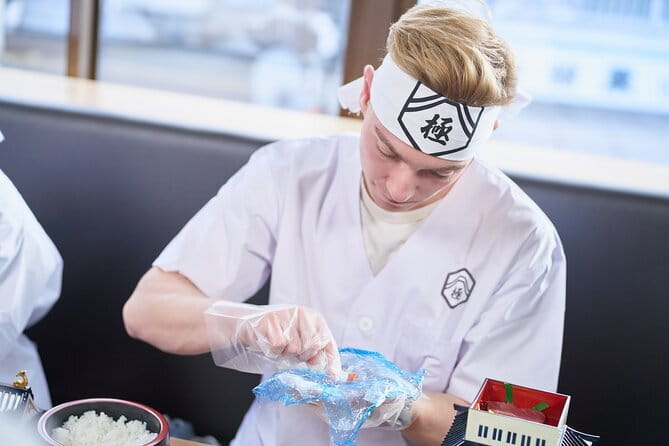
- Hands-on sushi variety: Temari, Gunkan maki, Nigiri, and Temaki
- Mt. Fuji backdrop: you cook while looking out at the region’s famous views
- Wasabi grating: you get to handle fresh domestic wasabi instead of using a jar
- Puzzle missions: sushi pearls and decorative sushi boats add structure to the class
- Small group size: maximum of 15 travelers, so you’re not lost in a crowd
Where Mt. Fuji Meets Your Sushi Board
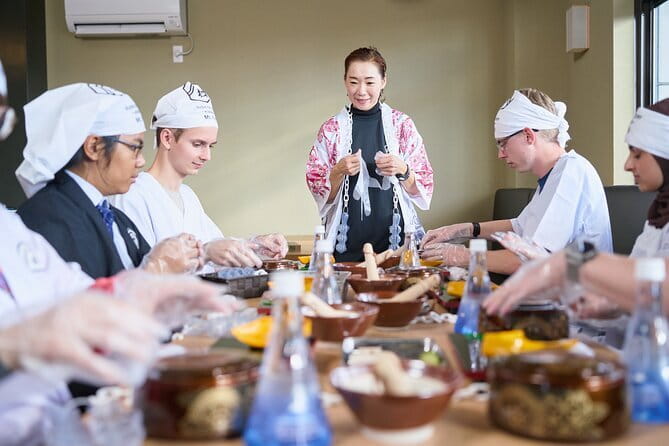
This class is based in Fujikawaguchiko-machi, the Mt. Fuji area that’s easy to reach but still feels like Japan, not a theme park. The activity runs from Ramen Factory Mt.Fuji at 3487-15 Funatsu, Fujikawaguchiko. You end right back at the same meeting point, so there’s no messy end-of-tour navigation.
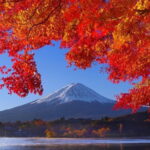
The big hook is that you cook sushi with a view of the Mt. Fuji area. That changes the mood. It’s one thing to learn sushi at a table. It’s another to be making it while Mt. Fuji is looming in the background.
And this isn’t a lecture. The format mixes cooking with challenges—almost like you’re playing along while learning the craft.
You can also read our reviews of more cooking classes in Fujikawaguchiko machi


Price and what makes it feel worth $141.84
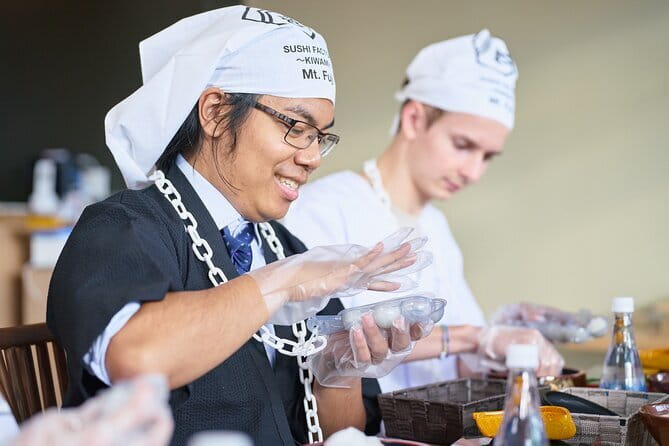
The price is $141.84 per person. On the surface, it’s not a bargain, especially since transportation isn’t included. But look at what’s bundled.
Your booking includes lunch and dinner, plus all fees and taxes. That matters because sushi classes often charge extra once you add meal costs. Here, your ticket already covers the meal pieces tied to the experience, which makes it easier to compare value against a separate meal plan.
Then add the session length: about 1 hour 30 minutes. Short classes can feel rushed, but the structure here is designed to keep you busy—making multiple sushi types, doing wasabi, and completing puzzle tasks.
It’s also capped at 15 people, which usually helps with hands-on time and attention. If you hate feeling like a spectator, this smaller group size is a plus.
How the 1.5-hour class flows in real life
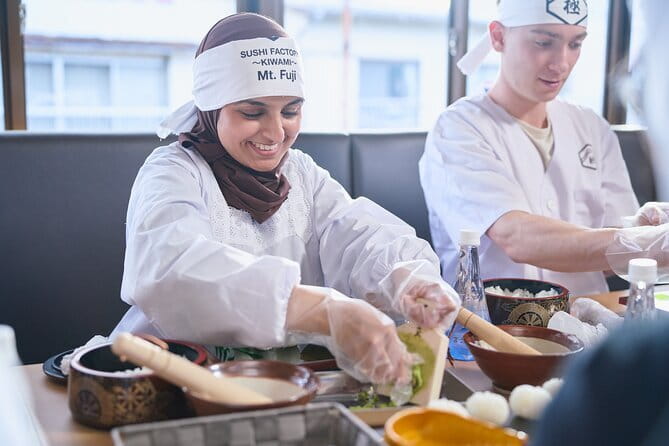
The timing is tight, but it doesn’t seem random. The session is built around learning sushi steps, then using those steps in fun “missions.”
You’ll start with the instructor guiding you through sushi-making basics. From there, the class moves into practical production: shaping different sushi styles and completing themed challenges as you go. The activity also includes grating fresh domestic wasabi, so you get a sensory moment beyond just rolling and cutting.
By the end, you’ll have created several sushi pieces/styles. One detail that sticks out from the feedback is that couples remember the output—like making a set number of sushi pieces together, which feels like a real accomplishment rather than a quick demo.
One caution: the experience is clearly designed for enjoyment, not silent perfection. Expect to follow instructions, solve small tasks, and stay active at your station.
The sushi you’ll actually make: Temari, Gunkan Maki, Nigiri, Temaki
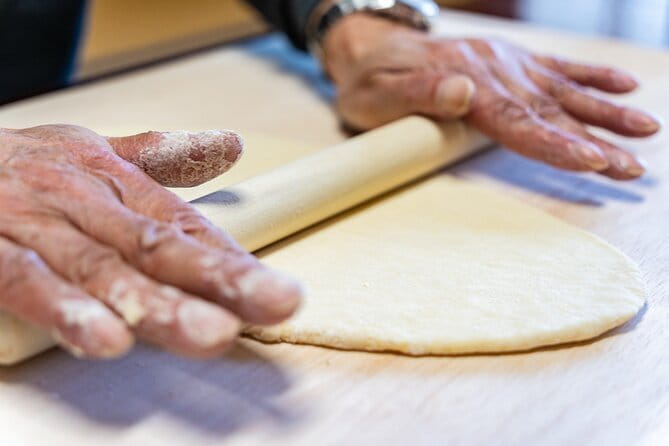
The class covers a useful mix of sushi types, and that’s a big part of why it works for first-timers.
Here’s what you can expect to create during the session:
Temari sushi
Temari typically means hand-shaped sushi—more playful in form than strict “knife-and-fish” precision. It’s a good entry point because the focus is on shaping and technique rather than complicated assembly.
Gunkan maki
This style leans into texture. It’s often about building a base and adding toppings in a way that holds shape. If you like sushi that’s more than just neatly stacked slices, you’ll likely enjoy this section.
Nigiri sushi
Nigiri is the classic: rice topped with something flavorful. Even if you’re new, learning nigiri in a guided, hands-on setting gives you a clearer mental model of how the rice and topping relate.
Temaki sushi
Temaki is cone-shaped and meant to be eaten more like a hand roll. It’s usually more forgiving and fun, and it often feels like the style you can recreate later at home.
What you’re really learning isn’t just four recipes. You’re learning how sushi form changes technique. That’s valuable because sushi isn’t one single method—it’s multiple formats built on the same foundations.
Puzzle missions: sushi pearls and decorative boats
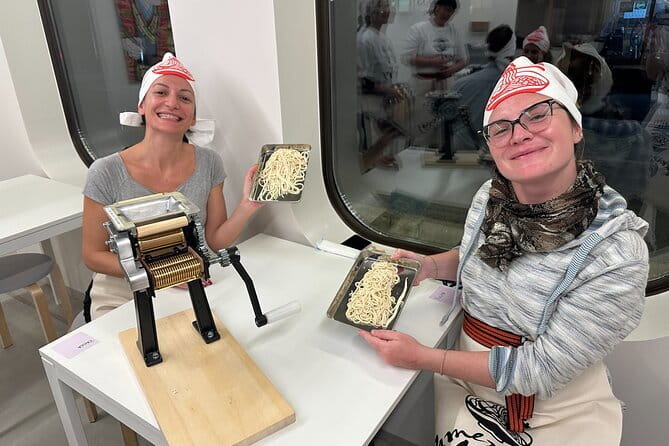
This is where the class turns into a structured game.
You’ll solve puzzles and take on unique challenges like crafting sushi pearls and building decorative sushi “boats.” Think of this as the instructor turning “make sushi” into “complete missions”—so you stay engaged while you practice technique.
Why this matters: when learning any cooking skill, people often drop off when it turns repetitive. Missions help you keep going. They also add a layer of creativity, so the session doesn’t feel like a checklist you just endure.
Now for balance: one complaint from the experience is that it can feel overpriced and too gimmicky, with some people not feeling like it hits hard on traditional culture. That doesn’t mean it lacks Japanese culinary focus—it means the delivery style leans toward entertainment and interaction.
If you’re the kind of person who likes instruction plus fun, this part will probably be your favorite. If you want a more purely traditional, serious class, you may want to mentally adjust expectations before you book.
You can also read our reviews of more tours and experiences in Fujikawaguchiko machi
Wasabi grating: the tiny step that feels big
Fresh wasabi is one of those details that can make the difference between a generic meal and something memorable.
In this class, you get the chance to grate fresh domestic wasabi yourself. That’s a sensory moment: the smell hits fast, and the texture changes as you work it. Even if you don’t love spicy flavors, you’ll understand how wasabi is treated as part of the experience, not just a topping.
Grating it yourself also makes the session feel more earned. You’re not just receiving ingredients. You’re transforming them.
And since sushi styles like nigiri and gunkan maki often depend on balance—richness, salt, bite—wasabi becomes part of the harmony you’re trying to create.
Meals included: lunch and dinner with a 90-minute lesson
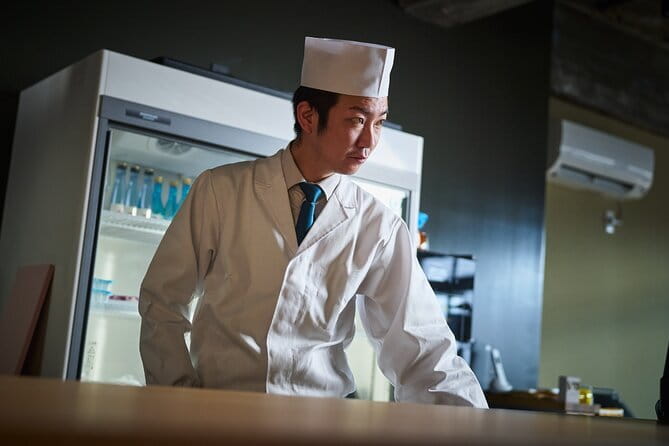
Your ticket includes lunch and dinner, plus all fees and taxes. That’s unusual for a class that’s only about 1.5 hours, so treat this as a “full meal day” booking rather than a quick snack-and-sit experience.
The exact timing of when lunch and dinner are served isn’t spelled out in the info you provided. So your best move is to check what meal schedule is attached to your specific booking once you receive confirmation.
Still, knowing meals are included helps you plan your budget. You’re not paying for extra restaurant time on top of the class fee.
Also, because the course is active and focused on making sushi, eating afterward should feel like part of the payoff rather than a random add-on.
Group size, attention, and why that matters for your hands
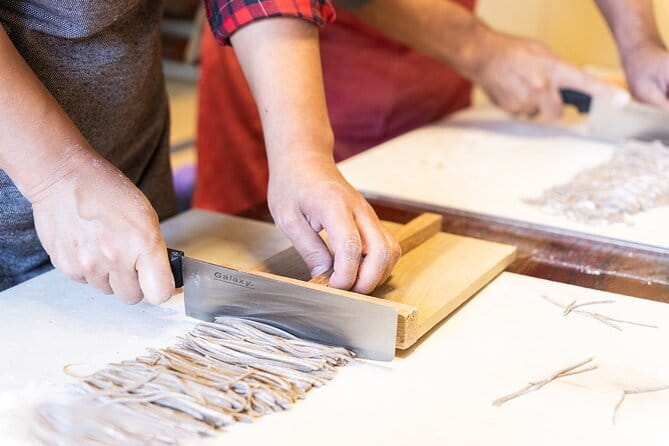
This is limited to a maximum of 15 travelers. In practice, smaller groups usually mean you’re less likely to wait around for help.
For sushi-making, that matters. Techniques like forming different styles and handling wasabi aren’t hard in theory, but they’re easier with guidance. A smaller group also makes it more likely you can ask questions when something doesn’t look right.
The experience is run by Japan food entertainment Ltd, and you’ll get confirmation at the time of booking. It also uses a mobile ticket, which is convenient if you don’t want extra printouts.
And if you’re planning around dates, note that it’s typically booked about 25 days in advance on average. That’s not a last-minute thing, so picking your dates early helps.
Who this sushi class is best for
This experience is ideal if you want sushi education with energy. You’ll get hands-on practice across several styles, plus fun puzzle challenges like sushi pearls and decorative sushi boats.
It also fits well for couples. One wedding-anniversary note in the feedback described it as a memorable moment—because you’re making food together and producing a finished set, not just taking pictures.
It’s a good match for:
- Foodies who learn faster when they’re hands-on
- People who like puzzles, challenges, or interactive activities
- First-timers who want a guided way to try multiple sushi types
It may not be ideal if you:
- Want a slow, strictly traditional class with minimal game elements
- Are very budget-focused and don’t factor in meals included
- Don’t want the price to cover entertainment-style structure
Should you book Sushi Factory -KIWAMI- Mt.Fuji?
I’d book it if you’re excited by hands-on sushi and you don’t mind that the class is designed as a playful challenge. The combination of multiple sushi styles, fresh wasabi, and Mt. Fuji views is exactly the kind of “you’ll remember this” travel experience that doesn’t require you to be a sushi expert first.
Skip it—or at least adjust your expectations—if you only want serious, traditional culture delivery. There’s evidence in the feedback that some people felt it leaned too hard into gimmicks for their taste, even though the sushi-making is the strong part.
If you want a fun, interactive way to learn sushi in the Mt. Fuji area with meals included, this is a solid choice.
FAQ
Where is the meeting point for Sushi Factory -KIWAMI- Mt.Fuji?
The activity starts at Ramen Factory Mt.Fuji, 3487-15 Funatsu, Fujikawaguchiko, Minamitsuru District, Yamanashi 401-0301, Japan.
How long does the sushi cooking class last?
The duration is approximately 1 hour 30 minutes.
How much does it cost per person?
It costs $141.84 per person.
What’s included in the price?
Lunch and dinner are included, along with all fees and taxes.
What’s the maximum group size?
The maximum group size is 15 travelers.
Do I need transportation to get there?
Transportation service is not included, though the activity is near public transportation.
What is the cancellation policy?
You can cancel for a full refund up to 24 hours before the experience’s start time. If you cancel less than 24 hours before, the amount paid isn’t refunded.